Byzantium: A European Empire and Its Legacy – serie
Visar alla böcker i serien Byzantium: A European Empire and Its Legacy. Handla med fri frakt och snabb leverans.
8 produkter
8 produkter
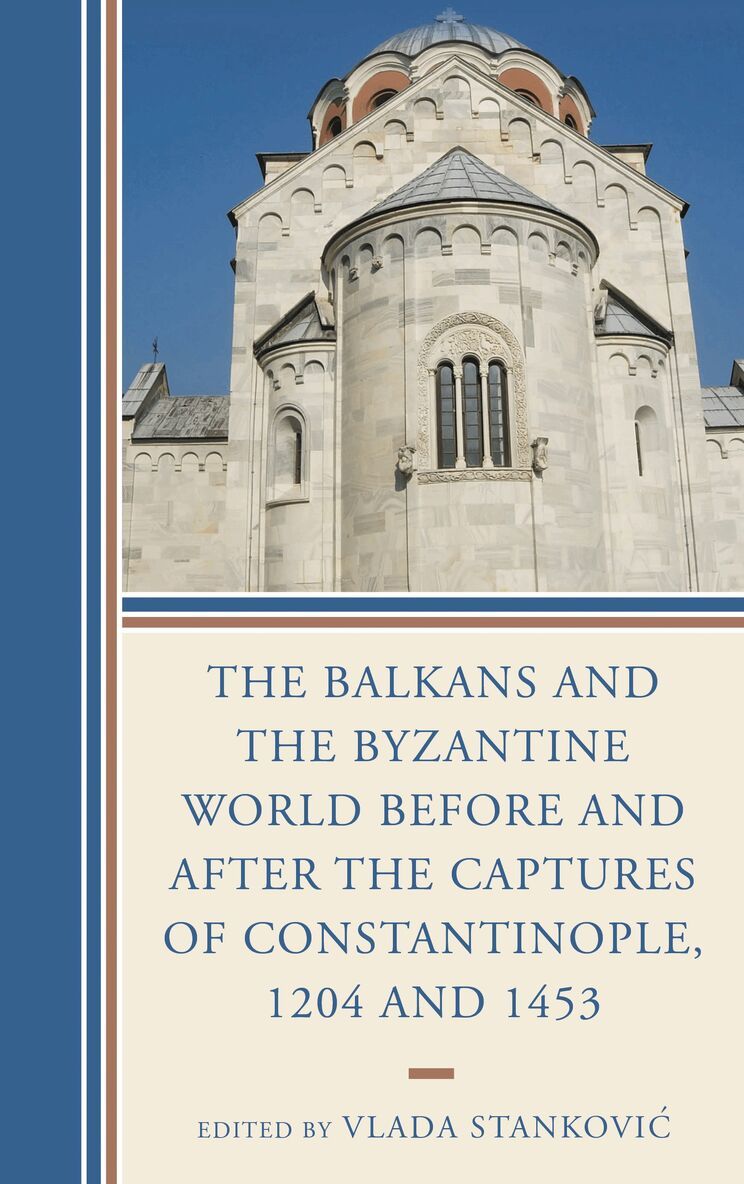
Balkans and the Byzantine World before and after the Captures of Constantinople, 1204 and 1453
Häftad, Engelska, 2018
612 kr
Skickas inom 10-15 vardagar
This book represents the first attempt to analyze historical and cultural developments in late medieval and early modern southeastern Europe as a set of mutually intertwined regional histories, burdened by the strong dichotomy between the almighty center—Constantinople—and the periphery that is rarely visible in both contemporary sources and modern scholarship. This mosaic of original studies is devoted to various regions of the Byzantine Balkans and their historical, artistic, and ideological idiosyncrasies, mirroring the complex character and composite and fragmented structure of this vast region. The focal points of the book are the two captures of Constantinople in 1204 and 1453, and the contributors analyze the significance of these catastrophic events on the political destiny of medieval Balkan societies, the mechanisms of adapting to the new political order, and the ever-present interconnectedness of a lower, regional elite across southeastern Europe that had remained strong even after the Ottoman conquest.
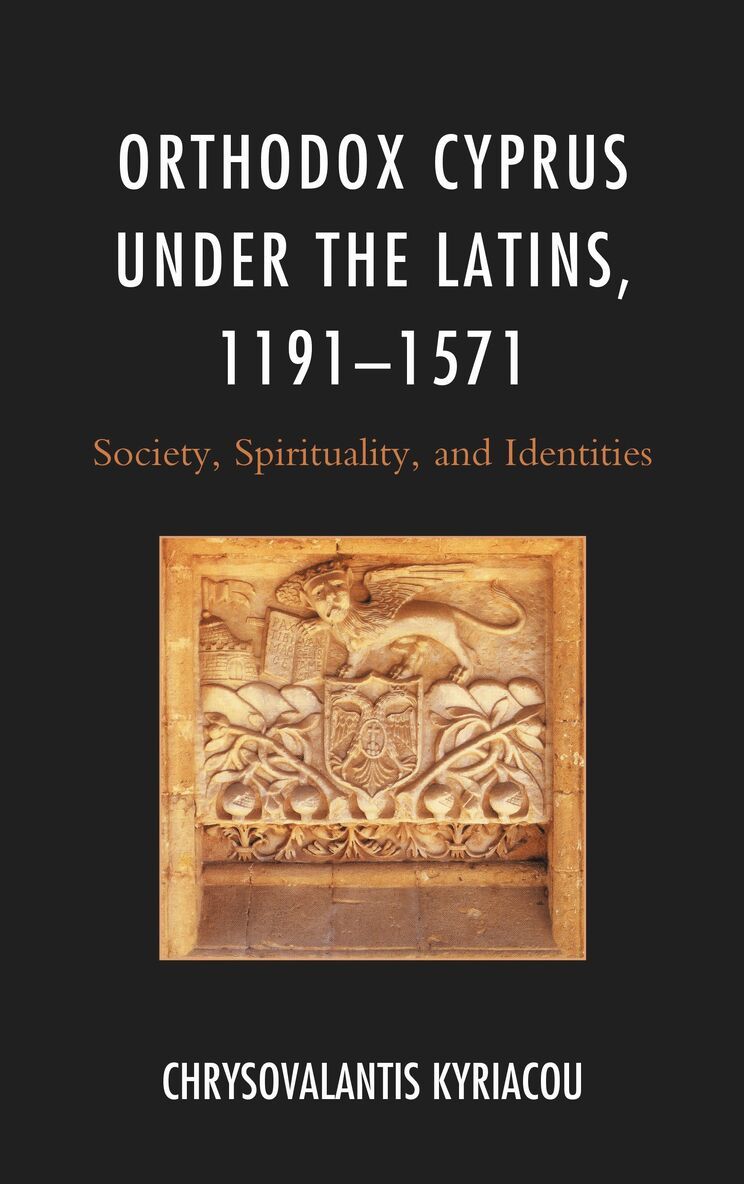
Orthodox Cyprus under the Latins, 1191–1571
Society, Spirituality, and Identities
Häftad, Engelska, 2021
528 kr
Skickas inom 10-15 vardagar
Medieval and Renaissance Cyprus was a fascinating place of ethnic, cultural, and religious encounters. Following almost nine centuries of Byzantine rule, Cyprus was conquered by the Crusaders in 1191, becoming (until 1571) the most important stronghold of Latin Christianity in the Eastern Mediterranean—first under the Frankish dynasty of the Lusignans, and later under the Venetians. Modern historiographical readings of Cypriot identity in medieval and early modern times have been colored by British colonialism, Greek nationalism, and Cyprocentric revisionism. Although these perspectives have offered valuable insights into the historical experience of Latin-ruled Cypriots, they have partially failed to capture the dynamics of noncoercive resistance to domination, and of identity preservation and adaptation. Orthodox Cyprus under the Latins, 1191–1571 readdresses the question of Cypriot identity by focusing on the Greek Cypriots, the island’s largest community during the medieval and early modern period. By bringing together theories from the fields of psychology, social anthropology, and sociology, this study explores continuities and discontinuities in the Byzantine culture and religious tradition of Cyprus, proposing a new methodological framework for a more comprehensive understanding of Cypriot Orthodoxy under Crusader and Venetian rule. A discussion of fresh evidence from hitherto unpublished primary sources enriches this examination, stressing the role of medieval and Renaissance Cyprus as cultural and religious province of the Byzantine and post-Byzantine Orthodox world.
1 245 kr
Skickas inom 10-15 vardagar
Conflict, Bargaining, and Kinship Networks in Medieval Eastern Europe takes the familiar view of Eastern Europe, families, and conflicts and stands it on its head. Instead of a world rife with civil war and killing, this book presents a relatively structured environment where conflict is engaged in for the purposes of advancing one’s position, and where death among the royal families is relatively rare. At the heart of this analysis is the use of situational kinship networks—relationships created by elites for the purposes of engaging in conflict with their own kin, but only for the duration of a particular conflict. A new image of medieval Eastern Europe, less consumed by civil war and mass death, will change the perception of medieval Eastern Europe in the minds of readers. This new perception is essential to not only present the past more accurately, but also to allow for medieval Eastern Europe’s integration into the larger medieval world as something other than an aberrant other.
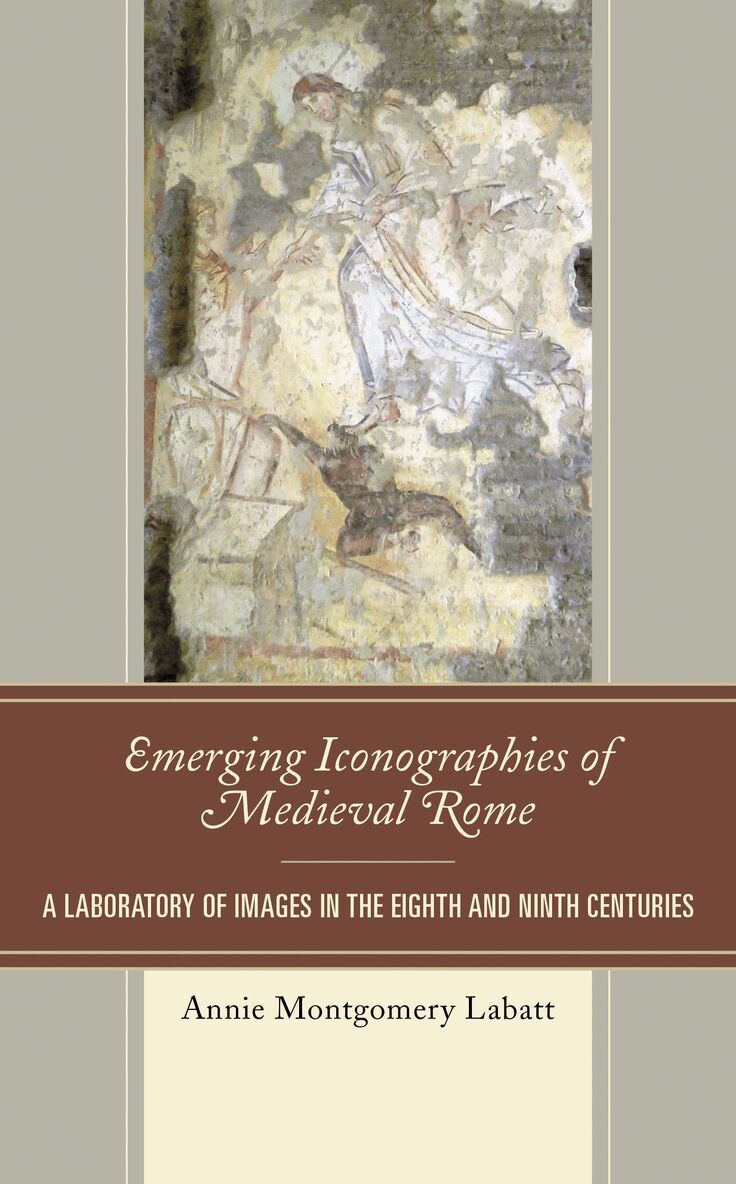
Emerging Iconographies of Medieval Rome
A Laboratory of Images in the Eighth and Ninth Centuries
Inbunden, Engelska, 2019
1 520 kr
Skickas inom 10-15 vardagar
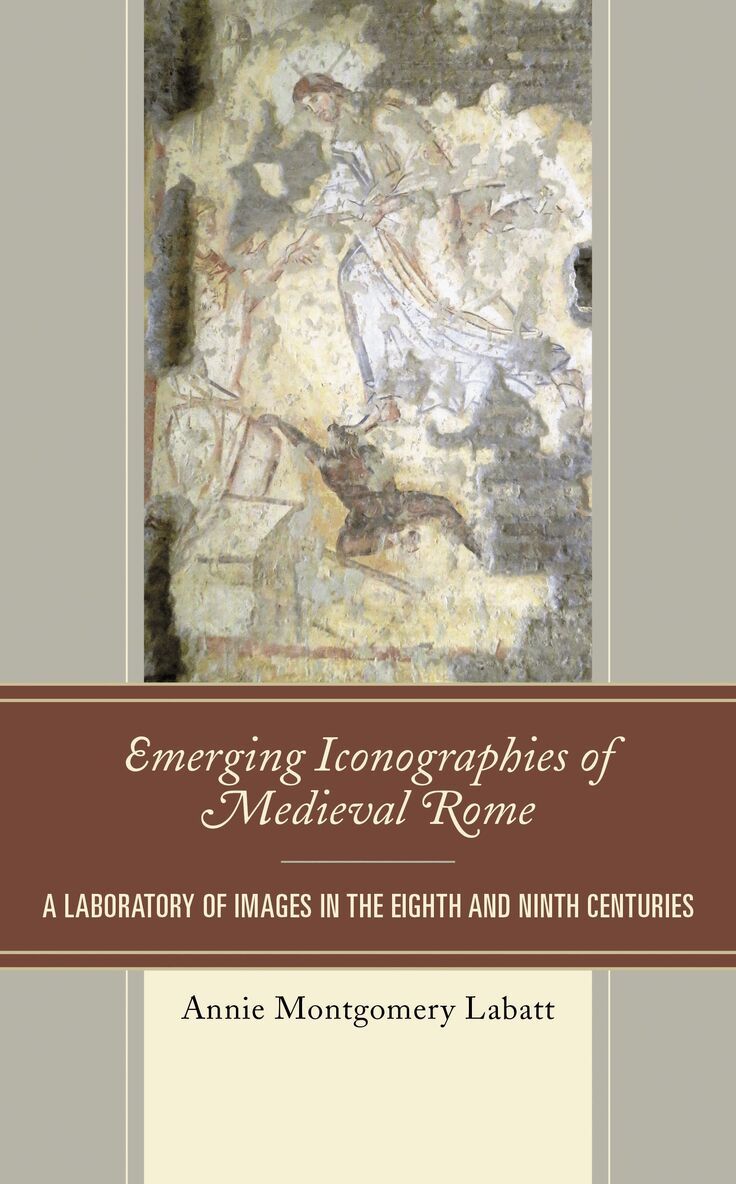
Emerging Iconographies of Medieval Rome examines the development of Christian iconographies that had not yet established themselves as canonical images, but which were being tried out in various ways in early Christian Rome. This book focuses on four different iconographical forms that appeared in Rome during the eighth and ninth centuries: the Anastasis, the Transfiguration, the Maria Regina, and the Sickness of Hezekiah—all of which were labeled “Byzantine” by major mid-twentieth century scholars. The trend has been to readily accede to the pronouncements of those prominent authors, subjugating these rich images to a grand narrative that privileges the East and turns Rome into an artistic backwater. In this study, Annie Montgomery Labatt reacts against traditional scholarship which presents Rome as merely an adjunct of the East. It studies medieval images with formal and stylistic analyses in combination with use of the writings of the patristics and early medieval thinkers. The experimentation and innovation in the Christian iconographies of Rome in the eighth and ninth centuries provides an affirmation of the artistic vibrancy of Rome in the period before a divided East and West. Labatt revisits and revives a lost and forgotten Rome—not as a peripheral adjunct of the East, but as a center of creativity and artistic innovation.
Emerging Iconographies of Medieval Rome
A Laboratory of Images in the Eighth and Ninth Centuries
Häftad, Engelska, 2021
544 kr
Skickas inom 10-15 vardagar
Emerging Iconographies of Medieval Rome examines the development of Christian iconographies that had not yet established themselves as canonical images, but which were being tried out in various ways in early Christian Rome. This book focuses on four different iconographical forms that appeared in Rome during the eighth and ninth centuries: the Anastasis, the Transfiguration, the Maria Regina, and the Sickness of Hezekiah—all of which were labeled “Byzantine” by major mid-twentieth century scholars. The trend has been to readily accede to the pronouncements of those prominent authors, subjugating these rich images to a grand narrative that privileges the East and turns Rome into an artistic backwater. In this study, Annie Montgomery Labatt reacts against traditional scholarship which presents Rome as merely an adjunct of the East. It studies medieval images with formal and stylistic analyses in combination with use of the writings of the patristics and early medieval thinkers. The experimentation and innovation in the Christian iconographies of Rome in the eighth and ninth centuries provides an affirmation of the artistic vibrancy of Rome in the period before a divided East and West. Labatt revisits and revives a lost and forgotten Rome—not as a peripheral adjunct of the East, but as a center of creativity and artistic innovation.
Radical Traditionalism
The Influence of Walter Kaegi in Late Antique, Byzantine, and Medieval Studies
Inbunden, Engelska, 2018
1 245 kr
Skickas inom 10-15 vardagar
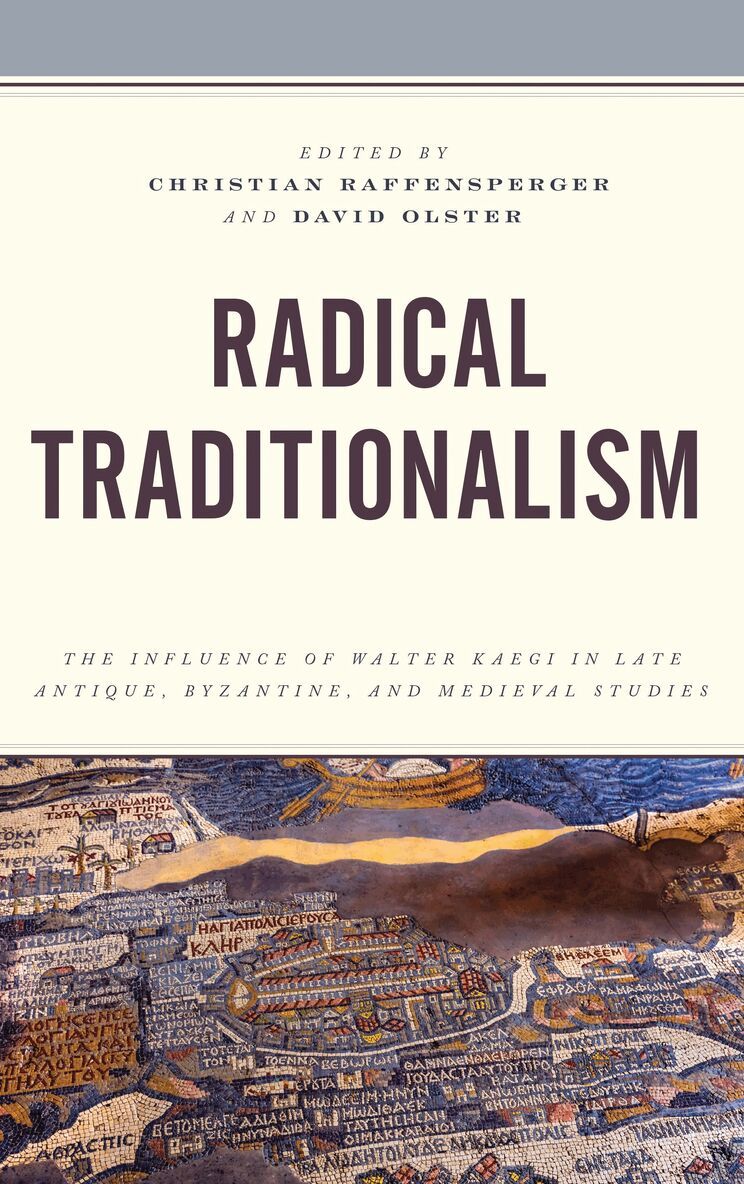
Radical Traditionalism: The Influence of Walter Kaegi in Late Antique, Byzantine, and Medieval Studies brings together scholars from fields and disciplines as diverse as medieval history, Byzantine history, Roman art history, and early Islamic studies. These scholars were students of Walter Kaegi, whose work influenced them greatly. This collection offers thoughtful essays examining political culture, source criticism and institutional continuity and discontinuity in a variety of areas, as well as illustrates how one scholar’s influence can reach across disciplinary boundaries to shape the argumentative structures and methods of both students and scholars. Any reader interested in the formation of disciplinary “schools” and how the broad application of a coherent approach to sources both literary and material will find this book an innovative approach to the Festschrift genre.
1 448 kr
Kommande
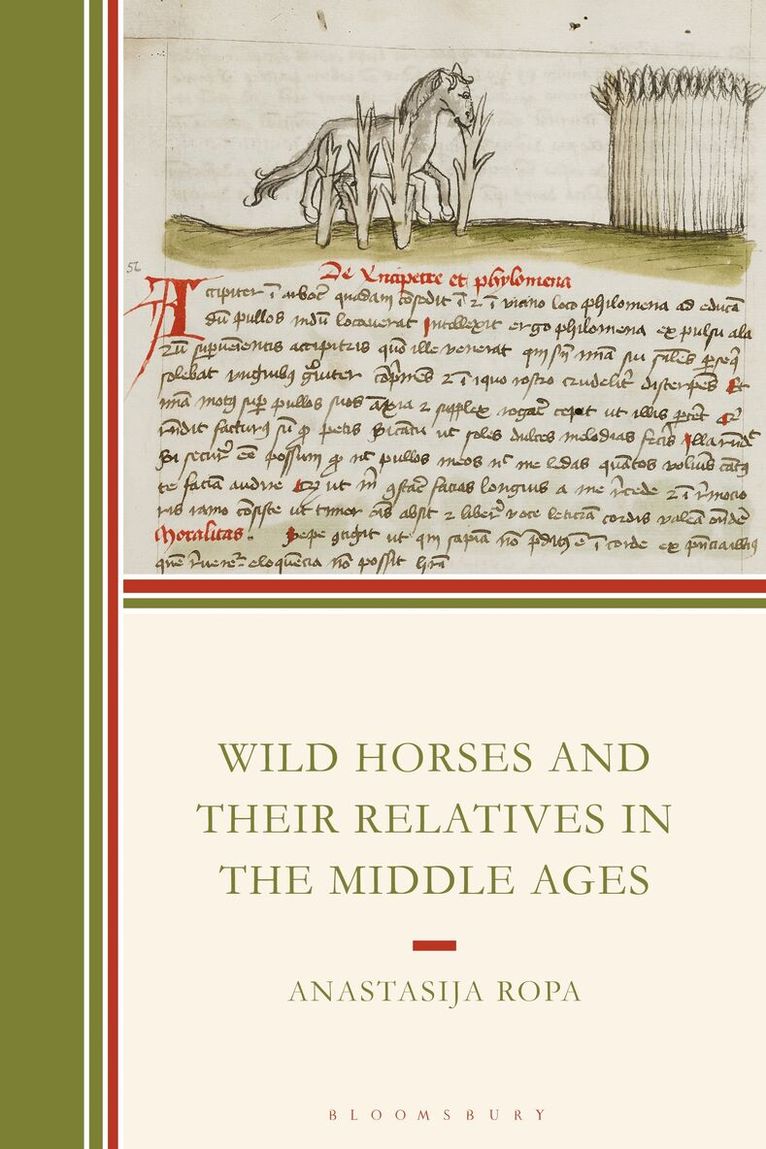
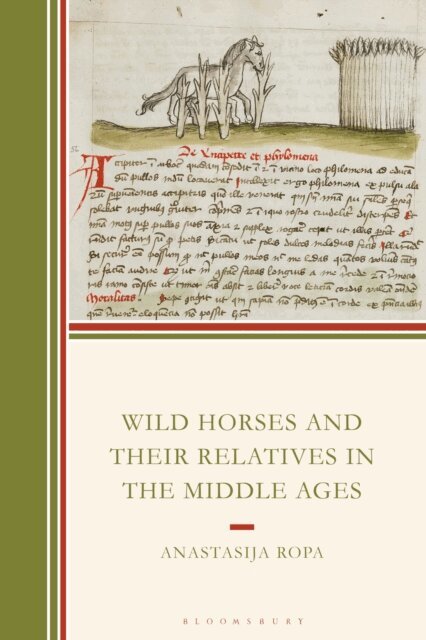
Wild Horses in the Middle Ages offers a comprehensive and interdisciplinary exploration of the presence, perception, and treatment of wild and feral horses across medieval Europe and adjacent regions. Drawing on archaeological evidence, genetic studies, medieval legal codes, hippiatric treatises, chronicles, and visual culture, the book interrogates the ambiguous status of wild horses in the historical record and challenges modern assumptions about equine domestication.Anastasija Ropa traces the biological and legal distinctions between wild and domestic horses, and examines how medieval authors and artists depicted equine life. From breeding advice in hippiatric treatises to frescoes showing horse hunts, these sources reveal how horses were embedded in medieval economies, landscapes, and imaginations—not only as laborers and companions but also as symbols of status, wilderness, and power.
1 314 kr
Skickas inom 10-15 vardagar
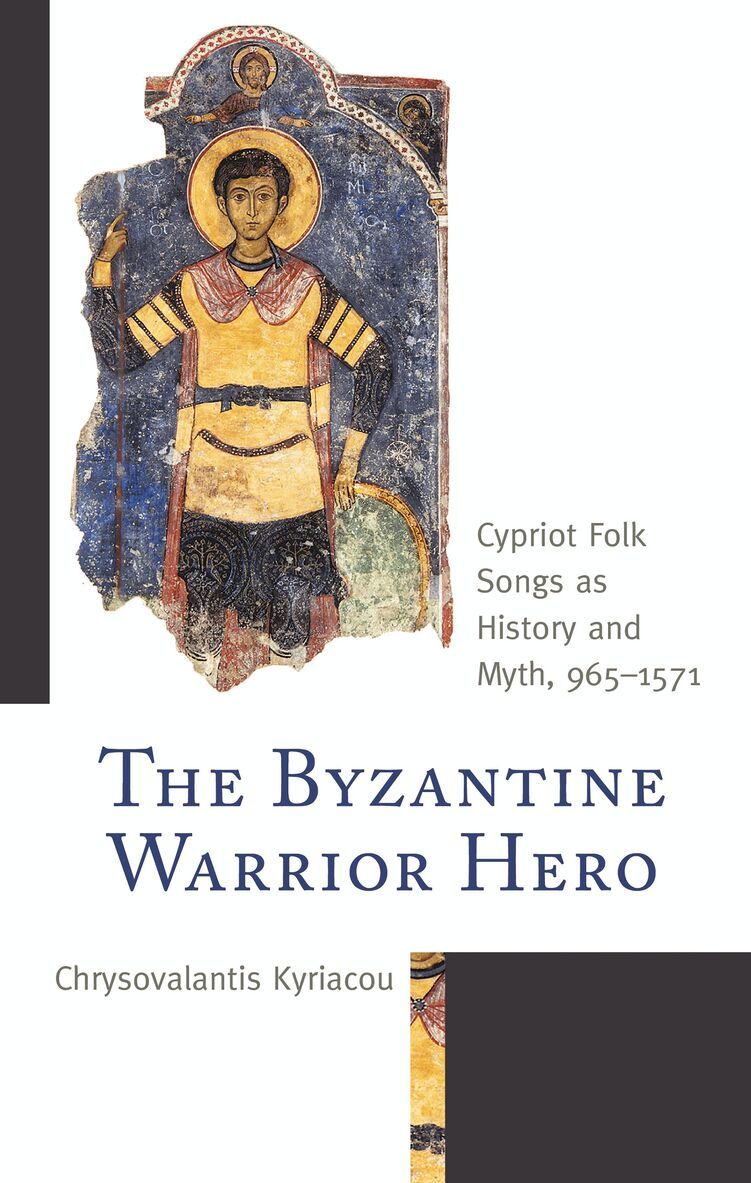
Chrysovalantis Kyriacou examines how memories of the pre-Christian past, Christian militarism, power struggles, and ethnoreligious encounters have left their long-term imprint on Cypriot culture. One of the most impressive examples of this phenomenon is the preservation and transformative adaptation of Byzantine heroic themes, motifs, and symbols in Cypriot folk songs. By combining a variety of written sources and archaeological material in his interdisciplinary examination, the author reconstructs the image of the Byzantine warrior hero in the songs, recovering the mentalities of overshadowed social protagonists and stressing the role of subaltern communities as active agents in the shaping of history.