Design Principles for Teaching History - Böcker
Visar alla böcker i serien Design Principles for Teaching History. Handla med fri frakt och snabb leverans.
12 produkter
12 produkter
1 180 kr
Skickas inom 11-20 vardagar
A Primer for Teaching World History is a guide for college and high school teachers who are designing an introductory-level world history syllabus for the first time, for those who already teach world history and are seeking new ideas or approaches, and for those who train future teachers to prepare any history course with a global or transnational focus. Drawing on her own classroom practices, as well as her career as a historian, Antoinette Burton offers a set of principles to help instructors think about how to design their courses with specific goals in mind, whatever those may be. She encourages teachers to envision the world history syllabus as having an architecture: a fundamental, underlying structure or interpretive focus that runs throughout the course, shaping students' experiences, offering pathways in and out of "the global," and reflecting the teacher's convictions about the world and the work of history.
319 kr
Skickas inom 7-10 vardagar
A Primer for Teaching World History is a guide for college and high school teachers who are designing an introductory-level world history syllabus for the first time, for those who already teach world history and are seeking new ideas or approaches, and for those who train future teachers to prepare any history course with a global or transnational focus. Drawing on her own classroom practices, as well as her career as a historian, Antoinette Burton offers a set of principles to help instructors think about how to design their courses with specific goals in mind, whatever those may be. She encourages teachers to envision the world history syllabus as having an architecture: a fundamental, underlying structure or interpretive focus that runs throughout the course, shaping students' experiences, offering pathways in and out of "the global," and reflecting the teacher's convictions about the world and the work of history.
338 kr
Skickas inom 10-15 vardagar
A Primer for Teaching African History is a guide for college and high school teachers who are teaching African history for the first time, for experienced teachers who want to reinvigorate their courses, for those who are training future teachers to prepare their own syllabi, and for teachers who want to incorporate African history into their world history courses. Trevor R. Getz offers design principles aimed at facilitating a classroom experience that will help students navigate new knowledge, historical skills, ethical development, and worldviews. He foregrounds the importance of acknowledging and addressing student preconceptions about Africa, challenging chronological approaches to history, exploring identity and geography as ways to access historical African perspectives, and investigating the potential to engage in questions of ethics that studying African history provides. In his discussions of setting goals, pedagogy, assessment, and syllabus design, Getz draws readers into the process of thinking consciously and strategically about designing courses on African history that will challenge students to think critically about Africa and the discipline of history.
1 219 kr
Skickas inom 10-15 vardagar
A Primer for Teaching African History is a guide for college and high school teachers who are teaching African history for the first time, for experienced teachers who want to reinvigorate their courses, for those who are training future teachers to prepare their own syllabi, and for teachers who want to incorporate African history into their world history courses. Trevor R. Getz offers design principles aimed at facilitating a classroom experience that will help students navigate new knowledge, historical skills, ethical development, and worldviews. He foregrounds the importance of acknowledging and addressing student preconceptions about Africa, challenging chronological approaches to history, exploring identity and geography as ways to access historical African perspectives, and investigating the potential to engage in questions of ethics that studying African history provides. In his discussions of setting goals, pedagogy, assessment, and syllabus design, Getz draws readers into the process of thinking consciously and strategically about designing courses on African history that will challenge students to think critically about Africa and the discipline of history.
1 370 kr
Skickas inom 10-15 vardagar
A Primer for Teaching Environmental History is a guide for college and high school teachers who are teaching environmental history for the first time, for experienced teachers who want to reinvigorate their courses, for those who are training future teachers to prepare their own syllabi, and for teachers who want to incorporate environmental history into their world history courses. Emily Wakild and Michelle K. Berry offer design principles for creating syllabi that will help students navigate a wide range of topics, from food, environmental justice, and natural resources to animal-human relations, senses of place, and climate change. In their discussions of learning objectives, assessment, project-based learning, using technology, and syllabus design, Wakild and Berry draw readers into the process of strategically designing courses on environmental history that will challenge students to think critically about one of the most urgent topics of study in the twenty-first century.
338 kr
Skickas inom 10-15 vardagar
A Primer for Teaching Environmental History is a guide for college and high school teachers who are teaching environmental history for the first time, for experienced teachers who want to reinvigorate their courses, for those who are training future teachers to prepare their own syllabi, and for teachers who want to incorporate environmental history into their world history courses. Emily Wakild and Michelle K. Berry offer design principles for creating syllabi that will help students navigate a wide range of topics, from food, environmental justice, and natural resources to animal-human relations, senses of place, and climate change. In their discussions of learning objectives, assessment, project-based learning, using technology, and syllabus design, Wakild and Berry draw readers into the process of strategically designing courses on environmental history that will challenge students to think critically about one of the most urgent topics of study in the twenty-first century.
Primer for Teaching Women, Gender, and Sexuality in World History
Ten Design Principles
Inbunden, Engelska, 2018
1 310 kr
Skickas inom 7-10 vardagar
A Primer for Teaching Women, Gender, and Sexuality in World History is a guide for college and high school teachers who are teaching women, gender, and sexuality in history for the first time, for experienced teachers who want to reinvigorate their courses, for those who are training future teachers to prepare their own syllabi, and for teachers who want to incorporate these issues into their world history classes. Merry E. Wiesner-Hanks and Urmi Engineer Willoughby present possible course topics, themes, concepts, and approaches while offering practical advice on materials and strategies helpful for teaching courses from a global perspective in today's teaching environment for today's students. In their discussions of pedagogy, syllabus organization, fostering students' historical empathy, and connecting students with their community, Wiesner-Hanks and Willoughby draw readers into the process of strategically designing courses that will enable students to analyze gender and sexuality in history, whether their students are new to this process or hold powerful and personal commitments to the issues it raises.
Primer for Teaching Women, Gender, and Sexuality in World History
Ten Design Principles
Häftad, Engelska, 2018
319 kr
Skickas inom 7-10 vardagar
A Primer for Teaching Women, Gender, and Sexuality in World History is a guide for college and high school teachers who are teaching women, gender, and sexuality in history for the first time, for experienced teachers who want to reinvigorate their courses, for those who are training future teachers to prepare their own syllabi, and for teachers who want to incorporate these issues into their world history classes. Merry E. Wiesner-Hanks and Urmi Engineer Willoughby present possible course topics, themes, concepts, and approaches while offering practical advice on materials and strategies helpful for teaching courses from a global perspective in today's teaching environment for today's students. In their discussions of pedagogy, syllabus organization, fostering students' historical empathy, and connecting students with their community, Wiesner-Hanks and Willoughby draw readers into the process of strategically designing courses that will enable students to analyze gender and sexuality in history, whether their students are new to this process or hold powerful and personal commitments to the issues it raises.
1 310 kr
Skickas inom 7-10 vardagar
A Primer for Teaching Pacific Histories is a guide for college and high school teachers who are teaching Pacific histories for the first time or for experienced teachers who want to reinvigorate their courses. It can also serve those who are training future teachers to prepare their own syllabi, as well as teachers who want to incorporate Pacific histories into their world history courses. Matt K. Matsuda offers design principles for creating syllabi that will help students navigate a wide range of topics, from settler colonialism, national liberation, and warfare to tourism, popular culture, and identity. He also discusses practical pedagogical techniques and tips, project-based assignments, digital resources, and how Pacific approaches to teaching history differ from customary Western practices. Placing the Pacific Islands at the center of analysis, Matsuda draws readers into the process of strategically designing courses that will challenge students to think critically about the interconnected histories of East Asia, Southeast Asia, Australia, the Pacific Islands, and the Americas within a global framework.
319 kr
Skickas inom 7-10 vardagar
A Primer for Teaching Pacific Histories is a guide for college and high school teachers who are teaching Pacific histories for the first time or for experienced teachers who want to reinvigorate their courses. It can also serve those who are training future teachers to prepare their own syllabi, as well as teachers who want to incorporate Pacific histories into their world history courses. Matt K. Matsuda offers design principles for creating syllabi that will help students navigate a wide range of topics, from settler colonialism, national liberation, and warfare to tourism, popular culture, and identity. He also discusses practical pedagogical techniques and tips, project-based assignments, digital resources, and how Pacific approaches to teaching history differ from customary Western practices. Placing the Pacific Islands at the center of analysis, Matsuda draws readers into the process of strategically designing courses that will challenge students to think critically about the interconnected histories of East Asia, Southeast Asia, Australia, the Pacific Islands, and the Americas within a global framework.
1 120 kr
Skickas inom 7-10 vardagar
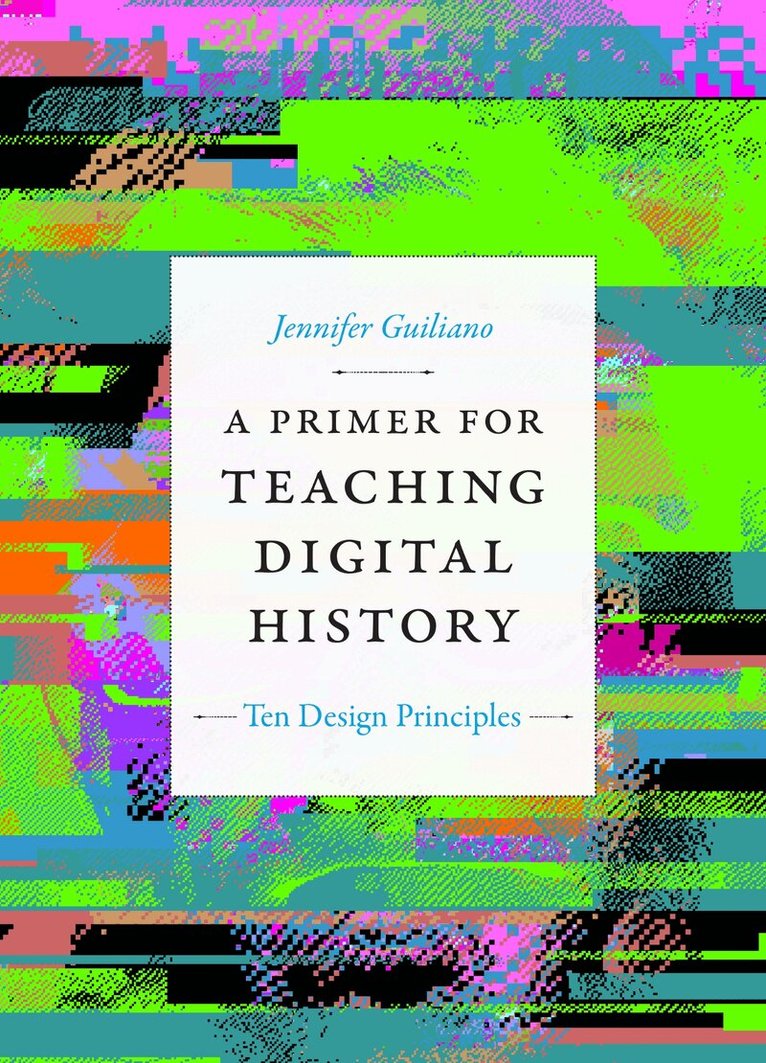
A Primer for Teaching Digital History is a guide for college and high school teachers who are teaching digital history for the first time or for experienced teachers who want to reinvigorate their pedagogy. It can also serve those who are training future teachers to prepare their own syllabi, as well as teachers who want to incorporate digital history into their history courses. Offering design principles for approaching digital history that represent the possibilities that digital research and scholarship can take, Jennifer Guiliano outlines potential strategies and methods for building syllabi and curricula. Taking readers through the process of selecting data, identifying learning outcomes, and determining which tools students will use in the classroom, Guiliano outlines popular research methods including digital source criticism, text analysis, and visualization. She also discusses digital archives, exhibits, and collections as well as audiovisual and mixed-media narratives such as short documentaries, podcasts, and multimodal storytelling. Throughout, Guiliano illuminates how digital history can enhance understandings of not just what histories are told but how they are told and who has access to them.
292 kr
Skickas inom 7-10 vardagar
A Primer for Teaching Digital History is a guide for college and high school teachers who are teaching digital history for the first time or for experienced teachers who want to reinvigorate their pedagogy. It can also serve those who are training future teachers to prepare their own syllabi, as well as teachers who want to incorporate digital history into their history courses. Offering design principles for approaching digital history that represent the possibilities that digital research and scholarship can take, Jennifer Guiliano outlines potential strategies and methods for building syllabi and curricula. Taking readers through the process of selecting data, identifying learning outcomes, and determining which tools students will use in the classroom, Guiliano outlines popular research methods including digital source criticism, text analysis, and visualization. She also discusses digital archives, exhibits, and collections as well as audiovisual and mixed-media narratives such as short documentaries, podcasts, and multimodal storytelling. Throughout, Guiliano illuminates how digital history can enhance understandings of not just what histories are told but how they are told and who has access to them.