Digital Media and Learning - Böcker
Visar alla böcker i serien Digital Media and Learning. Handla med fri frakt och snabb leverans.
6 produkter
6 produkter
603 kr
Skickas inom 7-10 vardagar
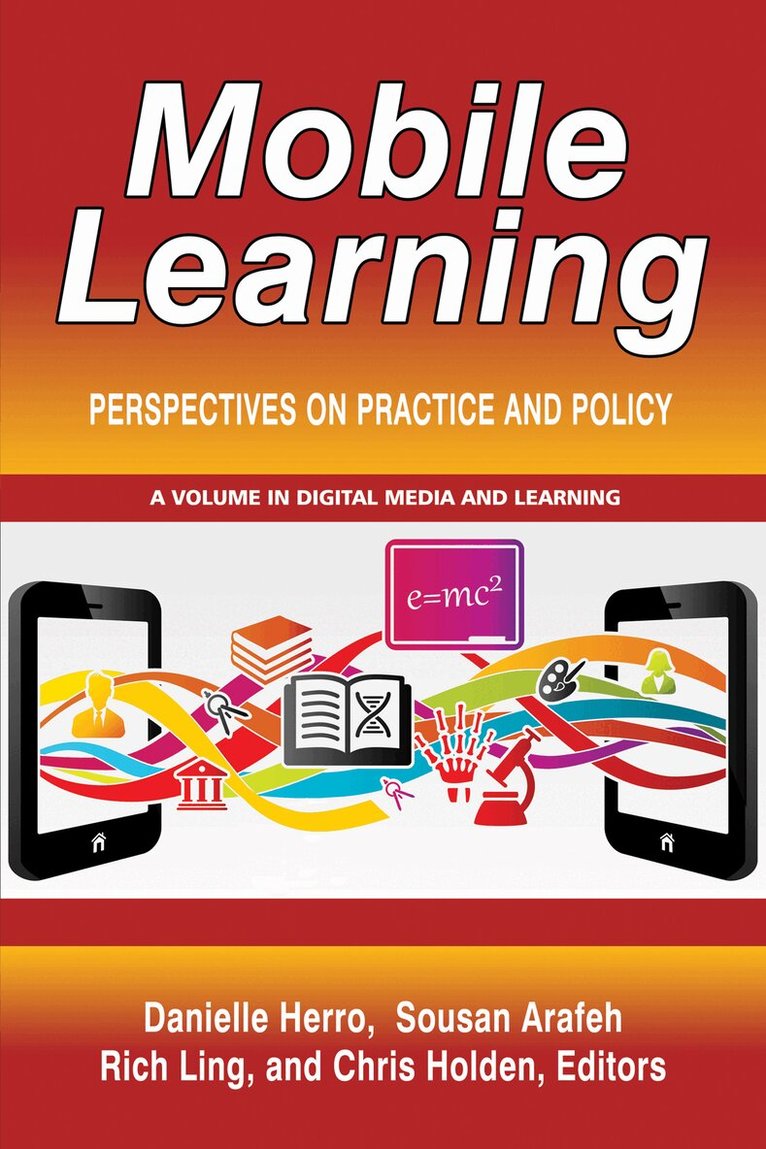
There can be no doubt that mobile technologies are here to stay. Global mobile traffic grew 74 percent in 2015 alone, with 563 million devices and connections added -- most of them tablets and Smartphones. This growth has been 4000-fold in the past 10 years and 400 million-fold in the past 15 years (Cisco, 2016). Mobile technologies permeate the lives of 21st century citizens as mainstays of organizational and institutional day-to-day operations, commerce, and communication and as tools used to support individuals’ personal, social, and career responsibilities. In both the corporate and educational worlds, e- and m-learning and marketing with mobile technologies are moving forward at breakneck speed with, in many cases, a blurring of traditional sector boundaries.As neither the technology nor the uses are static, exploring practices and policies that underpin this quickly shifting mobile technology context is crucial for ensuring its intelligent, purposeful, and equitable use. This edited book provides a venue for researchers to share their work on mobile learning with a focus on uses for mobiles in informal settings and PK-20 classrooms, language learning, mobile gaming, leadership and policy issues, and what mobile learning in the future may be. It assists researchers and educators to consider and answer questions such as: What is “mobile learning” today? How can mobiles be used to enable learning? How is mobile learning crossing or connecting economic, social, and/or cultural sectors? How do specific cultural practices with media influence mobile learning (e.g., youth practices, educator practices, parent practices, community practices)? What are policy and leadership implications in supporting mobile learning? What policies, practices, and/or pedagogical approaches are necessary to move forward with mobiles in schools or universities? In what ways is mobile learning impacting education; including how students learn and teachers teach? What will/ should/might mobile learning look like in the future?
1 067 kr
Skickas inom 7-10 vardagar
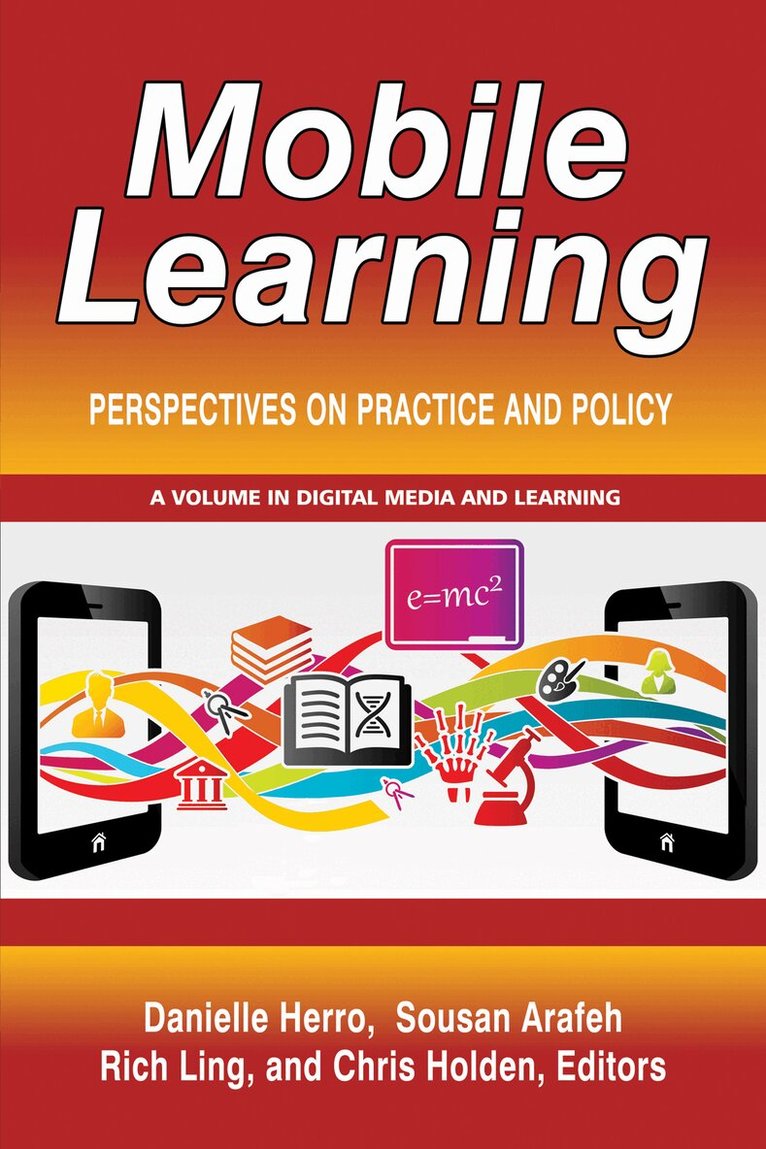
There can be no doubt that mobile technologies are here to stay. Global mobile traffic grew 74 percent in 2015 alone, with 563 million devices and connections added -- most of them tablets and Smartphones. This growth has been 4000-fold in the past 10 years and 400 million-fold in the past 15 years (Cisco, 2016). Mobile technologies permeate the lives of 21st century citizens as mainstays of organizational and institutional day-to-day operations, commerce, and communication and as tools used to support individuals’ personal, social, and career responsibilities. In both the corporate and educational worlds, e- and m-learning and marketing with mobile technologies are moving forward at breakneck speed with, in many cases, a blurring of traditional sector boundaries.As neither the technology nor the uses are static, exploring practices and policies that underpin this quickly shifting mobile technology context is crucial for ensuring its intelligent, purposeful, and equitable use. This edited book provides a venue for researchers to share their work on mobile learning with a focus on uses for mobiles in informal settings and PK-20 classrooms, language learning, mobile gaming, leadership and policy issues, and what mobile learning in the future may be. It assists researchers and educators to consider and answer questions such as: What is “mobile learning” today? How can mobiles be used to enable learning? How is mobile learning crossing or connecting economic, social, and/or cultural sectors? How do specific cultural practices with media influence mobile learning (e.g., youth practices, educator practices, parent practices, community practices)? What are policy and leadership implications in supporting mobile learning? What policies, practices, and/or pedagogical approaches are necessary to move forward with mobiles in schools or universities? In what ways is mobile learning impacting education; including how students learn and teachers teach? What will/ should/might mobile learning look like in the future?
586 kr
Skickas inom 7-10 vardagar
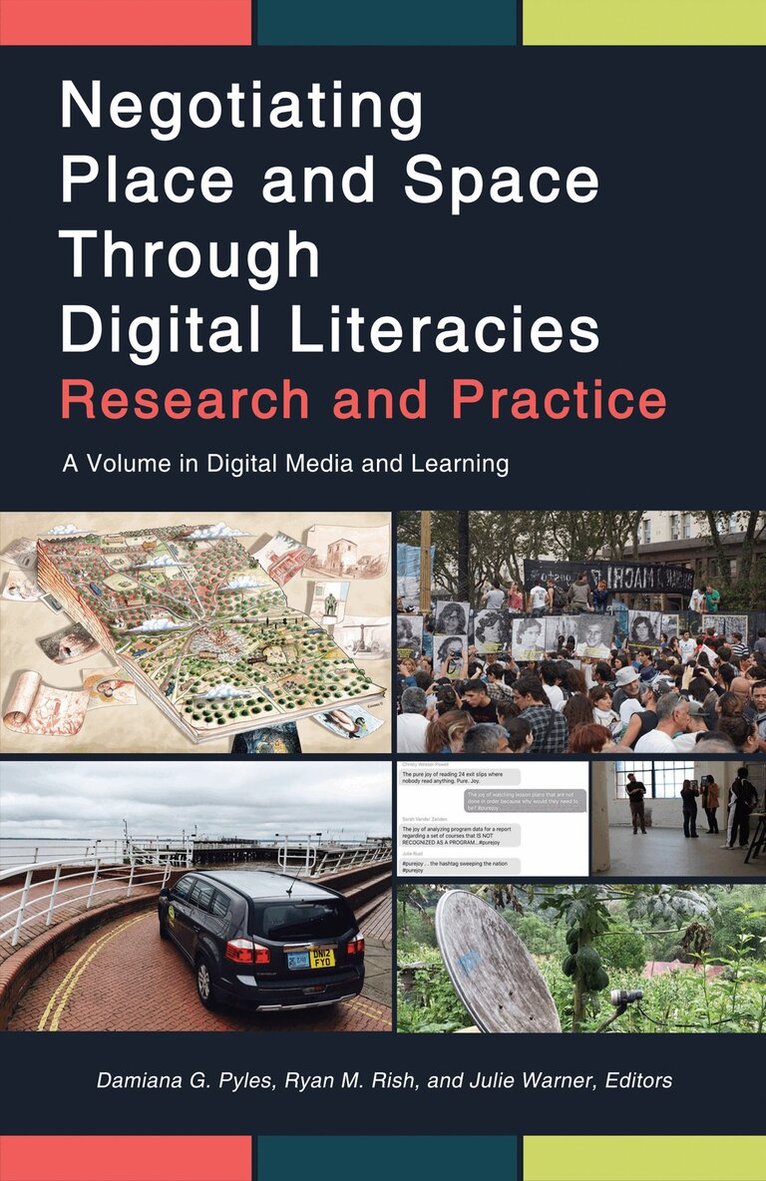
Digital literacy practices have often been celebrated as means of transcending the constraints of the physical world through the production of new social spaces. At the same time, literacy researchers and educators are coming to understand all the ways that place matters. This volume, with contributors from across the globe, considers how space/place, identities, and the role of digital literacies create opportunities for individuals and communities to negotiate living, being, and learning together with and through digital media.The chapters in this volume consider how social, cultural, historical, and political literacies are brought to bear on a range of places that traverse the urban, rural, and suburban/exurban, with emphasis placed on the ways digital technology is used to create identities and do work within social, digital, and material worlds. This includes agentive work in digital literacies from a variety of identities or subjectivities that disrupt metronormativity, urban centrism (and other -isms) on the way to more authentic engagement with their communities and others. Featuring instances of research and practice across intersections of differences (including, but not limited to race, class, gender, sexuality, ability, and language) and places, the contributions in this volume demonstrate the ways that digital literacies hold educative potential.
1 037 kr
Skickas inom 7-10 vardagar
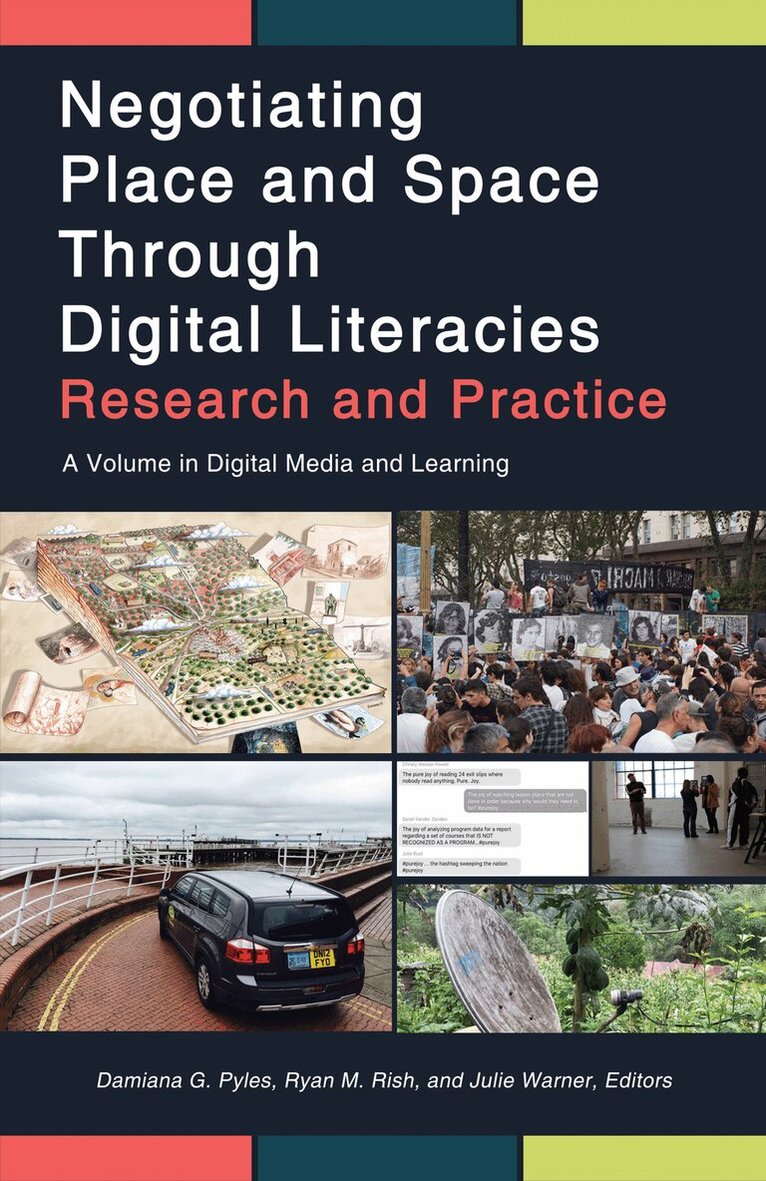
Digital literacy practices have often been celebrated as means of transcending the constraints of the physical world through the production of new social spaces. At the same time, literacy researchers and educators are coming to understand all the ways that place matters. This volume, with contributors from across the globe, considers how space/place, identities, and the role of digital literacies create opportunities for individuals and communities to negotiate living, being, and learning together with and through digital media.The chapters in this volume consider how social, cultural, historical, and political literacies are brought to bear on a range of places that traverse the urban, rural, and suburban/exurban, with emphasis placed on the ways digital technology is used to create identities and do work within social, digital, and material worlds. This includes agentive work in digital literacies from a variety of identities or subjectivities that disrupt metronormativity, urban centrism (and other -isms) on the way to more authentic engagement with their communities and others. Featuring instances of research and practice across intersections of differences (including, but not limited to race, class, gender, sexuality, ability, and language) and places, the contributions in this volume demonstrate the ways that digital literacies hold educative potential.
522 kr
Skickas inom 7-10 vardagar
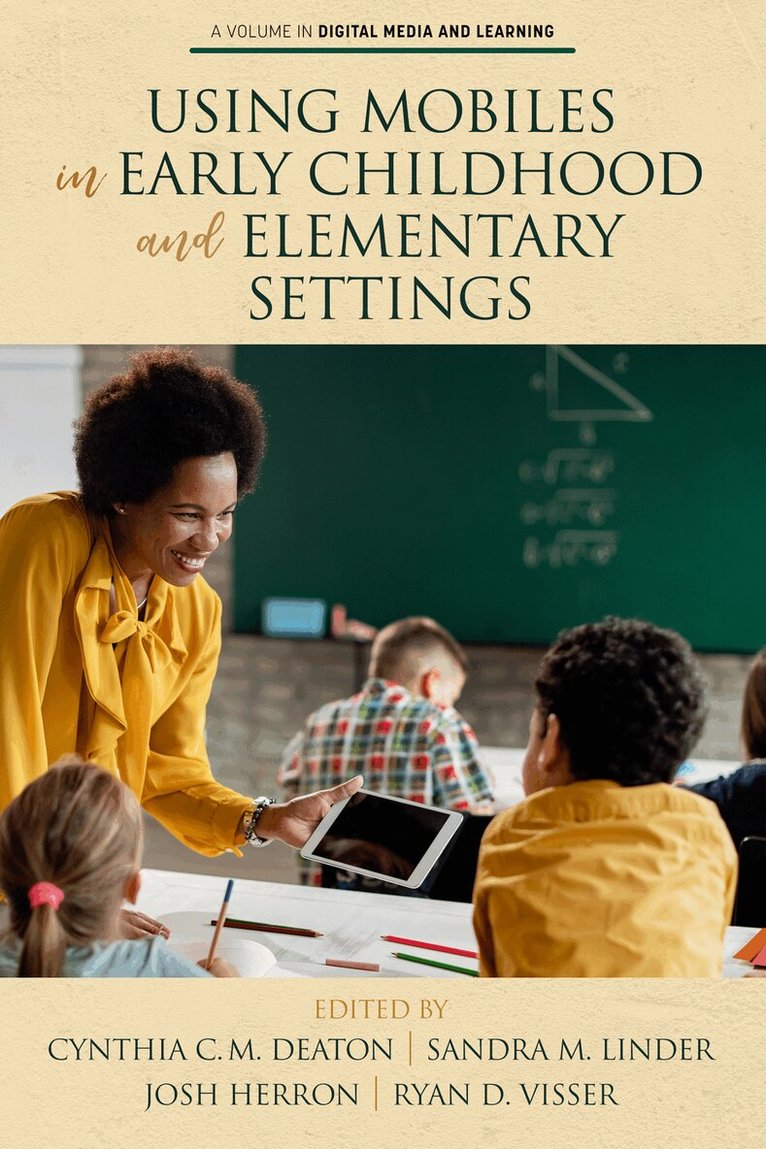
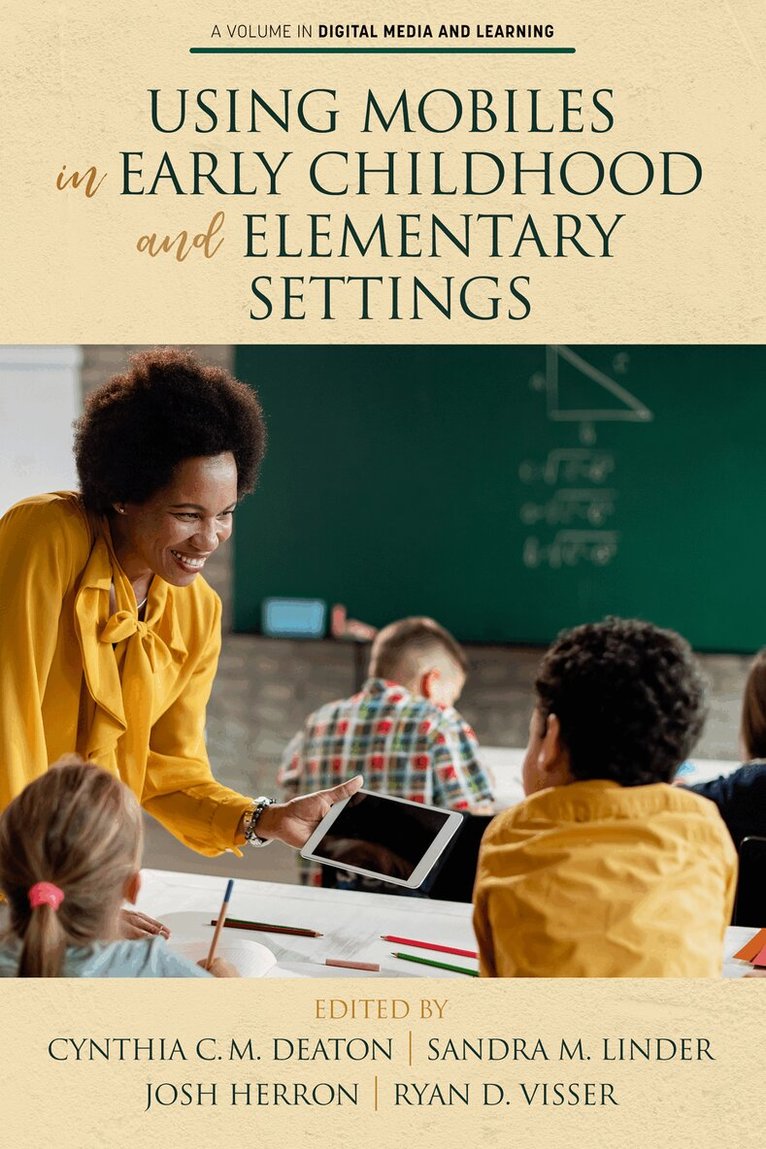
Mobile learning is a primary learning format in the education of young children from birth through 6th grade. This format has been found to have a positive impact on the academic achievement, self-efficacy, motivation, and learning attitudes of students, including those with special needs (Ciampa, 2014; Hwang, 2014; Nikou & Economides, 2018; Xie, Basham, Marino & Rice, 2018). In both formal and informal learning contexts, mobile learning affords opportunities to innovate and explore new forms of authentic experiences, meaning-making, and creativity with untethered technology (Choi, Land, & Zimmerman, 2018; Schuck, Kearney & Burden, 2017). This edited book acts as a springboard to expand discussions surrounding how mobiles might best be situated in contexts relating to young children. With a focus on early childhood and elementary settings, this book both expands the definition of mobiles to encompass digital-physical tools (e.g. Osmo, probeware) and wearables. It also provides insight into how intentional integration of mobiles supports the development and practice of both in-service and preservice teachers working with students in early childhood and elementary settings.
972 kr
Skickas inom 7-10 vardagar
Mobile learning is a primary learning format in the education of young children from birth through 6th grade. This format has been found to have a positive impact on the academic achievement, self-efficacy, motivation, and learning attitudes of students, including those with special needs (Ciampa, 2014; Hwang, 2014; Nikou & Economides, 2018; Xie, Basham, Marino & Rice, 2018). In both formal and informal learning contexts, mobile learning affords opportunities to innovate and explore new forms of authentic experiences, meaning-making, and creativity with untethered technology (Choi, Land, & Zimmerman, 2018; Schuck, Kearney & Burden, 2017). This edited book acts as a springboard to expand discussions surrounding how mobiles might best be situated in contexts relating to young children. With a focus on early childhood and elementary settings, this book both expands the definition of mobiles to encompass digital-physical tools (e.g. Osmo, probeware) and wearables. It also provides insight into how intentional integration of mobiles supports the development and practice of both in-service and preservice teachers working with students in early childhood and elementary settings.