Edinburgh History of the Islamic Empires – serie
Visar alla böcker i serien Edinburgh History of the Islamic Empires. Handla med fri frakt och snabb leverans.
15 produkter
15 produkter
1 053 kr
Kommande
1 084 kr
Kommande
366 kr
Kommande
2 095 kr
Skickas inom 3-6 vardagar
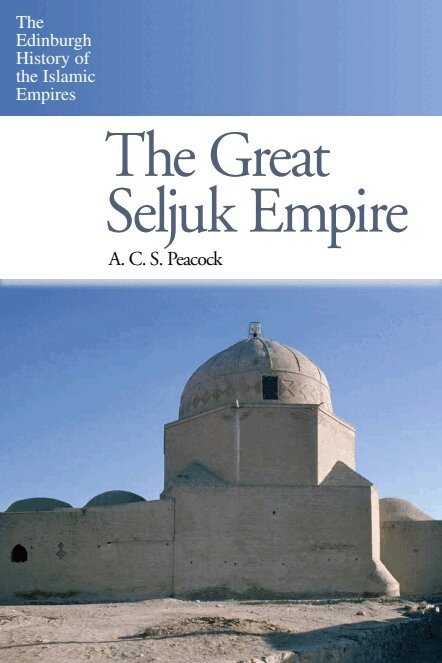
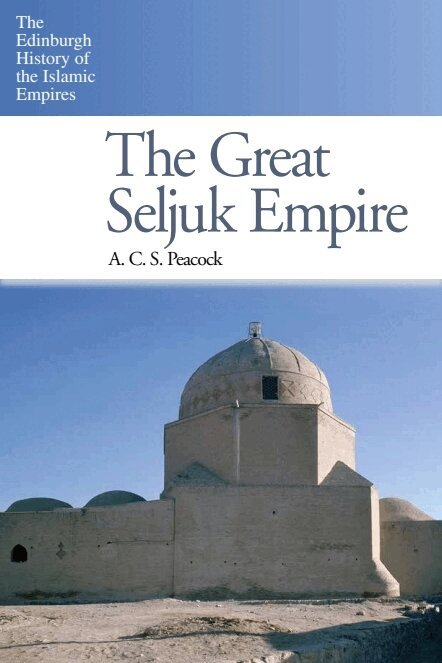
The Seljuks, nomadic tribesman in origin, invaded the Middle East in the 11th century and established themselves as sultans in the Islamic tradition. The Great Seljuk Empire became one of the major empires of Middle Eastern history and dominated Central Asia, Iran, Iraq and Syria in the 11th and 12th centuries.The proposed book will provide the first English language general history of this empire. It will outline the chronological history of the empire and will then explore the religious and institutional history, based on the following themes:* The relationship between tribes and the state* The development of administrative and religious institutions* The nature and impact of Turkish settlement in the Middle East and its consequences* The long-term significance of the religious history of the period* The struggle for legitimacy and authority between sultans, caliphs, religious scholars and amirs* The political role of women in the Seljuk court* The Seljuks and the non-Muslim world.
402 kr
Skickas
The Seljuks, nomadic tribesman in origin, invaded the Middle East in the 11th century and established themselves as sultans in the Islamic tradition. The Great Seljuk Empire became one of the major empires of Middle Eastern history and dominated Central Asia, Iran, Iraq and Syria in the 11th and 12th centuries.The proposed book will provide the first English language general history of this empire. It will outline the chronological history of the empire and will then explore the religious and institutional history, based on the following themes:* The relationship between tribes and the state* The development of administrative and religious institutions* The nature and impact of Turkish settlement in the Middle East and its consequences* The long-term significance of the religious history of the period* The struggle for legitimacy and authority between sultans, caliphs, religious scholars and amirs* The political role of women in the Seljuk court* The Seljuks and the non-Muslim world.
402 kr
Skickas
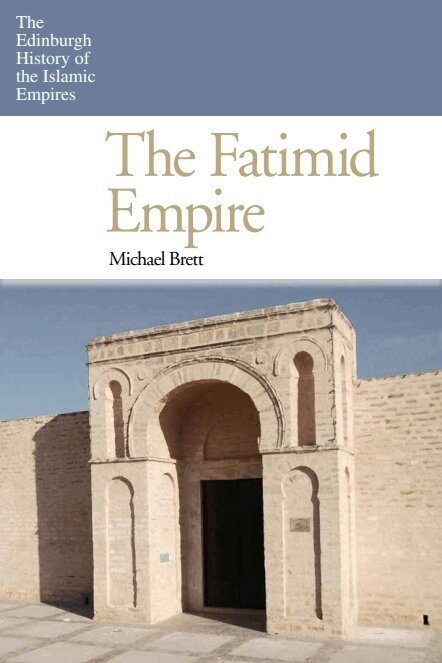
From the 10th century to the end of the 12th century, the Fatimid Empire played a central, yet controversial, role in the history of Islam. This definitive account combines the histories of Isma'ilism, North Africa and Egypt with that of the dynasty. By relating it to the wider history of Islam, the Crusades and its theocratic counterparts in Byzantium and Western Europe, Brett shows the full historical significance of the empire. Topics covered include: the work of Ibn Khaldūn; the relationship of tribal to civilian economy and society; the formation and evolution of the dynastic state; the relationship of the dynastic state to economy and society and questions of cultural change, specifically in relation to Arabisation and Islamisatio.
2 157 kr
Skickas inom 3-6 vardagar
From the 10th century to the end of the 12th century, the Fatimid Empire played a central, yet controversial, role in the history of Islam. This definitive account combines the histories of Isma'ilism, North Africa and Egypt with that of the dynasty. By relating it to the wider history of Islam, the Crusades and its theocratic counterparts in Byzantium and Western Europe, Brett shows the full historical significance of the empire. Topics covered include: the work of Ibn Khaldūn; the relationship of tribal to civilian economy and society; the formation and evolution of the dynastic state; the relationship of the dynastic state to economy and society and questions of cultural change, specifically in relation to Arabisation and Islamisatio.
389 kr
Skickas
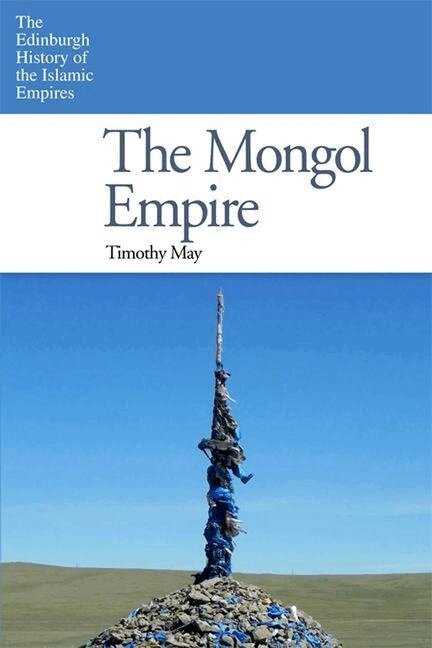
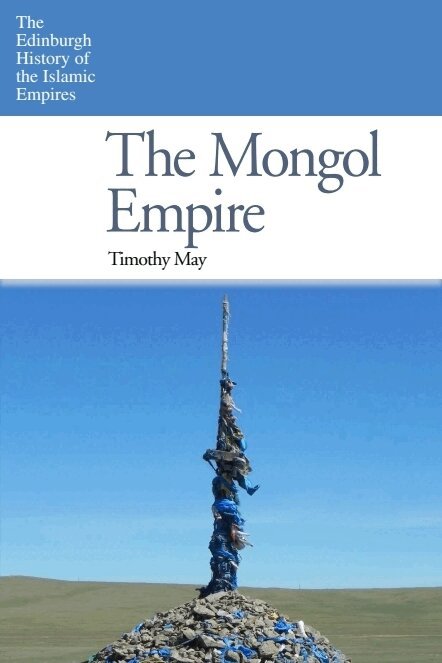
As the largest contiguous empire in history, the Mongol Empire looms large in history: it permanently changed the map of Eurasia as well as how the world was viewed. As the empire expanded, the Mongols were alternately seen as liberators, destroyers, and harbingers of apocalyptic doom. At the same time, they ushered in an era of religious tolerance and cross-cultural transmission. This book explores the rise and establishment of the Mongol Empire under Chinggis Khan, as well as its expansion and evolution under his successors. It also examines the successor states (Ilkhanate, Chaghatayid Khanate, the Jochid Ulus (Golden Horde), and the Yuan Empire) from the dissolution of the empire in 1260 to the end of each state. They are compared in order to reveal how the empire functioned not only at the imperial level but how regional differences manifested.
2 095 kr
Skickas inom 3-6 vardagar
As the largest contiguous empire in history, the Mongol Empire looms large in history: it permanently changed the map of Eurasia as well as how the world was viewed. As the empire expanded, the Mongols were alternately seen as liberators, destroyers, and harbingers of apocalyptic doom. At the same time, they ushered in an era of religious tolerance and cross-cultural transmission. This book explores the rise and establishment of the Mongol Empire under Chinggis Khan, as well as its expansion and evolution under his successors. It also examines the successor states (Ilkhanate, Chaghatayid Khanate, the Jochid Ulus (Golden Horde), and the Yuan Empire) from the dissolution of the empire in 1260 to the end of each state. They are compared in order to reveal how the empire functioned not only at the imperial level but how regional differences manifested.
409 kr
Skickas inom 7-10 vardagar
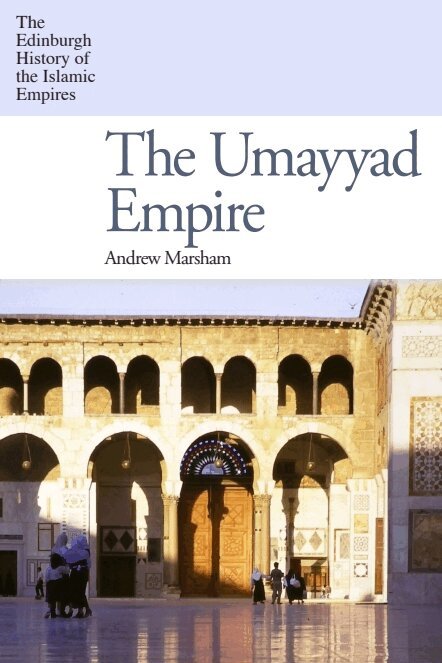
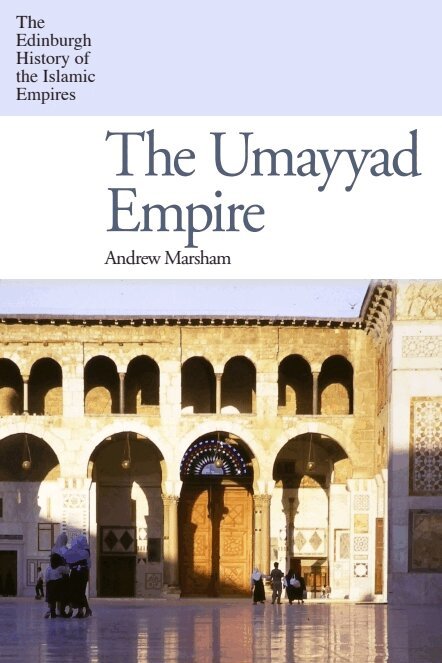
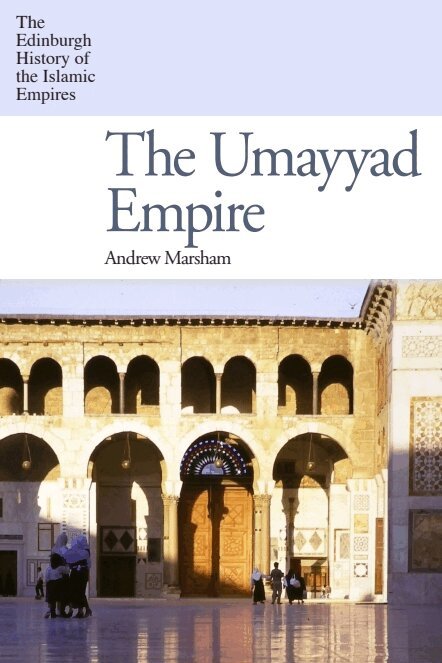
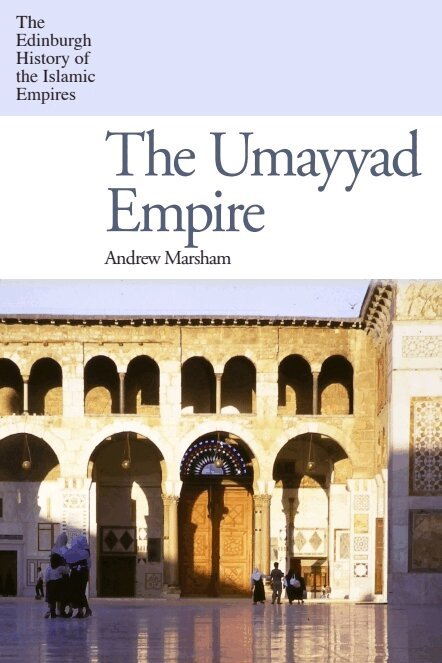
The Umayyad Empire (644 750 CE) was the first Islamic empire and one of the largest empires of ancient and medieval times, extending over 5,000 miles between the Atlantic Ocean in the West and the Indian Ocean in the East. This book traces the empire's origins to the Arabian Peninsula and the Syrian Steppe in the centuries before Islam. It explores the dynamics that shaped this formative era for the history of the Mediterranean, North Africa, the Middle East and Central Asia. The century of Umayyad rule witnessed war with the Eastern Roman Empire, against whom the Umayyads defined their claims to rule as God's deputies on Earth. This was the period in which the Qur'an was compiled, monuments such as the Dome of the Rock were built, and new Islamic and Arab identities developed.
2 085 kr
Skickas inom 3-6 vardagar
The Umayyad Empire (644 750 CE) was the first Islamic empire and one of the largest empires of ancient and medieval times, extending over 5,000 miles between the Atlantic Ocean in the West and the Indian Ocean in the East. This book traces the empire's origins to the Arabian Peninsula and the Syrian Steppe in the centuries before Islam. It explores the dynamics that shaped this formative era for the history of the Mediterranean, North Africa, the Middle East and Central Asia. The century of Umayyad rule witnessed war with the Eastern Roman Empire, against whom the Umayyads defined their claims to rule as God's deputies on Earth. This was the period in which the Qur'an was compiled, monuments such as the Dome of the Rock were built, and new Islamic and Arab identities developed.
390 kr
Skickas
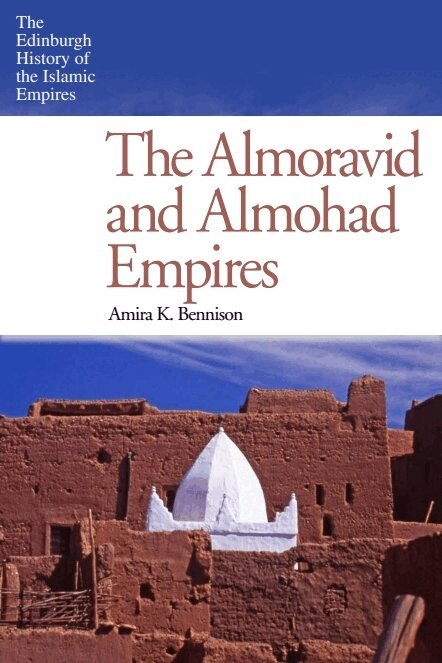
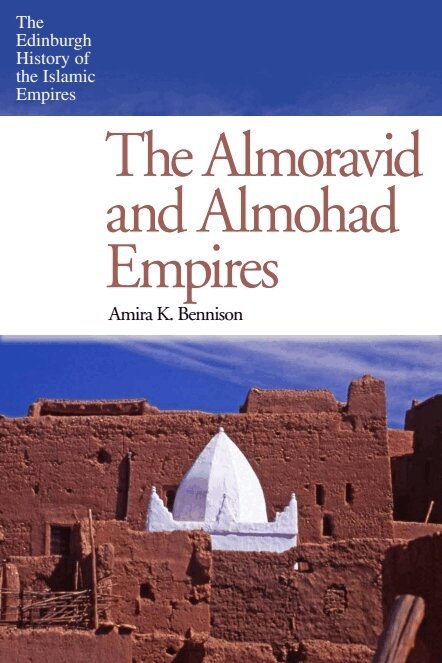
The first combined history of two of the great Islamic empires of the 10th-13th centuriesAfrican invaders of Spain? Berber nationalists who destroyed the convivencia between Muslims, Christians and Jews? Or key contributors to the maturation of Islamic society in the Maghrib?The Almoravid and Almohad empires ruled substantial parts of the Maghrib and al-Andalus between the 10th and mid-13th centuries. This is the first survey of the rise and fall of these two hugely powerful empires whose rule fostered the emergence of the Islamic society which endured, in Morocco especially, until the early 20th century. Amira K. Bennison focuses on these dynasties from a positive perspective, placing them in their proper context of medieval Mediterranean and Islamic history.Key Features:*Places the Almoravids and Almohads within the broader sweep of Islamic history*Presents chapters on politics, society, economy & trade, religion & knowledge and art & architecture*Includes 50 illustrations: maps, genealogical tables, photographs, plans and diagramsKeywords: Almoravid, Almohad, Empire, the Maghrib, al-Andalus, Mediterranean.From the APF:This is the first book in English to provide a comprehensive account of the rise and fall of the Almoravids and the Almohads, the two most important Berber dynasties of the medieval Islamic west, an area that encompassed southern Spain and Portugal, Morocco, Algeria and Tunisia. The Ṣanhāja Almoravids emerged from the Sahara in the 1050s to conquer vast territories and halt the Christian advance in Iberia. They were replaced a century later by their rivals, the Almohads, supported by the Maṣmūda Berbers of the High Atlas. Although both have often been seen as uncouth, religiously intolerant tribesmen who undermined the high culture of al-Andalus, this book argues that the eleventh to thirteenth centuries were crucial to the Islamisation of the Maghrib, its integration into the Islamic cultural sphere, and its emergence as a key player in the western Mediterranean, and that much of this was due to these oft-neglected Berber empires.
2 095 kr
Skickas inom 3-6 vardagar
The first combined history of two of the great Islamic empires of the 10th-13th centuriesAfrican invaders of Spain? Berber nationalists who destroyed the convivencia between Muslims, Christians and Jews? Or key contributors to the maturation of Islamic society in the Maghrib?The Almoravid and Almohad empires ruled substantial parts of the Maghrib and al-Andalus between the 10th and mid-13th centuries. This is the first survey of the rise and fall of these two hugely powerful empires whose rule fostered the emergence of the Islamic society which endured, in Morocco especially, until the early 20th century. Amira K. Bennison focuses on these dynasties from a positive perspective, placing them in their proper context of medieval Mediterranean and Islamic history.Key Features:*Places the Almoravids and Almohads within the broader sweep of Islamic history*Presents chapters on politics, society, economy & trade, religion & knowledge and art & architecture*Includes 50 illustrations: maps, genealogical tables, photographs, plans and diagramsKeywords: Almoravid, Almohad, Empire, the Maghrib, al-Andalus, Mediterranean.From the APF:This is the first book in English to provide a comprehensive account of the rise and fall of the Almoravids and the Almohads, the two most important Berber dynasties of the medieval Islamic west, an area that encompassed southern Spain and Portugal, Morocco, Algeria and Tunisia. The Ṣanhāja Almoravids emerged from the Sahara in the 1050s to conquer vast territories and halt the Christian advance in Iberia. They were replaced a century later by their rivals, the Almohads, supported by the Maṣmūda Berbers of the High Atlas. Although both have often been seen as uncouth, religiously intolerant tribesmen who undermined the high culture of al-Andalus, this book argues that the eleventh to thirteenth centuries were crucial to the Islamisation of the Maghrib, its integration into the Islamic cultural sphere, and its emergence as a key player in the western Mediterranean, and that much of this was due to these oft-neglected Berber empires.
1 084 kr
Kommande
354 kr
Kommande