Edinburgh Studies in Ancient Persia – serie
Visar alla böcker i serien Edinburgh Studies in Ancient Persia. Handla med fri frakt och snabb leverans.
23 produkter
23 produkter
Inbunden, Engelska, 2018
1 412 kr
Skickas inom 7-10 vardagar
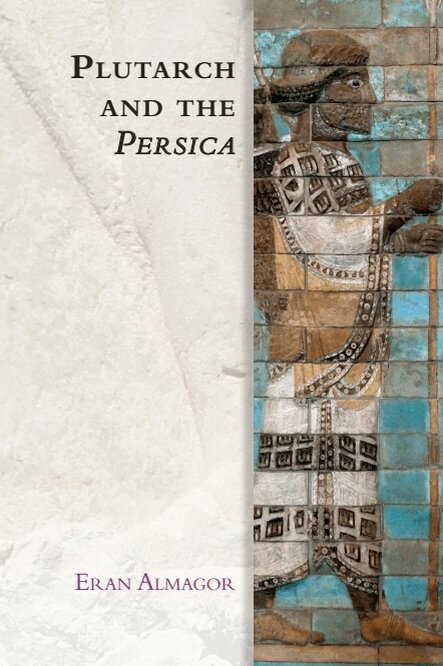
Bridges the gap between Plutarch Studies and Achaemenid Studies through analysis of key textsThis book addresses two historical mysteries. The first is the content and character of the fourth century BCE Greek works on the Persian Achaemenid Empire treatises called the Persica. The second is the method of work of the second century CE biographer Plutarch of Chaeronea (CE 45-120) who used these works to compose his biographies, in particular the Life of the Persian king Artaxerxes.By dealing with both issues simultaneously, Almagor proposes a new way of approaching the two entangled problems, and offers a better understanding of both the portrayal of ancient Persia in the lost Persica works and the manner of their reception and adaptation nearly five hundred years later. Intended for both scholars and students of the Achaemenid Empire and Greek imperial literature, this book bridges the two worlds and two important branches of scholarship.
Inbunden, Engelska, 2016
2 029 kr
Skickas inom 3-6 vardagar
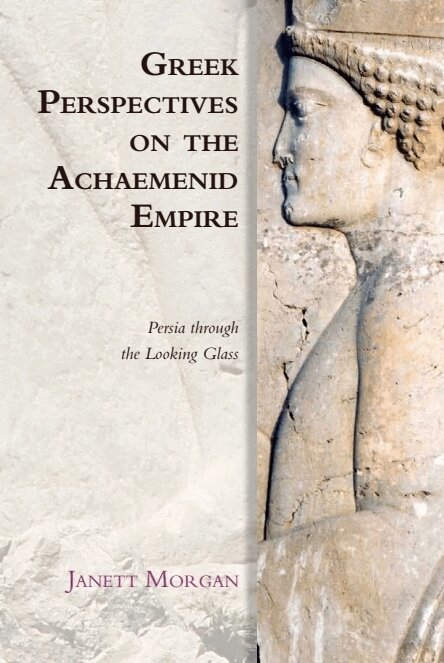
How did the Greek view of Persia and Persians change so radically in the archaic and classical Greek sources that they turned from noble warriors into peacock-loving cross-dressers with murderous mothers? This book looks at the development of a range of responses to the Achaemenids and their Empire. Through a study of ancient texts and material evidence from the archaic and classical periods, Janett Morgan investigates the historical, political and social factors that inspired and manipulated different identities for Persia and the Persians within Greece.Key Features:an interdisciplinary approach to investigating cultural contact and cultural exchange to explore the Greek response to Persiaoffers unique insights into the role of Greek social elites and political communities in creating different representations of the Achaemenid Persians and their EmpireKeywords
Inbunden, Engelska, 2020
951 kr
Kommande
Offers a critical examination of Bactria during the Achaemenid and Hellenistic period. For ancient Greeks, Bactria was the end of the civilized world, a land renowned for its agricultural and mineral wealth, fierce warriors, '1,000' cities and its devotion to the Zoroastrian faith. Encompassing parts of Afghanistan, Tajikistan, Uzbekistan and Turkmenistan, ancient Bactria was located on the Silk Road and was an important stepping stone for invaders and migrants on their way to the west. In spite of reinvigorated scholarly interest in the topic, Achaemenid Bactria is almost solely examined in the context of Alexander the Great's campaigns in Western Central Asia. By exploiting a combination of textual, archaeological, numismatic and iconographic evidence, Michael Iliakis redresses this imbalance by examining the impact which Achaemenid and Hellenistic rule had on Bactria and Bactrian identity during the period from ca 546 to ca 135 BCE.Provides the first study of Achaemenid and Hellenistic Bactria concentrating on the longue duree; clarifies the continuity and changes which occurred during the transition of power from one regime to another; sheds new light on the relation of Bactria and the Bactrians with Sodgiana, the Sogdians and the Scythians and includes in depth analysis of the connection between Bactria and the Zoroastrian faith.
Inbunden, Engelska, 2014
2 029 kr
Skickas inom 3-6 vardagar
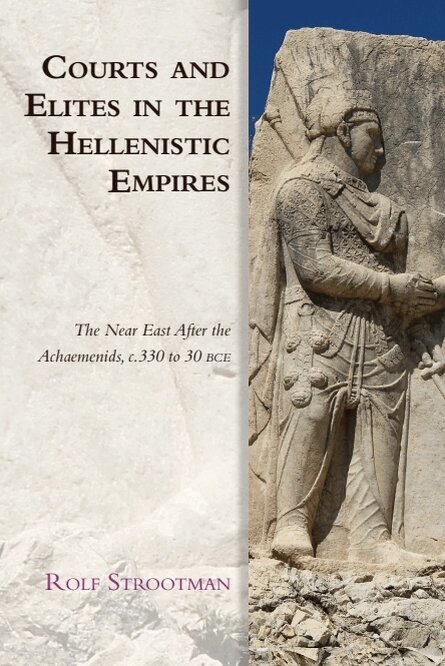
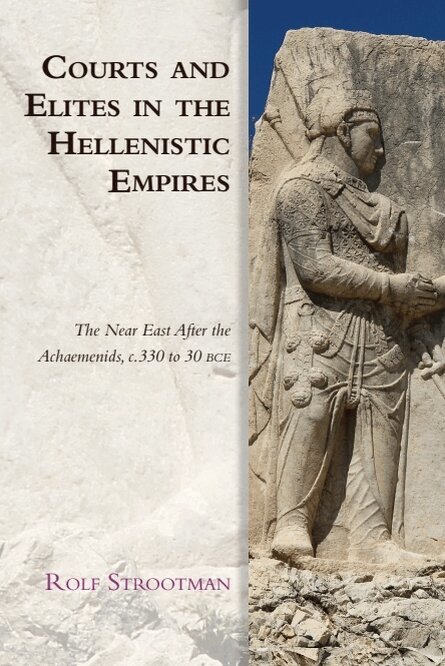
Rolf Strootman brings together various aspects of court culture in the Macedonian empires of the post-Achaemenid Near East. During the Hellenistic Period (c. 330-30 BCE), Alexander the Great and his successors reshaped their Persian and Greco-Macedonian legacies to create a new kind of rulership that was neither ‘western’ nor ‘eastern’ and would profoundly influence the later development of court culture and monarchy in both the Roman West and Iranian East.Drawing on the socio-political models of Norbert Elias and Charles Tilly, After the Achaemenids shows how the Hellenistic dynastic courts were instrumental in the integration of local elites in the empires, and the (re)distribution of power, wealth, and status. It analyses the competition among courtiers for royal favour and the, not always successful, attempts of the Hellenistic rulers to use these struggles to their own advantage.It demonstrates the interrelationships of the three competing ‘Hellenistic’ empires of the Seleukids, Antigonids and Ptolemies, casts new light on the phenomenon of Hellenistic Kingship by approaching it from the angle of the court and covers topics such as palace architecture, royal women, court ceremonial, and coronation ritual.
Inbunden, Engelska, 2025
2 029 kr
Skickas inom 3-6 vardagar
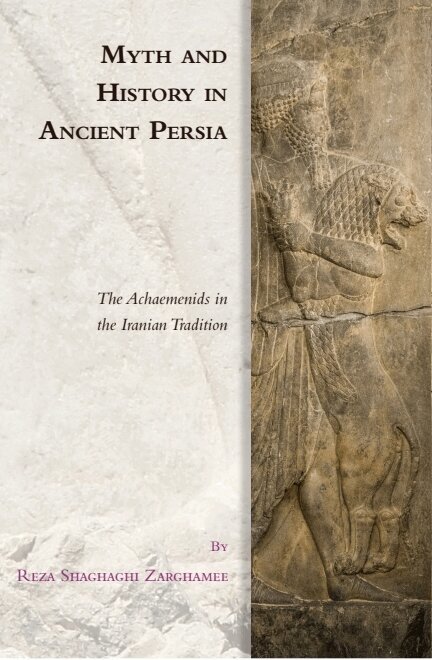
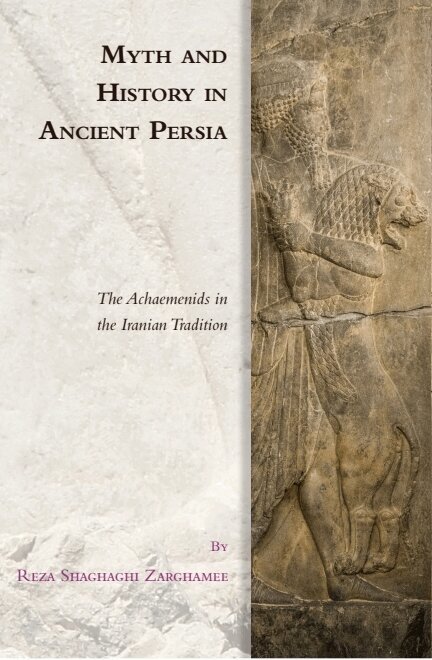
This book fills an important gap in Achaemenid studies by using traditional Iranian narratives, such as those found in the famous Shahnameh, or 'Book of Kings', of Ferdowsi, to analyse the Greco-Roman accounts of Median and Persian royalty. The study shows that the classical authors derived their accounts from Iranian traditions, grounded in age-old myths and legends. This analysis serves many purposes. It refines the extent to which the classical sources may be used in historical reconstructions and sheds new light on the literary methods of authors, such as Herodotus, Ctesias, and Xenophon. Finally, the book offers insights into one of the thorniest enigmas in Iranian historiography, the apparent disappearance of Illustrious rulers like Cyrus II, Darius I, and Xerxes I from native historical traditions. Standing at the crossroads of Iranian studies and Classics, this book is an indispensable source for scholars of ancient Iran, Greek historiography, and the Shahnameh.
Häftad, Engelska, 2027
302 kr
Kommande
This book fills an important gap in Achaemenid studies by using traditional Iranian narratives, such as those found in the famous Shahnameh, or ‘Book of Kings’, of Ferdowsi, to analyse the Greco-Roman accounts of Median and Persian royalty. The study shows that the classical authors derived their accounts from Iranian traditions, grounded in age-old myths and legends. This analysis serves many purposes. It refines the extent to which the classical sources may be used in historical reconstructions and sheds new light on the literary methods of authors, such as Herodotus, Ctesias, and Xenophon. Finally, the book offers insights into one of the thorniest enigmas in Iranian historiography, the apparent disappearance of Illustrious rulers like Cyrus II, Darius I, and Xerxes I from native historical traditions. Standing at the crossroads of Iranian studies and Classics, this book is an indispensable source for scholars of ancient Iran, Greek historiography, and the Shahnameh.
E-bok
PDF, Engelska, 2025369 kr
Läs direkt efter köp
This book fills an important gap in Achaemenid studies by using traditional Iranian narratives, such as those found in the famous Shahnameh, or ‘Book of Kings’, of Ferdowsi, to analyse the Greco-Roman accounts of Median and Persian royalty. The study shows that the classical authors derived their accounts from Iranian traditions, grounded in age-old myths and legends. This analysis serves many purposes. It refines the extent to which the classical sources may be used in historical reconstructions and sheds new light on the literary methods of authors, such as Herodotus, Ctesias, and Xenophon. Finally, the book offers insights into one of the thorniest enigmas in Iranian historiography, the apparent disappearance of Illustrious rulers like Cyrus II, Darius I, and Xerxes I from native historical traditions. Standing at the crossroads of Iranian studies and Classics, this book is an indispensable source for scholars of ancient Iran, Greek historiography, and the Shahnameh.
E-bok
Engelska, 2025369 kr
Läs direkt efter köp
This book fills an important gap in Achaemenid studies by using traditional Iranian narratives, such as those found in the famous Shahnameh, or ‘Book of Kings’, of Ferdowsi, to analyse the Greco-Roman accounts of Median and Persian royalty. The study shows that the classical authors derived their accounts from Iranian traditions, grounded in age-old myths and legends. This analysis serves many purposes. It refines the extent to which the classical sources may be used in historical reconstructions and sheds new light on the literary methods of authors, such as Herodotus, Ctesias, and Xenophon. Finally, the book offers insights into one of the thorniest enigmas in Iranian historiography, the apparent disappearance of Illustrious rulers like Cyrus II, Darius I, and Xerxes I from native historical traditions. Standing at the crossroads of Iranian studies and Classics, this book is an indispensable source for scholars of ancient Iran, Greek historiography, and the Shahnameh.
Inbunden, Engelska, 2017
2 029 kr
Skickas inom 3-6 vardagar
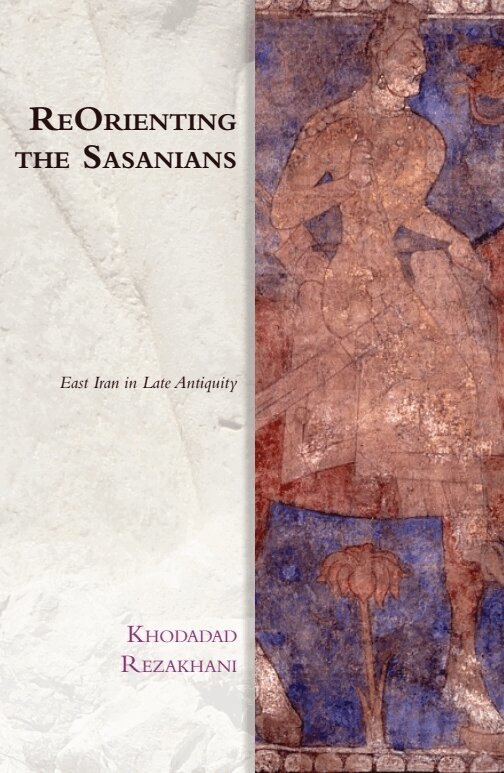
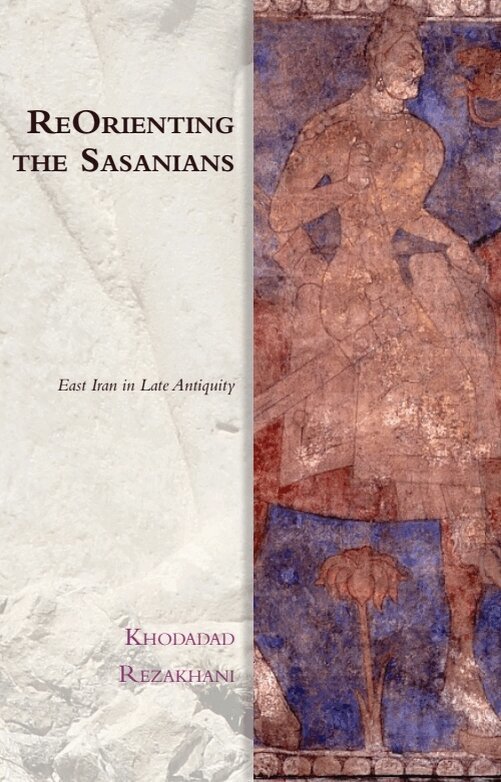
Central Asia is commonly imagined as the marginal land on the periphery of Chinese and Middle Eastern civilisations. At best, it is understood as a series of disconnected areas that served as stop-overs along the Silk Road. However, in the mediaeval period, this region rose to prominence and importance as one of the centres of Persian-Islamic culture, from the Seljuks to the Mongols and Timur. Khodadad Rezakhani tells the back story of this rise to prominence, the story of the famed Kushans and mysterious ‘Asian Huns’, and their role in shaping both the Sasanian Empire and the rest of the Middle East.Contextualises Persian history in relation to the history of Central Asia Extends the concept of late antiquity further east than is usually done Surveys the history of Iran and Central Asia between 200 and 800 CE and contextualises the rise of Islam in both regions
Inbunden, Engelska, 2017
2 099 kr
Skickas inom 3-6 vardagar
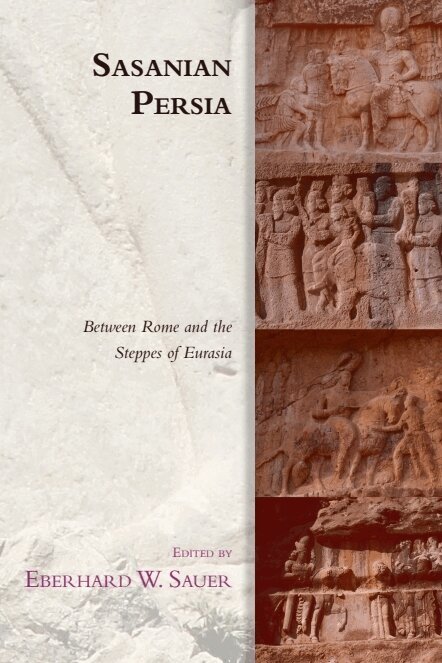
The Sasanian Empire (third-seventh centuries) was one of the largest empires of antiquity, stretching from Mesopotamia to modern Pakistan and from Central Asia to the Arabian Peninsula. This mega-empire withstood powerful opponents in the steppe and expanded further in Late Antiquity, whilst the Roman world shrunk in size. Recent research has revealed the reasons for this success, notably population growth in some key territories, economic prosperity and urban development, made possible through investment in agriculture and military infrastructure on a scale unparalleled in the late antique world. Our volume explores the empire’s relations with its neighbours and key phenomena which contributed to its wealth and power, from the empire’s armed forces to agriculture, trade and treatment of minorities. The latest discoveries, notably major urban foundations, fortifications and irrigations systems, feature prominently. An empire whose military might and urban culture rivalled Rome and foreshadowed the caliphate will be of interest to scholars of the Roman and Islamic world.
Häftad, Engelska, 2018
442 kr
Skickas inom 7-10 vardagar
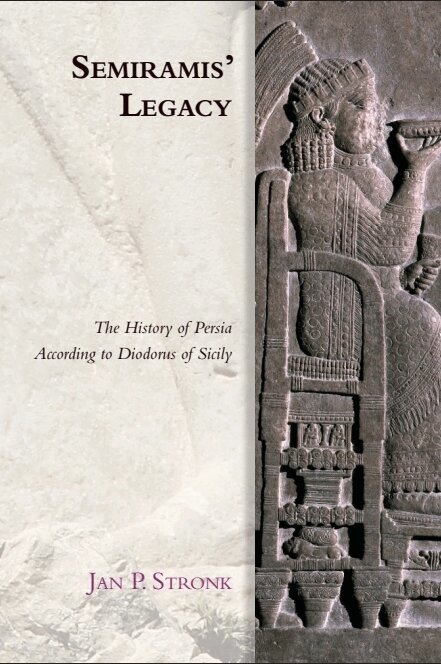
Presents and contextualises extracts from the Historical Library of DiodorusThere are only a few detailed histories of Persia from Ancient Greek historiography that have survived time. Diodorus of Sicily, a first century BC author, is the only one to have written a comprehensive history (the Bibliotheca Historica or Historical Library) in which more than cursory attention is paid to Persia. The 'Bibliotheca Historica' covers the entire period from Persia's prehistory until the arrival of the Parthians from the East and that of Roman power throughout Asia Minor and beyond from the West, around 750 years after Assyrian rule ended.Diodorus' contribution to our knowledge of Persian history is therefore of great value for the modern historian of the Ancient Near East and in this book Jan Stronk provides the first complete translation of Diodorus' account of the history of Persia. He also examines and evaluates both Diodorus' account and the sources he used to compose his work, taking into consideration the historical, political and archaeological factors that may have played a role in the transmission of the evidence he used to acquire the raw material underlying his Bibliotheca.Contains the first comprehensive account of Ancient Persian History and its context as seen by Diodorus - a well-informed GreekPresents a complete review of the historical sources used by Diodorus, not merely for the Persian history but for the entire 'Biblioteca Historica'Offers a historic and cultural background to the account of Diodorusof interest to anyone studying the Achamenids or the Ancient Near East
Häftad, Engelska, 2018
326 kr
Skickas
Central Asia is commonly imagined as the marginal land on the periphery of Chinese and Middle Eastern civilisations. At best, it is understood as a series of disconnected areas that served as stop-overs along the Silk Road. However, in the mediaeval period, this region rose to prominence and importance as one of the centres of Persian-Islamic culture, from the Seljuks to the Mongols and Timur. Khodadad Rezakhani tells the back story of this rise to prominence, the story of the famed Kushans and mysterious ‘Asian Huns’, and their role in shaping both the Sasanian Empire and the rest of the Middle East.Contextualises Persian history in relation to the history of Central Asia Extends the concept of late antiquity further east than is usually done Surveys the history of Iran and Central Asia between 200 and 800 CE and contextualises the rise of Islam in both regions
Inbunden, Engelska, 2020
1 540 kr
Skickas inom 7-10 vardagar
Examines Zoroastrian exegesis by investigating a late antique translation of an ancient Iranian textChallenges the view that considers the study of the Zand an auxiliary science to Avestan studiesViews the Zand of the YH as a text in its own right and investigates it within the wider Pahlavi leiteratureConsiders the so-called glosses in the Zand for the first time as an integral part of the textOffers a variorum edition of the Middle Persian text, refusing to establish an UrtextIn late antiquity, Zoroastrian exegetes set out to translate their ancient canonical texts into Middle Persian, the vernacular of their time. Although undated, these translations, commonly known as the Zand, are often associated with the Sasanian era (224–651 ce). Despite the many challenges the Zand offers to us today, it is indispensable for investigations of late antique exegesis of the Avesta, a collection of religious and ritual texts commonly regarded as the Zoroastrians’ scripture.Arash Zeini also offers a fresh edition of the Middle Persian version of the Avestan Yasna Haptaŋhāiti, a ritual text composed in the Old Iranian language of Avestan, commonly dated to the middle of the second millennium bce. Zeini challenges the view that considers the Zand’s study an auxiliary science to Avestan studies, framing the text instead within the exegetical context from which it emerged.
Häftad, Engelska, 2022
708 kr
Skickas inom 3-6 vardagar
In late antiquity, Zoroastrian exegetes set out to translate their ancient canonical texts intoMiddle Persian, the vernacular of their time. Although undated, these translations, commonly known as the Zand, are often associated with the Sasanian era (224 651 CE). Despite the many challenges the Zand offers to us today, it is indispensable for investigations of late antique exegesis of the Avesta, a collection of religious and ritual texts commonly regarded as the Zoroastrians' scripture.Arash Zeini also offers a fresh edition of the Middle Persian version of the Avestan Yasna Hapta?h?iti, a ritual text composed in the Old Iranian language of Avestan, commonly dated to the middle of the second millennium BCE. Zeini challenges the view that considers the Zand's study an auxiliary science to Avestan studies, framing the text instead within the exegetical context from which it emerged.
Häftad, Engelska, 2019
373 kr
Skickas
The Sasanian Empire (third-seventh centuries) was one of the largest empires of antiquity, stretching from Mesopotamia to modern Pakistan and from Central Asia to the Arabian Peninsula. This mega-empire withstood powerful opponents in the steppe and expanded further in Late Antiquity, whilst the Roman world shrunk in size. Recent research has revealed the reasons for this success, notably population growth in some key territories, economic prosperity and urban development, made possible through investment in agriculture and military infrastructure on a scale unparalleled in the late antique world. Our volume explores the empire’s relations with its neighbours and key phenomena which contributed to its wealth and power, from the empire’s armed forces to agriculture, trade and treatment of minorities. The latest discoveries, notably major urban foundations, fortifications and irrigations systems, feature prominently. An empire whose military might and urban culture rivalled Rome and foreshadowed the caliphate will be of interest to scholars of the Roman and Islamic world.
Häftad, Engelska, 2021
597 kr
Skickas inom 3-6 vardagar
A study of the material culture of Egypt during the period of Achaemenid Persian rule, c. 526-404 BCEProvides a clear overview of the archaeological evidence for Achaemenid Egypt, including temples, tombs, irrigation works, statues, stelae, seals and coinsDemonstrates how different types of evidence, both textual and archaeological – including material of uncertain provenance – can be used to address a single historical questionOffers critical discussion of the dating criteria used by archaeologists for Egyptian Late Period materialElucidates strategies used by the Persians to establish and maintain control of EgyptExamines how these strategies may have affected the lives of people living in Egypt during the 27th DynastyCreates a new explanatory model for the introduction of coinage to ancient EgyptPrevious studies have characterised Achaemenid rule of Egypt either as ephemeral and weak or oppressive and harsh. These characterisations, however, are based on the perceived lack of evidence for this period, filtered through ancient and modern preconceptions about the Persians.Henry Colburn challenges these views by assembling and analyzing the archaeological remains from this period, including temples, tombs, irrigation works, statues, stelae, sealings, drinking vessels and coins. By looking at the decisions made about material culture - by Egyptians, Persians and others - it becomes possible to see both how the Persians integrated Egypt into their empire and the full range of experiences people had as a result.
Inbunden, Engelska, 2025
1 751 kr
Skickas inom 3-6 vardagar
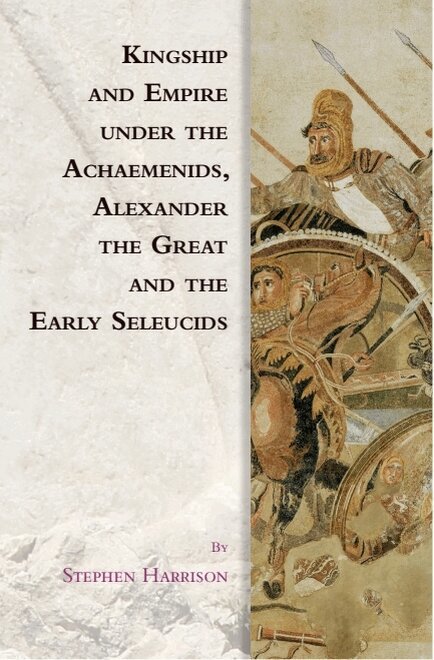
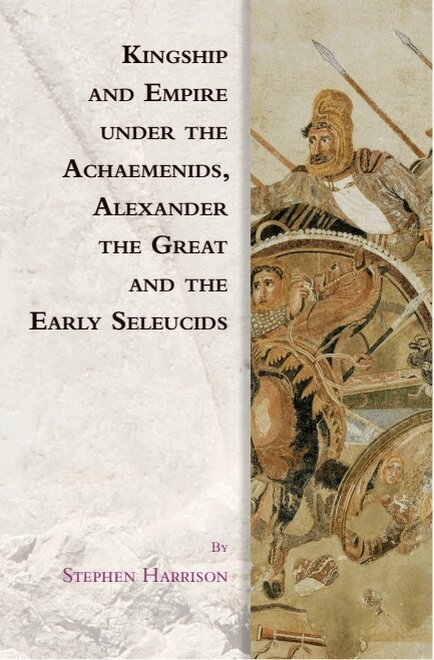
This book offers the first systematic, comparative analysis of the ideology of kingship and empire under the Achaemenids, Alexander the Great and the early Seleucids. It explores key issues thematically such as legitimation, representations of empire and royal space. Through this method, Stephen Harrison breaks traditional periodisation offering new insights into long-term trends. The book challenges existing narratives about the relationship between the Achaemenids and their successors.Rather than focusing on the mere facts of continuity and change, the study advocates for a more complex understanding of the Achaemenids' impact on monarchical ideology under Alexander and the Seleucids. Harrison's comparative approach brings the three empires into dialogue with one another and thus treats them all equally through this lens. The methodology highlights the uniqueness of particular strategies deployed by different rulers and isolate ideas which were distinctively 'Achaemenid', 'Alexandrine' or 'Seleucid' as opposed merely to identifying monarchical commonalities.
Häftad, Engelska, 2020
373 kr
Skickas
Rolf Strootman brings together various aspects of court culture in the Macedonian empires of the post-Achaemenid Near East. During the Hellenistic Period (c. 330-30 BCE), Alexander the Great and his successors reshaped their Persian and Greco-Macedonian legacies to create a new kind of rulership that was neither ‘western’ nor ‘eastern’ and would profoundly influence the later development of court culture and monarchy in both the Roman West and Iranian East.Drawing on the socio-political models of Norbert Elias and Charles Tilly, After the Achaemenids shows how the Hellenistic dynastic courts were instrumental in the integration of local elites in the empires, and the (re)distribution of power, wealth, and status. It analyses the competition among courtiers for royal favour and the, not always successful, attempts of the Hellenistic rulers to use these struggles to their own advantage.It demonstrates the interrelationships of the three competing ‘Hellenistic’ empires of the Seleukids, Antigonids and Ptolemies, casts new light on the phenomenon of Hellenistic Kingship by approaching it from the angle of the court and covers topics such as palace architecture, royal women, court ceremonial, and coronation ritual.
Inbunden, Engelska, 2023
1 422 kr
Skickas
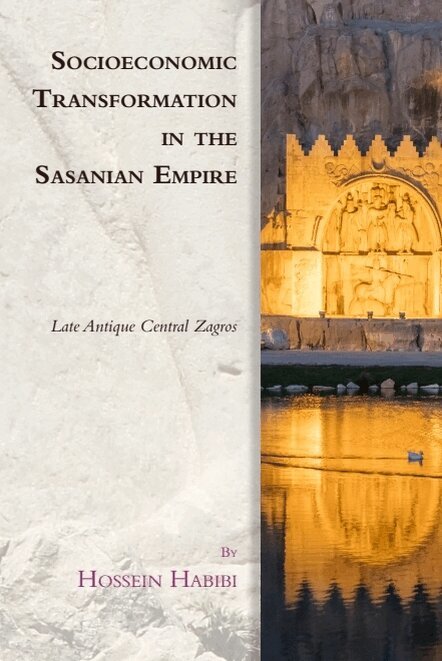
Explores the cultural landscapes of the late antique Central Zagros and their long-term transformationsContextualises the socioeconomic milieu of the Sasanian Central Zagros in the late antique Near EastHighlights the role of nomadic and transhumant populations in the cultural formation processes of the Central Zagros, along with settled groups and urban societiesPresents an overview according to an interdisciplinary approach mainly based on material data of various sorts and evidence from primary sources, enriched by parallel attestations from secondary sourcesEngages in recent debates regarding the function of the Sasanian state and offers a new understanding of its economyRecent studies have demonstrated the diverse character of the socioeconomic dynamics behind the socio-political transformations and infrastructural developments in different territories of the Sasanian and Roman Empires. Notwithstanding its distinct environmental and socio-cultural settings, the cultural landscapes in the Sasanian realm are much less studied than those of the neighbouring empire to the west. Based on an inter-disciplinary approach, this monograph bridges this gap and highlights such diversity on a regional scale in the Central Zagros. Socioeconomic Transformation in the Sasanian Empire provides for a deeper understanding of the actual historical events and long-term cultural processes in the Central Zagros by disclosing the roles of various inter-related cultural and natural factors and the demographic and economic transitions that caused them. Ultimately, this work contributes to debates about the reconstruction of sociopolitical transitions in the late antique world.
Häftad, Engelska, 2025
708 kr
Skickas inom 3-6 vardagar
Recent studies have demonstrated the diverse character of the socioeconomic dynamics behind the socio-political transformations and infrastructural developments in different territories of the Sasanian and Roman Empires. Notwithstanding its distinct environmental and socio-cultural settings, the cultural landscapes in the Sasanian realm are much less studied than those of the neighbouring empire to the west. Based on an inter-disciplinary approach, this monograph bridges this gap and highlights such diversity on a regional scale in the Central Zagros. Socioeconomic Transformation in the Sasanian Empire provides for a deeper understanding of the actual historical events and long-term cultural processes in the Central Zagros by disclosing the roles of various inter-related cultural and natural factors and the demographic and economic transitions that caused them. Ultimately, this work contributes to debates about the reconstruction of sociopolitical transitions in the late antique world.
Inbunden, Engelska, 2026
1 599 kr
Kommande
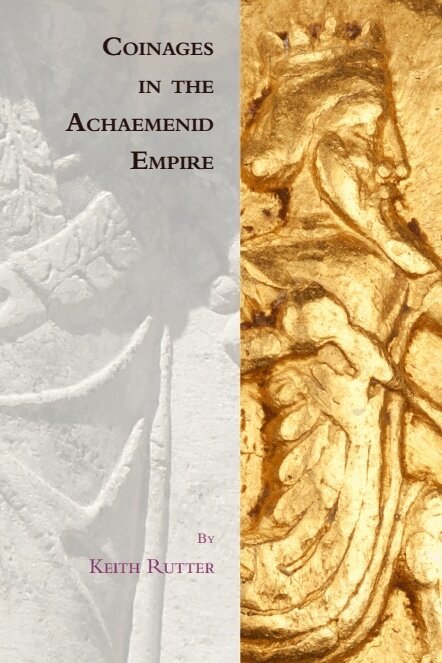
The Achaemenid Empire was huge and the material available for studying it is disparate.The coinages produced in the empire offer distinctive perspectives and provide insights into crucial questions about how the empire was organised and administered. The numismatic evidence is particularly important due to its first hand, contemporary nature: it speaks to us directly, not through the prism of later accounts.Keith Rutter, an international specialist in numismatics, provides us with the first comprehensive account of the great variety of coinages produced in the Achaemenid Empire. He shows us how the iconography found on coins poses new questions on artistic influences, details of administration and religious beliefs. This highly illustrated book is the starting point for anyone who wants to understand the topic.
E-bok
PDF, Engelska, 20261 990 kr
Läs direkt efter köp
The Achaemenid Empire was huge and the material available for studying it is disparate.The coinages produced in the empire offer distinctive perspectives and provide insights into crucial questions about how the empire was organised and administered. The numismatic evidence is particularly important due to its first hand, contemporary nature: it speaks to us directly, not through the prism of later accounts.Keith Rutter, an international specialist in numismatics, provides us with the first comprehensive account of the great variety of coinages produced in the Achaemenid Empire. He shows us how the iconography found on coins poses new questions on artistic influences, details of administration and religious beliefs. This highly illustrated book is the starting point for anyone who wants to understand the topic.
E-bok
Engelska, 20261 990 kr
Läs direkt efter köp
The Achaemenid Empire was huge and the material available for studying it is disparate.The coinages produced in the empire offer distinctive perspectives and provide insights into crucial questions about how the empire was organised and administered. The numismatic evidence is particularly important due to its first hand, contemporary nature: it speaks to us directly, not through the prism of later accounts.Keith Rutter, an international specialist in numismatics, provides us with the first comprehensive account of the great variety of coinages produced in the Achaemenid Empire. He shows us how the iconography found on coins poses new questions on artistic influences, details of administration and religious beliefs. This highly illustrated book is the starting point for anyone who wants to understand the topic.