Essentials of Forensic Science - Böcker
Visar alla böcker i serien Essentials of Forensic Science. Handla med fri frakt och snabb leverans.
10 produkter
10 produkter
1 051 kr
Skickas inom 3-6 vardagar
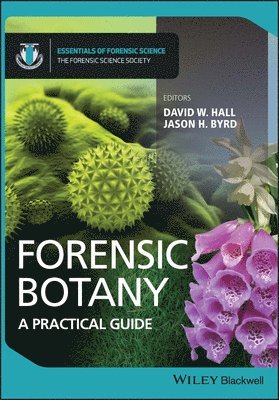
FORENSIC BOTANYA PRACTICAL GUIDE Forensic Botany: A Practical Guide is an accessible introduction to the way in which botanical evidence is identified, collected and analysed in criminal cases. This form of evidence is becoming increasingly important in forensic investigation. This book is intended to show how useful simple collection methods and standard plant analysis can be in the course of such investigations. It is written in a clear and accessible manner to enhance the understanding of the subject for the non-specialist. Clearly structured throughout, this book combines well known collection techniques in a field oriented format that can be used for casework. Various methods that allow easy collection, transportation, and preservation of evidence are detailed throughout the book. This book is written for those who have no formal background working with plants. It can be used as a practical guide for students taking forensic science courses, law enforcement training, legal courses, and as a template for plant collection at any scene where plants occur and where rules or laws are involved. Veterinarians, various environmental agencies and anthropologists are examples of disciplines that are more recently in need of plant evidence. The format of the book is designed to present the reader with all the information needed to conduct a botanical analysis of a crime scene; to highlight the forensic significance of the botanical evidence that may be present; how to collect that evidence in the correct manner and preserve and store that evidence appropriately- also shows how to conduct a laboratory analysis of the plants. An accessible practical guide to the collection, analysis and presentation of botanical evidence within forensic investigation.Aimed at the non-specialist looking for an introduction to the field.Written in a clear and logical manner; what is it? Where can you find help? How can you use plant evidence? Why is this kind of plant important? Where to look for evidence; evidence collection made easy; evidence preservation; evidence transportation; chain of custody.Includes evidence collection data sheet and a laboratory analysis data sheet for use in the field.Includes key chapters on microscopy analysis of plant evidence and on DNA collection, use and relative costs.Numerous relevant case studies included to show forensic botany in practice and how to present botanical evidence in court.
1 579 kr
Skickas inom 11-20 vardagar
FORENSIC BOTANYA PRACTICAL GUIDE Forensic Botany: A Practical Guide is an accessible introduction to the way in which botanical evidence is identified, collected and analysed in criminal cases. This form of evidence is becoming increasingly important in forensic investigation. This book is intended to show how useful simple collection methods and standard plant analysis can be in the course of such investigations. It is written in a clear and accessible manner to enhance the understanding of the subject for the non-specialist. Clearly structured throughout, this book combines well known collection techniques in a field oriented format that can be used for casework. Various methods that allow easy collection, transportation, and preservation of evidence are detailed throughout the book. This book is written for those who have no formal background working with plants. It can be used as a practical guide for students taking forensic science courses, law enforcement training, legal courses, and as a template for plant collection at any scene where plants occur and where rules or laws are involved. Veterinarians, various environmental agencies and anthropologists are examples of disciplines that are more recently in need of plant evidence. The format of the book is designed to present the reader with all the information needed to conduct a botanical analysis of a crime scene; to highlight the forensic significance of the botanical evidence that may be present; how to collect that evidence in the correct manner and preserve and store that evidence appropriately- also shows how to conduct a laboratory analysis of the plants. An accessible practical guide to the collection, analysis and presentation of botanical evidence within forensic investigation.Aimed at the non-specialist looking for an introduction to the field.Written in a clear and logical manner; what is it? Where can you find help? How can you use plant evidence? Why is this kind of plant important? Where to look for evidence; evidence collection made easy; evidence preservation; evidence transportation; chain of custody.Includes evidence collection data sheet and a laboratory analysis data sheet for use in the field.Includes key chapters on microscopy analysis of plant evidence and on DNA collection, use and relative costs.Numerous relevant case studies included to show forensic botany in practice and how to present botanical evidence in court.
760 kr
Skickas inom 5-8 vardagar
WILDLIFE DNA ANALYSIS Applications in Forensic ScienceDNA typing of non-human DNA is a fast developing area of research and professional practice. The application of DNA typing in wildlife forensic science is one of these prime uses of DNA typing and is gaining increasing profile. The use of DNA profiling in wildlife forensic science falls into two broad areas: species testing and genetic linkage. Species testing answers the question 'what species is this?' and genetic linkage answers the question 'did these two samples come from the same organism or population?' Wildlife DNA Analysis: Applications in Forensic Science provides an accessible introduction to both of these key areas.Clearly structured throughout, the introduction highlights the different types of crime where these techniques are regularly used. This chapter includes a discussion as to who performs forensic wildlife examinations, the standardisation and validation of methods, and the role of the expert witness in this type of alleged crime. This is followed by a detailed section on the science behind DNA typing including the problems in isolating DNA from trace material and subsequent genetic analysis are also covered. The book then undertakes a comprehensive review of species testing using DNA, including a step-by-step guide to sequence comparisons. A comparison of the different markers used in species testing highlights the criteria for a genetic marker. A full set of case histories illustrates the use of the different markers used. The book details the use of genetic markers to link two or more hairs/feathers/leaves/needles to the same individual organism and the software used in population assignment. The problems and possibilities in isolating markers, along with the construction of allele databases are discussed. The book concludes with evaluation and reporting of genetic evidence in wildlife forensic science illustrated by examples of witness statements. An accessible introduction to this fast developing area of research within forensic science.Case studies throughout to link theory and practice and to highlight the use of DNA testing in species testing.Covers both crimes against wildlife and offences where wildlife can provide vital evidence.Assumes only a basic background knowledge of DNA.Includes a comprehensive review of species testing using DNA, including a step-by-step guide to sequence comparisons.
651 kr
Skickas inom 7-10 vardagar
The field of forensic archaeology has developed over recent years from being a branch of conventional archaeology into a well-established discipline in its own right. Forensic Approaches to Buried Remains takes an innovative approach to the subject by placing the role of the forensic archaeologist within the wider forensic environment; it identifies new areas of interdisciplinary research and practice, and evaluates practical difficulties.The authors see this book as a reflection of the subject’s development, and as a knowledge base for the next generation of forensic archaeologists. Areas covered include: Search logistics, integration and specialist search scenariosLevels of confidence in site search and eliminationUrban and rural landscape reconstruction in both short and long term casesThe integration of cadaver dogs and earth-moving machineryThe recovery of multiple evidence typesSampling strategies, spatial relevance and datingMultiple burial scenarios As part of the Essential Forensic Science book series this book will provide students and practitioners alike with an invaluable resource outlining both the major developments in the discipline, as well as original approaches to the search for, and recovery of buried remains.
1 695 kr
Skickas inom 11-20 vardagar
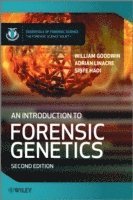
This is a completely revised edition of a comprehensive and popular introduction to the fast moving area of Forensic Genetics. The text begins with key concepts needed to fully appreciate the subject and moves on to examine the latest developments in the field. Now illustrated in full colour throughout, this accessible textbook includes numerous references to relevant casework. With information on the full process of DNA evidence from collection at the scene of a crime to presentation in a legal context this book provides a complete overview of the field. Key Features: Greater in-depth coverage of kinship problems now covered in two separate chapters: one dealing with relationships between living individuals and the other covering identification of human remains. New chapter on non-human forensic genetics, including identification of bacteria and viruses, animals and plants. Self assessment questions to aid student understanding throughout the text. Now with full colour illustrations throughout New companion website Accessible introduction to forensic genetics, from the collection of evidence to the presentation of evidence in a legal context. Included in the Forensic Science Society 'Essentials in Forensic Science' book series. This edition is to be included in the Forensic Science Society 'Essentials of Forensic Science' book series aimed at advanced level undergraduates and new practitioners to the field.
528 kr
Skickas inom 7-10 vardagar
This is a completely revised edition of a comprehensive and popular introduction to the fast moving area of Forensic Genetics. The text begins with key concepts needed to fully appreciate the subject and moves on to examine the latest developments in the field. Now illustrated in full colour throughout, this accessible textbook includes numerous references to relevant casework. With information on the full process of DNA evidence from collection at the scene of a crime to presentation in a legal context this book provides a complete overview of the field. Key Features: Greater in-depth coverage of kinship problems now covered in two separate chapters: one dealing with relationships between living individuals and the other covering identification of human remains. New chapter on non-human forensic genetics, including identification of bacteria and viruses, animals and plants. Self assessment questions to aid student understanding throughout the text. Now with full colour illustrations throughout New companion website Accessible introduction to forensic genetics, from the collection of evidence to the presentation of evidence in a legal context. Included in the Forensic Science Society 'Essentials in Forensic Science' book series. This edition is to be included in the Forensic Science Society 'Essentials of Forensic Science' book series aimed at advanced level undergraduates and new practitioners to the field.
951 kr
Skickas inom 7-10 vardagar
Provides an invaluable distillation of key topics in forensic medicine for undergraduate, masters, and postgraduate studentsEssential Forensic Medicine covers the broad area of the forensic medical sciences, delivering core knowledge in the biomedical sciences, and the law and ethics surrounding them. Concise, accessible chapters cover a wide range of topics from basic forensic identification and examination techniques to forensic toxicology and psychiatry.Written by internationally-recognized experts in the field, this authoritative guide offers complete chapter coverage of the legal system, courts, and witnesses; investigation of the deceased and their lawful disposal; and the duties of a registered medical practitioner and the General Medical Council. It instructs readers on the general principles of scene examination and the medico-legal autopsy including how to interpret the many kinds of injuries one can suffer—including those from blunt impact and sharp force, firearms and explosives, asphyxia and drowning. Further chapters cover sexual offences, child abuse, and using DNA in human identification, mental health, alcohol and drug abuse. A fresh, accessible, up to date textbook on forensic medicineWritten by a well-known experts with decades of experience in the fieldIncludes numerous figures and tables, and detailed lists of key informationFeatures numerous case studies to reinforce key concepts and ideas explored within the bookHelps students to prepare for examinations and enables practitioners to broaden their understanding of the disciplinePart of the “Essential Forensic Science” series, Essential Forensic Medicine is a highly useful guide for advanced undergraduate students, master’s students, and new practitioners to the field.
375 kr
Skickas inom 7-10 vardagar
Evidence that can barely be seen with the naked eye routinely plays a crucial part in the search for - and the conviction of - some of the most dangerous criminals known to society. From the hairs of a dog to tiny fiber fragments, forensic analysts study these trace materials and interpret them for use in legal proceedings. Hairs and fibers are two of the most commonly found types of trace evidence and the focus of this book. ""Trace Evidence"" explores the microscopic world in which the forensic scientist works by addressing the issues of what constitutes evidence; important methods of trace analysis, including spectroscopy and chromatography; human and animal hairs and what can be determined by examining them; and manufactured and natural fibers and the many ways in which they appear in textiles and are analyzed in the laboratory. Written by a well-respected author with extensive knowledge in the field, this book is essential for students fascinated by this area of forensic science. The chapters include: 'What Is Evidence?' Forensic Applications, Hairs, and Fibers.
597 kr
Skickas inom 5-8 vardagar
Forensic document examination is a long established specialty and its practitioners have regularly been shown to have acquired skills that enable them to assist the judicial process. This book, aimed primarily at students studying forensic science and document examination in particular, introduces all of the essential ideas that are to be found in the work of the forensic document examiner in a concise and straightforward way. Each examination type is described not only in terms of its procedural basis but also the science and reasoning that underpins it. The reader will be able to relate the different kinds of interpretation skills used by the document examiner to those used in other forensic disciplines.This book will be an invaluable text for all students taking courses in Forensic Science or related subjects. The book will also be a useful reference for researchers new to this field or practitioners looking for an accessible overview.The author will be adding new references that are relevant as they are published and some more worked examples from time to time. Please visit http://qdbook.blogspot.co.uk/ for more details.
760 kr
Skickas inom 5-8 vardagar
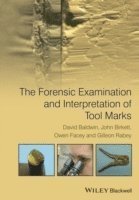
The Forensic Examination and Interpretation of Tool Marks brings together key techniques and developments in the field of tool marks in forensic science and explains clearly how tool mark analysis can be used within forensic investigation.The purpose of this book is to bring together as much of this information as possible in an accessible manner. The book deals with all aspects of tool mark evidence from crime scene to courtroom. The examination of a wide variety of different tool marks are discussed, including those made by specific tools such as saws and in complex materials such as bone.The general principles and techniques used in tool mark examinations can also be applied to some other closely related fields. Therefore, sections on the examination of manufacturing marks, including those on plastic film items, and physical fit comparisons are also included.The book will be of interest to a wide range of people and not just to tool mark examiners and people studying forensic science. It will be of use to crime scene examiners, officers investigating crimes where tool marks are found and members of the legal professions. Brings together key techniques and developments within the field of tool mark investigation.Includes material on examining tool marks at the crime scene and in the laboratory, interpretation and evaluation issues and how tool mark evidence should be presented in court.Covers specialized tool mark examinations, manufacturing marks, including those on plastic film items, and physical fits.Includes a large range of illustrations and photographs.Invaluable reference for practicing forensic scientists, students of forensic sciences, members of the legal professions and crime scene investigators, enabling them to recognise the importance of tool marks within an investigation.An extremely valuable resource in the on-going debate regarding the evidential value of tool marks in court.Part of the ‘Essentials in Forensic Science’ book series.