Global Music Series – serie
Visar alla böcker i serien Global Music Series. Handla med fri frakt och snabb leverans.
15 produkter
15 produkter
Häftad, Engelska, 2005
406 kr
Skickas inom 5-8 vardagar
not sold separately
1 454 kr
Skickas inom 5-8 vardagar
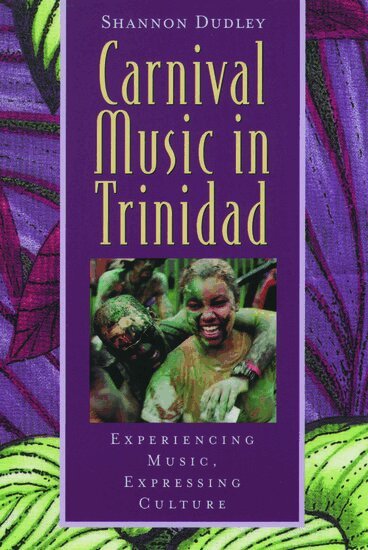
Designed for undergraduates with little or no background in world music, Music in Trinidad is one of several volumes that can be used along with Thinking Musically, the main book in the Global Music Series, in any introductory world music or ethnomusicology course. Music in Trinidad explores how the history and culture of Trinidad is related to the expression and interpretation of Carnival music, the musical tradition most representative of Trinidadian culture. It looks at the genres of calypso, steelband, and soca and describes both their musical structure and their political and symbolic meanings in Trinidad's society. The book also examines how the instruments, sounds, and lyrics of Carnival music provide a sense of national and ethnic identity. Music in Trinidad includes many vivid accounts and illustrations of Carnival performances and is packaged with a 70-minute CD that includes examples of the various genres of Carnival music.
1 450 kr
Skickas inom 5-8 vardagar
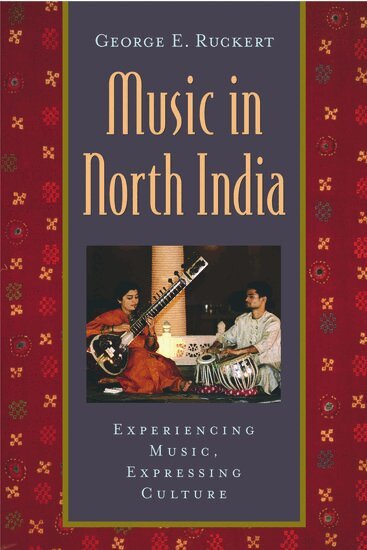
Designed for undergraduates with little or no background in world music, Music in North India is one of several volumes that can be used along with Thinking Musically, the main book in the Global Music Series, in any introductory world music or ethnomusicology course. Music in North India provides an overview of the many styles of North Indian music, from the chants of the ancient Vedas to modern devotional singing; from the serious and meditative rendering of raga to the concert-hall excitement of the modern sitar, sarod, and tabla. The text is framed around three central topics: the devotional component of North Indian music, the idea of fixity and spontaneity in the various styles of Indian music, and the importance of the verbal syllable to the expression of the musical aesthetic in North India. Featuring vivid eyewitness accounts of performances and interviews with performers, this unique volume describes the form, structure, and expression of North Indian music while also illuminating its pronounced religious and cultural significance. It is packaged with a 70-minute CD that includes examples of the music discussed in the text.
2 048 kr
Skickas inom 3-6 vardagar
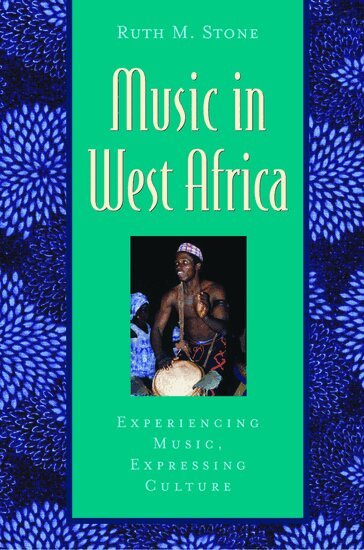
This book introduces the musical traditions of West Africa and discusses the diversity, motifs, and structure of West African music within the larger patterns of the region's culture. Drawing upon the author's extensive fieldwork, it explores how the music's complex rhythmic combinations in fast-paced patterns and quick, tightly orchestrated movements influence how West Africans understand themselves and their culture.
1 454 kr
Skickas inom 5-8 vardagar
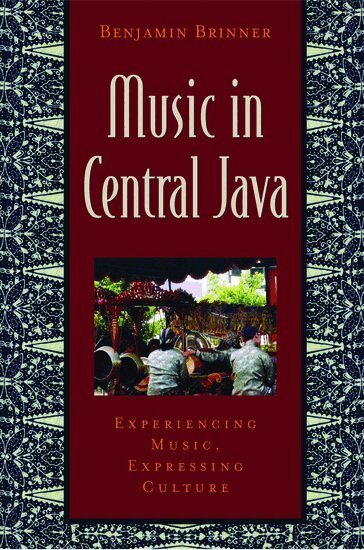
Music in Central Java: Experiencing Music, Expressing Culture, is one of the case study volumes in the Global Music Series, edited by Bonnie Wade and Patricia Shenhan Campbell. This volume describes the adventures of two central characteres: John an American student who travels to Java and Joko, a Javanese musician. Their adventures and exploits lead them through Javanese society and as they travel they explore the variety and range of instruments and perormance styles through out central JAva. Flexibility, appropriateness and intergration are the three themes that drive Javanese musical culture, and this book pays particular attention to them as well as to Javanese musicians. While gamelan is the focus of the text, the author also provides a broad survey of the other types of music that may be found in Central Java. This book introduces cultural and social processes and the values of music in Javanese life. The text features eye witnessaccounts of performances, interviews with key performers, hands-on activities, vivid illustrations and a 70 minute CD of the author's field recordings.
Häftad, Engelska, 2011
1 299 kr
Skickas inom 7-10 vardagar
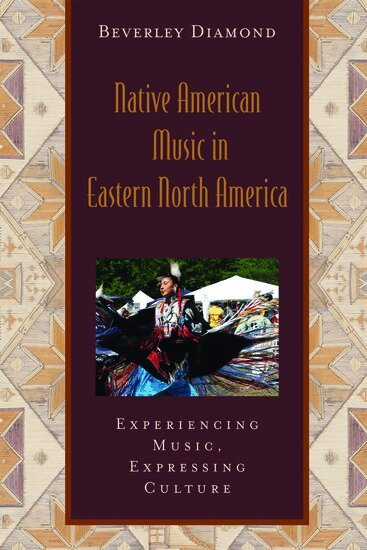
Native American Music in Eastern North America is one of many case-study volumes that can be used along with Thinking Musically, the core book in the Global Music Series. Thinking Musically incorporates music from many diverse cultures and establishes the framework for exploring the practice of music around the world. It sets the stage for an array of case-study volumes, each of which focuses on a single area of the world. Each case study uses the contemporary musical situation as a point of departure, covering historical information and traditions as they relate to the present. Visit www.oup.com/us/globalmusic for a list of case studies in the Global Music Series. The website also includes instructional materials to accompany each study.Native American Music in Eastern North America is one of the first books to explore the contemporary musical landscape of indigenous North Americans in the north and east. It shows how performance traditions of Native North Americans have been influenced by traditional social values and cultural histories, as well as by encounters and exchanges with other indigenous groups and with newcomers from Europe and Africa. Drawing on her extensive fieldwork and on case studies from several communities--including the Iroquois, the Algonquian-speaking nations of the Atlantic seaboard, and the Inuit of the far north--author Beverley Diamond discusses intertribal celebrations, popular music projects, dance, art, and film. She also considers how technology has mediated present-day cultural communication and how traditional ideas about social roles and gender identities have been negotiated through music.Enhanced by accounts of local performances, interviews with tribal elders and First Nations performers, vivid illustrations, and hands-on listening activities, Native American Music in Eastern North America provides a captivating introduction to this under-examined topic. It is packaged with an 80-minute audio CD containing twenty-six examples of the music discussed in the book, including several rare recordings. The author has also provided a list of eighteen songs representing a wide variety of styles--from traditional Native American chants to an Inuit collaboration with Björk--that are referenced in the book and available as an iMix at www.oup.com/us/globalmusic.
1 399 kr
Skickas inom 5-8 vardagar
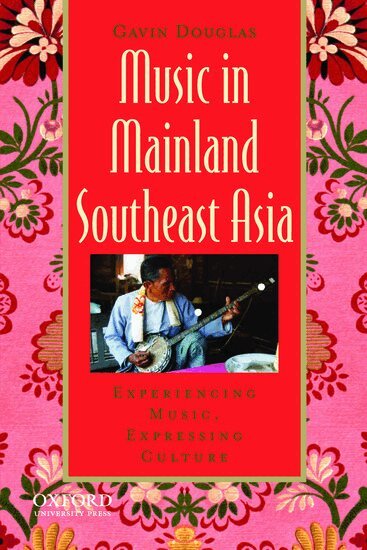
Music in Mainland Southeast Asia is one of several case-study volumes that can be used along with Thinking Musically, the core book in the Global Music Series. Thinking Musically incorporates music from many diverse cultures and establishes the framework for exploring the practice of music around the world. It sets the stage for an array of case-study volumes, each of which focuses on a single area of the world. Each case study uses the contemporary musical situation as a point of departure, covering historical information and traditions as they relate to the present.Mainland Southeast Asia is a culturally diverse and musically intriguing area, yet the ethnomusicological record lacks coverage of many of its musical and cultural traditions. Placing the music of this region within a social, cultural, and historical context, Music in Mainland Southeast Asia is the first brief, stand-alone volume to profile the under-represented musical traditions of Burma, Cambodia, Thailand, and Vietnam. It also contains the first introduction to Burmese music ever presented in a music textbook.Drawing on his extensive fieldwork, author Gavin Douglas frames this survey of Southeast Asian music within three key themes: music and diversity, music and political turmoil, and music and globalization. Each theme lends itself to a discussion of the region's classical musical traditions, folk traditions, and contemporary developments. Uniquely focusing on the people who practice these musical traditions--rather than the locales from which the traditions originate--the text also follows individuals out of their native lands and into diasporic communities throughout the world. A vibrant, thorough introduction, Music in Mainland Southeast Asia is ideal for introductory undergraduate courses in world music or ethnomusicology and for upper-level courses in Southeast Asian music or Southeast Asian culture. Packaged with a 70-minute CD containing musical examples, the text features numerous listening activities that actively engage students with the music and the themes. The companion website includes supplementary materials for instructors.
2 168 kr
Skickas inom 3-6 vardagar
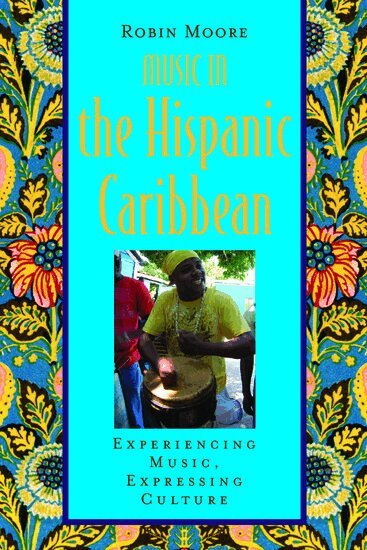
Music in the Hispanic Caribbean is one of several case-study volumes that can be used along with Thinking Musically, the core book in the Global Music Series. Thinking Musically incorporates music from many diverse cultures and establishes the framework for exploring the practice of music around the world. It sets the stage for an array of case-study volumes, each of which focuses on a single area of the world. Each case study uses the contemporary musical situation as a point of departure, covering historical information and traditions as they relate to the present.**The Spanish-speaking islands of Cuba, Puerto Rico, and the Dominican Republic make up a relatively small region, but their musical and cultural traditions have had a dramatic, sweeping impact on the world. The first brief, stand-alone volume to explore the music of these three islands, Music in the Hispanic Caribbean provides a vibrant introduction to diverse musical styles including salsa, merengue, reggaeton, plena, Latin jazz, and the bolero. Ethnomusicologist Robin Moore employs three themes in his survey of Hispanic Caribbean music:- The cultural legacy of the slave trade- The creolization of Caribbean musical styles- Diaspora, migration, and movement Each theme lends itself to a discussion of the region's traditional musical genres as well as its more contemporary forms. The author draws on his extensive regional fieldwork, offering accounts of local performances, interviews with key performers, and vivid illustrations.A compelling, comprehensive review, Music in the Hispanic Caribbean is ideal for introductory undergraduate courses in world music or ethnomusicology and for upper-level courses on Caribbean and Latin American music and/or culture. Packaged with a 70-minute CD containing musical examples, the text features numerous listening activities that actively engage students with the music. The companion website (www.oup.com/us/globalmusic) includes supplementary materials for instructors.
1 403 kr
Skickas inom 5-8 vardagar
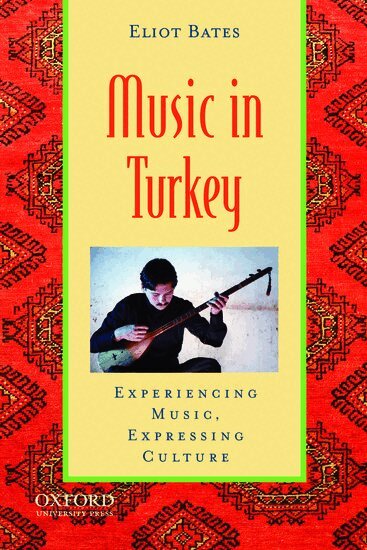
** Music in Turkey is one of several case-study volumes that can be used along with Thinking Musically, the core book in the Global Music Series. Thinking Musically incorporates music from many diverse cultures and establishes the framework for exploring the practice of music around the world. It sets the stage for an array of case-study volumes, each of which focuses on a single area of the world. Each case study uses the contemporary musical situation as a point of departure, covering historical information and traditions as they relate to the present. **Music in contemporary Turkey is inextricably linked to the history of the Republic of Turkey and the complex histories of the Ottoman Empire and numerous other empires that preceded it. It is also an ideal avenue for introducing one of the most vibrant multicultural areas in the Middle East. Turkey is home to a rich variety of highly localized musical traditions--comprised of regional repertoires, instruments, performance practices, and dances--bound together by a strong sense of national identity. The first brief, stand-alone volume to explore the musical and cultural traditions of this region, Music in Turkey places the diverse sounds of the country (and the Middle East at large) in their social contexts.Author Eliot Bates employs four themes in his survey of Turkish music: * The role of music in forming a national consciousness about local and regional cultures* How changes in musical meaning pertain to changes in contemporary Turkish society* The process of arrangement, where technology is creatively used to revitalize and modernize traditional music* How today's Anatolian musical instrument performance and construction are linked to local, regional, and national identitiesThe author draws on his extensive regional fieldwork, offering accounts of local performances, interviews with key performers, and vivid illustrations.Music in Turkey is ideal for introductory undergraduate courses in world music or ethnomusicology and for upper-level courses on Middle Eastern music and/or culture. Packaged with a 70-minute CD containing musical examples, the text features numerous listening activities that actively engage students with the music. The companion website includes supplementary materials for instructors.
2 114 kr
Skickas inom 3-6 vardagar
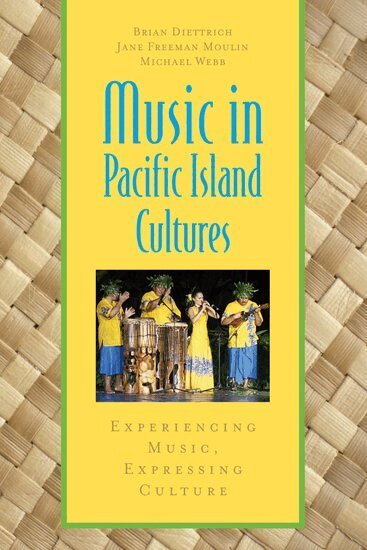
Music in Pacific Island Cultures is one of several case-study volumes that can be used along with Thinking Musically, Second Edition, the core book in the Global Music Series. Thinking Musically incorporates music from many diverse cultures and establishes the framework for exploring the practice of music around the world. It sets the stage for an array of case-study volumes, each of which focuses on a single area of the world. Each case study uses the contemporary musical situation as a point of departure, covering historical information and traditions as they relate to the present.The islands of Melanesia, Micronesia, and Polynesia are steeped in diverse musical traditions that reach far beyond the expanse of the Pacific Ocean. Music in Pacific Island Cultures is the first brief, single-volume text to provide a thematic, succinct introduction to the music of the Pacific Islands--a region of the world that has long been under-represented in ethnomusicological studies.Based on the authors' extensive fieldwork and experiences in Pacific Island cultures, the text draws on interviews with performers, eyewitness accounts of performances, vivid illustrations, and insights gained from ongoing participation in Pacific music. The authors use four themes--colonialism, belief systems, musical flows, and the re/presentation of Pacific cultures--to survey the region and draw parallels and contrasts between its various musical traditions.Packaged with a 70-minute audio CD containing musical examples discussed in the book, Music in Pacific Island Cultures features numerous listening activities that engage students with the music. The companion website includes a comprehensive Instructor's Manual with suggested classroom activities.Visit www.oup.com/us/globalmusic for a list of books in the Global Music Series. The website also includes instructional materials to accompany each volume.
1 862 kr
Tillfälligt slut
Music in Ireland is one of several case-study volumes that can be used along with Thinking Musically, the core book in the Global Music Series. Thinking Musically incorporates music from many diverse cultures and establishes the framework for exploring the practice of music around the world. It sets the stage for an array of case-study volumes, each of which focuses on a single area of the world. Each case study uses thecontemporary musical situation as a point of departure, covering historical information and traditions as they relate to the present. Visit www.oup.com/us/globalmusic for a list of case studies in the Global Music Series. The website alsoincludes instructional materials to accompany each study.Music in Ireland provides an engaging and focused introduction to Irish traditional music--types of singing, instrumental music, and dance that reflect the social values and political messages central to Irish identity. This music thrives today not only in Ireland but also in areas throughout North America, Europe, Australia, and Asia.Vividly evoking Irish sounds, instruments, and dance steps,Music in Ireland provides a springboard for the discussion of cultural and historical issues of identity, community, nationalism, emigration, transmission, and gender. Using the informal instrumental and singingsession as a focal point, Dorothea E. Hast and Stanley Scott take readers into contemporary performance environments and explore many facets of the tradition, from the "craic" (good-natured fun) to performance style, repertoire, and instrumentation. Incorporating first-person accounts of performances and interviews with performers and folklorists, the authors emphasize the significant roles that people play in music-making and illuminate national and international musical trends. They alsoaddress commercialism, globalization, and cross-cultural collaboration, issues that have become increasingly important as more Irish artists enter the global marketplace through recordings, tours, andlarge-scale productions like Riverdance.Music in Ireland features guided listening and hands-on activities that allow readers to gain experience in Irish culture by becoming active participants in the music.
507 kr
Tillfälligt slut
Music in Brazil is one of several case-study volumes that can be used along with Thinking Musically, the core book in the Global Music Series. Thinking Musically incorporates music from many diverse cultures and establishes the framework for exploring the practice of music around the world. It sets the stage for an array of case-study volumes, each of which focuses on a single area of the world. Each case study uses the contemporary musical situation as a point of departure, covering historical information and traditions as they relate to the present. Visit www.oup.com/us/globalmusic for a list of case studies in the Global Music Series. The website also includes instructional materials to accompany each study. As the largest nation in Latin America, Brazil is home to some of the most celebrated music in the world. Music in Brazil covers a wide spectrum of this music, including samba, bossa nova, Tropicália, and MPB (Música Popular Brasileira); regional traditional and popular music; Brazilian rock, rap, and electronica; and such genres as sertaneja (similar to country-and-western music) and brega (sentimental pop).Music in Brazil is organized the themes of unity, diversity, cosmopolitanism, and verbal artistry. It shows how Brazilian music expresses the unity of the country's culture, discussing, for example, how samba plays a major part in annual Carnaval celebrations and provides a focus for nationalist sentiment. In contrast, the book also demonstrates how music represents the diversity of Brazilian culture, describing how each of Brazil's regions is home to unique genres of music, and how the audiences for various types of music reflect class distinctions. In addition, author John P. Murphy presents examples of cosmopolitan Brazilian music and emphasizes the connections between music and other aspects of Brazilian culture, especially language and gender. Enhanced by vivid illustrations and guided listening activities, this book is a captivating introduction to the music of Brazil. It is packaged with a 60-minute audio CD containing examples of the music discussed in the book, many of which are taken from the author's field recordings.
538 kr
Tillfälligt slut
Music in China is one of many case-study volumes that can be used along with Thinking Musically, the core book in the Global Music Series. Thinking Musically incorporates music from many diverse cultures and establishes the framework for exploring the practice of music around the world. It sets the stage for an array of case-study volumes, each of which focuses on a single area of the world. Each case study uses the contemporary musical situation as a point of departure, covering historical information and traditions as they relate to the present. Visit www.oup.com/us/globalmusic for a list of case studies in the Global Music Series. The website also includes instructional materials to accompany each study.Music in China offers a unique exploration of the rich, dynamic, and multifaceted Chinese musical landscape. In contrast with previous scholarship-which focused almost exclusively on the role of music in elite culture-this volume takes a balanced look at a variety of traditional and modern genres, including those performed among local and regional folk musicians, in academia, in the media, and on concert stages both inside and outside of China. Using the interrelated themes of identity, modernization, and ideology as a narrative framework, author Frederick Lau discusses the musical features of the selected genres, the processes through which they came into existence, and related socio-political issues. Lau draws on his own extensive fieldwork and performance experience in both mainland China and its diasporic communities to show how the ever-changing Chinese musical tradition takes on particular meanings in China, in overseas Chinese communities, and in diverse international settings.Enhanced by eyewitness accounts of local performances, interviews with key performers, vivid illustrations, and hands-on listening activities, Music in China provides an accessible and engaging introduction to Chinese music. It is packaged with an 80-minute audio CD containing examples of the music discussed in the book.
507 kr
Tillfälligt slut
Music in the Andes, a case study in the Global Music Series, introduces the major contemporary indigenous, mestizo, and urban popular musical traditions of this region, underscoring the dynamic interplay of musical/cultural continuity and innovation. Exploring the way in which music, dance, and festival traditions in this region articulate ethnicity, class and local history, this book demonstrates the social and musical diversity of the Andes. Designed to be used as one of several short and inexpensive case study volumes in the Global Music Series, this volume is appropriate for introductory undergraduate courses in world music or ethnomusicology and for upper level courses on Latin American music or Latin American culture. Based on the author's own extensive fieldwork, the text features interviews with performers, eyewitness accounts of performances, and vivid illustrations. The book also features listening activities that allow students to engage critically and actively with the text. The included 70-minute CD contains examples of music discussed in the text, and supplementary material for instructors will be available on the companion web site.
Häftad, Engelska, 2012
430 kr
Tillfälligt slut
*** Music in Korea is one of several case-study volumes that can be used along with Thinking Musically, the core book in the Global Music Series. Thinking Musically incorporates music from many diverse cultures and establishes the framework for exploring the practice of music around the world. It sets the stage for an array of case-study volumes, each of which focuses on a single area of the world. Each case study uses the contemporary musical situation as a point of departure, covering historical information and traditions as they relate to the present. ***Despite its longstanding position as a distinct cultural force in East Asia, Korea continues to be underrepresented in world music texts. Music in Korea is the first brief, single-volume text to provide a thematic, succinct introduction to the music of Korea--a region whose volatile political climate has often overshadowed its rich cultural and musical traditions.Based on author Donna Lee Kwon's extensive fieldwork, the text features interviews with performers, eyewitness accounts of performances, and vivid illustrations. Kwon uses three themes--Korea as a transnational player in East Asia, the intersection of Korean music and cultural politics, and Korea's maintenance of its strong cultural identity through both musical and aesthetic continuity--to survey the region and draw parallels and contrasts between its various traditions. Each theme lends itself to a discussion of Korea's classical musical customs and its contemporary developments. Packaged with an 80-minute audio CD containing musical examples, the text features numerous listening activities that engage students with the music. The companion website (www.oup.com/us/globalmusic) includes supplementary materials for instructors.