Historical Studies in Eastern Europe and Eurasia - CEU Press – serie
Visar alla böcker i serien Historical Studies in Eastern Europe and Eurasia - CEU Press. Handla med fri frakt och snabb leverans.
13 produkter
13 produkter
Inbunden, Engelska, 2013
1 692 kr
Skickas inom 10-15 vardagar
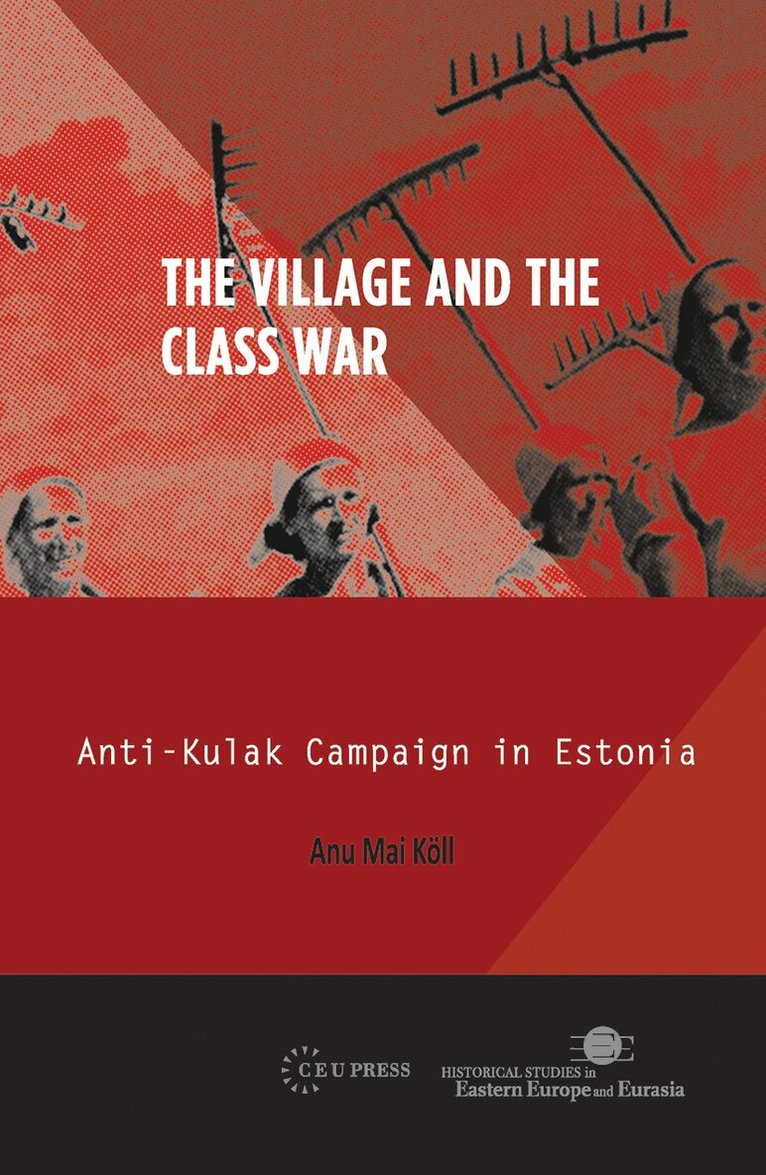
Before collectivization of agriculture in Estonia, “kulaks” (better-off farmers) were persecuted and many of them were finally deported in March 1949. This book is situated on the local level; the aim is to understand what these processes meant from the perspective of the Estonian rural population, a kind of study that has been missing so far. Analyzes the mechanisms of repression, applying new aspects. Repression was mainly conducted through a bureaucratic process where individual denunciations were not even necessary. The main tool of persecution was a screening of the rural population with the help of records, censuses and local knowledge, in order to identify, or invent, “kulak families”. Moreover, in the Estonian sources, the World War II history of each individual was a crucial part of screenings. The prisoners of war of the Red Army, held in camps in Estonia, played an unexpected part in this campaign. Another result is a so far neglected wave of peaceful resistance as the kulak identifications were challenged in 1947-48. This has not been addressed in the existing literature. The results mainly answer the question “how” this process worked, whereas the question ”why” finds hypothetical responses in the life trajectories of actors.
Inbunden, Engelska, 2013
2 155 kr
Skickas inom 10-15 vardagar
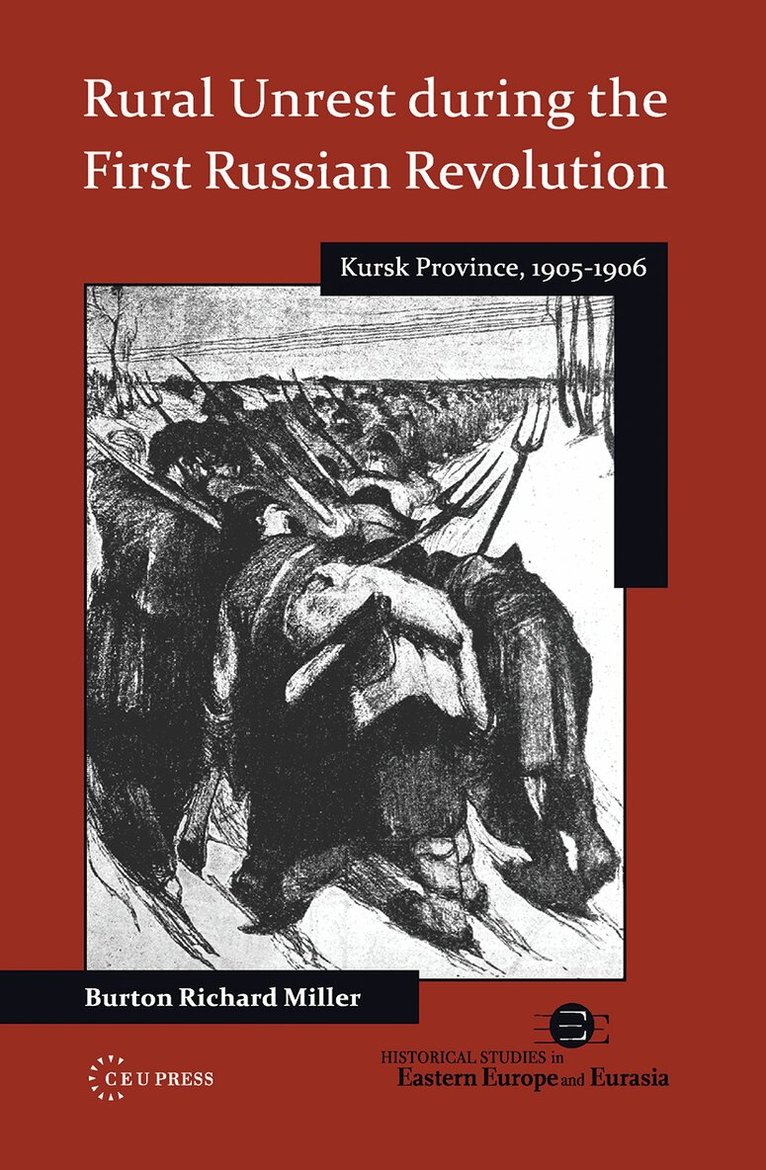
The narrative of peasant unrest in Russia during 1905–1906 combines a chronology of incidents drawn from official documents, with close analysis of the villages associated with the disorders based upon detailed census materials compiled by local specialists. The analysis concentrates on a single province: Kursk Oblast, bordering the now independent Ukraine. In place of the general surveys of the revolution that dominate the literature, Miller focuses on local events and the rural populations that participated in them. Documents the degree to which the peasant community had been pushed onto the path of change by the end of the nineteenth century, how much the “peasantry” itself had become increasingly heterogeneous in outlook and occupation, and the rapidity with which these processes had begun to corrode the legitimacy of the older order. Miller concludes that unrest was concentrated mostly among peasant communities for whom the benefits the vital interactions between social unequals that had maintained a fragile social peace in the countryside had been radically eroded; he furthermore identifies the prominent role played by that spectrum of persons that retained their ties to their villages, but stood toward the margins of rural life.
Inbunden, Engelska, 2026
1 753 kr
Kommande
What happens when states fail to provide support to populations in need? What are the mechanisms of religious and political engagement with populations affected by organized violence, displacement, and resettlement? The book argues that when state structures fail to respond to violence, religious institutions are often among the first actors to assist and empower forcibly displaced populations. Establishing humanitarian initiatives, fostering transnational conservative networks, and promoting geopolitical interests have defined the interplay between religion, politics, and society in the Eastern Christian world from the end of the Cold War to the present day. This book advances a Religious Failure Index, which highlights the ways in which religious institutions engage with state governance, geopolitics, and international affairs. It offers a rigorous narrative of the ways in which Eastern Orthodox and Oriental Christian communities exert authority in a multi-faith geographical space marked by political rivalry, conflict, inequality, and forced displacement in Armenia, Bulgaria, Georgia, Moldova, Russia, Serbia, and Ukraine.
Inbunden, Engelska, 2015
1 692 kr
Skickas inom 10-15 vardagar
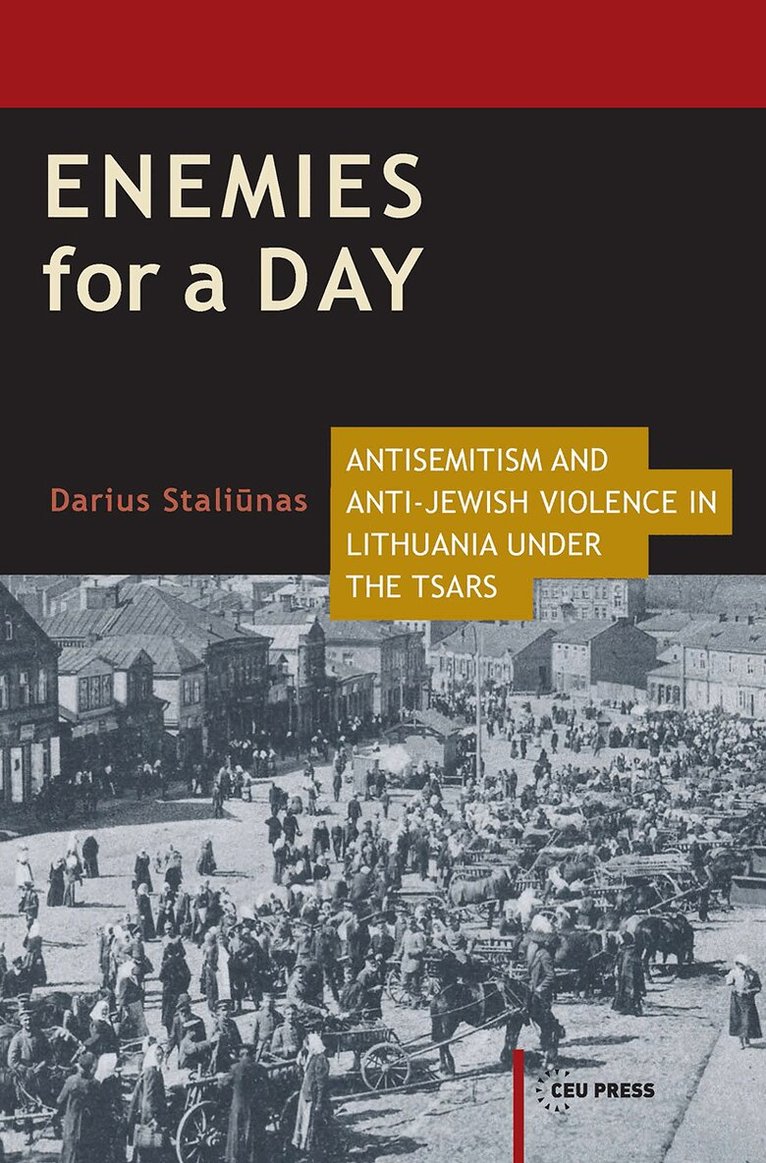
It begins by illustrating how widespread anti-Jewish feelings were among the Christian population in 19 th century, focusing on blood libel accusations as well as describing the role of modern antisemitism. Secondly, it tries to identify the structural preconditions as well as specific triggers that turned anti-Jewish feelings into collective violence and analyzes the nature of this violence. Lastly, pogroms in Lithuania are compared to anti-Jewish violence in other regions of the Russian Empire and East Galicia. This research is inspired by the cultural turn in social sciences, an approach that assumes that violence is filled with meaning, which is “culturally constructed, discursively mediated, symbolically saturated, and ritually regulated.” The author argues that pogroms in Lithuania instead followed a communal pattern of ethnic violence and was very different from deadly pogroms in other parts of the Russian Empire.
Häftad, Engelska, 2015
656 kr
Skickas inom 10-15 vardagar
It begins by illustrating how widespread anti-Jewish feelings were among the Christian population in 19 th century, focusing on blood libel accusations as well as describing the role of modern antisemitism. Secondly, it tries to identify the structural preconditions as well as specific triggers that turned anti-Jewish feelings into collective violence and analyzes the nature of this violence. Lastly, pogroms in Lithuania are compared to anti-Jewish violence in other regions of the Russian Empire and East Galicia. This research is inspired by the cultural turn in social sciences, an approach that assumes that violence is filled with meaning, which is “culturally constructed, discursively mediated, symbolically saturated, and ritually regulated.” The author argues that pogroms in Lithuania instead followed a communal pattern of ethnic violence and was very different from deadly pogroms in other parts of the Russian Empire.
Inbunden, Engelska, 2017
1 828 kr
Skickas inom 10-15 vardagar
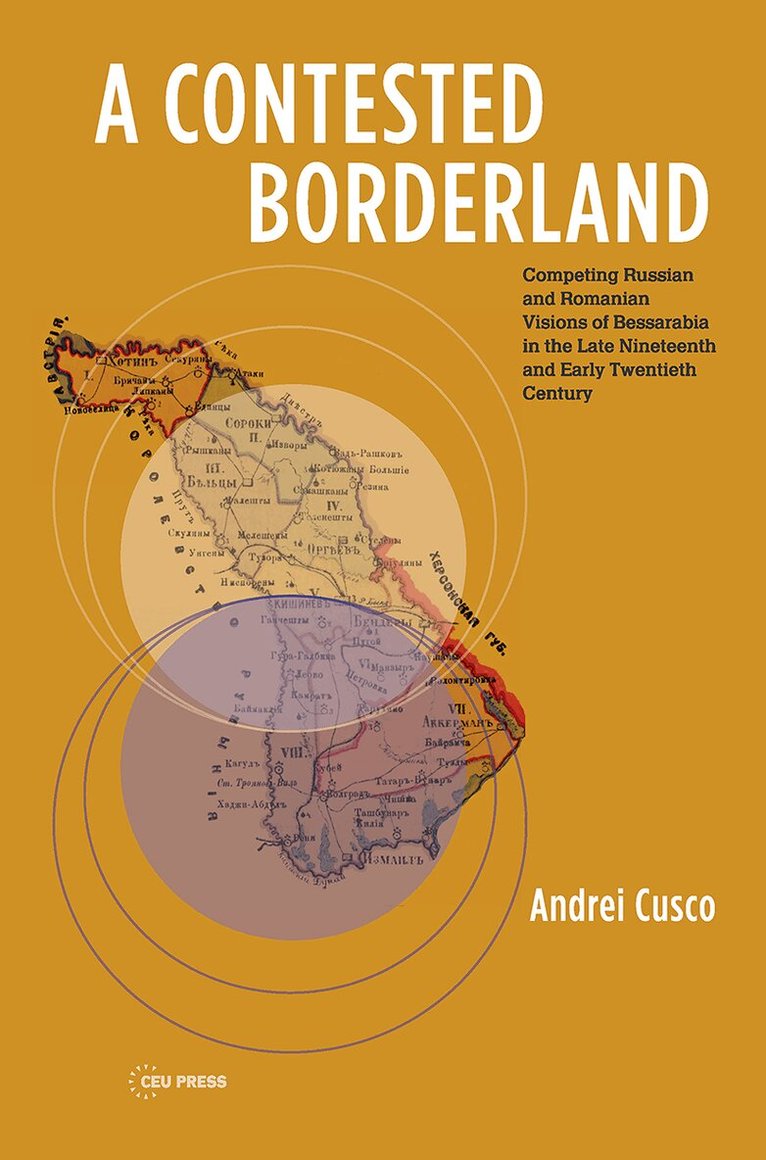
Bessarabia, mostly occupied by modern-day republic of Moldova, was the only territory representing an object of rivalry and symbolic competition between the Russian Empire and a fully crystallized nation-state: the Kingdom of Romania. This book is an intellectual prehistory of the Bessarabian problem, focusing on the antagonism of the national and imperial visions of this contested periphery. Through a critical reassessment and revision of the traditional historical narratives, the study argues that Bessarabia was claimed not just by two opposing projects of 'symbolic inclusion', but also by two alternative and theoretically antagonistic models of political legitimacy. By transcending the national lens of Bessarabian / Moldovan history and viewing it in the broader Eurasian comparative context, the book responds to the growing tendency in recent historiography to focus on the peripheries in order to better understand the functioning of national and imperial states in the modern era.
Inbunden, Engelska, 2021
2 027 kr
Skickas inom 10-15 vardagar
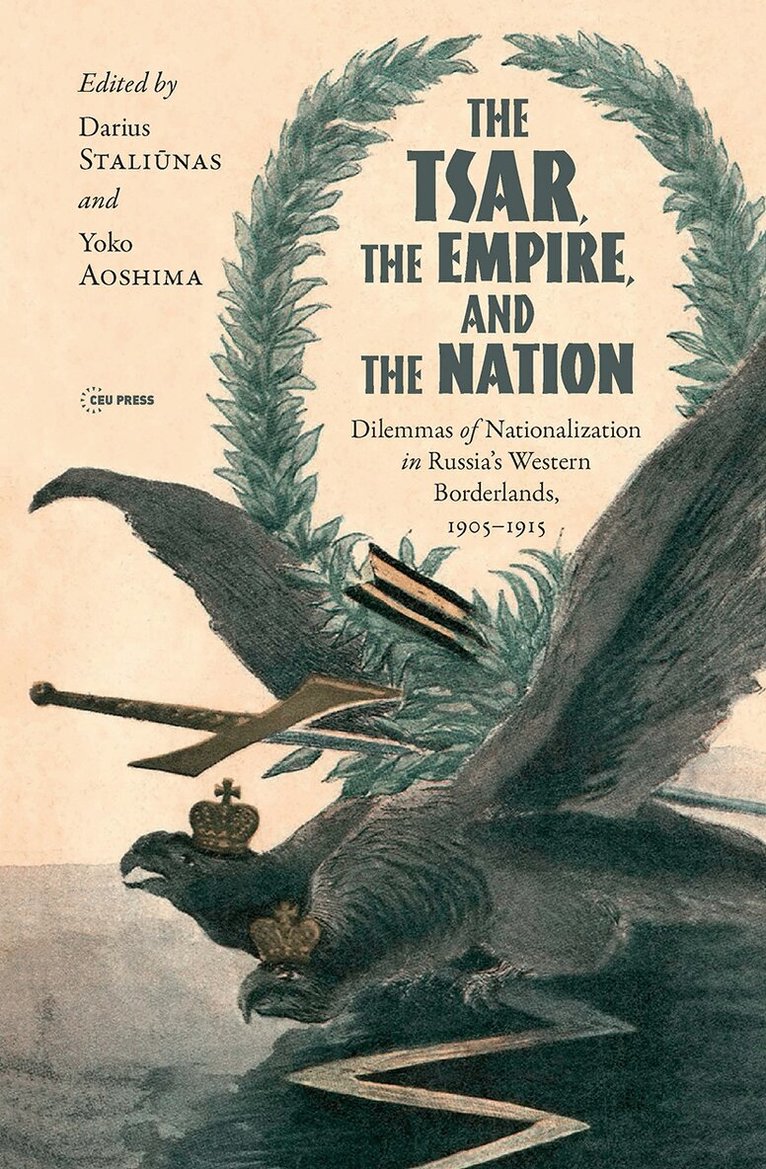
This collection of essays addresses the challenge of modern nationalism to the tsarist Russian Empire. First appearing on the empire’s western periphery this challenge, was most prevalent in twelve provinces extending from Ukrainian lands in the south to the Baltic provinces in the north, as well as to the Kingdom of Poland.At issue is whether the late Russian Empire entered World War I as a multiethnic state with many of its age-old mechanisms run by a multiethnic elite, or as a Russian state predominantly managed by ethnic Russians. The tsarist vision of prioritizing loyalty among all subjects over privileging ethnic Russians and discriminating against non-Russians faced a fundamental problem: as soon as the opportunity presented itself, non-Russians would increase their demands and become increasingly separatist.The authors found that although the imperial government did not really identify with popular Russian nationalism, it sometimes ended up implementing policies promoted by Russian nationalist proponents. Matters addressed include native language education, interconfessional rivalry, the “Jewish question,” the origins of mass tourism in the western provinces, as well as the emergence of Russian nationalist attitudes in the aftermath of the first Russian revolution.
Inbunden, Engelska, 2022
2 027 kr
Skickas inom 10-15 vardagar
This account of historical politics in Ukraine, framed in a broader European context, shows how social, political, and cultural groups have used and misused the past from the final years of the Soviet Union to 2020. Georgiy Kasianov details practices relating to history and memory by a variety of actors, including state institutions, non-governmental organizations, political parties, historians, and local governments. He identifies the main political purposes of these practices in the construction of nation and identity, struggles for power, warfare, and international relations.Kasianov considers the Ukrainian case in the context of a global increase in the politics of history and memory, with particular emphasis on a distinctive East-European variety. He pays special attention to the use and abuse of history in relations between Ukraine, Russia, and Poland.
Inbunden, Engelska, 2021
2 027 kr
Skickas inom 10-15 vardagar
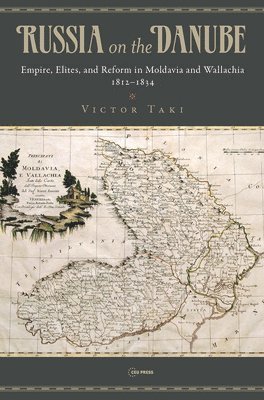
One of the goals of Russia’s Eastern policy was to turn Moldavia and Wallachia, the two Romanian principalities north of the Danube, from Ottoman vassals into a controllable buffer zone and a springboard for future military operations against Constantinople. Russia on the Danube describes the divergent interests and uneasy cooperation between the Russian officials and the Moldavian and Wallachian nobility in a key period between 1812 and 1834. Victor Taki’s meticulous examination of the plans and memoranda composed by Russian administrators and the Romanian elite underlines the crucial consequences of this encounter. The Moldavian and Wallachian nobility used the Russian-Ottoman rivalry in order to preserve and expand their traditional autonomy. The comprehensive institutional reforms born out of their interaction with the tsar’s officials consolidated territorial statehood on the lower Danube, providing the building blocks of a nation state.The main conclusion of the book is that although Russian policy was driven by self-interest, and despite the Russophobia among a great part of the Romanian intellectuals, this turbulent period significantly contributed to the emergence, several decades later, of modern Romania.
Inbunden, Engelska, 2022
1 586 kr
Skickas inom 10-15 vardagar
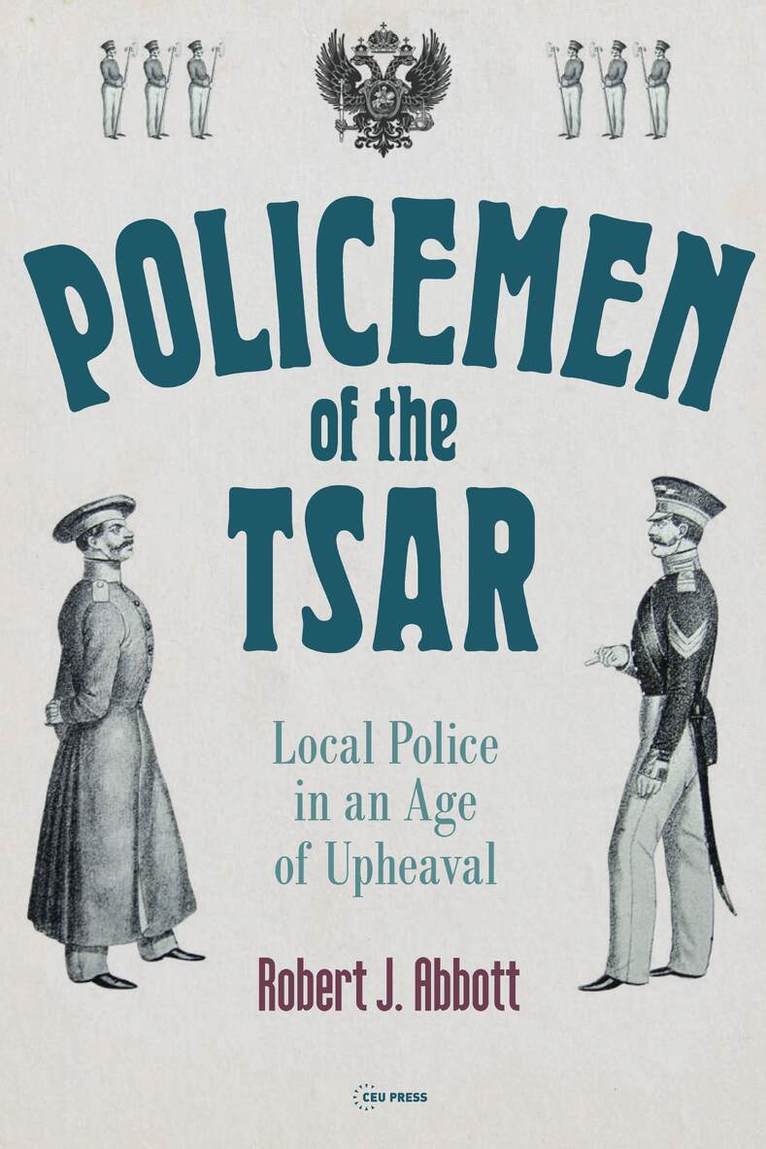
Founded by Peter the Great in 1718, Russia’s police were key instruments of tsarist power. In the reign of Alexander II (1855-1881), local police forces took on new importance. The liberation of 23 million serfs from landlord control, growing fear of crime, and the terrorist violence of the closing years challenged law enforcement with new tasks that made worse what was already a staggering burden. (“I am obliged to inform Your Imperial Highness that the police often fail to carry out their assignments and, when they do execute them, they do so poorly because of their moral corruption…”) This book describes the regime’s decades-long struggle to reform and strengthen the police. The author reviews the local police’s role and performance in the mid-nineteenth century and the implications of the largely unsuccessful effort to transform them. From a longer-term perspective, the study considers how the police’s systemic weaknesses undermined tsarist rule, impeded a range of liberalizing reforms, perpetuated reliance on the military to maintain law and order, and gave rise to vigilante justice. While its primary focus is on European Russia, the analysis also covers much of the imperial periphery, discussing the police systems in the Baltic Provinces, Congress Poland, the Caucasus, Central Asia, and Siberia.
Inbunden, Engelska, 2023
1 142 kr
Skickas
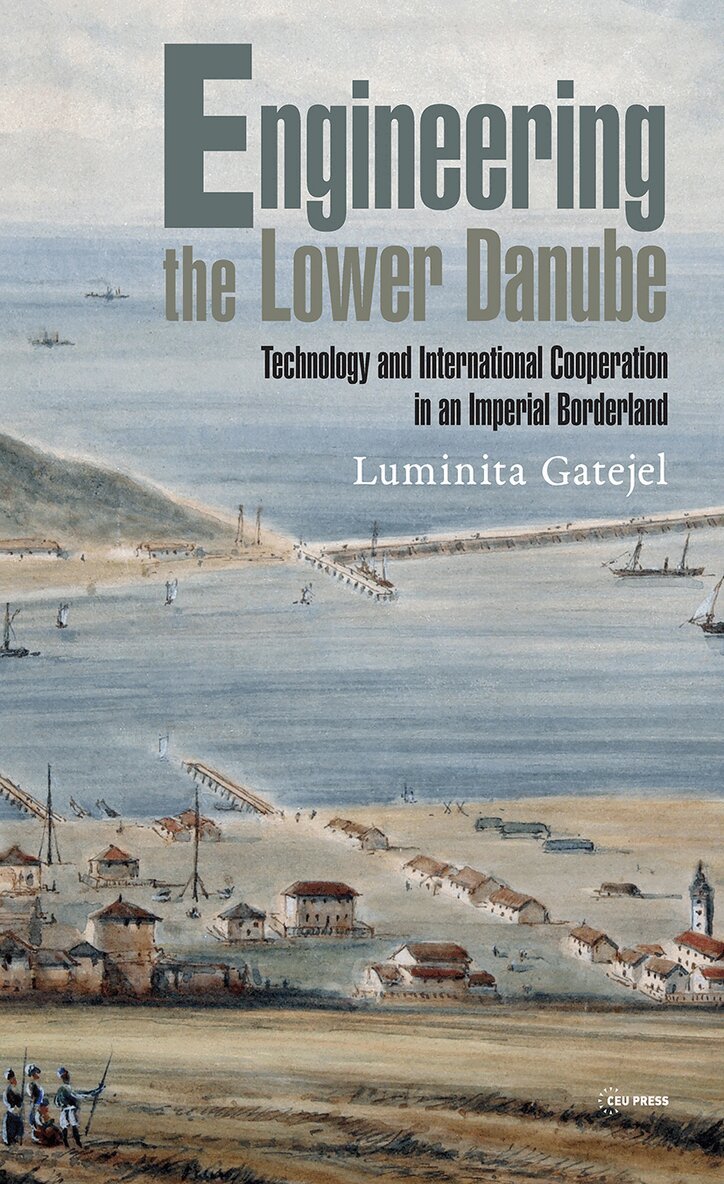
The Lower Danube—the stretch of Europe’s second longest river between the Romanian-Serbian border and the confluence to the Black Sea—was effectively transformed during the late eighteenth and nineteenth centuries. In describing this lengthy undertaking, Luminita Gatejel proposes that remaking two key stretches—the Iron Gates and the delta—not only physically altered the river but also redefined it in a legal and political sense. Since the late eighteenth century, military conflicts and peace treaties changed the nature of sovereignty over the area, as the expansionist tendencies of the Habsburg and British Empires encountered rival Ottoman and Russian imperial plans. The inconvenience that the river’s physical shape obstructed free navigation and the growth of commercial traffic, was an increasing concern to all parties. This book shows that alongside imperial aspirations, transnational actors like engineers, commissioners and entrepreneurs were the driving force behind the river regulation. In this highly original, deeply researched, and carefully crafted study, Gatejel explores the formation of international cooperation, the emergence of technical expertise and the emergence of engineering as a profession. This constellation turned the Lower Danube into a laboratory for experimenting with new forms of international cooperation, economic integration, and nature transformation.
Inbunden, Engelska, 2025
2 295 kr
Skickas inom 10-15 vardagar
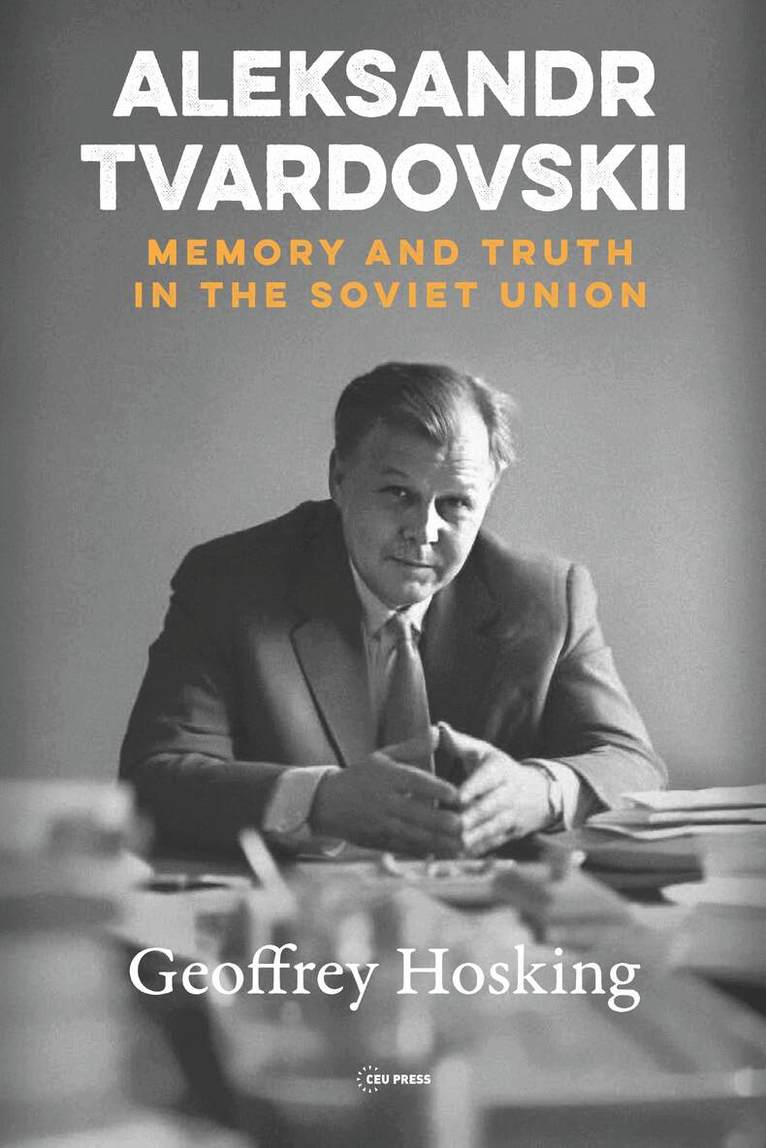
Aleksandr Tvardovskii was not only one of the finest, most popular and most important poets of his epoch, but also the editor of Novyi mir, the most prominent Soviet literary journal of the postwar period until the 1970s. This book is a detailed biography of the writer and journal editor who probably changed the literary culture of the Soviet Union more than any other person in the two decades after Stalin's death. Geoffrey Hosking shows how Tvardovskii gradually evolved from being an ardent Stalinist who renounced his own so-called “kulak” family to becoming a convinced advocate of tolerance, an all-human morality, civil rights, and free literary creativity. By giving a balanced account of his strengths and weaknesses, his achievements and failures, the author succeeds in giving the fullest picture available anywhere of a controversial man who turns out to be more complex than he has been portrayed so far. To understand him better is to understand why the Soviet intelligentsia changed so fundamentally in the USSR’s final decades, a change that helps to explain the rise of Gorbachev twenty years later. The study—which includes an in-depth analysis of Tvardovskii’s major works—also helps to better understand the fate of culture under an authoritarian regime and the intricacies of the struggle against censorship.
Inbunden, Engelska, 2026
1 968 kr
Kommande
This volume focuses on how the national elites in Central and South-Eastern Europe perceived the peasantry during the process of building the modern state and democratic political systems. The central theme of the discussion is the integration of peasants into the political system, with the aim of transforming them from the dependent subjects of various public figures to active citizens. The politicization of the rural world, in terms of increasing peasants’ participation in public affairs and their identification with ideas concerning the “common good,” was integral to the modern transformation of societies in these regions. The studies in this volume examine the relationship between the peasantry and central and local state institutions, such as the administration, schools and the army; associations of all kinds; and social figures, including intellectuals, teachers, local notables and priests, who sought to uplift the rural world as part of the modernization agenda.