I B Tauris Handbooks – serie
Visar alla böcker i serien I B Tauris Handbooks. Handla med fri frakt och snabb leverans.
7 produkter
7 produkter
2 157 kr
Skickas inom 10-15 vardagar
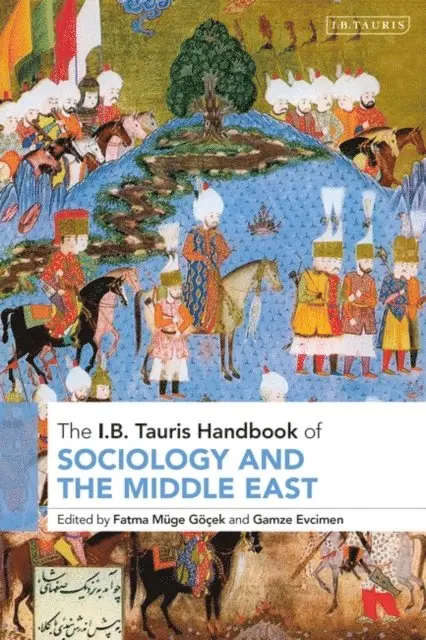
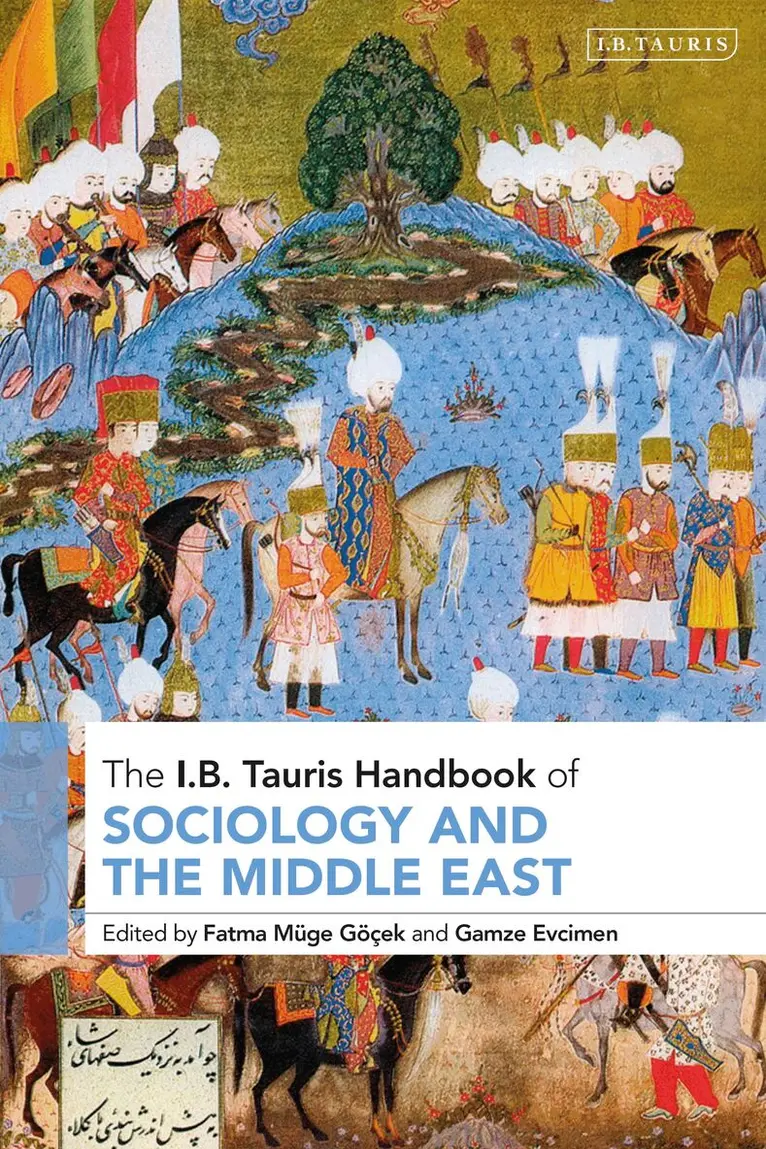
What we understand by the ‘Middle East’ has changed over time and across space. While scholars agree that the geographical ‘core’ of the Middle East is the Arabian Peninsula, the boundaries are less clear. How far back in time should we go to define the Middle East? How far south and east should we move on the African continent? And how do we deal with the minority religions in the region, and those who migrate to the West?Across this handbook’s 52 chapters, the leading sociologists writing on the Middle East share their standpoint on these questions. Taking the featured scholars as constitutive of the field, the handbook reshapes studies on the region by piecing together our knowledge on the Middle East from their path-defining contributions. The volume is divided into four parts covering sociologists’ perspectives on:· Social transformations and social conflict; from Israel-Palestine and the Iranian Revolution, to the Arab Uprisings and the Syrian War · The region’s economic, religious and political activities; including the impact of the spread of Western modernity; the effects of neo-liberalism; and how Islam shapes the region’s life and politics · People’s everyday practices as they have shaped our understanding of culture, consumption, gender and sexuality · The diasporas from the Middle East in Europe and North America, which put the Middle East in dialogue with other regions of the world.The global approach and wide-ranging topics represent how sociologists enable us to redefine the boundaries and identities of the Middle East today.
2 022 kr
Skickas inom 10-15 vardagar
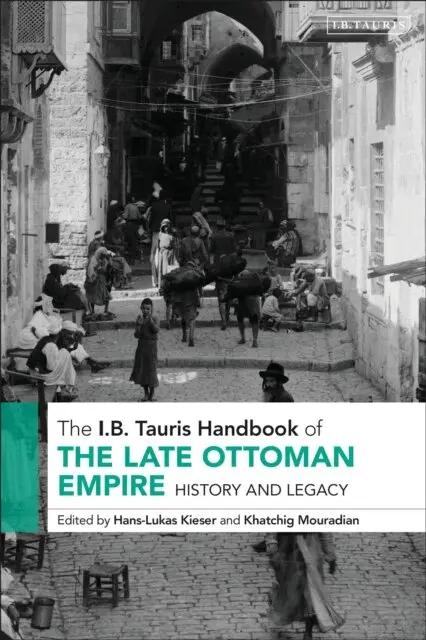
Drawing on contributions from fifty established and emerging academics, The I.B. Tauris Handbook of the Late Ottoman Empire explores the scholarship that has emerged in recent decades on the Late Ottoman period and its legacies.Seven chronological sections, featuring thirty-four chapters and eight supplementary essays, guides the reader from the late eighteenth century to the early twenty-first century.The first two sections cover the Ottoman Empire before the 1908 Young Turk Revolution. Section III addresses diachronic topics from Arab and Kurdish nationalism to missionaries and Zionism. Sections IV and V examine the post-1908 period, marked by the Young Turks' rise (specifically the Committee of Union and Progress), the Great War, and mass violence. Section VI discusses the post-Great War treaty system and its lasting impact, while Section VII explores post-Ottoman realities entangled with the late Ottoman legacy.The volume includes two bibliographies, a chronology of political events, and an incisive afterword on the state of the field. Surveying scholarship and its interdisciplinary dimensions, and highlighting mass violence as a formative force in the region’s history, this handbook serves as a reference for researchers, diplomats, students, and general readers.
1 908 kr
Skickas inom 7-10 vardagar
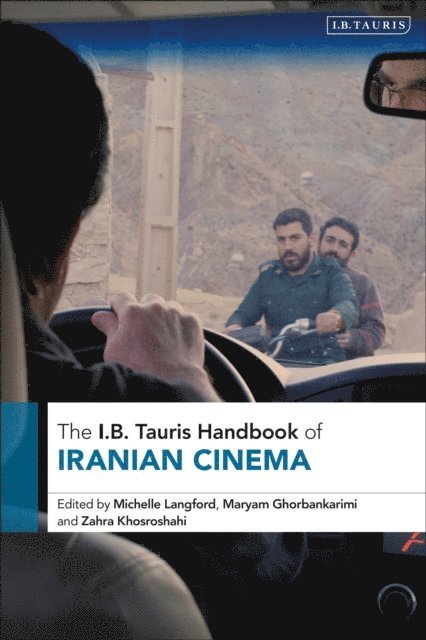
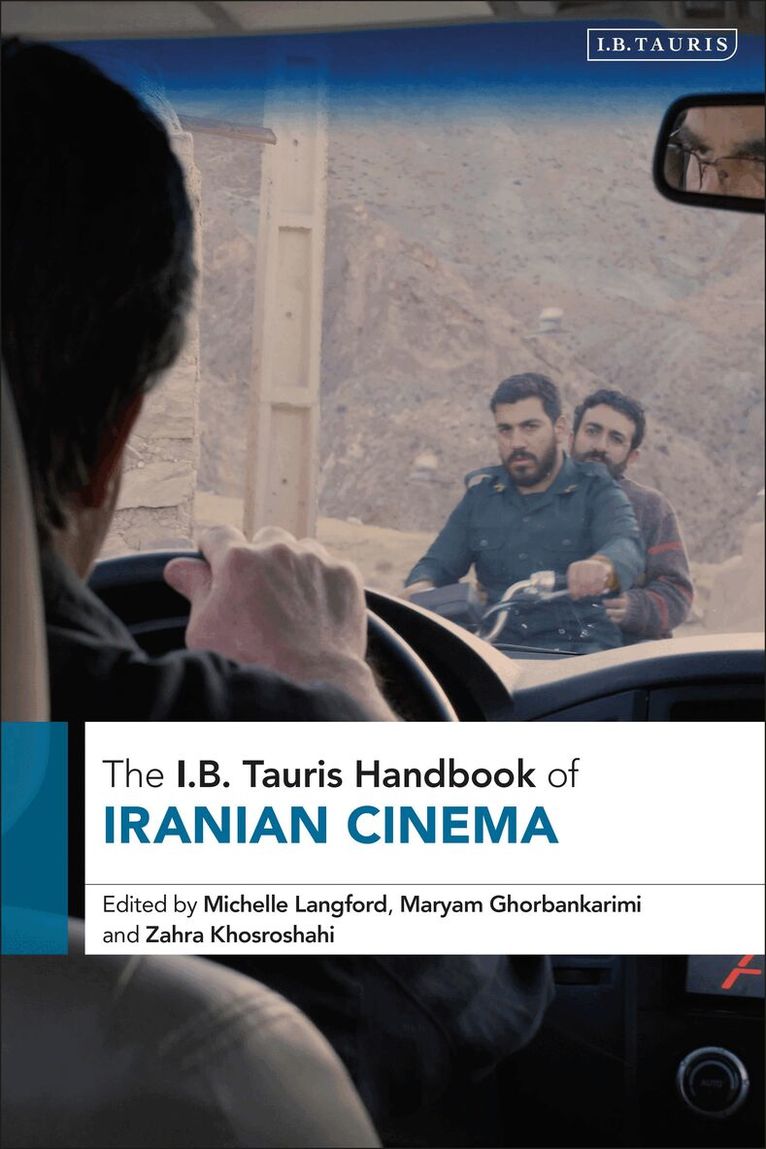
This volume brings together scholarship from both established scholars and early career academics to provide fresh insights and new research on the cinema of Iran. The book is organised around eight broad themes including cinema before and after the revolution, stylistic innovation, documentary, gender, and genre. Encompassing a diverse range of methodological approaches and disciplinary frameworks including film studies, cultural studies, and political economy, each chapter is a self-contained study on a specific topic engaging with the national and transnational history of Iranian cinema which combined provide readers with original new insights into Iranian film and filmmakers, from fiction films to art house and popular cinema. The Handbook includes analysis of the works of established filmmakers such as Bahram Beyzaie, Rakhshan Banetemad, Abbas Kiarostami and Mohsen Makhmalbaf, as well as the output of emerging voices such as Ida Panahandeh and Shahram Mokri. Covering well-known topics as well as cutting edge ones such the sonic and visual manifestations of the urban environment in Iranian films, this book is a vital resource for understanding Iran and its unique cinematic culture.
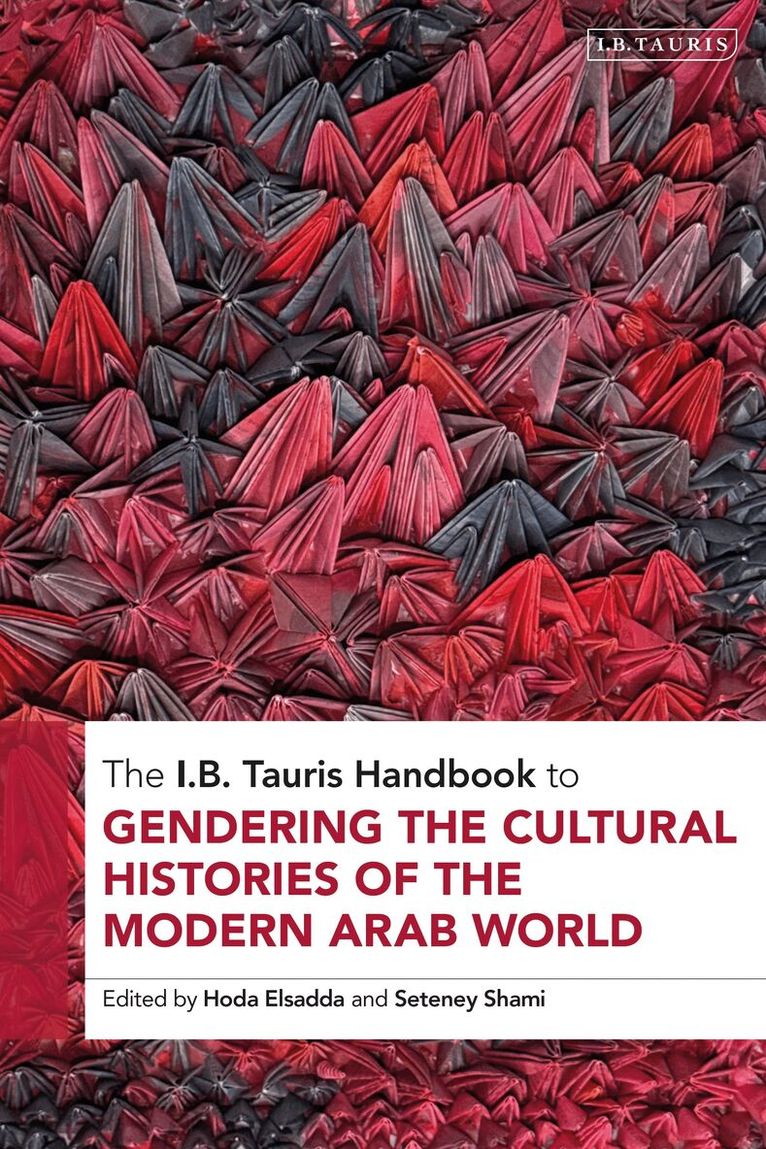
I.B. Tauris Handbook to Gendering the Cultural Histories of the Modern Arab World
Inbunden, Engelska, 2026
1 964 kr
Skickas inom 10-15 vardagar
In the last 20 years, feminist scholars have radicalised the historiography of the Arab world. Using gendered theorisations, they have rejected the mainstream histories that prioritise ‘official’ narratives, and they have highlighted the exclusionary effect of patriarchal systems and discourses. This handbook continues their work by using ‘gender’ as a mode of analysis to produce a new cultural history of the Arab world. In doing so, it presents a new generation with ways to study the region using a 'gender lens' and establishes this approach as a field.The five thematic parts correspond to specific areas focused on by new cultural historians: histories of practices; histories of representations; narrative sites of memory; histories of material culture; and histories of the body. Each section then provides new knowledge of the Arab world by moving away from the Western colonial gaze and focusing instead on women’s everyday experiences and lifeways. Subjects covered include: theoretical perspectives, Islamic law, protest movements and popular culture, as well as women’s autobiographies, gendered memory, food, public health and sexualities.Edited by two pioneering feminist scholars, Hoda Elsadda and Seteney Shami, it draws together the most innovative work of other feminist scholars from across history, anthropology, literature, sociology, psychology, theology, economics, political science, law, and translation studies. The chapters demonstrate that in using gender as a category of analysis, the cultural histories of the Arab world can be rewritten to prioritise lived realities and female voices and perspectives.
2 311 kr
Kommande
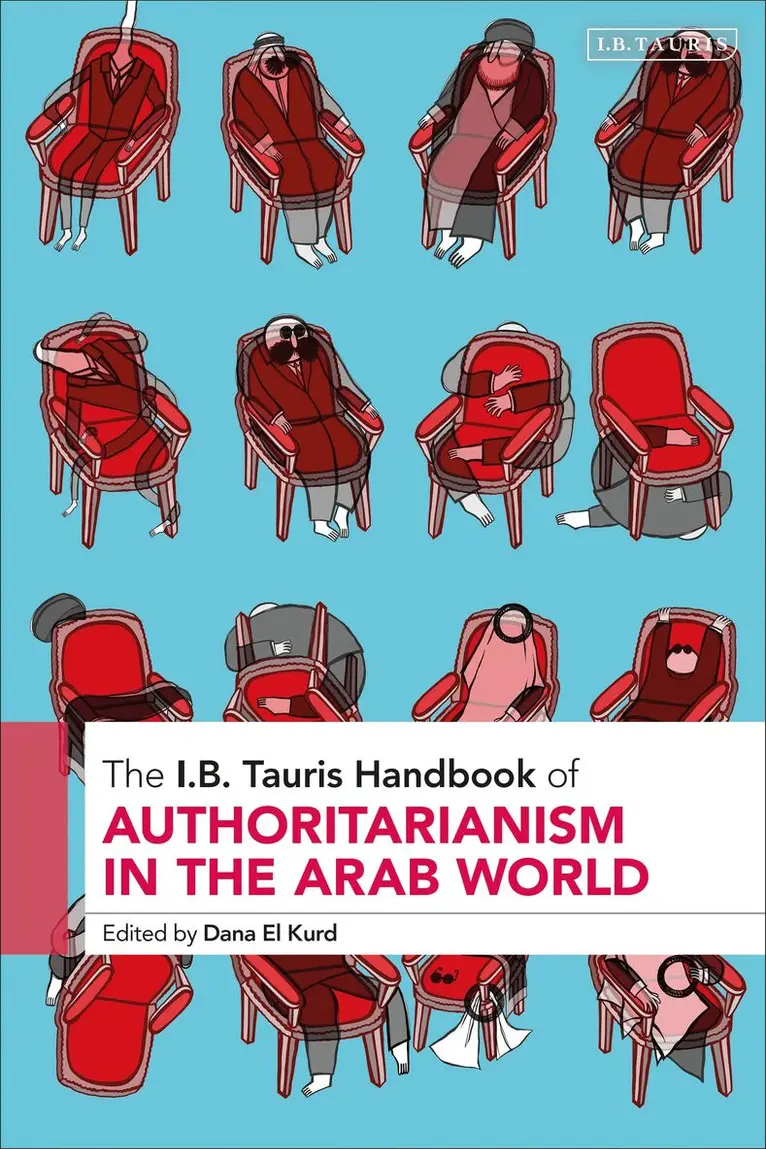
This open access handbook provides an overview of Arab authoritarianism and how it has evolved in the face of a global decade of protest, democratic decline, and surging conflict.The chapters in this volume highlight the specificities of authoritarianism in the Arab world while also placing the region in the context of global trends. Contributions combine fresh theoretical analysis with rich case study information on actors, movements, communities, and dynamics that are often ignored in our understanding of this region. With an emphasis on voices from the Arab world, the contributions in this volume span a wide range of disciplinary approaches and address the following areas: strategies and practices of authoritarianism, international and transnational trends, the political economy of authoritarianism, identity, ideology, and resistance. Addressing these issues not only illuminates the persistence of authoritarianism in the region, but also what Arab authoritarianism teaches us about world politics.The ebook editions of this book are available open access under a CC BY-NC-ND 4.0 licence on bloomsburycollections.com. Open access was funded by the University of Richmond.
557 kr
Skickas inom 10-15 vardagar
What we understand by the ‘Middle East’ has changed over time and across space. While scholars agree that the geographical ‘core’ of the Middle East is the Arabian Peninsula, the boundaries are less clear. How far back in time should we go to define the Middle East? How far south and east should we move on the African continent? And how do we deal with the minority religions in the region, and those who migrate to the West?Across this handbook’s 52 chapters, the leading sociologists writing on the Middle East share their standpoint on these questions. Taking the featured scholars as constitutive of the field, the handbook reshapes studies on the region by piecing together our knowledge on the Middle East from their path-defining contributions. The volume is divided into four parts covering sociologists’ perspectives on:· Social transformations and social conflict; from Israel-Palestine and the Iranian Revolution, to the Arab Uprisings and the Syrian War · The region’s economic, religious and political activities; including the impact of the spread of Western modernity; the effects of neo-liberalism; and how Islam shapes the region’s life and politics · People’s everyday practices as they have shaped our understanding of culture, consumption, gender and sexuality · The diasporas from the Middle East in Europe and North America, which put the Middle East in dialogue with other regions of the world.The global approach and wide-ranging topics represent how sociologists enable us to redefine the boundaries and identities of the Middle East today.
685 kr
Kommande
This volume brings together scholarship from both established scholars and early career academics to provide fresh insights and new research on the cinema of Iran. The book is organised around eight broad themes including cinema before and after the revolution, stylistic innovation, documentary, gender, and genre. Encompassing a diverse range of methodological approaches and disciplinary frameworks including film studies, cultural studies, and political economy, each chapter is a self-contained study on a specific topic engaging with the national and transnational history of Iranian cinema which combined provide readers with original new insights into Iranian film and filmmakers, from fiction films to art house and popular cinema. The Handbook includes analysis of the works of established filmmakers such as Bahram Beyzaie, Rakhshan Banetemad, Abbas Kiarostami and Mohsen Makhmalbaf, as well as the output of emerging voices such as Ida Panahandeh and Shahram Mokri. Covering well-known topics as well as cutting edge ones such the sonic and visual manifestations of the urban environment in Iranian films, this book is a vital resource for understanding Iran and its unique cinematic culture.