Neuroscience of Neurodegenerative Disease – serie
Visar alla böcker i serien Neuroscience of Neurodegenerative Disease. Handla med fri frakt och snabb leverans.
11 produkter
11 produkter
2 106 kr
Skickas inom 10-15 vardagar
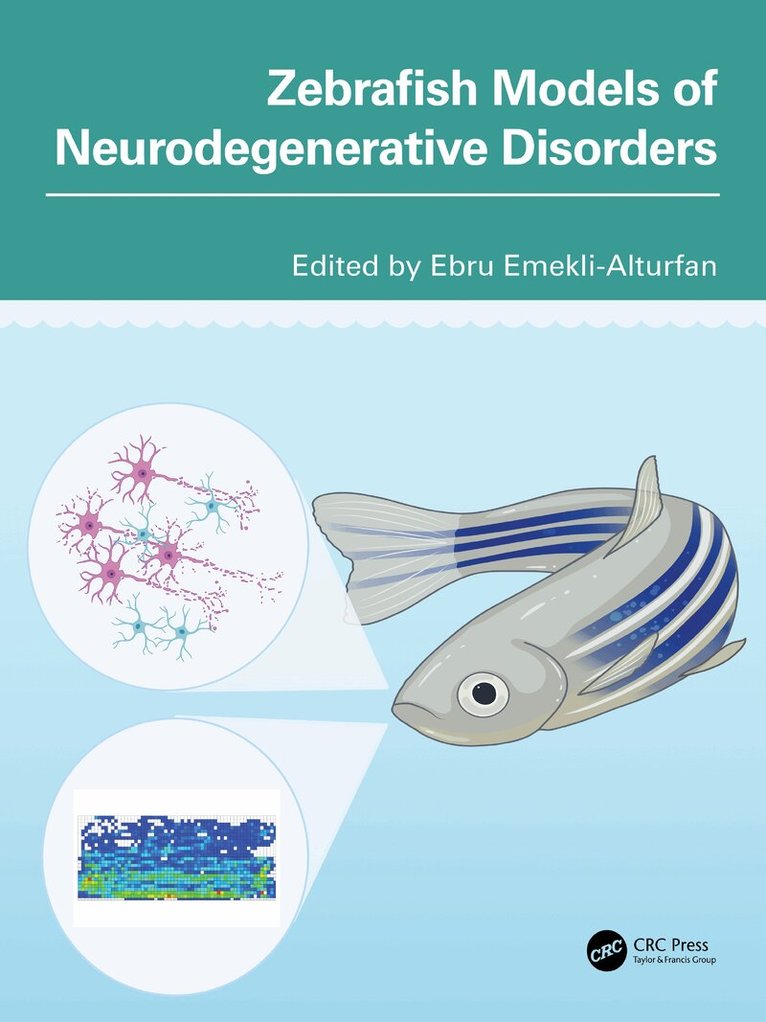
Advancing our understanding of neurodegenerative diseases demands innovative tools and approaches. Zebrafish Models in Neurodegenerative Disorders offers a comprehensive examination of zebrafish as a translational model for studying the molecular and cellular mechanisms of diseases such as Alzheimer’s, Parkinson’s, and Huntington’s diseases. Beginning with the first section informing about the basic molecular mechanisms of neurodegenerative disorders, biomarkers, and therapeutic approaches, the book continues with the detailed exploration of zebrafish physiology, genetics, and behavioural phenotypes as they pertain to neurodegenerative pathologies; insight into cutting-edge technologies, including CRISPR/Cas9 genome editing; and in-depth analysis of zebrafish models, highlighting their strengths in modelling disease progression and therapeutic testing.
2 106 kr
Skickas inom 10-15 vardagar
Rodent Models of Neurodegenerative Disease explores neurodegenerative disorders such as Alzheimer’s disease, Parkinson’s disease, Huntington’s disease, amyotrophic lateral sclerosis, frontotemporal dementia, Lewy body disease, and prion disease which represent some of the most complex and devastating challenges in neuroscience. With rising prevalence in aging populations worldwide, these disorders place immense burdens on patients, families, and healthcare systems. This comprehensive volume, Rodent Models of Neurodegenerative Disease, provides an in-depth examination of the utility, strengths, and limitations of rodent models in unraveling the molecular, cellular, and behavioral aspects of neurodegeneration. Organized by disease, each chapter explores both genetic and non-genetic models, highlighting their relevance to human pathology, translational value, and contributions to therapeutic discovery.Key features of this book include the following:Detailed coverage of rodent models for major neurodegenerative diseasesCritical analysis of disease mechanisms, from protein aggregation and mitochondrial dysfunction to neuroinflammation and synaptic lossA dedicated chapter on behavioral assays, bridging molecular pathology with motor, cognitive and social outcomesInsights into the translational challenges of preclinical research and its role in shaping future therapiesWith contributions from leading neuroscientists, this book serves as a valuable reference for researchers, graduate students, and professionals in neuroscience, neurology, pharmacology, and related fields. Whether for experimental design, model selection, or therapeutic evaluation, it provides an essential guide for advancing neurodegenerative disease research.
2 876 kr
Skickas inom 10-15 vardagar
Neurodegenerative disorders are rising worldwide, yet most approved drugs merely temper symptoms. Nucleic Acids and Precision Therapies for Neuroprotection addresses this therapeutic shortfall directly, tracing how antisense oligonucleotides, RNA interference agents, mRNA platforms, aptamers, and CRISPR-class editors are redefining what "treatable" means for Alzheimer’s, Parkinson’s, ALS, Huntington’s disease, and Multiple Sclerosis.Rather than cataloguing modalities in isolation, the book lays out an end-to-end translational roadmap from target identification and sequence optimisation to blood–brain barrier traversal, immunogenicity management, scalable manufacturing, and ethical oversight. Delivery science (including viral, nanoparticle, and hybrid vectors), AI-enabled biomarker discovery, adaptive trial architectures, and shifting global regulatory frameworks are viewed as interlocking elements of a single development pathway.By aligning disparate scientific "dialects" into a shared, practice-oriented language, Nucleic Acids and Precision Therapies for Neuroprotection offers what the field currently lacks: a cohesive guide for moving nucleic acid therapeutics from concept to clinic with precision. Researchers, clinicians, regulators, and industry teams will find pragmatic frameworks, comparative tables, and decision points that shorten the path between mechanistic insight and patient impact without sacrificing rigour or transparency.KEY FEATURES:Integrates molecular design, delivery engineering, clinical trial strategy, and regulatory science into one end-to-end translational workflow for nucleic acid therapeutics in neurologyDelivers disease-specific playbooks (AD, PD, ALS, HD, MS) that map genotype/phenotype data to actionable targets, modality selection, and delivery routesEmbeds AI/ML-driven biomarker discovery, patient stratification, and manufacturability analytics alongside ethical, access, and cost considerations
Integrating Neuroimaging, Computational Neuroscience, and Artificial Intelligence
Inbunden, Engelska, 2024
1 966 kr
Skickas inom 10-15 vardagar
Unveil the next frontier in neurodegenerative disorder research with Integrating Neuroimaging, Computational Neuroscience, and Artificial Intelligence. This groundbreaking book goes beyond traditional approaches, utilizing the power of interdisciplinary integration to illuminate new pathways in diagnosis and treatment. From AI-driven diagnostics to computational neuroscience models, this book showcases the forefront of innovation. Join us in exploring the future of neurodegenerative care, where collaboration and cutting-edge technology converge to redefine possibilities.Key Features:Integrates diverse fields of research, from neuroimaging to computational neuroscience and Artificial Intelligence.Emphasizes the translation of research findings into practical applications, ultimately benefitting patients and clinical practice.Reviews the implementation of Artificial Intelligence and computational models in diagnostic settings.Elucidates the current state of translational neuroscience exploring potential areas for further research and collaboration, including personalized treatments and drug development.Contributions from an international team of experts from diverse disciplines.
1 966 kr
Skickas inom 10-15 vardagar
The brain regions and neuronal processes that underlie addiction extensively overlap with those needed for cognitive functions, including learning, memory, and reasoning. Addiction negatively impacts cognitive functions, making it more challenging to maintain abstinence and potentially leading to progression into neurodegenerative disorders. Furthermore, individuals living with neurodegenerative disorders can engage in behaviors, such as self-medication, due to impaired judgment and impulsivity associated with their condition. Addressing either of these conditions becomes markedly more intricate when they co-occur. This book explores the intricate and often overlooked connection between neurodegenerative disorders and addiction. It delves into the complex interplay between the two areas, discussing preclinical to clinical findings that highlight commonalities, shared risk factors, causality, comorbidity, management, and evidence-based interventions. By examining all these factors, an international team of contributors offer a comprehensive understanding of this underexplored intersection and its profound implications on affected individuals and their families, the healthcare system, and treatment strategies.
2 550 kr
Kommande
As the burden of neurological conditions continues to grow globally, bridging the gap between neuroscience and medicine becomes imperative. This book provides a roadmap for researchers, neuroscientists, physicians, and healthcare professionals seeking to comprehend the underlying biological mechanisms of these disorders. It serves as a valuable resource for students, educators, and anyone intrigued by the fascinating intersection of neuroscience and disease. 1) Targets a wide audience, including professionals and researchers in neuroscience, medicine, and allied disciplines 2) Provides a comprehensive understanding of the complex molecular and cellular mechanisms that underlie these illnesses 3) Will facilitate more knowledgeable diagnosis and treatment options 4) Is an indispensable resource for medical students, researchers, and educators 5) Provides a thorough examination of the molecular underpinnings of different neurological diseases
2 176 kr
Skickas inom 10-15 vardagar
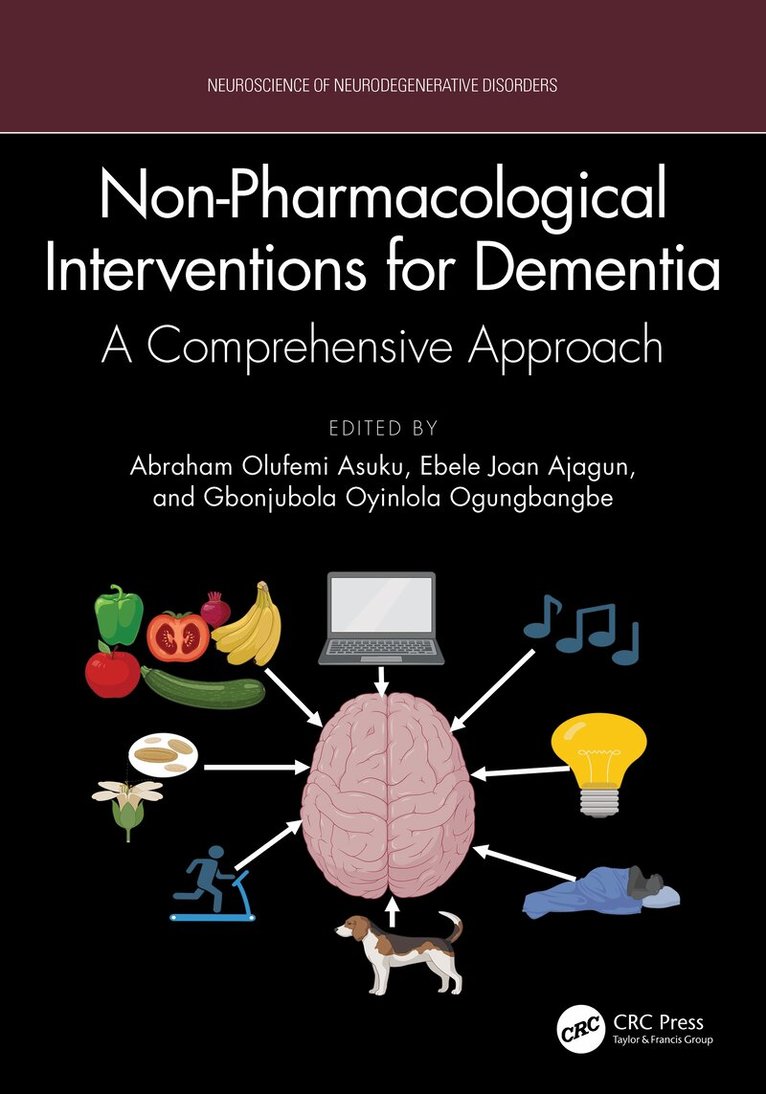
As our global population ages, dementia emerges as one of healthcare's most pressing challenges. But what if the most powerful solutions lie beyond traditional medication? Non-Pharmacological Interventions for Dementia: A Comprehensive Approach opens new doors in dementia care, revealing evidence-based strategies that can transform lives. This groundbreaking work explores:Innovative therapies from cognitive stimulation to virtual realityThe profound impact of art, music, and animal-assisted interventionsEnvironmental design principles that create calm and clarityPractical approaches to nutrition, sleep, and physical exerciseRevolutionary technology-based solutions for cognitive engagementDrawing on cutting-edge research and real-world applications, this essential resource equips healthcare professionals, caregivers, and families with powerful tools to enhance the quality of life for people living with dementia. The contributing authors not only present the latest developments in non-pharmacological interventions but also delve deep into their mechanisms of action and ethical considerations.Whether you're a healthcare provider, researcher, or caregiver, this comprehensive guide offers actionable insights into creating more effective, humane, and holistic approaches to dementia care. Discover how combining these evidence-based interventions can open new possibilities for those affected by cognitive decline.
Gut-Brain Axis in Neurological Disorders
Clinical Implications and Holistic Management
Inbunden, Engelska, 2026
2 176 kr
Kommande
The human gut microbiome, is a diverse population of microorganisms. The development of native microbiome starts at birth and is highly adaptable changes with age, food habits, life style and physiological conditions (ailments). Advanced “omics-based” techniques are aiding in identifying and establishing the quantitative and qualitative metabolic profiles, activity profiles and complex interactions between gut microbiota and many physiological ailments including obesity, intestinal bowel diseases, type 2 diabetes and several types of cancers. Several studies have identified direct relation between gut microbiota composition, subject’s health including in aging and neurological ailments. Therefore, internal microbiota composition might become one of the critical factors in maintain good health as well as crucial indicator of disease theranostics. This book explores all the dimensions for microbiota composition, in relation with geriatric health issues, and provides insight into the available contemporary medicine and traditional or alternative strategies for treatment and prevention of diseases.
2 325 kr
Kommande
Globally, dementia is a health challenge with remarkable socio-economic implications. In spite of advances in conventional treatment, there is an urgent need for more accessible, effective, and safer therapeutic options. Bioresources—including microbial metabolites, medicinal plants, and marine-derived compounds—offer a promising avenue for dementia treatment and management. Phytochemicals like terpenoids, flavonoids, and alkaloids have shown neuroprotective properties, like anti-inflammatory, antioxidative, and cholinesterase-inhibitory effects. An overview of the potential of various bioresources in dementia treatment and management is discussed in this book. However, the translation of bioresource-based therapies into clinical practice faces several obstacles. Limitations are variability in low bioavailability, concentrations of bioactive compounds, problems with regulations, and the need for rigorous clinical validation. Surmounting these obstacles entails advanced biotechnological approaches, interdisciplinary collaboration, and supportive policy frameworks. This book explores the potential of bioresources in dementia management, focusing on their mechanisms of action and key prospects and addressing the critical obstacles that must be navigated to harness their full therapeutic potentials.Key Features:• Discusses pathophysiology and prevalence of dementia as well as the significance of the applications of diverse bioresources for managing and treating dementia• Highlights the application of medicinal plants, phytochemicals, microbial products, and marine-derived bioproducts for the management and treatment of dementia, with emphasis on their mechanisms of action• Discusses challenges, considerations, and future directions on the use of bioresources for managing and treating dementiaThis book is ideal for clinicians, biotechnologists, biomedical scientists, dementia caregivers, researchers, and academicians.
2 400 kr
Kommande
This volume explores the emerging understanding that severe burns may act as catalysts for neurodegenerative processes, resulting in long‑term sensorimotor, cognitive, and functional decline. Burn‑induced systemic inflammation, neuroinflammatory cascades, and ICU‑related neurological syndromes collectively form a clinical continuum that mimics or contributes to neurodegeneration. Framed within this paradigm, this book offers an evidence‑based approach to neuromotor rehabilitation that addresses both central and peripheral nervous system complications. It bridges acute trauma with chronic neurofunctional loss, positioning physical therapy as a pivotal intervention to modulate degeneration, support neuroplasticity, and enhance recovery.
2 325 kr
Kommande
This book explores the use of bee venom therapy, or apitherapy, in managing neurodegenerative diseases within naturopathic and traditional medicine. Once mainly used for pain-related disorders, apitherapy is now recognized for its therapeutic compounds and molecular mechanisms. With a long history in cultures such as Egyptian, Chinese, and Indian medicine, it is gaining renewed interest. However, the absence of standardized procedures has limited its wider adoption in modern healthcare. This book offers an up-to-date overview of apitherapy, covering its history, methods, safety, bioactive components, and clinical applications. It aims to equip medical professionals with the knowledge and skills to integrate apitherapy into holistic patient care and support progress toward global health goals.Key Features:Provides detailed information on the uses of bee venom as therapies for neurodegenerative disordersDescribes physiological and pharmacological effects of bee productsIncludes modern therapeutic modalities derived from ancient cultures