New Techniques in Surgery Series - Böcker
Visar alla böcker i serien New Techniques in Surgery Series. Handla med fri frakt och snabb leverans.
8 produkter
8 produkter
1 625 kr
Skickas inom 10-15 vardagar
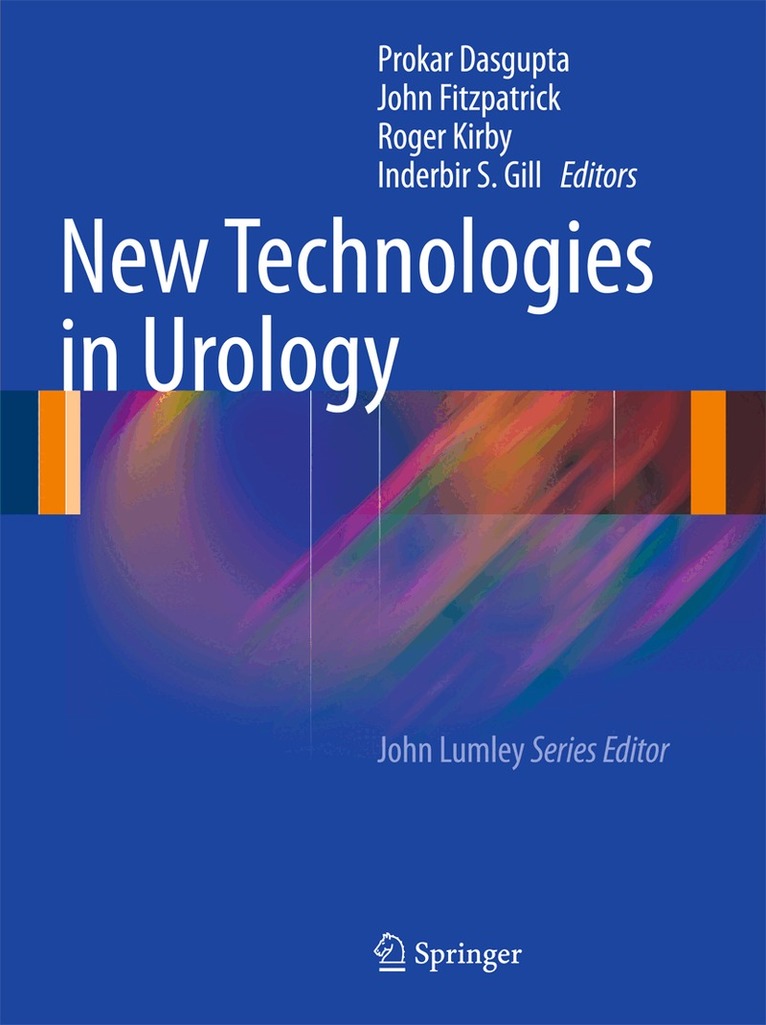
Technology seems to be an integral part of modern living. Urologists have over the years embraced new technological advances for patient beneft. On some occasions, however, the initial enthusiasm in something new has failed to endure rigorous scientifc scrutiny. Thus, while being technological leaders, we urologists know better than most other surgical speci- ties that what is new is not necessarily good. This textbook is aimed at urologists and surgeons at all levels and has contributions from international experts. The topics vary from robotics to lasers to single port laparoscopy. The comprehensive chapters should be of equal interest to uro-oncologists and those involved in treating benign urological diseases. While the contents are meant to bring the reader up to date with technological advances, the authors have attempted to balance their enthusiasm with basic science, translational research, and clinical outcomes. It will be obvious that some of the s- jects mentioned here, such as nanotechnology, are still evolving, and it will be a while before they undergo clinical trials that establish their position in clinical medicine. We hope you enjoy reading this book as much as we have enjoyed creating it. London, UK Prof. Prokar Dasgupta Dublin, Ireland Prof. John Fitzpatrick London, UK Prof. Roger Kirby CA, USA Prof. Inderbir S. Gill vii Acknowledgements The editors thank all authors for their time and valuable contributions. We are also grateful to our developmental editors Joni Fraser and Barbara Lopez-Lucio.
1 625 kr
Skickas inom 10-15 vardagar
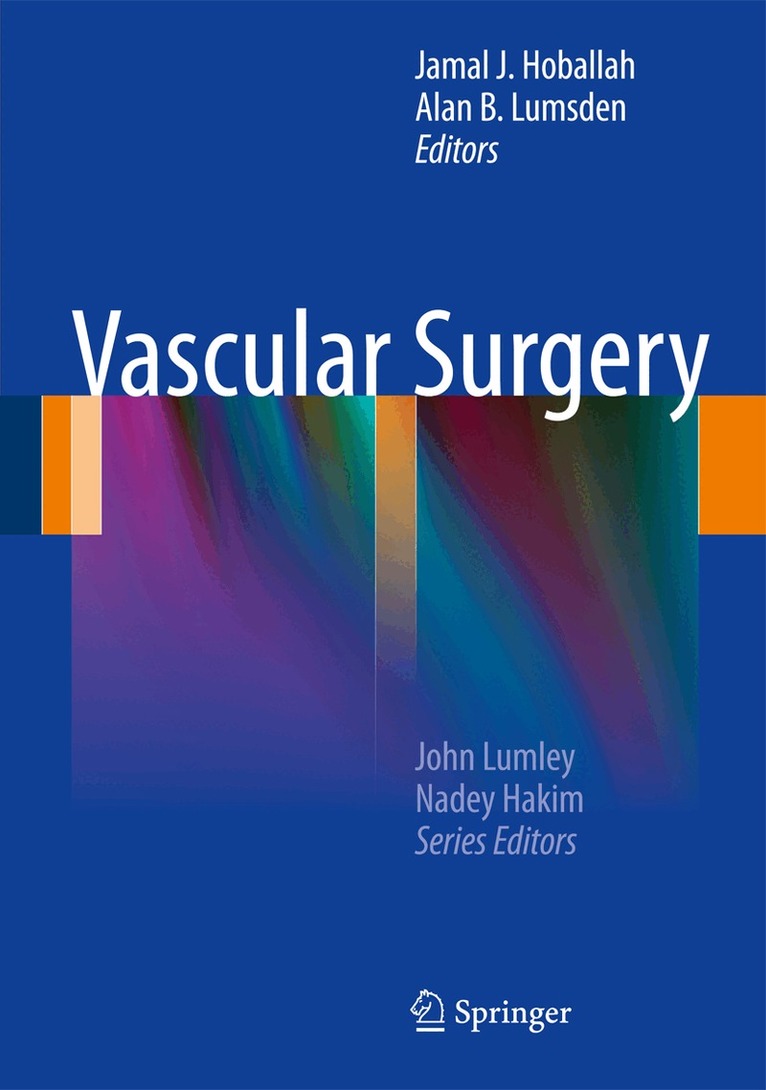
Vascular care has evolved from conservative therapy and open surgical therapy to a minimally invasive approach using endovascular techniques, laparoscopic or thoracoscopic techniques as well as hybrids of open and endovascular techniques. New technological developments continue to arise allowing surgeons to be more creative and adding to the treatment options available. Vascular Surgery provides up-to-the-minute information and details new developments and procedures in the field of vascular surgery. With an authorship of international acclaim, this comprehensive text is a highly valuable resource for surgeons and trainees.
590 kr
Skickas inom 11-20 vardagar
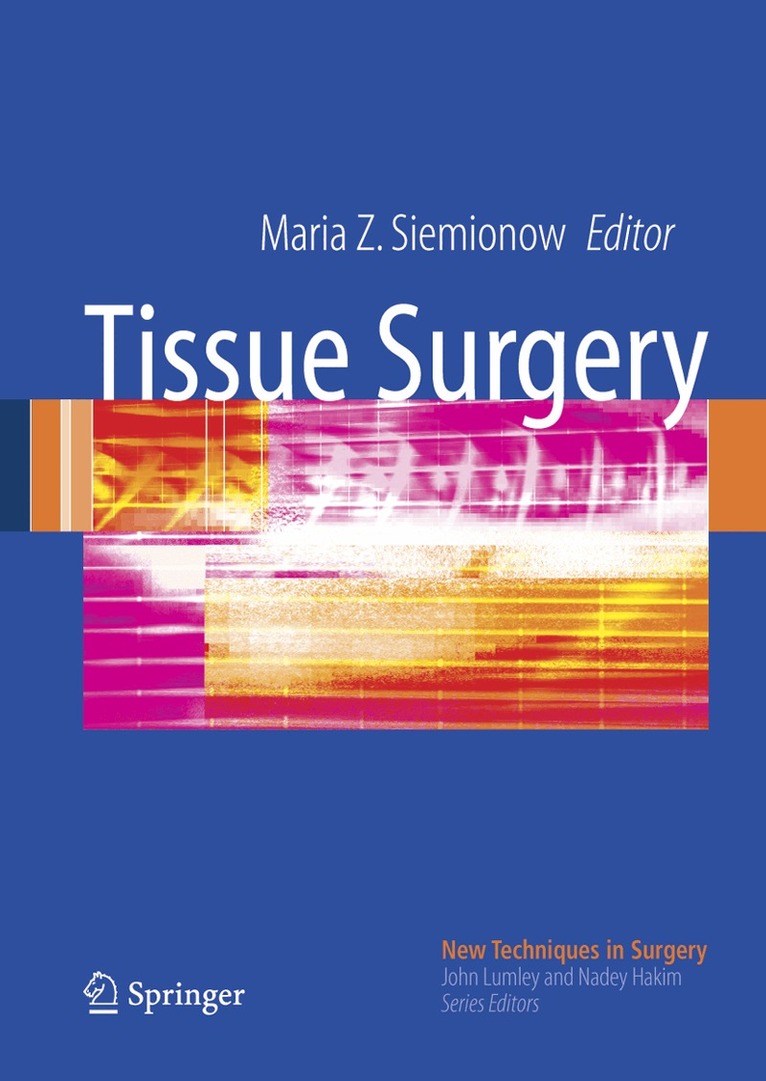
A definitive summary of novel techniques, this 1st volume in the New Technologies Series details the most current and multidisciplinary approach to new technologies used in general plastic, hand, peripheral nerve, microsurgery, breast, esthetic, and trauma surgery and provides an overview of the most important and clinically relevant plastic surgery research.New surgical images of new surgical approaches are all accompanied with anatomical descriptions. In a novel way it contains endoscopic images from minimally invasive procedures and provides the most current overview of the leading trends in plastic surgery research.Presenting newly developing clinically relevant techniques and technologies, this book aims to stimulate the reader to look at future advances and applications of research and their relevance to daily clinical practice. Appropriate for different sub-specialties not only in plastic surgery but also in orthopedics and neurosurgery, this book will also be of great interest to trainee surgeons.
1 205 kr
Skickas inom 10-15 vardagar
Vascular care has evolved from conservative therapy and open surgical therapy to a minimally invasive approach using endovascular techniques, laparoscopic or thoracoscopic techniques as well as hybrids of open and endovascular techniques.
1 096 kr
Skickas inom 10-15 vardagar
Technology seems to be an integral part of modern living. Urologists have over the years embraced new technological advances for patient beneft. On some occasions, however, the initial enthusiasm in something new has failed to endure rigorous scientifc scrutiny. Thus, while being technological leaders, we urologists know better than most other surgical speci- ties that what is new is not necessarily good. This textbook is aimed at urologists and surgeons at all levels and has contributions from international experts. The topics vary from robotics to lasers to single port laparoscopy. The comprehensive chapters should be of equal interest to uro-oncologists and those involved in treating benign urological diseases. While the contents are meant to bring the reader up to date with technological advances, the authors have attempted to balance their enthusiasm with basic science, translational research, and clinical outcomes. It will be obvious that some of the s- jects mentioned here, such as nanotechnology, are still evolving, and it will be a while before they undergo clinical trials that establish their position in clinical medicine. We hope you enjoy reading this book as much as we have enjoyed creating it. London, UK Prof. Prokar Dasgupta Dublin, Ireland Prof. John Fitzpatrick London, UK Prof. Roger Kirby CA, USA Prof. Inderbir S. Gill vii Acknowledgements The editors thank all authors for their time and valuable contributions. We are also grateful to our developmental editors Joni Fraser and Barbara Lopez-Lucio.
2 170 kr
Skickas inom 10-15 vardagar
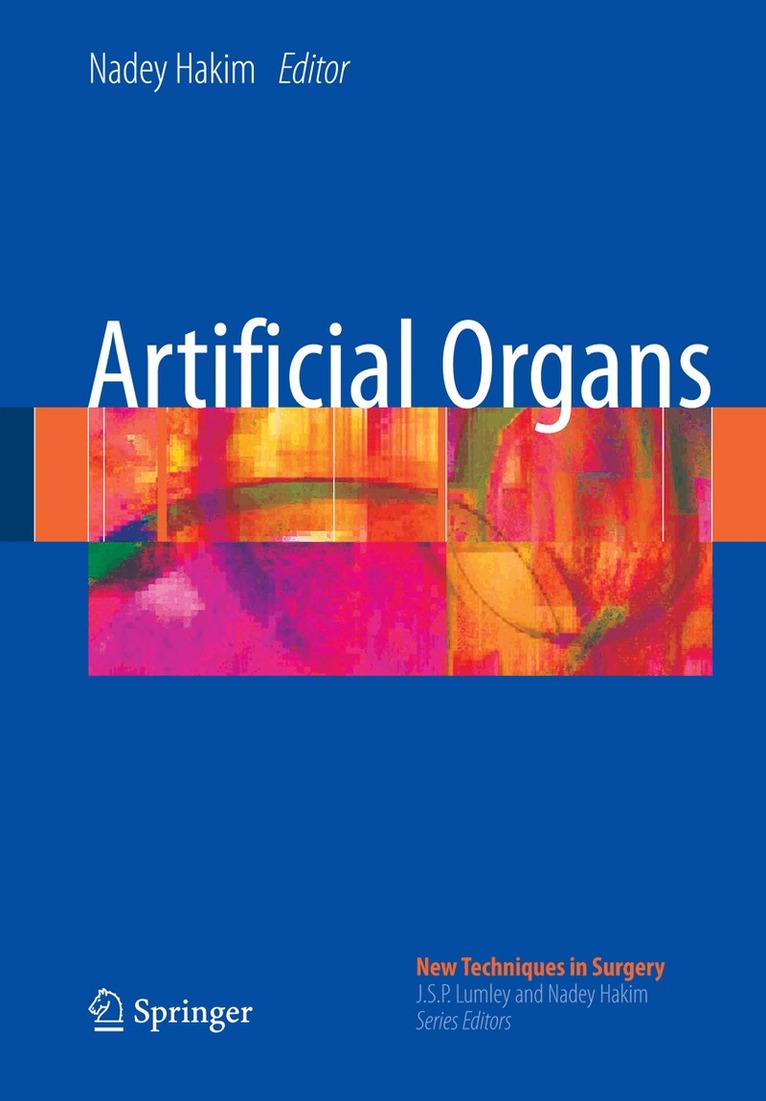
Artificial organs have come a long way since the first dialysis machine, the rotating artificial kidney, was invented in 1944 by Willem Johan Kolff, who is known as the ‘‘father of artificial organs’’. At that time he met stiff resistance from his hospital superiors but his persistence paid off and a million saved lives have been attributed to his first invention. He was indeed the first to mix medicine and engineering. An artificial organ is any machine, device, or other material that is used to replace the functions of a faulty or missing organ or other parts of the human body. Some body parts are more of a challenge than others. The heart has one purpose and it is to pump blood; however, the liver has biochemical and physiological functions which are difficult to simulate. The implantation of an artificial organ is critical because of the patient life dependency on the artificial organ itself. The treatment of choice is organ transplantation, however, transplant candidates face a long waiting time and many die while on the waiting list. In addition there are patients who are excluded from transplantation because of age or presence of other diseases. This book p- sents an overview of the current state of knowledge of artificial organs including the liver, pancreas, kidney, heart, cochlea, skin, stem cells, composite tissue allograft, and sphincters.
1 517 kr
Skickas inom 10-15 vardagar
Artificial organs have come a long way since the first dialysis machine, the rotating artificial kidney, was invented in 1944 by Willem Johan Kolff, who is known as the ‘‘father of artificial organs’’. At that time he met stiff resistance from his hospital superiors but his persistence paid off and a million saved lives have been attributed to his first invention. He was indeed the first to mix medicine and engineering. An artificial organ is any machine, device, or other material that is used to replace the functions of a faulty or missing organ or other parts of the human body. Some body parts are more of a challenge than others. The heart has one purpose and it is to pump blood; however, the liver has biochemical and physiological functions which are difficult to simulate. The implantation of an artificial organ is critical because of the patient life dependency on the artificial organ itself. The treatment of choice is organ transplantation, however, transplant candidates face a long waiting time and many die while on the waiting list. In addition there are patients who are excluded from transplantation because of age or presence of other diseases. This book p- sents an overview of the current state of knowledge of artificial organs including the liver, pancreas, kidney, heart, cochlea, skin, stem cells, composite tissue allograft, and sphincters.
552 kr
Skickas inom 10-15 vardagar
A definitive summary of novel techniques, this 1st volume in the New Technologies Series details the most current and multidisciplinary approach to new technologies used in general plastic, hand, peripheral nerve, microsurgery, breast, esthetic, and trauma surgery and provides an overview of the most important and clinically relevant plastic surgery research.New surgical images of new surgical approaches are all accompanied with anatomical descriptions. In a novel way it contains endoscopic images from minimally invasive procedures and provides the most current overview of the leading trends in plastic surgery research.Presenting newly developing clinically relevant techniques and technologies, this book aims to stimulate the reader to look at future advances and applications of research and their relevance to daily clinical practice. Appropriate for different sub-specialties not only in plastic surgery but also in orthopedics and neurosurgery, this book will also be of great interest to trainee surgeons.