Pelagic Identification Guides - Böcker
Visar alla böcker i serien Pelagic Identification Guides. Handla med fri frakt och snabb leverans.
18 produkter
18 produkter
394 kr
Skickas inom 5-8 vardagar
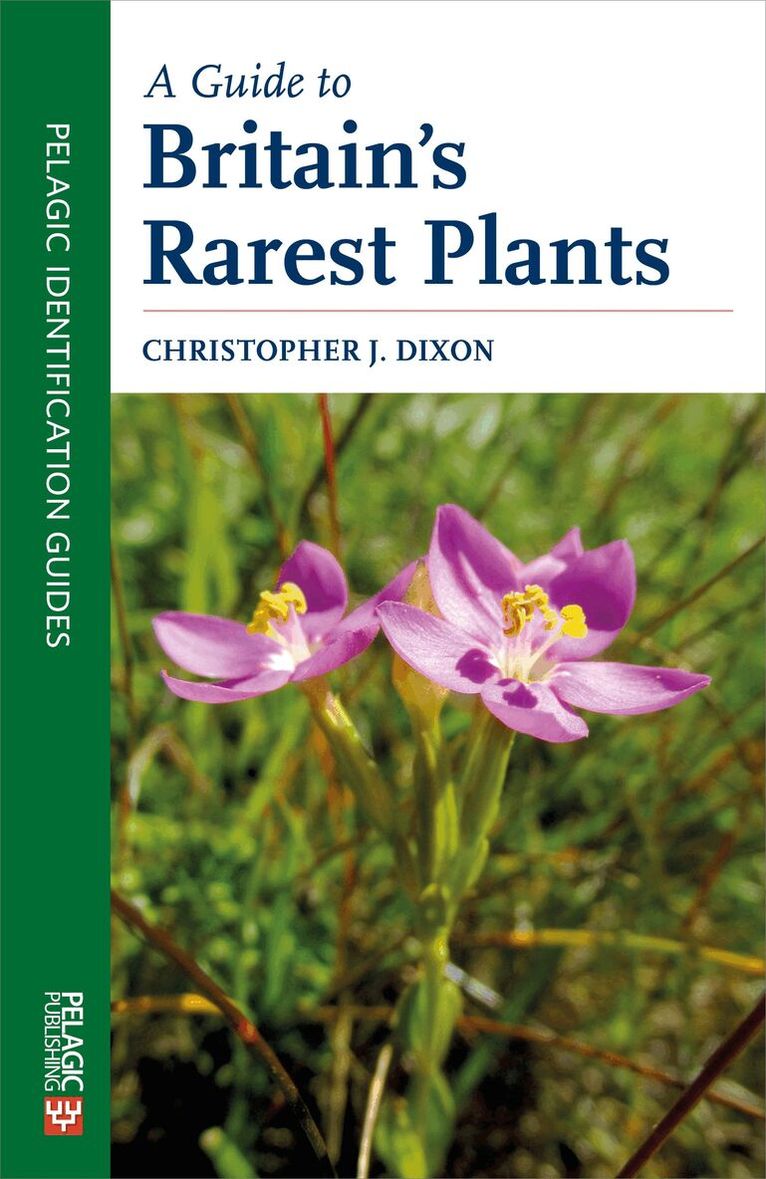
For centuries, botanists have been drawn to the rarest species, sometimes with dire consequences for the species’ survival. In this book, Great Britain’s rarest flowering plants are discussed in turn, including the stories behind their discovery, the reasons for their rarity, and the work being done to save them from dying out. It is hoped that it will help to throw light on some of the species that normally gain little attention, and foster an appreciation of our most threatened plants.This guide describes 66 native species of plants that have the most narrowly restricted ranges in Great Britain. These range from continental, warmth-loving species in the south of England to those found only on the highest Scottish mountains. Each species is shown together with its habitat to allow the reader to better understand the ecological context. Other scarce plants in the same area are indicated.
618 kr
Skickas inom 5-8 vardagar
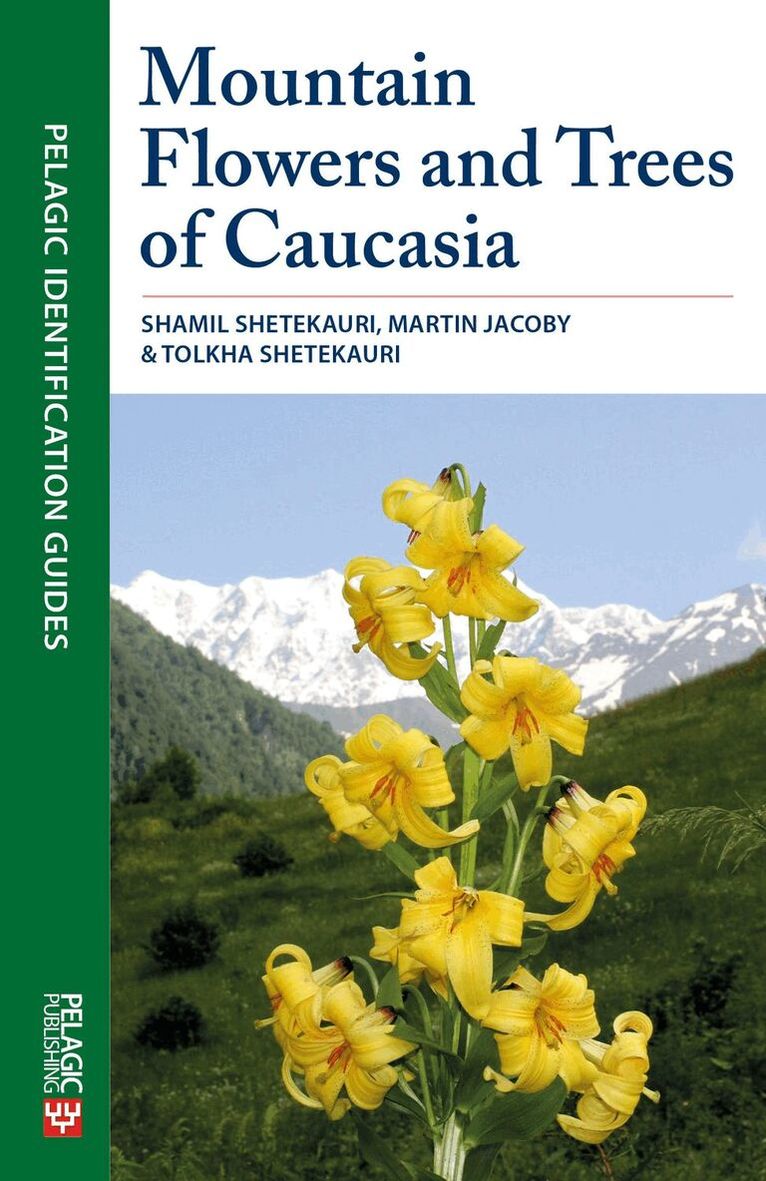
The mountains of Caucasia lie between the Black and Caspian Seas and on the boundary between Europe and Asia. They include the highest, most dramatic, least spoiled and least known mountain ranges of the northern hemisphere after the Himalayas and Rockies. The area supports about 6,400 species of vascular plant of which a quarter occur nowhere else (i.e. they are endemic to the region), and about 850 species of vertebrate animal of which some 120 are endemic. This is the highest percentage of endemism in the temperate world, and makes Caucasia one of the most important hotspots of biodiversity on Earth.Mountain Flowers & Trees of Caucasia describes and illustrates in full colour nearly all the wild flowers, trees and shrubs that can be found over 1,000 metres above sea level – 1,009 species. The authors hope that this field guide will encourage you to visit the mountains of Caucasia to delight in their unique and spectacular assemblage of flowering plants, and so contribute to its conservation.The authors include an overview of vegetation in Caucasia, along with a key to families, and keys to genera of selected families.This second edition has increased the number of species described to over a thousand, and adopted the modern systematic order of Plant Families described by the Angiosperm Phylogeny Group to show evolutionary relationships. The order of genera within each Family generally follows that of Flora Europaea. To ease the problem of synonyms, Mountain Flowers not only makes use of The Plant List (tPL), which is easily accessible on line, but gives a substantial list of other synonyms not included in tPL. Each species has a unique number which allows its description, photograph, synonyms and index entry to be easily linked.
497 kr
Skickas inom 5-8 vardagar
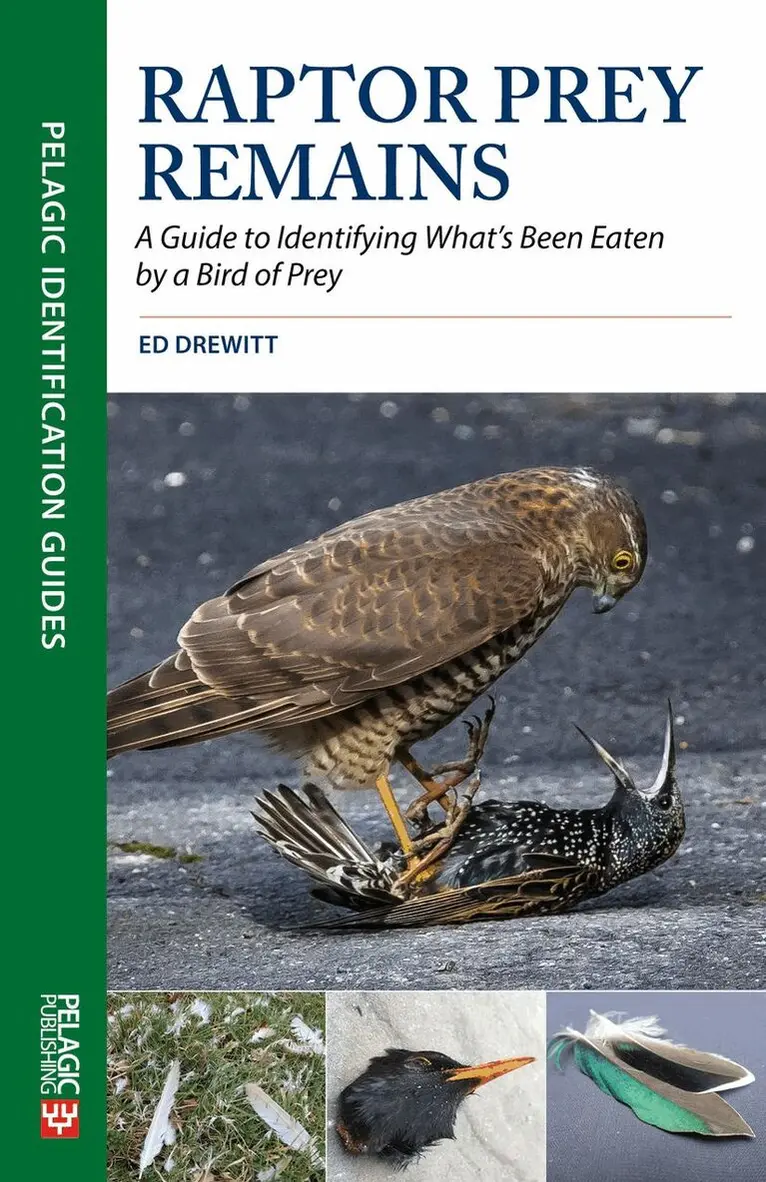
Are you curious about the remains of an animal you have found? This compilation of the most likely found body parts of animals eaten by raptors will help you identify your discovery. Including over 100 species of bird and mammal prey of raptors such as sparrowhawks, peregrines and hen harriers, this photographic guide highlights the common feathers, fur and other body parts found at raptor nests, roosts, plucking posts and other opportunistic spots.Discovering what raptors eat is an important part of confirming their feeding ecology and how this might change over time, vary on a local level or in response to changing prey populations, as well as dispelling myths and assumptions about what certain raptor species eat. Diet studies are vital for the conservation of raptor species; the more we know about what they need for survival the more we can predict and plan long-term for the protection and survival of raptors that may be vulnerable and in decline.This is the first book to show in detail the actual parts of a bird, mammal or other animal that you are likely to find in a garden, woodland or beneath a raptor roost. As more people take an interest in raptors and watch species such as peregrines via webcams and through watch groups, there is greater opportunity for finding prey remains. This book provides the first and most important step in identifying a prey species.
394 kr
Skickas inom 5-8 vardagar
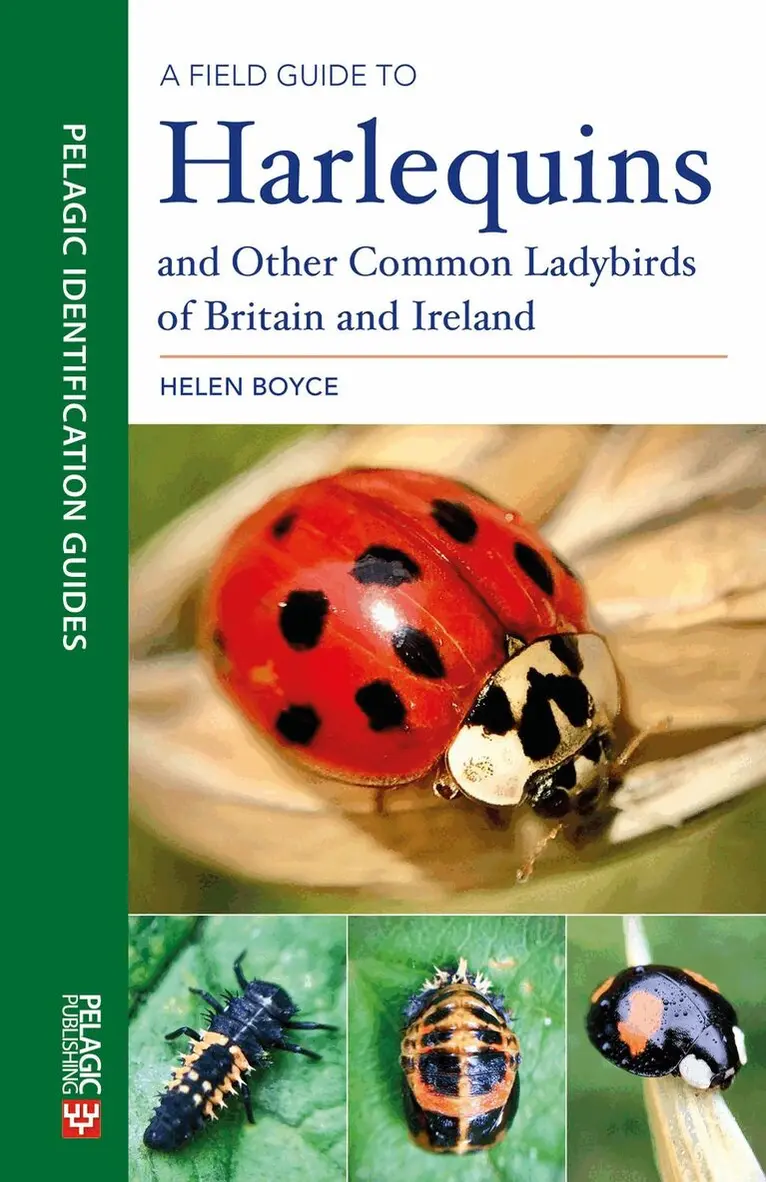
The invasive Harlequin ladybird is an eye-catching and beautiful species, but it can be very difficult to identify, with huge variation in colouration and pattern. This comprehensive photographic field guide is the first complete guide to identifying Harlequin ladybirds found in Britain and Ireland. It also covers all the other 25 conspicuous ladybird species that occur.Detailed, informative and beautifully illustrated with more than 350 remarkable colour photographs including ladybird developmental time sequences and numerous images of each ladybird speciesGround-breaking quick key for Harlequin identificationIncludes a photographic guide to the larvae of all 26 species – the first of its kindEasy to follow comprehensive descriptions and explanations of ladybird lifecycles and habitsThis clear, user-friendly field guide is ideal for anyone interested in learning how to identify a Harlequin ladybird, from beginners to more experienced entomologists, students and professionals. This book is ideal for learning to recognise and understand this charismatic and significant beetle.
704 kr
Skickas inom 5-8 vardagar
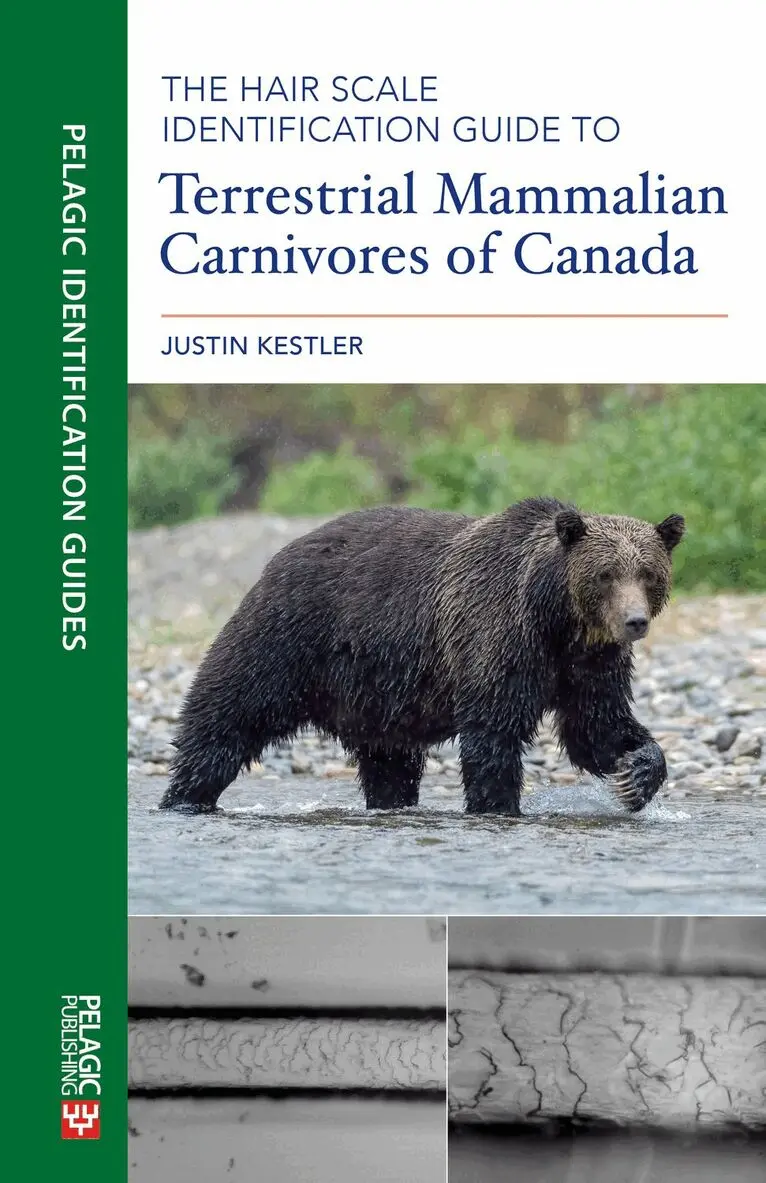
Mammalian predators are keystone species in any ecosystem. But many are elusive by nature and have territories that cover large areas of land, which makes them challenging to monitor. When tracks and signs prove difficult to interpret or are non-existent, hair samples recovered from the field offer a fantastic resource – one that is often overlooked.The Hair Scale Identification Guide to Terrestrial Mammalian Carnivores of Canada provides a fully illustrated, up-to-date hair scale reference for all 25 of the terrestrial carnivorous mammals of Canada. From the tiny least weasel (Mustela nivalis) to the giant polar bear (Ursus maritimus), unique traits – as well as tricky similarities – can clearly be observed through hair scale patterns magnified at the medial portion of the hair impression. These scale patterns aid in species identification when hair is the only possible evidence available.This guide also outlines hair impression techniques for samples found in the field, assisting ecologists and technicians with wildlife monitoring studies on predatory mammals where additional identification is required. Including range maps and key identification characteristics for all species represented, as well as superb images of hair scale impressions at two magnification levels, this book is a comprehensive tool for animal hair ID.
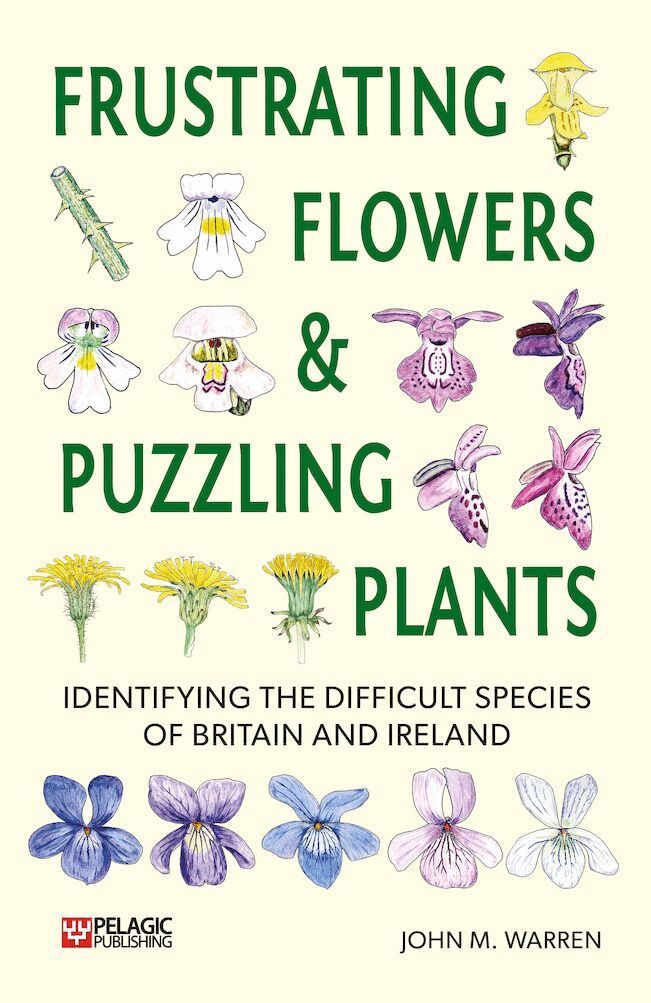
Frustrating Flowers and Puzzling Plants
Identifying the difficult species of Britain and Ireland
Häftad, Engelska, 2024
611 kr
Skickas
If you have tried to identify wildflowers, you'll already know exactly what is meant by the title of this book. Although a lot of plants are relatively straightforward to recognise, many others are not. Standard wildflower guides tend to provide as much guidance with identifying the easy and distinctive as they do with complex, tricky species. This ingenious book is designed to come to the rescue of the exasperated novice botanist and to help those more experienced who might be stuck on unfamiliar and complex groups.From willows to water-crowfoots, from eyebrights to dandelion look-a-likes, all of us have struggled with baffling specimens or the seemingly cryptic. Presented here is a fresh new approach to identifying difficult plants by giving an understanding of the biology behind their complexity. In simple language, you will be directed to the particular parts of the plant that you need to look at most closely. The tabular keys are more user friendly and evolutionarily valid than conventional dichotomous keys, which are often confusing and unwieldy. Each chapter contains illustrations of key diagnostic features, rather than of entire plants. Other novel aspects include coverage of the historical recognition of complexity within each group, which is used to inform debate about the level of resolution that may be most appropriate for your needs.This accessible guide is the perfect chance to get to grips with that challenging group you keep saving for 'next year' or for untangling a botanical mystery which keeps repeating itself.
790 kr
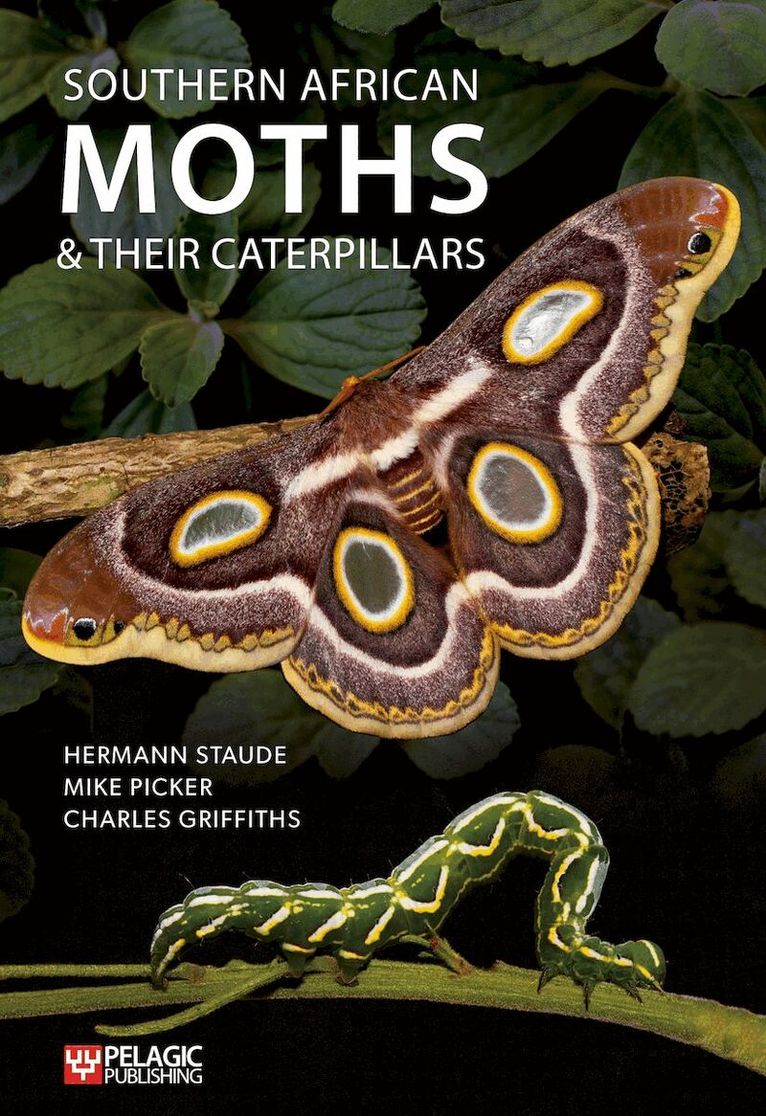
Southern Africa boasts wonderful invertebrate diversity and abundance. In this book, approximately 1,500 species of the region's moths – and most of their caterpillars – are illustrated with images of live specimens. A diagnosis based on visible characters is provided, also enabling the user to readily identify many closely related species not illustrated. Known host associations, habitat preferences, phenology and accurate distribution maps are provided for each species.As the only substantive and up-to-date guide to the rich moth fauna of the wider southern African region, this volume fills a gap in the natural history books of Africa. Furthermore, it includes data from citizen science project The Caterpillar Rearing Group to depict caterpillar stage and respective host plant/s for a sizeable proportion of the southern African moth fauna. Based on more than 270,000 location records, preferred habitats and point-based distribution maps are provided for the first time. A crucial addition to our understanding of the wildlife of the African continent.
501 kr
Kommande
This stunning photographic guide covers more than 190 snake species found across peninsular Thailand, including Phuket island and other popular tourist destinations. Each species description contains essential identification information, with a special focus on how to differentiate dangerous snakes from their harmless lookalikes. There is detailed discussion on distribution, with a separate map covering Phuket island, as well as notes on habitat, the likelihood of encountering each species, as well as whether or not the snake is a potential danger to humans.Illustrated with over 700 photographs, this beautifully designed book also offers:an overview of snake biologyidentification plates for less commonly encountered sea snakesa chapter on conservation and threats to snakes on Phuket islandwhat to do in case of snakebiteadvice on how to deal with a snake near your home and, for those who are less comfortable around these animals, some tips on how to make your garden less attractive to snakesa beginner’s guide to herping (how to find snakes)an exploration of the sorts of environments where snakes livefascinating notes and anecdotes from the field.As well as being suitable for dedicated field herpetologists, this is also a perfect introduction for local residents and visitors with little knowledge of these compelling reptiles.
830 kr
Skickas
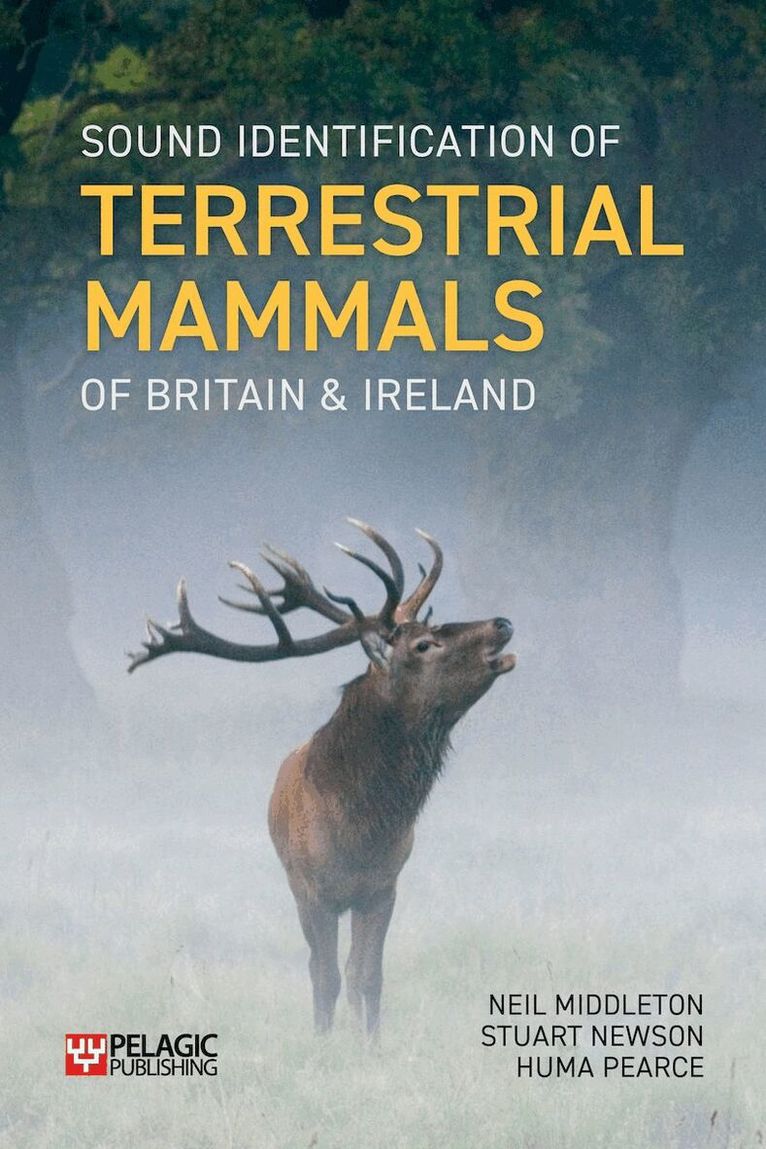
This ground-breaking volume covers 42 species of terrestrial mammal – from the red deer to the pygmy shrew, from the pine marten to the hedgehog. The subject is introduced for the first time as a single overarching field of study, including guidance on survey methods, analysis of sound recordings and appropriate software. The book covers species in Britain, Ireland, the Isle of Man and the Channel Islands.Containing over 300 figures in total, each species is considered in detail, with specific spectrogram examples. Furthermore, the book allows the reader access to a downloadable sound library containing more than 250 recordings.The authors have extensive experience and expertise in bioacoustics, including in the sound identification of mammals. They are also heavily involved in creating tools that use machine-learning algorithms to recognise mammal species from their calls. A real ear-opener, this will be the essential handbook for many years to come, serving ecological consultants, academics, conservationists, hobbyists and serious mammal recorders alike.
501 kr
Skickas
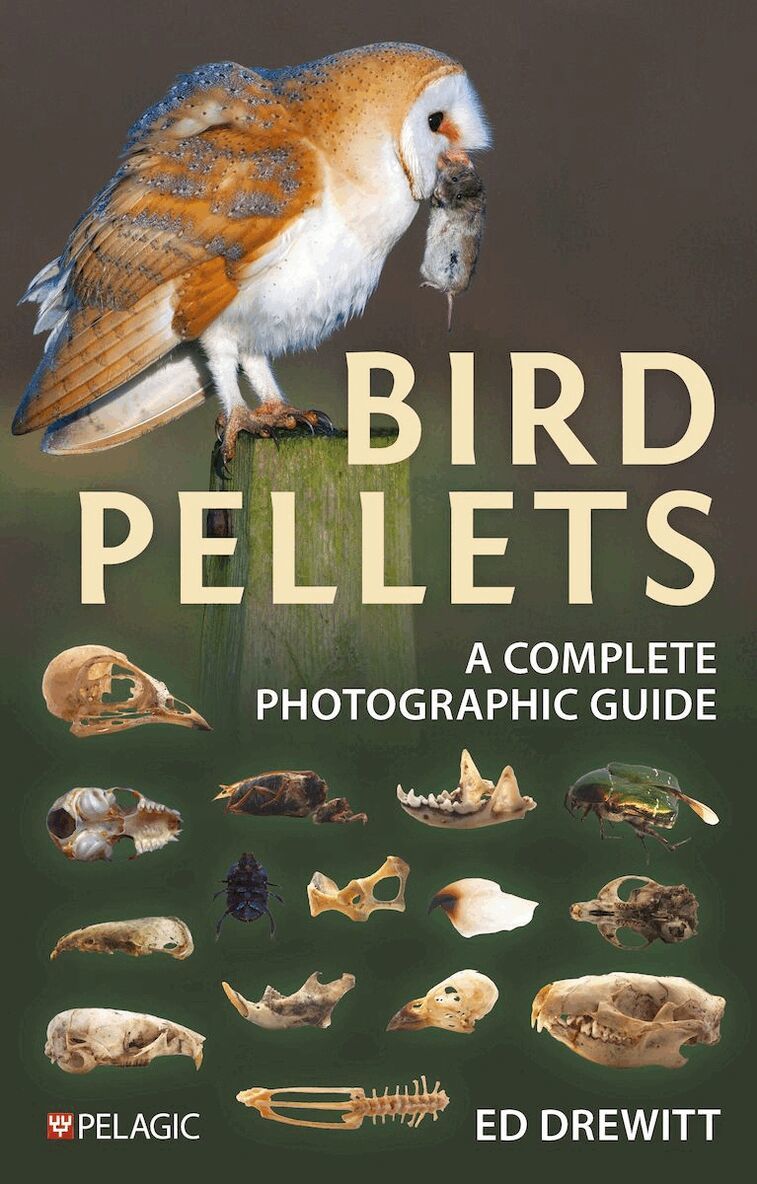
This book is the first comprehensive guide to bird pellets, the undigested remains of food that form together into a ball or sausage-like shape and are regurgitated. It showcases the range of pellets that different bird species produce, including owls, hawks, falcons, corvids such as ravens and magpies, as well as waders – and even garden birds! The common items found in them, such as small mammal skulls and bones, are analysed in detail, with the discussion accompanied by numerous colour illustrations. The book progresses methodically from an introduction to pellets, covering what they are and how they are formed, to instructions on dissection and analysis and how this can be used in research, followed by a closer look at the pellets of each bird species in turn – from the golden eagle to the dipper. We learn how to identify the remains of small mammals including bats, as well as reptiles, amphibians, fish, invertebrates and of course other birds.Dissecting bird pellets and identifying what is inside can be an important tool for discovering what birds are feeding on as part of more detailed diet studies. It is also an activity often delivered at family-friendly events or in schools by wildlife organisations. Extracting information from pellets also has sound scientific value: while it does not capture everything a bird has been eating, it still goes a long way in revealing the diet of birds and how this may change over time, in different habitats and different parts of the world.
Field Guide to Urban Plants
Common Species of Pavements, Walls and Waste Ground
Häftad, Engelska, 2025
199 kr
Skickas
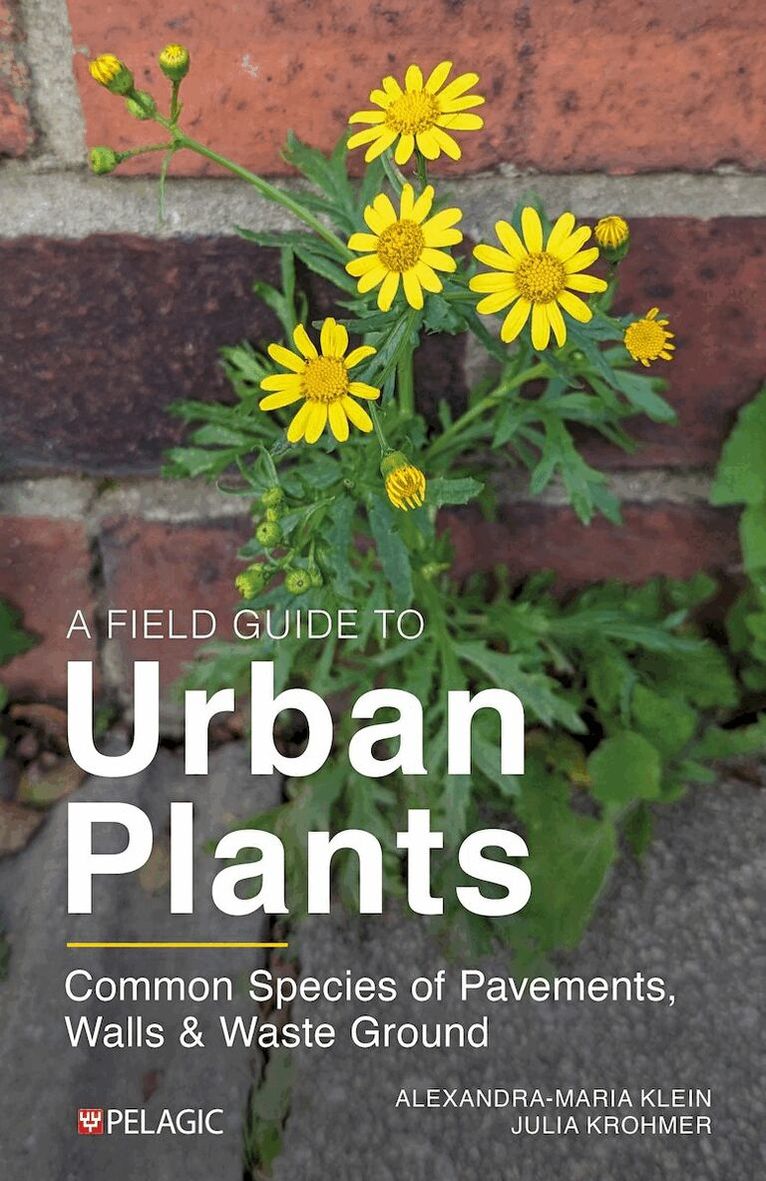
Have you ever wondered exactly what those ‘weeds’ are growing along the kerb or between the cracks in the pavement? Not the pampered plants of parks, front gardens and herbaceous borders, but simply those that exist everywhere and nowhere in particular: the true survivors, the botanical opportunists. In this handy guide, we introduce the most commonplace flowers, shrubs, grasses, mosses and ferns that are to be found on the street, and show the main characteristics by which you can recognise them. Soon you’ll be more alert than ever to the rebellious species of tarmac, wall and gutter as they defy weedkiller, climate change and dog wee.So you can identify the plants you discover in your town as readily as possible, the species are arranged according to their growth form. The book starts with the largest group – herbaceous plants – followed by a few woody plants, grasses, mosses and ferns. The first group is divided again according to flower colour: white, yellow, red/pink, blue/purple and green or brown. Within each colour, you will first find the flowers with a maximum of four petals, then those with five, then those with more than five and finally those with bilaterally symmetrical flowers. So you know quickly which group you are in, there are corresponding symbols in the profile at the bottom of each page. This ingenious little book is sure to enliven even the most mundane walk on the dreariest of days.
583 kr
Skickas
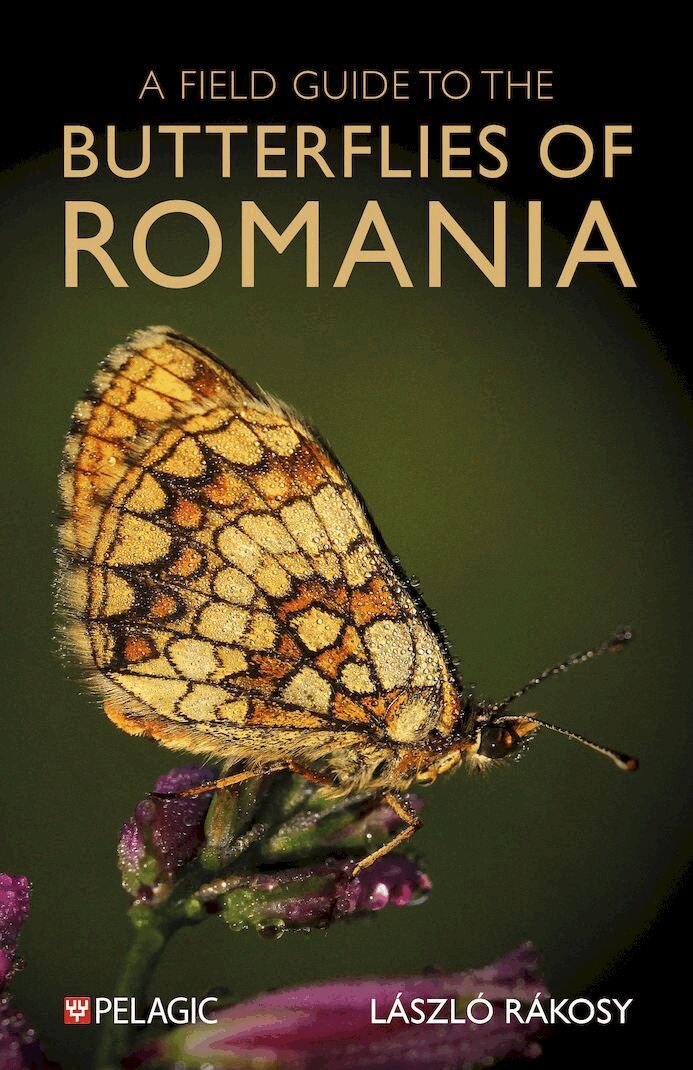
Through its geographical position, varied topography, particular climate and complex cultural history, Romania has managed to sustain enormously rich biodiversity. Traditional practices, which have survived longer than in most other parts of Europe, have allowed the preservation of large areas of natural habitat, little altered by human activity. All this is reflected in the breadth of lepidoptera encountered in the country – from the dazzling Freyer’s Purple Emperor to the elusive Moorland Clouded Yellow, from the almost bird-like Great Banded Grayling to the diminutive Osiris Blue.This book considers all the species (and subspecies) of butterflies known to occur in Romania. This identification guide to the butterflies of Romania is set out in a format easy to understand not only by specialists but also for the more general naturalist or butterfly enthusiast. An expansive introduction covers the various life stages (ovum, larva, pupa and imago), biology and ecology, as well as protection and conservation, and butterfly research. The next section identifies the 14 most important habitat types frequented by butterflies in Romania.For each of the more than 200 species covered, information on taxonomy, identification, habitat, biology, conservation and distribution is presented. Each is illustrated with photographs from nature, primarily adult males and females, but also numerous images of the developmental stages. There follows a complete set of plates of prepared butterflies, displaying dorsal and ventral positions (upper and undersides) for both males and females. Finally, the male genital armature of several species are illustrated, primarily those difficult or impossible to identify using visual determination. The result is an attractive, practical and portable guide that not only helps identify the butterfly species of Romania, but also encourages the reader to more fully appreciate and protect them.
583 kr
Skickas
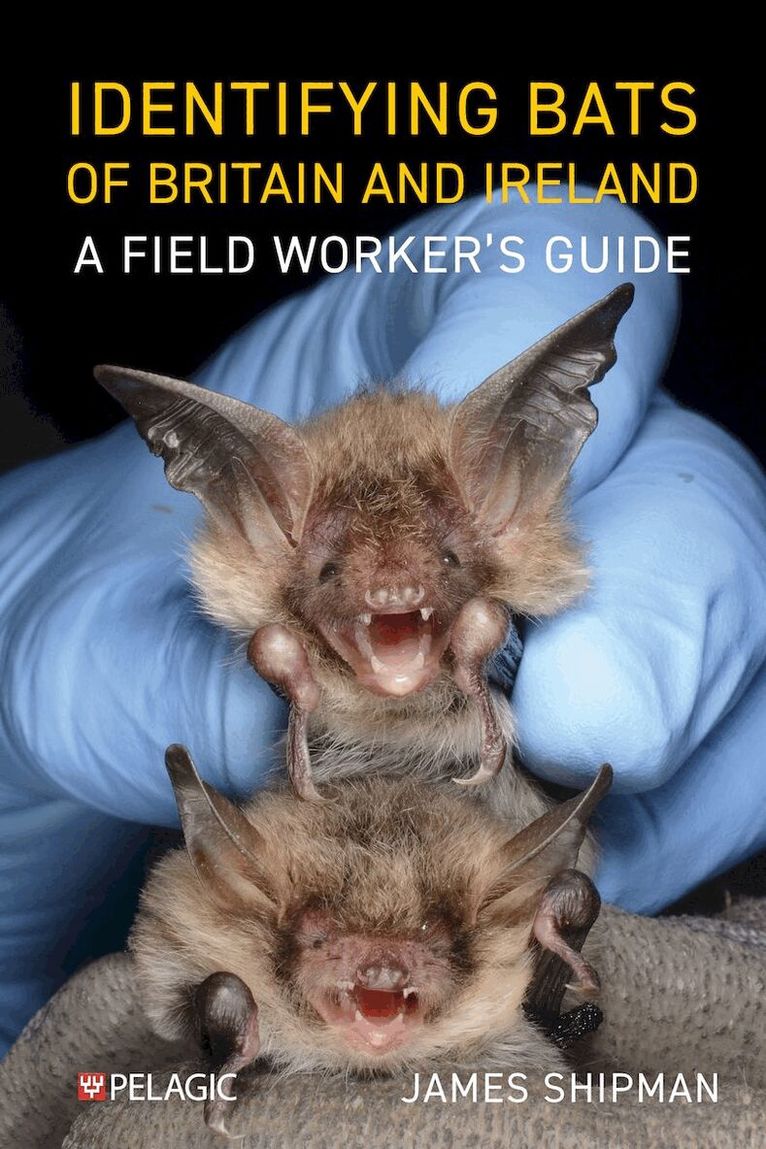
This book will help anyone understand the fun and adventures to be had working with these fascinating animals. Packed with insider information, it offers expert guidance on how to identify bats in the hand. As you learn the process of handling them safely, you will also discover the key features that distinguish one species from another.Filling a gap between basic books and more technical volumes, this guide uses humour, mnemonics, rhymes and images as it communicates in simple terms the techniques required when training for a bat licence. Detailed images, diagrams and tables help in comparison between species, and the fundamentals of bat ecology and survey equipment are discussed. All British bat species are covered, as well as possible vagrants.Warning: James’s infectious enthusiasm for bats is likely to rub off – these fascinating mammals may well become an obsession.
453 kr
Skickas inom 3-6 vardagar
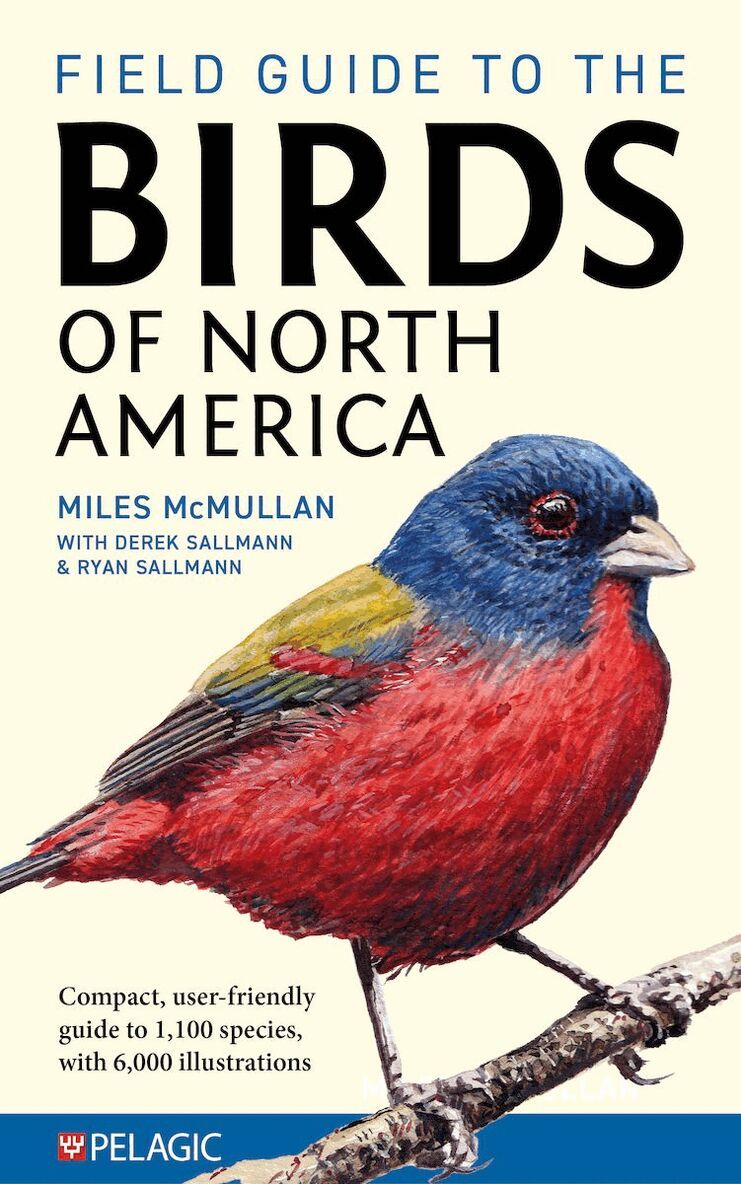
Field Guide to the Birds of North America is a complete, compact and user-friendly guide to all the birds of the USA and Canada (excluding Hawaii). Drawing on years of guiding experience, the book is perfectly designed for use in the field.Pocket-sized and at just 372 pages, it covers 1,100 species – more than any other guide to North America – and includes over 6,000 illustrations. Distribution ranges of all native birds are mapped, and many confusing subspecies are included for the first time in a field guide for the region. The book gives special attention to the key differences between troublesome species, with comparisons to help the reader get to the right identification.Compact and comprehensive, this new field guide includes: - Color-coded maps showing resident and seasonal distributions to help plan which birds to expect when and where. - ‘What’s the difference?’ information boxes providing easy guidance on the most challenging species to identify. - Conservation and abundance status, with subspecies separately mapped. - Current taxonomic order and up-to-date common names.The clearly labelled illustrations detail plumage variations by sex, age and color morphs. Birds are illustrated in flight, in profile and in typical habitats. Concise descriptive captions highlight the most important field identification signs, including habitat, nesting and feeding behavior. Calls are described for every species.Written and illustrated by a professional birding guide with decades of experience, Field Guide to the Birds of North America is a must-have book for birders of all ages and any level of experience.
369 kr
Skickas
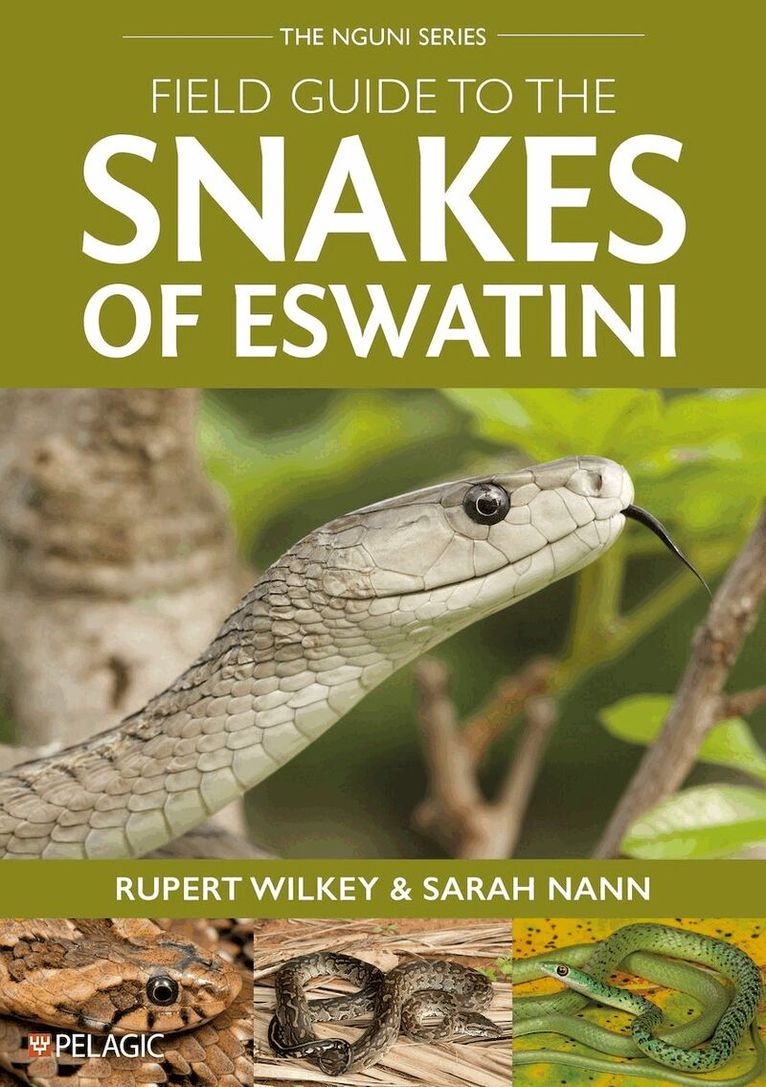
Field Guide to the Snakes of Eswatini offers a complete account of all 63 snake species recorded in the Kingdom of Eswatini (formerly known as Swaziland). Each species is illustrated with stunning photographs, over 300 images in all. The species are described in detail, including size, colouration, habits and diet. Species are presented in colour-coded groups based on the severity of their bite and venom: highly venomous, venomous, venomous but not dangerous, and non-venomous. This system enables the reader to quickly assess the treatment required following a bite and to seek appropriate first aid.Each species is contained in a double-page spread, making it easy for the reader to see all information on that particular snake, and also facilitating easy comparison by flicking between species. Dedicated sections also consider similar-looking species side by side, while there is also a wide-ranging discussion of snake behaviour, Eswatini’s habitats and a host of other fascinating and useful information.The authors each bring nearly 50 years of fieldwork and research experience together in this groundbreaking guide. It will appeal to the experienced herpetologist as well as amateur naturalists, hikers and tourists.
501 kr
Skickas
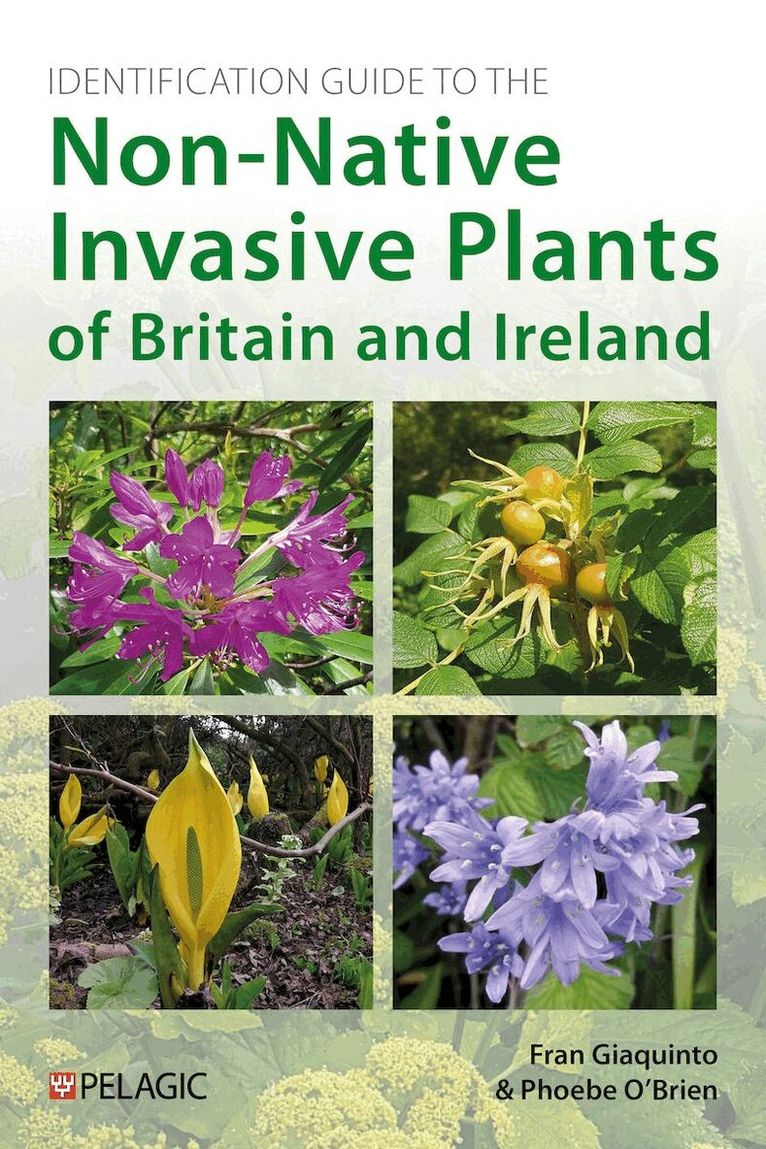
This accessible guide gives you the tools to be confident in identifying and managing frequently encountered non-native invasive plants in Britain and Ireland.Invasive alien species (IAS) are one of the biggest drivers of global biodiversity loss along with climate change and habitat fragmentation. If allowed to colonise unchecked, they can have irreversible negative impacts on the integrity of the natural environment and associated ecosystem services. In spite of widescale efforts, there has been an almost exponential increase in new introductions to Britain and Ireland in the last 20 years. The only way we can tackle them is to engage both professionals and the public in mapping their distribution, and to encourage everyone to take the right actions to contain them. This book will help you:Identify frequently encountered non-native invasive plants and know their potential impacts.Differentiate lookalikes, including how to separate native species from closely related non-native invasive species.Understand the extent of invasive potential, including trees, grasses, freshwater aquatics and seaweeds.Quickly check the legislation so you know which species should be reported and to whom.Prevent mistakes – often, with best intentions, people take action which makes the situation worse.Avoid introducing invasive species into your gardens and local environment.Packed with illustrations, maps and tips, this book is a practical tool and reference for professional ecologists, environmentalists, gardeners and everyone interested in the protection and sustainable management of our countryside and green spaces.
220 kr
Kommande
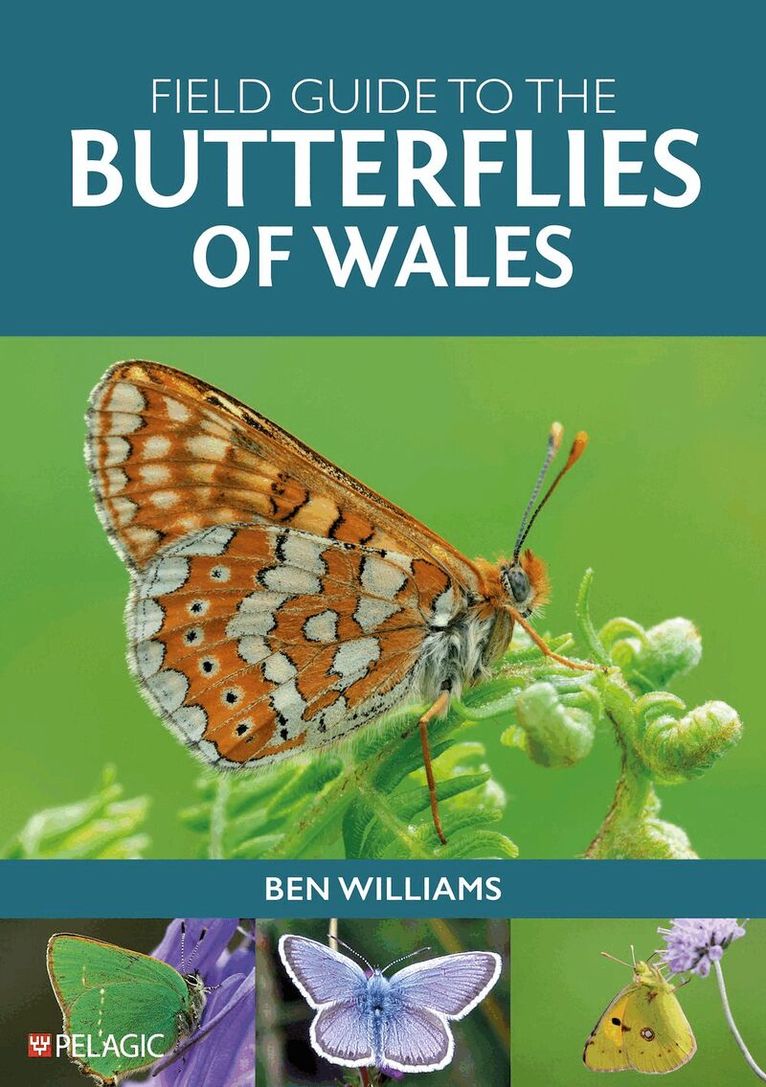
Wales has a diverse range of butterflies – from the familiar Peacock to the elusive Large Heath, from the blisteringly quick High Brown Fritillary to the dainty Wood White, from the shimmering Silver-studded Blue to the orange glow of the Brown Hairstreak. This identification guide covers the 44 species present in Wales, and includes explanations of their lifecycles, distribution maps highlighting where they are likely to be found and a section on rare migrants that have been encountered here and may occur again in the future.Butterflies are not just delicate insects flitting around our meadows, gardens and hedgerows; they are far more complicated than that. Their lifecycles are fascinating and in some cases it seems a wonder that they survive at all. Moreover, butterflies are key pollinators as well as excellent indicator species: when their numbers dwindle or they are absent, something is wrong – a cause for concern and should be investigated.This book is ideal for people living in Wales keen to identify their local butterfly species, and for visitors interested in watching these charming insects.
392 kr
Skickas
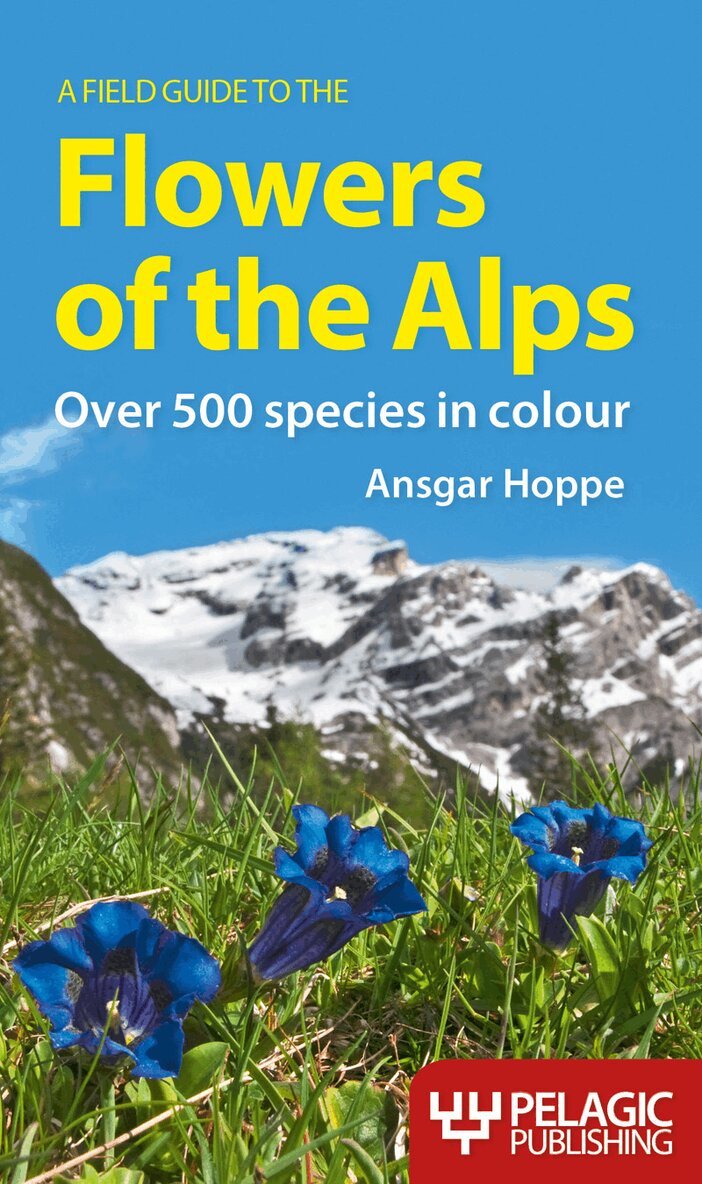
Explore the colourful world of alpine flowers. This practical book will help you make a quick, reliable identification of each plant, with concise descriptions and illustrations for individual plants to enable differentiation from similar species. Flowers can be identified quickly from colour and shape. The notable characters of each plant are clearly highlighted.Covering 500 species, each with colour photographs, this compact guide is designed for walkers and botanists. For each plant the common name, scientific name, flowering time, plant height, protected status, and distribution (habitat and altitude) are described.