Practical Manual Series - Böcker
Visar alla böcker i serien Practical Manual Series. Handla med fri frakt och snabb leverans.
6 produkter
6 produkter
582 kr
Skickas inom 7-10 vardagar
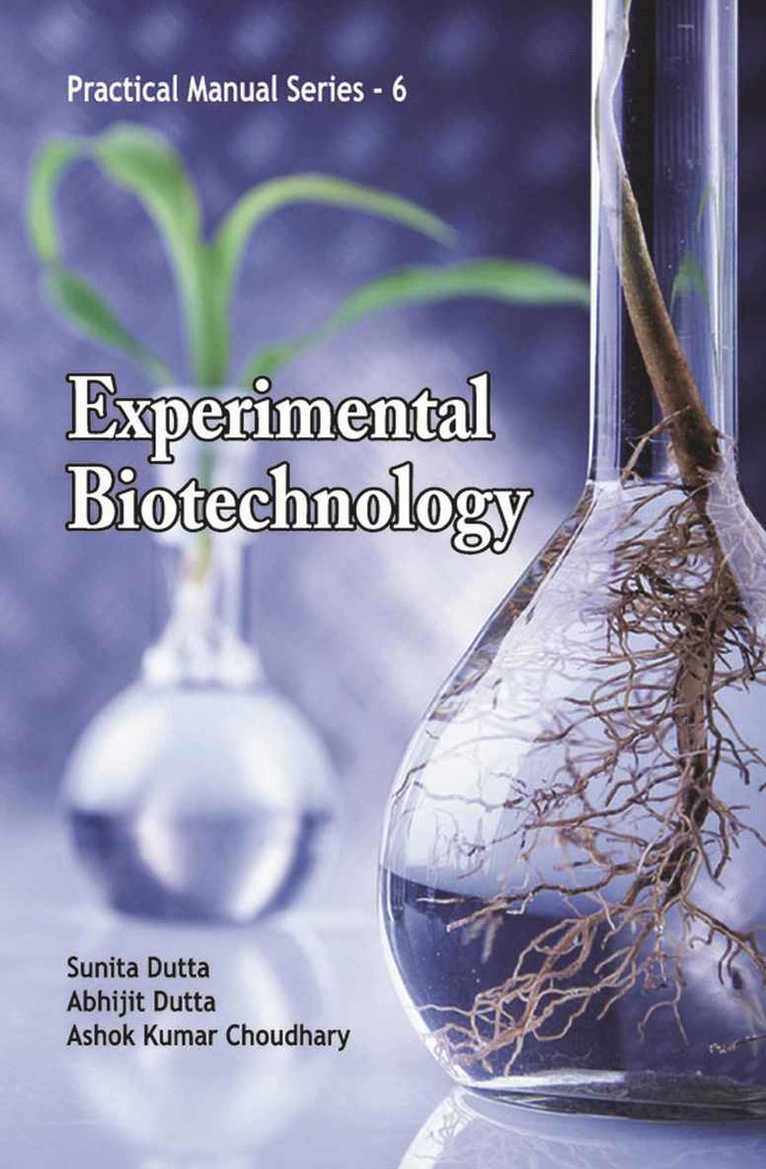
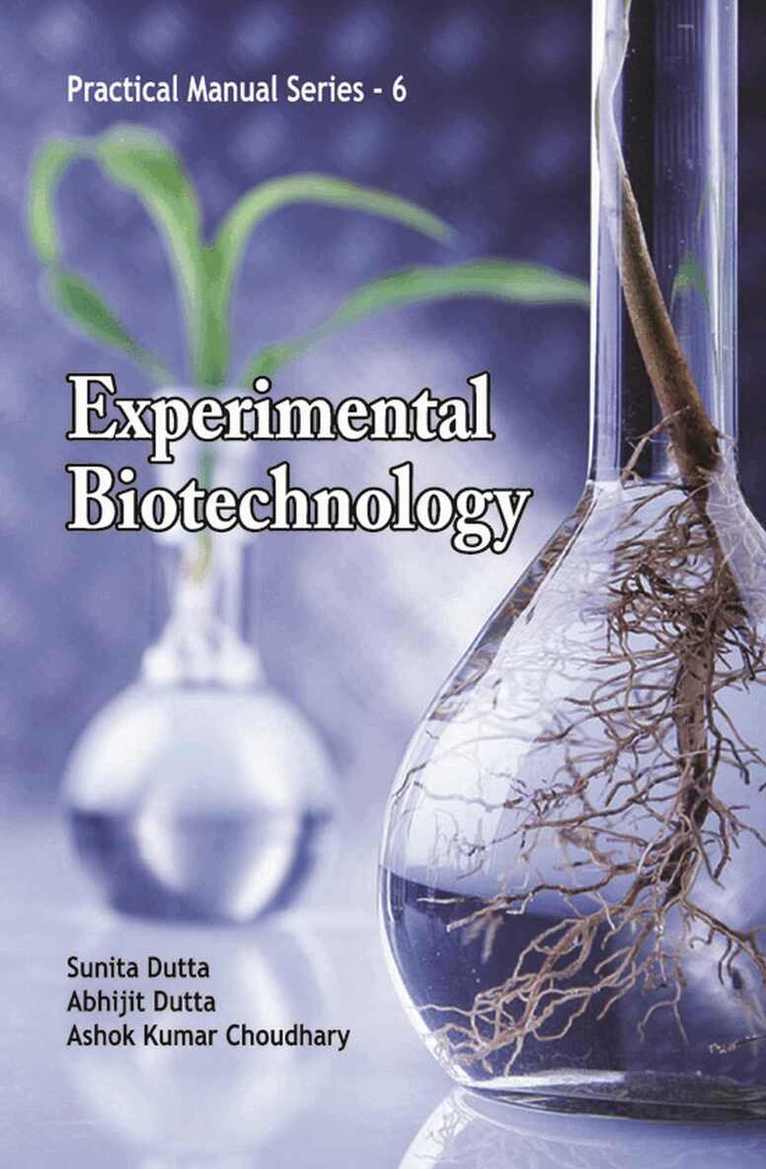
The book comprises seven sections, each covering different aspects of laboratory biotechnology: general procedures such as pipetting, solution preparation, and the principles of common analytical instruments; working with nucleic acids, bacteria, enzymes, and proteins; cloning experiments and some protocols on plant biotechnology. Emphasis is placed on DNA/RNA isolation from various sources, the use of restriction enzymes, ligation techniques, cloning protocols, the screening of transformed cells, various electrophoresis techniques, PCR protocols, and more. The appendices in the final section offer additional information that is essential to the study of these practical procedures as a whole. This manual will be useful to students in the fields of biotechnology, agriculture, and related disciplines. The aim of this manual was to provide a theoretical foundation for the practical studies that are conducted in the laboratory, in a clear and understandable manner.
321 kr
Skickas inom 7-10 vardagar
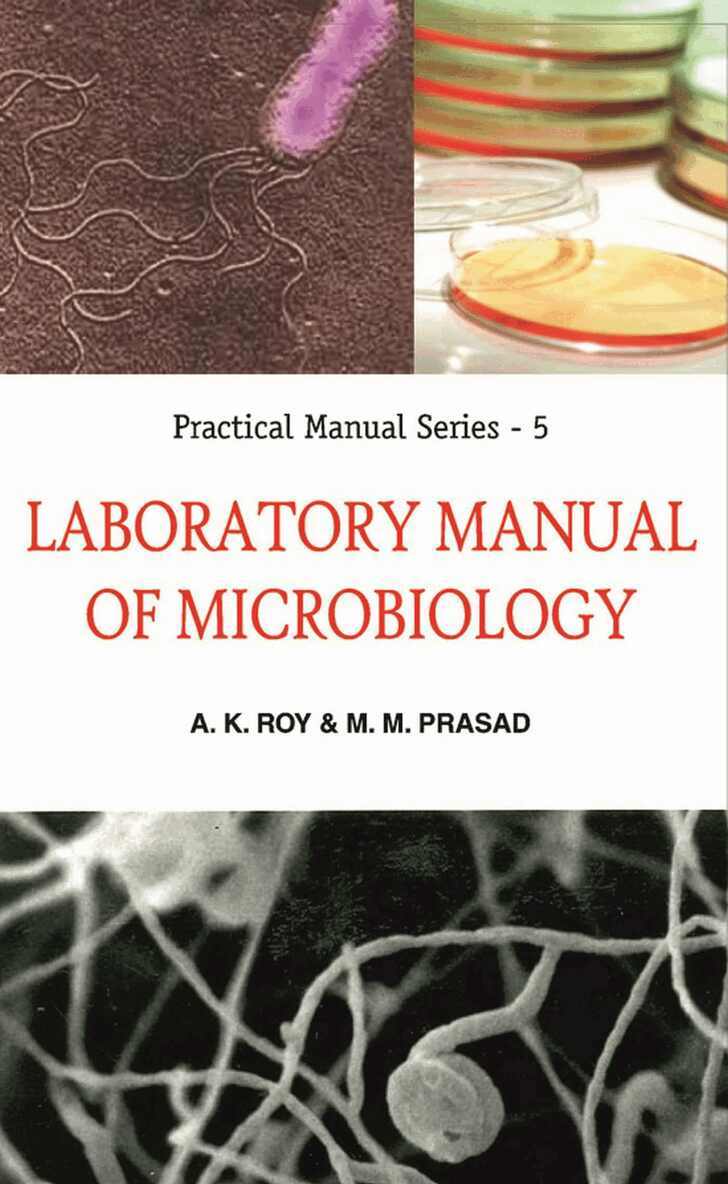
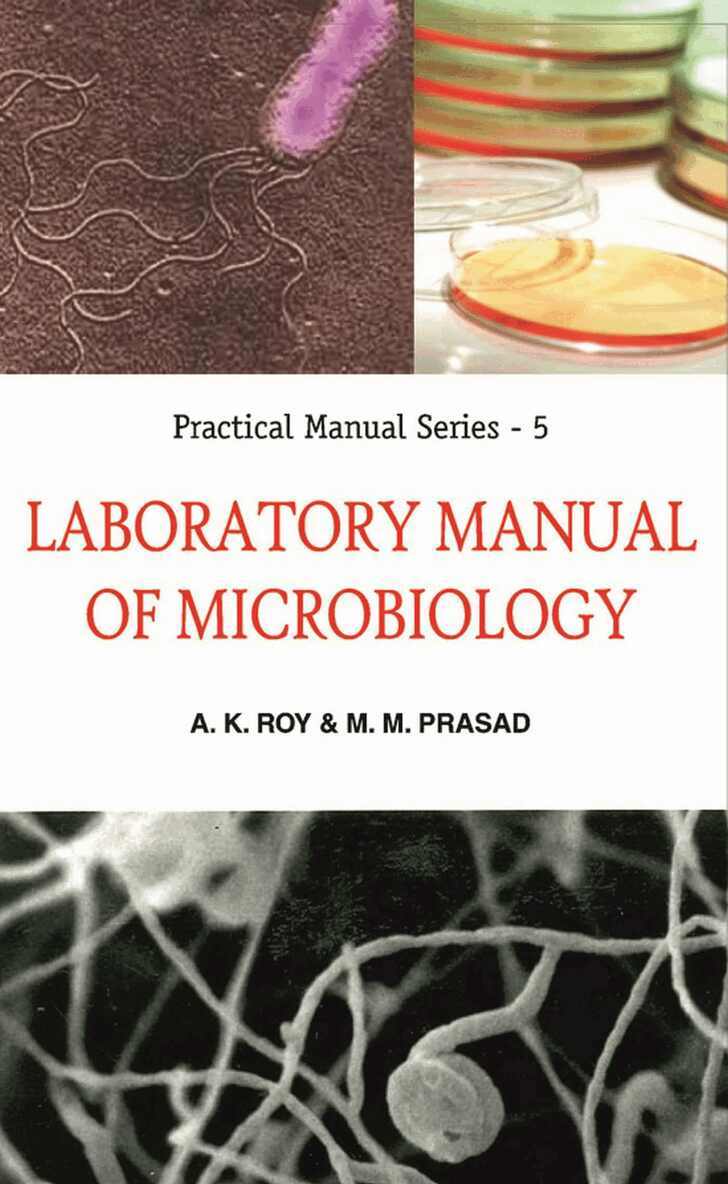
The book in question comprises 15 chapters, each focusing on a specific aspect of microbiology. These chapters include techniques for isolating microbes from various sources, such as soil, water, and seeds, as well as methods for assessing microbial growth and sensitivity to antibiotics. Additionally, the book covers topics such as bacterial transformation, fermentation, and microbial analysis of air, soil, and water. The authors have designed the book to provide laboratory techniques for undergraduate and postgraduate students to complete assignments in their course syllabi. To aid in understanding, many of the methods are illustrated with flowcharts and diagrams. The authors are confident that the book will be a valuable resource for those seeking to learn and perform microbiological experiments in the laboratory.
962 kr
Skickas inom 7-10 vardagar
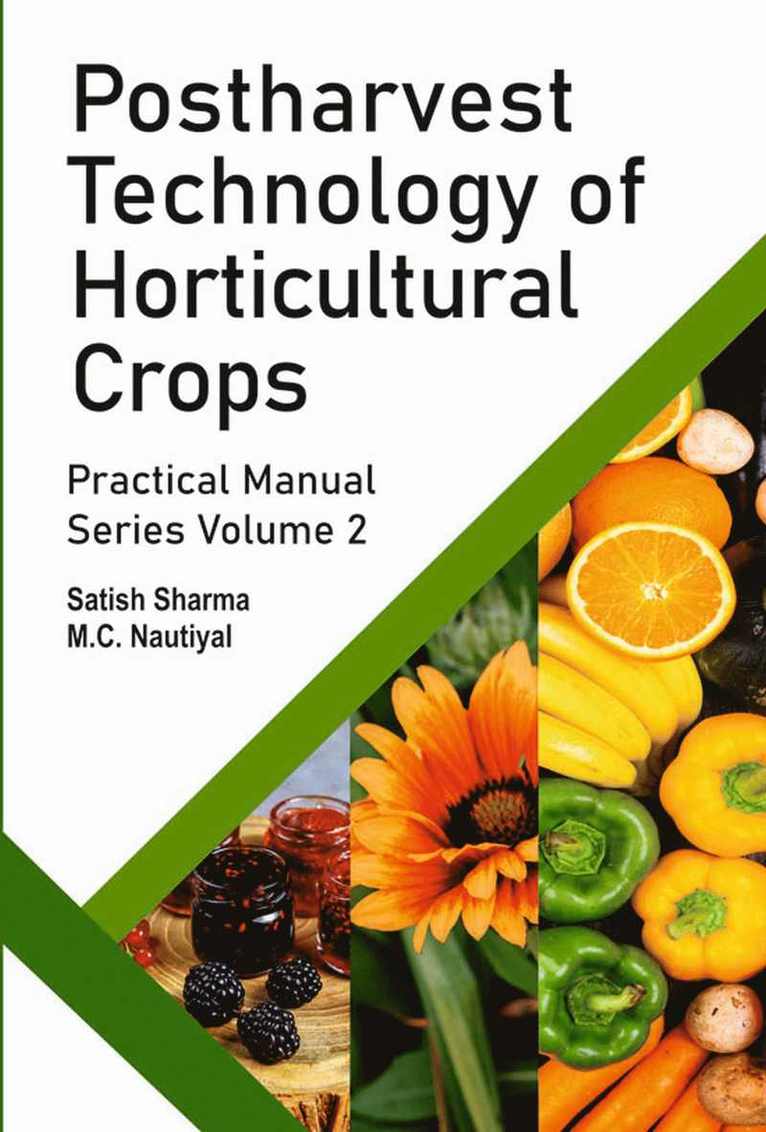
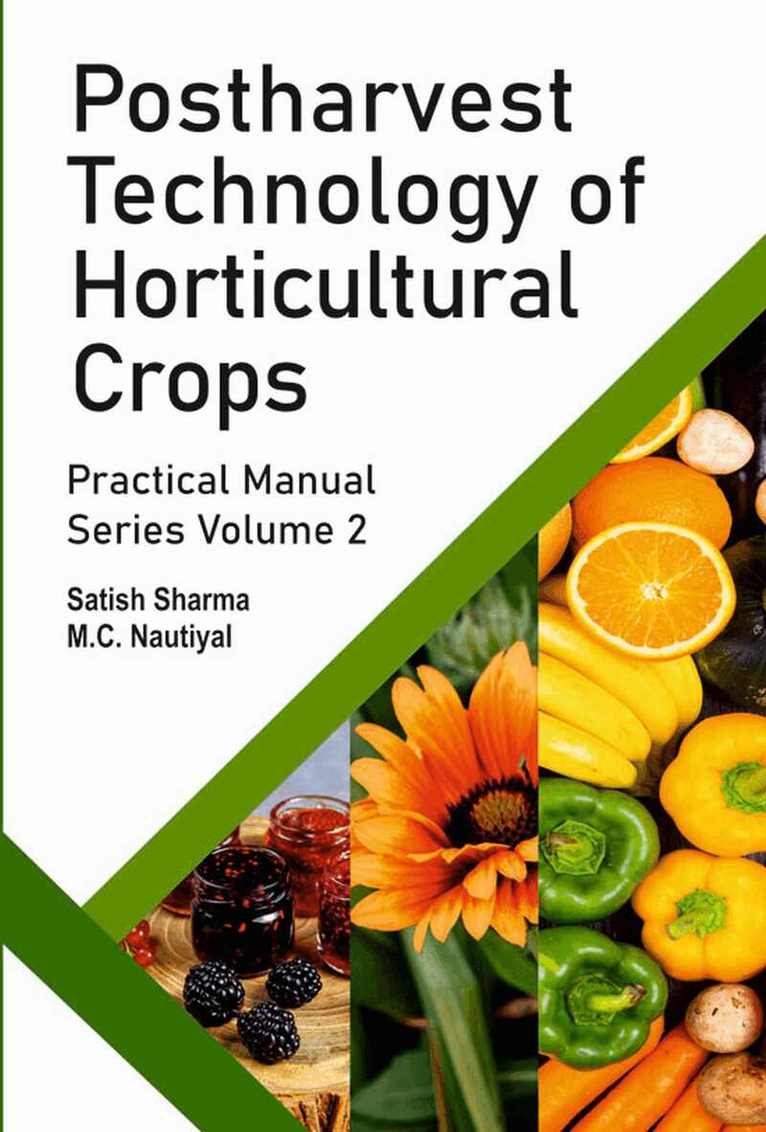
The book serves as a comprehensive, ready-reference manual for both students and teachers involved in undergraduate and postgraduate programs in the field of horticulture and postharvest technology. Spanning 33 chapters, the book covers a wide range of topics, including an introduction to equipment and machinery, maturity indices, pre-storage treatments, low-cost storage technologies, and processing and value-added products such as jams, jellies, marmalades, beverages, pickles, chutneys, tomato products, and canned fruits and vegetables. The book also covers cut-out analysis and the preparation of cider, as well as vase life analysis of flowers, physicochemical and sensory analysis of fresh and processed products. Additionally, ten annexures have been included that provide helpful information on fruit product orders, temperature corrections for measuring TSS, maturity indices, and units of conversion, as well as a guide to preparing cleaning and chemical solutions, food additives, and information on suppliers of machinery and equipment. The book has been written in simple language, with separate instructions for students, teachers, and relevant information on each topic to make the conduct of practical experiments easy and systematic. The book also includes color plates of some of the machinery and equipment to aid identification, even if the equipment or machinery is not available in a particular laboratory. This book aims to fulfill the long-standing need for practical manuals on various aspects of postharvest technology in horticultural crops, and it will be of great use to students, researchers, teachers, and anyone with an interest in the subject.
582 kr
Skickas inom 7-10 vardagar
This comprehensive guide provides a detailed overview of the methods employed in the clinical examination of herd and individual animals, including the collection of pertinent historical data related to production diseases in animals, as well as the laboratory techniques utilized for confirmatory diagnosis of disease. The guide covers all practical aspects of the clinical examination of animals and commonly employed laboratory techniques, such as ruminal fluid examination, CSF examination, bone marrow and lymph node biopsy, blood transfusion, enzymology, and other biochemical parameters, which are utilized in the diagnosis of metabolic and production diseases.The methods described in this guide are presented in a straightforward manner, making them easily accessible to undergraduate students for use in the laboratory. The guide also includes fundamental questions at the end of each exercise, which enable students to engage their critical thinking skills and interpret and correlate the results with clinical signs of the diseases, ultimately serving as an aid in the confirmatory diagnosis of disease. This guide will also be beneficial for postgraduate students pursuing a masters degree in veterinary medicine.
635 kr
Skickas inom 7-10 vardagar
The current publication comprises 15 chapters, including techniques for isolating microorganisms from various sources and assessing their growth, as well as analyses of air, soil, and water microbes. Designed to assist graduate and postgraduate students in microbiology, biochemistry, and biotechnology, this text offers practical instruction on procedures outlined in their course syllabi. To facilitate comprehension, the authors have provided flowcharts and diagrams alongside the instructions. They anticipate that this resource will be beneficial in helping students perform the laboratory assignments required in their coursework.
1 145 kr
Skickas inom 7-10 vardagar
The seven sections of this book cover general laboratory procedures, such as pipetting, solution preparation, and the operation of common analytical instruments, as well as specific techniques for working with nucleic acids, bacteria, enzymes, and proteins. The book also includes information on cloning experiments and plant biotechnology protocols. The text emphasizes the isolation of DNA and RNA from various sources, the use of restriction enzymes, ligation techniques, cloning protocols, and the screening of transformed cells. Additionally, it covers a range of electrophoresis techniques, PCR protocols, and other essential laboratory techniques.The appendices at the end of the book provide supplementary information that is relevant to the study of the practical applications covered throughout the manual. This book will be of particular use to students in the fields of biotechnology, agriculture, and related disciplines. The goal of this practical manual is to provide a clear and comprehensive theoretical foundation for the practical laboratory studies that students will undertake.