Radical Américas – serie
Visar alla böcker i serien Radical Américas. Handla med fri frakt och snabb leverans.
22 produkter
22 produkter
Inbunden, Engelska, 2017
1 500 kr
Skickas inom 5-8 vardagar
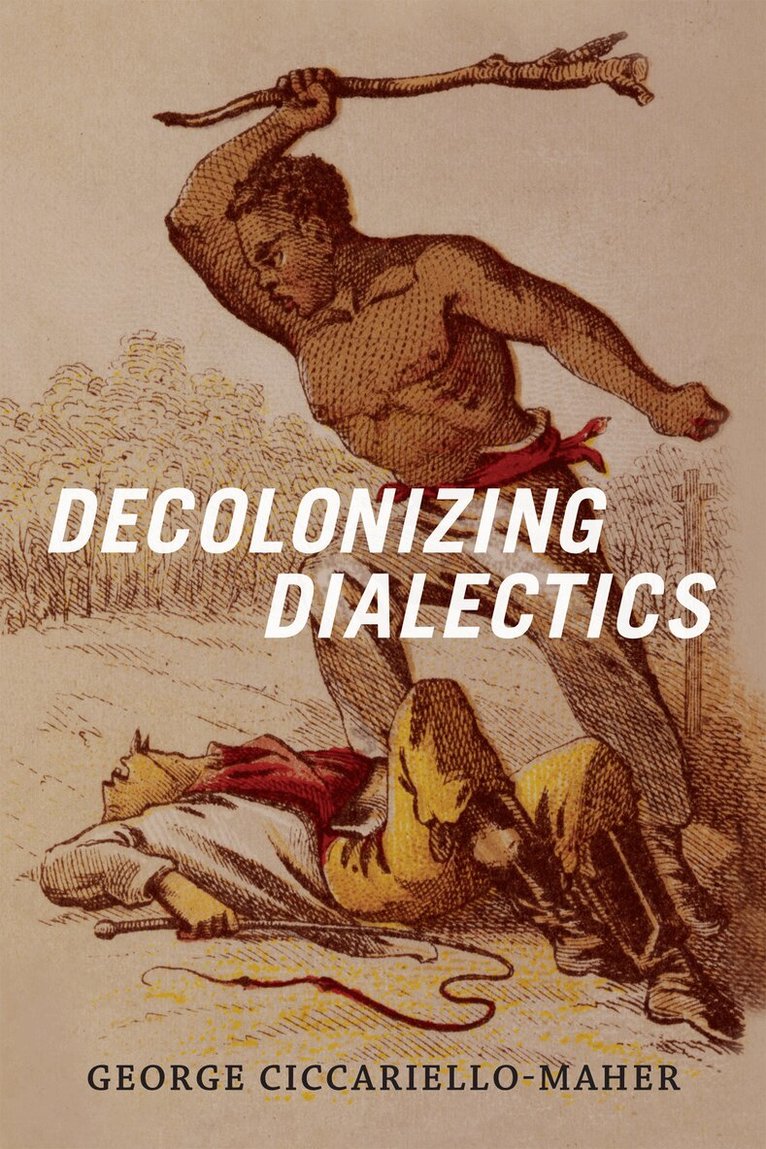
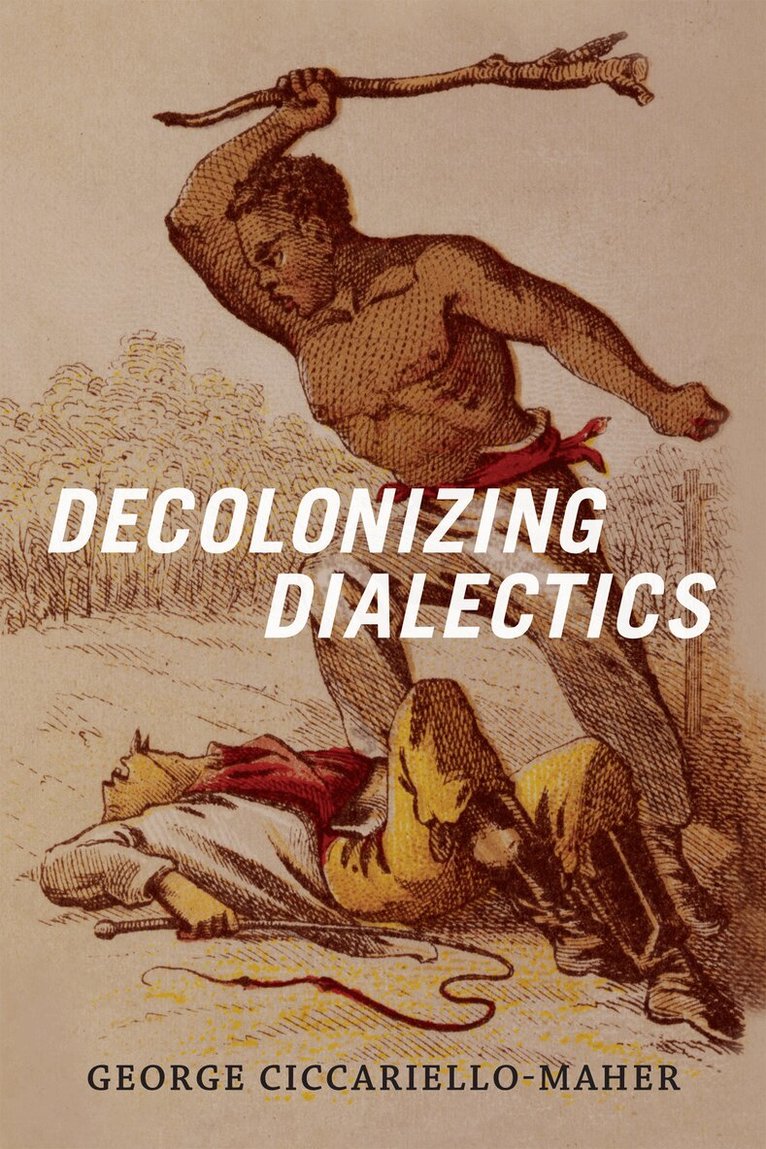
Anticolonial theorists and revolutionaries have long turned to dialectical thought as a central weapon in their fight against oppressive structures and conditions. This relationship was never easy, however, as anticolonial thinkers have resisted the historical determinism, teleology, Eurocentrism, and singular emphasis that some Marxisms place on class identity at the expense of race, nation, and popular identity. In recent decades, the conflict between dialectics and postcolonial theory has only deepened. In Decolonizing Dialectics Geo Maher breaks this impasse by bringing the work of Georges Sorel, Frantz Fanon, and Enrique Dussel together with contemporary Venezuelan politics to formulate a dialectics suited to the struggle against the legacies of colonialism and slavery. This is a decolonized dialectics premised on constant struggle in which progress must be fought for and where the struggles of the wretched of the earth themselves provide the only guarantee of historical motion.
Häftad, Engelska, 2017
367 kr
Skickas inom 5-8 vardagar
Anticolonial theorists and revolutionaries have long turned to dialectical thought as a central weapon in their fight against oppressive structures and conditions. This relationship was never easy, however, as anticolonial thinkers have resisted the historical determinism, teleology, Eurocentrism, and singular emphasis that some Marxisms place on class identity at the expense of race, nation, and popular identity. In recent decades, the conflict between dialectics and postcolonial theory has only deepened. In Decolonizing Dialectics Geo Maher breaks this impasse by bringing the work of Georges Sorel, Frantz Fanon, and Enrique Dussel together with contemporary Venezuelan politics to formulate a dialectics suited to the struggle against the legacies of colonialism and slavery. This is a decolonized dialectics premised on constant struggle in which progress must be fought for and where the struggles of the wretched of the earth themselves provide the only guarantee of historical motion.
Inbunden, Engelska, 2017
1 545 kr
Skickas inom 5-8 vardagar
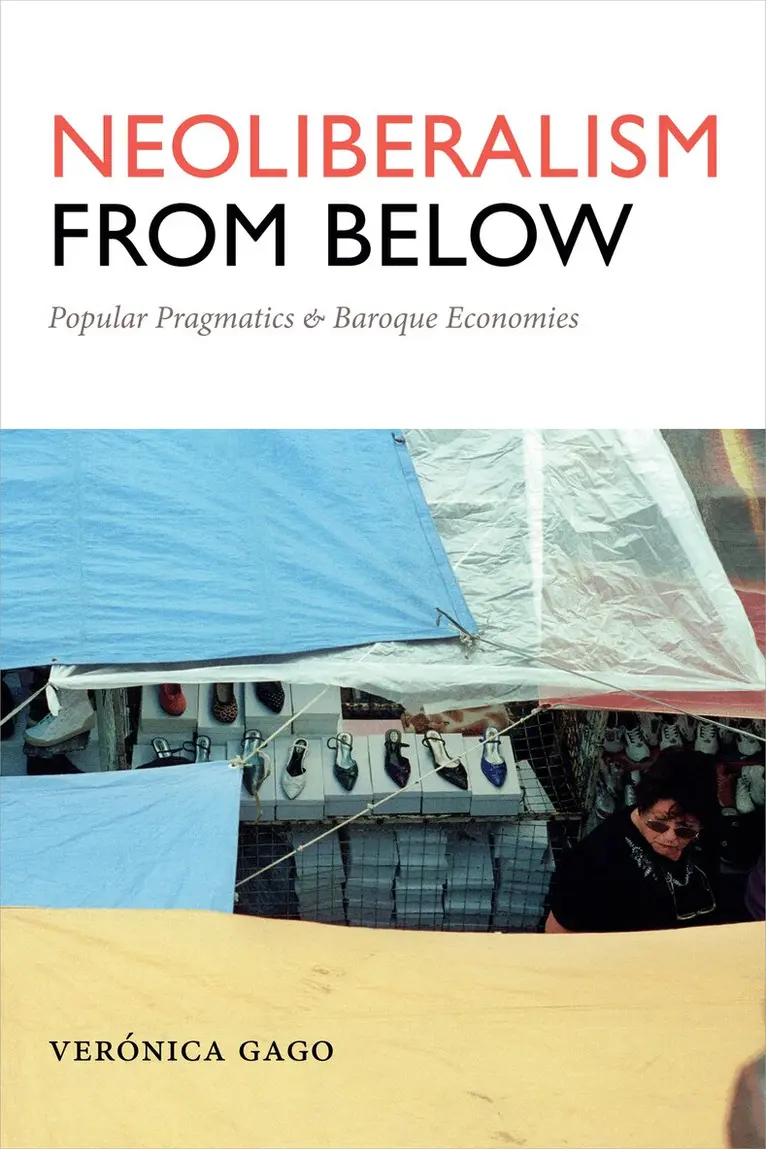
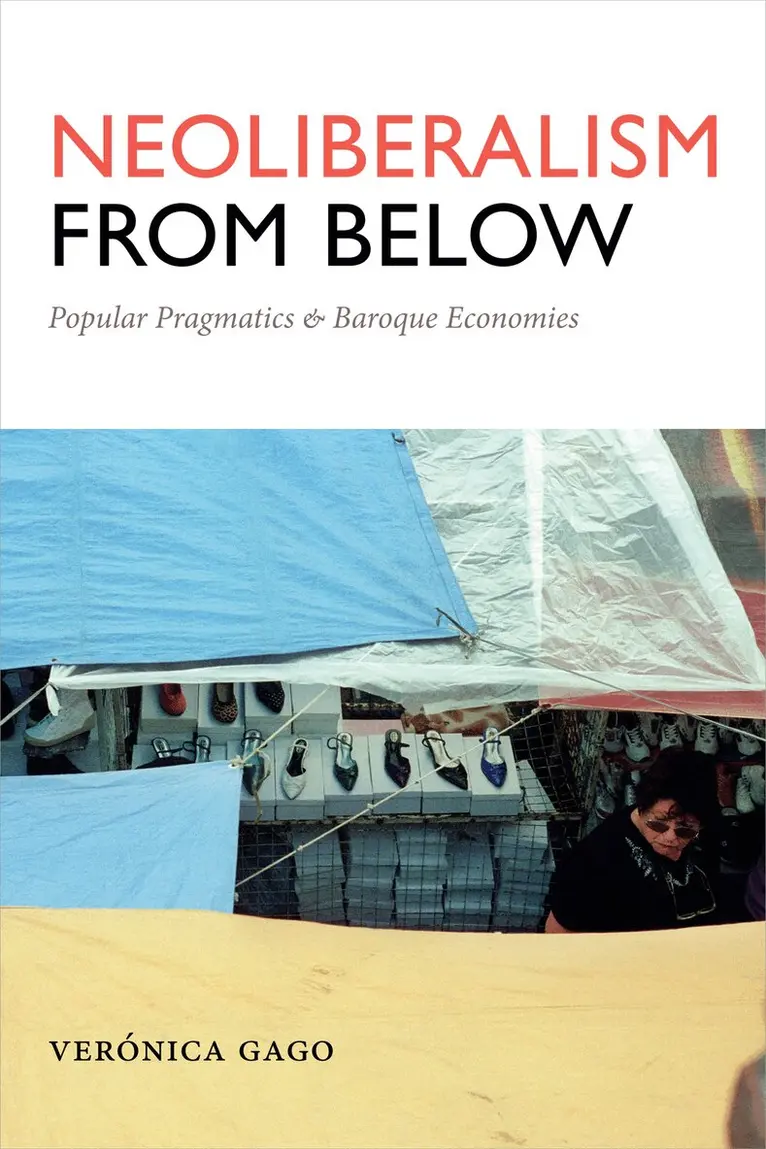
In Neoliberalism from Below-first published in Argentina in 2014-VerÓnica Gago examines how Latin American neoliberalism is propelled not just from above by international finance, corporations, and government, but also by the activities of migrant workers, vendors, sweatshop workers, and other marginalized groups. Using the massive illegal market La Salada in Buenos Aires as a point of departure, Gago shows how alternative economic practices, such as the sale of counterfeit goods produced in illegal textile factories, resist neoliberalism while simultaneously succumbing to its models of exploitative labor and production. Gago demonstrates how La Salada's economic dynamics mirror those found throughout urban Latin America. In so doing, she provides a new theory of neoliberalism and a nuanced view of the tense mix of calculation and freedom, obedience and resistance, individualism and community, and legality and illegality that fuels the increasingly powerful popular economies of the global South's large cities.
Häftad, Engelska, 2017
365 kr
Skickas
In Neoliberalism from Below-first published in Argentina in 2014-VerÓnica Gago examines how Latin American neoliberalism is propelled not just from above by international finance, corporations, and government, but also by the activities of migrant workers, vendors, sweatshop workers, and other marginalized groups. Using the massive illegal market La Salada in Buenos Aires as a point of departure, Gago shows how alternative economic practices, such as the sale of counterfeit goods produced in illegal textile factories, resist neoliberalism while simultaneously succumbing to its models of exploitative labor and production. Gago demonstrates how La Salada's economic dynamics mirror those found throughout urban Latin America. In so doing, she provides a new theory of neoliberalism and a nuanced view of the tense mix of calculation and freedom, obedience and resistance, individualism and community, and legality and illegality that fuels the increasingly powerful popular economies of the global South's large cities.
Inbunden, Engelska, 2018
1 725 kr
Skickas inom 5-8 vardagar
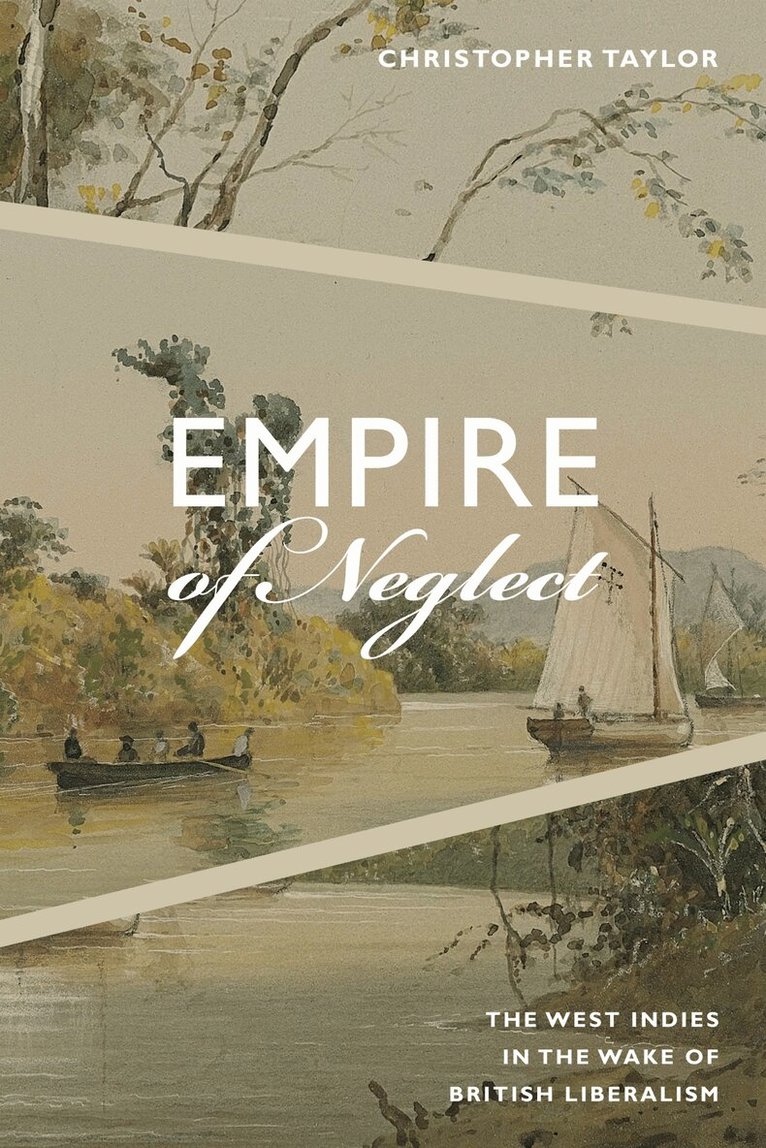
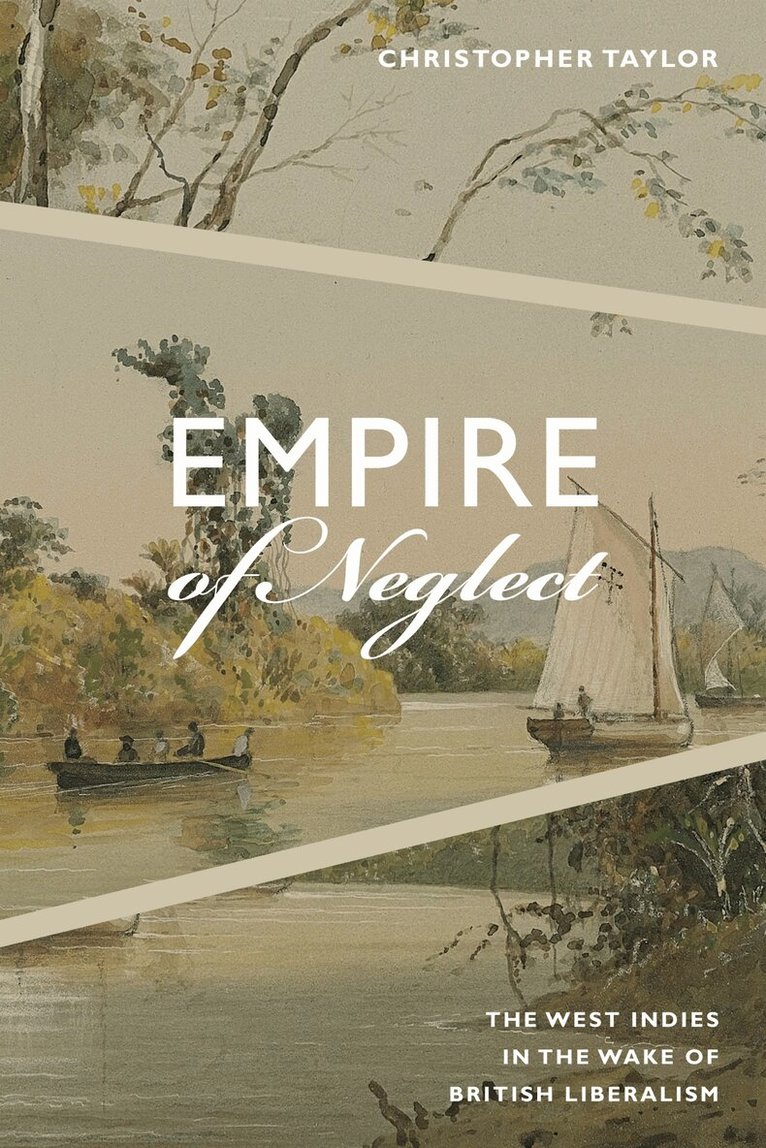
Following the publication of Adam Smith’s The Wealth of Nations, nineteenth-century liberal economic thinkers insisted that a globally hegemonic Britain would profit only by abandoning the formal empire. British West Indians across the divides of race and class understood that, far from signaling an invitation to nationalist independence, this liberal economic discourse inaugurated a policy of imperial “neglect”-a way of ignoring the ties that obligated Britain to sustain the worlds of the empire’s distant fellow subjects. In Empire of Neglect Christopher Taylor examines this neglect’s cultural and literary ramifications, tracing how nineteenth-century British West Indians reoriented their affective, cultural, and political worlds toward the Americas as a response to the liberalization of the British Empire. Analyzing a wide array of sources, from plantation correspondence, political economy treatises, and novels to newspapers, socialist programs, and memoirs, Taylor shows how the Americas came to serve as a real and figurative site at which abandoned West Indians sought to imagine and invent postliberal forms of political subjecthood.
Häftad, Engelska, 2018
422 kr
Skickas inom 5-8 vardagar
Following the publication of Adam Smith’s The Wealth of Nations, nineteenth-century liberal economic thinkers insisted that a globally hegemonic Britain would profit only by abandoning the formal empire. British West Indians across the divides of race and class understood that, far from signaling an invitation to nationalist independence, this liberal economic discourse inaugurated a policy of imperial “neglect”-a way of ignoring the ties that obligated Britain to sustain the worlds of the empire’s distant fellow subjects. In Empire of Neglect Christopher Taylor examines this neglect’s cultural and literary ramifications, tracing how nineteenth-century British West Indians reoriented their affective, cultural, and political worlds toward the Americas as a response to the liberalization of the British Empire. Analyzing a wide array of sources, from plantation correspondence, political economy treatises, and novels to newspapers, socialist programs, and memoirs, Taylor shows how the Americas came to serve as a real and figurative site at which abandoned West Indians sought to imagine and invent postliberal forms of political subjecthood.
Inbunden, Engelska, 2018
1 926 kr
Skickas inom 3-6 vardagar
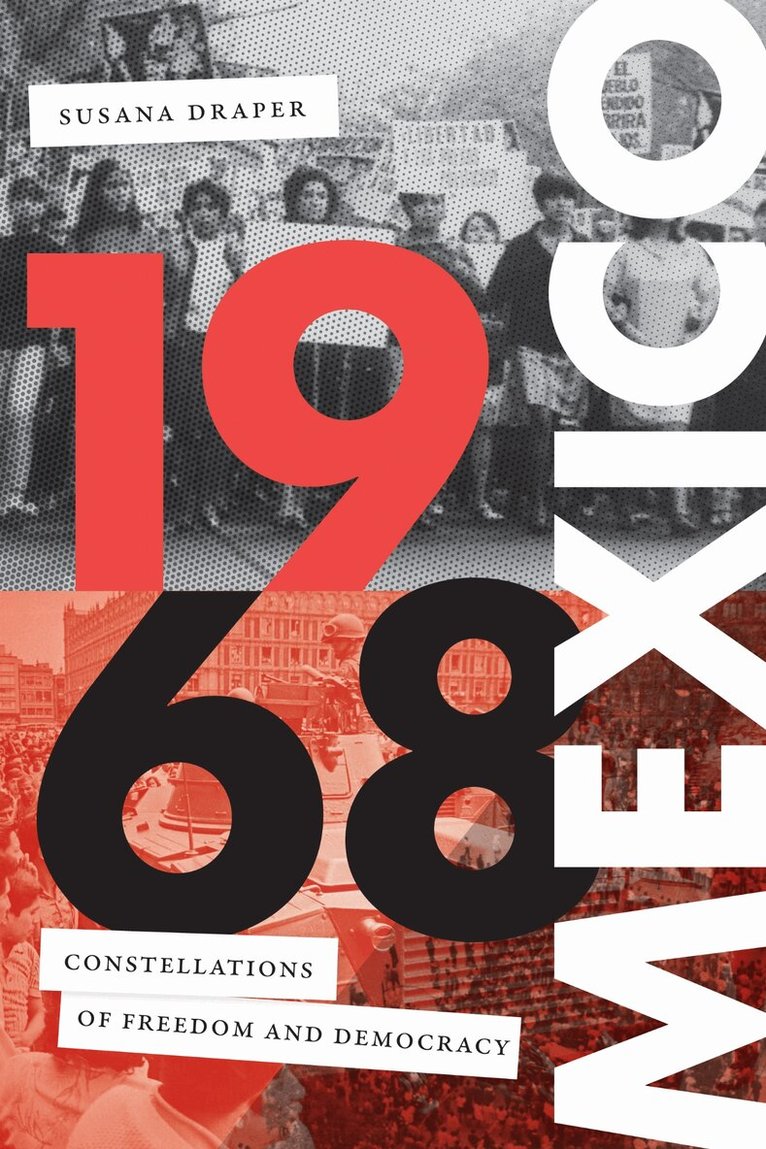
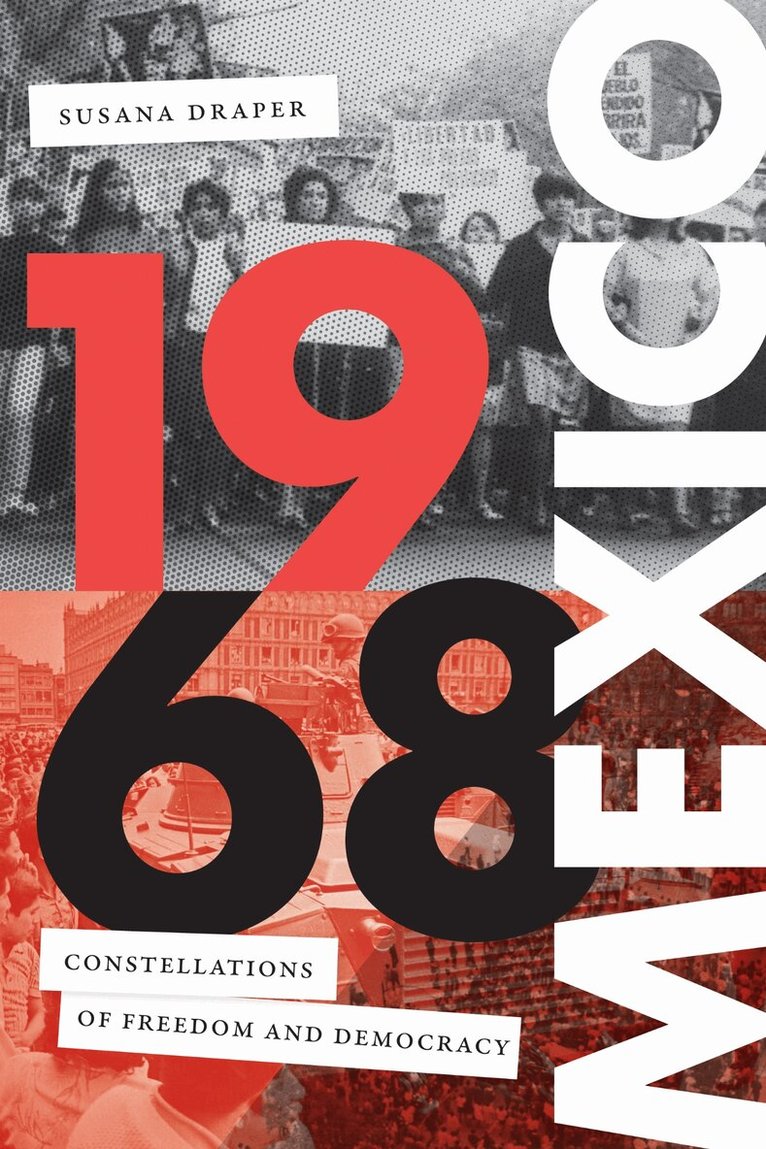
Recognizing the fiftieth anniversary of the protests, strikes, and violent struggles that formed the political and cultural backdrop of 1968 across Europe, the United States, and Latin America, Susana Draper offers a nuanced perspective of the 1968 movement in Mexico. She challenges the dominant cultural narrative of the movement that has emphasized the importance of the October 2nd Tlatelolco Massacre and the responses of male student leaders. From marginal cinema collectives to women’s cooperative experiments, Draper reveals new archives of revolutionary participation that provide insight into how 1968 and its many afterlives are understood in Mexico and beyond. By giving voice to Mexican Marxist philosophers, political prisoners, and women who participated in the movement, Draper counters the canonical memorialization of 1968 by illustrating how many diverse voices inspired alternative forms of political participation. Given the current rise of social movements around the globe, in 1968 Mexico Draper provides a new framework to understand the events of 1968 in order to rethink the everyday existential, political, and philosophical problems of the present.
Inbunden, Engelska, 2018
1 545 kr
Skickas inom 5-8 vardagar
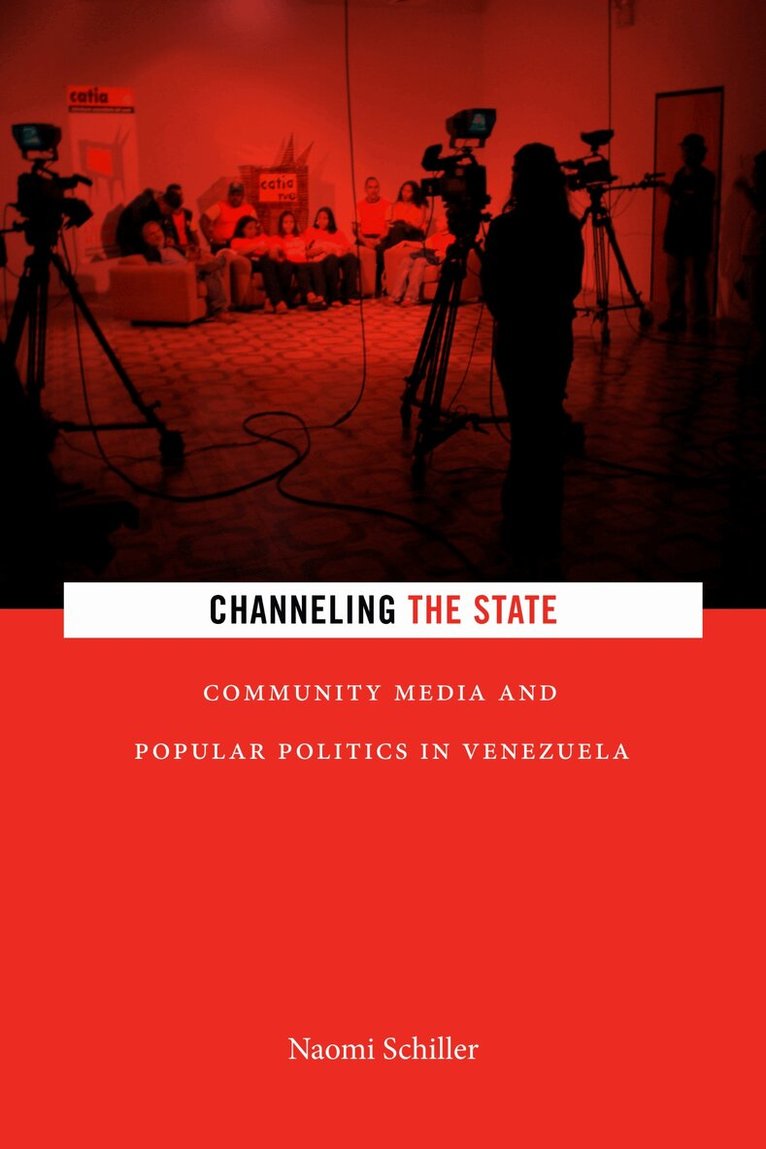
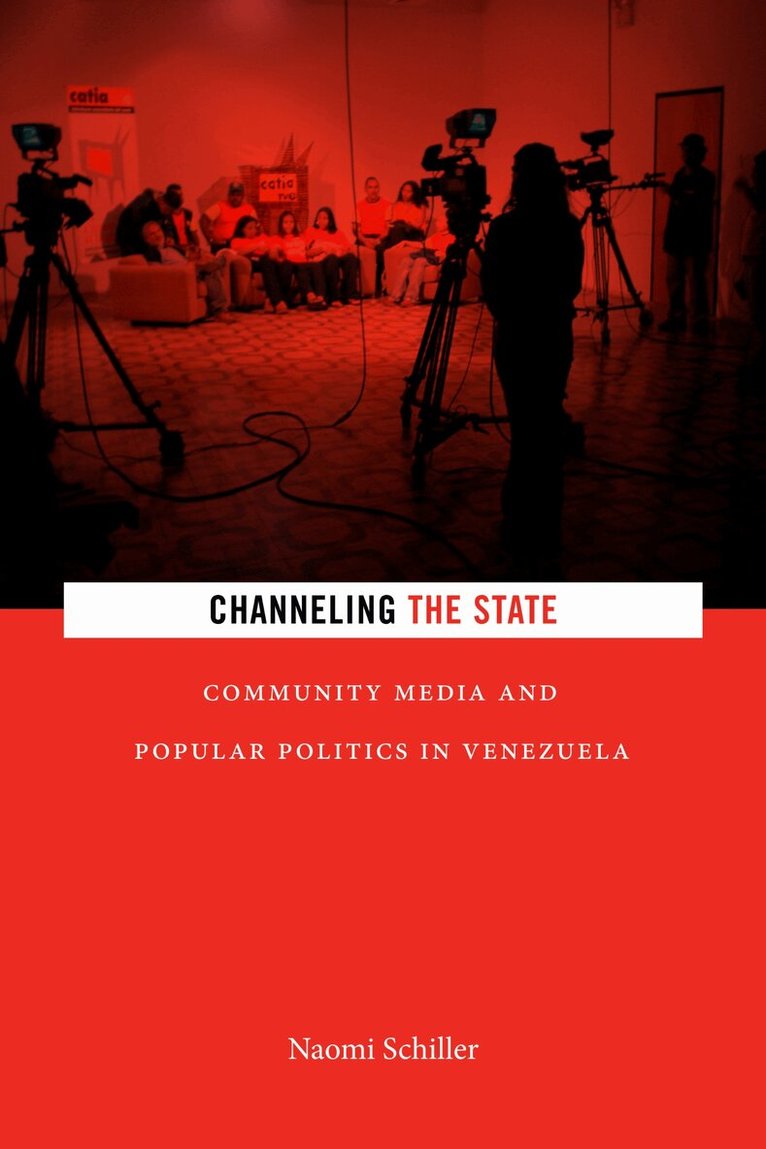
Venezuela's most prominent community television station, Catia TVe, was launched in 2000 by activists from the barrios of Caracas. Run on the principle that state resources should serve as a weapon of the poor to advance revolutionary social change, the station covered everything from Hugo ChÁvez’s speeches to barrio residents' complaints about bureaucratic mismanagement. In Channeling the State, Naomi Schiller explores how and why Catia TVe's founders embraced alliances with Venezuelan state officials and institutions. Drawing on long-term ethnographic research among the station's participants, Schiller shows how community television production created unique openings for Caracas's urban poor to embrace the state as a collective process with transformative potential. Rather than an unchangeable entity built for the exercise of elite power, the state emerges in Schiller's analysis as an uneven, variable process and a contentious terrain where institutions are continuously made and remade. In Venezuela under ChÁvez, media activists from poor communities did not assert their autonomy from the state but rather forged ties with the middle class to question whose state they were constructing and who it represented.
Häftad, Engelska, 2018
378 kr
Skickas inom 5-8 vardagar
Recognizing the fiftieth anniversary of the protests, strikes, and violent struggles that formed the political and cultural backdrop of 1968 across Europe, the United States, and Latin America, Susana Draper offers a nuanced perspective of the 1968 movement in Mexico. She challenges the dominant cultural narrative of the movement that has emphasized the importance of the October 2nd Tlatelolco Massacre and the responses of male student leaders. From marginal cinema collectives to women’s cooperative experiments, Draper reveals new archives of revolutionary participation that provide insight into how 1968 and its many afterlives are understood in Mexico and beyond. By giving voice to Mexican Marxist philosophers, political prisoners, and women who participated in the movement, Draper counters the canonical memorialization of 1968 by illustrating how many diverse voices inspired alternative forms of political participation. Given the current rise of social movements around the globe, in 1968 Mexico Draper provides a new framework to understand the events of 1968 in order to rethink the everyday existential, political, and philosophical problems of the present.
Häftad, Engelska, 2018
378 kr
Skickas inom 5-8 vardagar
Venezuela's most prominent community television station, Catia TVe, was launched in 2000 by activists from the barrios of Caracas. Run on the principle that state resources should serve as a weapon of the poor to advance revolutionary social change, the station covered everything from Hugo ChÁvez’s speeches to barrio residents' complaints about bureaucratic mismanagement. In Channeling the State, Naomi Schiller explores how and why Catia TVe's founders embraced alliances with Venezuelan state officials and institutions. Drawing on long-term ethnographic research among the station's participants, Schiller shows how community television production created unique openings for Caracas's urban poor to embrace the state as a collective process with transformative potential. Rather than an unchangeable entity built for the exercise of elite power, the state emerges in Schiller's analysis as an uneven, variable process and a contentious terrain where institutions are continuously made and remade. In Venezuela under ChÁvez, media activists from poor communities did not assert their autonomy from the state but rather forged ties with the middle class to question whose state they were constructing and who it represented.
Inbunden, Engelska, 2019
1 133 kr
Skickas inom 5-8 vardagar
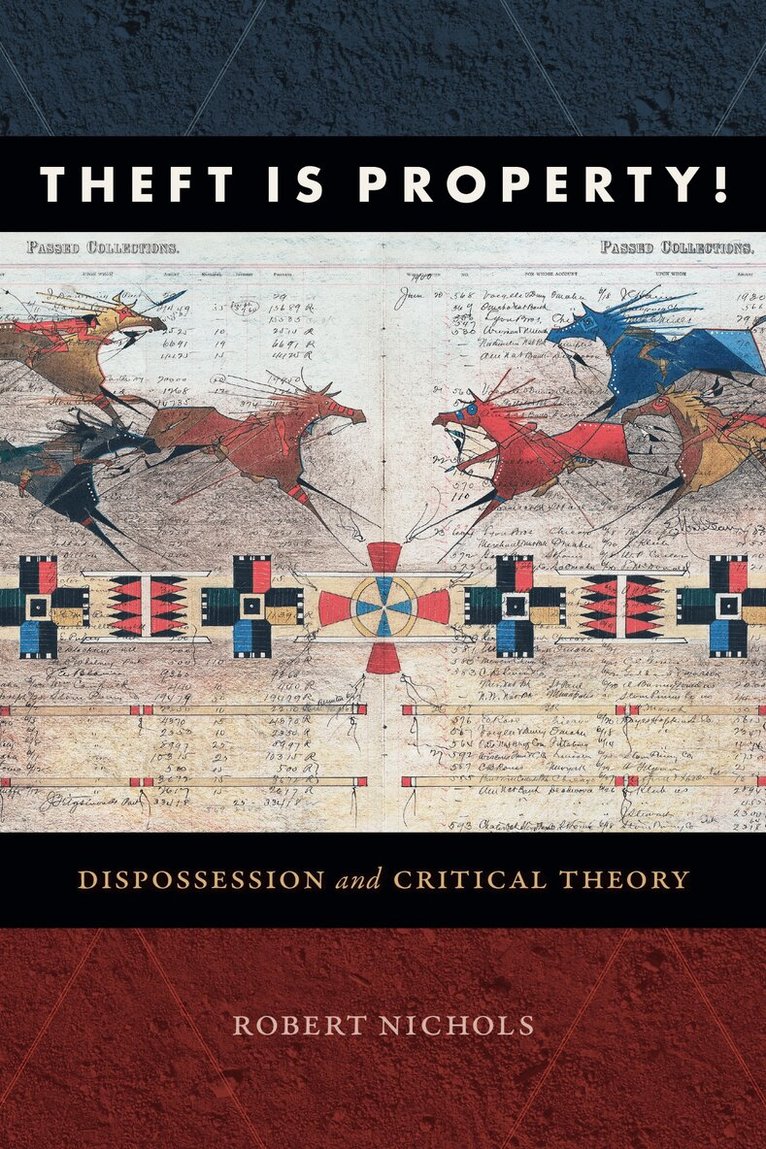
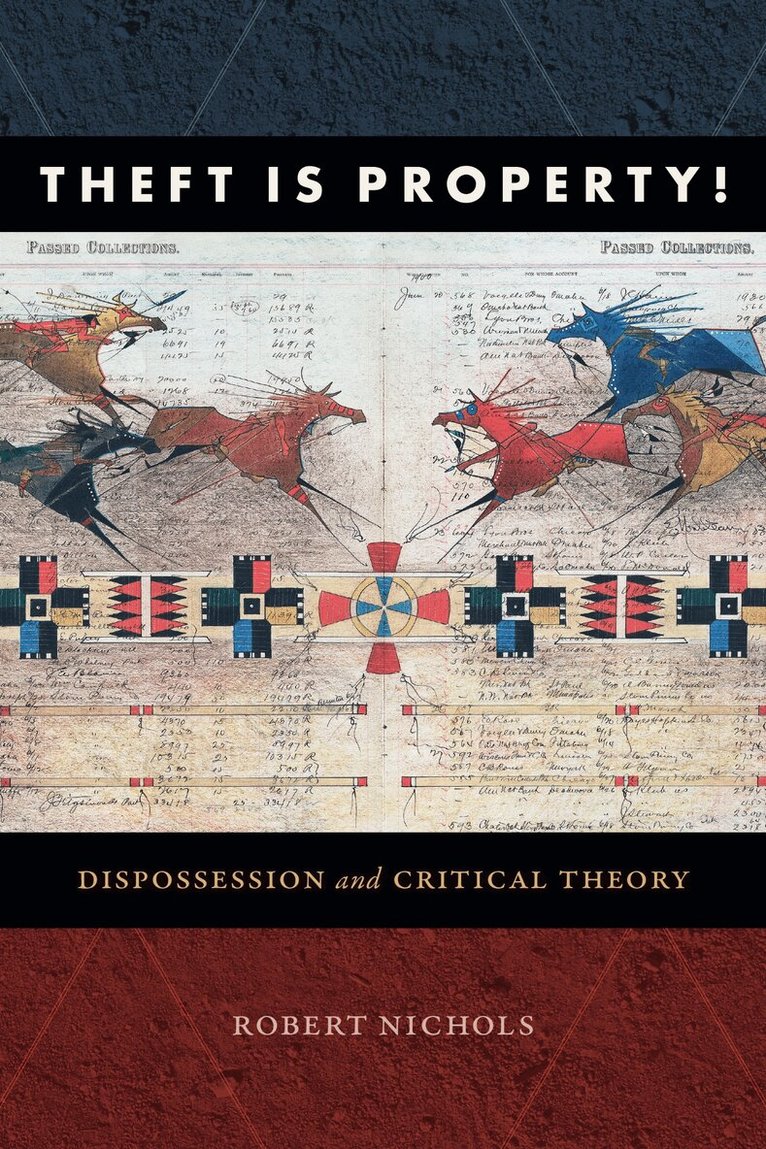
Drawing on Indigenous peoples' struggles against settler colonialism, Theft Is Property! reconstructs the concept of dispossession as a means of explaining how shifting configurations of law, property, race, and rights have functioned as modes of governance, both historically and in the present. Through close analysis of arguments by Indigenous scholars and activists from the nineteenth century to the present, Robert Nichols argues that dispossession has come to name a unique recursive process whereby systematic theft is the mechanism by which property relations are generated. In so doing, Nichols also brings long-standing debates in anarchist, Black radical, feminist, Marxist, and postcolonial thought into direct conversation with the frequently overlooked intellectual contributions of Indigenous peoples.
Häftad, Engelska, 2019
276 kr
Skickas
Drawing on Indigenous peoples' struggles against settler colonialism, Theft Is Property! reconstructs the concept of dispossession as a means of explaining how shifting configurations of law, property, race, and rights have functioned as modes of governance, both historically and in the present. Through close analysis of arguments by Indigenous scholars and activists from the nineteenth century to the present, Robert Nichols argues that dispossession has come to name a unique recursive process whereby systematic theft is the mechanism by which property relations are generated. In so doing, Nichols also brings long-standing debates in anarchist, Black radical, feminist, Marxist, and postcolonial thought into direct conversation with the frequently overlooked intellectual contributions of Indigenous peoples.
Inbunden, Engelska, 2020
1 133 kr
Skickas inom 5-8 vardagar
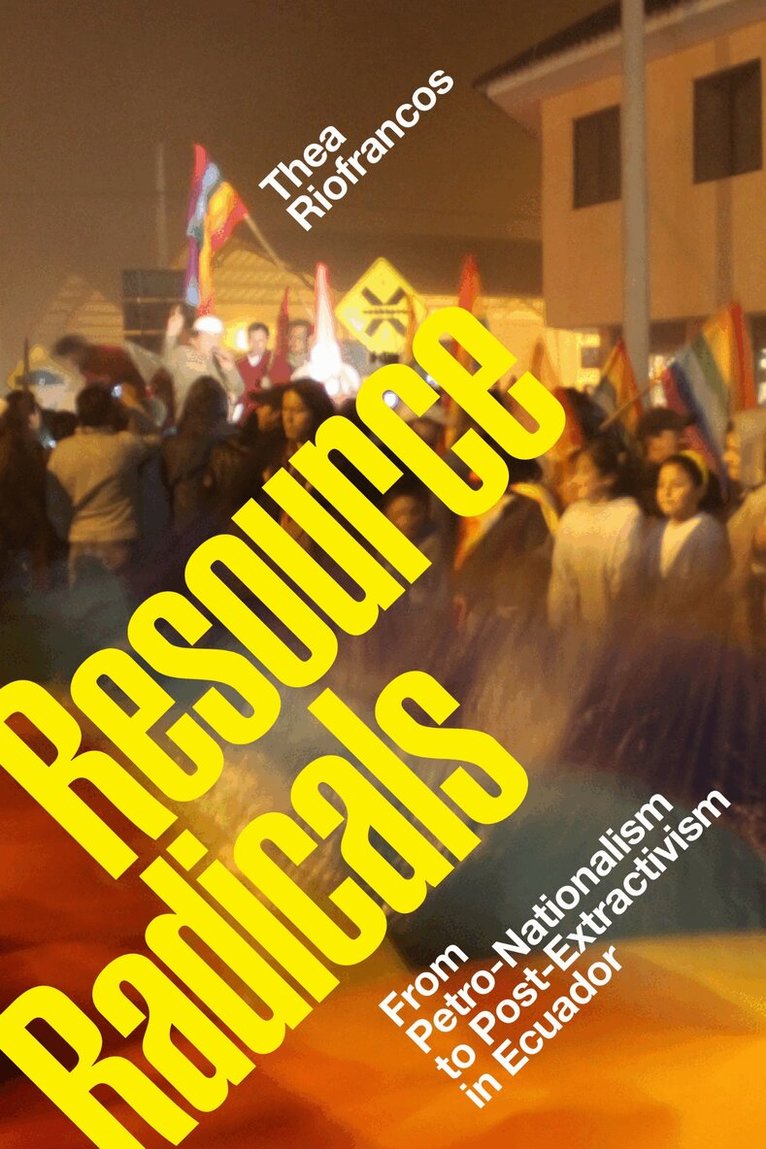
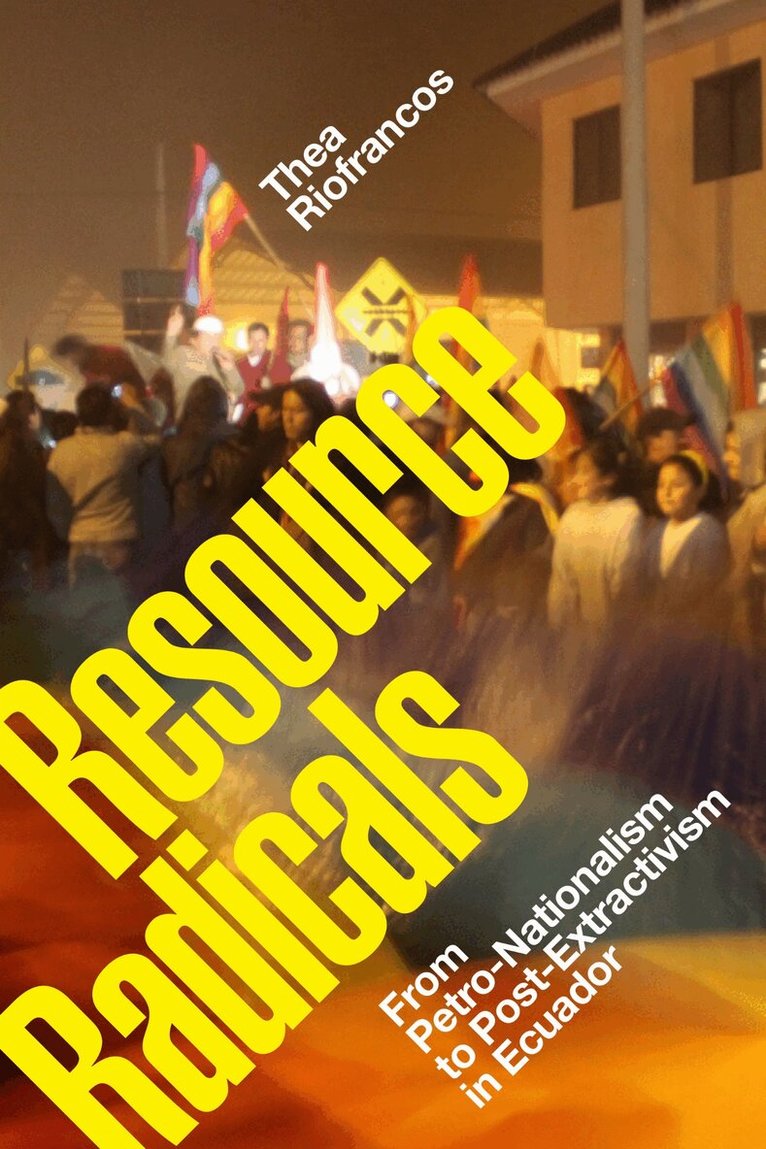
In 2007, the left came to power in Ecuador. In the years that followed, the “twenty-first-century socialist” government and a coalition of grassroots activists came to blows over the extraction of natural resources. Each side declared the other a perversion of leftism and the principles of socioeconomic equality, popular empowerment, and anti-imperialism. In Resource Radicals, Thea Riofrancos unpacks the conflict between these two leftisms: on the one hand, the administration's resource nationalism and focus on economic development; and on the other, the anti-extractivism of grassroots activists who condemned the government's disregard for nature and indigenous communities. In this archival and ethnographic study, Riofrancos expands the study of resource politics by decentering state resource policy and locating it in a field of political struggle populated by actors with conflicting visions of resource extraction. She demonstrates how Ecuador's commodity-dependent economy and history of indigenous uprisings offer a unique opportunity to understand development, democracy, and the ecological foundations of global capitalism.
Häftad, Engelska, 2020
295 kr
Skickas inom 5-8 vardagar
In 2007, the left came to power in Ecuador. In the years that followed, the “twenty-first-century socialist” government and a coalition of grassroots activists came to blows over the extraction of natural resources. Each side declared the other a perversion of leftism and the principles of socioeconomic equality, popular empowerment, and anti-imperialism. In Resource Radicals, Thea Riofrancos unpacks the conflict between these two leftisms: on the one hand, the administration's resource nationalism and focus on economic development; and on the other, the anti-extractivism of grassroots activists who condemned the government's disregard for nature and indigenous communities. In this archival and ethnographic study, Riofrancos expands the study of resource politics by decentering state resource policy and locating it in a field of political struggle populated by actors with conflicting visions of resource extraction. She demonstrates how Ecuador's commodity-dependent economy and history of indigenous uprisings offer a unique opportunity to understand development, democracy, and the ecological foundations of global capitalism.
Inbunden, Engelska, 2021
1 106 kr
Skickas inom 5-8 vardagar
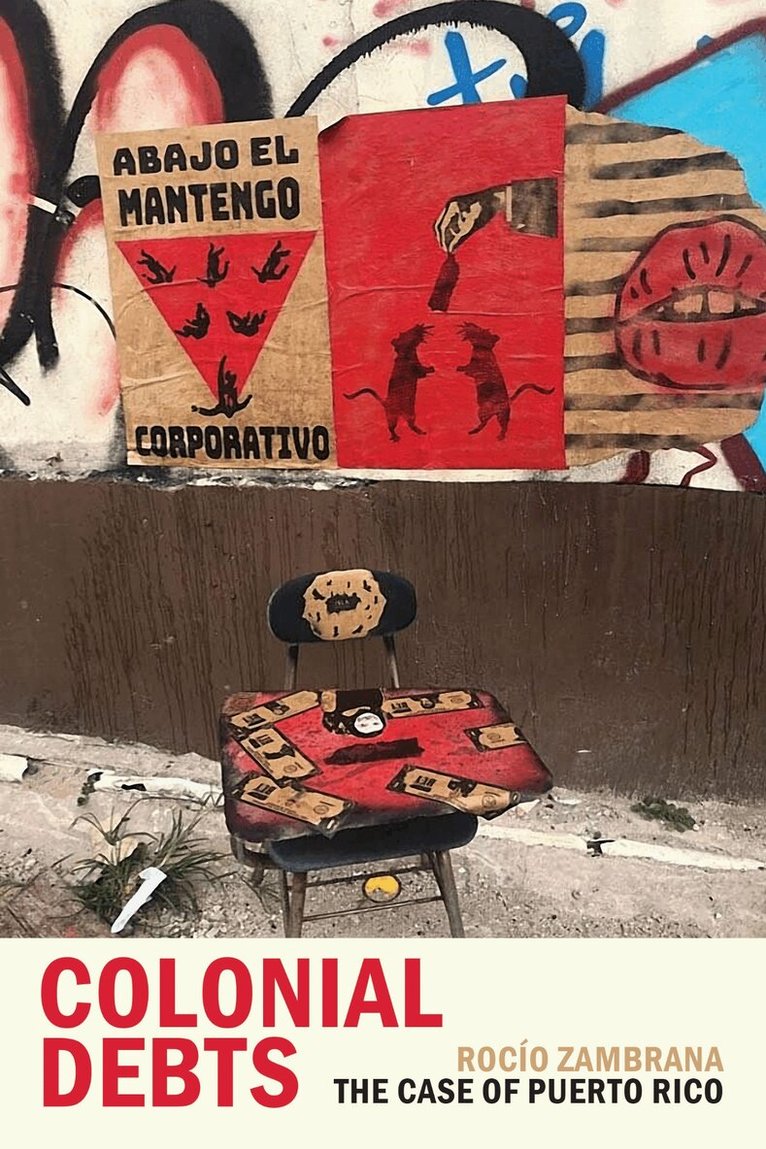
With the largest municipal debt in US history and a major hurricane that destroyed much of the archipelago's infrastructure, Puerto Rico has emerged as a key site for the exploration of neoliberalism and disaster capitalism. In Colonial Debts RocÍo Zambrana develops the concept of neoliberal coloniality in light of Puerto Rico's debt crisis. Drawing on decolonial thought and praxis, Zambrana shows how debt functions as an apparatus of predation that transforms how neoliberalism operates. Debt functions as a form of coloniality, intensifying race, gender, and class hierarchies in ways that strengthen the colonial relationship between Puerto Rico and the United States. Zambrana also examines the transformation of protest in Puerto Rico. From La Colectiva Feminista en ConstrucciÓn's actions, long-standing land rescue/occupation in the territory, to the July 2019 protests that ousted former governor Ricardo “Ricky” RossellÓ, protests pursue variations of decolonial praxis that subvert the positions of power that debt installs. As Zambrana demonstrates, debt reinstalls the colonial condition and adapts the racial/gender order essential to it, thereby emerging as a key site for political-economic subversion and social rearticulation.
Häftad, Engelska, 2021
282 kr
Skickas inom 5-8 vardagar
With the largest municipal debt in US history and a major hurricane that destroyed much of the archipelago's infrastructure, Puerto Rico has emerged as a key site for the exploration of neoliberalism and disaster capitalism. In Colonial Debts RocÍo Zambrana develops the concept of neoliberal coloniality in light of Puerto Rico's debt crisis. Drawing on decolonial thought and praxis, Zambrana shows how debt functions as an apparatus of predation that transforms how neoliberalism operates. Debt functions as a form of coloniality, intensifying race, gender, and class hierarchies in ways that strengthen the colonial relationship between Puerto Rico and the United States. Zambrana also examines the transformation of protest in Puerto Rico. From La Colectiva Feminista en ConstrucciÓn's actions, long-standing land rescue/occupation in the territory, to the July 2019 protests that ousted former governor Ricardo “Ricky” RossellÓ, protests pursue variations of decolonial praxis that subvert the positions of power that debt installs. As Zambrana demonstrates, debt reinstalls the colonial condition and adapts the racial/gender order essential to it, thereby emerging as a key site for political-economic subversion and social rearticulation.
Inbunden, Engelska, 2022
1 051 kr
Skickas inom 5-8 vardagar
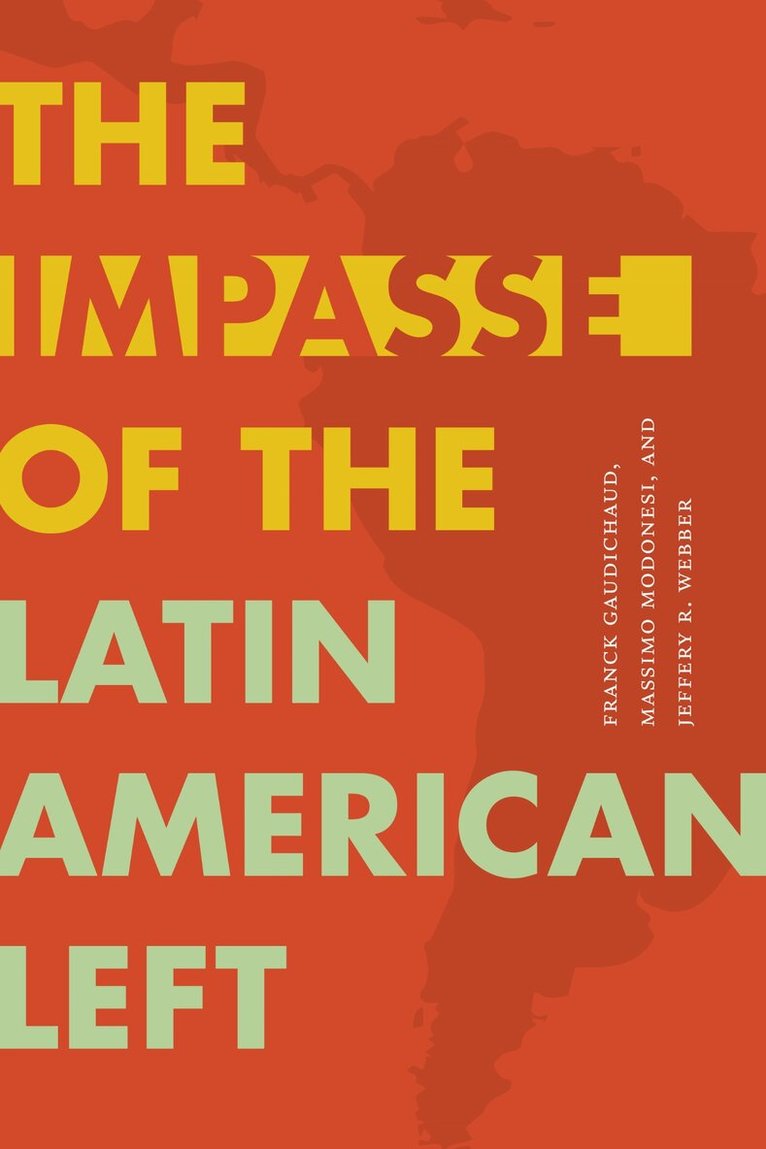
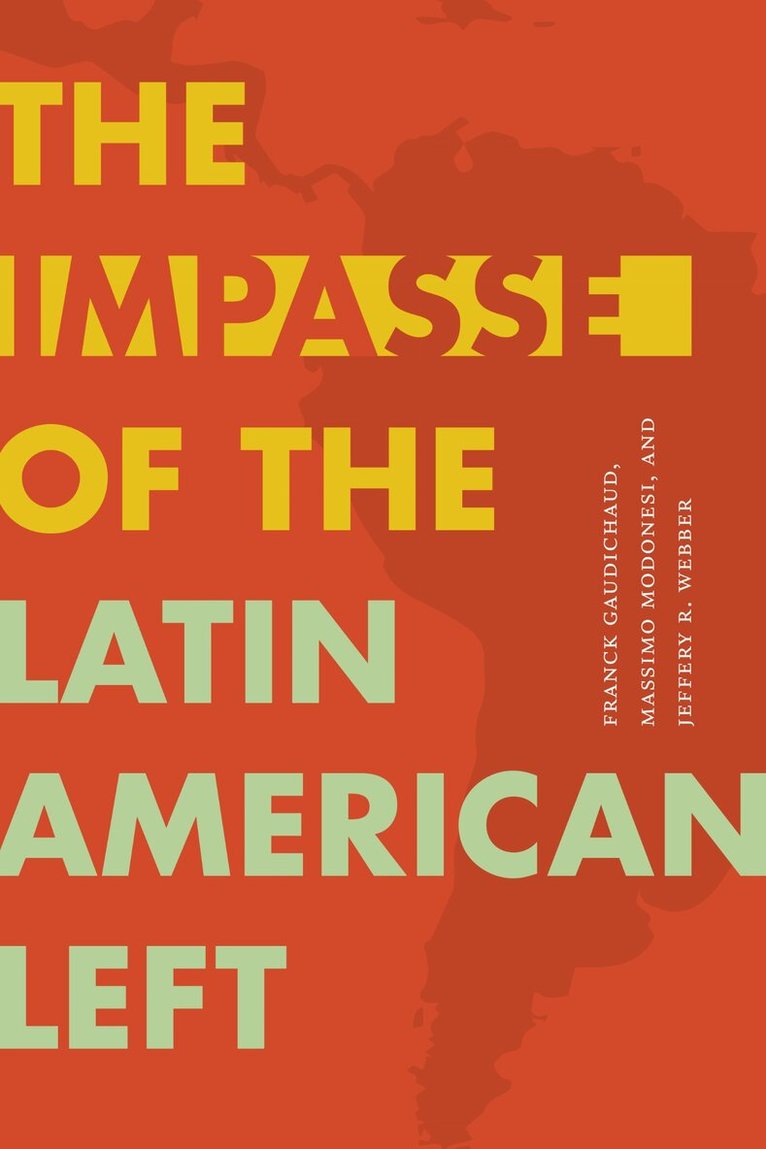
In The Impasse of the Latin American Left, Franck Gaudichaud, Massimo Modonesi, and Jeffery R. Webber explore the region’s Pink Tide as a political, economic, and cultural phenomenon. At the turn of the twenty-first century, Latin American politics experienced an upsurge in progressive movements, as popular uprisings for land and autonomy led to the election of left and center-left governments across Latin America. These progressive parties institutionalized social movements and established forms of state capitalism that sought to redistribute resources and challenge neoliberalism. Yet, as the authors demonstrate, these governments failed to transform the underlying class structures of their societies or challenge the imperial strategies of the United States and China. Now, as the Pink Tide has largely receded, the authors offer a portrait of this watershed period in Latin American history in order to evaluate the successes and failures of the left and to offer a clear-eyed account of the conditions that allowed for a right-wing resurgence.
Häftad, Engelska, 2022
268 kr
Skickas inom 5-8 vardagar
In The Impasse of the Latin American Left, Franck Gaudichaud, Massimo Modonesi, and Jeffery R. Webber explore the region’s Pink Tide as a political, economic, and cultural phenomenon. At the turn of the twenty-first century, Latin American politics experienced an upsurge in progressive movements, as popular uprisings for land and autonomy led to the election of left and center-left governments across Latin America. These progressive parties institutionalized social movements and established forms of state capitalism that sought to redistribute resources and challenge neoliberalism. Yet, as the authors demonstrate, these governments failed to transform the underlying class structures of their societies or challenge the imperial strategies of the United States and China. Now, as the Pink Tide has largely receded, the authors offer a portrait of this watershed period in Latin American history in order to evaluate the successes and failures of the left and to offer a clear-eyed account of the conditions that allowed for a right-wing resurgence.
Inbunden, Engelska, 2025
1 325 kr
Skickas inom 5-8 vardagar
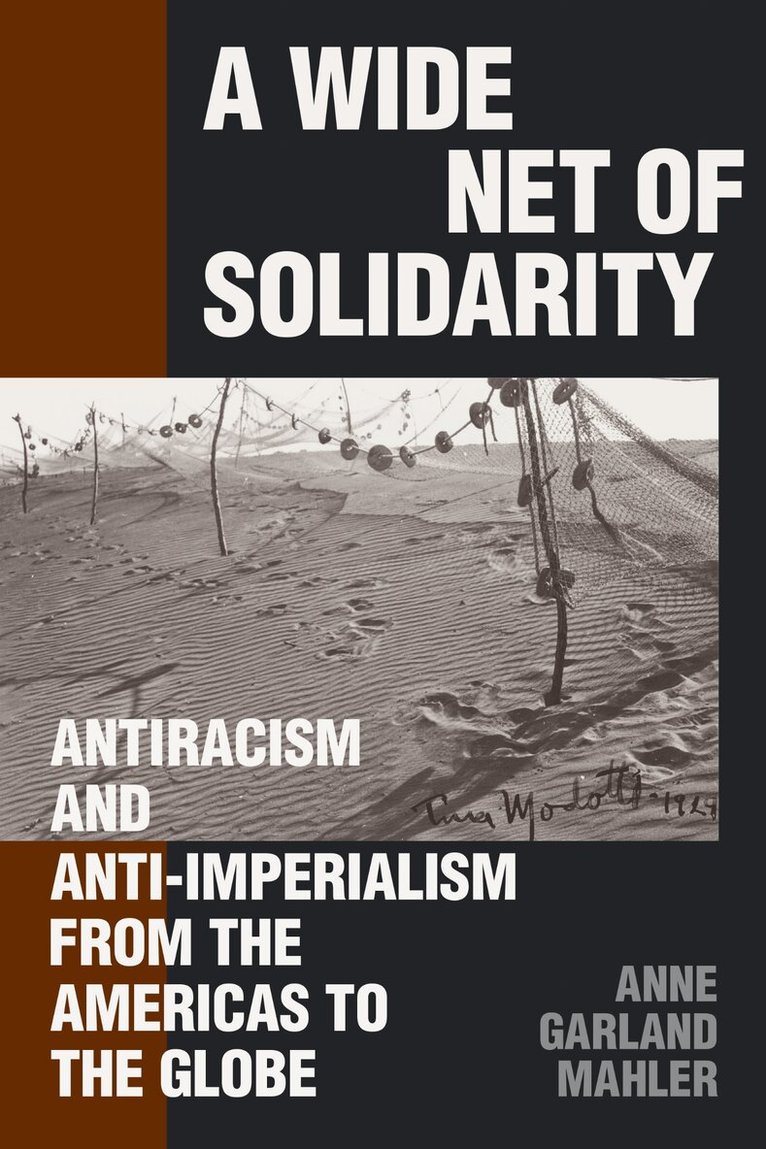
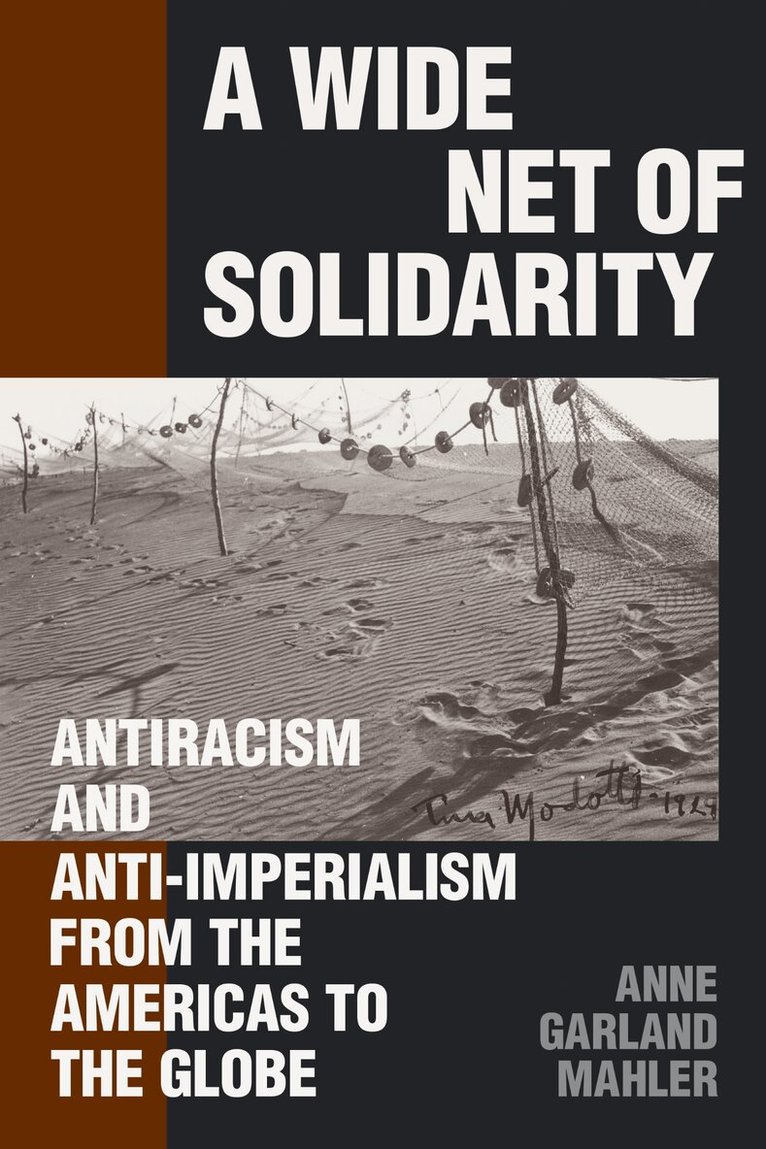
In A Wide Net of Solidarity, Anne Garland Mahler traces the impact of the Anti-Imperialist League of the Americas (LADLA,Liga Antimperialista de las AmÉricas) on racial justice and anti-extractive struggles from the early twentieth century to the present. Founded in 1925 in Mexico City by a group of multinational activists, LADLA brought together trade unions, agrarian organizations, and artist groups across fourteen chapters in the Americas, with highest activity in the Greater Caribbean and United States. Within two years, LADLA activists joined the League Against Imperialism, formed at the 1927 Brussels Congress, where they met with US Black activists and anticolonial leaders from Africa and Asia. Drawing on extensive archival research, Mahler uncovers LADLA’s role in fostering Black, Indigenous, and immigrant-led resistance movements while positioning these struggles within a broader hemispheric and global struggle against the racialized accumulation of capital. By unearthing LADLA’s multiracial analysis of capitalist exploitation as well as its emphasis on mutual solidarity across difference, Mahler shows us how the organization provides vital insight for social movements fighting racial and economic injustice today.
Inbunden, Engelska, 2026
1 147 kr
Skickas inom 5-8 vardagar
In The Invention of Order, Don Thomas Deere retraces the colonial origins of spatial organization in the Americas and the Caribbean and its lasting impact on modern structures of knowledge, power, race, gender as well as understandings of global modernity. The coloniality of space dispossessed Indigenous, African, and mixed populations as it constructed new systems of control and movement. Deere demonstrates how these developments manifested, among other forms, in urban grid patterns imposed during the development of Spanish colonial cities as well as totalizing trade routes crisscrossing the Atlantic. Drawing on a range of thinkers including Enrique Dussel, Édouard Glissant, and Sylvia Wynter, Deere reveals how movement - who travels, who settles, and who is excluded - becomes an essential component of control under colonial rule. Against the violence of spatial reordering, Deere outlines how novel forms of resistance and insurgency geographies still take hold, particularly in the Caribbean, where landscapes remain excessive, eruptive, and uncaptured by the order of modernity.
Häftad, Engelska, 2025
309 kr
Skickas inom 5-8 vardagar
In A Wide Net of Solidarity, Anne Garland Mahler traces the impact of the Anti-Imperialist League of the Americas (LADLA,Liga Antimperialista de las AmÉricas) on racial justice and anti-extractive struggles from the early twentieth century to the present. Founded in 1925 in Mexico City by a group of multinational activists, LADLA brought together trade unions, agrarian organizations, and artist groups across fourteen chapters in the Americas, with highest activity in the Greater Caribbean and United States. Within two years, LADLA activists joined the League Against Imperialism, formed at the 1927 Brussels Congress, where they met with US Black activists and anticolonial leaders from Africa and Asia. Drawing on extensive archival research, Mahler uncovers LADLA’s role in fostering Black, Indigenous, and immigrant-led resistance movements while positioning these struggles within a broader hemispheric and global struggle against the racialized accumulation of capital. By unearthing LADLA’s multiracial analysis of capitalist exploitation as well as its emphasis on mutual solidarity across difference, Mahler shows us how the organization provides vital insight for social movements fighting racial and economic injustice today.
Häftad, Engelska, 2026
263 kr
Skickas
In The Invention of Order, Don Thomas Deere retraces the colonial origins of spatial organization in the Americas and the Caribbean and its lasting impact on modern structures of knowledge, power, race, gender as well as understandings of global modernity. The coloniality of space dispossessed Indigenous, African, and mixed populations as it constructed new systems of control and movement. Deere demonstrates how these developments manifested, among other forms, in urban grid patterns imposed during the development of Spanish colonial cities as well as totalizing trade routes crisscrossing the Atlantic. Drawing on a range of thinkers including Enrique Dussel, Édouard Glissant, and Sylvia Wynter, Deere reveals how movement - who travels, who settles, and who is excluded - becomes an essential component of control under colonial rule. Against the violence of spatial reordering, Deere outlines how novel forms of resistance and insurgency geographies still take hold, particularly in the Caribbean, where landscapes remain excessive, eruptive, and uncaptured by the order of modernity.