Science & Engineering Education Sources - Böcker
Visar alla böcker i serien Science & Engineering Education Sources. Handla med fri frakt och snabb leverans.
12 produkter
12 produkter
580 kr
Skickas inom 7-10 vardagar
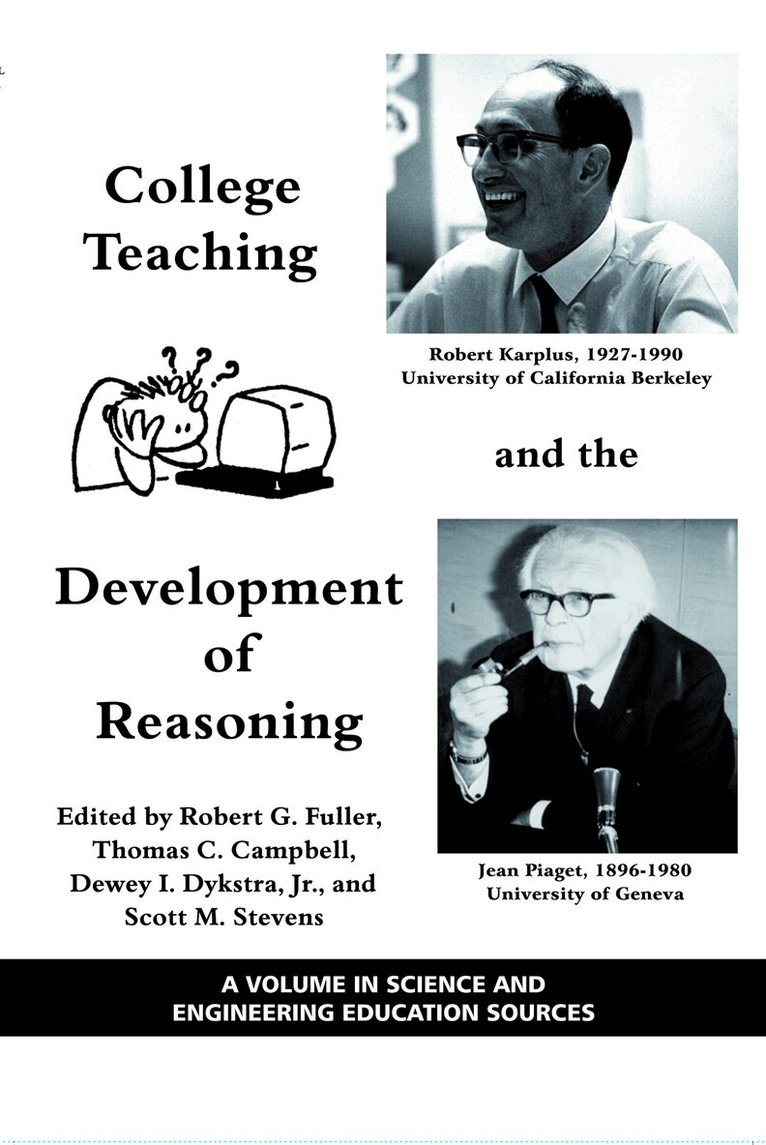
This book is intended to offer college faculty members the insights of the development of reasoning movement that enlighten physics educators in the late 1970s and led to a variety of college programs directed at improving the reasoning patterns used by college students. While the original materials were directed at physics concepts, they quickly expanded to include other sciences and the humanities and social sciences. On-going developments in the field will be included.The editors have introduced new topics, including discussions of Vygotsky's ideas in relation to those of Piaget, of science education research progress since 1978, of constructivist learning theory applied to educational computer games and of applications from anthropology to zoology. These materials are especially relevant for consideration by current university faculty in all subjects.
1 025 kr
Skickas inom 7-10 vardagar
This book is intended to offer college faculty members the insights of the development of reasoning movement that enlighten physics educators in the late 1970s and led to a variety of college programs directed at improving the reasoning patterns used by college students. While the original materials were directed at physics concepts, they quickly expanded to include other sciences and the humanities and social sciences. On-going developments in the field will be included.The editors have introduced new topics, including discussions of Vygotsky's ideas in relation to those of Piaget, of science education research progress since 1978, of constructivist learning theory applied to educational computer games and of applications from anthropology to zoology. These materials are especially relevant for consideration by current university faculty in all subjects.
596 kr
Skickas inom 7-10 vardagar
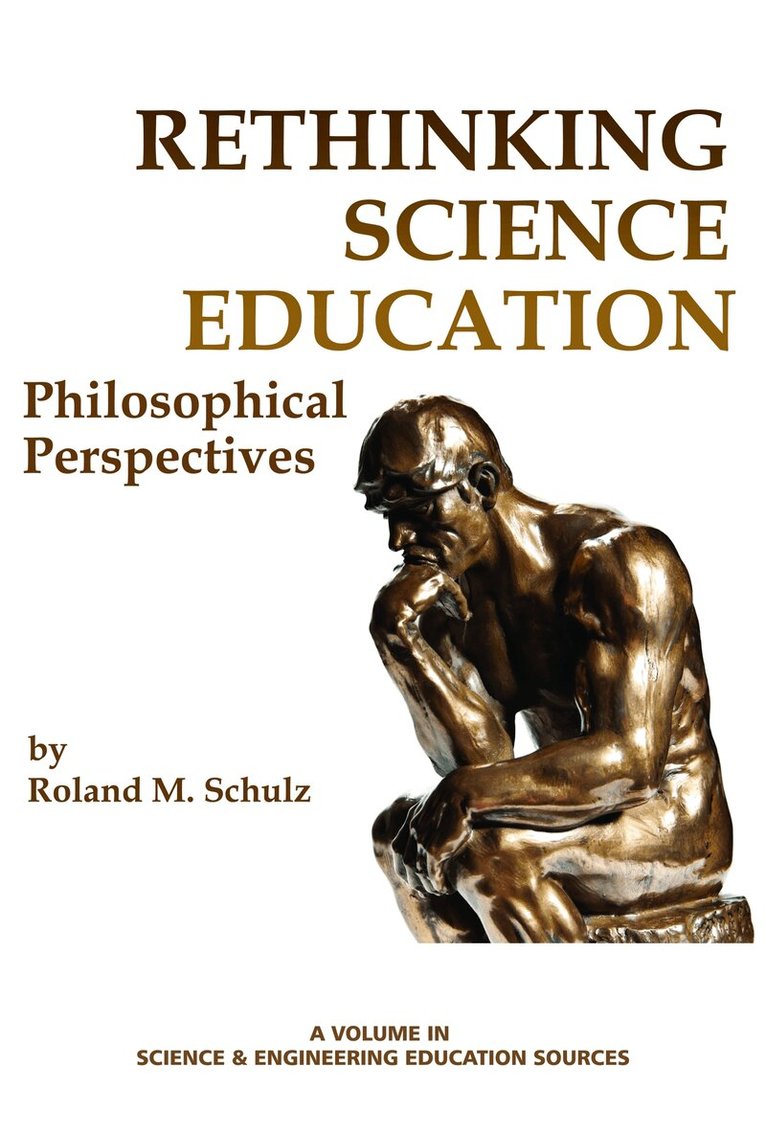
This book presents a “philosophy of science education” as a research field as well as its value for curriculum, instruction and teacher pedagogy. It seeks to re-think science education as an educational endeavour by examining why past reform efforts have been only partially successful, including why the fundamental goal of achieving scientific literacy after several “reform waves” has proven to be so elusive. The identity of such a philosophy is first defined in relation to the fields of philosophy, philosophy of science, and philosophy of education. It argues that educational theory can support teacher’s pedagogical content knowledge and that history, philosophy and sociology of science should inform and influence pedagogy. Some case studies are provided which examine the nature of science and the nature of language to illustrate why and how a philosophy of science education contributes to science education reform. It seeks to contribute in general to the improvement of curriculum design and science teacher education. The perspective to be taken on board is that to teach science is to have a philosophical frame of mind—about the subject, about education, about one’s personal teacher identity.
1 055 kr
Skickas inom 7-10 vardagar
This book presents a “philosophy of science education” as a research field as well as its value for curriculum, instruction and teacher pedagogy. It seeks to re-think science education as an educational endeavour by examining why past reform efforts have been only partially successful, including why the fundamental goal of achieving scientific literacy after several “reform waves” has proven to be so elusive. The identity of such a philosophy is first defined in relation to the fields of philosophy, philosophy of science, and philosophy of education. It argues that educational theory can support teacher’s pedagogical content knowledge and that history, philosophy and sociology of science should inform and influence pedagogy. Some case studies are provided which examine the nature of science and the nature of language to illustrate why and how a philosophy of science education contributes to science education reform. It seeks to contribute in general to the improvement of curriculum design and science teacher education. The perspective to be taken on board is that to teach science is to have a philosophical frame of mind—about the subject, about education, about one’s personal teacher identity.
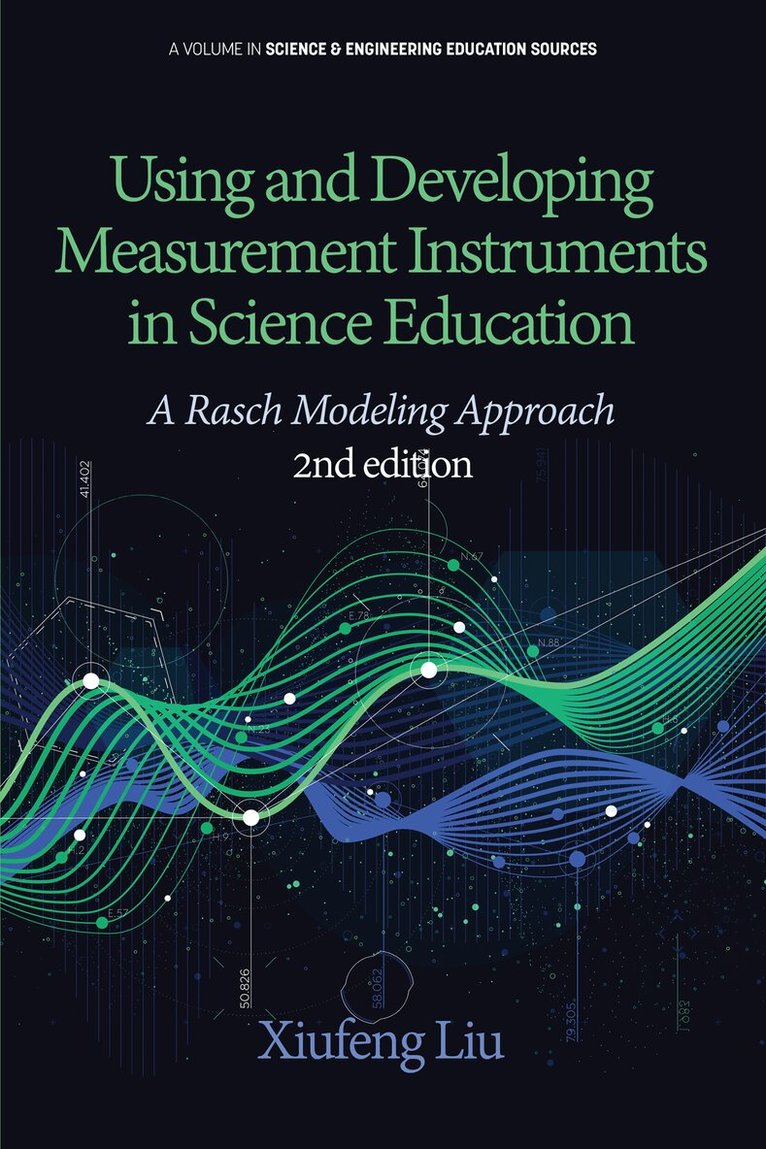
Using and Developing Measurement Instruments in Science Education
A Rasch Modeling Approach
Häftad, Engelska, 2020
662 kr
Skickas inom 7-10 vardagar
This book meets a demand in the science education community for a comprehensive and introductory measurement book in science education. It describes measurement instruments reported in refereed science education research journals, and introduces the Rasch modeling approach to developing measurement instruments in common science assessment domains, i.e. conceptual understanding, affective variables, science inquiry, learning progression, and learning environments. This book can help readers develop a sound understanding of measurement theories and approaches, particularly Rasch modeling, to using and developing measurement instruments for science education research.This book is for anyone who is interested in knowing what measurement instruments are available and how to develop measurement instruments for science education research. For example, this book can be a textbook for a graduate course in science education research methods; it helps graduate students develop competence in using and developing standardized measurement instruments for science education research. Science education researchers, both beginning and experienced, may use this book as a reference for locating available and developing new measurement instruments when conducting a research study.
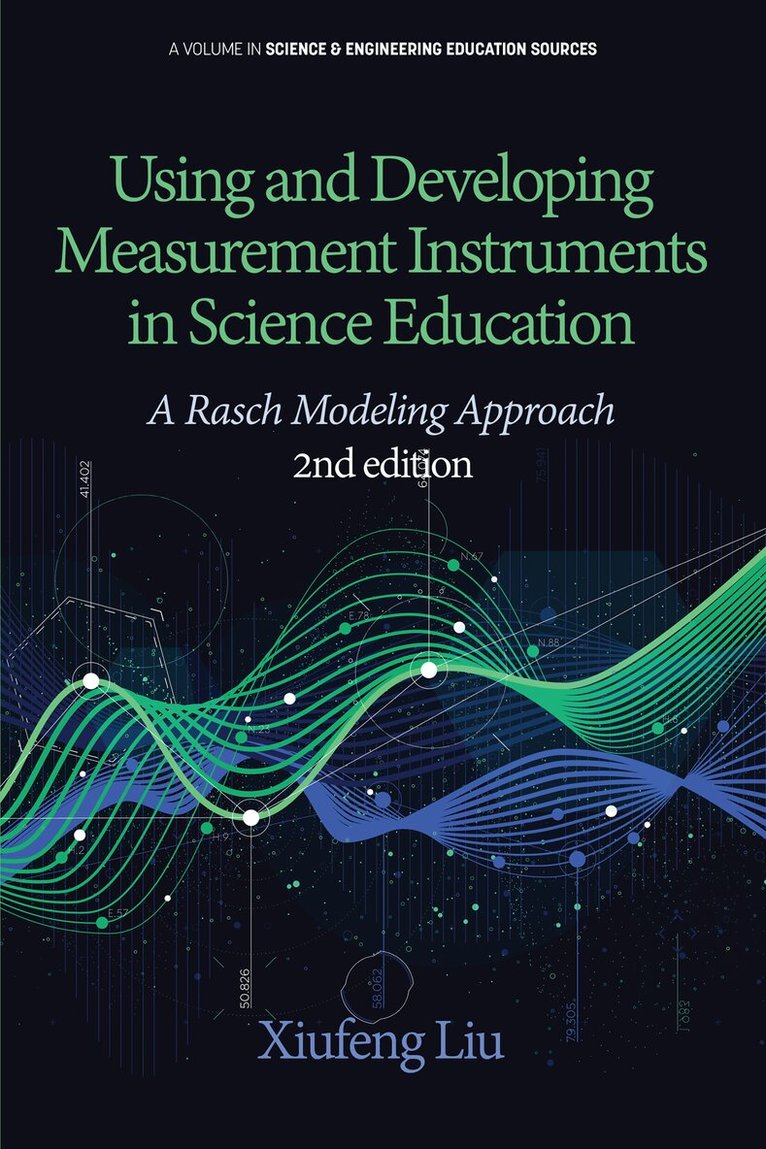
Using and Developing Measurement Instruments in Science Education
A Rasch Modeling Approach
Inbunden, Engelska, 2020
1 120 kr
Skickas inom 7-10 vardagar
This book meets a demand in the science education community for a comprehensive and introductory measurement book in science education. It describes measurement instruments reported in refereed science education research journals, and introduces the Rasch modeling approach to developing measurement instruments in common science assessment domains, i.e. conceptual understanding, affective variables, science inquiry, learning progression, and learning environments. This book can help readers develop a sound understanding of measurement theories and approaches, particularly Rasch modeling, to using and developing measurement instruments for science education research.This book is for anyone who is interested in knowing what measurement instruments are available and how to develop measurement instruments for science education research. For example, this book can be a textbook for a graduate course in science education research methods; it helps graduate students develop competence in using and developing standardized measurement instruments for science education research. Science education researchers, both beginning and experienced, may use this book as a reference for locating available and developing new measurement instruments when conducting a research study.
516 kr
Skickas inom 7-10 vardagar
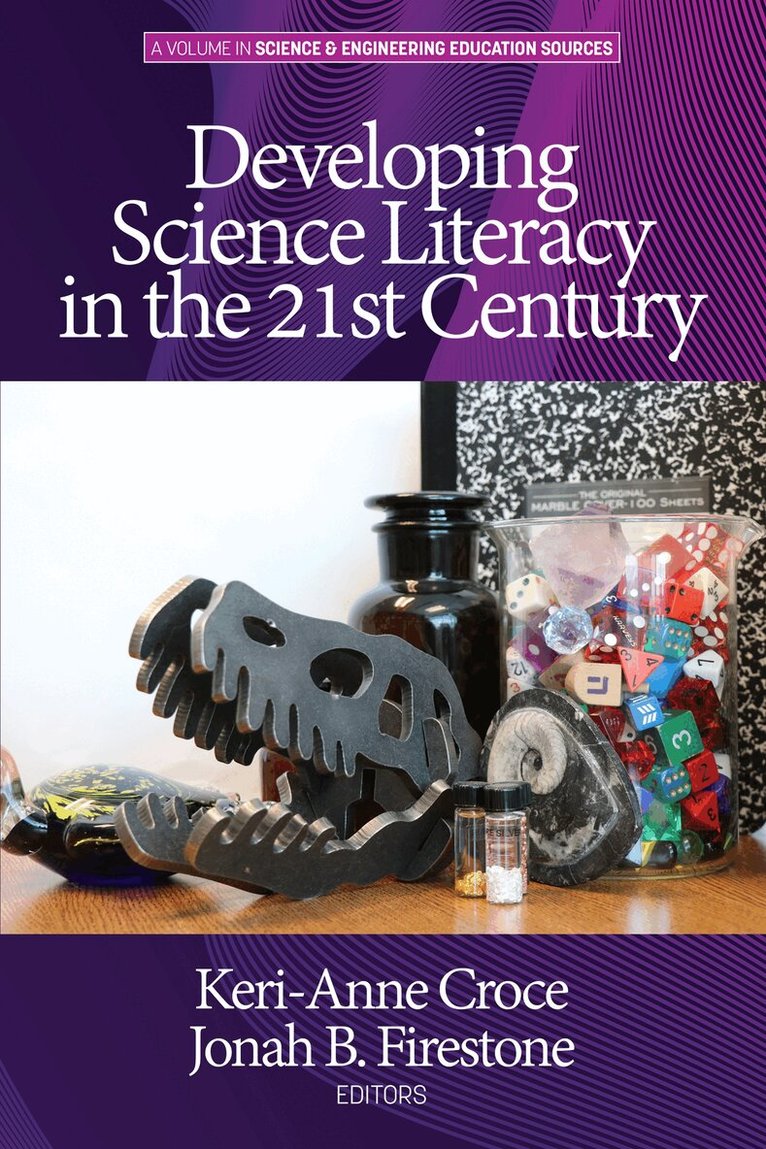
The development of science literacy has the potential to have an enormous impact on real world outcomes. Specifically, developing science literacy may persuade individuals to act. We hope that this book will influence scientists, science journalists, sociologists, anthropologists, communication specialists, political leaders, media outlets, educational institutions, and individual science content consumers.The chapters in this book describe a definition of science literacy that draws on the emotional, cognitive, and social. The authors strive to help prepare individuals to read, write, and speak science in a continuously evolving information landscape. In order to meet these objectives, the chapters examine both qualitative and quantitative research. It is within these frameworks that we can begin to address science literacy in the 21st century.
952 kr
Skickas inom 7-10 vardagar
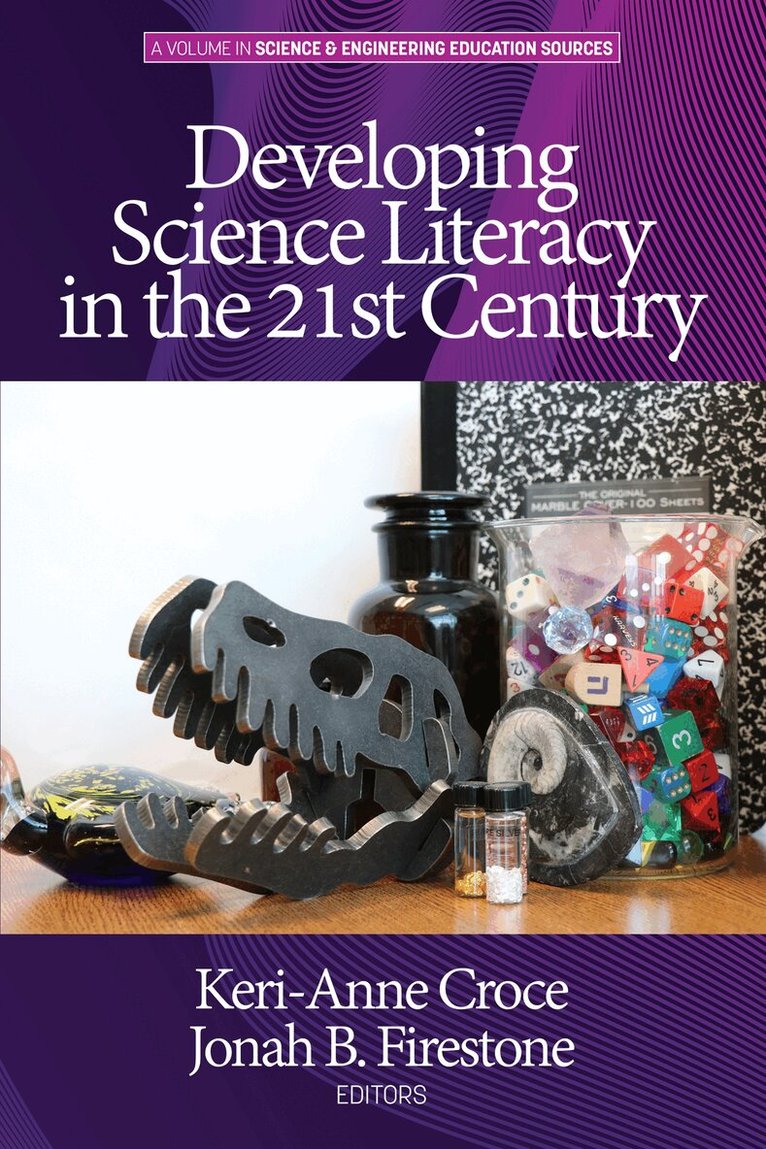
The development of science literacy has the potential to have an enormous impact on real world outcomes. Specifically, developing science literacy may persuade individuals to act. We hope that this book will influence scientists, science journalists, sociologists, anthropologists, communication specialists, political leaders, media outlets, educational institutions, and individual science content consumers.The chapters in this book describe a definition of science literacy that draws on the emotional, cognitive, and social. The authors strive to help prepare individuals to read, write, and speak science in a continuously evolving information landscape. In order to meet these objectives, the chapters examine both qualitative and quantitative research. It is within these frameworks that we can begin to address science literacy in the 21st century.
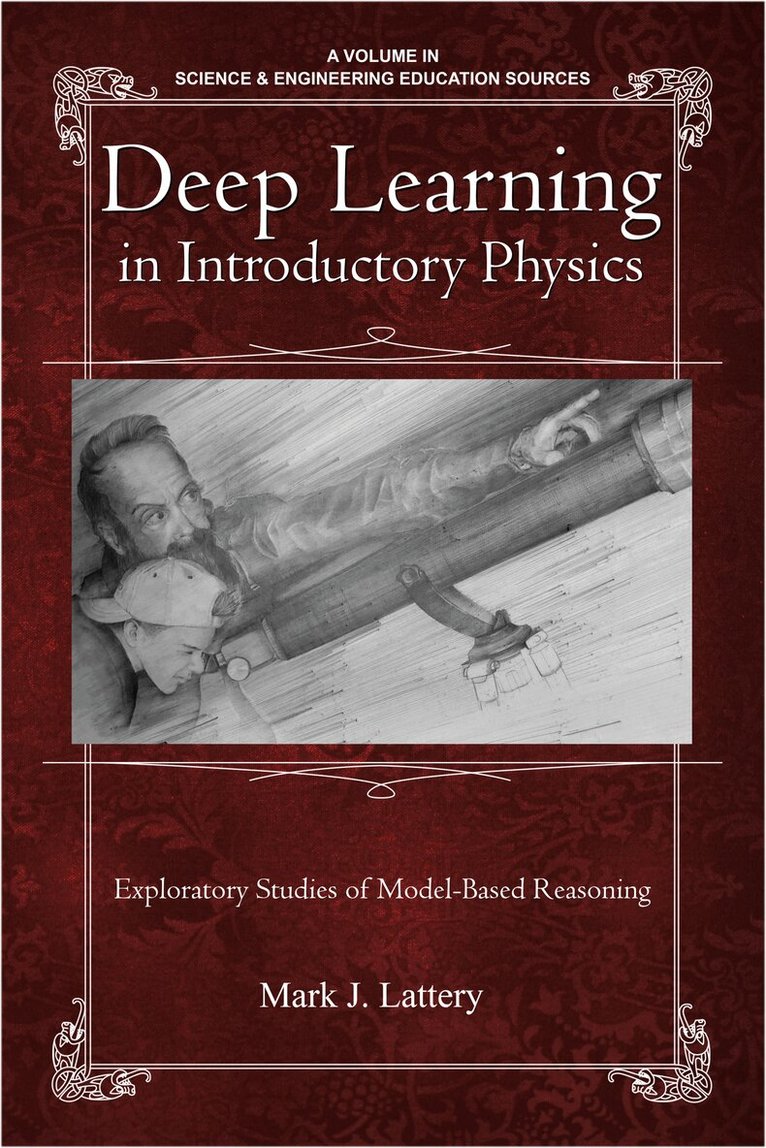
Deep Learning in Introductory Physics
Exploratory Studies of Model Based Reasoning
Häftad, Engelska, 2016
580 kr
Skickas inom 7-10 vardagar
Deep Learning in Introductory Physics: Exploratory Studies of Model-Based Reasoning is concerned with the broad question of how students learn physics in a model-centered classroom. The diverse, creative, and sometimes unexpected ways students construct models, and deal with intellectual conflict, provide valuable insights into student learning and cast a new vision for physics teaching. This book is the first publication in several years to thoroughly address the 'coherence versus fragmentation' debate in science education, and the first to advance and explore the hypothesis that deep science learning is regressive and revolutionary. Deep Learning in Introductory Physics also contributes to a growing literature on the use of history and philosophy of science to confront difficult theoretical and practical issues in science teaching, and addresses current international concern over the state of science education and appropriate standards for science teaching and learning.The book is divided into three parts. Part I introduces the framework, agenda, and educational context of the book. An initial study of student modeling raises a number of questions about the nature and goals of physics education. Part II presents the results of four exploratory case studies. These studies reproduce the results of Part I with a more diverse sample of students; under new conditions (a public debate, peer discussions, and group interviews); and with new research prompts (model-building software, bridging tasks, and elicitation strategies). Part III significantly advances the emergent themes of Parts I and II through historical analysis and a review of physics education research.
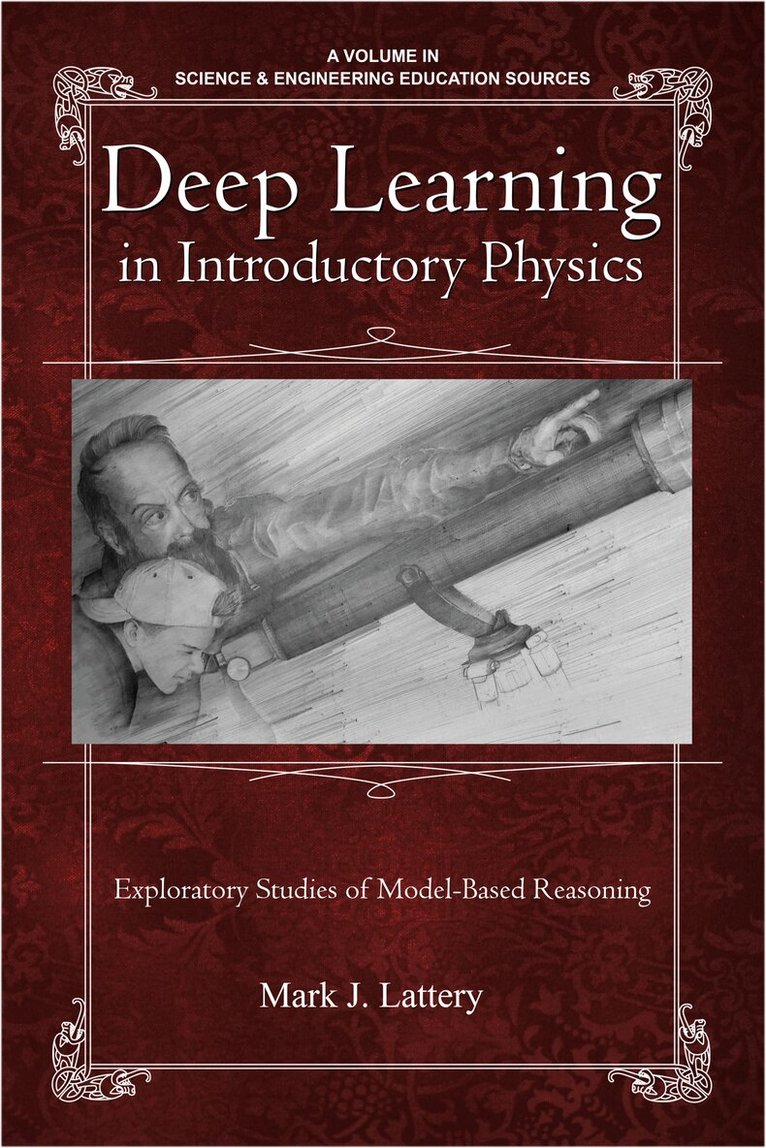
Deep Learning in Introductory Physics
Exploratory Studies of Model Based Reasoning
Inbunden, Engelska, 2016
1 025 kr
Skickas inom 7-10 vardagar
Deep Learning in Introductory Physics: Exploratory Studies of Model-Based Reasoning is concerned with the broad question of how students learn physics in a model-centered classroom. The diverse, creative, and sometimes unexpected ways students construct models, and deal with intellectual conflict, provide valuable insights into student learning and cast a new vision for physics teaching. This book is the first publication in several years to thoroughly address the 'coherence versus fragmentation' debate in science education, and the first to advance and explore the hypothesis that deep science learning is regressive and revolutionary. Deep Learning in Introductory Physics also contributes to a growing literature on the use of history and philosophy of science to confront difficult theoretical and practical issues in science teaching, and addresses current international concern over the state of science education and appropriate standards for science teaching and learning.The book is divided into three parts. Part I introduces the framework, agenda, and educational context of the book. An initial study of student modeling raises a number of questions about the nature and goals of physics education. Part II presents the results of four exploratory case studies. These studies reproduce the results of Part I with a more diverse sample of students; under new conditions (a public debate, peer discussions, and group interviews); and with new research prompts (model-building software, bridging tasks, and elicitation strategies). Part III significantly advances the emergent themes of Parts I and II through historical analysis and a review of physics education research.
531 kr
Skickas inom 7-10 vardagar
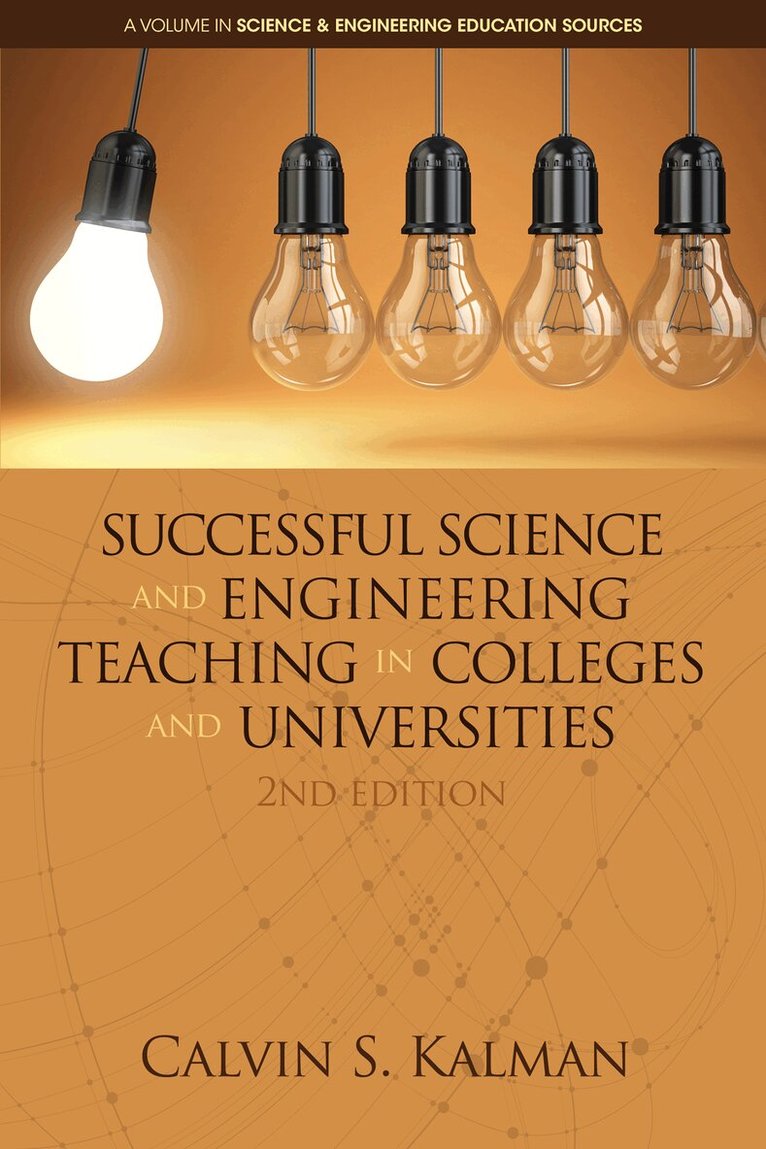
Based on the author's work in science and engineering educational research, this book offers broad, practical strategies for teaching science and engineering courses and describes how faculty can provide a learning environment that helps students comprehend the nature of science, understand science concepts, and solve problems in science courses.This book's student-centered approach focuses on two main themes: writing to learn (especially Reflective Writing) and interactive activities (collaborative groups and labatorials). When faculty incorporate these methods into their courses, students gain a better understanding of science as a connected structure of concepts rather than as a toolkit of assorted practices.
980 kr
Skickas inom 7-10 vardagar
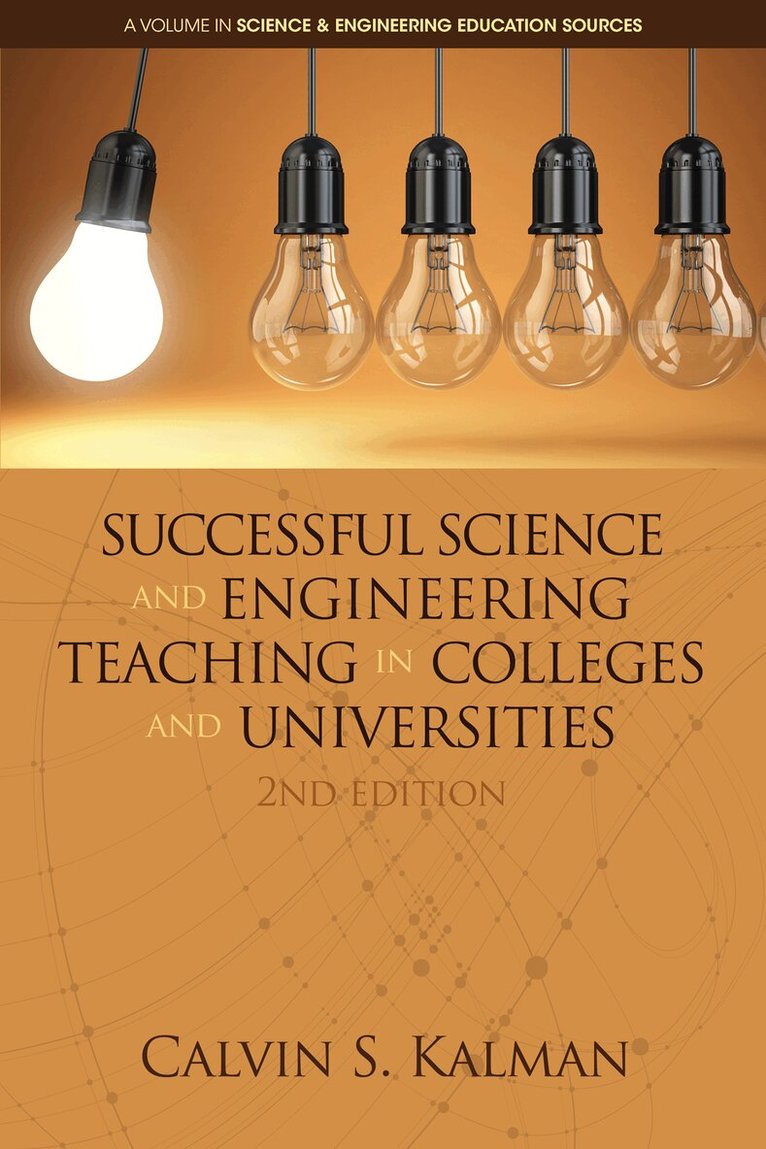
Based on the author's work in science and engineering educational research, this book offers broad, practical strategies for teaching science and engineering courses and describes how faculty can provide a learning environment that helps students comprehend the nature of science, understand science concepts, and solve problems in science courses.This book's student-centered approach focuses on two main themes: writing to learn (especially Reflective Writing) and interactive activities (collaborative groups and labatorials). When faculty incorporate these methods into their courses, students gain a better understanding of science as a connected structure of concepts rather than as a toolkit of assorted practices.