United Nations Intellectual History Project Series - Böcker
Visar alla böcker i serien United Nations Intellectual History Project Series. Handla med fri frakt och snabb leverans.
13 produkter
13 produkter
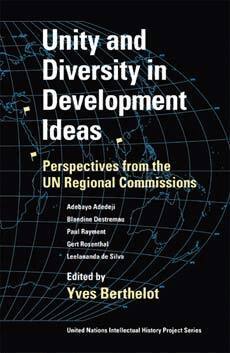
Unity and Diversity in Development Ideas
Perspectives from the UN Regional Commissions
Häftad, Engelska, 2004
368 kr
Skickas inom 10-15 vardagar
This second volume from the United Nations Intellectual History Project surveys the history of the UN's regional commissions and the ideas they have developed over the last 40 years. Each essay is devoted to one of the five regional commissions—Europe, Asia and the Far East, Latin America, Africa, and Western Asia—and how it has approached its mission of assessing the condition of regional economies and making prognoses about future conditions. The essays describe how each commission has added local perspectives to global debates over economic development and brought an authentic regional voice to the UN.Contributors are Adebayo Adedeji, Yves Berthelot, Leelananda de Silva, Blandine Destremau, Paul Rayment, and Gert Rosenthal.
324 kr
Skickas inom 10-15 vardagar
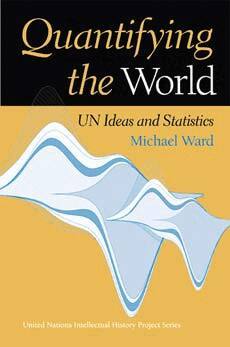
Good data, Michael Ward argues, serve to enhance a perception about life as well as to deepen an understanding of reality. This history of the UN's role in fostering international statistics in the postwar period demonstrates how statistics have shaped our understanding of the world. Drawing on well over 40 years of experience working as a statistician and economist in more than two dozen countries around the world, Ward traces the evolution of statistical ideas and how they have responded to the needs of policy while unraveling the question of why certain data were considered important and why other data and concerns were not. The book explores the economic, social, and environmental dimensions of the UN's statistical work and how each dimension has provided opportunities for describing the well-being of the world community. Quantifying the World also reveals some of the missed opportunities for pursuing alternative models.
422 kr
Skickas inom 10-15 vardagar
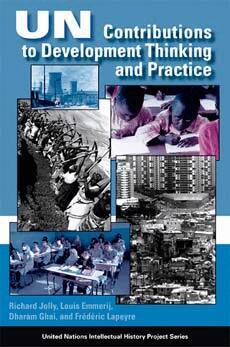
UN Contributions to Development Thinking and Practice is at once a history of the ideas and realities of international development, from the classical economists to the recent emphasis on human rights, and a history of the UN's role in shaping and implementing development paradigms over the last half century. The authors, all prominent in the field of development studies, argue that the UN's founding document, the UN Charter, is infused with the human values and human concerns that are at the center of the UN's thinking on economic and human development today. In the intervening period, the authors show how the UN's approach to development evolved from mainstream areas of economic development to include issues of employment, poverty reduction, fairer distribution of the benefits of growth, equality of men and women, child development, social justice, and environmental sustainability.
314 kr
Skickas inom 10-15 vardagar
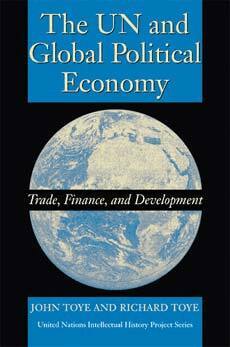
Against the backdrop of a 20-year revolt against free trade orthodoxy by economists inside the UN and their impact on policy discussions since the 1960s, the authors show how the UN both nurtured and inhibited creative and novel intellectual contributions to the trade and development debate. Presenting a stirring account of the main UN actors in this debate, The UN and Global Political Economy focuses on the accomplishments and struggles of UN economists and the role played by such UN agencies as the Department of Economic (and Social) Affairs, the United Nations Commission on Trade and Development, and the Economic Commission for Latin America (and the Caribbean). It also looks closely at the effects of the Latin American debt crisis of the 1980s, the growing strength of the World Trade Organization (WTO) in the 1990s, and the lessons to be drawn from these and other recent developments.
310 kr
Skickas inom 7-10 vardagar
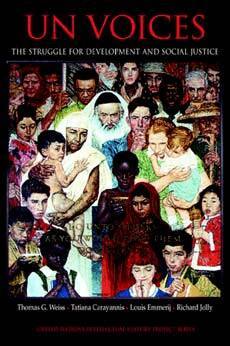
"The authors have cajoled, intrigued, or reassured their 73 'voices' into telling a fascinating story of the UN and its institutions, which is also a story of 73 individual lives, of women and men . . . with their own complicated histories of emigration and education, family relationships and professional choices, hopes and successes." —from the Foreword by Emma Rothschild"Far from being a distant bureaucracy, the UN is composed of individuals who are reshaped by vital experiences. UN Voices gives international civil servants human faces and shows how ideas drive the grand experiment. It is a fascinating book." —Arthur Schlesinger, Jr.UN Voices presents the human and moving stories of an extraordinary group of individuals who contributed to the economic and social record of the UN's life and activities. Drawing from extensive interviews, the book presents in their own words the experiences of 73 individuals from around the globe who have spent much of their professional lives engaged in United Nations affairs. We hear from secretaries-general and presidents, ministers and professors, social workers and field workers, as well as diplomats and executive heads of UN agencies. Among those interviewed are noted figures such as Kofi Annan, Boutros Boutros-Ghali, Alister McIntyre, Conor Cruise O'Brien, Javier Pérez de Cuéllar, and Kurt Waldheim, as well as many less well known UN professional men and women who have made significant contributions to the international struggle for a better world. Their personal accounts also engage their contributions in dealing with such events and issues as the UN's founding, decolonization, the rise and fall of the Berlin Wall, human rights, the environment, and September 11, 2001.
231 kr
Skickas inom 7-10 vardagar
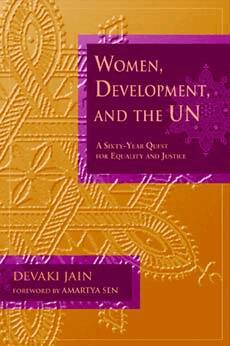
"Devaki Jain opens the doors of the United Nations and shows how it has changed the female half of the world—and vice versa. Women, Development, and the UN is a book that every global citizen, government leader, journalist, academic, and self-respecting woman should read." —Gloria Steinem"Devaki Jain's book nurtures your optimism in this terrible war-torn decade by describing how women succeeded in empowering both themselves and the United Nations to work toward a global leadership inspired by human dignity." —Fatema MernissiIn Women, Development, and the UN, internationally noted development economist and activist Devaki Jain traces the ways in which women have enriched the work of the United Nations from the time of its founding in 1945. Synthesizing insights from the extensive literature on women and development and from her own broad experience, Jain reviews the evolution of the UN's programs aimed at benefiting the women of developing nations and the impact of women's ideas about rights, equality, and social justice on UN thinking and practice regarding development. Jain presents this history from the perspective of the southern hemisphere, which recognizes that development issues often look different when viewed from the standpoint of countries in Africa, Asia, and Latin America. The book highlights the contributions of the four global women's conferences in Mexico City, Copenhagen, Nairobi, and Beijing in raising awareness, building confidence, spreading ideas, and creating alliances. The history that Jain chronicles reveals both the achievements of committed networks of women in partnership with the UN and the urgent work remaining to bring equality and justice to the world and its women.
363 kr
Skickas inom 7-10 vardagar
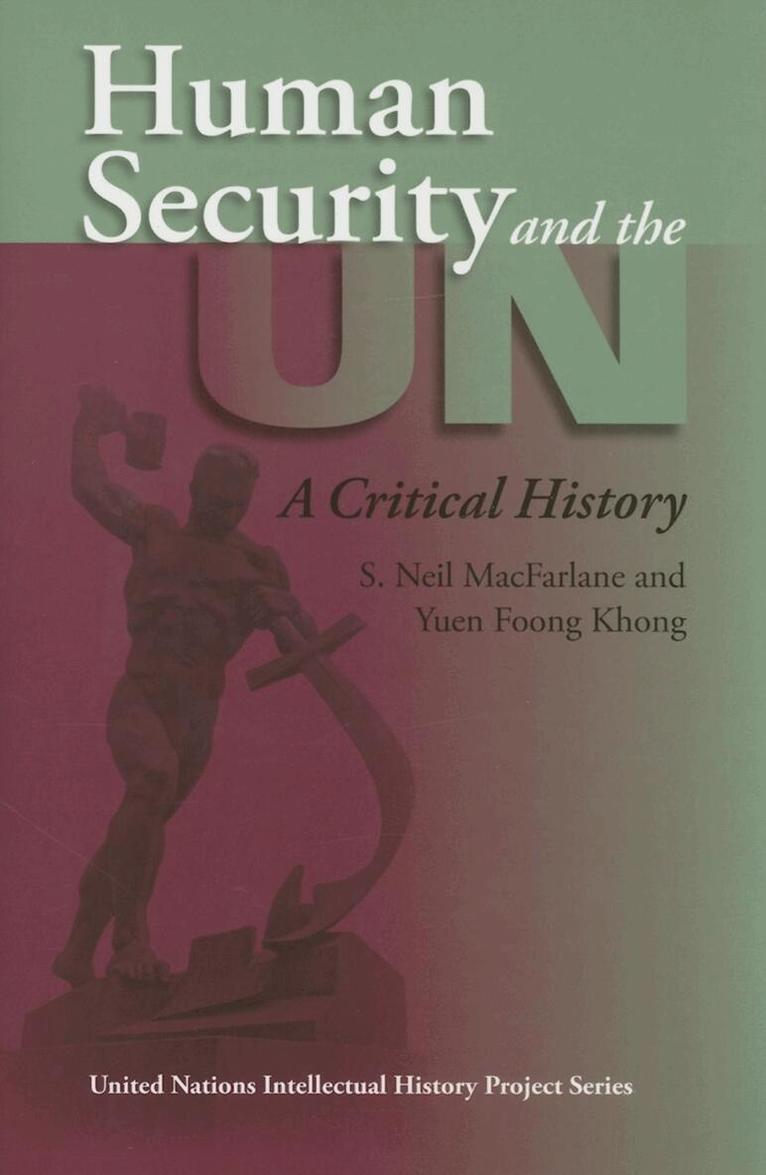
How did the individual human being become the focus of the contemporary discourse on security? What was the role of the United Nations in "securing" the individual? What are the payoffs and costs of this extension of the concept? Neil MacFarlane and Yuen Foong Khong tackle these questions by analyzing historical and contemporary debates about what is to be secured. From Westphalia through the 19th century, the state's claim to be the object of security was sustainable because it offered its subjects some measure of protection. The state's ability to provide security for its citizens came under heavy strain in the 20th century as a result of technological, strategic, and ideological innovations. By the end of World War II, efforts to reclaim the security rights of individuals gathered pace, as seen in the Universal Declaration of Human Rights and a host of United Nations covenants and conventions. MacFarlane and Khong highlight the UN's work in promoting human security ideas since the 1940s, giving special emphasis to its role in extending the notion of security to include development, economic, environmental, and other issues in the 1990s.
334 kr
Skickas inom 7-10 vardagar
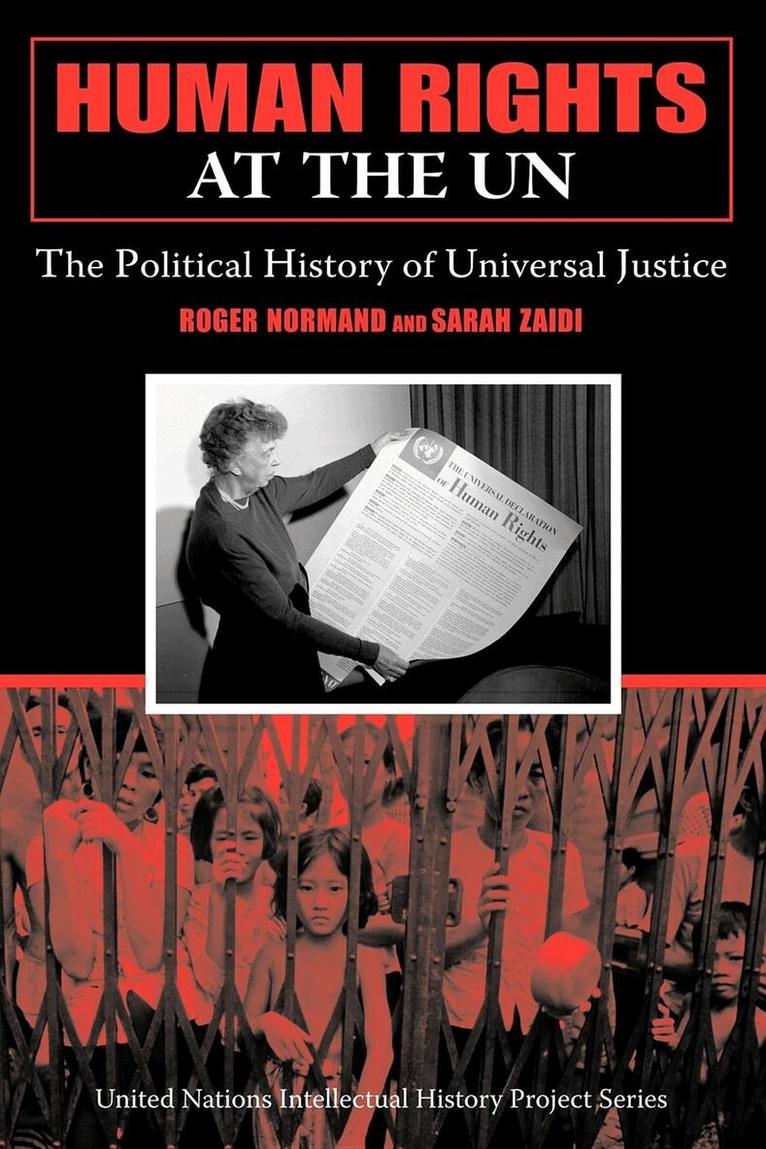
Human rights activists Roger Normand and Sarah Zaidi provide a broad political history of the emergence and development of the human rights movement in the 20th century through the crucible of the United Nations, focusing on the hopes and expectations, concrete power struggles, national rivalries, and bureaucratic politics that molded the international system of human rights law. The book emphasizes the period before and after the creation of the UN, when human rights ideas and proposals were shaped and transformed by the hard-edged realities of power politics and bureaucratic imperatives. It also analyzes the expansion of the human rights framework in response to demands for equitable development after decolonization and organized efforts by women, minorities, and other disadvantaged groups to secure international recognition of their rights.
284 kr
Skickas inom 7-10 vardagar
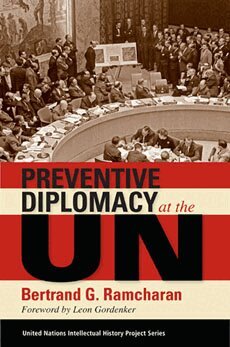
The concept of preventive diplomacy has captivated the United Nations since it was first articulated by Secretary-General Dag Hammarskjöld a half-century ago. Successive generations of diplomats and statesmen have invested in the idea that diplomatic efforts might be able to head off international conflicts and disasters. Dramatic successes, such as the Cuban Missile Crisis of 1962, contrast with dramatic failures, such as the inability of UN efforts to halt the invasion of Iraq in 2003. In this careful study, distinguished former UN civil servant Bertrand G. Ramcharan traces the history of the practice of preventive diplomacy by UN Secretaries-General, the Security Council, and other UN organizations, and assesses the record of preventive diplomacy and examines its prospects in an age of genocide and terrorism.
274 kr
Skickas inom 10-15 vardagar
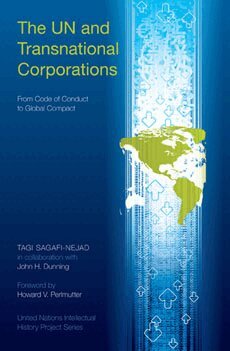
Are transnational corporations (TNCs) and foreign direct investment beneficial or harmful to societies around the world? Since the birth of the United Nations more than 60 years ago, these questions have been major issues of interest and involvement for UN institutions. What have been the key ideas generated by the UN about TNCs and their relations with nation-states? How have these ideas evolved and what has been their impact? This book examines the history of UN engagement with TNCs, including the creation of the UN Commission and Centre on Transnational Corporations in 1974, the failed efforts of these bodies to craft a code of conduct to temper the revealed abuses of TNCs, and, with the advent of globalization in the 1980s, the evolution of a more cooperative relationship between TNCs and developing countries, resulting in the 1999 Global Compact.
416 kr
Skickas inom 7-10 vardagar
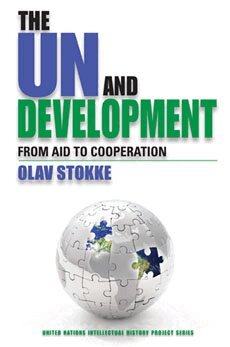
The UN and Development provides the first comprehensive overview of the development policies and activities of the United Nations system from the late 1940s to the present. With an explicit focus on the history of the ideas that have been generated, institutionalized, and implemented by UN organizations, this book examines changing trends in development paradigms from the concept of technical assistance to underdeveloped countries, as they were called in the late 1940s, to development cooperation in the 21st century. Olav Stokke traces this fascinating story and demonstrates the UN's essential role and its future challenges in aiding the least developed countries and the globe's billion poorest inhabitants.
257 kr
Skickas inom 7-10 vardagar
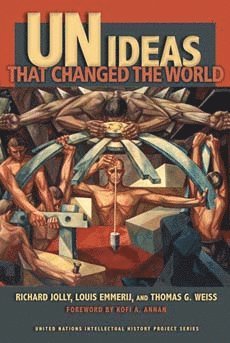
Ideas and concepts have been a driving force in human progress, and they may be the most important legacy of the United Nations. UN ideas have set past, present, and future international agendas in many global economic and social arenas and have also led to initiatives and actions that have improved the quality of human life. This capstone volume draws upon findings of the other 14 books in the acclaimed United Nations Intellectual History Project Series. The authors not only assess the development and implementation of UN ideas regarding sustainable economic development and human security, but also apply lessons learned to suggest ways in which the United Nations can play a fuller role in confronting the challenges of human survival with dignity in the 21st century.
323 kr
Skickas inom 7-10 vardagar
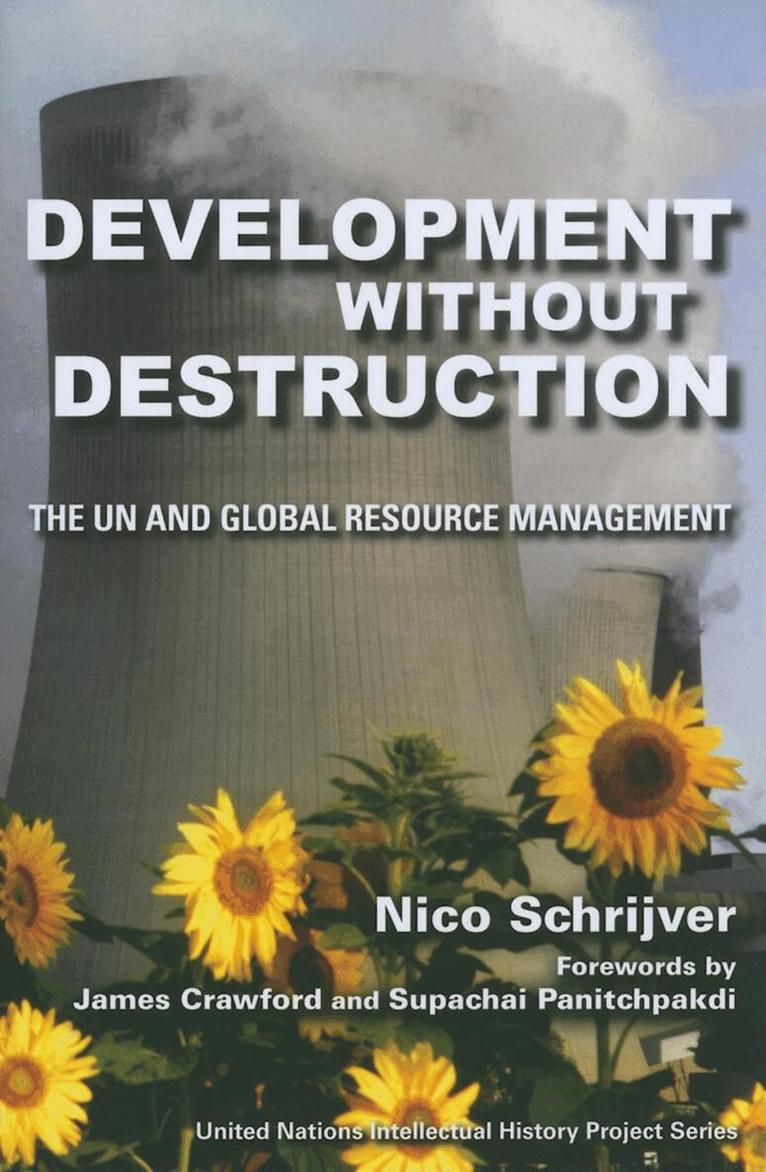
Since 1945, the UN has been actively engaged in conceptualizing strategies for both economic development and a sustainable environment. From a broad historical perspective, Development without Destruction sketches the role played by organizations and individuals in the UN system in developing and consolidating principles of international law and international governance with respect to natural resource management. Nico Schrijver highlights the UN's efforts to generate and implement strategies to resolve tensions between economic development and environmental protection, conservation and exploitation, sovereignty and internationalism, and armed conflict and peaceful access to natural resources. Schrijver's thorough analysis is an indispensable guide to management of the critical environmental issues on today's global agenda.