Women in Africa and the Diaspora – serie
Visar alla böcker i serien Women in Africa and the Diaspora. Handla med fri frakt och snabb leverans.
19 produkter
19 produkter
Häftad, Engelska, 2011
317 kr
Skickas inom 10-15 vardagar
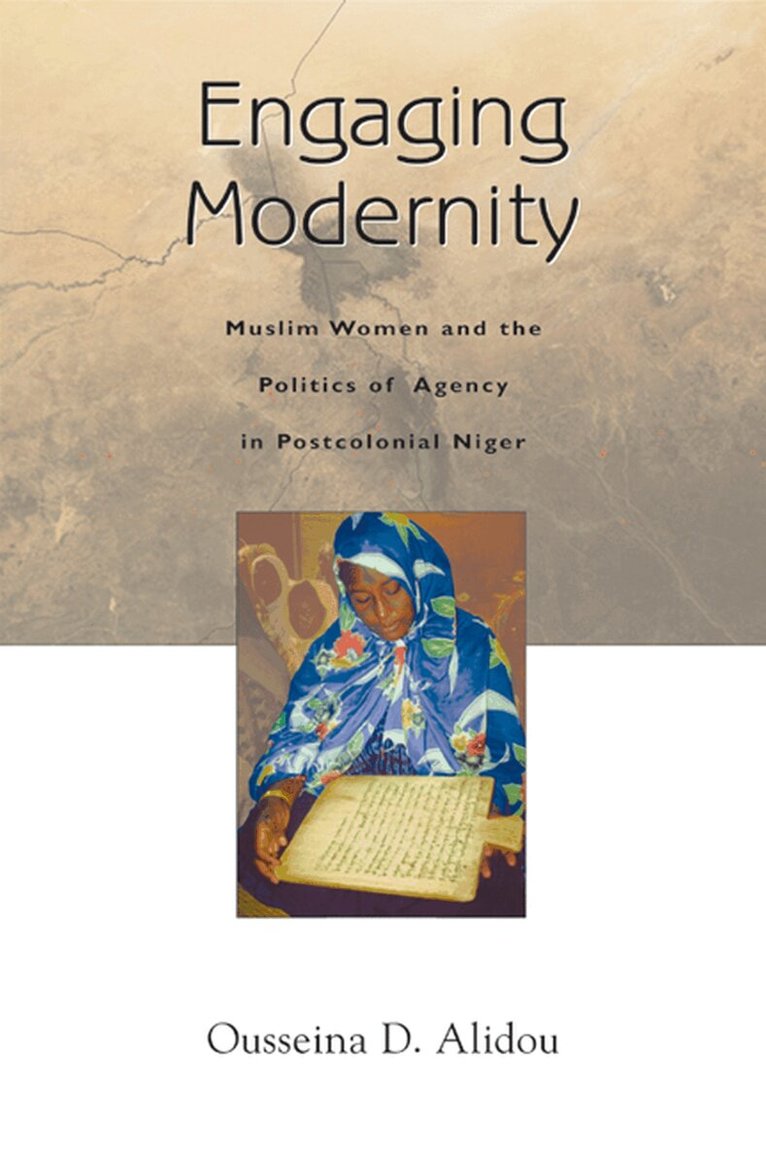
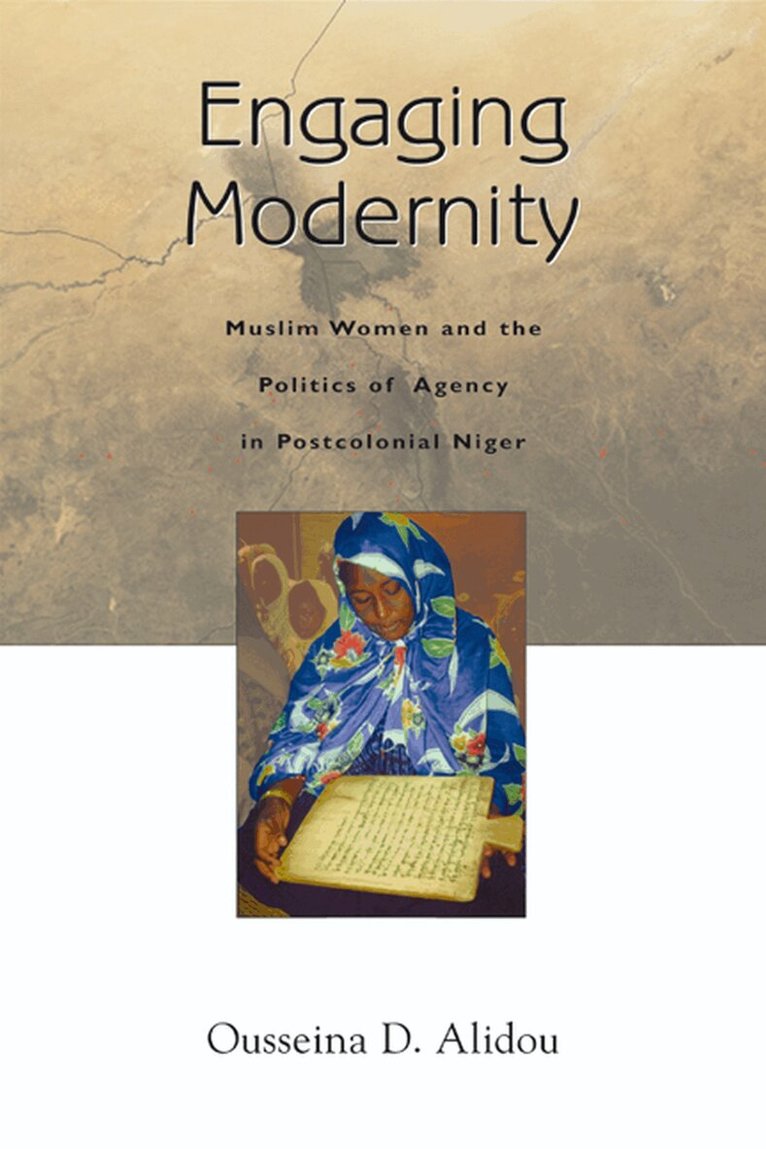
Provides a rich and compelling portrait of Muslim women in Niger as they confront the challenges and opportunities of the twentieth century. Contrary to Western stereotypes of passive subordination, these women are taking control of their own lives and resisting domination from indigenous traditions, westernisation, and Islam alike.
Häftad, Engelska, 2006
263 kr
Skickas inom 10-15 vardagar
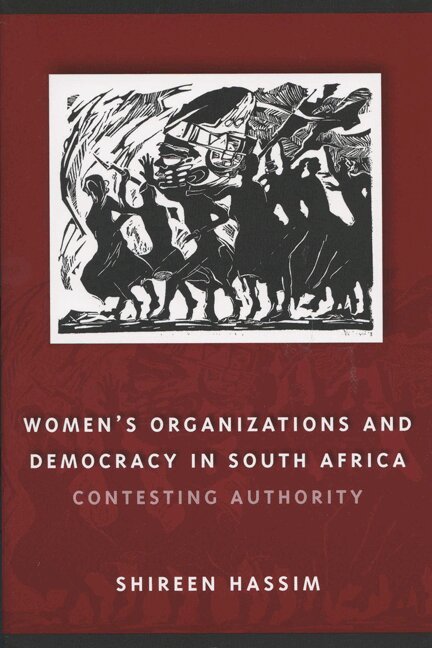
The transition to democracy in South Africa was one of the defining events in twentieth-century political history. The South African women's movement is one of the most celebrated on the African continent. Shireen Hassim examines interactions between the two as she explores the gendered nature of liberation and regime change. Her work reveals how women's political organizations both shaped, and were shaped by the broader democratic movement. Alternately asserting their political independence and giving precedence to the democratic movement as a whole, women activists proved flexible and remarkably successful in influencing policy. At the same time, their feminism was profoundly shaped by the context of democratic and nationalist ideologies. In reading the last twenty-five years of South African history through a feminist framework, Hassim offers fresh insights into the interactions between civil society, political parties, and the state. Hassim boldly confronts sensitive issues such as the tensions between autonomy and political dependency in feminists' engagement with the African National Congress (ANC) and other democratic movements, and black-white relations within women's organizations. She offers a historically informed discussion of the challenges facing feminist activists during a time of nationalist struggle and democratization.
Inbunden, Engelska, 2007
490 kr
Skickas inom 3-6 vardagar
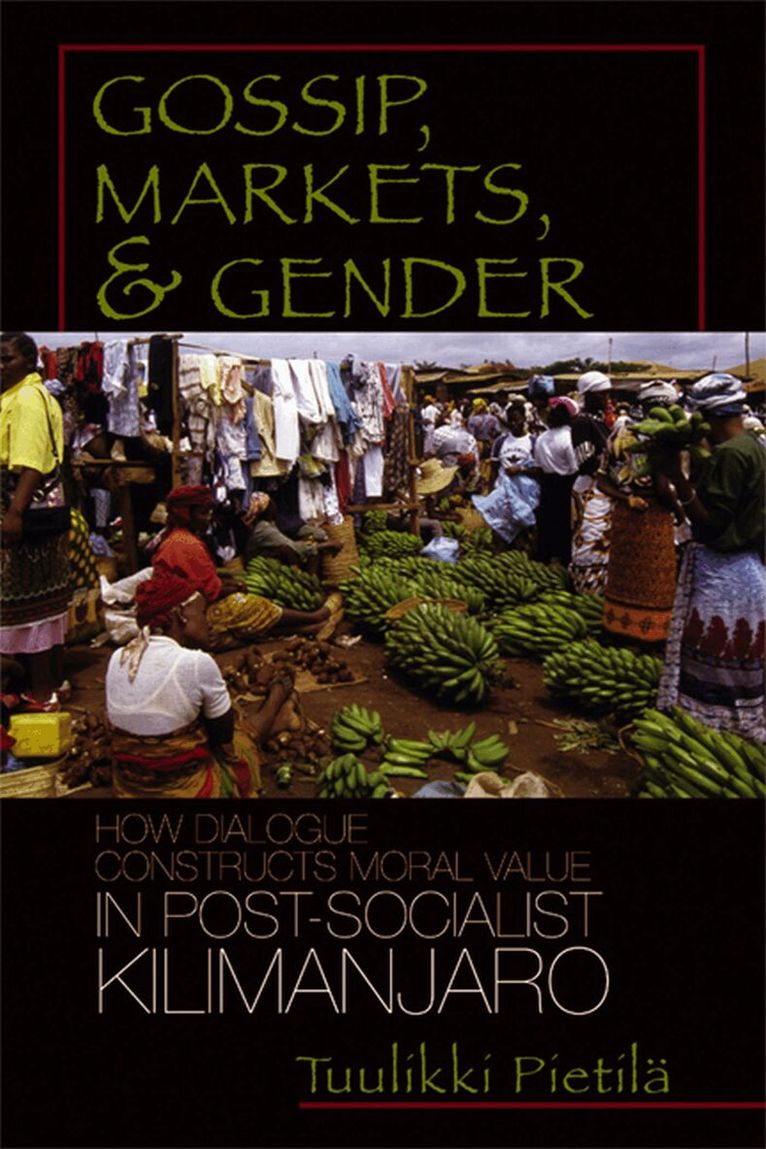
All traders are thieves, especially women traders, people often assured social anthropologist Tuulikki Pietila during her field work in Kilimanjaro, Tanzania, in the mid-1990s. Equally common were stories about businessmen who had ""bought a spirit"" for their enrichment. Pietila places these and similar comments in the context of the liberalization of the Tanzanian economy that began in the 1980s, when many men and women found themselves newly enmeshed in the burgeoning market economy. Even as emerging private markets strengthened the position of enterprising people, economic resources did not automatically lead to heightened social position. Instead, social recognition remained tied to a complex cultural negotiation through stories and gossip in markets, bars, and neighborhoods. With its rich ethnographic detail, ""Gossip, Markets, and Gender"" shows how gossip and the responses to it form an ongoing dialogue through which the moral reputations of trading women and businessmen, and cultural ideas about moral value and gender, are constructed and rethought. By combining a sociolinguistic study of talk, storytelling, and conversation with analysis of gender, the political economy of trading, and the moral economy of personhood, Pietila reveals a new perspective on the globalization of the market economy and its meaning and impact on the local level.
Inbunden, Engelska, 2007
593 kr
Skickas inom 5-8 vardagar
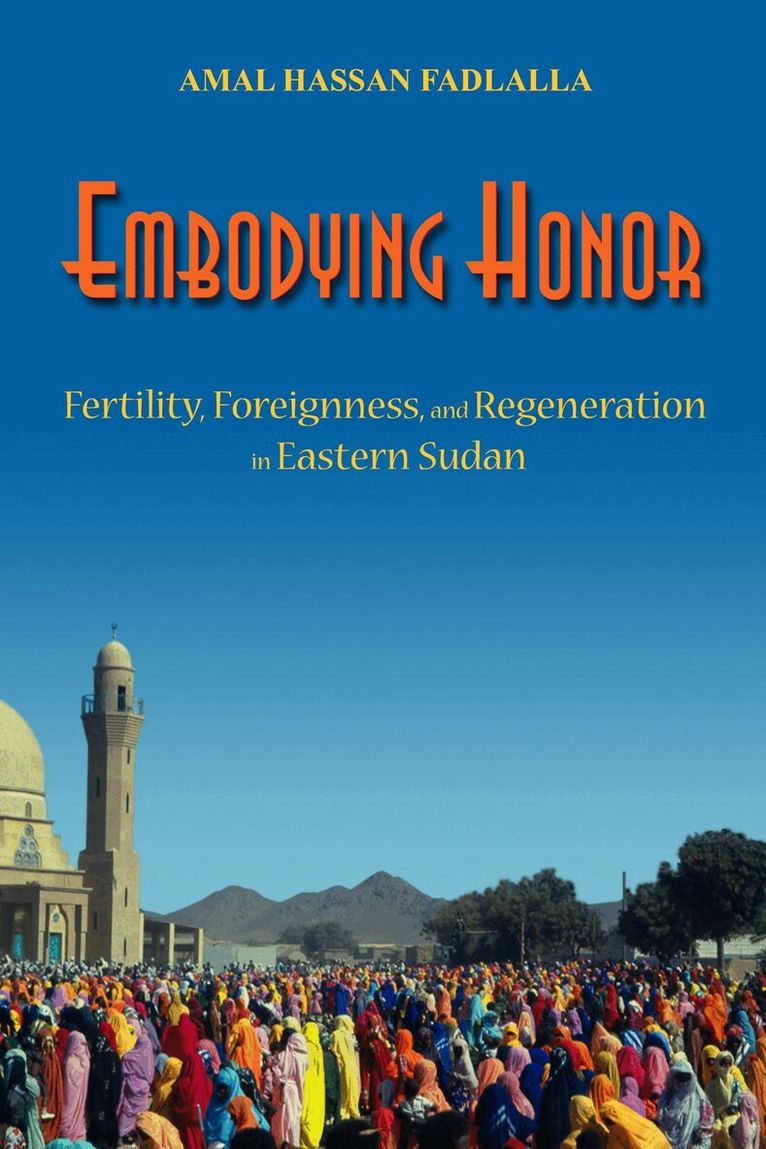
In the Red Sea Hills of eastern Sudan, where poverty, famines, and conflict loom large, women struggle to gain the status of responsible motherhood through bearing and raising healthy children, especially sons. But biological fate can be capricious in impoverished settings. Amidst struggle for survival and expectations of heroic mothering, women face realities that challenge their ability to fulfill their prescribed roles. Even as the effects of modernity and development, global inequities, and exclusionary government policies challenge traditional ways of life in eastern Sudan and throughout many parts of Africa, reproductive traumas - infertility, miscarriage, children's illnesses, and mortality - disrupt women's reproductive health and impede their efforts to achieve the status that comes with fertility and motherhood. In ""Embodying Honor"" Amal Hassan Fadlalla finds that the female body is the locus of anxieties about foreign dangers and diseases, threats perceived to be disruptive to morality, feminine identities, and social well-being. As a ""northern Sudanese"" viewed as an outsider in this region of her native country, Fadlalla presents an intimate portrait and thorough analysis that offers an intriguing commentary on the very notion of what constitutes the ""foreign."" Fadlalla shows how Muslim Hadendowa women manage health and reproductive suffering in their quest to become ""responsible"" mothers and valued members of their communities. Her historically grounded ethnography delves into women's reproductive histories, personal narratives, and ritual logics to reveal the ways in which women challenge cultural understandings of gender, honor, and reproduction.
Häftad, Engelska, 2010
427 kr
Skickas inom 10-15 vardagar
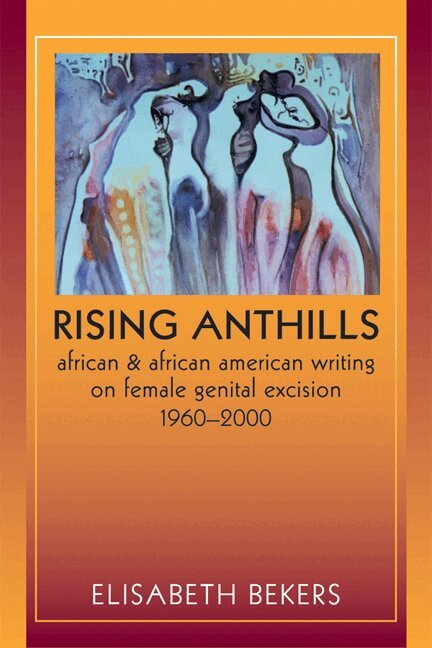
Female genital excision, or the ritual of cutting the external genitals of girls and women, is undoubtedly one of the most heavily and widely debated cultural traditions of our time. By looking at how writers of African descent have presented the practice in their literary work, Elisabeth Bekers shows how the debate on female genital excision evolved over the last four decades of the twentieth century, in response to changing attitudes about ethnicity, nationalism, colonialism, feminism, and human rights. Rising Anthills (the title refers to a Dogon myth) analyzes works in English, French, and Arabic by African and African American writers, both women and men, from different parts of the African continent and the diaspora. Attending closely to the nuances of language and the complexities of the issue, Bekers explores lesser-known writers side by side with such recognizable names as Ngugi wa Thiong'o, Flora Nwapa, Nawal El Saadawi, Ahmadou Kourouma, Calixthe Beyala, Alice Walker, and Gloria Naylor. Following their literary discussions of female genital excision, she discerns a gradual evolution—from the 1960s, when writers mindful of its communal significance carefully ""wrote around"" the physical operation, through the 1970s and 1980s, when they began to speak out against the practice and their societies' gender politics, to the late 1990s, when they situated their denunciations of female genital excision in a much broader, international context of women's oppression and the struggle for women's rights.
Häftad, Engelska, 2013
285 kr
Skickas inom 10-15 vardagar
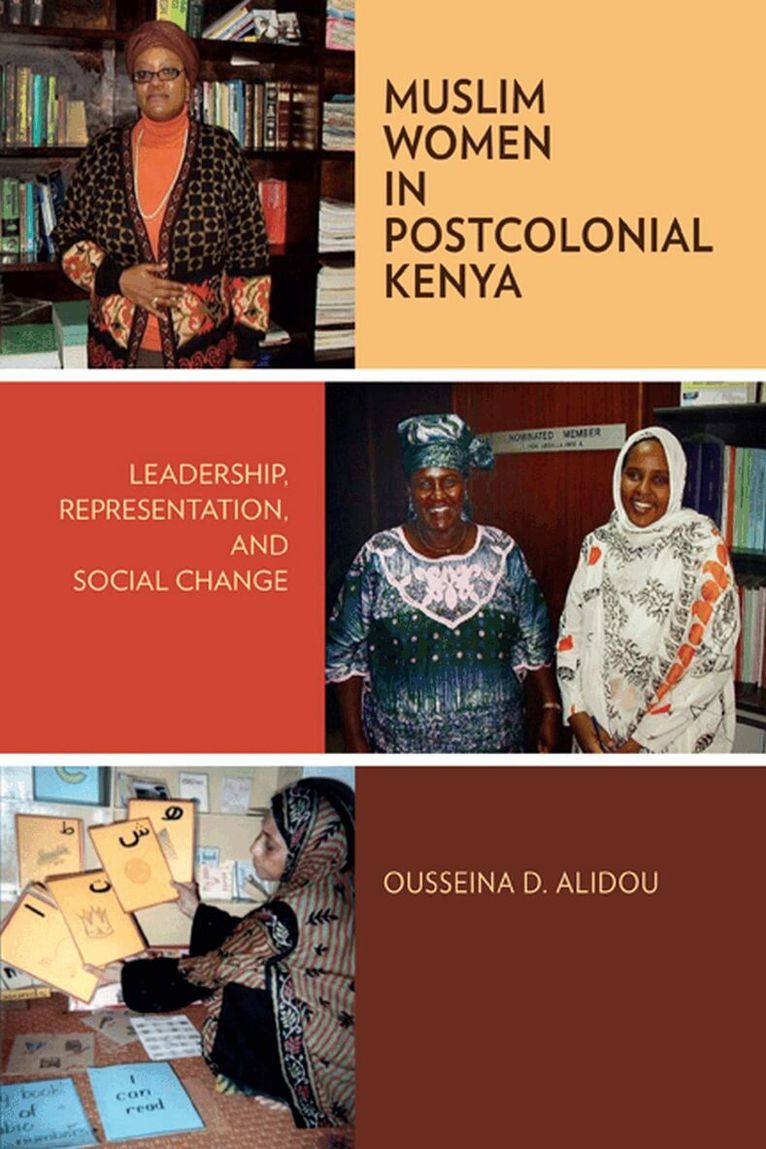
In education, journalism, legislative politics, social justice, health, law, and other arenas, Muslim women across Kenya are emerging as leaders in local, national, and international contexts, advancing reforms through their activism. Muslim Women in Postcolonial Kenya draws on extensive interviews with six such women, revealing how their religious and moral beliefs shape reform movements that bridge ethnic divides and foster alliances in service of creating a just, multicultural, multiethnic, and multireligious democratic citizenship.Mwalim Azara Mudira opened a school of theology for Muslim women. Nazlin Omar Rajput of The Nur magazine was a pioneer in reporting on HIV/AIDS in the Muslim community. Amina Abubakar, host of a women's radio show, has publicly addressed the sensitive subject of sexual crimes against Muslim women. Two women who are members of parliament are creating new socioeconomic and political opportunities for girls and women, within a framework that still embraces traditional values of marriage and motherhood.Examining the interplay of gender, agency, and autonomy, Ousseina D. Alidou shows how these Muslim women have effected change in the home, the school, the mosque, the media, and more—and she illuminates their determination as actors to challenge the oppressive influences of male-dominated power structures. In looking at differences as opportunities rather than obstacles, these women reflect a new sensibility among Muslim women and an effort to redefine the meaning of women's citizenship within their own community of faith and within the nation.
Häftad, Engelska, 2015
574 kr
Skickas inom 10-15 vardagar
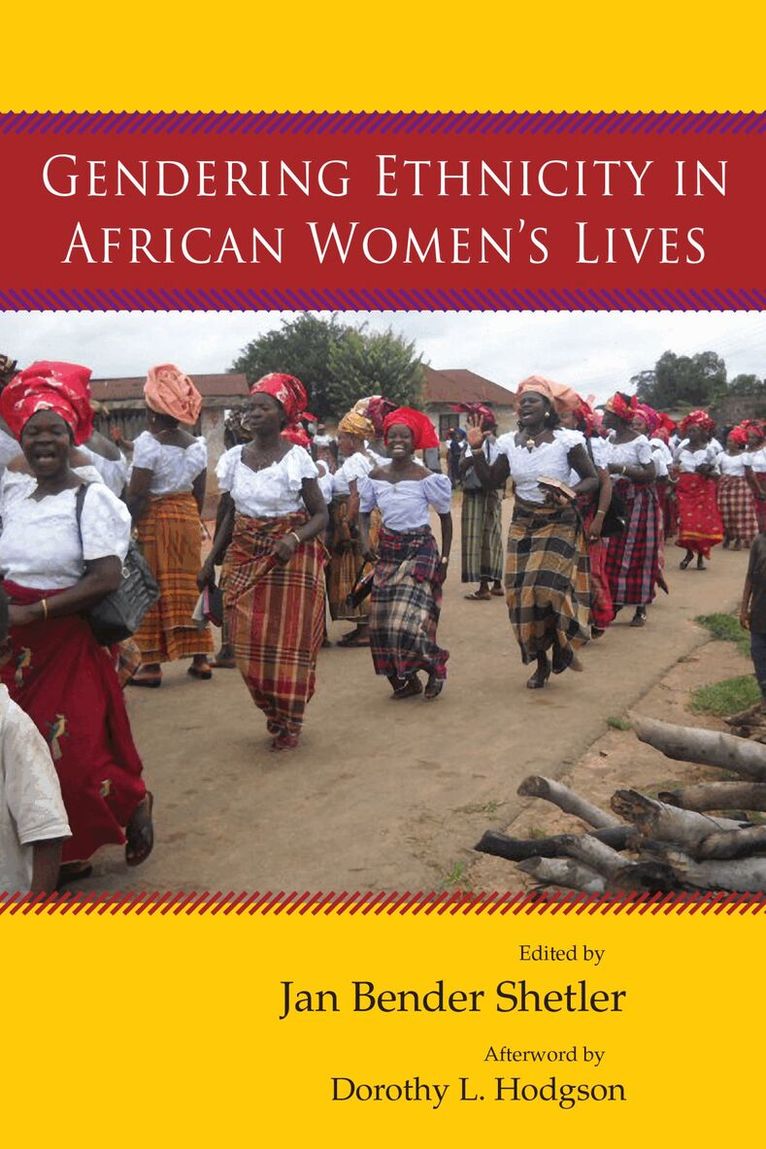
Do African men and women think about and act out their ethnicity in different ways? Most studies of ethnicity in Africa consider men’s experiences, but rarely have scholars examined whether women have the same idea of what it means to be, for example, Igbo or Tswana or Kikuyu. Or, studies have invoked the adage “women have no tribe” to indicate a woman’s loss of ethnicity as she marries into her husband’s community. This volume engages directly the issue of women’s ethnicity and makes stimulating contributions to debates about how and why women’s movements have a unifying role in African political organization and peace movements.Drawing on extensive field research in many different regions of Africa, the contributors demonstrate in their essays that women do make choices about the forms of ethnicity they embrace, creating alternatives to male-centered definitions—in some cases rejecting a specific ethnic identity in favor of an interethnic alliance, in others reinterpreting the meaning of ethnicity within gendered domains, and in others performing ethnic power in gendered ways. Their analysis helps explain why African women may be more likely to champion interethnic political movements while men often promote an ethnicity based on martial masculinity. Bringing together anthropologists, historians, linguists, and political scientists, Gendering Ethnicity in African Women’s Lives offers a diverse and timely look at a neglected but important topic.
Häftad, Engelska, 2015
294 kr
Skickas inom 10-15 vardagar
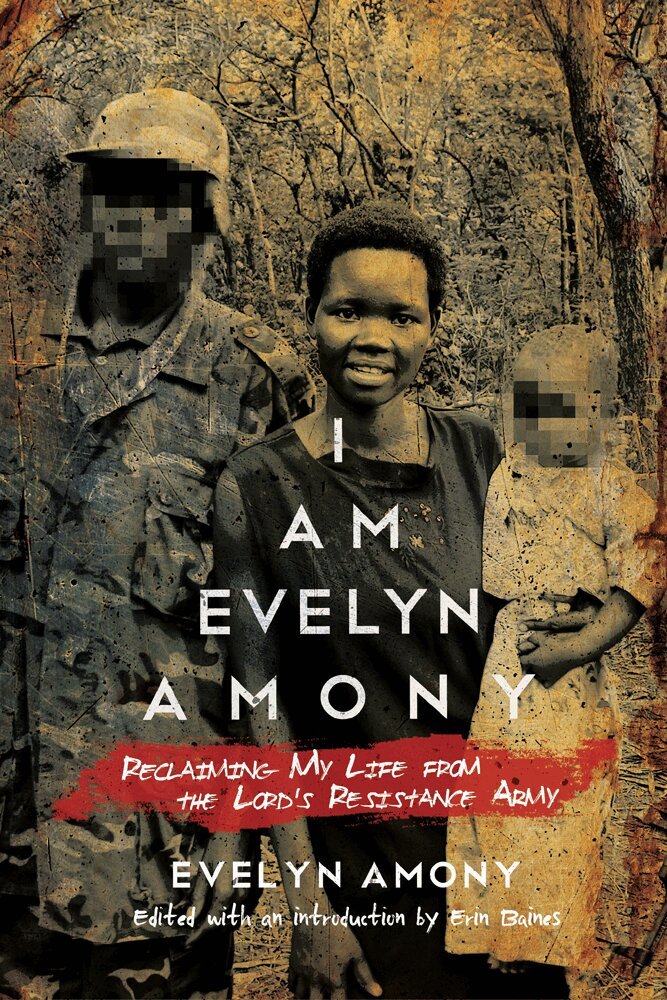
More than 60,000 children were abducted in east and central Africa in the 1990s by the violent rebel group the Lord’s Resistance Army and its notorious commander Joseph Kony. Evelyn Amony was one of them.I Am Evelyn Amony tells a harrowing story of heartbreaking loss, unrelenting horror, and courageous survival. Abducted in 1994 at the age of eleven, Amony spent nearly eleven years inside the Lord’s Resistance Army, becoming a forced wife to Joseph Kony and mother to his children. She takes the reader into the inner circles of LRA commanders and reveals unprecedented personal and domestic details about Joseph Kony. Her account unflinchingly conveys the moral difficulties of choosing survival in a situation fraught with violence, threat, and death.Amony was freed in 2005 following her capture by the Ugandan military. Despite the trauma she endured with the LRA, Amony joined a Ugandan peace delegation to the LRA in 2006, trying to convince Kony to end the war that had lasted more than two decades. She recounts those experiences, as well as the stigma she and her children faced when she returned home as an adult.This extraordinary testimony shatters stereotypes of war-affected women, revealing the complex ways that Amony navigated life inside the LRA and her current work as a human rights advocate to make a better life for her children and other women affected by war.
Inbunden, Engelska, 2019
862 kr
Skickas
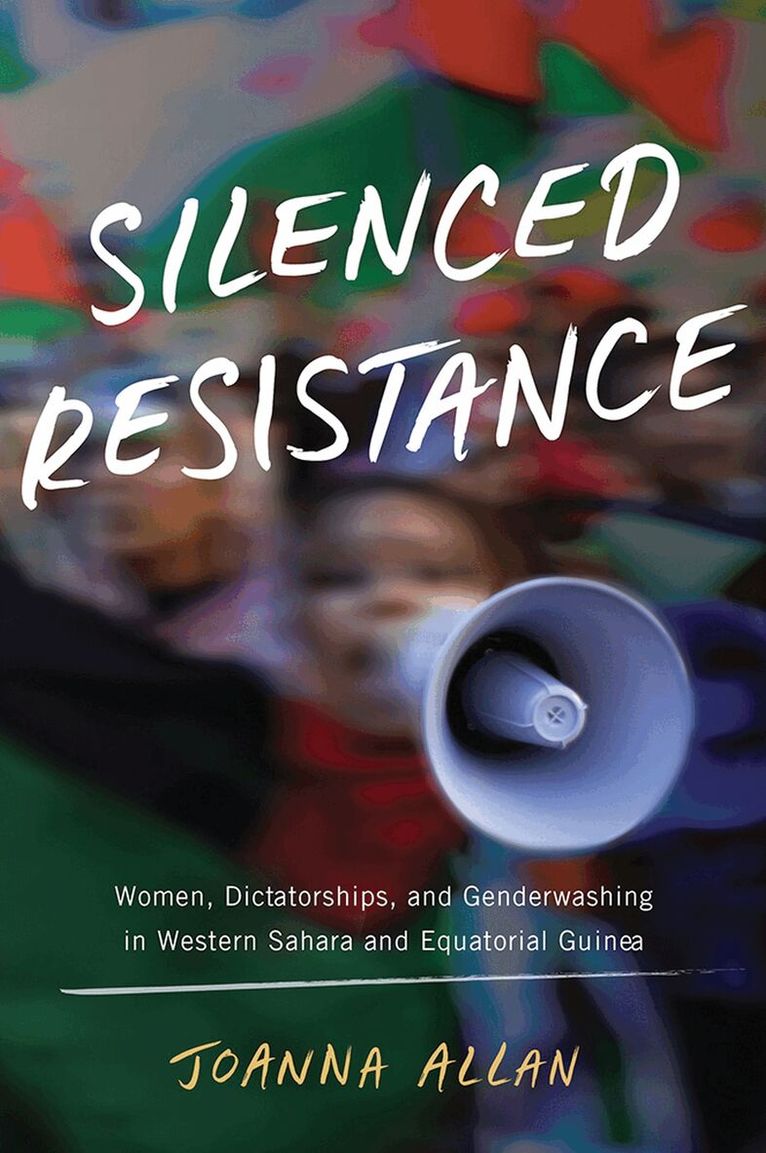
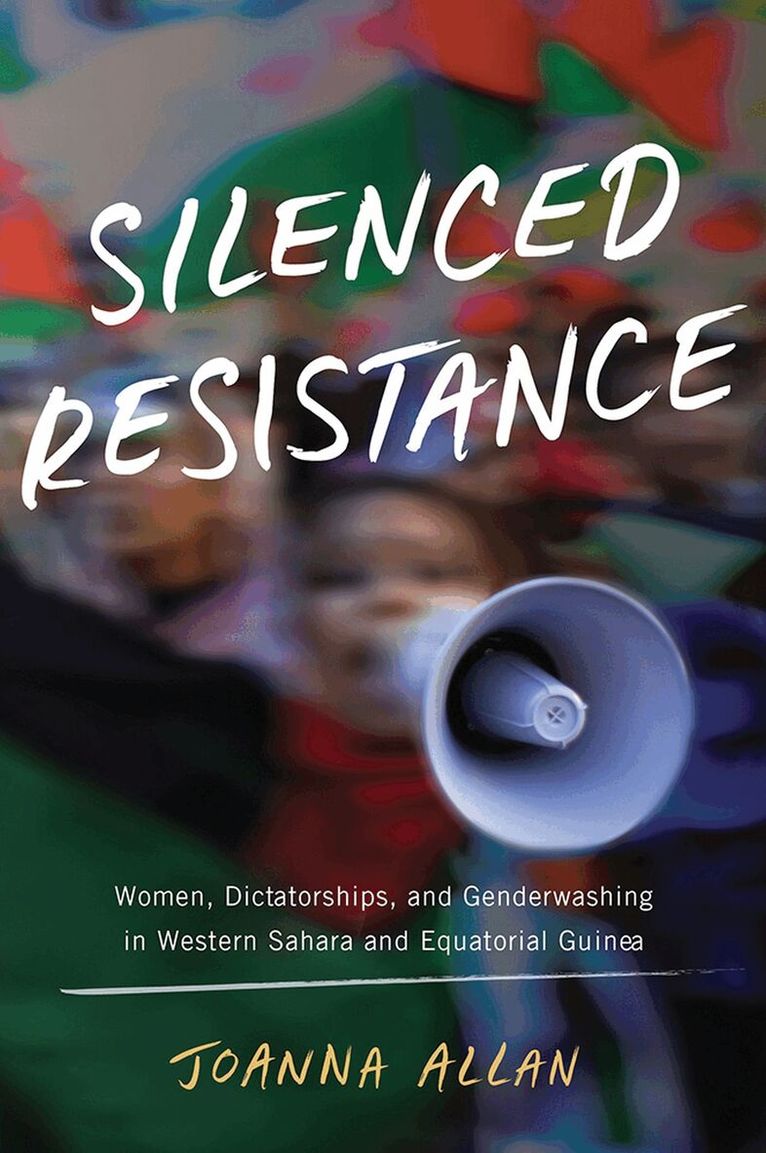
Spain’s former African colonies—Equatorial Guinea and Western Sahara—share similar histories. Both are under the thumbs of heavy-handed, postcolonial regimes, and are known by human rights organizations as being among the worst places in the world with regard to oppression and lack of civil liberties. Yet the resistance movement in one is dominated by women, the other by men. In this innovative work, Joanna Allan demonstrates why we should foreground gender as key for understanding both authoritarian power projection and resistance. She brings an ethnographic component to a subject that has often been looked at through the lens of literary studies to examine how concerns for equality and women’s rights can be co-opted for authoritarian projects. She reveals how Moroccan and Equatoguinean regimes, in partnership with Western states and corporations, conjure a mirage of promoting equality while simultaneously undermining women’s rights in a bid to cash in on oil, minerals, and other natural resources. This genderwashing, along with historical local, indigenous, and colonially imposed gender norms mixed with Western misconceptions about African and Arab gender roles, plays an integral role in determining the shape and composition of public resistance to authoritarian regimes.
Häftad, Engelska, 2021
304 kr
Skickas inom 10-15 vardagar
Spain's former African colonies—Equatorial Guinea and Western Sahara—share similar histories. Both are under the thumbs of heavy-handed, postcolonial regimes, and are known by human rights organizations as being among the worst places in the world with regard to oppression and lack of civil liberties. Yet the resistance movement in one is dominated by women, the other by men. In this innovative work, Joanna Allan demonstrates why we should foreground gender as key for understanding both authoritarian power projection and resistance. She brings an ethnographic component to a subject that has often been looked at through the lens of literary studies to examine how concerns for equality and women's rights can be co-opted for authoritarian projects. She reveals how Moroccan and Equatoguinean regimes, in partnership with Western states and corporations, conjure a mirage of promoting equality while simultaneously undermining women's rights in a bid to cash in on oil, minerals, and other natural resources. This genderwashing, along with historical local, indigenous, and colonially imposed gender norms mixed with Western misconceptions about African and Arab gender roles, plays an integral role in determining the shape and composition of public resistance to authoritarian regimes.
Inbunden, Engelska, 2019
410 kr
Skickas inom 10-15 vardagar
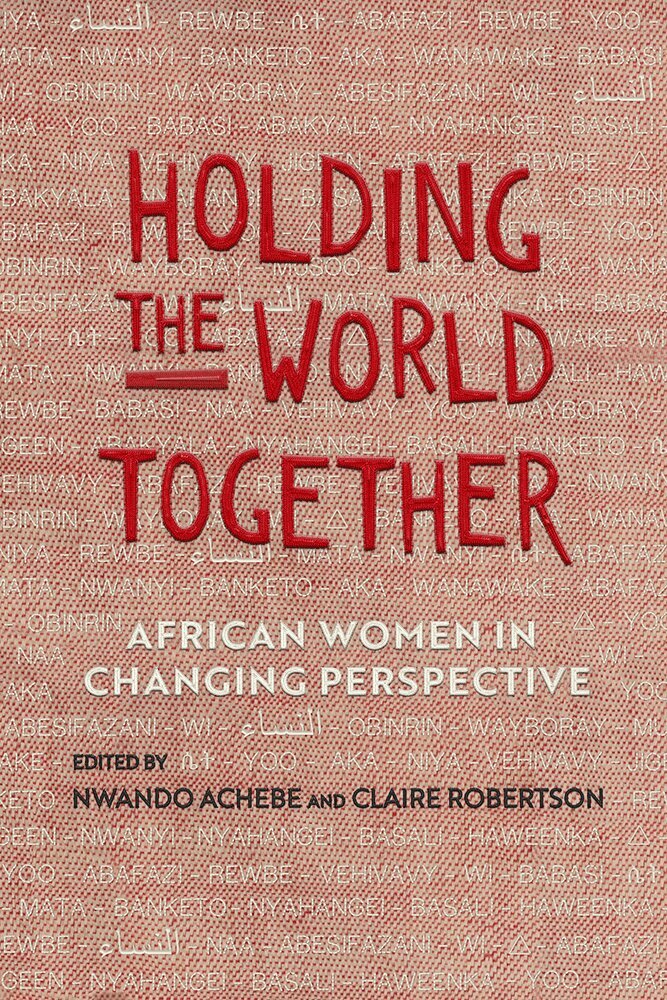
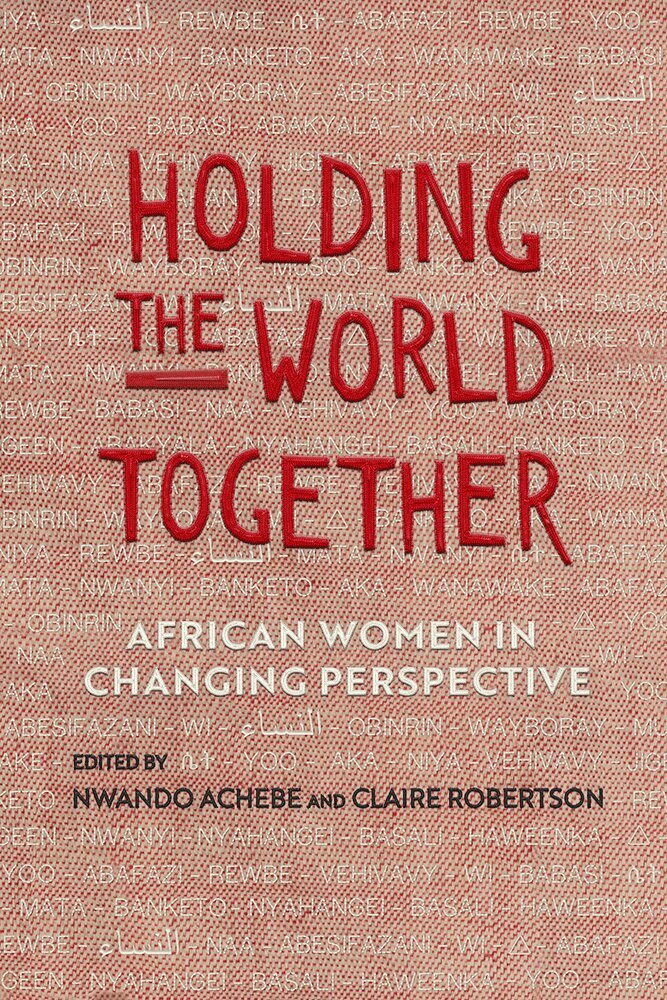
Featuring contributions from some of the most accomplished scholars on the topic, Holding the World Together explores the rich and varied ways in which women have wielded power across the African continent, from the precolonial period to the present.Suitable for classroom use, this comprehensive volume considers such topics as the representation of African women, their role in national liberation movements, their experiences of religious fundamentalism (both Christian and Muslim), their incorporation into the world economy, changing family and marriage systems, impacts of the world economy on their lives and livelihoods, and the unique challenges they face in the areas of health and disease.
Inbunden, Engelska, 2019
888 kr
Skickas
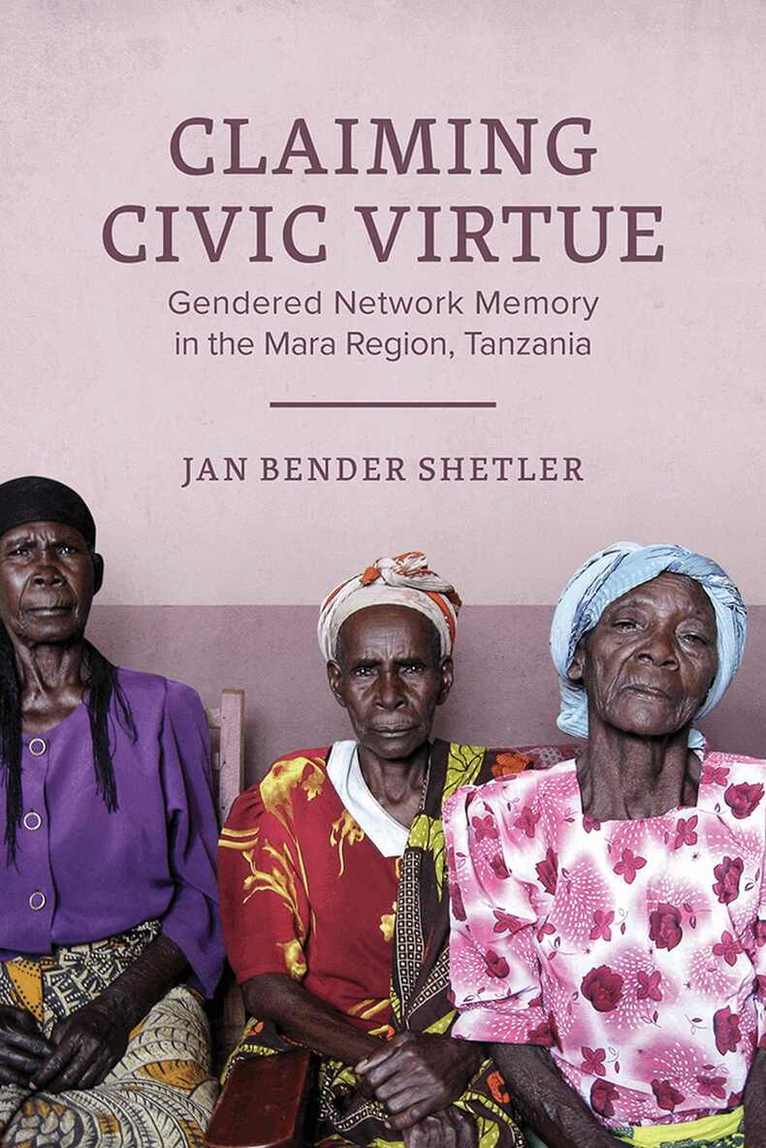
Among communities in the Mara region of Tanzania, it is considered men’s responsibility to maintain “history.” But when Jan Bender Shetler’s questions turned to specific familial connections within the village, she discovered her male informants had to occasionally leave the room—to ask their wives for clarification. The result is an original and wide-ranging investigation of the gendered nature of historical memory and its influence on the development of the region over the past 150 years. Shetler’s exploration of these oral traditions and histories opens exciting new vistas for understanding how women and men in this culture tell their stories and assert their roles as public intellectuals—with important implications for research in African and gender studies, and the history of ethnicity and nationalism.
Inbunden, Engelska, 2021
897 kr
Skickas inom 10-15 vardagar
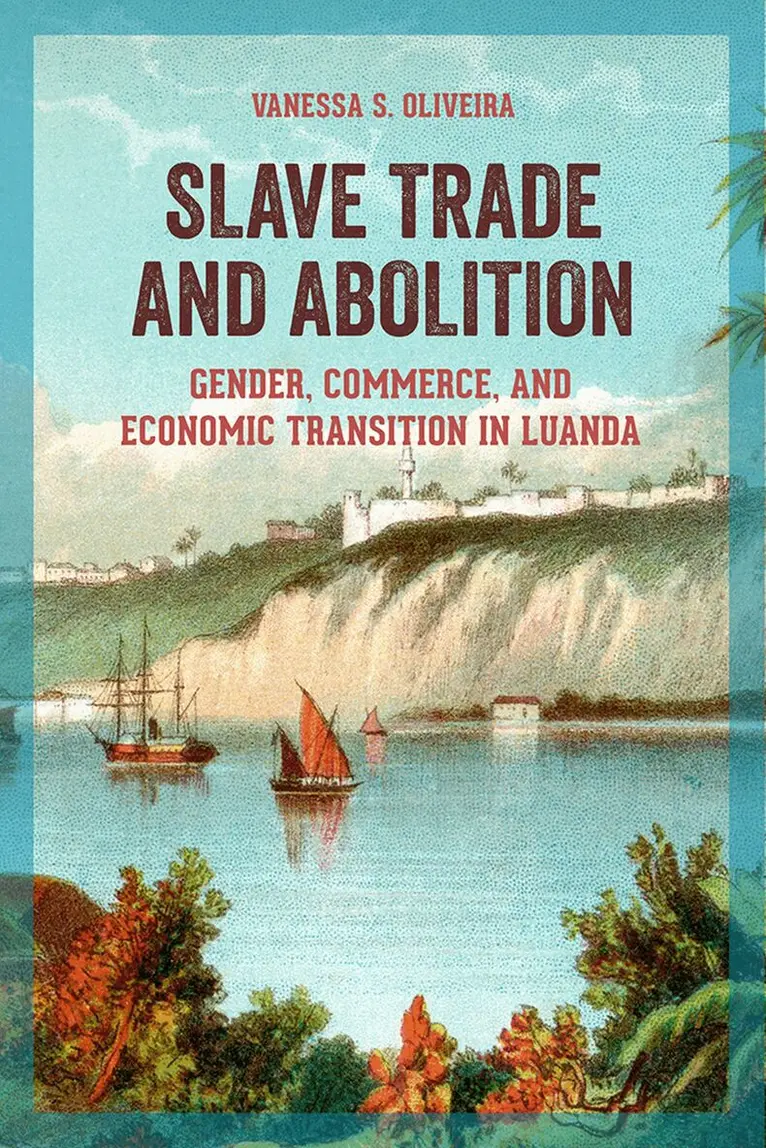
Well into the early nineteenth century, Luanda, the administrative capital of Portuguese Angola, was one of the most influential ports for the transatlantic slave trade. Between 1801 and 1850, it served as the point of embarkation for more than 535,000 enslaved Africans. In the history of this diverse, wealthy city, the gendered dynamics of the merchant community have frequently been overlooked.Vanessa S. Oliveira traces how existing commercial networks adapted to changes in the Atlantic slave trade during the first half of the nineteenth century. Slave Trade and Abolition reveals how women known as donas (a term adapted from the title granted to noble and royal women in the Iberian Peninsula) were often important cultural brokers. Acting as intermediaries between foreign and local people, they held high socioeconomic status and even competed with the male merchants who controlled the trade. Oliveira provides rich evidence to explore the many ways this Luso-African community influenced its society. In doing so, she reveals an unexpectedly nuanced economy with regard to the dynamics of gender and authority.
Häftad, Engelska, 2022
285 kr
Skickas inom 10-15 vardagar
Well into the early nineteenth century, Luanda, the administrative capital of Portuguese Angola, was one of the most influential ports for the transatlantic slave trade. Between 1801 and 1850, it served as the point of embarkation for more than 535,000 enslaved Africans. In the history of this diverse, wealthy city, the gendered dynamics of the merchant community have frequently been overlooked.Vanessa S. Oliveira traces how existing commercial networks adapted to changes in the Atlantic slave trade during the first half of the nineteenth century. Slave Trade and Abolition reveals how women known as donas (a term adapted from the title granted to noble and royal women in the Iberian Peninsula) were often important cultural brokers. Acting as intermediaries between foreign and local people, they held high socioeconomic status and even competed with the male merchants who controlled the trade. Oliveira provides rich evidence to explore the many ways this Luso-African community influenced its society. In doing so, she reveals an unexpectedly nuanced economy with regard to the dynamics of gender and authority.
Inbunden, Engelska, 2021
897 kr
Skickas inom 10-15 vardagar
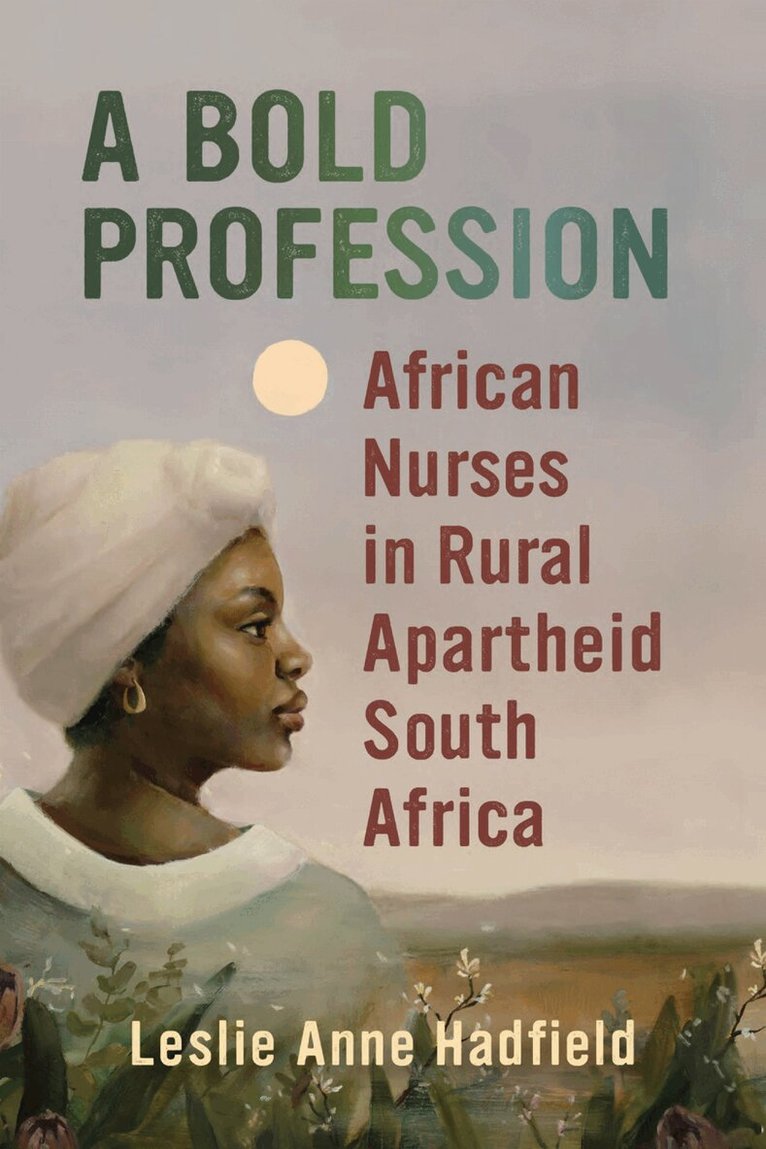
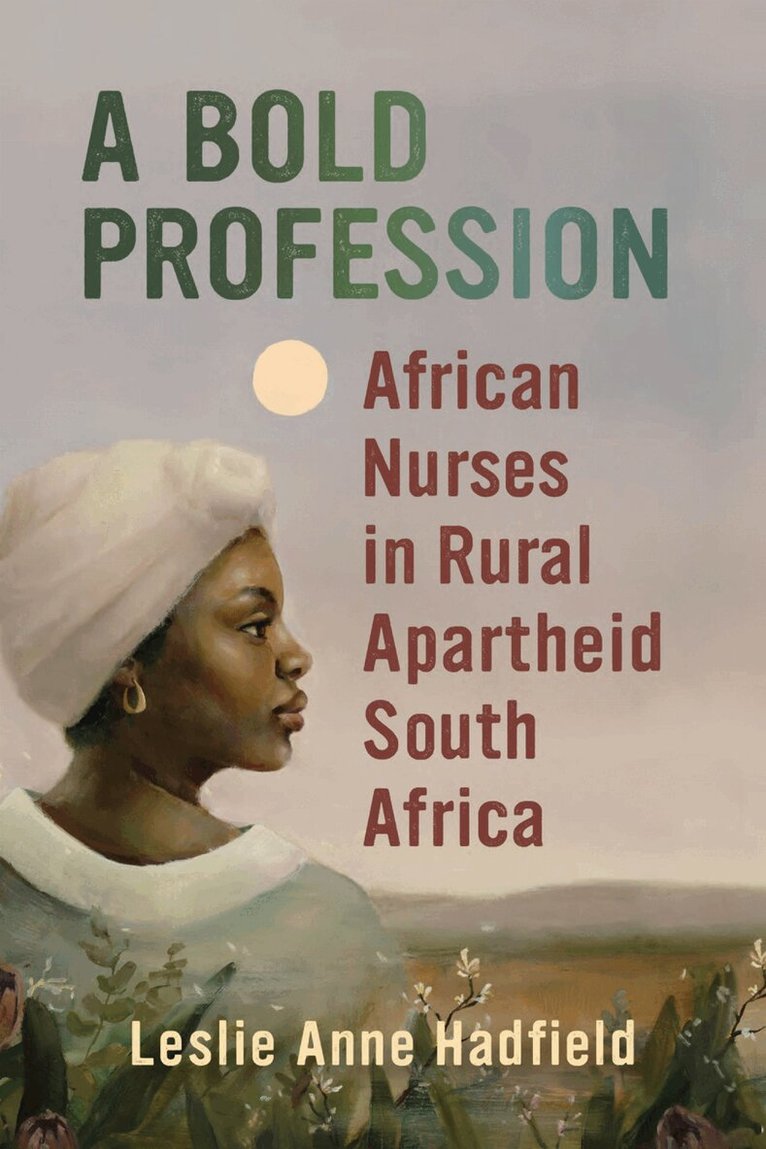
In rural South African clinics, Black nurses played critical roles. Charged with administering valuable and life-saving health care measures despite a lack of equipment and personnel, these nurses had to navigate the intersections of traditional African healing practices, changing gender relations, and increasing educational and economic opportunities for South Africa's Black middle class between the 1960s and 1980s. Leslie Anne Hadfield compellingly demonstrates how these women were able to successfully carve out their own professional space and reshape notions of health and healing in the Eastern Cape. Bringing forth the stories of these nurses in their own voices, A Bold Profession is an homage to their dedication to the well-being of their communities. Hadfield sheds light on the struggles of balancing commitment to career and family lives during an oppressive apartheid. The volume fills an important gap for scholars studying the history of women, nursing, and health care in South Africa, illuminating the humanity of health care workers.
Häftad, Engelska, 2023
299 kr
Skickas inom 10-15 vardagar
In rural South African clinics, Black nurses played critical roles. Charged with administering valuable and life-saving health care measures despite a lack of equipment and personnel, these nurses had to navigate the intersections of traditional African healing practices, changing gender relations, and increasing educational and economic opportunities for South Africa’s Black middle class between the 1960s and 1980s. Leslie Anne Hadfield compellingly demonstrates how these women were able to successfully carve out their own professional space and reshape notions of health and healing in the Eastern Cape. Bringing forth the stories of these nurses in their own voices, A Bold Profession is an homage to their dedication to the well-being of their communities. Hadfield sheds light on the struggles of balancing commitment to career and family lives during an oppressive apartheid. The volume fills an important gap for scholars studying the history of women, nursing, and health care in South Africa, illuminating the humanity of health care workers.
Inbunden, Engelska, 2021
897 kr
Skickas inom 10-15 vardagar
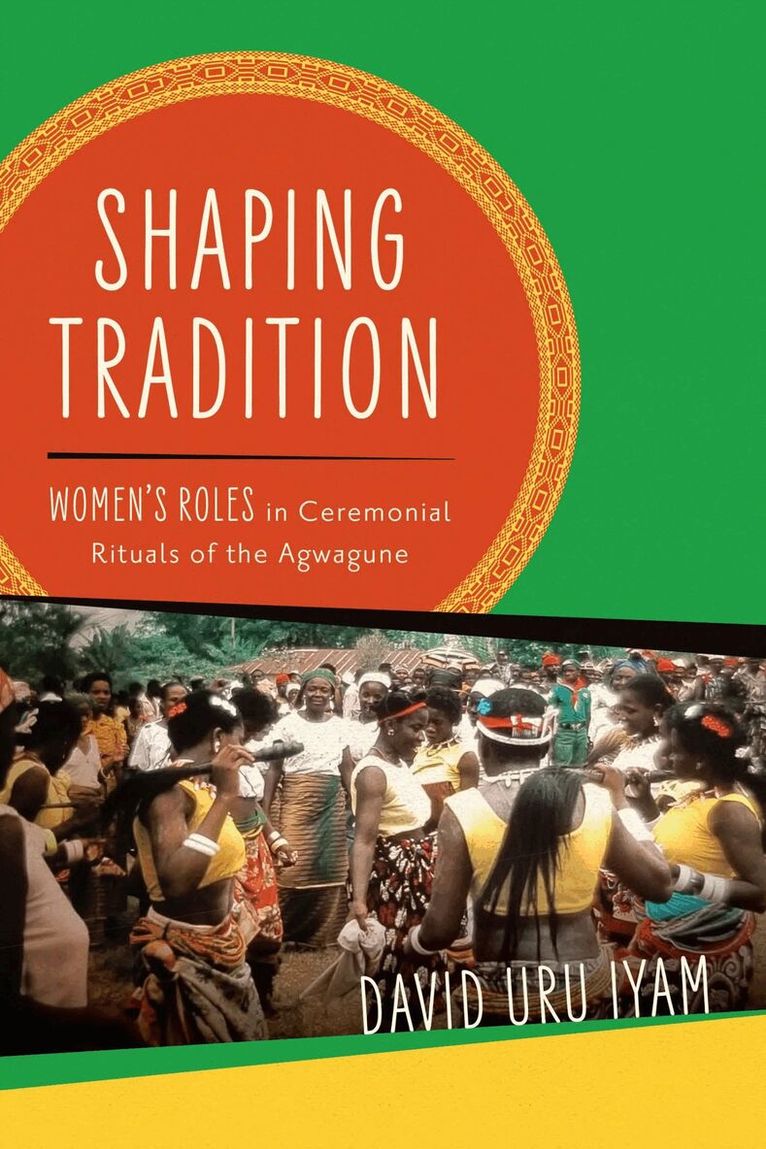
Agwagune women in southeastern Nigeria contribute to the cultural construction of their societies in deep and systematic ways. This reality is often concealed, misrepresented, or unexamined in studies that do not consciously set out to address female agency and authority. Most recently women have reshaped traditional male-centered village practices behind the scenes, such as when they updated the premarital ritual of fattening prospective brides, and when they ended female circumcision. Women use their status to direct and influence male leadership on matters of war, finance, education, and political stability.Using this community as a case study, David Uru Iyam asserts that these women are not stereotypically submissive, oppressed, or passive. Agwagune women participate in male ceremonies by pretending to be unaware of them, concealing their authority under a veneer of secrecy. Instead of focusing on obvious male political power, Iyam highlights the overlooked domestic and public contributions of women that uphold—and change—entire social systems.
Inbunden, Engelska, 2023
897 kr
Skickas inom 10-15 vardagar
Equals in Learning and Piety is an intellectual history of the ‘Yan Taru (Associates) movement, a women-led Islamic educational organization that continues to this day in both northern Nigeria and in the United States. Drawing on extensive scholarship across disciplines including history, Islamic studies, anthropology, gender and women’s studies, and literary studies—and alongside rigorous ethnographic research and interviews with leading Nigerian Muslim scholars—Beverly Mack argues that this formidable Muslim women’s movement consolidated the religious and social order established by the Sokoto Jihad in the early nineteenth century. Mack shows how women scholars instructed rural Hausa and Fulani women in Muslim ethics, doctrine, traditions, and behavior that followed and replaced the traumatic experience of warfare unleashed by the Jihad. She shows that these unique social engagements shaped people’s agency in the dynamic process of social change throughout the nineteenth century. Women imaginatively reconciled Muslim reformist doctrines and traditional practices in Nigeria, and these doctrines have continued to be influential in the diaspora, especially among Black American Muslims in the United States in the twenty-first century. With this major investigation of a little-studied phenomenon, Mack demonstrates the importance of women to the religious, political, and social transformation of Nigerian Muslim society.
Inbunden, Engelska, 2023
897 kr
Skickas inom 10-15 vardagar
Since the beginning of the twenty-first century, Pentecostal churches have proliferated around the world. Expanding at astonishing rates in Africa, Latin America, and Asia, Pentecostalism has shifted Christianity’s global center of gravity from the West to the global South. In Spirit Wives andChurch Mothers, Christy Schuetze explores how the growth of Pentecostal churches in central Mozambique occurred alongside a striking increase in so-called traditional religious practices such as spirit mediumship and spiritual healing. She follows women—who comprise the majority both of participants in Pentecostal churches and of initiates to new forms of mediumship—through two emergent, rival healing networks.Drawing on years of field research, Schuetze offers a richly drawn ethnographic analysis of these important religious transformations in the lives of female participants. Illustrating how economic and social context shapes the possibilities for—and forms of—women’s empowerment, Spirit Wives andChurch Mothers intervenes in scholarly debates about the nature of agency and challenges universalist Western feminist assumptions about the form of women’s liberation.