• Fri frakt över 249 kr
  • •
  • Snabba leveranser
  • •
  • Billiga böcker
Kundservice

Du är på sajten för privatpersoner.

Företag, bibliotek eller offentlig verksamhet?

Du handlar på classic.bokus.com, där alla dina funktioner finns intakta.
Till classic.bokus.com
Bokus logotyp. Gå till startsidan.
  • Erbjudanden
  • Nyheter
  • Student
  • Topplistor
  • Barn & ungdom
  • Bokus Play
  • E-böcker
  • Pocketböcker
  • Spel & pussel

10% rabatt på allt med kod: NYSTART10 →

Sidfot

Mina sidor

    Hjälp

    • Kundservice
    • Vanliga frågor och svar
    • Frakt och leverans
    • Retur vid ångerrätt
    • Reklamera vara
    • Betalning
    • Köpvillkor
    • Allmänna villkor
    • Information om webbplatsens tillgänglighet

    Om Bokus

    • Om oss
    • Pressrum
    • För studenter
    • För företag
    • För bibliotek och offentlig verksamhet
    • För leverantörer
    • Hållbarhet

    Populärt

    • Aktuella erbjudanden
    • Presentkort
    • Studentlitteratur
    • Nya böcker
    • Topplistor
    • Signerade böcker
    • Engelska böcker

    Inspiration

    • Boktips
    • BookTok
    • Populära bokserier
    • Barnbokskaraktärer
    • Populära författare
    Logotyp för Bokus
    Följ oss på Facebook (extern länk)Följ oss på Instagram (extern länk)Följ oss på YouTube (extern länk)Följ oss på TikTok (extern länk)
    bokus @ CookiesAnpassa cookiesIntegritetspolicyKöpvillkor
    Till Citymail hemsida (extern länk)Till Budbee hemsida (extern länk)Till Postnord hemsida (extern länk)Till Schenker hemsida (extern länk)Till Early Bird hemsida (extern länk)Till Walleys hemsida (extern länk)
    1. Samhälle och politik
    2. Social välfärd och brottslighet
    3. Brottslighet och kriminologi
    4. Kriminalvård och straff

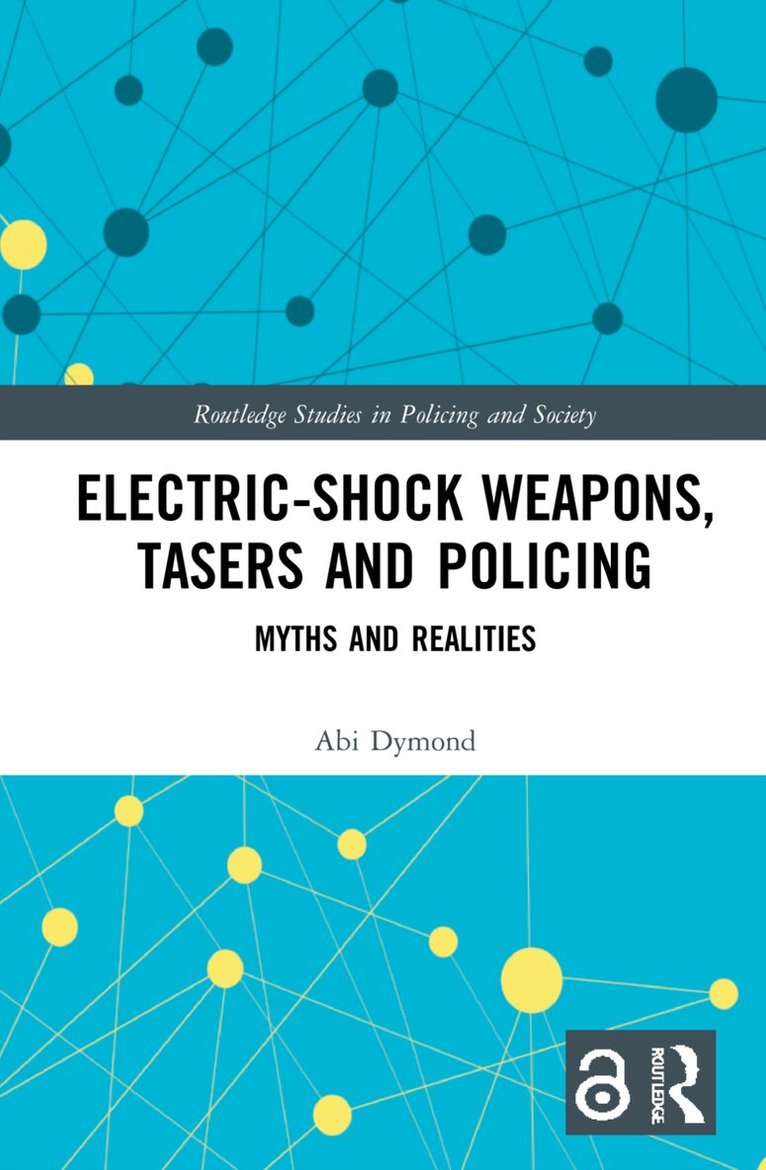
    Electric-Shock Weapons, Tasers and Policing

    Myths and Realities

    AvAbi Dymond

    Inbunden, Engelska, 2021

    Del i serien Routledge Studies in Policing and Society

    2 229 kr

    Beställningsvara. Skickas inom 10-15 vardagar. Fri frakt över 249 kr.

    Fler format och utgåvor

    Häftad

    667 kr

    Beskrivning

    Building on five years of research, and drawing on criminology, science and technology studies (STS), socio-legal studies and social psychology, this book is the first non-medical book written on electric-shock weapons, of which the best well known is the TASER brand. The police’s ability to use force is one of their most crucial powers, yet one that has been relatively neglected by criminology. This book challenges some of the myths surrounding the use of these weapons and considers their human rights implications and impact on members of the public and officers alike. Drawing on STS, it also considers the role and impact of electric-shock technologies, examines the extent to which technologies and non-human agency may also play a role in shaping officer decision making and discretion, and contributes to long standing debates about police accountability.This is essential reading for policing scholars around the world, particularly those engaged with use of force, culture and accountability, as well as those engaged with Science and Technology studies.

    Produktinformation

    • Utgivningsdatum:2021-10-25
    • Mått:156 x 234 x 20 mm
    • Vikt:453 g
    • Format:Inbunden
    • Språk:Engelska
    • Serie:Routledge Studies in Policing and Society
    • Antal sidor:190
    • Förlag:Taylor & Francis Ltd
    • ISBN:9780367433871

    Utforska kategorier

    • Kriminalvård och straff inom Samhälle och politik
    • Straffprocessrätt inom Juridik
    • Straffrätt: lagar inom Juridik

    Mer om författaren

    Abi Dymond is a Senior Lecturer in Criminology in the Sociology, Philosophy and Anthropology Department at the University of Exeter. Prior to joining academia, she worked for over ten years for various human rights and international development NGOs, including the Omega Research Foundation.

    Recensioner i media

    "The care with which police approach the use of force – whether lethal or less than lethal – is one of the most important measures of the quality of policing. Dr Dymond has produced the first significant analysis of the adoption and development of the use of the TASER. Her careful blending of the policy, theory and her own primary research provides a seminal study that deserved to be read by practitioners, policy makers and students of policing. A recommended read for 2021"Peter Neyroud, Associate Professor in the Jerry Lee Centre for Experimental Criminology, Institute of Criminology, University of Cambridge."This thought provoking book provides a much-needed critical look at the use of electric-shock weapons and police use of force, as well as careful, well-considered policy recommendations and constructive challenge to all of us working in this area. Eschewing simplistic answers, and delving into the complexity of such topics, it makes a significant contribution to our understanding of the risks evident in poorly developed systems and how these can be mitigated against through robust policing professional standards. As a human rights practitioner, this book could not come at a more critical moment".Oliver Feeley-Sprague, Amnesty International UK’s Military, Security and Police Programme Director.'Abi Dymond's long-standing and deep interest and experience in the use of conducted energy weapons is reflected in this book which encompasses her personal view of Taser, its use and implications. It is very widely referenced, and uses an extensive and enlightening range of information sources. As such it should be read by all those with an interest in this increasingly challenging field, whether from a law-enforcement, legal, medical, scientific or human rights background’. Jason Payne-James, Specialist in Forensic & Legal Medicine, Consultant Forensic Physician

    Innehållsförteckning

    • 1.Introduction 2.Technologies, Tools and TASERs 3.‘Better stunned than gunned’? Origin myths and mission creep 4.A ‘nicer’ weapon? Projectile electric-shock weapons and public safety 5.‘There’s nothing bad I can say about TASER’: TASER and officer safety 6.‘There's no right or wrong’: Laws, policies and training 7.‘Just a tool’: Revisiting human and non-human agency 8.‘You cannot obtain accountability’: Officer accountability for use of force 9.Conclusion