• Fri frakt över 249 kr
  • •
  • Snabba leveranser
  • •
  • Billiga böcker
Kundservice

Du är på sajten för privatpersoner.

Företag, bibliotek eller offentlig verksamhet?

Du handlar på classic.bokus.com, där alla dina funktioner finns intakta.
Till classic.bokus.com
Bokus logotyp. Gå till startsidan.
  • Erbjudanden
  • Nyheter
  • Student
  • Topplistor
  • Barn & ungdom
  • Bokus Play
  • E-böcker
  • Pocketböcker
  • Spel & pussel

10% rabatt på allt med kod NYSTART10 →

Sidfot

Mina sidor

    Hjälp

    • Kundservice
    • Vanliga frågor och svar
    • Frakt och leverans
    • Retur vid ångerrätt
    • Reklamera vara
    • Betalning
    • Köpvillkor
    • Allmänna villkor
    • Information om webbplatsens tillgänglighet

    Om Bokus

    • Om oss
    • Pressrum
    • För studenter
    • För företag
    • För bibliotek och offentlig verksamhet
    • För leverantörer
    • Hållbarhet

    Populärt

    • Aktuella erbjudanden
    • Presentkort
    • Studentlitteratur
    • Nya böcker
    • Topplistor
    • Signerade böcker
    • Engelska böcker

    Inspiration

    • Boktips
    • BookTok
    • Populära bokserier
    • Barnbokskaraktärer
    • Populära författare
    Logotyp för Bokus
    Följ oss på Facebook (extern länk)Följ oss på Instagram (extern länk)Följ oss på YouTube (extern länk)Följ oss på TikTok (extern länk)
    bokus @ CookiesAnpassa cookiesIntegritetspolicyKöpvillkor
    Till Citymail hemsida (extern länk)Till Budbee hemsida (extern länk)Till Postnord hemsida (extern länk)Till Schenker hemsida (extern länk)Till Early Bird hemsida (extern länk)Till Walleys hemsida (extern länk)
    1. Naturvetenskap och teknik
    2. Matematik och naturvetenskap
    3. Biologi
    4. Biokemi

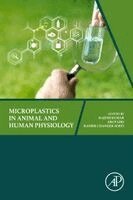
    Microplastics in Animal and Human Physiology

    Toxicity, Mechanisms, and Mitigation

    AvRajesh Kumar,Arup Giri

    Häftad, Engelska, 2026

    1 722 kr

    Kommande

    Beskrivning

    Microplastics in Animal and Human Physiology: Toxicity, Mechanisms and Mitigation addresses the urgent environmental challenge posed by microplastic pollution. As microplastics infiltrate ecosystems and food chains, their implications for wildlife and human health have become increasingly critical. This reference compiles the latest research on microplastic toxicity, mechanisms of action, and mitigation strategies, offering a thorough understanding of their environmental and physiological effects. The book's contents include in-depth chapters on the mechanisms of microplastic toxicity, epidemiological trends related to exposure, and the implications for various biological systems. Each chapter integrates findings from diverse fields, offering a holistic view of microplastic pollution's impact on both animals and humans. The interdisciplinary approach ensures that readers gain insights into technological advancements, policy frameworks, and ecological considerations necessary for effective response strategies. Microplastics in Animal and Human Physiology serves as an essential resource for scientists, educators, and policymakers. By presenting a comprehensive overview of current knowledge and future directions, this reference empowers readers to engage in informed discussions and actions to combat the pervasive issue of microplastics, ultimately contributing to environmental sustainability and public health protection.

    • Provides a comprehensive exploration of the impact of microplastics on animal physiology
    • Highlights cutting-edge research on human health implications
    • Offers a global perspective on the state of microplastic pollution
    • Proposes interdisciplinary approaches for mitigation and management

    Produktinformation

    • Utgivningsdatum:2026-08-31
    • Mått:191 x 235 x undefined mm
    • Vikt:450 g
    • Format:Häftad
    • Språk:Engelska
    • Antal sidor:388
    • Förlag:Elsevier Science
    • ISBN:9780443456350

    Utforska kategorier

    • Biokemi inom Naturvetenskap och teknik
    • Djurböcker inom Djur och Natur
    • Zoologi inom Naturvetenskap och teknik

    Mer om författaren

    Dr. Rajesh Kumar is Assistant Professor in the Department of Biosciences, Himachal Pradesh University, India. He obtained his MSc and PhD in Zoology from Jiwaji University, India. Dr. Kumar’s research focuses on animal physiology, applied zoology, biodiversity conservation, nutraceuticals, herbal medicine, and cancer biology. He brings a decade of research and teaching experience to this project and has participated in several book projects, including Elsevier’s Advanced Techniques in Antibody Generation and Diabetes, Aging, and Management Strategies. Dr. Arup Giri, M.Sc., Ph.D. is working as an Associate Professor in the Department of Zoology, Baba Mastnath University, India. He is also serving as the Director of Internal Quality Assurance Cell (IQAC) of Baba Mastnath University, India. Dr. Giri has completed M.Sc. in Zoology from Maulana Azad College, Kolkata, University of Calcutta. For his doctoral research, he has joined DRDO-Defence Institute of High Altitude Research (DIHAR), Leh, Ladakh UT, India, and received a Ph.D. from Bharathiar University, Coimbatore, TN, India in Life Sciences. Dr. Giri has later joined as a postdoctoral ICMR-SRF fellow at DIHAR, Chandigarh, India. He has also worked as an Assistant Professor in the Department of Life Science, Arni University, Kangra, Himachal Pradesh, India. His main research interest is on ‘Animal Physiology and Environmental Toxicology.’ A prolific author with 76 articles published in peer-reviewed journals, Dr. Giri's impact factor of 93.53 underscores the significance of his contributions (Google Scholar citation: 1023; H-index: 19; i10-index: 29). A mentor par excellence, Dr. Giri has guided numerous students in their academic pursuits. With six completed Ph.D. thesis, on-going mentorship for four more, and guided 85 post-graduate students. His supervision has been instrumental in earning accolades, such as the 'Best M.Sc. Dissertation Work' at Sri Sai University, Himachal Pradesh, India. Dr. Giri's influence extends beyond borders, with memberships in esteemed international societies and collaborations. He serves as a reviewer for prestigious journals (Poultry Science Journal, Biological Trace Element Research Journal, Euro-Mediterranean Journal for Environmental Integration, RevistaAmbiente&Água, Hygiene and Environmental Health Advances, Frontiers in Analytical Science, Italian Journal of Animal Science, Journal of Applied Biology & Biotechnology, Biological Rhythm Research, Biomarkers, Science of the Total Environment, Applied Water Science Journal, etc.), enriching the scientific discourse on subjects ranging from trace elements to environmental integration. Beyond academia, Dr. Giri is an ardent advocate for environmental stewardship. His research spanning five published book by Springer and ELSEVIER, 37 book chapters, two training manuals, and two technical bulletins. He received the ‘Best Academician Award’, 'Young Scientist Award,' 'Young Researcher Award,' and 'Best Oral Presentation Award" two times by different prestigious institutes of India. Dr. Ranbir Chander (RC) Sobti is Emeritus Professor at Punjab University, Chandigarh, and Honorary Scientist at the Indian National Science Academy. He started his career as a cytogeneticist and progressed to molecular biology and disease processes of cancer, COPD, AIDS, metabolic syndrome, and kidney diseases. He is a Fellow of the Third World Academy of Sciences, National Academy of Sciences India, Indian National Science Academy, National Academy of Medical Sciences, National Academy of Agricultural Sciences, Canadian Academy of Cardiovascular Diseases Royal Society of biology and international Association of Cancer Research. Dr. Sobti has participated in several book projects, including Elsevier’s Advances in Animal Experimentation and Modeling; Biomarkers in Cancer Detection and Monitoring of Therapeutics; Molecular Medicine and Biomedical Research in the Era of Precision Medicine; One Planet, One Health, One Future; Probiotics; and Public and Environmental Health.

    Innehållsförteckning

    • 1. Microplastics: A Threat to the Animal World2. Scientific Advancements in Microplastic Pollution Research3. Microplastics in the Food Chain and Related Consequences4. Primary Dermatological Impacts of Microplastics5. Systemic Toxicity of Microplastics6. Microplastic Pollution and Consequences on Immune Systems7. Microplastics and Neural Impacts8. Effects of Microplastics on Animal Reproductive Physiology9. Epidemiological Trends Related to Microplastics and Environmental Exposure10. Interaction Mechanisms for Physical and Chemical Damage by Microplastics11. Microplastic Interference at the Cellular Level: Mechanisms of Action12. Molecular Impacts of Microplastics13. Transgenerational Impacts of Microplastics14. Advances in Detection of Microplastics Animal Tissues: Challenges, Techniques, and Future Perspectives15. Mitigation Strategies for Microplastic-Induced Physiological Impacts in Animals: Approaches and Future Directions