• Fri frakt över 249 kr
  • •
  • Snabba leveranser
  • •
  • Billiga böcker
Kundservice

Du är på sajten för privatpersoner.

Företag, bibliotek eller offentlig verksamhet?

Du handlar på classic.bokus.com, där alla dina funktioner finns intakta.
Till classic.bokus.com
Bokus logotyp. Gå till startsidan.
  • Erbjudanden
  • Nyheter
  • Student
  • Topplistor
  • Barn & ungdom
  • Bokus Play
  • E-böcker
  • Pocketböcker
  • Spel & pussel

10% studentrabatt med kod TERM26

Sidfot

Mina sidor

    Hjälp

    • Kundservice
    • Vanliga frågor och svar
    • Frakt och leverans
    • Retur vid ångerrätt
    • Reklamera vara
    • Betalning
    • Köpvillkor
    • Allmänna villkor
    • Information om webbplatsens tillgänglighet

    Om Bokus

    • Om oss
    • Pressrum
    • För studenter
    • För företag
    • För bibliotek och offentlig verksamhet
    • För leverantörer
    • Hållbarhet

    Populärt

    • Aktuella erbjudanden
    • Presentkort
    • Studentlitteratur
    • Nya böcker
    • Topplistor
    • Signerade böcker
    • Engelska böcker

    Inspiration

    • Boktips
    • BookTok
    • Populära bokserier
    • Barnbokskaraktärer
    • Populära författare
    Logotyp för Bokus
    Följ oss på Facebook (extern länk)Följ oss på Instagram (extern länk)Följ oss på YouTube (extern länk)Följ oss på TikTok (extern länk)
    bokus @ CookiesAnpassa cookiesIntegritetspolicyKöpvillkor
    Till Citymail hemsida (extern länk)Till Budbee hemsida (extern länk)Till Postnord hemsida (extern länk)Till Schenker hemsida (extern länk)Till Early Bird hemsida (extern länk)Till Walleys hemsida (extern länk)
    1. Historia och arkeologi
    2. Historia
    3. Europas historia
    4. Medeltiden
    • Nyhet

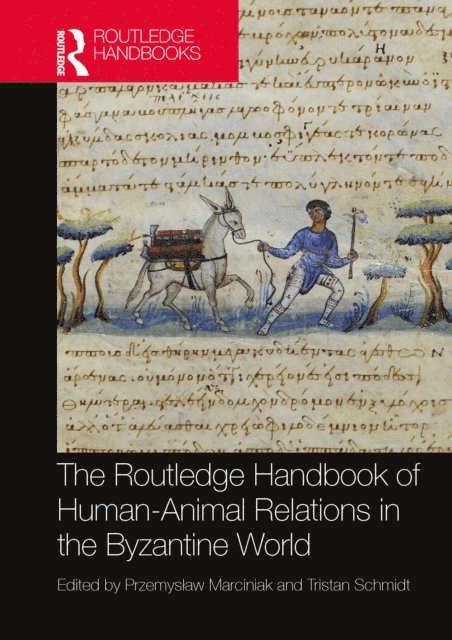
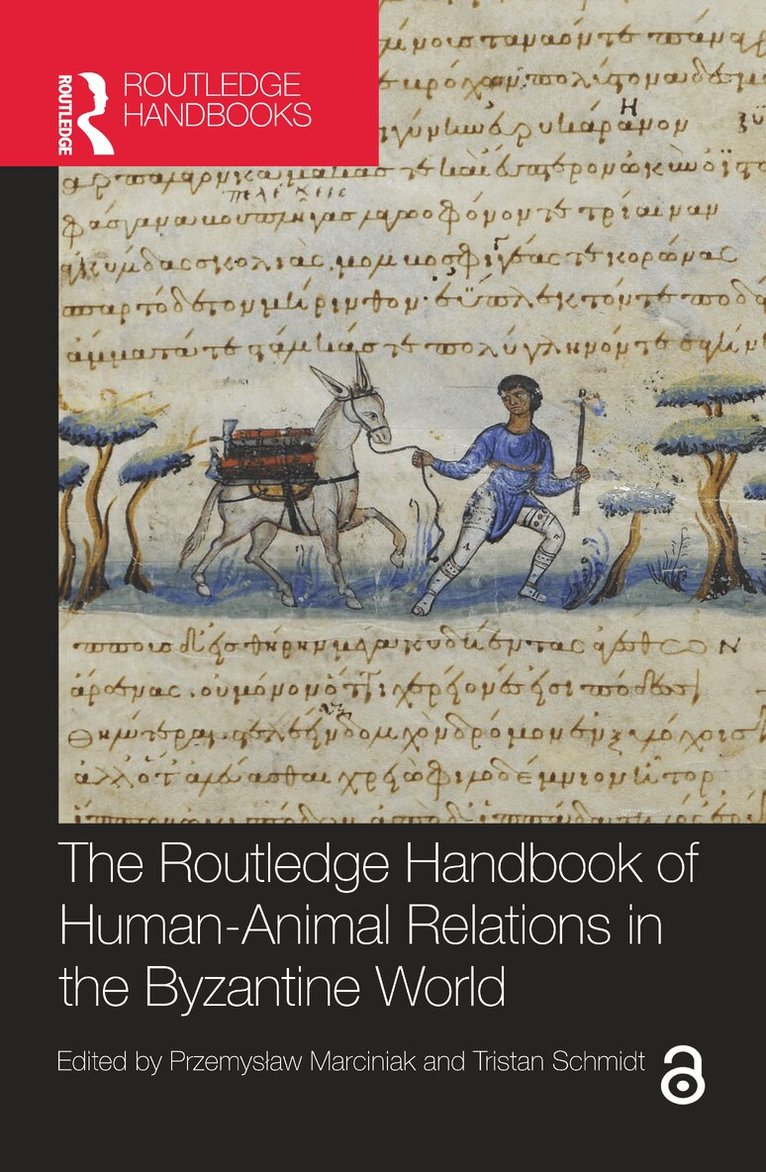
    Routledge Handbook of Human-Animal Relations in the Byzantine World

    AvPrzemysław Marciniak,Tristan Schmidt

    Häftad, Engelska, 2026

    Del i serien Routledge History Handbooks

    792 kr

    Beställningsvara. Skickas inom 10-15 vardagar. Fri frakt över 249 kr.
    Beskrivning

    Animals have recently become recognized as significant agents of history as part of the ‘animal turn’ in historical studies. Animals in Byzantium were human companions, a source of entertainment and food – it is small wonder that they made their way into literature and the visual arts. Moreover, humans defined themselves and their activities by referring to non-human animals, either by anthropomorphizing animals (as in the case of the Cat-Mice War) or by animalizing humans and their (un)wanted behaviours.The Routledge Handbook of Human-Animal Relations in the Byzantine World offers an in-depth survey of the relationships between humans and non-human animals in the Byzantine Empire. The contributions included in the volume address both material (zooarchaeology, animals as food, visual representations of animals) and immaterial (semiotics, philosophy) aspects of human-animal coexistence in chapters written by leading experts in their field.This book will appeal to students and scholars alike researching Byzantine social and cultural history, as well as those interested in the history of animals. This book marks an important step in the development of animal studies in Byzantium, filling a gap in the wider research on the history of human-animal relations in the Middle Ages.

    Produktinformation

    • Utgivningsdatum:2026-07-20
    • Mått:174 x 246 x 20 mm
    • Vikt:700 g
    • Format:Häftad
    • Språk:Engelska
    • Serie:Routledge History Handbooks
    • Antal sidor:366
    • Förlag:Taylor & Francis Ltd
    • ISBN:9781032881898

    Utforska kategorier

    • Medeltiden inom Historia och arkeologi
    • Socialhistoria och kulturhistoria inom Historia och arkeologi
    • Arkeologiska perioder och områden inom Historia och arkeologi

    Mer om författaren

    Przemysław Marciniak is a Research Professor and the Director of the Center for Byzantine Studies at the University of Silesia in Katowice, Poland. His research focuses on Byzantine performative culture, the reception of Byzantium, and recently on animals and nature in the Byzantine world. His publications include articles on Byzantine entomology and a co-edited volume on the reception of Byzantium in the popular imagination.Tristan Schmidt is Assistant Professor at the University of Silesia in Katowice, Poland. His research is focused on human-nature relations in the Byzantine world as well as on the aristocracy and military leadership between the 11th and 13th centuries in Byzantium. His animal-related publications include a monograph on animal imagery in Byzantine political discourse, and studies on concepts of animal agency in Byzantine texts and on ecological awareness in Byzantine society.

    Innehållsförteckning

    • Byzantine Animal Studies – History Beyond HumansPrzemysław Marciniak and Tristan SchmidtPart 1: What do “They” Mean to “Us”? Theoretical Perspectives on Byzantine AnimalsMore Than Meets the Eye: The Semiotics of Animals in ByzantiumTristan SchmidtTimotheus of Gaza and the Zoological Collection of Constantine VII. Two Byzantine TreatisesArnaud ZuckerChristianising Animals: Physiologus and Hexaemeral LiteratureStavros LazarisAnimal Rationality in Byzantine Philosophy and Islamic PhilosophyBligh Somma and Melpomeni VogiatziPart 2: Literary and Figurative Discourses on AnimalsUnsung Heroes of Byzantine Hagiography: The Role of Animals in Martyrs’ PassionsChristodoulos PapavarnavasAnimals in Byzantine Historical WritingStephanos EfthymiadisAnimals in Legal SourcesJohannes KoderAnimals in SatireKirsty StewartMan, Beast and Nature: Descriptions of Hunting in Byzantine LiteratureCharis Messis and Ingela NilssonAnimals in Byzantine MosaicsHenry MaguireAnimals in Byzantine ManuscriptsNancy P. Ševčenko Part 3: Material Animals in ByzantiumAnimals as a Source of Food During the Byzantine Period. Dietetic Advice and Dietary Reality.Maciej Kokoszko and Zofia RzeźnickaMore than Food – Animal Bone Finds as a Source for Different Research QuestionsHenriette BaronAnimals as Diplomatic Gifts: From Species to Political UsesNicolas DrocourtAnimals We Love: Pets and Companion Animals in Byzantium?Przemysław MarciniakIt Was Not Easy Being a Mouse in Constantinople: Some Notes on the Role of Mice in Byzantine Life and LiteratureKatarzyna Piotrowska