• Fri frakt över 249 kr
  • •
  • Snabba leveranser
  • •
  • Billiga böcker
Kundservice

Du är på sajten för privatpersoner.

Företag, bibliotek eller offentlig verksamhet?

Du handlar på classic.bokus.com, där alla dina funktioner finns intakta.
Till classic.bokus.com
Bokus logotyp. Gå till startsidan.
  • Erbjudanden
  • Nyheter
  • Student
  • Topplistor
  • Barn & ungdom
  • Bokus Play
  • E-böcker
  • Pocketböcker
  • Spel & pussel

10% rabatt på allt med kod: NYSTART10 →

Sidfot

Mina sidor

    Hjälp

    • Kundservice
    • Vanliga frågor och svar
    • Frakt och leverans
    • Retur vid ångerrätt
    • Reklamera vara
    • Betalning
    • Köpvillkor
    • Allmänna villkor
    • Information om webbplatsens tillgänglighet

    Om Bokus

    • Om oss
    • Pressrum
    • För studenter
    • För företag
    • För bibliotek och offentlig verksamhet
    • För leverantörer
    • Hållbarhet

    Populärt

    • Aktuella erbjudanden
    • Presentkort
    • Studentlitteratur
    • Nya böcker
    • Topplistor
    • Signerade böcker
    • Engelska böcker

    Inspiration

    • Boktips
    • BookTok
    • Populära bokserier
    • Barnbokskaraktärer
    • Populära författare
    Logotyp för Bokus
    Följ oss på Facebook (extern länk)Följ oss på Instagram (extern länk)Följ oss på YouTube (extern länk)Följ oss på TikTok (extern länk)
    bokus @ CookiesAnpassa cookiesIntegritetspolicyKöpvillkor
    Till Citymail hemsida (extern länk)Till Budbee hemsida (extern länk)Till Postnord hemsida (extern länk)Till Schenker hemsida (extern länk)Till Early Bird hemsida (extern länk)Till Walleys hemsida (extern länk)
    1. Filosofi och religion
    2. Religion och tro
    3. Hinduism

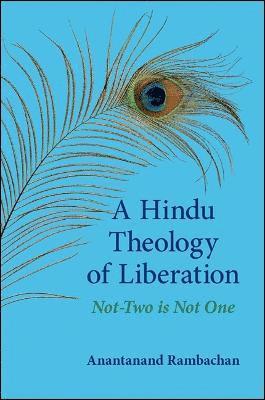
    Hindu Theology of Liberation

    Not-Two Is Not One

    AvAnantanand Rambachan

    Häftad, Engelska, 2015

    Del i serien SUNY series in Religious Studies

    449 kr

    Beställningsvara. Skickas inom 5-8 vardagar. Fri frakt över 249 kr.

    Fler format och utgåvor

    Inbunden

    Tillf. slut

    Beskrivning

    Discusses Hindu Advaita Vedānta as a philosophy of social justice for the modern world.Finalist for the 2016 Book Award for Excellence in the Study of Religion, in the Constructive-Reflective category presented by the American Academy of ReligionThis engaging and accessible work provides an introduction to the Hindu tradition of Advaita Vedānta and brings it into discussion with contemporary concerns. Advaita, the non-dual school of Indian philosophy and spirituality associated with Śaṅkara, is often seen as "other-worldly," regarding the world as an illusion. Anantanand Rambachan has played a central role in presenting a more authentic Advaita, one that reveals how Advaita is positive about the here and now. The first part of the book presents the hermeneutics and spirituality of Advaita, using textual sources, classical commentary, and modern scholarship. The book's second section considers the implications of Advaita for ethical and social challenges: patriarchy, homophobia, ecological crisis, child abuse, and inequality. Rambachan establishes how Advaita's non-dual understanding of reality provides the ground for social activism and the values that advocate for justice, dignity, and the equality of human beings.

    Produktinformation

    • Utgivningsdatum:2015-07-02
    • Mått:152 x 229 x 17 mm
    • Vikt:336 g
    • Format:Häftad
    • Språk:Engelska
    • Serie:SUNY series in Religious Studies
    • Antal sidor:242
    • Förlag:State University of New York Press
    • ISBN:9781438454566

    Utforska kategorier

    • Hinduism inom Filosofi och religion
    • Religion: allmänt inom Filosofi och religion
    • Filosofiska discipliner inom Filosofi och religion

    Mer om författaren

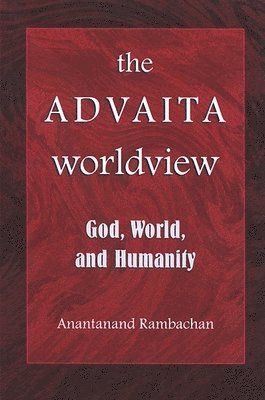
    Anantanand Rambachan is Professor of Religion at St. Olaf College and the author of The Advaita Worldview: God, World, and Humanity, also published by SUNY Press.

    Recensioner i media

    "Rambachan's groundbreaking book … marks an exciting moment for Hindu theology in the postcolonial era and will be a welcome conversational partner for the many global theologies that employ the methods of liberation theology." — Horizons"If you have only one book on the Advaita tradition or Hindu ethics in your library, this is the one to have. Aside from his scholarly honesty, Rambachan is an excellent writer of clear and concise prose and makes Hinduism accessible." — Journal of Hindu-Christian Studies"Rambachan has written an original, creative, and provocative book that will assure that Hinduism has a greater voice in the general arena of interreligious dialogue." — Paul F. Knitter, Union Theological Seminary"This is an important contribution to the advancement of constructive work in Hindu theology, comparative theology, and the study of South Asian religious traditions. It has the potential to revolutionize how scholars view Hinduism generally, and Advaita Vedānta in particular." — Jeffery D. Long, Elizabethtown College

    Innehållsförteckning

    • AbbreviationsIntroductionWhat Is Advaita?Is Advaita a Theological Tradition?The Need for an Advaita Theology of LiberationNot-Two Is Not OneStructure of TextPart One1.The Quest for FullnessHuman Problem as SufferingThe Universal Desire for HappinessSuffering as Mortality AnxietySuffering and the Transient Nature of ExperiencesSuffering as the Experience of InadequacyInadequacy and the Multiplication of DesiresThe Persistence of InadequacyOvercoming the Problem of Inadequacy: The Limits of ActionDespair as OpportunityThe Uncreated InfiniteThe Human Problem as Ignorance (Avidyā)2. The Validity of Non-DualityVedas: The Source of Liberating KnowledgeThe Threefold Criteria for Valid KnowledgeThe Subject Matter of the VedasThe Action and Knowledge Sections of the VedasRelationship between the Means of Knowledge and ObjectThe Liberating Power of WordsThe Value of a TeacherThe Necessity of Faith (Śraddhā)A Teaching Tradition3. The Full SelfThe Method of Distinguishing Knower and KnownThe Singularity of the SelfThe Immortality of the SelfThe Self as Free from the Limits of TimeThe Unity of the SelfThe Self as Free from Space LimitsThe Relationship Between Cause and EffectOvercoming the Brahman-World DualismThe Purpose of Creation in Advaita4. The Liberated LifeSuffering and IgnoranceKnowledge and LiberationThe Meaning of SaṁsāraIgnorance and Its ConsequencesUntying the Knots of the Heart (Ignorance-Greed-Greedful Actions)The Social Implications of LiberationIdentity with All Beings as LoveCompassionGenerosityInterdependent ExistenceControl-Give-Have CompassionPart Two5. Liberation from PatriarchyParadoxical Attitudes toward WomenThe Significance of Women in Relation to MenDowry and the Devaluation of WomenReligious Rituals and the Preference for SonsKarma and Violence to WomenThe Intrinsic Value of WomenThe Necessity to Connect Religious Teaching and Social RealityAhiṁsā: Its Significance for WomenAhiṁsā and Justice for WomenJustice as the Fulfillment of Mutual ObligationsFeminine Images of God and the Empowerment of WomenScriptural Resources for Overcoming PatriarchyIgnorance and Patriarchy6. Liberation from HomophobiaThe Reality of HomophobiaRecognizing Third Sex PersonsThe Case of Arjuna in MahābhārataThird Sex Persons in the Law CodesDivine Immanence and the Value of the PersonSex and Liberation (Mokṣa)Procreation, Marriage, and Third SexRecovering Indigenous Theological Resources7. Liberation from AnthropocentrismBrahman as Ontological Ground of NatureDualistic and Non-dualistic Views of NatureThe Devaluation of Nature in AdvaitaAffirming the Value of Nature in AdvaitaLiberation and the Significance of NatureNature and the Yajña Mode of BeingNature and the Moral Order of the UniverseLiberation from Greed and Stewardship8. Liberation from ChildismThe Suffering of the ChildThe Religious Value of the ChildBirth Replicates Cosmic CreationBrahman Is Present Equally in All BeingsValue for Brahman Expressed in CompassionAhiṁsā (Non-Injury) and the Value of the ChildHonoring the Divinity in the ChildThe Girl Child in the Hindu Perspective: Ideal and RealityReligious Value and the Provision of NeedsThe Obligation to LifeThe Obligation to a Healthy LifeThe Obligation to EducationThe Obligation to Leisure and HappinessThe Obligation to Non-Injury and Freedom from Exploitation9. Liberation from CasteA Personal EncounterThe Reality of Caste OppressionCaste Privileges and the Negativized OthersChange, Conversion, and LeadershipDalits and Hindu IdentitySelf-Value and the Devaluation of OthersAffirming Equal Worth and Justice for AllThe Story of Śaṅkara and the UntouchableThe Exegesis of BhagavadgītāCaste and the Authority of ScriptureDharma, Caste, and LiberationConclusionNotesBibliographyIndex