Häftad, Engelska, 2023
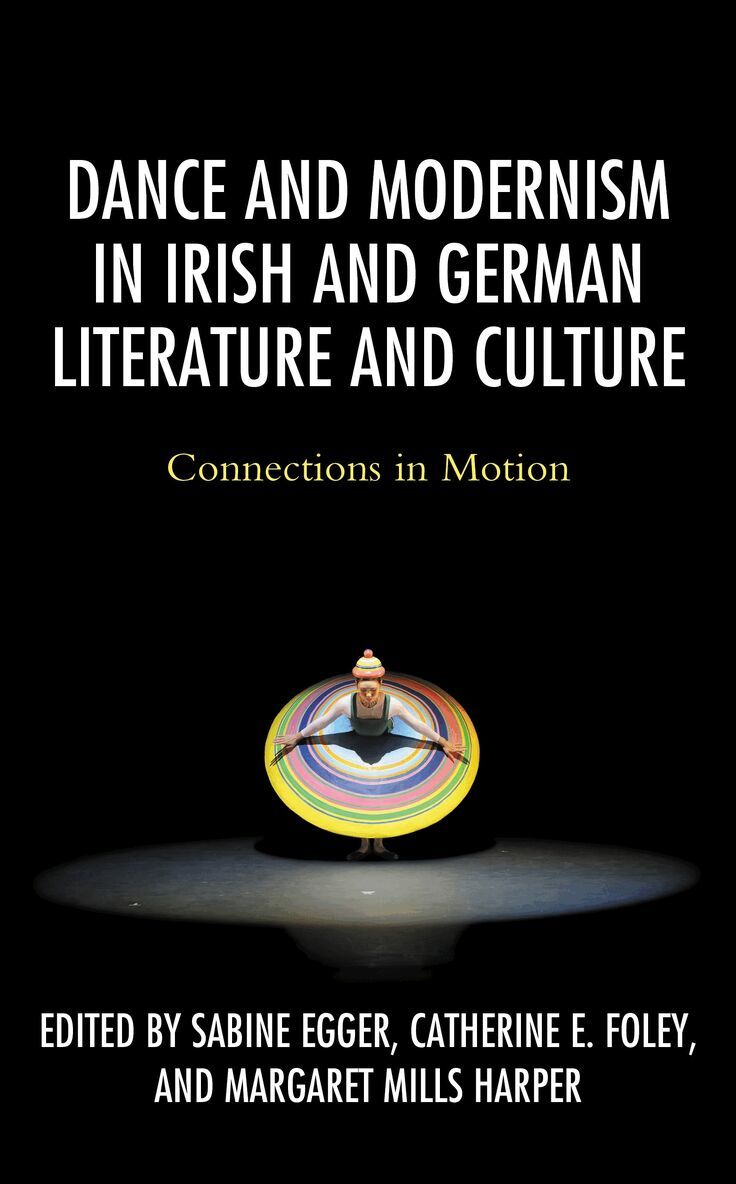
Dance and Modernism in Irish and German Literature and Culture
Connections in Motion
Av Sabine Egger, Catherine E. Foley, Margaret Mills Harper
471 kr
Beställningsvara. Skickas inom 10-15 vardagar. Fri frakt över 249 kr.
Beskrivning
Produktinformation
- Utgivningsdatum: 2023-04-12
- Mått: 151 x 229 x 17 mm
- Vikt: 431 g
- Format: Häftad
- Språk: Engelska
- Antal sidor: 270
- Förlag: Bloomsbury Publishing Plc
- ISBN: 9781498594288
Utforska kategorier
Mer om författaren
Sabine Egger is lecturer in German studies at Mary Immaculate College, University of Limerick, and joint director of the Irish Centre for Transnational Studies. Catherine E. Foley is emeritus senior lecturer in ethnochoreology at the Irish World Academy of Music and Dance at the University of Limerick and founding director of the National Dance Archive of Ireland.Margaret Mills Harper is Glucksman Professor in Contemporary Writing in English at the University of Limerick.
Recensioner i media
The subtitle of this book encapsulates what is shared within – how dance as an anchor to creative enquiry across literature and culture can expose social, political, and cultural connections that deepen our relationships with each other – past, present, and – indeed – in the future. We read of the creative and performative encounters of Irish and German artists and innovators, with modernist thought and influences – be that through exploring contemporaneous poetry and prose (Ruprecht, Harper, Egger, Twist), performance and embodied presence (Holfter, Jones, Purcell) or ideas (Frohburg and Poppelreuter); or the development of practices as transmitted through the protégés of those modernist thought leaders (Mulrooney), or in the meeting of art forms resulting in new manifestations (Fleischmann). Modernism, as an early 20th Century movement, can be described as an acknowledgement of change – social, cultural, and political; a rejection of historical practices and an opening up to innovation and exploration of form and structure. This quite often leads to “new” techniques and processes (Cronin, Donlon) and indeed new forms of art. That dance can tip the balance of power, of perception – if only for a moment – is a modernist intention that resonates through time and can be seen in the legacies of those texts and performances, as experienced in our reading of this book. And, indeed, in the artistic practices and performances we encounter today. With reference to Foley’s “Irish German Intellectual Inheritances”, I suggest these experiences are our embodied inheritances; and acknowledge the particular influence and exchange between Ireland and Germany as instrumental in forming an Irish contemporary identity in the art form of dance.Sheila Creevey, CEO of Dance Ireland
Betyg & recensioner
0 recensioner
Inga recensioner tillgängliga.