• Fri frakt över 249 kr
  • •
  • Snabba leveranser
  • •
  • Billiga böcker
Kundservice

Du är på sajten för privatpersoner.

Företag, bibliotek eller offentlig verksamhet?

Du handlar på classic.bokus.com, där alla dina funktioner finns intakta.
Till classic.bokus.com
Bokus logotyp. Gå till startsidan.
  • Erbjudanden
  • Nyheter
  • Student
  • Topplistor
  • Barn & ungdom
  • Bokus Play
  • E-böcker
  • Pocketböcker
  • Spel & pussel

10% rabatt på allt med kod: NYSTART10 →

Sidfot

Mina sidor

    Hjälp

    • Kundservice
    • Vanliga frågor och svar
    • Frakt och leverans
    • Retur vid ångerrätt
    • Reklamera vara
    • Betalning
    • Köpvillkor
    • Allmänna villkor
    • Information om webbplatsens tillgänglighet

    Om Bokus

    • Om oss
    • Pressrum
    • För studenter
    • För företag
    • För bibliotek och offentlig verksamhet
    • För leverantörer
    • Hållbarhet

    Populärt

    • Aktuella erbjudanden
    • Presentkort
    • Studentlitteratur
    • Nya böcker
    • Topplistor
    • Signerade böcker
    • Engelska böcker

    Inspiration

    • Boktips
    • BookTok
    • Populära bokserier
    • Barnbokskaraktärer
    • Populära författare
    Logotyp för Bokus
    Följ oss på Facebook (extern länk)Följ oss på Instagram (extern länk)Följ oss på YouTube (extern länk)Följ oss på TikTok (extern länk)
    bokus @ CookiesAnpassa cookiesIntegritetspolicyKöpvillkor
    Till Citymail hemsida (extern länk)Till Budbee hemsida (extern länk)Till Postnord hemsida (extern länk)Till Schenker hemsida (extern länk)Till Early Bird hemsida (extern länk)Till Walleys hemsida (extern länk)
    1. Historia och arkeologi
    2. Historia
    3. Historia: särskilda händelser och ämnen
    4. Socialhistoria och kulturhistoria

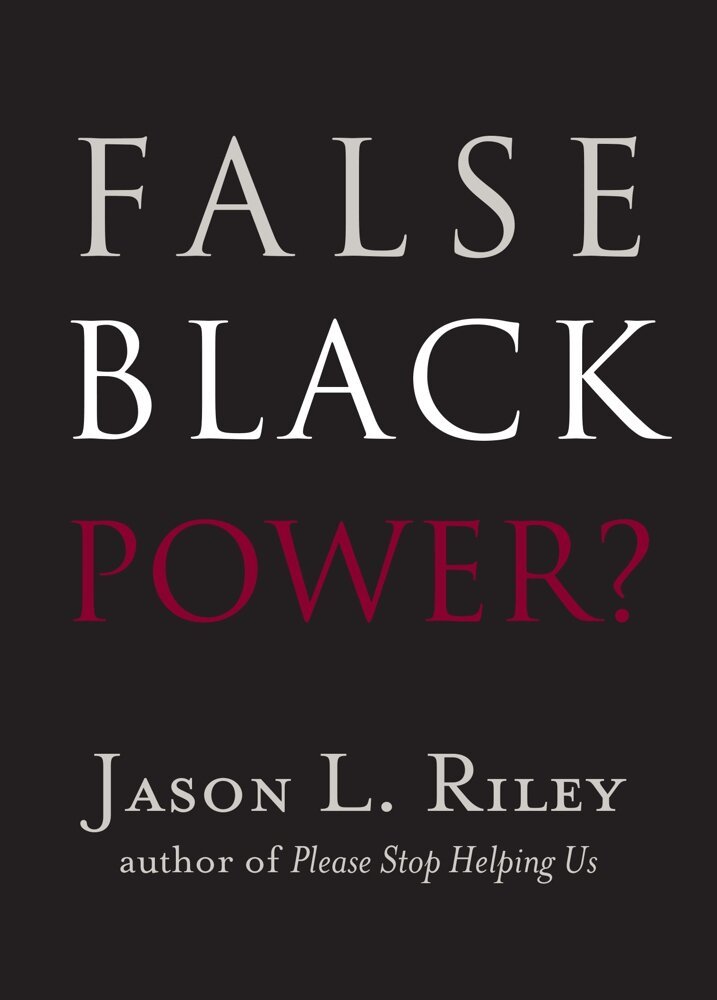
    False Black Power?

    AvJason L. Riley

    Häftad, Engelska, 2017

    Del i serien New Threats to Freedom Series

    176 kr

    Beställningsvara. Skickas inom 5-8 vardagar. Fri frakt över 249 kr.

    Beskrivning

    Black civil rights leaders have long supported ethnic identity politics and prioritized the integration of political institutions, and seldom has that strategy been questioned. In False Black Power?, Jason L. Riley takes an honest, factual look at why increased black political power has not paid off in the ways that civil rights leadership has promised.Recent decades have witnessed a proliferation of black elected officials, culminating in the historic presidency of Barack Obama. However, racial gaps in employment, income, homeownership, academic achievement, and other measures not only continue but in some cases have even widened. While other racial and ethnic groups in America have made economic advancement a priority, the focus on political capi­tal for blacks has been a disadvantage, blocking them from the fiscal capital that helped power upward mobility among other groups.Riley explains why the political strategy of civil rights lead­ers has left so many blacks behind. The key to black eco­nomic advancement today is overcoming cultural handicaps, not attaining more political power. The book closes with thoughtful responses from key thought leaders Glenn Loury and John McWhorter.

    Produktinformation

    • Utgivningsdatum:2017-06-15
    • Mått:127 x 178 x 13 mm
    • Vikt:146 g
    • Format:Häftad
    • Språk:Engelska
    • Serie:New Threats to Freedom Series
    • Antal sidor:128
    • Förlag:Templeton Foundation Press,U.S.
    • ISBN:9781599475189

    Utforska kategorier

    • Socialhistoria och kulturhistoria inom Historia och arkeologi
    • Sociala grupper och identitet inom Samhälle och politik
    • Politik och statsskick inom Samhälle och politik

    Mer om författaren

    Jason L. Riley is a senior fellow at the Manhattan Insti­tute, a columnist for the Wall Street Journal, and a commen­tator for Fox News. He lives in suburban New York City with his wife and three children.Glenn C. Loury is the Merton P. Stoltz Professor of the Social Sciences and professor of economics at Brown University. His books include One by One from the Inside Out: Essays and Reviews on Race and Responsibility in America; The Anatomy of Racial Inequality; and Race, Incarceration, and American Values. Among other honors, he has been elected a distinguished fellow of the American Economic Association, a fellow of the Econometric Society, a member of the American Philosophical Society, and a member of the U.S. Council on Foreign Relations.John McWhorter is an associate professor of English and Comparative Literature at Columbia University. He is the author of The Power of Babel, Doing Our Own Thing, Our Magnificent Bastard Tongue, The Language Hoax, Words on the Move, and, most recently, Talking Back, Talking Black. He is a regular columnist on language matters and race issues for Time and CNN and writes for the Wall Street Journal Taste page. McWhorter also writes a regular column on language for the Atlantic and hosts the Lexicon Valley podcast at Slate.

    Recensioner i media

    “What makes this book shine is the clarity of its logic and accessibility of its writing style. In a short book, Riley makes his case powerfully. . . . He also had the guts to include critiques from two leading black intellectuals, John McWhorter and Glenn Loury, and his response. This is a man to respect because he is after the truth and results, not cheap points.” -Thomas Lifson, American thinker“I have just finished reading part I of Jason Riley’s new book False Black Power?, which NRO is excerpting today, and I want to recommend it right away as highly as I can”  -Roger Clegg, National Review"The thrust of his slim but significant new book, False Black Power?, from Templeton Press, is the politically incorrect conclusion that black “political clout is no substitute for self-development." -Mark Tapson, Front Page Mag

    Innehållsförteckning

    • Introduction / 3Part 1: False Black Power1: The Civil Rights Distraction / 112: The Limits of Politics / 313: False Black Power / 51Part 2: Dissenting Points of View4: Keeping Up With the LeftistsNew Observations for Variations on the Themeby John McWhorter / 875: Black AmericaChanging Rhetoric into Remediesby Glenn C. Loury / 956: A Response to McWhorter and Loury / 105Notes / 109About the Contributors / 121