• Fri frakt över 249 kr
  • •
  • Snabba leveranser
  • •
  • Billiga böcker
Kundservice

Du är på sajten för privatpersoner.

Företag, bibliotek eller offentlig verksamhet?

Du handlar på classic.bokus.com, där alla dina funktioner finns intakta.
Till classic.bokus.com
Bokus logotyp. Gå till startsidan.
  • Erbjudanden
  • Nyheter
  • Student
  • Topplistor
  • Barn & ungdom
  • Bokus Play
  • E-böcker
  • Pocketböcker
  • Spel & pussel

10% rabatt på allt med kod: NYSTART10 →

Sidfot

Mina sidor

    Hjälp

    • Kundservice
    • Vanliga frågor och svar
    • Frakt och leverans
    • Retur vid ångerrätt
    • Reklamera vara
    • Betalning
    • Köpvillkor
    • Allmänna villkor
    • Information om webbplatsens tillgänglighet

    Om Bokus

    • Om oss
    • Pressrum
    • För studenter
    • För företag
    • För bibliotek och offentlig verksamhet
    • För leverantörer
    • Hållbarhet

    Populärt

    • Aktuella erbjudanden
    • Presentkort
    • Studentlitteratur
    • Nya böcker
    • Topplistor
    • Signerade böcker
    • Engelska böcker

    Inspiration

    • Boktips
    • BookTok
    • Populära bokserier
    • Barnbokskaraktärer
    • Populära författare
    Logotyp för Bokus
    Följ oss på Facebook (extern länk)Följ oss på Instagram (extern länk)Följ oss på YouTube (extern länk)Följ oss på TikTok (extern länk)
    bokus @ CookiesAnpassa cookiesIntegritetspolicyKöpvillkor
    Till Citymail hemsida (extern länk)Till Budbee hemsida (extern länk)Till Postnord hemsida (extern länk)Till Schenker hemsida (extern länk)Till Early Bird hemsida (extern länk)Till Walleys hemsida (extern länk)
    1. Historia och arkeologi
    2. Historia
    3. Militärhistoria
    4. Andra världskriget

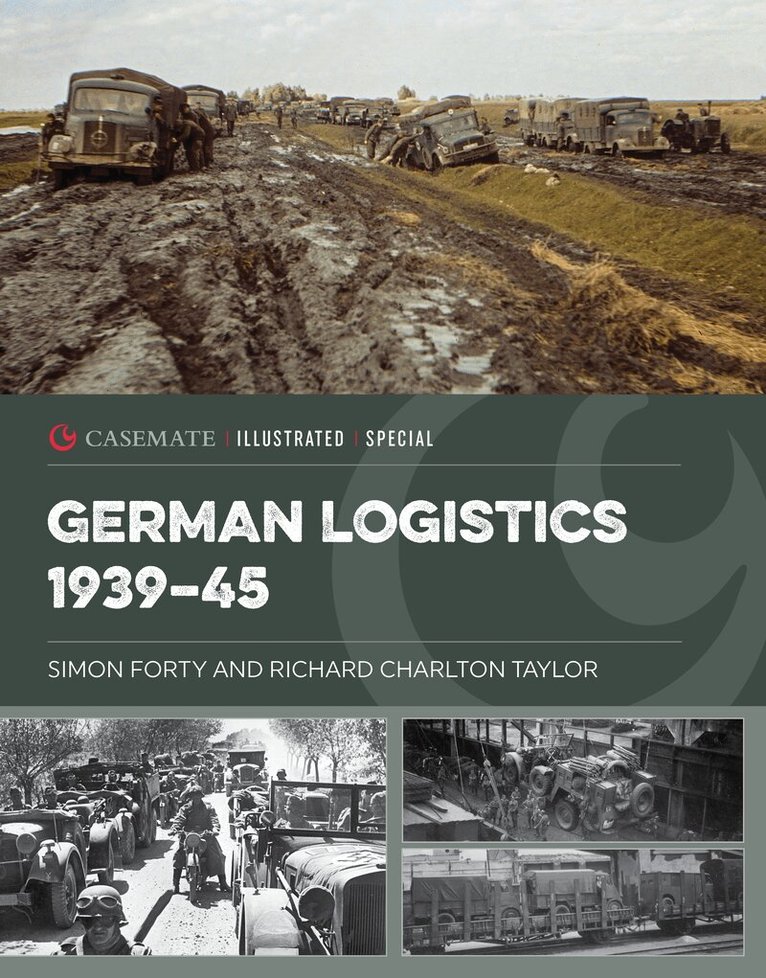
    German Logistics 1939-45

    AvSimon Forty,Richard Charlton Taylor

    Inbunden, Engelska, 2025

    426 kr

    Skickas . Fri frakt över 249 kr.

    Beskrivning

    The successes of the Blitzkrieg campaigns of 1939–41 fostered an image of Germany’s unstoppable modern military machine. Yet beneath the surface lay a critical vulnerability: logistics. Postwar narratives often point to overwhelming Soviet manpower, American industrial superiority, or Hitler’s erratic leadership as causes of Germany’s defeat. While these factors undoubtedly influenced the course of the war, the decisive factor in the Wehrmacht’s failure was logistical inadequacy.Despite examples of resilience—advancing so far across the Russian steppe, maintaining industrial output under strategic Allied bombardment, and keeping the railways running—Germany’s logistical system collapsed at key moments. In Moscow, troops froze without the winter gear that was stranded in depots. In North Africa, vital supplies failed to reach the front. At Stalingrad, air resupply proved impossible. In Normandy and the Ardennes, rail and fuel shortages proved fatal. Germany’s success in the early war years hid the cracks in the system, and short-term wins came at a cost to its future.This fully illustrated volume examines the logistics of the Wehrmacht’s largely horse-drawn supply system, its successes, and its ultimate failure.Casemate Illustrated Specials offer unparalleled detail into the weapons, equipment, and machinery of war. Detailed, focused text is accompanied by hundreds of photographs, illustrations, and diagrams, providing a wealth of visual information for the historian, modeler, or researcher.

    Produktinformation

    • Utgivningsdatum:2025-10-31
    • Mått:230 x 10 x 210 mm
    • Vikt:865 g
    • Format:Inbunden
    • Språk:Engelska
    • Antal sidor:192
    • Förlag:Casemate Publishers
    • ISBN:9781636245188

    Utforska kategorier

    • Andra världskriget inom Historia och arkeologi
    • Militär strategi inom Samhälle och politik
    • Modern militärhistoria inom Historia och arkeologi

    Mer om författaren

    Simon Forty was educated in Dorset and the north of England before reading history at London University’s School of Slavonic and East European Studies. He has been involved in publishing since the mid-1970s, first as editor and latterly as author. Son of author and RAC Tank Museum curator George Forty, he has continued in the family tradition writing mainly on historical and military subjects including books on the Napoleonic Wars and the two world wars. Recently he has produced a range of highly illustrated books on the Normandy battlefields, the Atlantic Wall and the liberation of the Low Countries with co-author Leo Marriott. Richard Charlton Taylor has been schoolteacher, light infantryman and businessman. A collector and trader in World War II militaria, he has worked with Simon Forty on several projects sourcing images and providing detailed military knowledge of weapons, equipment, and tactics.

    Innehållsförteckning

    • INTRODUCTIONDefinitions, quick survey of German WWI logistics and the prewar plans.1 Strategic logisticsLogistical activities that are conducted at national and international levels.• Industry, politics and the Nazis• The supply chain• Oil• Manpower• Auxiliary troops: NSKK (Nazionalsozialistisches Kraftfahrkorps); RAD (Reichsarbeitdienst); OT (Organisation Todt)• Shipping operations• The evacuations of 19452 Operational logisticsActivities within the theatre of operations: reception, storage, and distribution of supplies and personnel; dealing with casualties; maintenance and repair of equipment; transportation systems. The Grosstransportraum between railheads and fighting troops. Logistics during attack and retreat.• Roads and raputitsa• Bridging• Mechanisation• Horses• Railways• Air supply3 Tactical logisticsActivities of units engaged in combat: supplying troops in the field.• Food and fodder• Ammunition• Fuel• Wandering pockets• FestungenSummaryToday, the US armed forces have seven principles when it comes to logistics:1. Responsiveness: Providing the required support when and where it is needed.2. Simplicity: fosters unity and efficiency in planning and execution, and reduces the fog of war and the friction caused by combat.3. Flexibility: the ability to improvise and adapt to changing situations and requirements.4. Economy: using the minimum amount of resources required to bring about an objective.5. Attainability: the point at which sufficient supplies, support and distribution capabilities exist to initiate operations at an acceptable level of risk.6. Sustainability: the ability to maintain the necessary level and duration of logistics support to achieve objectives.