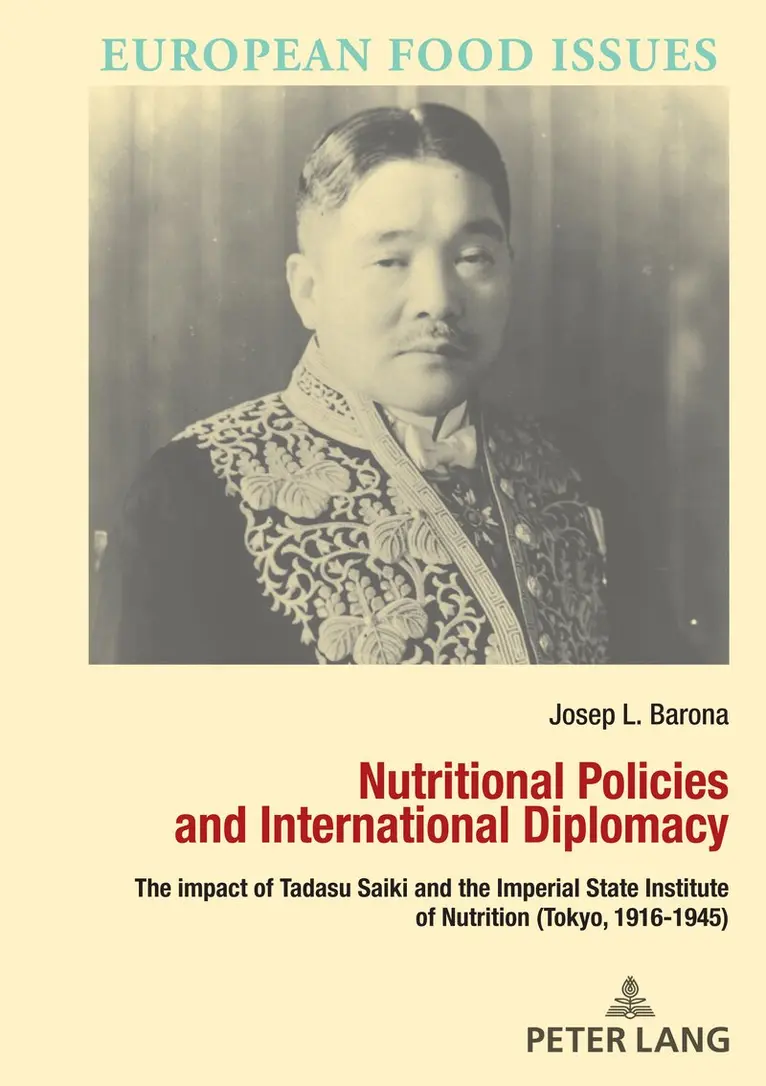
Häftad, Engelska, 2021
Nutritional Policies and International Diplomacy
515 kr
Beställningsvara. Skickas inom 5-8 vardagar. Fri frakt över 249 kr.
Beskrivning
This book offers a general approach to the importance of nutrition and public health policies in the process of modernisation of Japan during the interwar years. It describes the origins of scientific and technical modernisation during the Edo, Meiji, and Taisho periods, including the demographic and epidemiologic background, and the birth of a public health administration parallel to the strengthening and expansion of the Japanese empire. Special attention is given to the cultural significance of rice for the Japanese population, and its close relation to disease and nutritional deficiencies, especially beriberi. The second part of the book is devoted to the prominent figure of Tadasu Saiki (1876-1959), founding father of Japanese nutritional science, and his initiative in creating the Imperial State Institute for Nutrition (ISIN) in Tokyo. The new institution boosted national policies and a wide international diplomacy generating great expectations in Japan and abroad. The international impact of Japanese nutritional research and dietary policies is also analysed. The book ends with an analysis of the negative consequences of the Second World War, a critical breakdown in health and nutrition among the Japanese population.
Produktinformation
- Utgivningsdatum: 2021-03-30
- Mått: 148 x 210 x 17 mm
- Vikt: 317 g
- Format: Häftad
- Språk: Engelska
- Serie: L’Europe alimentaire / European Food Issues / Europa alimentaria / L’Europa alimentare
- Antal sidor: 240
- Upplaga: 21001
- Förlag: PIE - Peter Lang
- ISBN: 9782807611535
Utforska kategorier
Betyg & recensioner
0 recensioner
Inga recensioner tillgängliga.