Anik Waldow - Böcker
Visar alla böcker från författaren Anik Waldow. Handla med fri frakt och snabb leverans.
14 produkter
14 produkter
973 kr
Skickas inom 5-8 vardagar
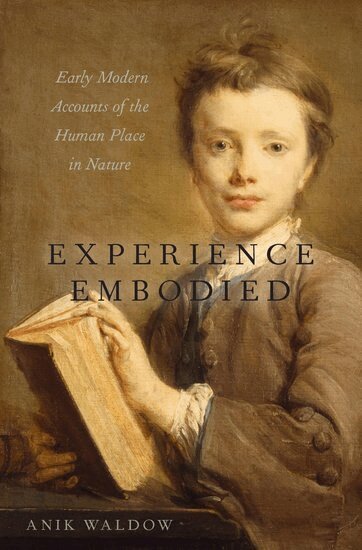
Anik Waldow develops an account of embodied experience that extends from Descartes' conception of the human body as firmly integrated into the causal play of nature, to Kant's understanding of anthropology as a discipline that provides us with guidance in our lives as embodied creatures. Waldow defends the claim that during the early modern period, the debate on experience not only focused on questions arising from the subjectivity of our thinking and feeling, it also foregrounded the essentially embodied dimension of our lives as humans. By taking this approach, Waldow departs from the traditional epistemological route dominant in treatments of early-modern conceptions of experience. She makes the case that reflections on experience took center stage in a debate that was moral in nature, because it raised questions about the developmental potential of human beings and their capacity to instantiate the principles of self-determined agency in their lives. These questions emerged for many early modern authors since they understood that the fact that humans are embodied entailed that they are similarly responsive and causally-determined like other non-human animals. While this perspective made it possible to acknowledge that humans are part of the causal dynamics of nature, it called into question their ability to act in accordance with the principles of free, rational agency. Experience Embodied reveals how early modern authors responded to this challenge, offering a new perspective on the centrality of the concept of experience in comprehending the uniquely human place in nature.
1 240 kr
Kommande
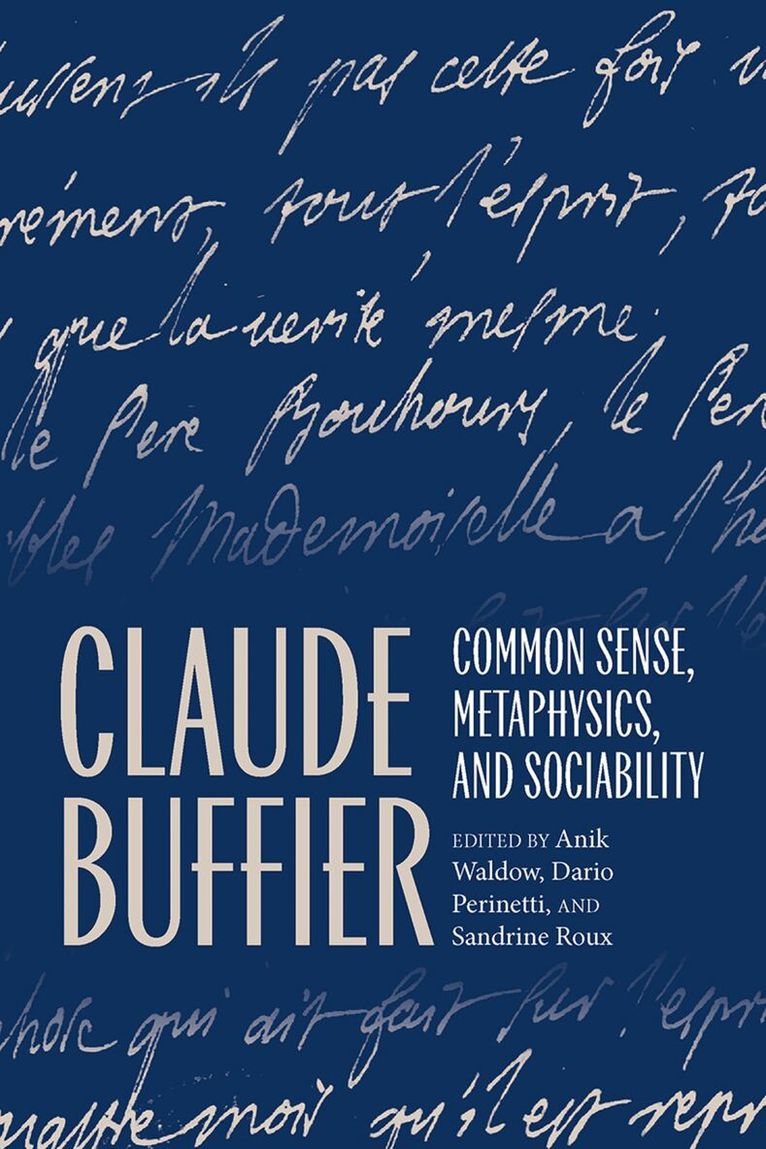
Claude Buffier: Common Sense, Metaphysics, and Sociability ventures into the largely unexplored territory of his philosophical contributions to early modern thought, unlocking the complexity of his ideas while situating him within the broader context of seventeenth- and eighteenth-century philosophy. Instead of arguing that the foundation of all knowledge is grounded in either rational speculation or empirical observation, Buffier proposes a "third way": his appeal to common sense seeks to show that, when we have exhausted all the justifications for our claims to knowledge, the bedrock where our spades are turned is the irreducible social and emotional dimension of our epistemic practices.This collection of essays explores the central tenets of Buffier's philosophy of common sense, reflects on his metaphysics of the self, identity, and duration, and examines Buffier's thought on social life, with chapters on his conceptions of freedom, social order, and the equality of the sexes. While focusing on arguments and claims central to Buffier's thought, all chapters seek to place him in his intellectual context by tracing the positions which he responded to and those he built on. Studying Buffier's philosophy contributes to widening our understanding of the main philosophical issues at stake in the early modern period. More specifically, it shows how some understudied philosophers played a crucial role in developing alternatives to Cartesianism and Locke's philosophy. It also shows how Jesuit philosophers adapted and responded to the challenges that the "new philosophy" posed to the scholasticism that had dominated Jesuit philosophy until the mid-seventeenth century.This volume seeks to re-admit Buffier into the intellectual debate, of which he was once a natural and crucial part. It clarifies what exactly was perceived as a challenge and which implicit arguments figured in the background of well-known debates.
1 132 kr
Skickas inom 7-10 vardagar
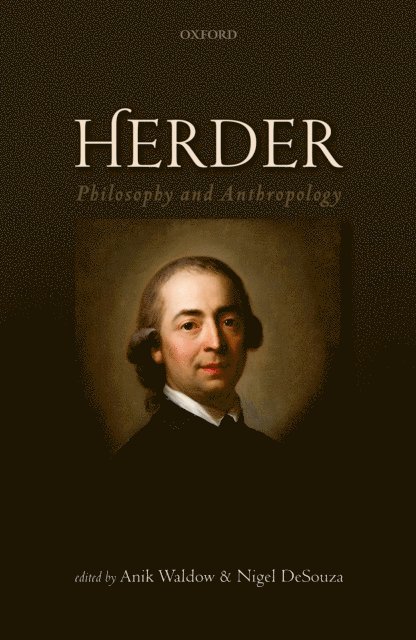
J. G. Herder is enjoying a renaissance in philosophy and across the humanities. This book offers important new insights into the complexity and depth of his thought. This unprecedented collection fills a gap in the secondary literature, highlighting the genuinely innovative and distinctive nature of Herder's philosophy. Not only does Herder offer highly original answers to important philosophical questions, such as the mind-body problem and the role of sensibility in cognition and ethics, he also opens up rich resources for thinking about the very nature of philosophy itself and its connections to other fields in the humanities and social sciences. Herder: Philosophy and Anthropology brings together a set of original essays that centre on the question at the heart of Herder's philosophical thought: How can philosophy enable an understanding of the human being that does not narrowly focus on its rational and moral capacities, but rather understands these in the context of its existence as a creature of nature that is fundamentally marked by a sensuous and affective openness and responsiveness to the world and other persons.The first part of the volume examines the various dimensions of Herder's philosophical understanding of human nature through which he sought methodologically to delineate a genuinely anthropological philosophy. The second part then examines further aspects of this understanding of human nature and what emerges from it: the human-animal distinction; how human life evolves over space and time on the basis of a natural order; the fundamentally hermeneutic dimension to human existence; and the interrelatedness of language, history, religion, and culture.
2 094 kr
Skickas inom 10-15 vardagar
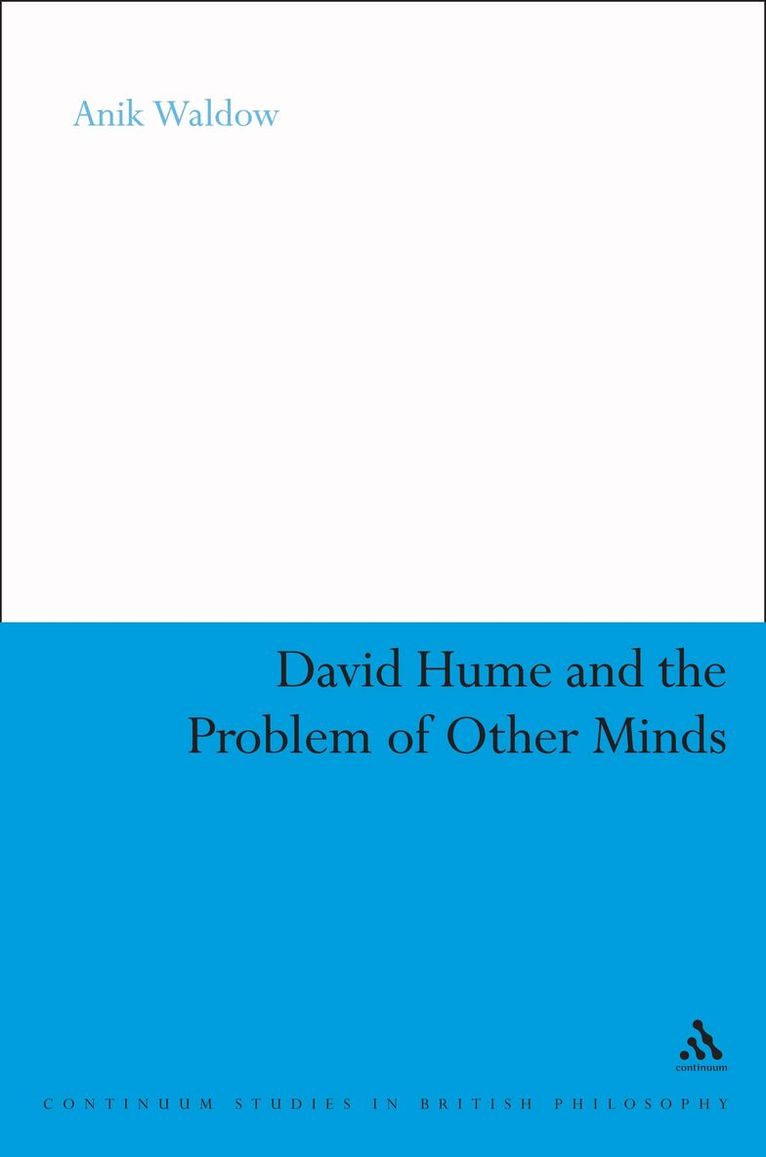
This important new monograph presents a non-sceptical outlook on Hume's "Treatise" by analysing the hitherto neglected role of the belief in other minds. The problem of other minds has widely been considered as a special problem within the debate about scepticism. If one cannot be sure that there is a world existing independently of one's mind, how can we be sure that there are minds - minds which we cannot even experience the way we experience material objects? This book shows, through a detailed examination of David Hume's "A Treatise of Human Nature", that these concerns are unfounded. By focusing on Hume's discussion of sympathy - the ability to connect with the mental contents of other persons - Anik Waldow demonstrates that belief in other minds can be justified by the same means as belief in material objects. The book thus not only provides the first large-scale treatment of the function of the belief in other minds within the "Treatise", thereby adding a new dimension to Hume's realism, but also serves as an invaluable guide to the complexity of the problem of other minds and its various responses in contemporary debate.
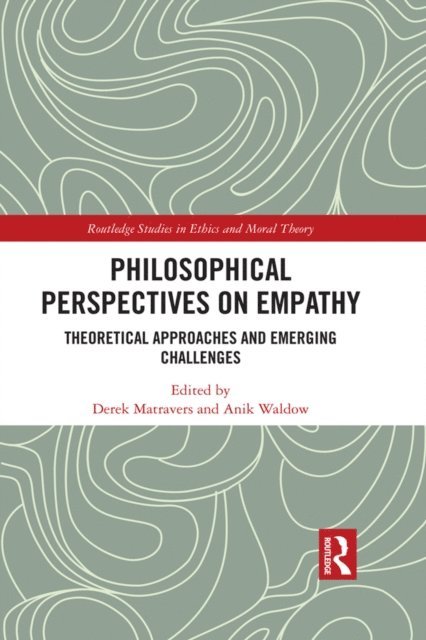
Philosophical Perspectives on Empathy
Theoretical Approaches and Emerging Challenges
Häftad, Engelska, 2021
630 kr
Skickas inom 10-15 vardagar
Empathy—our capacity to cognitively or affectively connect with other people’s thoughts and feelings—is a concept whose definition and meaning varies widely within philosophy and other disciplines. Philosophical Perspectives on Empathy advances research on the nature and function of empathy by exploring and challenging different theoretical approaches to this phenomenon.The first section of the book explores empathy as a historiographical method, presenting a number of rich and interesting arguments that have influenced the debate from the Nineteenth Century to the present day. The next group of essays broadly accepts the centrality of perspective-taking in empathy. Here the authors attempt to refine and improve this particular conception of empathy by clarifying the intentionality of the perspective taker’s emotion, the perspective taker’s meta-cognitive capacities, and the nature of central imagining itself. Finally, the concluding section argues for the re-evaluation, or even rejection, of empathy. These essays advance alternative theories that are relevant to current debates, such as narrative engagement and competence, attunement or the sharing of mental states, and the "second-person" model of empathy.This book features a wide range of perspectives on empathy written by experts across several different areas of philosophy. It will be of interest to researchers and upper-level students working on the philosophy of emotions across ethics, philosophy of mind, philosophy of psychology, and the history of philosophy.
2 088 kr
Skickas inom 10-15 vardagar
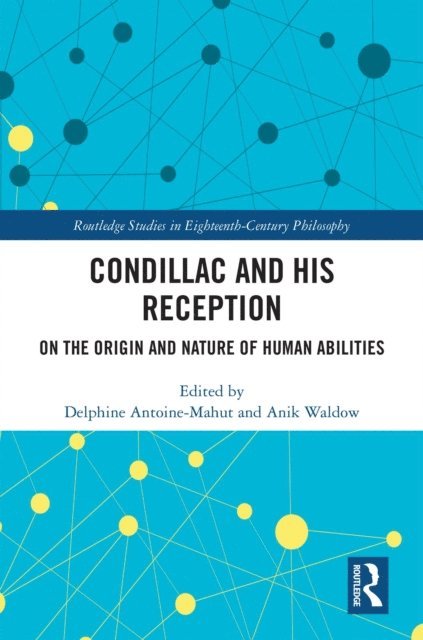
This volume explores the philosophy of Étienne Bonnot de Condillac. It presents, for the first time, English-language essays on Condillac’s philosophy, making the complexity and sophistication of his arguments and their influence on early modern philosophy accessible to a wider readership.Condillac’s reflections on the origin and nature of human abilities, such as the ability to reason, reflect and use language, took philosophy in distinctly new directions. This volume showcases the diversity of themes and methods inspired by Condillac’s work. The chapters are divided into four thematic sections. Part 1 traces connections between Condillac and his contemporaries to understand the context in which themes and discussions central to Condillac’s own philosophical thinking evolved. Part 2 focuses on the different ways in which Condillac’s philosophy was taken up, challenged, and further developed in nineteenth-century France, before moving in Part 3 to the discussion of thinkers outside of France. Finally, Part 4 looks at the contemporary applications of Condillac’s philosophy in a variety of different fields, such as phenomenology, psychology, and psychopathology.Condillac and His Reception will appeal to scholars and advanced students working on early modern philosophy, history of science and intellectual history.
576 kr
Skickas inom 10-15 vardagar
This volume explores the philosophy of Étienne Bonnot de Condillac. It presents, for the first time, English-language essays on Condillac’s philosophy, making the complexity and sophistication of his arguments and their influence on early modern philosophy accessible to a wider readership.Condillac’s reflections on the origin and nature of human abilities, such as the ability to reason, reflect and use language, took philosophy in distinctly new directions. This volume showcases the diversity of themes and methods inspired by Condillac’s work. The chapters are divided into four thematic sections. Part 1 traces connections between Condillac and his contemporaries to understand the context in which themes and discussions central to Condillac’s own philosophical thinking evolved. Part 2 focuses on the different ways in which Condillac’s philosophy was taken up, challenged, and further developed in nineteenth-century France, before moving in Part 3 to the discussion of thinkers outside of France. Finally, Part 4 looks at the contemporary applications of Condillac’s philosophy in a variety of different fields, such as phenomenology, psychology, and psychopathology.Condillac and His Reception will appeal to scholars and advanced students working on early modern philosophy, history of science and intellectual history.
495 kr
Skickas inom 10-15 vardagar
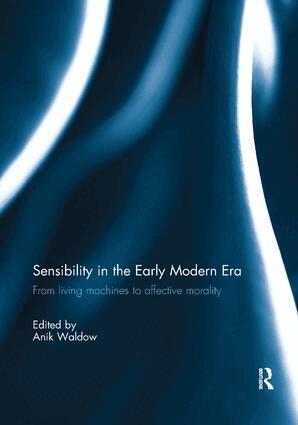
Sensibility in the Early Modern Era investigates how the early modern characterisation of sensibility as a natural property of the body could give way to complex considerations about the importance of affect in morality. What underlies this understanding of sensibility is the attempt to fuse Lockean sensationism with Scottish sentimentalism – being able to have experiences of objects in the world is here seen as being grounded in the same principle that also enables us to feel moral sentiments. Moral and epistemic ways of relating to the world thus blend into one another, as both can be traced to the same capacity that enables us to affectively respond to stimuli that impinge on our perceptual apparatus. This collection focuses on these connections by offering reflections on the role of sensibility in the early modern attempt to think of the human being as a special kind of sensitive machine and affectively responsive animal. Humans, as they are understood in this context, relate to themselves by sensing themselves and perpetually refining their intellectual and moral capacities in response to the way the world affects them. Responding to the world here refers to the manner in which both natural and man-made influences impact on our ability to conceptualise the animate and inanimate world, and our place within that world. This book was originally published as a special issue of the Intellectual History Review.
Philosophical Perspectives on Empathy
Theoretical Approaches and Emerging Challenges
Inbunden, Engelska, 2018
2 088 kr
Skickas inom 10-15 vardagar
Empathy—our capacity to cognitively or affectively connect with other people’s thoughts and feelings—is a concept whose definition and meaning varies widely within philosophy and other disciplines. Philosophical Perspectives on Empathy advances research on the nature and function of empathy by exploring and challenging different theoretical approaches to this phenomenon.The first section of the book explores empathy as a historiographical method, presenting a number of rich and interesting arguments that have influenced the debate from the Nineteenth Century to the present day. The next group of essays broadly accepts the centrality of perspective-taking in empathy. Here the authors attempt to refine and improve this particular conception of empathy by clarifying the intentionality of the perspective taker’s emotion, the perspective taker’s meta-cognitive capacities, and the nature of central imagining itself. Finally, the concluding section argues for the re-evaluation, or even rejection, of empathy. These essays advance alternative theories that are relevant to current debates, such as narrative engagement and competence, attunement or the sharing of mental states, and the "second-person" model of empathy.This book features a wide range of perspectives on empathy written by experts across several different areas of philosophy. It will be of interest to researchers and upper-level students working on the philosophy of emotions across ethics, philosophy of mind, philosophy of psychology, and the history of philosophy.
Sensibility in the Early Modern Era
From living machines to affective morality
Inbunden, Engelska, 2016
1 294 kr
Skickas inom 10-15 vardagar
Sensibility in the Early Modern Era investigates how the early modern characterisation of sensibility as a natural property of the body could give way to complex considerations about the importance of affect in morality. What underlies this understanding of sensibility is the attempt to fuse Lockean sensationism with Scottish sentimentalism – being able to have experiences of objects in the world is here seen as being grounded in the same principle that also enables us to feel moral sentiments. Moral and epistemic ways of relating to the world thus blend into one another, as both can be traced to the same capacity that enables us to affectively respond to stimuli that impinge on our perceptual apparatus. This collection focuses on these connections by offering reflections on the role of sensibility in the early modern attempt to think of the human being as a special kind of sensitive machine and affectively responsive animal. Humans, as they are understood in this context, relate to themselves by sensing themselves and perpetually refining their intellectual and moral capacities in response to the way the world affects them. Responding to the world here refers to the manner in which both natural and man-made influences impact on our ability to conceptualise the animate and inanimate world, and our place within that world. This book was originally published as a special issue of the Intellectual History Review.
528 kr
Skickas inom 10-15 vardagar
The problem of other minds has widely been considered as a special problem within the debate about scepticism. If one cannot be sure that there is a world existing independent ly of one's mind, how can we be sure that there are minds - minds which we cannot even experience the way we experience material objects? This book shows, through a detailed examination of David Hume's A Treatise of Human Nature, that these concerns are unfounded. By focusing on Hume's discussion of sympathy - the ability to connect with the mental contents of other persons - Anik Waldow demonstrates that belief in other minds can be justified by the same means as belief in material objects. The book thus not only provides the first large-scale treatment of the function of the belief in other minds within the Treatise, thereby adding a new dimension to Hume's realism, but also serves as an invaluable guide to the complexity of the problem of other minds and its various responses in contemporary debate.
1 473 kr
Skickas inom 10-15 vardagar
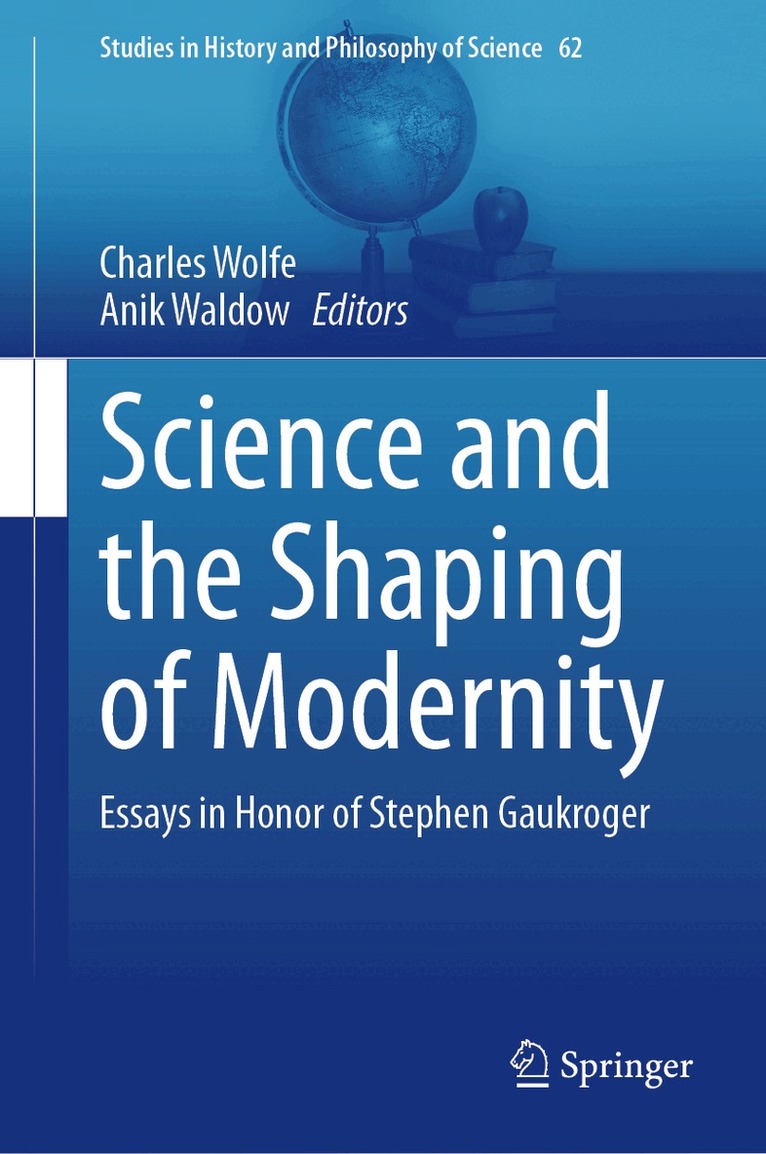
This book collects a variety of short essays on Stephen Gaukroger’s thought, by leading scholars, both senior and junior. Stephen Gaukroger (1950–2023) was one of the preeminent specialists of early modern science and philosophy, particularly their interrelations including under the heading ‘natural philosophy’, on the international scene, since the 1980s, starting with his prominent Cartesian scholarship (and biography) and moving towards the formidable 4-volume series on science and the shaping of modernity (from Emergence of a Scientific Culture to Civilization and the Culture of Science), dealing not just with early modernity but with the Enlightenment, German Romanticism and 20th-century society. This volume covers the thought of this highly-recognized scholar and engages with his works covering early modern philosophy, enlightenment, and contemporary periods, making it a must-read for any philosopher and historian of science.
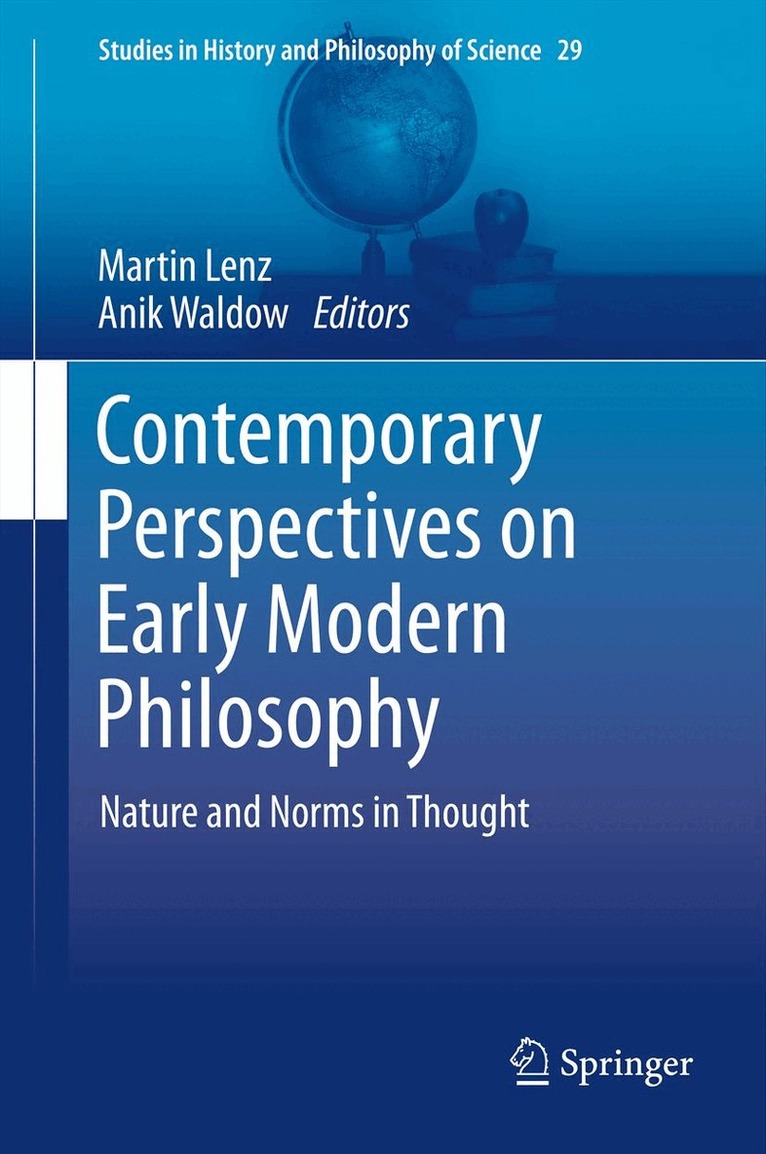
Contemporary Perspectives on Early Modern Philosophy
Nature and Norms in Thought
Inbunden, Engelska, 2013
1 064 kr
Skickas inom 10-15 vardagar
Normativity has long been conceived as more properly pertaining to the domain of thought than to the domain of nature. This conception goes back to Kant and still figures prominently in contemporary epistemology, philosophy of mind and ethics. By offering a collection of new essays by leading scholars in early modern philosophy and specialists in contemporary philosophy, this volume goes beyond the point where nature and normativity came apart, and challenges the well-established opposition between these all too neatly separated realms. It examines how the mind’s embeddedness in nature can be conceived as a starting point for uncovering the links between naturally and conventionally determined standards governing an agent’s epistemic and moral engagement with the world. The original essays are grouped in two parts. The first part focuses on specific aspects of theories of perception, thought formation and judgment. It gestures towards an account of normativity that regards linguistic conventions and natural constraints as jointly setting the scene for the mind’s ability to conceptualise its experiences. The second part of the book asks what the norms of desirable epistemic and moral practices are. Key to this approach is an examination of human beings as parts of nature, who act as natural causes and are determined by their sensibilities and sentiments. Each part concludes with a chapter that integrates features of the historical debate into the contemporary context.
Contemporary Perspectives on Early Modern Philosophy
Nature and Norms in Thought
Häftad, Engelska, 2015
1 064 kr
Skickas inom 10-15 vardagar
Normativity has long been conceived as more properly pertaining to the domain of thought than to the domain of nature. This conception goes back to Kant and still figures prominently in contemporary epistemology, philosophy of mind and ethics. By offering a collection of new essays by leading scholars in early modern philosophy and specialists in contemporary philosophy, this volume goes beyond the point where nature and normativity came apart, and challenges the well-established opposition between these all too neatly separated realms. It examines how the mind’s embeddedness in nature can be conceived as a starting point for uncovering the links between naturally and conventionally determined standards governing an agent’s epistemic and moral engagement with the world. The original essays are grouped in two parts. The first part focuses on specific aspects of theories of perception, thought formation and judgment. It gestures towards an account of normativity that regards linguistic conventions and natural constraints as jointly setting the scene for the mind’s ability to conceptualise its experiences. The second part of the book asks what the norms of desirable epistemic and moral practices are. Key to this approach is an examination of human beings as parts of nature, who act as natural causes and are determined by their sensibilities and sentiments. Each part concludes with a chapter that integrates features of the historical debate into the contemporary context.