Babalwa Magoqwana – författare
Visar alla böcker från författaren Babalwa Magoqwana. Handla med fri frakt och snabb leverans.
7 produkter
7 produkter
Häftad, Engelska, 2019
369 kr
Skickas inom 5-8 vardagar
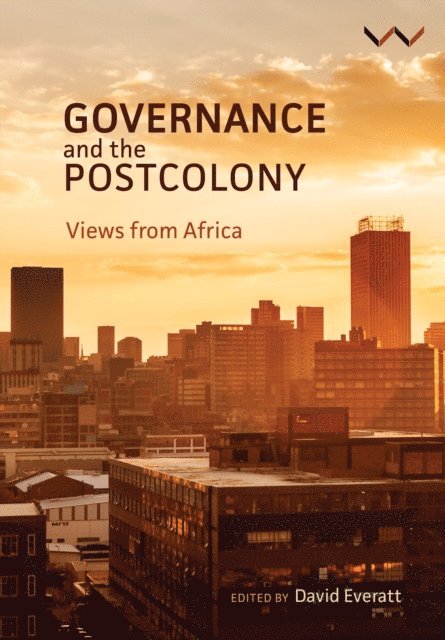
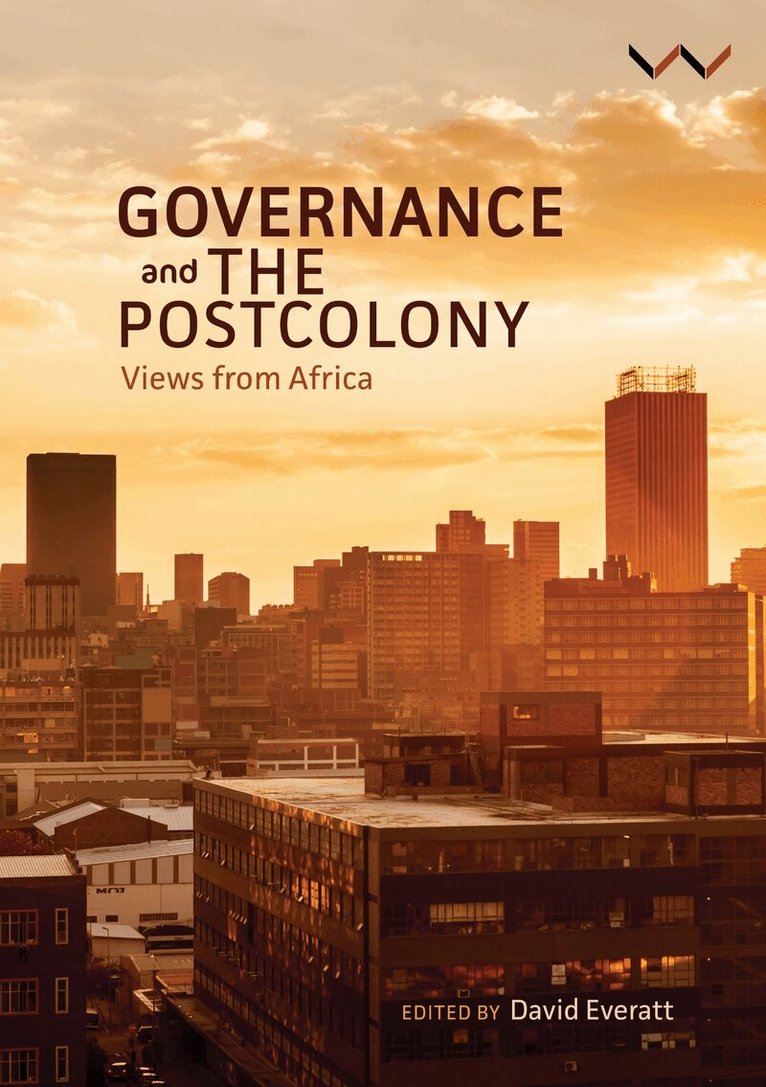
Civil society, NGOs, governments, and multilateral institutions all repeatedly call for improved or 'good' governance – yet they seem to speak past one another. Governance is in danger of losing all meaning precisely because it means many things to different people in varied locationsThis is especially true in sub-Saharan Africa. Here, the postcolony takes many forms, reflecting the imperial project with painful accuracy. Offering a set of multidisciplinary analyses of governance in different sectors (crisis management, water, food security, universities), in different locales across sub-Saharan Africa, and from different theoretical approaches (network to adversarial network governance); this volume makes a useful addition to the growing debates on 'how to govern'. It steers away from offering a 'correct' definition of governance, or from promoting a particular position on postcoloniality. It gives no neat conclusion, but invites readers to draw their own conclusions based on these differing approaches to and analyses of governance in the postcolony.As a robust, critical assessment of power and accountability in the sub-Saharan context, Governance and the Postcolony: Views from Africa brings together topical case studies that will be a valuable resource for those working in the field of African international relations, public policy, public management and administration.
E-bok
PDF, Engelska, 2019376 kr
Läs direkt efter köp
Civil society, NGOs, governments, and multilateral institutions all repeatedly call for improved or ‘good’ governance – yet they seem to speak past one another. Governance is in danger of losing all meaning precisely because it means many things to different people in varied locations. This is especially true in sub-Saharan Africa. Here, the postcolony takes many forms, reflecting the imperial project with painful accuracy. Offering a set of multidisciplinary analyses of governance in different sectors (crisis management, water, food security, universities), in different locales (including the African Union and specific regional contexts from West Africa, Zambia, to South Africa), and from different theoretical approaches (network to adversarial network governance, and beyond), this volume makes a useful addition to the growing debates on ‘how to govern’. It steers away from offering a ‘correct’ definition of governance, or from promoting a particular position on postcoloniality. It gives no conclusion that neatly sums up all the arguments advanced. Instead, readers are invited to draw their own conclusions based on these differing approaches to and analyses of governance in the postcolony. As a robust, critical assessment of power and accountability in the sub-Saharan context, this collection brings together topical case studies that will be a valuable resource for those working in the field of African international relations, public policy, public management and administration.
E-bok
Engelska, 2019373 kr
Läs direkt efter köp
Civil society, NGOs, governments, and multilateral institutions all repeatedly call for improved or ‘good’ governance – yet they seem to speak past one another. Governance is in danger of losing all meaning precisely because it means many things to different people in varied locations. This is especially true in sub-Saharan Africa. Here, the postcolony takes many forms, reflecting the imperial project with painful accuracy. Offering a set of multidisciplinary analyses of governance in different sectors (crisis management, water, food security, universities), in different locales (including the African Union and specific regional contexts from West Africa, Zambia, to South Africa), and from different theoretical approaches (network to adversarial network governance, and beyond), this volume makes a useful addition to the growing debates on ‘how to govern’. It steers away from offering a ‘correct’ definition of governance, or from promoting a particular position on postcoloniality. It gives no conclusion that neatly sums up all the arguments advanced. Instead, readers are invited to draw their own conclusions based on these differing approaches to and analyses of governance in the postcolony. As a robust, critical assessment of power and accountability in the sub-Saharan context, this collection brings together topical case studies that will be a valuable resource for those working in the field of African international relations, public policy, public management and administration.
Häftad, Engelska, 2023
380 kr
Skickas inom 5-8 vardagar
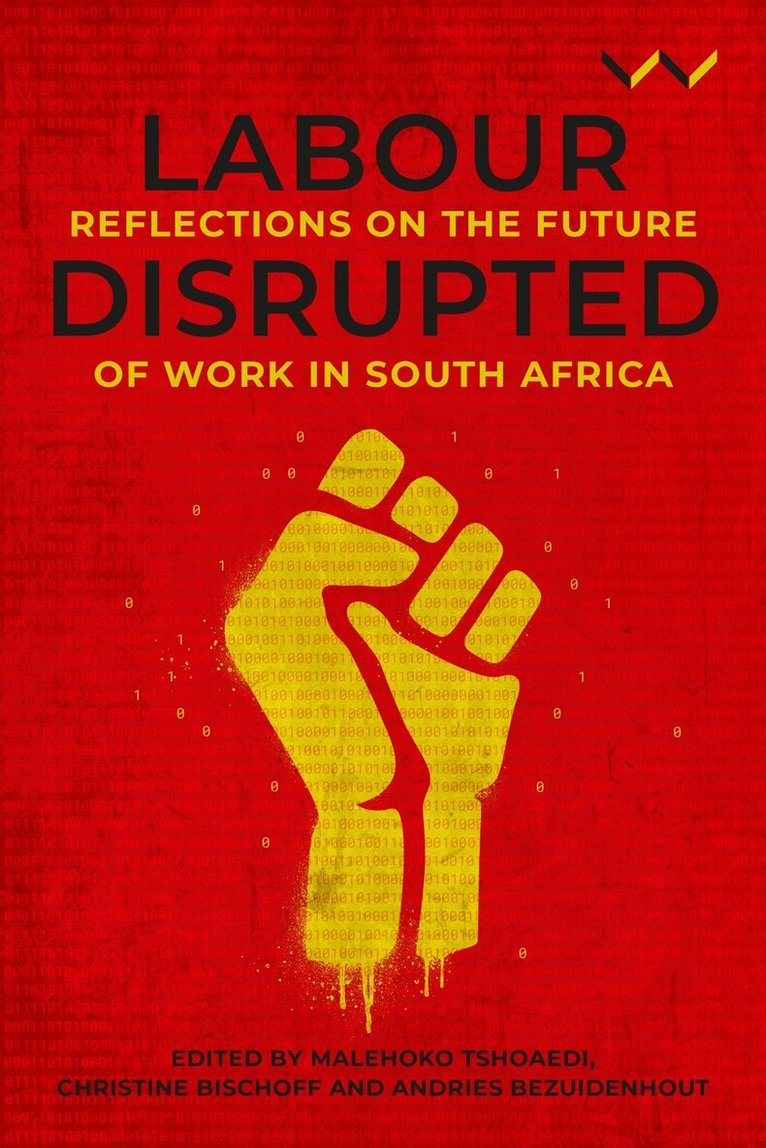
Analyses the fragmentation and future of labour movements in South Africa and globally in the context of globalisation, the fourth industrial revolution and the Covid-19 pandemic.
Inbunden, Engelska, 2023
1 099 kr
Skickas inom 5-8 vardagar
Analyses the fragmentation and future of labour movements in South Africa and globally in the context of globalisation, the fourth industrial revolution and the Covid-19 pandemic.
E-bok
PDF, Engelska, 2023430 kr
Läs direkt efter köp
Published in the 50th anniversary year of the 1973 Durban strikes, Labour Disrupted honours this milestone by reflecting on the past and the future of labour, primarily in South Africa but also globally. It focuses on how South Africa’s lockdown during the Covid-19 pandemic further exposed key contradictions and challenges that labour movements face. The contributions include a diverse range of topics by those actively engaged in the labour movement, who tackle a number of thorny issues: from redefining democracy in South Africa, to experiences of inclusiveness (or lack thereof) in workplace environments by women, young people, migrant workers, LGBTI people and people living with disabilities. They address contemporary issues related to the use of technology and the impact of the fourth industrial revolution on the youth and the working class, and the challenge of skills development and restructuring in the workplace. Labour Disrupted debates new forms of organising and labour movement alliances required to address issues of social justice in education, health and community solidarity, and exposes the precariousness of union organisation under the brutal forces of globalisation.
E-bok
Engelska, 2023430 kr
Läs direkt efter köp
Published in the 50th anniversary year of the 1973 Durban strikes, Labour Disrupted honours this milestone by reflecting on the past and the future of labour, primarily in South Africa but also globally. It focuses on how South Africa’s lockdown during the Covid-19 pandemic further exposed key contradictions and challenges that labour movements face. The contributions include a diverse range of topics by those actively engaged in the labour movement, who tackle a number of thorny issues: from redefining democracy in South Africa, to experiences of inclusiveness (or lack thereof) in workplace environments by women, young people, migrant workers, LGBTI people and people living with disabilities. They address contemporary issues related to the use of technology and the impact of the fourth industrial revolution on the youth and the working class, and the challenge of skills development and restructuring in the workplace. Labour Disrupted debates new forms of organising and labour movement alliances required to address issues of social justice in education, health and community solidarity, and exposes the precariousness of union organisation under the brutal forces of globalisation.