David H Jonassen – författare
1 019 kr
Skickas inom 10-15 vardagar
817 kr
Skickas inom 10-15 vardagar
2 892 kr
Skickas inom 10-15 vardagar
1 202 kr
Skickas inom 10-15 vardagar
2 133 kr
Skickas inom 10-15 vardagar
693 kr
Skickas inom 10-15 vardagar
857 kr
Skickas inom 10-15 vardagar
3 231 kr
Skickas inom 10-15 vardagar
1 585 kr
Skickas inom 10-15 vardagar
2 133 kr
Skickas inom 10-15 vardagar
665 kr
Skickas inom 10-15 vardagar
2 195 kr
Skickas inom 10-15 vardagar
939 kr
Skickas inom 10-15 vardagar
735 kr
Läs direkt efter köp
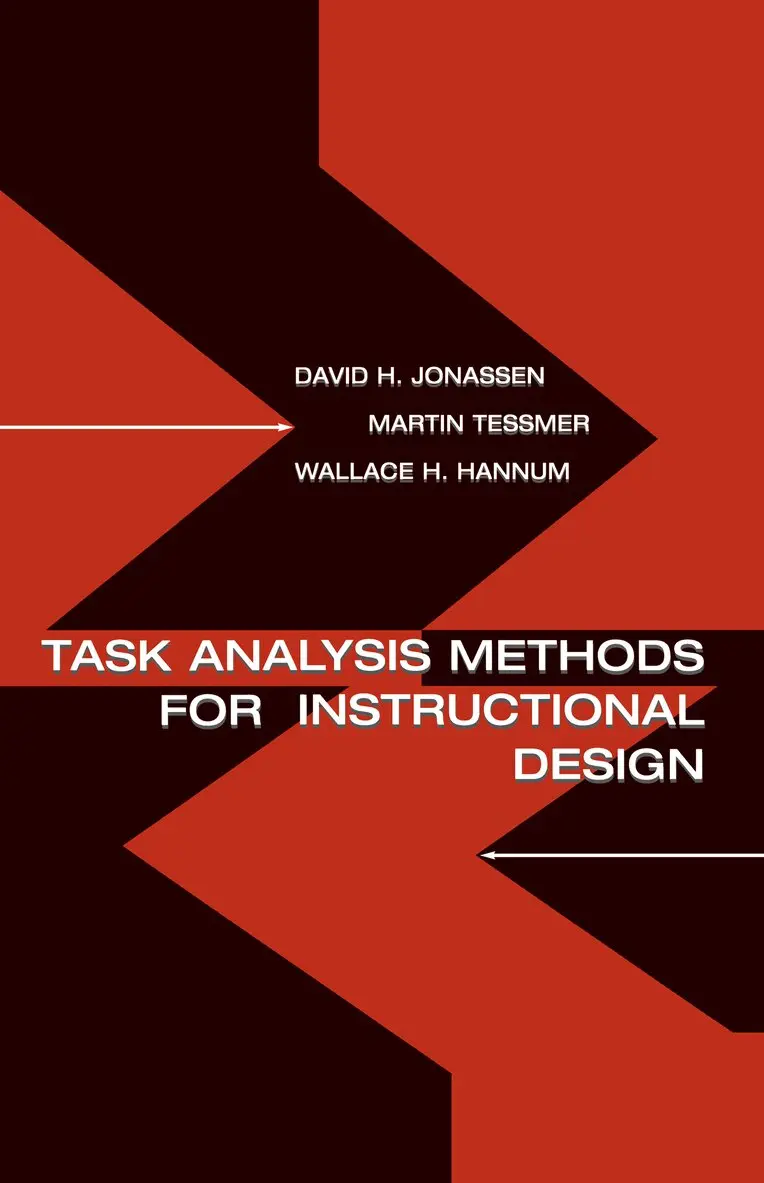
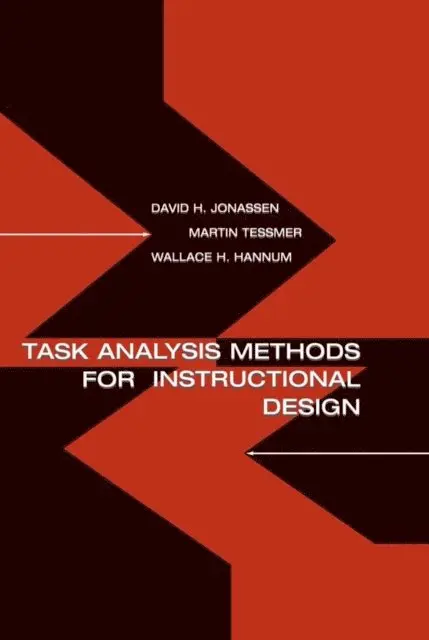
Task Analysis Methods for Instructional Design is a handbook of task analysis and knowledge elicitation methods that can be used for designing direct instruction, performance support, and learner-centered learning environments. To design any kind of instruction, it is necessary to articulate a model of how learners should think and perform. This book provides descriptions and examples of five different kinds of task analysis methods: *job/behavioral analysis; *learning analysis; *cognitive task analysis; *activity-based analysis methods; and *subject matter analysis. Chapters follow a standard format making them useful for reference, instruction, or performance support.
735 kr
Läs direkt efter köp
Task Analysis Methods for Instructional Design is a handbook of task analysis and knowledge elicitation methods that can be used for designing direct instruction, performance support, and learner-centered learning environments. To design any kind of instruction, it is necessary to articulate a model of how learners should think and perform. This book provides descriptions and examples of five different kinds of task analysis methods: *job/behavioral analysis; *learning analysis; *cognitive task analysis; *activity-based analysis methods; and *subject matter analysis. Chapters follow a standard format making them useful for reference, instruction, or performance support.
1 013 kr
Läs direkt efter köp
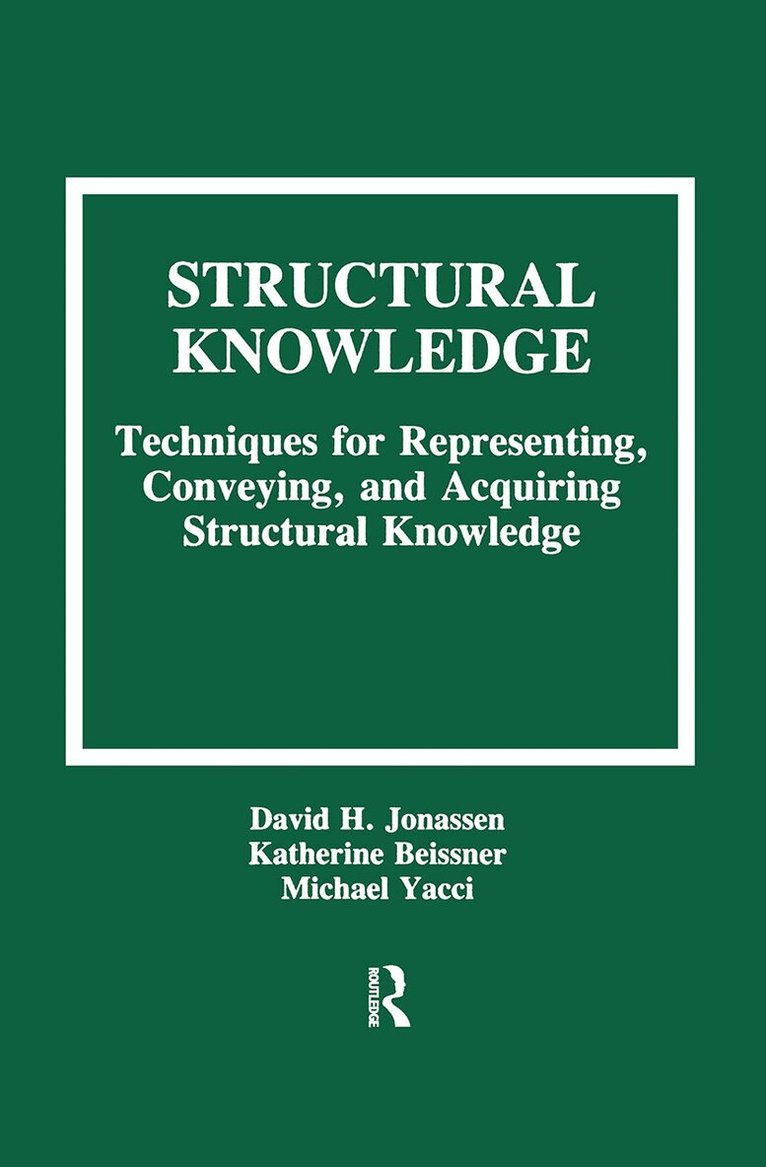
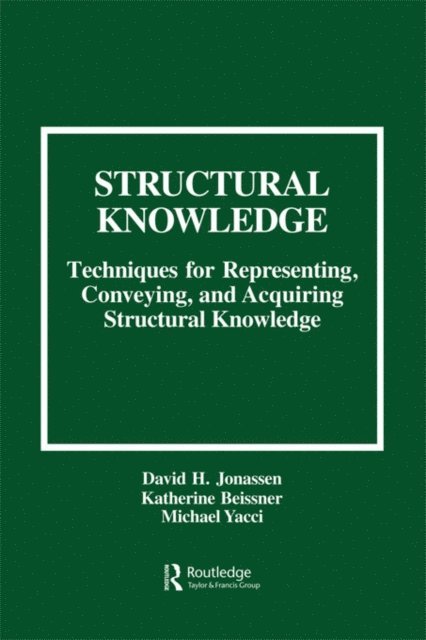
This book introduces the concept of a hypothetical type of knowledge construction -- referred to as structural knowledge -- that goes beyond traditional forms of information recall to provide the bases for knowledge application. Assuming that the validity of the concept is accepted, the volume functions as a handbook for supporting the assessment and use of structural knowledge in learning and instructional settings. It''s descriptions are direct and short, and its structure is consistent. Almost all of the chapters describe a technique for representing and assessing structural knowledge acquisition, conveying knowledge structures through direct instruction, or providing learners with strategies that they may use to acquire structural knowledge. These chapters include the following sections in the same sequence: * description of the technique and its theoretical or conceptual rationale * examples and applications * procedures for development and use * effectiveness -- learner interactions and differences, and advantages and disadvantages * references to the literature. The chapters are structured to facilitate access to information as well as to illuminate comparisons and contrasts among the techniques.
1 013 kr
Läs direkt efter köp
This book introduces the concept of a hypothetical type of knowledge construction -- referred to as structural knowledge -- that goes beyond traditional forms of information recall to provide the bases for knowledge application. Assuming that the validity of the concept is accepted, the volume functions as a handbook for supporting the assessment and use of structural knowledge in learning and instructional settings. It''s descriptions are direct and short, and its structure is consistent. Almost all of the chapters describe a technique for representing and assessing structural knowledge acquisition, conveying knowledge structures through direct instruction, or providing learners with strategies that they may use to acquire structural knowledge. These chapters include the following sections in the same sequence: * description of the technique and its theoretical or conceptual rationale * examples and applications * procedures for development and use * effectiveness -- learner interactions and differences, and advantages and disadvantages * references to the literature. The chapters are structured to facilitate access to information as well as to illuminate comparisons and contrasts among the techniques.
1 879 kr
Läs direkt efter köp
1 879 kr
Läs direkt efter köp
817 kr
Läs direkt efter köp
This book is about the implications of constructivism for instructional design practices, and more importantly, it is about a dialogue between instructional developers and learning theorists. Working with colleagues in each discipline, the editors were amazed to find a general lack of familiarity with each others'' work. From an instructional design perspective, it seems that the practice of instructional design must be based on some conception of how people learn and what it means to learn. From a learning theory perspective, it seems obvious that the value of learning theory rests in the ability to predict the impact of alternative learning environments or instructional practices on what is learned. Thus the interchange of ideas between these disciplines is essential. As a consequence of both the information rich environment and the technological capability, business is seen moving away from a fixed curriculum and toward providing information and instruction when it is needed. These changes bring about a window of opportunity establishing a dialogue that will provide for a richer understanding of learning and the instructional environment required to achieve that learning. The editors hope that this book is the beginning of the conversation and that it will serve to spur continued conversation between those involved in learning theory and those involved in the design of instruction.
817 kr
Läs direkt efter köp
This book is about the implications of constructivism for instructional design practices, and more importantly, it is about a dialogue between instructional developers and learning theorists. Working with colleagues in each discipline, the editors were amazed to find a general lack of familiarity with each others'' work. From an instructional design perspective, it seems that the practice of instructional design must be based on some conception of how people learn and what it means to learn. From a learning theory perspective, it seems obvious that the value of learning theory rests in the ability to predict the impact of alternative learning environments or instructional practices on what is learned. Thus the interchange of ideas between these disciplines is essential. As a consequence of both the information rich environment and the technological capability, business is seen moving away from a fixed curriculum and toward providing information and instruction when it is needed. These changes bring about a window of opportunity establishing a dialogue that will provide for a richer understanding of learning and the instructional environment required to achieve that learning. The editors hope that this book is the beginning of the conversation and that it will serve to spur continued conversation between those involved in learning theory and those involved in the design of instruction.
1 356 kr
Läs direkt efter köp
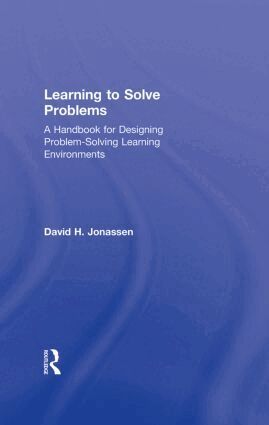
This book provides a comprehensive, up-to-date look at problem solving research and practice over the last fifteen years. The first chapter describes differences in types of problems, individual differences among problem-solvers, as well as the domain and context within which a problem is being solved. Part one describes six kinds of problems and the methods required to solve them. Part two goes beyond traditional discussions of case design and introduces six different purposes or functions of cases, the building blocks of problem-solving learning environments. It also describes methods for constructing cases to support problem solving. Part three introduces a number of cognitive skills required for studying cases and solving problems. Finally, Part four describes several methods for assessing problem solving. Key features includes:
Teaching Focus – The book is not merely a review of research. It also provides specific research-based advice on how to design problem-solving learning environments. Illustrative Cases – A rich array of cases illustrates how to build problem-solving learning environments. Part two introduces six different functions of cases and also describes the parameters of a case. Chapter Integration – Key theories and concepts are addressed across chapters and links to other chapters are made explicit. The idea is to show how different kinds of problems, cases, skills, and assessments are integrated. Author expertise – A prolific researcher and writer, the author has been researching and publishing books and articles on learning to solve problems for the past fifteen years.This book is appropriate for advanced courses in instructional design and technology, science education, applied cognitive psychology, thinking and reasoning, and educational psychology. Instructional designers, especially those involved in designing problem-based learning, as well as curriculum designers who seek new ways of structuring curriculum will find it an invaluable reference tool.
1 356 kr
Läs direkt efter köp
This book provides a comprehensive, up-to-date look at problem solving research and practice over the last fifteen years. The first chapter describes differences in types of problems, individual differences among problem-solvers, as well as the domain and context within which a problem is being solved. Part one describes six kinds of problems and the methods required to solve them. Part two goes beyond traditional discussions of case design and introduces six different purposes or functions of cases, the building blocks of problem-solving learning environments. It also describes methods for constructing cases to support problem solving. Part three introduces a number of cognitive skills required for studying cases and solving problems. Finally, Part four describes several methods for assessing problem solving. Key features includes:
Teaching Focus – The book is not merely a review of research. It also provides specific research-based advice on how to design problem-solving learning environments. Illustrative Cases – A rich array of cases illustrates how to build problem-solving learning environments. Part two introduces six different functions of cases and also describes the parameters of a case. Chapter Integration – Key theories and concepts are addressed across chapters and links to other chapters are made explicit. The idea is to show how different kinds of problems, cases, skills, and assessments are integrated. Author expertise – A prolific researcher and writer, the author has been researching and publishing books and articles on learning to solve problems for the past fifteen years.This book is appropriate for advanced courses in instructional design and technology, science education, applied cognitive psychology, thinking and reasoning, and educational psychology. Instructional designers, especially those involved in designing problem-based learning, as well as curriculum designers who seek new ways of structuring curriculum will find it an invaluable reference tool.
2 545 kr
Skickas inom 10-15 vardagar
752 kr
Läs direkt efter köp
1 078 kr
Läs direkt efter köp
1 041 kr
Läs direkt efter köp
708 kr
Läs direkt efter köp
562 kr
Skickas inom 10-15 vardagar
1 408 kr
Läs direkt efter köp