Gilles Deleuze – författare
Visar alla böcker från författaren Gilles Deleuze. Handla med fri frakt och snabb leverans.
99 produkter
Kafka. För en mindre litteratur
Av Gilles Deleuze, Félix Guattari
Häftad, 2012
212 kr
Lägg i varukorg
Gilles Deleuzes och Félix Guattaris Kafkabok är något av en modern klassiker som kan få äldre kafkaister att kräkas. Skälet är de ihärdiga slagen mot magtrakten. De två författarna vägrar läsa Kafka på existentialistiskt vis med skuld och ångest eller psykoanalytiskt som oidipala kriser. I stället …
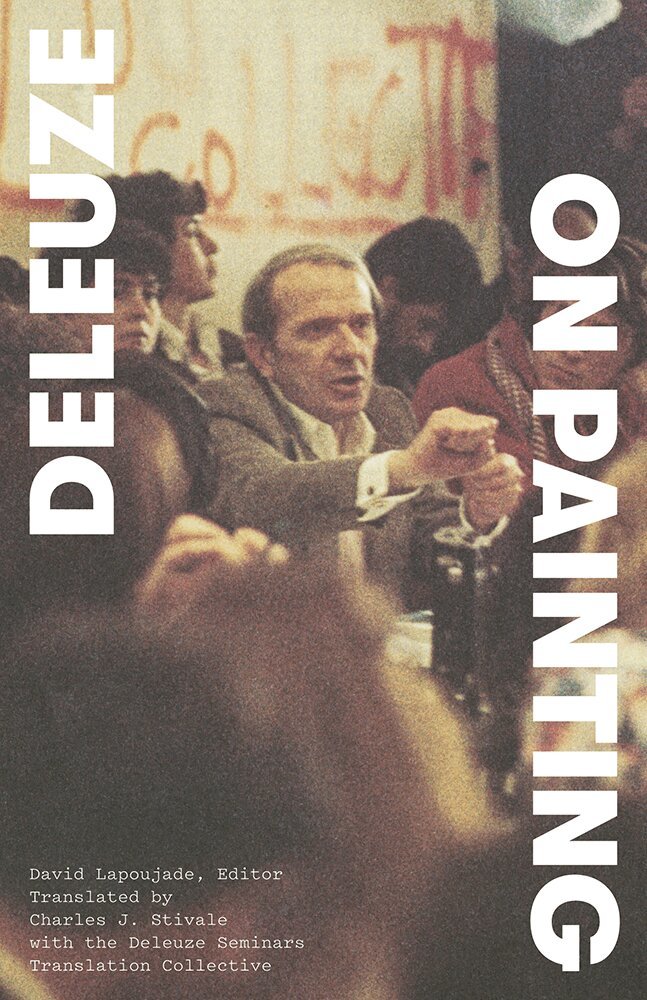
On Painting
Courses, March-June 1981
Av Gilles Deleuze, David Lapoujade
Häftad, 2025
384 kr
Lägg i varukorg
Available for the first time in English: the complete and annotated transcripts of Deleuze’s 1981 seminars on paintingFrom 1970 until 1987, Gilles Deleuze held a weekly seminar at the Experimental University of Vincennes and, starting in 1980, at Saint-Denis. In the spring of 1981, he began a …
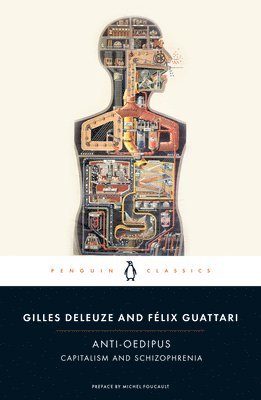
Anti-Oedipus
Capitalism and Schizophrenia
Av Gilles Deleuze, Felix Guattari
Häftad, 2009
3,0 utav 5 stjärnor. Totalt antal röster: (2)
277 kr
Lägg i varukorg
An "introduction to the nonfascist life" (Michel Foucault, from the Preface) When it first appeared in France, Anti-Oedipus was hailed as a masterpiece by some and "a work of heretical madness" by others. In it, Gilles Deleuze and Félix Guattari set forth the following theory: Western society's …
Vad är filosofi?
Av Félix Guattari, Gilles Deleuze
Häftad, 2024
209 kr
Lägg i varukorg
Vad är filosofi? både ställer och besvarar frågan om vad den filosofiska verksamheten innebär. Det är en skapande verksamhet, där det som skapas är unika begrepp. Filosofen Gilles Deleuze och psykoanalytikern Félix Guattari svarar även på hur detta begreppsliga tänkande skiljer sig från - och …
Nietzsche och filosofin
Häftad, 2003
231 kr
Lägg i varukorg
Friedrich Nietzsche (1844–1900) har genom sina mångbottnade verk blivit en omstridd filosof, vars betydelse för det moderna tänkandets utveckling knappast går att överskatta. Genom inverkan, inspiration – och ibland bortstötande – svarar han för mycket av själva den existentiella nerven i …
Cinema II
The Time-Image
Häftad, 2013
5,0 utav 5 stjärnor. Totalt antal röster: (1)
340 kr
Lägg i varukorg
Gilles Deleuze was one of the most influential figures in twentieth-century philosophy, whose master-works, Difference and Repetition and – with Felix Guattari - A Thousand Plateaus and Anti-Oedipus have become one of the most widely-influential bodies of work in contemporary thought. Cinema II is …
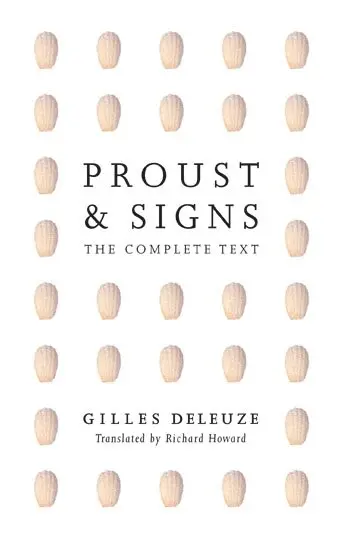
Proust och tecknen
Häftad, 2015
5,0 utav 5 stjärnor. Totalt antal röster: (1)
204 kr
Lägg i varukorg
Proust och tecknen är ironiskt nog ett filosofiskt argument för konstens överlägsenhet. Sällan har någon argumenterat bättre och vackrare för litteraturens kraft att överskrida det rådande. Eller bättre formulerat: sällan har någon lika elegant brutit ner gränsen mellan det som är och det som kunde …
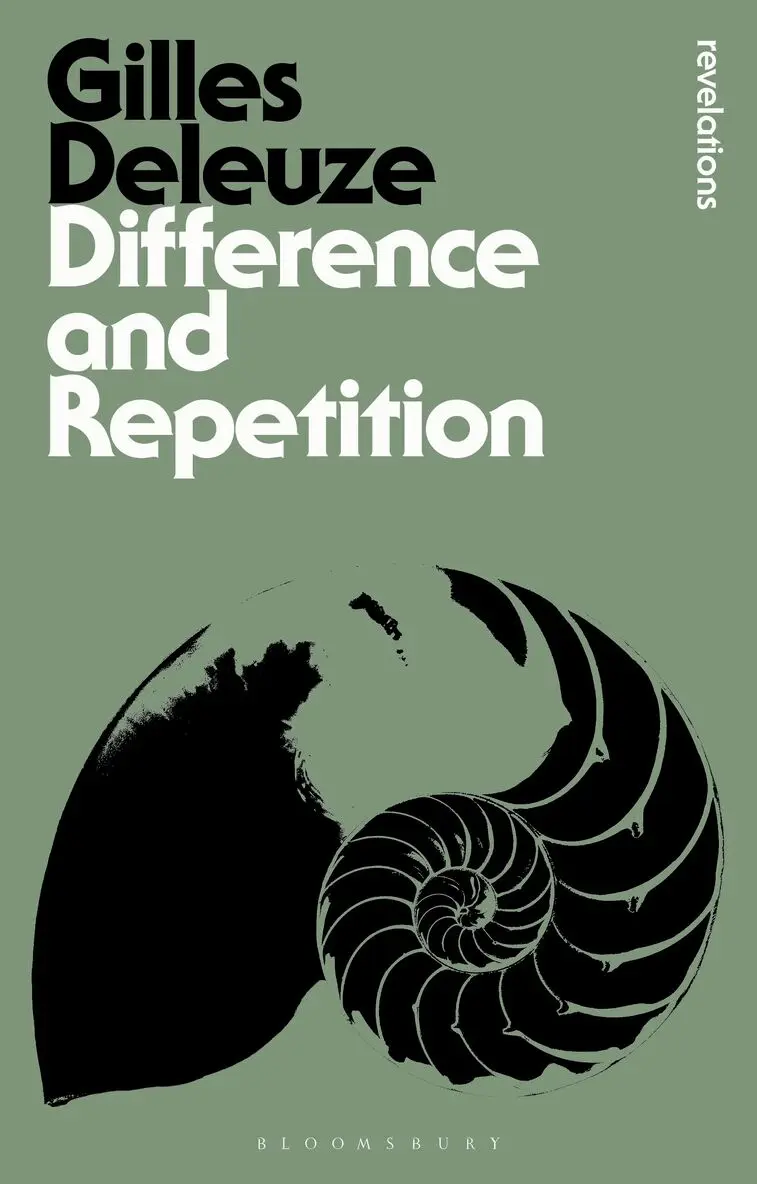
Difference and Repetition
Häftad, 2014
339 kr
Lägg i varukorg
Since its publication in 1968, Difference and Repetition, an exposition of the critique of identity, has come to be considered a contemporary classic in philosophy and one of Gilles Deleuze's most important works. The text follows the development of two central concepts, those of pure difference …
Cinema I
The Movement-Image
Häftad, 2013
340 kr
Lägg i varukorg
Gilles Deleuze was one of the most influential figures in twentieth-century philosophy, well known for his works on the philosophy of art and for his master-works, Difference and Repetition and - with Felix Guattari - A Thousand Plateaus and Anti-Oedipus.Cinema I is the first volume of Deleuze’s …
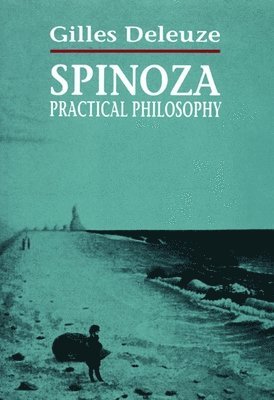
Spinoza
Practical Philosophy
Häftad, 2001
140 kr
Lägg i varukorg
Spinoza's theoretical philosophy is one of the most radical attempts to construct a pure ontology, with a single infinite substance, and all beings as the modes of being his substance. This book, which presents Spinoza's main ideas in dictionary form, has as its subject the opposition between …
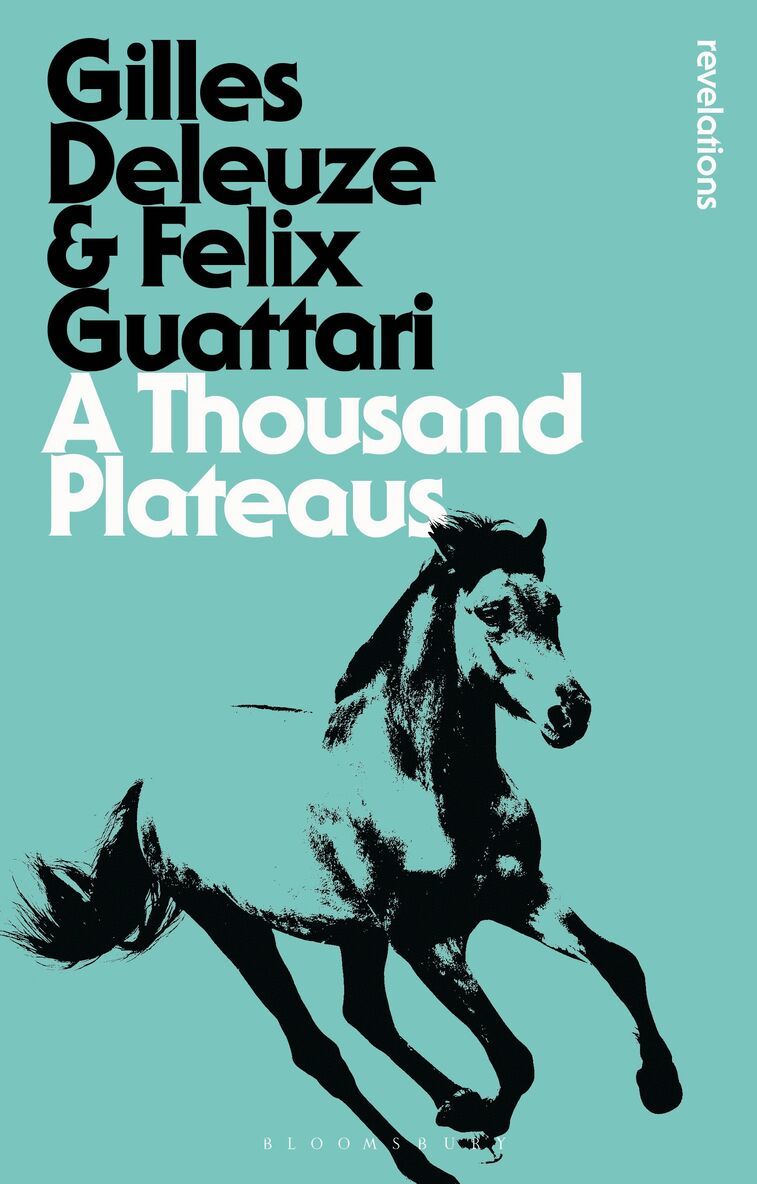
Thousand Plateaus
Av Gilles Deleuze, Felix Guattari
Häftad, 2013
356 kr
Lägg i varukorg
A Thousand Plateaus is the second part of Deleuze and Guattari's landmark philosophical project, Capitalism and Schizophrenia - a project that still sets the terms of contemporary philosophical debate. Written over a seven year period, A Thousand Plateaus provides a compelling analysis of social …
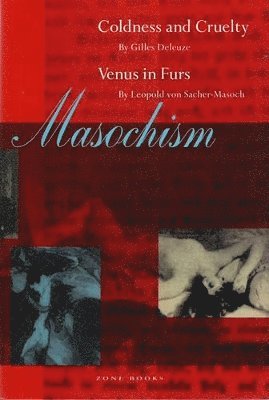
Masochism
Coldness and Cruelty & Venus in Furs
Av Gilles Deleuze, Leopold von Sacher-Masoch
Häftad, 1991
254 kr
Lägg i varukorg
In his stunning essay Coldness and Cruelty Gilles Deleuze provides a rigorous and informed philosophical examination of the work of late nineteenth-century German novelist Leopold von Sacher-Masoch. Deleuze’s essay, certainly the most profound study yet produced on the relations between sadism and …
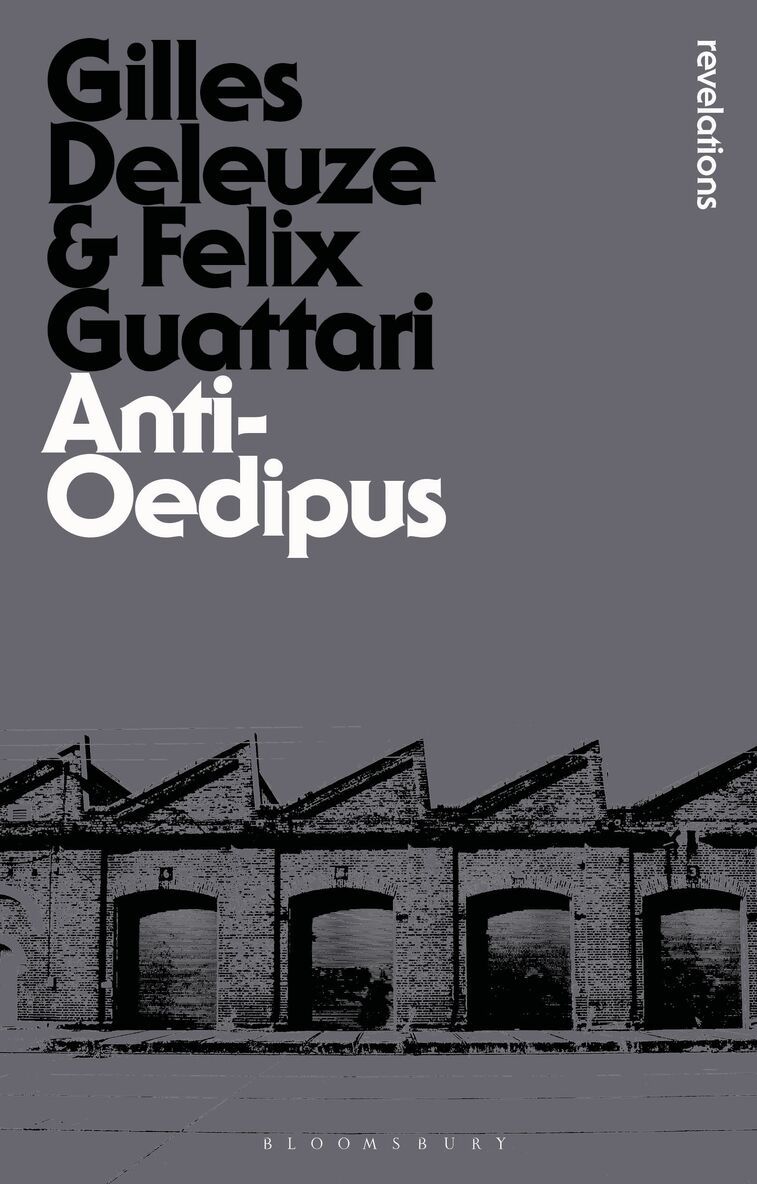
Anti-Oedipus
Av Gilles Deleuze, Felix Guattari
Häftad, 2013
351 kr
Lägg i varukorg
The collaboration of the philosopher Gilles Deleuze and the psychoanalyst Felix Guattari has been one of the most profoundly influential partnerships in contemporary thought. Anti-Oedipus is the first part of their masterpiece, Capitalism and Schizophrenia. Ranging widely across the radical …
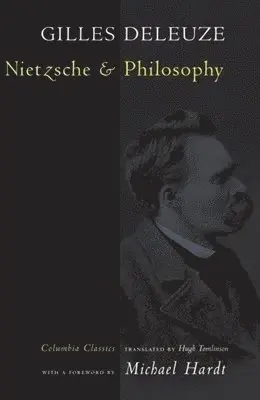
Nietzsche and Philosophy
Häftad, 1985
320 kr
Lägg i varukorg
Nietzsche and Philosophy has long been recognized as one of the most important accounts of Nietzsche's philosophy, acclaimed for its rare combination of scholarly rigour and imaginative interpretation. Yet this is more than a major work on Nietzsche: the book opened a whole new avenue in post-war …
Desert Islands
and Other Texts, 1953–1974
Av Gilles Deleuze, David Lapoujade
Häftad, 2004
201 kr
Lägg i varukorg
A fascinating anthology of texts and interviews written over 20 years by renowned French philosopher Gilles Deleuze. "One day, perhaps, this century will be Deleuzian," Michel Foucault once wrote. This book anthologizes 40 texts and interviews written over 20 years by renowned French philosopher …
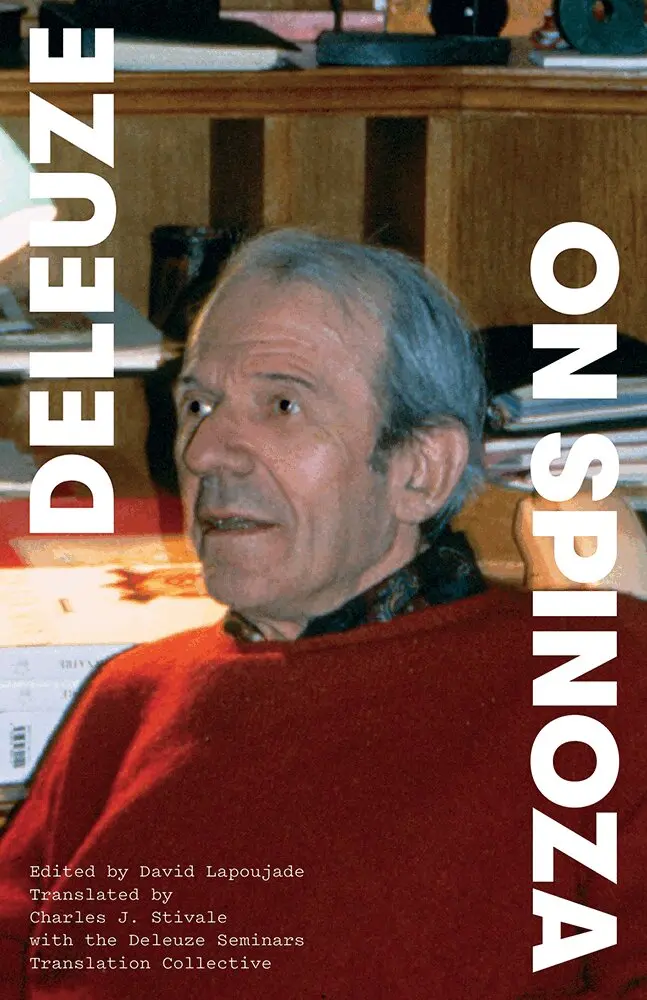
On Spinoza
Courses, November 1980–March 1981
Av Gilles Deleuze, David Lapoujade
Häftad, 2026
365 kr
Kommande
Through newly transcribed and translated lectures, Deleuze explores Spinoza's philosophy concerning questions of good and evil and humanity's potential for realizing a full lifeAvailable for the first time in English, On Spinoza presents the annotated transcripts of Gilles Deleuze's fifteen …
Kants kritiska filosofi : doktrinen om förmågorna
Häftad, 2015
5,0 utav 5 stjärnor. Totalt antal röster: (1)
171 kr
Lägg i varukorg
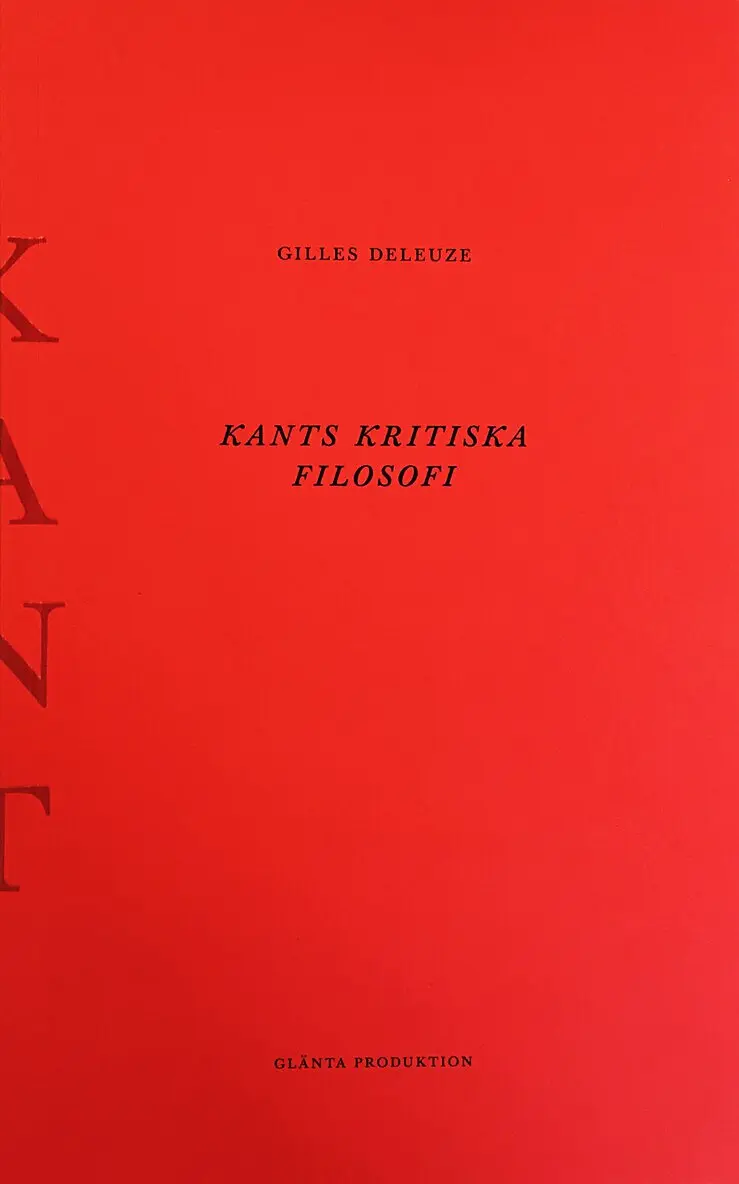
Min bok om Kant, den är något annorlunda. Jag tycker mycket om den. Jag skrev den som en bok om en fiende. I den försökte jag visa hur han fungerar och hur hans maskineri är uppbyggt. (Gilles Deleuze) Kant är till skillnad från Spinoza, Nietzsche och Bergson som Deleuze också ägnar varsin …
Two Regimes of Madness
Texts and Interviews 1975–1995
Av Gilles Deleuze, David Lapoujade
Häftad, 2007
196 kr
Lägg i varukorg
Texts and interviews from the period that saw the publication of Deleuze's major works. People tend to confuse winning freedom with conversion to capitalism. It is doubtful that the joys of capitalism are enough to free peoples.... The American “revolution” failed long ago, long before the Soviet …
Francis Bacon
The Logic of Sensation
Häftad, 2017
5,0 utav 5 stjärnor. Totalt antal röster: (1)
328 kr
Lägg i varukorg
In this landmark text by one of the most influential philosophers of the twentieth century, Gilles Deleuze takes the paintings of Francis Bacon as his object of his study. The book presents a deep engagement with Bacon's work and the nature of art. Deleuze analyzes the distinctive innovations that …
Empiricism and Subjectivity
An Essay on Hume's Theory of Human Nature
Häftad, 2001
262 kr
Lägg i varukorg
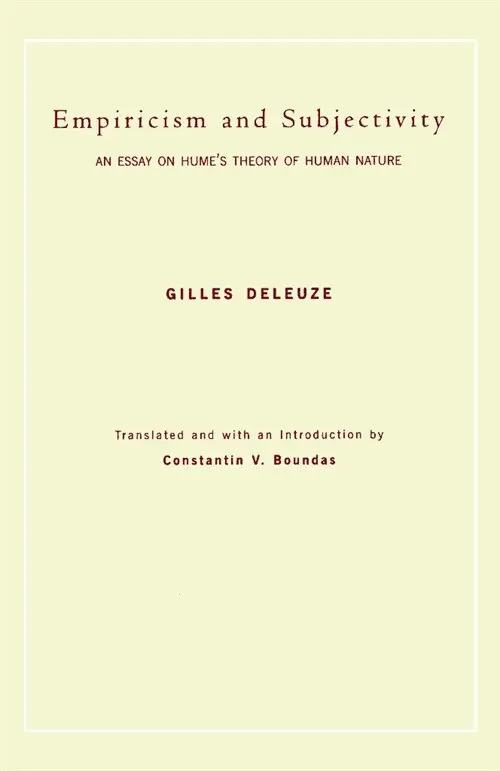
At last available in paperback, this book anticipates and explains the post-structuralist turn to empiricism. Presenting a challenging reading of David Hume's philosophy, the work is invaluable for understanding the progress of Deleuze's thought.
The Logic of Sense
Av Gilles Deleuze, Constantin V. Boundas
Häftad, 1993
320 kr
Lägg i varukorg
Considered one of the most important works of one of France's foremost philosophers, and long-awaited in English, The Logic of Sense begins with an extended exegesis of Lewis Carroll's Alice in Wonderland. Considering stoicism, language, games, sexuality, schizophrenia, and literature, Deleuze …
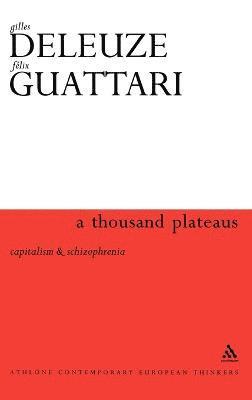
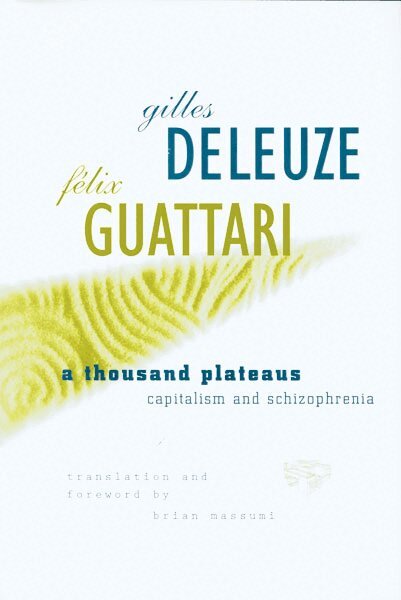
Thousand Plateaus
Capitalism and Schizophrenia
Av Gilles Deleuze, Felix Guattari
Inbunden, 2000
2685 kr
Lägg i varukorg
Thousand Plateaus
Capitalism and Schizophrenia
Häftad, 1987
510 kr
Lägg i varukorg
A Thousand Plateaus continues the work Gilles Deleuze and FÉlix Guattari began in Anti-Oedipus and has now become established as one of the classic studies of the development of critical theory in the late twentieth century. It occupies an important place at the center of the debate reassessing the …
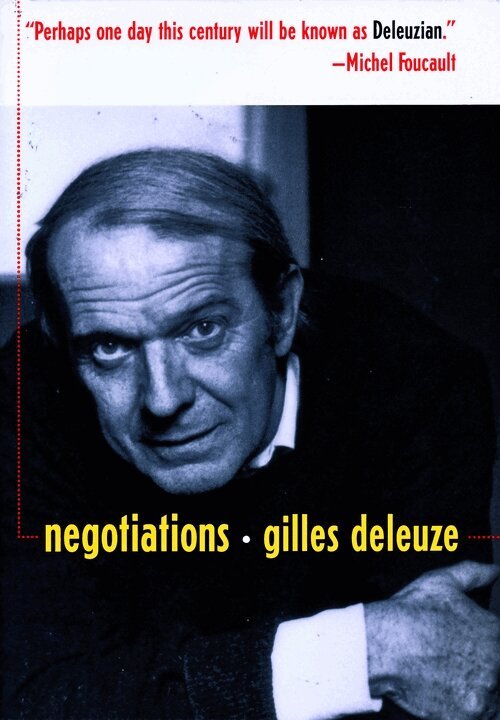
Negotiations, 1972-1990
Häftad, 1997
4,0 utav 5 stjärnor. Totalt antal röster: (1)
236 kr
Lägg i varukorg
Negotiations traces the intellectual journey of a man widely acclaimed as one of the most important French philosphers. A provocative guide to Deleuze by Deleuze, the collection clarifies the key critical concepts in the work of this vital figure in contemporary philosphy, who has had a lasting …
Difference and Repetition
Inbunden, 1994
1690 kr
Lägg i varukorg
This brilliant exposition of the critique of identity is a classic in contemporary philosophy and one of Deleuze's most important works. Of fundamental importance to literary critics and philosophers,Difference and Repetition develops two central concepts-pure difference and complex repetition-and …
Difference and Repetition
Häftad, 1995
380 kr
Lägg i varukorg
This brilliant exposition of the critique of identity is a classic in contemporary philosophy and one of Deleuze's most important works. Of fundamental importance to literary critics and philosophers,Difference and Repetition develops two central concepts-pure difference and complex repetition-and …
Nietzsche and Philosophy
Inbunden, 2006
1920 kr
Lägg i varukorg
Praised for its rare combination of scholarly rigor and imaginative interpretation, Nietzsche and Philosophy has long been recognized as one of the most important analyses of Nietzsche. It is also one of the best introductions to Deleuze's thought, establishing many of his central philosophical …