Homer B. Pettey - Böcker
Visar alla böcker från författaren Homer B. Pettey. Handla med fri frakt och snabb leverans.
18 produkter
18 produkter
1 343 kr
Skickas inom 7-10 vardagar
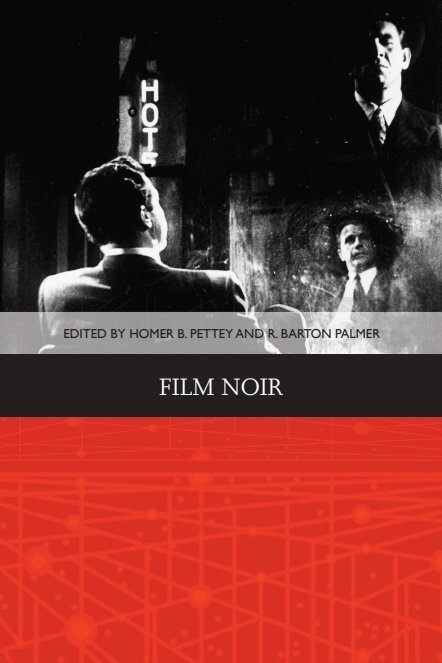
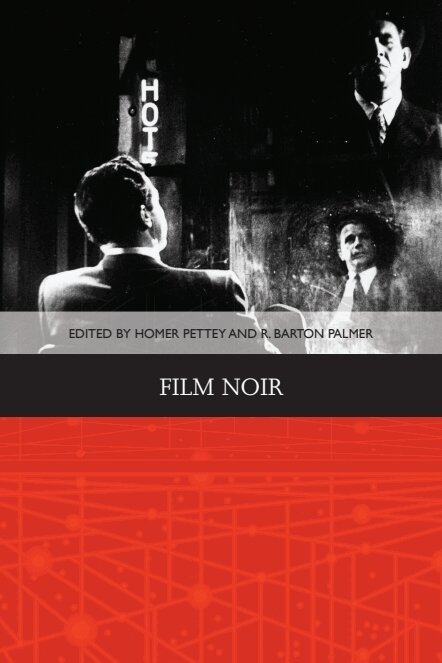
Explores the development of film noir as a cultural and artistic phenomenon. This book traces the development of what we know as film noir from the proto-noir elements of Feuillade’s silent French crime series and German Expressionism to the genre’s mid-twentieth century popularization and influence on contemporary global media. By employing experimental lighting effects, oblique camera angles, distorted compositions, and shifting points-of-view, film noir’s style both creates and comments upon a morally adumbrated world, where the alienating effects of the uncanny, the fetishistic, and the surreal dominate. What drew original audiences to film noir is an immediate recognition of this modern social and psychological reality. Much of the appeal of film noir concerns its commentary on social anxieties, its cynical view of political and capitalist corruption, and its all-too-brutal depictions of American modernity. This book examines the changing, often volatile shifts in representations of masculinity and femininity, as well as the genre’s complex relationship with Afro-American culture, observable through noir’s musical and sonic experiments. Key featuresTraces the history of film noir from its aesthetic antecedents through its mid-century popularization to its influence on contemporary global mediaDiscusses the influence of literary and artistic sources on the development of film noirIncludes extensive bibliographies, filmographies and recommended noir film viewingConcludes with a reflective chapter by Alain Silver and James Ursini on their own influential studies and collections on film noir criticism
1 343 kr
Skickas inom 7-10 vardagar
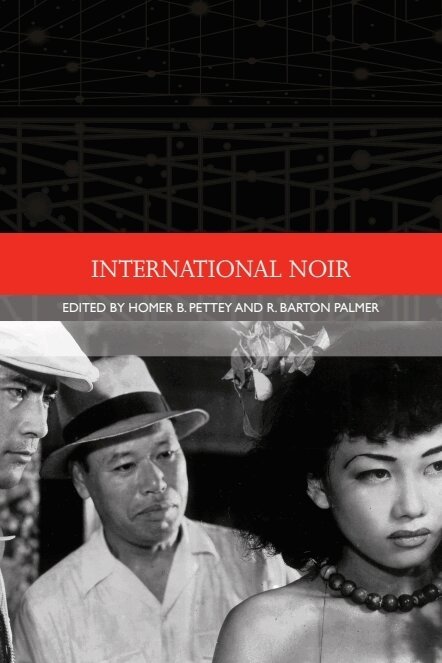
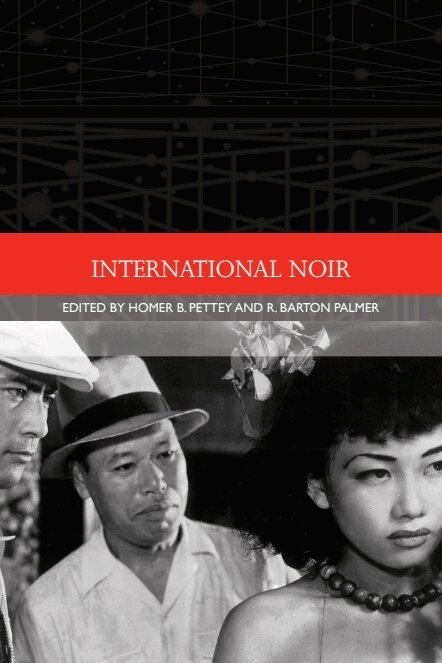
Following World War II, film noir became the dominant cinematic expression of Cold War angst, influencing new trends in European and Asian filmmaking. International Noir examines film noir’s influence on the cinematic traditions of Britain, France, Scandinavia, Japan, Hong Kong, Korea, and India. This book suggests that the film noir style continues to appeal on such a global scale because no other cinematic form has merged style and genre to effect a vision of the disturbing consequences of modernity. International noir has, however, adapted and adopted noir themes and aesthetic elements so that national cinemas can boast an independent and indigenous expression of the genre. Ranging from Japanese silent films and women’s films to French, Hong Kong, and Nordic New Waves, this book also calls into question critical assessments of noir in international cinemas. In short, it challenges prevailing film scholarship to renegotiate the concept of noir. Ending with an examination of Hollywood’s neo-noir recontextualization of the genre, and post-noir’s reinvigorating critique of this aesthetic, International Noir offers Film Studies scholars an in-depth commentary on this influential global cinematic art form, further offering extensive bibliography and filmographies for recommended reading and viewing.
2 002 kr
Skickas inom 3-6 vardagar
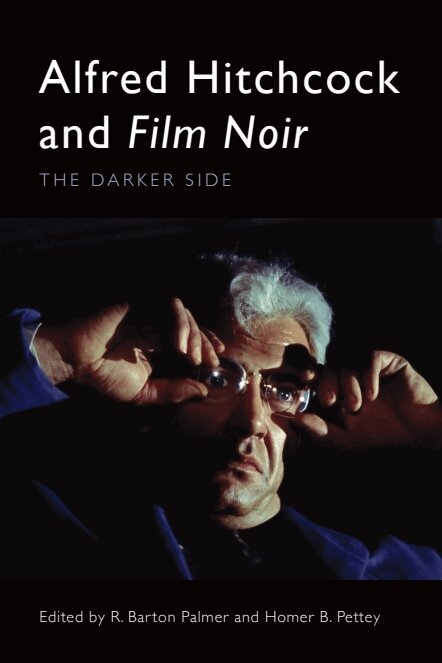
Alfred Hitchcock was a major figure in the development and flourishing of film noir. His noir films became an inspirational foundation of the neo-noir movement beginning in the 1970s, from Brian de Palma's mash-up homages to Hitchcock originals such as Obsession (1976) and Body Double (1984) to the dark political thrillers of the era that explore the underside of American life, all of which owe a substantial debt to Hitchcock. However, the central role of Hitchcock in the long history of film noir has seldom been acknowledged in work devoted to his career and noir criticism more generally. Instead, there has been a tendency to consider Hitchcock's many dark thrillers and crime melodramas as sui generis, that is, as "Hitchcock films" that are somehow separate and distinct from industry trends. But this is to take a narrow view of the director's accomplishments that underestimates his substantial contributions to film history. Alfred Hitchcock and Film Noir will be the first book-length treatment of the impressive corpus of Hitchcock noir films considered as such, as well as of his connection more generally to the emergence and flourishing of this important cinematic trend.
316 kr
Kommande
Alfred Hitchcock was a major figure in the development and flourishing of film noir. His noir films became an inspirational foundation of the neo-noir movement beginning in the 1970s, from Brian de Palma’s mash-up homages to Hitchcock originals such as Obsession (1976) and Body Double (1984) to the dark political thrillers of the era that explore the underside of American life, all of which owe a substantial debt to Hitchcock. However, the central role of Hitchcock in the long history of film noir has seldom been acknowledged in work devoted to his career and noir criticism more generally. Instead, there has been a tendency to consider Hitchcock’s many dark thrillers and crime melodramas as sui generis, that is, as "Hitchcock films" that are somehow separate and distinct from industry trends. But this is to take a narrow view of the director's accomplishments that underestimates his substantial contributions to film history. Alfred Hitchcock and Film Noir will be the first book-length treatment of the impressive corpus of Hitchcock noir films considered as such, as well as of his connection more generally to the emergence and flourishing of this important cinematic trend.
464 kr
Skickas inom 5-8 vardagar
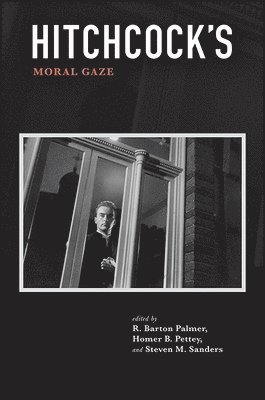
Offers new and compelling perspectives on the deeply moral nature of Hitchcock's films.In his essays and interviews, Alfred Hitchcock was guarded about substantive matters of morality, preferring instead to focus on discussions of technique. That has not, however, discouraged scholars and critics from trying to work out what his films imply about such moral matters as honesty, fidelity, jealousy, courage, love, and loyalty. Through discussions and analyses of such films as Strangers on a Train, Rear Window, Vertigo, North by Northwest, and Frenzy, the contributors to this book strive to throw light on the way Hitchcock depicts a moral-if not amoral or immoral-world. Drawing on perspectives from film studies, philosophy, literature, and other disciplines, they offer new and compelling interpretations of the filmmaker's moral gaze and the inflection point it provides for modern cinema.
1 057 kr
Tillfälligt slut
Offers new and compelling perspectives on the deeply moral nature of Hitchcock's films.In his essays and interviews, Alfred Hitchcock was guarded about substantive matters of morality, preferring instead to focus on discussions of technique. That has not, however, discouraged scholars and critics from trying to work out what his films imply about such moral matters as honesty, fidelity, jealousy, courage, love, and loyalty. Through discussions and analyses of such films as Strangers on a Train, Rear Window, Vertigo, North by Northwest, and Frenzy, the contributors to this book strive to throw light on the way Hitchcock depicts a moral-if not amoral or immoral-world. Drawing on perspectives from film studies, philosophy, literature, and other disciplines, they offer new and compelling interpretations of the filmmaker's moral gaze and the inflection point it provides for modern cinema.
1 172 kr
Skickas inom 5-8 vardagar
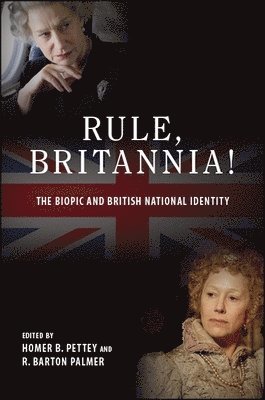
Assesses how cinematic biographies of key figures reflect and shape what it means to be British.Winner of the 2019 SAMLA Studies Book Award for Edited Collections presented by the South Atlantic Modern Language Association Rule, Britannia! surveys the British biopic, a genre crucial to understanding how national cinema engages with the collective experience and values of its intended audience. Offering a provocative take on an aspect of filmmaking with profound cultural significance, the volume focuses on how screen biographies of prominent figures in British history and culture can be understood as involved, if unofficially, in the shaping and promotion of an ever-protean national identity. The contributors engage with the vexed concept of British nationality, especially as this sense of collective belonging is problematized by the ethnically oriented alternatives of English, Scottish, Welsh, and Irish nations. They explore the critical and historiographical issues raised by the biopic, demonstrating that celebration of conventional virtue is not the genre's only natural subject. Filmic depictions of such personalities as Elizabeth I, Victoria, George VI, Elizabeth II, Margaret Thatcher, Iris Murdoch, and Jack the Ripper are covered.
611 kr
Skickas inom 3-6 vardagar
Assesses how cinematic biographies of key figures reflect and shape what it means to be British.Winner of the 2019 SAMLA Studies Book Award for Edited Collections presented by the South Atlantic Modern Language Association Rule, Britannia! surveys the British biopic, a genre crucial to understanding how national cinema engages with the collective experience and values of its intended audience. Offering a provocative take on an aspect of filmmaking with profound cultural significance, the volume focuses on how screen biographies of prominent figures in British history and culture can be understood as involved, if unofficially, in the shaping and promotion of an ever-protean national identity. The contributors engage with the vexed concept of British nationality, especially as this sense of collective belonging is problematized by the ethnically oriented alternatives of English, Scottish, Welsh, and Irish nations. They explore the critical and historiographical issues raised by the biopic, demonstrating that celebration of conventional virtue is not the genre's only natural subject. Filmic depictions of such personalities as Elizabeth I, Victoria, George VI, Elizabeth II, Margaret Thatcher, Iris Murdoch, and Jack the Ripper are covered.
550 kr
Skickas inom 3-6 vardagar
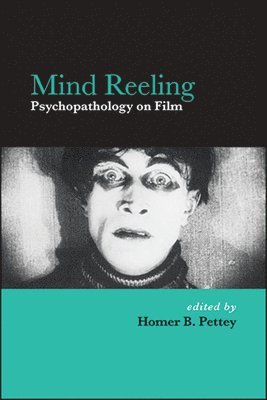
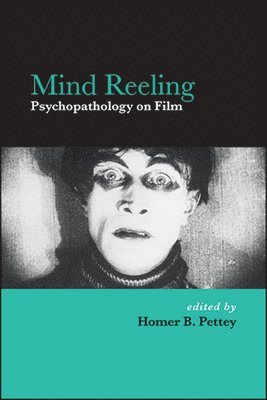
Across a variety of genres, shows how mental disorders are depicted in cinema.Mind Reeling investigates how cinema displays and mirrors psychological disorders, such as bipolar disorder, amnesia, psychotic delusions, obsessive compulsive behavior, trauma, paranoia, and borderline personalities. It explores a range of genres, including biopics, comedies, film noirs, contemporary dramedies, thrillers, Gothic mysteries, and docufictions. The contributors open up critical approaches to audience fascination with film depictions of serious disturbances within the human psyche. Many films examined here have had little scholarly attention and commentary. These essays focus on how cinematic techniques contribute to popular culture's conception of mental dysfunction, trauma, and illness. This book reveals the complex artistic and generic patterns that produce contemporary images of psychopathology in cinema.
1 415 kr
Skickas inom 3-6 vardagar
Across a variety of genres, shows how mental disorders are depicted in cinema.Mind Reeling investigates how cinema displays and mirrors psychological disorders, such as bipolar disorder, amnesia, psychotic delusions, obsessive compulsive behavior, trauma, paranoia, and borderline personalities. It explores a range of genres, including biopics, comedies, film noirs, contemporary dramedies, thrillers, Gothic mysteries, and docufictions. The contributors open up critical approaches to audience fascination with film depictions of serious disturbances within the human psyche. Many films examined here have had little scholarly attention and commentary. These essays focus on how cinematic techniques contribute to popular culture's conception of mental dysfunction, trauma, and illness. This book reveals the complex artistic and generic patterns that produce contemporary images of psychopathology in cinema.
1 942 kr
Skickas inom 3-6 vardagar
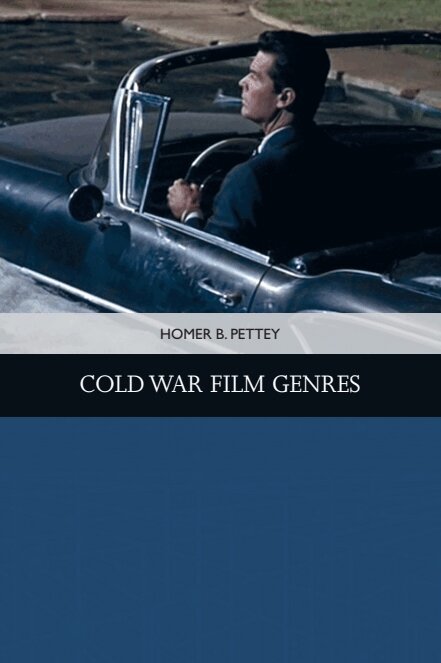
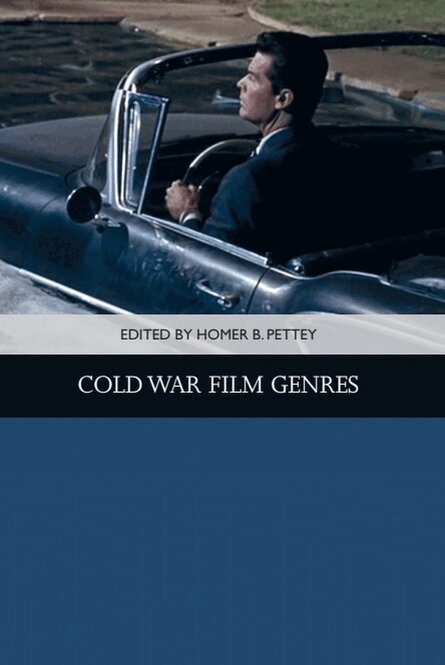
Examines how Cold War films depicted pertinent issues of American social class and genderFrom the mid-1940s to the late 1980s American film studios enjoyed commercial success in a range of often overlooked genres, employing a new realism to depict social class structures, capitalist desires and the expansion of the marketplace, and to turn American cultural values comically and subversively against themselves. With case studies of the Cold War comedy, the 'rogue cop' film, the brainwashing thriller and the urban romances that defined the 'new woman', 'Cold War Film Genres' explores these myriad productions, redefining American cinematic history with a more inclusive view of the types of films that post-war audiences actually enjoyed, and that the studios provided for them.Key FeaturesProvides studies of emerging film genres and cycles in the Cold War periodExamines how new genres recast gender and class conditions in terms of defining urban and suburban AmericaReveals new directions and successful strategies in Cold War studio production Charts new developments in film narratives that define American social concerns Refocuses critical attention upon the diverse politics of American film culture
649 kr
Skickas inom 3-6 vardagar
Explores the development of film noir as a cultural and artistic phenomenon. This book traces the development of what we know as film noir from the proto-noir elements of Feuillade’s silent French crime series and German Expressionism to the genre’s mid-twentieth century popularization and influence on contemporary global media. By employing experimental lighting effects, oblique camera angles, distorted compositions, and shifting points-of-view, film noir’s style both creates and comments upon a morally adumbrated world, where the alienating effects of the uncanny, the fetishistic, and the surreal dominate. What drew original audiences to film noir is an immediate recognition of this modern social and psychological reality. Much of the appeal of film noir concerns its commentary on social anxieties, its cynical view of political and capitalist corruption, and its all-too-brutal depictions of American modernity. This book examines the changing, often volatile shifts in representations of masculinity and femininity, as well as the genre’s complex relationship with Afro-American culture, observable through noir’s musical and sonic experiments. Key featuresTraces the history of film noir from its aesthetic antecedents through its mid-century popularization to its influence on contemporary global mediaDiscusses the influence of literary and artistic sources on the development of film noirIncludes extensive bibliographies, filmographies and recommended noir film viewingConcludes with a reflective chapter by Alain Silver and James Ursini on their own influential studies and collections on film noir criticism
649 kr
Skickas inom 3-6 vardagar
Following World War II, film noir became the dominant cinematic expression of Cold War angst, influencing new trends in European and Asian filmmaking. International Noir examines film noir’s influence on the cinematic traditions of Britain, France, Scandinavia, Japan, Hong Kong, Korea, and India. This book suggests that the film noir style continues to appeal on such a global scale because no other cinematic form has merged style and genre to effect a vision of the disturbing consequences of modernity. International noir has, however, adapted and adopted noir themes and aesthetic elements so that national cinemas can boast an independent and indigenous expression of the genre. Ranging from Japanese silent films and women’s films to French, Hong Kong, and Nordic New Waves, this book also calls into question critical assessments of noir in international cinemas. In short, it challenges prevailing film scholarship to renegotiate the concept of noir. Ending with an examination of Hollywood’s neo-noir recontextualization of the genre, and post-noir’s reinvigorating critique of this aesthetic, International Noir offers Film Studies scholars an in-depth commentary on this influential global cinematic art form, further offering extensive bibliography and filmographies for recommended reading and viewing.
669 kr
Skickas inom 3-6 vardagar
From the mid-1940s to the late 1980s American film studios enjoyed commercial success in a range of often overlooked genres, employing a new realism to depict social class structures, capitalist desires and the expansion of the marketplace, and to turn American cultural values comically and subversively against themselves. With case studies of the Cold War comedy, the ‘rogue cop’ film, the brainwashing thriller and the urban romances that defined the ‘new woman’, Cold War Film Genres explores these myriad productions, redefining American cinematic history with a more inclusive view of the types of films that post-war audiences actually enjoyed, and that the studios provided for them.
1 410 kr
Skickas inom 7-10 vardagar
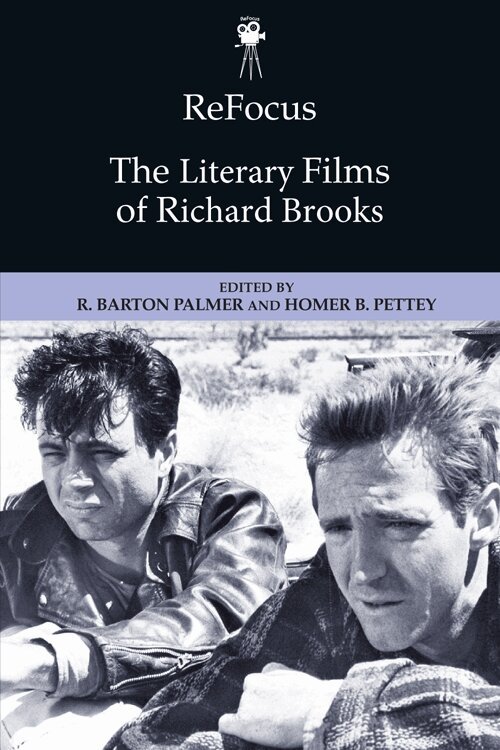
The first critical work to emphasize Richard Brook's literariness"Offers a critical assessment by well-known film scholarsExplores Brooks's engagement with intellectual and cultural trendsDiscusses Brooks's engagement with genresReFocus: The Literary Films of Richard Brooks highlights the accomplishments of one of postwar America's most important and successful directors, with an emphasis on the "literary" aspects of his career, including his work as a screenwriter and adaptor of such modern classics as Cat on a Hot Tin Roof, Lord Jim, and The Brothers Karamazov."
355 kr
Skickas inom 7-10 vardagar
ReFocus: The Literary Films of Richard Brooks highlights the accomplishments of one of postwar America’s most important and successful directors, with an emphasis on the "literary" aspects of his career, including his work as a screenwriter and adaptor of such modern classics as Cat on a Hot Tin Roof , Lord Jim, and The Brothers Karamazov.
1 239 kr
Skickas inom 5-8 vardagar
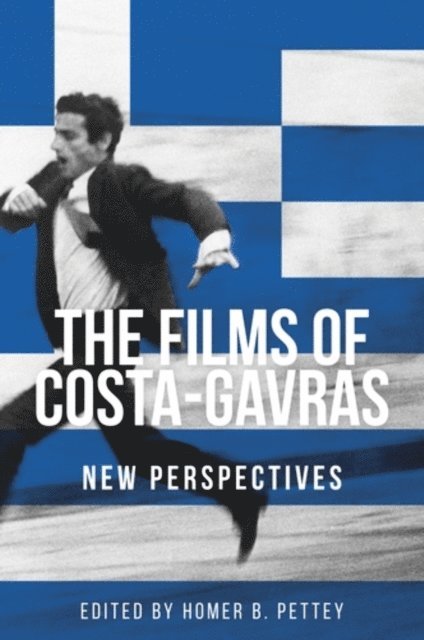
Costa-Gavras is a seminal figure in French and international cinema. A master of the political thriller, he explores historical events through individual human stories, thereby involving his audience in past and contemporary traumas, from the horrors of the Holocaust through mid-century international state terrorism and totalitarianism to the current global financial crisis. With a career spanning half a century, he remains one of cinema’s most intriguing and enduring storytellers, theorists and political commentators. This collection of original essays charts and re-examines Costa-Gavras’s career from Un homme de trop (1967) to Le capital (2012). Readable and carefully researched, it will appeal to students and scholars of film, as well as fans of the director’s work.
1 420 kr
Skickas inom 5-8 vardagar
This collection presents new essays in the complex field of French literary adaptation. Using a variety of textual and interpretive approaches, it sheds light on issues of gender, sexuality, class, politics and social conventions while acknowledging a range of contexts, from the commercial to the archival and the aesthetic. The chapters, written by eminent international scholars, run chronologically from The Count of Monte Cristo through Proust and Bonjour, Tristesse to Philippe Djian’s Oh… (adapted for the screen as Elle). Collectively, they fill a need for contemporary discussions on the significance of France’s literary representations in the history of global cinema.