Jacklyn Cock – författare
Visar alla böcker från författaren Jacklyn Cock. Handla med fri frakt och snabb leverans.
21 produkter
21 produkter
Melting Pots and Rainbow Nations
Conversations About Difference in the United States and South Africa
Häftad, Engelska, 2002
240 kr
Skickas inom 5-8 vardagar
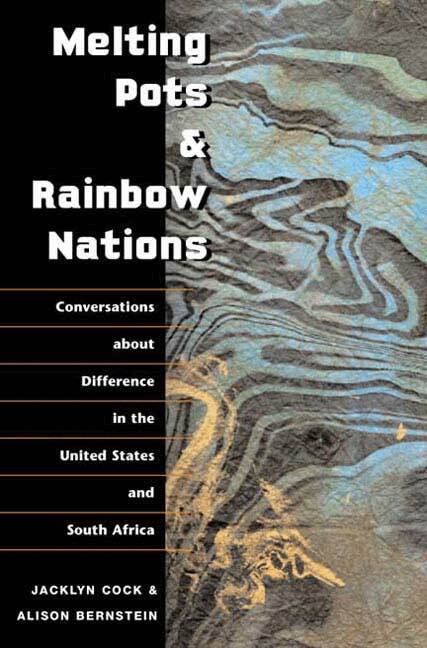
This passionate, intelligent commentary is an invigorating look at the implications of difference and diversity in two contrasting but similar societies: the United States and South Africa. Melting Pots and Rainbow Nations addresses how differences--of gender, race, culture, biology, and sexual orientation--are variously understood and acted on in both countries.The authors argue that the concepts of difference and diversity, although valuable, are hollow if disconnected from specific social and historical contexts in which power relations create and perpetuate disadvantage. Their thoughtful exploration includes accounts of their own experiences of difference and their perspectives on such pioneering women as Elizabeth Bishop, Frene Ginwala, Audre Lorde, Ruth First, Jane Goodall, and Mamphela Ramphele.
Inbunden, Engelska, 1984
1 084 kr
Skickas inom 10-15 vardagar
Häftad, Engelska, 1984
1 084 kr
Skickas inom 10-15 vardagar
E-bok
PDF, Engelska, 2018445 kr
Läs direkt efter köp
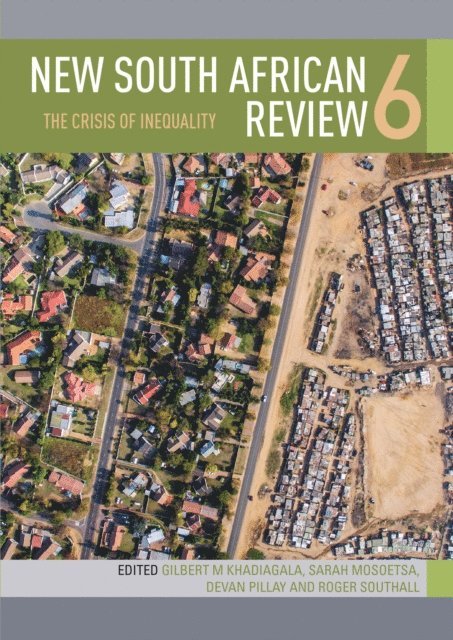
Despite the transition from apartheid to democracy, South Africa is the most unequal country in the world. Its extremes of wealth and poverty undermine intensifying struggles for a better life for all. The wide-ranging essays in this sixth volume of the New South African Review demonstrate how the consequences of inequality extend throughout society and the political economy, crippling the quest for social justice, polarising the politics, skewing economic outcomes and bringing devastating environmental consequences in their wake. Contributors survey the extent and consequences of inequality across fields as diverse as education, disability, agrarian reform, nuclear geography and small towns, and tackle some of the most difficult social, political and economic issues. How has the quest for greater equality affected progressive political discourse? How has inequality reproduced itself, despite best intentions in social policy, to the detriment of the poor and the historically disadvantaged? How have shifts in mining and the financialisation of the economy reshaped the contours of inequality? How does inequality reach into the daily social life of South Africans, and shape the way in which they interact? How does the extent and shape of inequality in South Africa compare with that of other major countries of the global South which themselves are notorious for their extremes of wealth and poverty? South African extremes of inequality reflect increasing inequality globally, and The Crisis of Inequality will speak to all those – general readers, policy makers, researchers and students – who are demanding a more equal world.
E-bok
Engelska, 2018445 kr
Läs direkt efter köp
Despite the transition from apartheid to democracy, South Africa is the most unequal country in the world. Its extremes of wealth and poverty undermine intensifying struggles for a better life for all. The wide-ranging essays in this sixth volume of the New South African Review demonstrate how the consequences of inequality extend throughout society and the political economy, crippling the quest for social justice, polarising the politics, skewing economic outcomes and bringing devastating environmental consequences in their wake. Contributors survey the extent and consequences of inequality across fields as diverse as education, disability, agrarian reform, nuclear geography and small towns, and tackle some of the most difficult social, political and economic issues. How has the quest for greater equality affected progressive political discourse? How has inequality reproduced itself, despite best intentions in social policy, to the detriment of the poor and the historically disadvantaged? How have shifts in mining and the financialisation of the economy reshaped the contours of inequality? How does inequality reach into the daily social life of South Africans, and shape the way in which they interact? How does the extent and shape of inequality in South Africa compare with that of other major countries of the global South which themselves are notorious for their extremes of wealth and poverty? South African extremes of inequality reflect increasing inequality globally, and The Crisis of Inequality will speak to all those – general readers, policy makers, researchers and students – who are demanding a more equal world.
Häftad, Engelska, 2018
400 kr
Skickas inom 5-8 vardagar
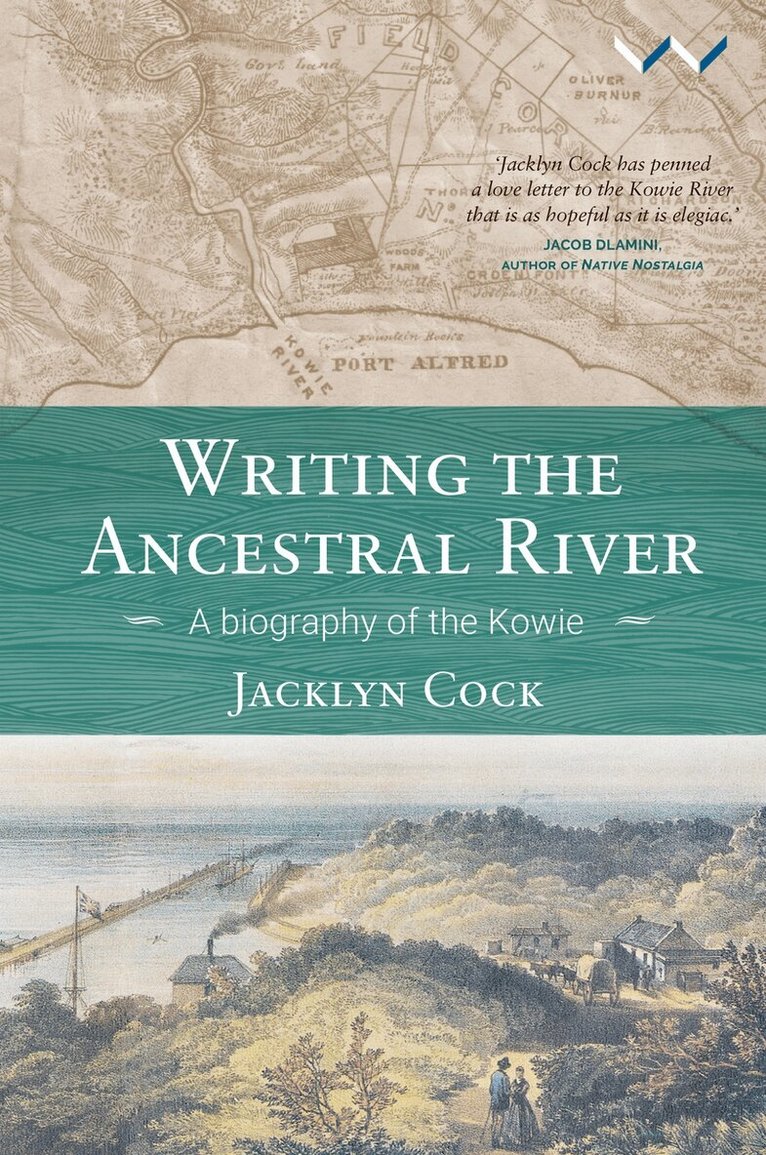
Writing the Ancestral River is an illuminating and unusual biography of the Kowie River in the Eastern CapeThis tidal river runs through the centre of what used to be called the Zuurveld, a formative meeting ground of different peoples who have shaped our history: Khoikhoi herders, Xhosa pastoralists, Dutch trekboers and British settlers. Their direct descendants continue to live in the area and interact in ways that have been decisively shaped by their shared history. Besides being a social history, this is also a natural history of the river and its catchment area, where dinosaurs once roamed and cycads still grow. As the book shows, the natural world of the Kowie has felt the effects of human settlement, most strikingly through the establishment of a harbour at the mouth of the river in the 19th century and the development of a marina in the late 20th century. Both projects have had a decisive and deleterious impact on the Kowie. People are increasingly reconnecting with nature and justice through rivers. Acknowledging the past, and the inter-generational, racialised privileges, damages and denials it established and perpetuates, is necessary for any shared future. By focusing on this `little' river, the book raises larger questions about colonialism, capitalism, `development' and ecology, and asks us to consider the connections between social and environmental injustice.
E-bok
PDF, Engelska, 2018398 kr
Läs direkt efter köp
Writing the Ancestral River is an illuminating and unusual biography of the Kowie River in the Eastern Cape. This tidal river runs through the centre of what used to be called the Zuurveld, a formative meeting ground of different peoples who have shaped South Africa’s history: Khoikhoi herders, Xhosa pastoralists, Dutch trekboers and British settlers. Their direct descendants continue to live in the area and interact in ways that have been decisively shaped by their shared history. Besides being a social history, this is also a natural history of the river and its catchment area, where dinosaurs once roamed and cycads still grow. As the book shows, the natural world of the Kowie has felt the effects of human settlement, most strikingly through the establishment of a harbour at the mouth of the river in the 19th century and the development of a marina in the late 20th century. Both projects have had a decisive and deleterious impact on the Kowie. By focusing on this ‘little’ river, the book raises larger questions about colonialism, capitalism, ‘development’ and ecology. In particular, it asks us to consider the connections between social and environmental justice and injustice. As the author says, ‘around the world people are increasingly reconnecting with nature and justice through rivers. Unlike other bodies of water, such as dams, oceans and lakes, rivers have a destination and we can learn from the strength and certainty with which they travel. I believe this learning is valuable because acknowledging the past, and the inter-generational, racialised privileges, damages and denials it established and perpetuates, is necessary for any shared future’.
E-bok
Engelska, 2018398 kr
Läs direkt efter köp
Writing the Ancestral River is an illuminating and unusual biography of the Kowie River in the Eastern Cape. This tidal river runs through the centre of what used to be called the Zuurveld, a formative meeting ground of different peoples who have shaped South Africa’s history: Khoikhoi herders, Xhosa pastoralists, Dutch trekboers and British settlers. Their direct descendants continue to live in the area and interact in ways that have been decisively shaped by their shared history. Besides being a social history, this is also a natural history of the river and its catchment area, where dinosaurs once roamed and cycads still grow. As the book shows, the natural world of the Kowie has felt the effects of human settlement, most strikingly through the establishment of a harbour at the mouth of the river in the 19th century and the development of a marina in the late 20th century. Both projects have had a decisive and deleterious impact on the Kowie. By focusing on this ‘little’ river, the book raises larger questions about colonialism, capitalism, ‘development’ and ecology. In particular, it asks us to consider the connections between social and environmental justice and injustice. As the author says, ‘around the world people are increasingly reconnecting with nature and justice through rivers. Unlike other bodies of water, such as dams, oceans and lakes, rivers have a destination and we can learn from the strength and certainty with which they travel. I believe this learning is valuable because acknowledging the past, and the inter-generational, racialised privileges, damages and denials it established and perpetuates, is necessary for any shared future’.
E-bok
PDF, Engelska, 2018430 kr
Läs direkt efter köp
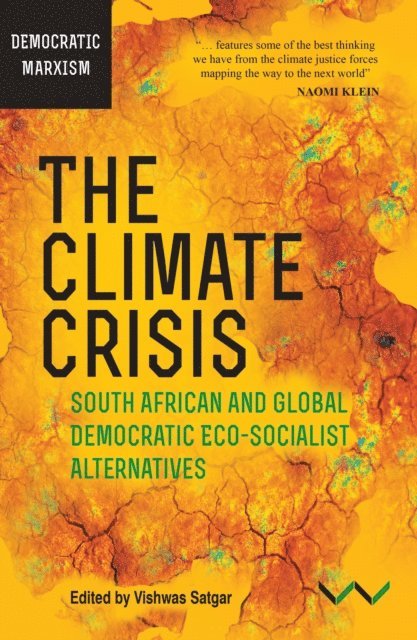
Capitalism’s addiction to fossil fuels is heating our planet at a pace and scale never before experienced. Extreme weather patterns, rising sea levels and accelerating feedback loops are a commonplace feature of our lives. The number of environmental refugees is increasing and several island states and low-lying countries are becoming vulnerable. Corporate-induced climate change has set us on an ecocidal path of species extinction. Governments and their international platforms such as the Paris Climate Agreement deliver too little, too late. Most states, including South Africa, continue on their carbon-intensive energy paths, with devastating results. Political leaders across the world are failing to provide systemic solutions to the climate crisis. This is the context in which we must ask ourselves: how can people and class agency change this destructive course of history? Volume three in the Democratic Marxism series, The Climate Crisis investigates eco-socialist alternatives that are emerging. It presents the thinking of leading climate justice activists, campaigners and social movements advancing systemic alternatives and developing bottom-up, just transitions to sustain life. Through a combination of theoretical and empirical work, the authors collectively examine the challenges and opportunities inherent in the current moment. This volume builds on the class-struggle focus of Volume 2 by placing ecological issues at the centre of democratic Marxism. Most importantly, it explores ways to renew historical socialism with democratic, eco-socialist alternatives to meet current challenges in South Africa and the world.
E-bok
Engelska, 2018445 kr
Läs direkt efter köp
Capitalism’s addiction to fossil fuels is heating our planet at a pace and scale never before experienced. Extreme weather patterns, rising sea levels and accelerating feedback loops are a commonplace feature of our lives. The number of environmental refugees is increasing and several island states and low-lying countries are becoming vulnerable. Corporate-induced climate change has set us on an ecocidal path of species extinction. Governments and their international platforms such as the Paris Climate Agreement deliver too little, too late. Most states, including South Africa, continue on their carbon-intensive energy paths, with devastating results. Political leaders across the world are failing to provide systemic solutions to the climate crisis. This is the context in which we must ask ourselves: how can people and class agency change this destructive course of history? Volume three in the Democratic Marxism series, The Climate Crisis investigates eco-socialist alternatives that are emerging. It presents the thinking of leading climate justice activists, campaigners and social movements advancing systemic alternatives and developing bottom-up, just transitions to sustain life. Through a combination of theoretical and empirical work, the authors collectively examine the challenges and opportunities inherent in the current moment. This volume builds on the class-struggle focus of Volume 2 by placing ecological issues at the centre of democratic Marxism. Most importantly, it explores ways to renew historical socialism with democratic, eco-socialist alternatives to meet current challenges in South Africa and the world.
E-bok
PDF, Engelska, 2007386 kr
Läs direkt efter köp
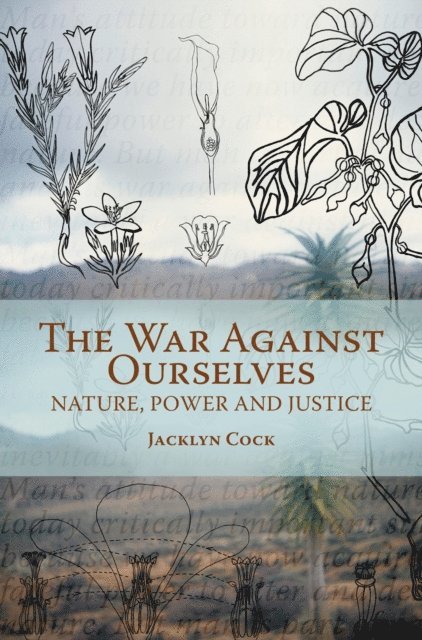
For many people ''nature'' means wilderness and wild animals. It is experienced indirectly through magazines and television programmes or through visiting the highly managed environments of national parks. Nature, however, is not external, separate from the world of people – we live in nature and interact with it daily. In this book, Jacklyn Cock describes how these intricate and complex interconnections, seen and unseen, are often ignored. Each of the ten chapters examines an aspect of our relationship with nature: ignoring, understanding, enjoying, imitating, privatising, polluting, abusing, protecting as well as organising for nature. The concluding chapter deals with the growing inequality between the North and the South.The War Against Ourselves compels us to re-examine our relationship with nature, to change our practices and dissolve present binary divisions such as people vs. animals, economic growth vs. environmental protection, ''nature'' vs. ''culture''. It demonstrates the need for an inclusive politics which brings together peace, social and environmental justice activists who believe that another world is both possible and necessary.
E-bok
Engelska, 2007373 kr
Läs direkt efter köp
For many people ''nature'' means wilderness and wild animals. It is experienced indirectly through magazines and television programmes or through visiting the highly managed environments of national parks. Nature, however, is not external, separate from the world of people – we live in nature and interact with it daily. In this book, Jacklyn Cock describes how these intricate and complex interconnections, seen and unseen, are often ignored. Each of the ten chapters examines an aspect of our relationship with nature: ignoring, understanding, enjoying, imitating, privatising, polluting, abusing, protecting as well as organising for nature. The concluding chapter deals with the growing inequality between the North and the South.The War Against Ourselves compels us to re-examine our relationship with nature, to change our practices and dissolve present binary divisions such as people vs. animals, economic growth vs. environmental protection, ''nature'' vs. ''culture''. It demonstrates the need for an inclusive politics which brings together peace, social and environmental justice activists who believe that another world is both possible and necessary.
Häftad, Engelska, 2023
332 kr
Skickas inom 5-8 vardagar
This edited volume provides an eco-socialist feminist analysis of the current social reproduction debate in South Africa, outlining existing and African alternatives to mainstream liberal feminism.
Inbunden, Engelska, 2023
1 454 kr
Skickas inom 3-6 vardagar
This edited volume provides an eco-socialist feminist analysis of the current social reproduction debate in South Africa, outlining existing and African alternatives to mainstream liberal feminism.
E-bok
PDF, Engelska, 2023386 kr
Läs direkt efter köp
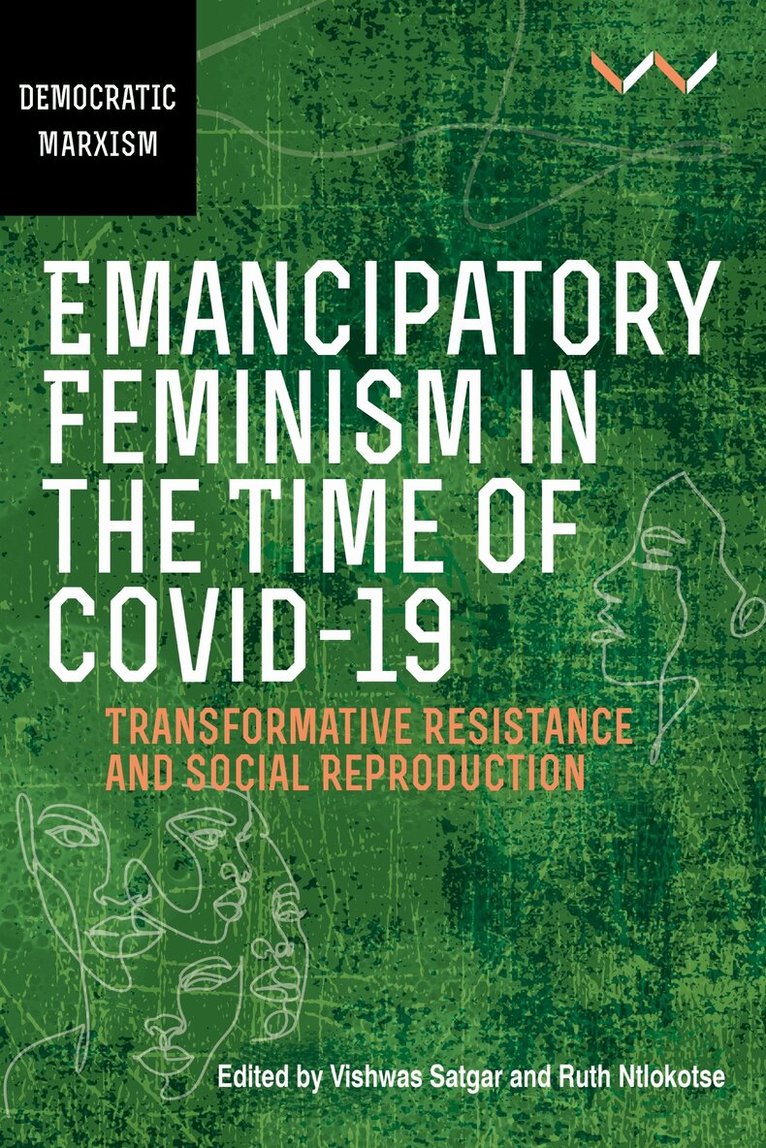
The Covid-19 pandemic threw into stark relief the multi-dimensional threats created by neoliberal capitalism. Government measures to alleviate the crisis were largely inadequate, leaving women – in particular working-class women – to carry the increased burden of care work while at the same time placing themselves in direct risk as frontline workers. Emancipatory Feminism in the Time of Covid-19, the seventh volume in the Democratic Marxism series, explores how many subaltern women – working class, peasant and indigenous – responded to challenges of increased labour precarity and additional care-work. The book critiques neoliberal feminism, which has overshadowed the experiences of feminist grassroots resistance. Instead, the academics and activists in this volume call to action a new wave feminism that is responsive to socio-ecological and economic exploitation, and the oppression of both women and the environment within the patriarchal capitalist system. Offering a diverse range of approaches to this topic, contributions range from women leading the defence of Rojava – the Kurdish region of Syria, anti-capitalist ecology and building food secure pathways in communities across Africa, championing climate justice in mining-affected communities and transforming gender divisions in mining labour practices in South Africa, to contesting macro-economic policies affecting the working conditions of nurses. These practices demonstrate a feminist understanding of the current systemic crises of capitalism and patriarchal oppression. What is offered here is a focus on subaltern women’s grassroots resistance that advances and enables solidarity-based political projects, deepens democracy, and builds capacities and alliances to advance new feminist alternatives.
E-bok
Engelska, 2023386 kr
Läs direkt efter köp
The Covid-19 pandemic threw into stark relief the multi-dimensional threats created by neoliberal capitalism. Government measures to alleviate the crisis were largely inadequate, leaving women – in particular working-class women – to carry the increased burden of care work while at the same time placing themselves in direct risk as frontline workers. Emancipatory Feminism in the Time of Covid-19, the seventh volume in the Democratic Marxism series, explores how many subaltern women – working class, peasant and indigenous – responded to challenges of increased labour precarity and additional care-work. The book critiques neoliberal feminism, which has overshadowed the experiences of feminist grassroots resistance. Instead, the academics and activists in this volume call to action a new wave feminism that is responsive to socio-ecological and economic exploitation, and the oppression of both women and the environment within the patriarchal capitalist system. Offering a diverse range of approaches to this topic, contributions range from women leading the defence of Rojava – the Kurdish region of Syria, anti-capitalist ecology and building food secure pathways in communities across Africa, championing climate justice in mining-affected communities and transforming gender divisions in mining labour practices in South Africa, to contesting macro-economic policies affecting the working conditions of nurses. These practices demonstrate a feminist understanding of the current systemic crises of capitalism and patriarchal oppression. What is offered here is a focus on subaltern women’s grassroots resistance that advances and enables solidarity-based political projects, deepens democracy, and builds capacities and alliances to advance new feminist alternatives.
Häftad, Engelska, 2007
578 kr
Skickas inom 3-6 vardagar
A look at nature and how to re-evaluate our relationship with itFor many people "nature" means wilderness and wild animals. It is experienced indirectly through magazines and television programs or through visiting the highly managed environments of national parks. Nature, however, is not external, separate from the world of people we live in nature and interact with it daily.In this book, Jacklyn Cock describes how these intricate and complex interconnections, seen and unseen, are often ignored. Each of the ten chapters examines an aspect of our relationship with nature: ignoring, understanding, enjoying, imitating, privatizing, polluting, abusing, protecting as well as organizing for nature. The concluding chapter deals with the growing inequality between the North and the South.The War Against Ourselves compels us to re-examine our relationship with nature, to change our practices and dissolve present binary divisions such as people vs. animals, economic growth vs environmental protection, "nature" vs "culture." It demonstrates the need for an inclusive politics which brings together peace, social and environmental justice activists who believe that another world is both possible and necessary.
E-bok
PDF, Engelska, 2013445 kr
Läs direkt efter köp
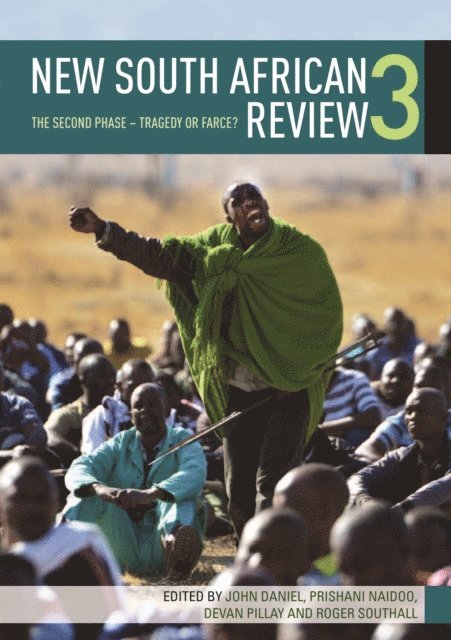
In the face of the continuing national tragedy of the inequality, poverty and unemployment which have triggered rising working-class discontent around the country, the ANC announced a ‘second phase’ of the ‘national democratic revolution’ to deal with the challenges. Ironically, the ANC post-Mangaung has resolved to preserve the core tenets of the minerals-energy-financial complex that defined racial capitalism – while at the same time ratcheting up the revolutionary rhetoric to keep the working class and marginalised onside. If the ‘first phase’ was a tragedy of the unmet expectations of the majority, is the ‘second phase’ likely to be a farce? The chapters in this volume are written by experts in their fields and address issues of politics, power and social class; economy, ecology and labour; public policy and social practice; and South Africa beyond its borders. They examine some of these challenges, and indicate that they are as much about the defective content of policies as their poor implementation. The third volume of the New South African Review continues the series by providing in-depth analyses of the key issues facing the country today.
E-bok
PDF, Engelska, 2013386 kr
Läs direkt efter köp
The current resurgence of Marxism is based on new sources of inspiration and creativity from movements that seek democratic, egalitarian and ecological alternatives to capitalism. The Marxism of many of these movements is neither dogmatic nor prescriptive, but rather, open, searching, utopian. It revolves around four primary factors: the importance of democracy for an emancipatory project; the ecological limits of capitalism; the crisis of global capitalism; and the learning of lessons from the failures of Marxist-inspired experiments. Marxisms in the Twenty-First Century challenges vanguardist Marxism featured in South Africa and beyond. Featuring leading thinkers from the Left, the book offers provocative ideas on interpreting our current world and serves as an excellent introduction to new ways of thinking about Marxism to students and scholars in the field. Many anti-capitalist traditions and themes - including democracy, globalisation, feminism, critique and ecology inform and shape the contributions in this volume.
E-bok
Engelska, 2013445 kr
Läs direkt efter köp
In the face of the continuing national tragedy of the inequality, poverty and unemployment which have triggered rising working-class discontent around the country, the ANC announced a ‘second phase’ of the ‘national democratic revolution’ to deal with the challenges. Ironically, the ANC post-Mangaung has resolved to preserve the core tenets of the minerals-energy-financial complex that defined racial capitalism – while at the same time ratcheting up the revolutionary rhetoric to keep the working class and marginalised onside. If the ‘first phase’ was a tragedy of the unmet expectations of the majority, is the ‘second phase’ likely to be a farce? The chapters in this volume are written by experts in their fields and address issues of politics, power and social class; economy, ecology and labour; public policy and social practice; and South Africa beyond its borders. They examine some of these challenges, and indicate that they are as much about the defective content of policies as their poor implementation. The third volume of the New South African Review continues the series by providing in-depth analyses of the key issues facing the country today.
E-bok
Engelska, 2013386 kr
Läs direkt efter köp
The current resurgence of Marxism is based on new sources of inspiration and creativity from movements that seek democratic, egalitarian and ecological alternatives to capitalism. The Marxism of many of these movements is neither dogmatic nor prescriptive, but rather, open, searching, utopian. It revolves around four primary factors: the importance of democracy for an emancipatory project; the ecological limits of capitalism; the crisis of global capitalism; and the learning of lessons from the failures of Marxist-inspired experiments. Marxisms in the Twenty-First Century challenges vanguardist Marxism featured in South Africa and beyond. Featuring leading thinkers from the Left, the book offers provocative ideas on interpreting our current world and serves as an excellent introduction to new ways of thinking about Marxism to students and scholars in the field. Many anti-capitalist traditions and themes - including democracy, globalisation, feminism, critique and ecology inform and shape the contributions in this volume.