Junaid Ahmad Malik – författare
1 666 kr
Skickas inom 10-15 vardagar
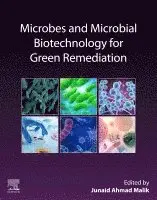
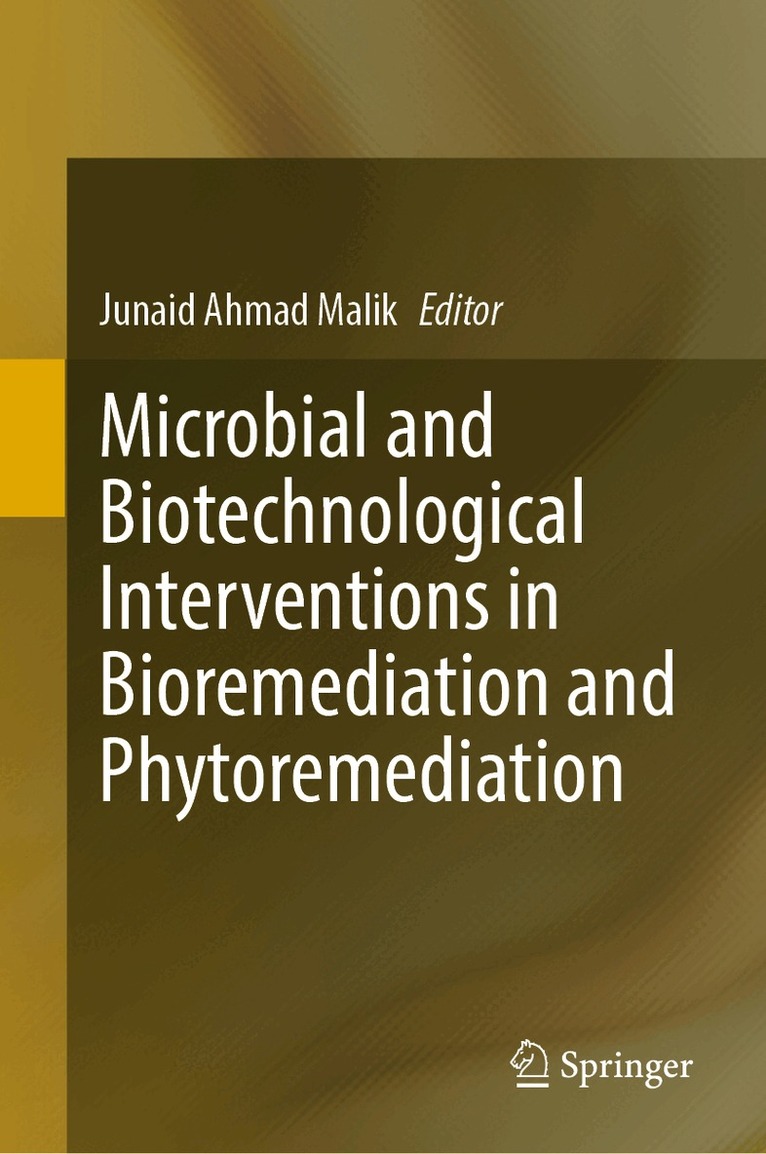
Microbes and Microbial Biotechnology for Green Remediation provides a comprehensive account of sustainable microbial treatment technologies. The research presented highlights the significantly important microbial species involved in remediation, the mechanisms of remediation by various microbes, and suggestions for future improvement of bioremediation technology.
The introduction of contaminants, due to rapid urbanization and anthropogenic activities, into the environment causes unsteadiness and distress to the physicochemical systems, including living organisms. Hence, there is an immediate global demand for the diminution of such contaminants and xenobiotics which can otherwise adversely affect the living organisms.
Over time, microbial remediation processes have been accelerated to produce better, eco-friendlier, and more biodegradable products for complete dissemination of these xenobiotic compounds. The advancements in microbiology and biotechnology lead to the launch of microbial biotechnology as a separate area of research and contributed dramatically to the development of the areas such as agriculture, environment, biopharmaceutics, and fermented foods. Microbes stand as an imperative, efficient, green, and economical alternative to conventional treatment technologies. The proposed book provides cost-effective and sustainable alternatives.
This book serves as a reference for graduate and postgraduate students in environmental biotechnology and microbiology as well as researchers and scientists working in the laboratories and industries involved in research related to microbiology, environmental biotechnology, and allied research.
Discusses important microbial activities, such as biofertilizer, biocontrol, biosorption, biochar, biofilm, biodegradation, bioremediation, bioclogging, and quorum sensing Covers all the advanced microbial bioremediation techniques which are finding their way from the laboratory to the field for revival of the degraded agro-ecosystems Examines the role of bacteria, fungi, microalgae, Bacillus sp., Prosopis juliflora, Deinococcus radiodurans, Pseudomonas, methanotrophs, siderophores, and PGPRs as the biocontrol and green remediator agents for soil sustainability2 370 kr
Läs direkt efter köp
2 125 kr
Läs direkt efter köp
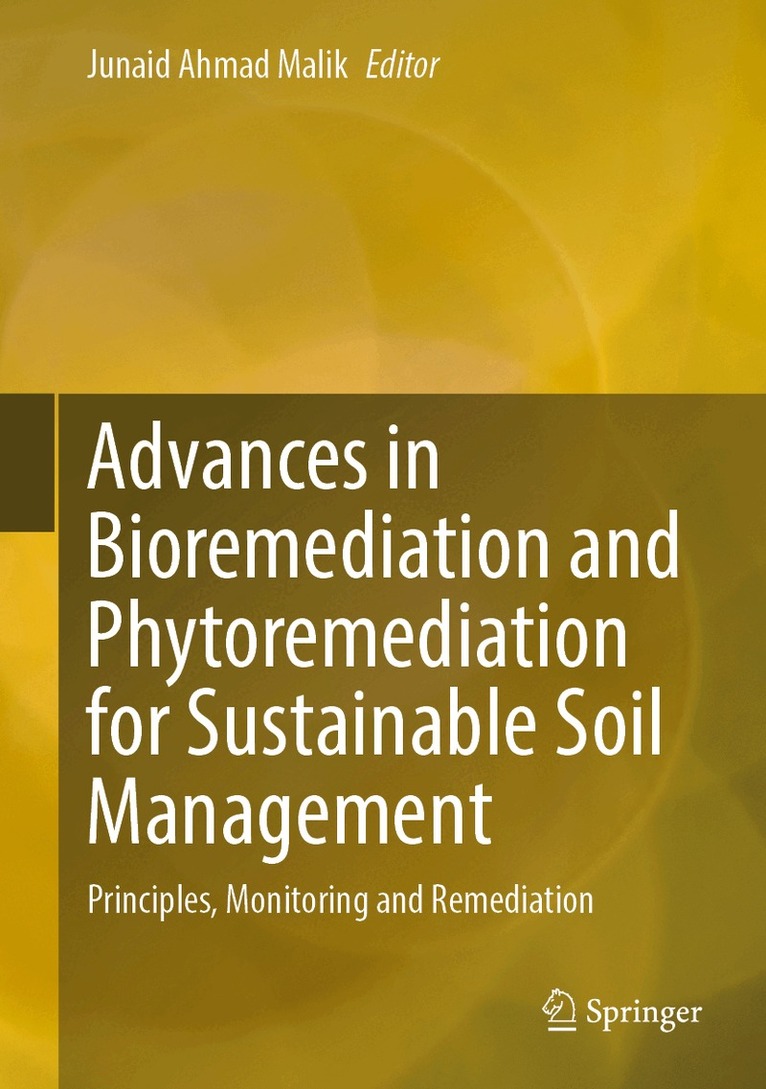
This 4-volume set focuses on the use of microbial bioremediation and phytoremediation to clean up pollutants in soil, such as pesticides, petroleum hydrocarbons, metals, and chlorinated solvents, which reduce the soil''s fertility and renders it unfit for plant growth.
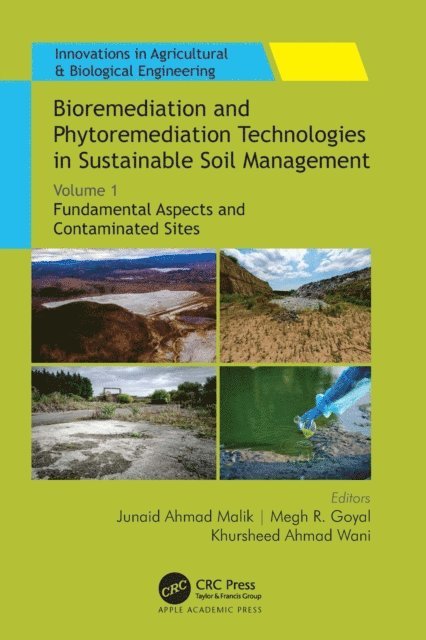
Volume 1: Fundamental Aspects and Contaminated Sites begins with an overview of phytoremediation and the role of environmental factors. It goes on to introduce soil assessment techniques and offers methods of remediation designed to combat soil and agricultural degradation. It discusses soils contaminated by heavy metals; microbial and phytoremediation-based removal of polycyclic aromatic hydrocarbons (PAHs) from coal, crude oil, and gasoline; microbial bioremediation and amelioration of pesticide-contaminated soils; phytoremediation techniques for biomedical waste contaminated sites; as well as biomediation processes for human waste sites. Biopesticides are also explained as an alternative to conventional pesticides.
Other volumes in the 4-volume set:• Volume 2: Microbial Approaches and Recent Trends• Volume 3: Inventive Techniques, Research Methods, and Case Studies• Volume 4: Degradation of Pesticides and Polychlorinated Biphenyls
Together, these four volumes provide in-depth coverage of the mechanisms, advantages, and disadvantages of the bioremediation and phytoremediation technologies for safe and sustainable soil management.
2 125 kr
Läs direkt efter köp
This 4-volume set focuses on the use of microbial bioremediation and phytoremediation to clean up pollutants in soil, such as pesticides, petroleum hydrocarbons, metals, and chlorinated solvents, which reduce the soil''s fertility and renders it unfit for plant growth.
Volume 1: Fundamental Aspects and Contaminated Sites begins with an overview of phytoremediation and the role of environmental factors. It goes on to introduce soil assessment techniques and offers methods of remediation designed to combat soil and agricultural degradation. It discusses soils contaminated by heavy metals; microbial and phytoremediation-based removal of polycyclic aromatic hydrocarbons (PAHs) from coal, crude oil, and gasoline; microbial bioremediation and amelioration of pesticide-contaminated soils; phytoremediation techniques for biomedical waste contaminated sites; as well as biomediation processes for human waste sites. Biopesticides are also explained as an alternative to conventional pesticides.
Other volumes in the 4-volume set:• Volume 2: Microbial Approaches and Recent Trends• Volume 3: Inventive Techniques, Research Methods, and Case Studies• Volume 4: Degradation of Pesticides and Polychlorinated Biphenyls
Together, these four volumes provide in-depth coverage of the mechanisms, advantages, and disadvantages of the bioremediation and phytoremediation technologies for safe and sustainable soil management.
2 125 kr
Läs direkt efter köp
This 4-volume set focuses on the use of microbial bioremediation and phytoremediation to clean up pollutants in soil, such as pesticides, petroleum hydrocarbons, metals, and chlorinated solvents, which reduce the soil''s fertility and renders it unfit for plant growth.
Volume 2: Microbial Approaches and Recent Trends focuses on new and emerging techniques and approaches to address soil pollution. These include the use of rhizobacteria, archaea, cyanobacteria, and microalgae as biofertilizers and for soil bioremediation efforts. New technologies for assessment of soil bioremediation are explored also. The chapters provide in-depth coverage of the mechanisms, advantages, and disadvantages of the technologies used and highlight the use of different microbial enzymes that are used in the process of bioremediation and phytoremediation to clean up different pollutants without causing damage to the natural environment.
Other volumes in the 4-volume set:• Volume 1: Fundamental Aspects and Contaminated Sites• Volume 3: Inventive Techniques, Research Methods, and Case Studies• Volume 4: Degradation of Pesticides and Polychlorinated Biphenyls
Together, these four volumes provide in-depth coverage of the mechanisms, advantages, and disadvantages of the bioremediation and phytoremediation technologies for safe and sustainable soil management. The diverse topics help to arm biologists, agricultural engineers, environmental and soil scientists and chemists with the information and tools they need to address soil toxins that are a dangerous risk to plants, wildlife, humans and, of course, the soil itself.
2 144 kr
Läs direkt efter köp
This 4-volume set focuses on the use of microbial bioremediation and phytoremediation to clean up pollutants in soil, such as pesticides, petroleum hydrocarbons, metals, and chlorinated solvents, which reduce the soil''s fertility and renders it unfit for plant growth.
Volume 2: Microbial Approaches and Recent Trends focuses on new and emerging techniques and approaches to address soil pollution. These include the use of rhizobacteria, archaea, cyanobacteria, and microalgae as biofertilizers and for soil bioremediation efforts. New technologies for assessment of soil bioremediation are explored also. The chapters provide in-depth coverage of the mechanisms, advantages, and disadvantages of the technologies used and highlight the use of different microbial enzymes that are used in the process of bioremediation and phytoremediation to clean up different pollutants without causing damage to the natural environment.
Other volumes in the 4-volume set:• Volume 1: Fundamental Aspects and Contaminated Sites• Volume 3: Inventive Techniques, Research Methods, and Case Studies• Volume 4: Degradation of Pesticides and Polychlorinated Biphenyls
Together, these four volumes provide in-depth coverage of the mechanisms, advantages, and disadvantages of the bioremediation and phytoremediation technologies for safe and sustainable soil management. The diverse topics help to arm biologists, agricultural engineers, environmental and soil scientists and chemists with the information and tools they need to address soil toxins that are a dangerous risk to plants, wildlife, humans and, of course, the soil itself.
2 125 kr
Läs direkt efter köp
Phytoremediation has evolved into an important tool to improve the bioremediation process since it is an innovative green technology that uses a wide variety of plants to remediate radioactive metals and elements, organics, and chemicals from soil, sediment, surface water, and groundwater environmental pollutants. Together, bioremediation and phytoremediation technologies provide an effective approach to contaminant abatement.
Volume 3 of the four-volume set identifies and draws a fresh image of existing developments in theoretical and functional implementation systems from recent scientific research studies that consider different facets of bioremediation. It also discusses the latest technology and prospects of new soil bioremediation technology and analyzes their domains, along with their associated challenges and consequences.
Other volumes in the 4-volume set:• Volume 1: Fundamental Aspects and Contaminated Sites• Volume 2: Microbial Approaches and Recent Trends• Volume 4: Degradation of Pesticides and Polychlorinated Biphenyls
Together, these four volumes provide in-depth coverage of the mechanisms, advantages, and disadvantages of the bioremediation and phytoremediation technologies for safe and sustainable soil management. The diverse topics help to arm biologists, agricultural engineers, environmental and soil scientists and chemists with the information and tools they need to address soil toxins that are a dangerous risk to plants, wildlife, humans and, of course, the soil itself.
2 125 kr
Läs direkt efter köp
Phytoremediation has evolved into an important tool to improve the bioremediation process since it is an innovative green technology that uses a wide variety of plants to remediate radioactive metals and elements, organics, and chemicals from soil, sediment, surface water, and groundwater environmental pollutants. Together, bioremediation and phytoremediation technologies provide an effective approach to contaminant abatement.
Volume 3 of the four-volume set identifies and draws a fresh image of existing developments in theoretical and functional implementation systems from recent scientific research studies that consider different facets of bioremediation. It also discusses the latest technology and prospects of new soil bioremediation technology and analyzes their domains, along with their associated challenges and consequences.
Other volumes in the 4-volume set:• Volume 1: Fundamental Aspects and Contaminated Sites• Volume 2: Microbial Approaches and Recent Trends• Volume 4: Degradation of Pesticides and Polychlorinated Biphenyls
Together, these four volumes provide in-depth coverage of the mechanisms, advantages, and disadvantages of the bioremediation and phytoremediation technologies for safe and sustainable soil management. The diverse topics help to arm biologists, agricultural engineers, environmental and soil scientists and chemists with the information and tools they need to address soil toxins that are a dangerous risk to plants, wildlife, humans and, of course, the soil itself.
2 125 kr
Läs direkt efter köp
This 4-volume set focuses on the use of microbial bioremediation and phytoremediation to clean up pollutants in soil, such as pesticides, petroleum hydrocarbons, metals, and chlorinated solvents, which reduce the soil''s fertility and renders it unfit for plant growth. The volumes cover the many diverse eco-friendly microbial bioremediation and phytoremediation techniques for sustainable soil management.
Volume 4: Degradation of Pesticides and Polychlorinated Biphenyls addresses pesticide degradation, PCBs degradation, and genetic interventions. It begins by describing environmental pesticide degradation, mechanisms and sustainability, microbes and microbial enzymes, plant microbe interactions, organophosphorus degradations and endosulfan degradation. It then goes on to discuss PCBs and degradation, cypermethrin, degradation by Phanerochaete chrysosporium, and carvone and surfactants for degradation of PCBs. The book also advocates for genetic systems for degradation of PCBs and pesticides, with discussion of the different advantages and disadvantages for each strategy and the various techniques.
Other volumes in the 4-volume set:• Volume 1: Fundamental Aspects and Contaminated Sites• Volume 2: Microbial Approaches and Recent Trends• Volume 3: Inventive Techniques, Research Methods, and Case Studies
Together, these four volumes provide in-depth coverage of the mechanisms, advantages, and disadvantages of the bioremediation and phytoremediation technologies for safe and sustainable soil management.
2 125 kr
Läs direkt efter köp
This 4-volume set focuses on the use of microbial bioremediation and phytoremediation to clean up pollutants in soil, such as pesticides, petroleum hydrocarbons, metals, and chlorinated solvents, which reduce the soil''s fertility and renders it unfit for plant growth. The volumes cover the many diverse eco-friendly microbial bioremediation and phytoremediation techniques for sustainable soil management.
Volume 4: Degradation of Pesticides and Polychlorinated Biphenyls addresses pesticide degradation, PCBs degradation, and genetic interventions. It begins by describing environmental pesticide degradation, mechanisms and sustainability, microbes and microbial enzymes, plant microbe interactions, organophosphorus degradations and endosulfan degradation. It then goes on to discuss PCBs and degradation, cypermethrin, degradation by Phanerochaete chrysosporium, and carvone and surfactants for degradation of PCBs. The book also advocates for genetic systems for degradation of PCBs and pesticides, with discussion of the different advantages and disadvantages for each strategy and the various techniques.
Other volumes in the 4-volume set:• Volume 1: Fundamental Aspects and Contaminated Sites• Volume 2: Microbial Approaches and Recent Trends• Volume 3: Inventive Techniques, Research Methods, and Case Studies
Together, these four volumes provide in-depth coverage of the mechanisms, advantages, and disadvantages of the bioremediation and phytoremediation technologies for safe and sustainable soil management.
2 255 kr
Läs direkt efter köp
Although nanotechnology has revolutionized fields such as medicine, genetics, biology, bioengineering, mechanics, and chemistry, its increasing application in the food industry is relatively recent in comparison. Nanotechnology in the food industry is now being explored for creating new flavors, extending food shelf life, and improving food protection and nutritional value, as well as for intelligent nutrient delivery systems, “smart” foods, contaminant detection nanodevices and nanosensors, advanced food processing, antimicrobial chemicals, encapsulation, and green nanomaterials.
This new three-volume set addresses a multitude of topical issues and new developments in the field. Volume 1 focuses on food preservation, food packaging, and sustainable agriculture, while Volume 2 looks at nanotechnology in food process engineering, applications of biomaterials in food products, and the use of modern nanotechnology for human health. The third volume explores the newest trends in nanotechnology for food applications for improving food delivery systems.
Together, these three volumes provide a comprehensive and in-depth look at the emerging status of nanotechnology in the food processing industry, explaining the benefits and drawbacks of various methodologies that will aid in the improvement and development of food product sourcing and food hygiene monitoring methods.
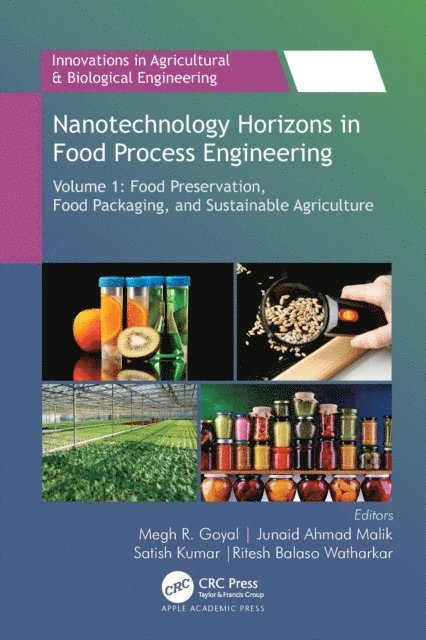
Volume 1 discusses emerging nanotechnolgical applications in food processing, packaging, and preservation. It focuses on using nanoparticles for safe and nutritional food production, protecting crops from pests, increasing nutritional value, and providing solutions for various environmental issues. This book especially deals with nanotechnology for controlling plant pathogens, food packaging and preservation, agricultural productivity, wastewater treatment, and bioenergy production.
Volume 2 discusses nanotechnology use in non-thermal techniques such as high-pressure processing (HPP), pulsed electric fields (PEFs), pulsed light, ultraviolet, microwave, ohmic heating, electrospinning, and nano- and microencapsulation. This volume looks at the role and application of minimal processing techniques such as ozone treatment, vacuum drying, osmotic dehydration, dense phase carbon dioxide treatment, and high-pressure assisted freezing. The successful applications of nanotechnologies on juices, meat and fish, fruits and vegetable slices, food surface, purees, milk and milk products, extraction, drying enhancement, and encapsulation of micro-macro nutrients are also considered. The volume also presents several computer-aided techniques that are emerging in the food processing sector, such as robotics, radio frequency identification (RFID), three-dimensional food printing, artificial intelligence, etc. Significant role of food properties in design of specific food and edible packaging films have been elucidated.
Nanotechnology Horizons in Food Process Engineering: Volume 3: Trends, Nanomaterials, and Food Delivery provides an overview of the current trends in nanotechnology for food applications and food delivery systems. Topics include a collection of chapters on diverse topics, including the stability of nanoparticles in food, nanobiosensing for the detection of food contaminants, nanotechnology applications in agriculture, the role of nanotechnology in nutrient delivery, how nanotechnology is applied in dairy products, biofunctional magnetic nanoparticles in food safety, the development of nutraceuticals using nanotechnological tools, and more.
2 255 kr
Läs direkt efter köp
Although nanotechnology has revolutionized fields such as medicine, genetics, biology, bioengineering, mechanics, and chemistry, its increasing application in the food industry is relatively recent in comparison. Nanotechnology in the food industry is now being explored for creating new flavors, extending food shelf life, and improving food protection and nutritional value, as well as for intelligent nutrient delivery systems, “smart” foods, contaminant detection nanodevices and nanosensors, advanced food processing, antimicrobial chemicals, encapsulation, and green nanomaterials.
This new three-volume set addresses a multitude of topical issues and new developments in the field. Volume 1 focuses on food preservation, food packaging, and sustainable agriculture, while Volume 2 looks at nanotechnology in food process engineering, applications of biomaterials in food products, and the use of modern nanotechnology for human health. The third volume explores the newest trends in nanotechnology for food applications for improving food delivery systems.
Together, these three volumes provide a comprehensive and in-depth look at the emerging status of nanotechnology in the food processing industry, explaining the benefits and drawbacks of various methodologies that will aid in the improvement and development of food product sourcing and food hygiene monitoring methods.
Volume 1 discusses emerging nanotechnolgical applications in food processing, packaging, and preservation. It focuses on using nanoparticles for safe and nutritional food production, protecting crops from pests, increasing nutritional value, and providing solutions for various environmental issues. This book especially deals with nanotechnology for controlling plant pathogens, food packaging and preservation, agricultural productivity, wastewater treatment, and bioenergy production.
Volume 2 discusses nanotechnology use in non-thermal techniques such as high-pressure processing (HPP), pulsed electric fields (PEFs), pulsed light, ultraviolet, microwave, ohmic heating, electrospinning, and nano- and microencapsulation. This volume looks at the role and application of minimal processing techniques such as ozone treatment, vacuum drying, osmotic dehydration, dense phase carbon dioxide treatment, and high-pressure assisted freezing. The successful applications of nanotechnologies on juices, meat and fish, fruits and vegetable slices, food surface, purees, milk and milk products, extraction, drying enhancement, and encapsulation of micro-macro nutrients are also considered. The volume also presents several computer-aided techniques that are emerging in the food processing sector, such as robotics, radio frequency identification (RFID), three-dimensional food printing, artificial intelligence, etc. Significant role of food properties in design of specific food and edible packaging films have been elucidated.
Nanotechnology Horizons in Food Process Engineering: Volume 3: Trends, Nanomaterials, and Food Delivery provides an overview of the current trends in nanotechnology for food applications and food delivery systems. Topics include a collection of chapters on diverse topics, including the stability of nanoparticles in food, nanobiosensing for the detection of food contaminants, nanotechnology applications in agriculture, the role of nanotechnology in nutrient delivery, how nanotechnology is applied in dairy products, biofunctional magnetic nanoparticles in food safety, the development of nutraceuticals using nanotechnological tools, and more.
2 322 kr
Läs direkt efter köp
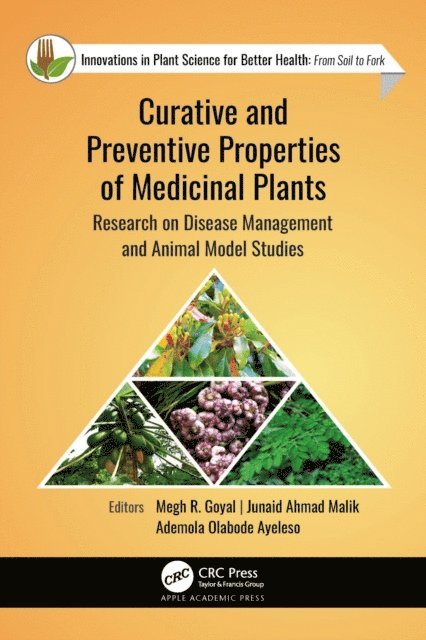
This book provides scientific reports on the therapeutic potential of medicinal plants using animal models and provides information on the beneficial role of medicinal plants on human diseases. It looks at a number of medicinal plants and examines the medicinal properties and activities of the plants for a variety of health issues, such as for diabetes, cardiovascular disease, neurodegenerative disease, organ dysfunctions, cancer, labor and postpartum issues, and more. The therapeutic mechanisms of some phytoconstituents are also discussed.
2 322 kr
Läs direkt efter köp
This book provides scientific reports on the therapeutic potential of medicinal plants using animal models and provides information on the beneficial role of medicinal plants on human diseases. It looks at a number of medicinal plants and examines the medicinal properties and activities of the plants for a variety of health issues, such as for diabetes, cardiovascular disease, neurodegenerative disease, organ dysfunctions, cancer, labor and postpartum issues, and more. The therapeutic mechanisms of some phytoconstituents are also discussed.
2 498 kr
Läs direkt efter köp
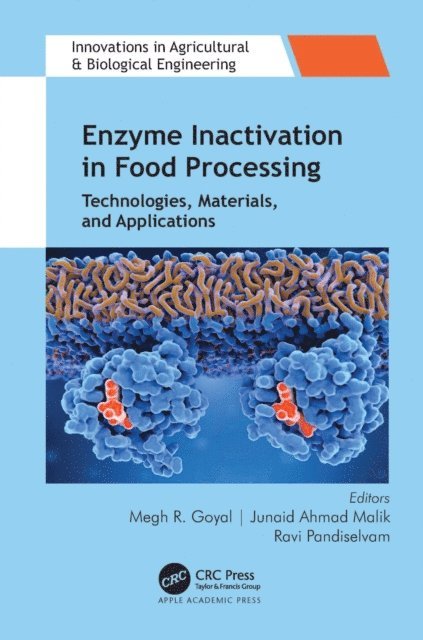
Enzyme inactivation in fruits and vegetables is of utmost importance regarding food quality during storage. This new volume explores important emerging technologies for the inactivation of enzymes in the design and preservation of food. The book covers the basic concepts and chemical methods and then introduces novel processing technologies for inactivating food enzymes. The new technologies are many: pulsed electric field, ultraviolet and light-emitting diodes, ohmic heating, dense-phased carbon dioxide, cold plasma, ultrasonication, microwave processing, radiofrequency, extraction, and others. The volume also looks at the design of nutraceutical-based functional foods, specific foods for gut-microbiodata, the use of omega-3 fatty acids to fortify food products, and the characteristics of dairy-based dry powders, and characteristics of millet starches. It also considers the role of the bioactive compounds and metal ions for catalases secreted by medicinal plants and mushrooms for enzyme inactivation and biosensing, along with the role of bionanomaterials in nanoencapsulation and catalysis.
2 498 kr
Läs direkt efter köp
Enzyme inactivation in fruits and vegetables is of utmost importance regarding food quality during storage. This new volume explores important emerging technologies for the inactivation of enzymes in the design and preservation of food. The book covers the basic concepts and chemical methods and then introduces novel processing technologies for inactivating food enzymes. The new technologies are many: pulsed electric field, ultraviolet and light-emitting diodes, ohmic heating, dense-phased carbon dioxide, cold plasma, ultrasonication, microwave processing, radiofrequency, extraction, and others. The volume also looks at the design of nutraceutical-based functional foods, specific foods for gut-microbiodata, the use of omega-3 fatty acids to fortify food products, and the characteristics of dairy-based dry powders, and characteristics of millet starches. It also considers the role of the bioactive compounds and metal ions for catalases secreted by medicinal plants and mushrooms for enzyme inactivation and biosensing, along with the role of bionanomaterials in nanoencapsulation and catalysis.
2 456 kr
Läs direkt efter köp
In recent years, nanomaterials have become one of the most dynamic exploration fields in the areas of engineering, technology, and science. This new volume focuses on the use of various bionanomaterials that can be introduced into the body as clinical devices for various medical purposes. The book also provides examples of cost-effective, sustainable alternatives to traditional medical procedures.
The volume discusses how these materials have diverse applications in the biomedical fields, such as for cancer treatment, for orthopedic joint replacements, for medical diagnosis, for making bone plates, for wound healing, for nerve regeneration, for breast implants, in dental procedures, and so on. In addition, the book also covers some nonbiomedical applications of nanobiomaterials, such as, for example, to grow cells in a culture medium, as a blood protein test in laboratories, etc.
2 456 kr
Läs direkt efter köp
In recent years, nanomaterials have become one of the most dynamic exploration fields in the areas of engineering, technology, and science. This new volume focuses on the use of various bionanomaterials that can be introduced into the body as clinical devices for various medical purposes. The book also provides examples of cost-effective, sustainable alternatives to traditional medical procedures.
The volume discusses how these materials have diverse applications in the biomedical fields, such as for cancer treatment, for orthopedic joint replacements, for medical diagnosis, for making bone plates, for wound healing, for nerve regeneration, for breast implants, in dental procedures, and so on. In addition, the book also covers some nonbiomedical applications of nanobiomaterials, such as, for example, to grow cells in a culture medium, as a blood protein test in laboratories, etc.
2 456 kr
Läs direkt efter köp
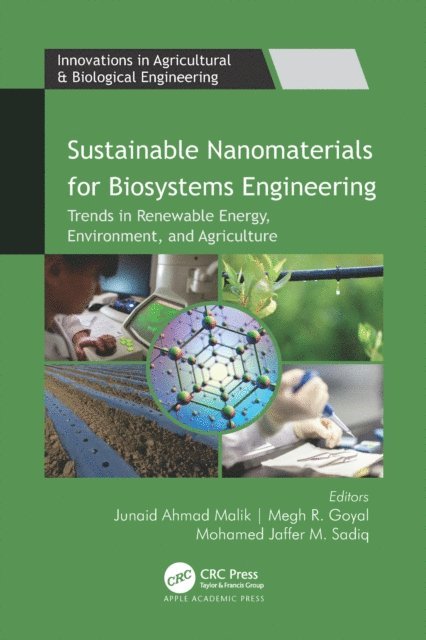
This new volume explores the integration of bionanomaterials and sustainable resources for the development of new and emerging sustainable processes. It highlights the concept of essential bionanomaterials derived from sustainable resources with examples of interdisciplinary methodologies and research that highlight the reuse of biomass waste as well as the proper usage of green technologies. The volume considers the most recent trends, challenges, and applications in bionanomaterials derived from sustainable sources in energy production and environmental mitigation.
The book looks at state-of-the-art trends in the use of bionanomaterials for renewable energy such as in production of solar energy, for energy harvesting, and for energy conversion and storage. Chapters consider the application of bionanomaterials for the development of improved optical and electrical biosensors. The volume goes on to address the promising use of bionanomaterials for environmental remediation, such as for recovering heavy metals, radioactive metals, and other pollutants from wastewater, from river water, from soils, etc. Other topics include the use of sustainable nanomaterials in the food industry, in the biomedical field, in ecological research, and more.
2 456 kr
Läs direkt efter köp
This new volume explores the integration of bionanomaterials and sustainable resources for the development of new and emerging sustainable processes. It highlights the concept of essential bionanomaterials derived from sustainable resources with examples of interdisciplinary methodologies and research that highlight the reuse of biomass waste as well as the proper usage of green technologies. The volume considers the most recent trends, challenges, and applications in bionanomaterials derived from sustainable sources in energy production and environmental mitigation.
The book looks at state-of-the-art trends in the use of bionanomaterials for renewable energy such as in production of solar energy, for energy harvesting, and for energy conversion and storage. Chapters consider the application of bionanomaterials for the development of improved optical and electrical biosensors. The volume goes on to address the promising use of bionanomaterials for environmental remediation, such as for recovering heavy metals, radioactive metals, and other pollutants from wastewater, from river water, from soils, etc. Other topics include the use of sustainable nanomaterials in the food industry, in the biomedical field, in ecological research, and more.
2 255 kr
Läs direkt efter köp
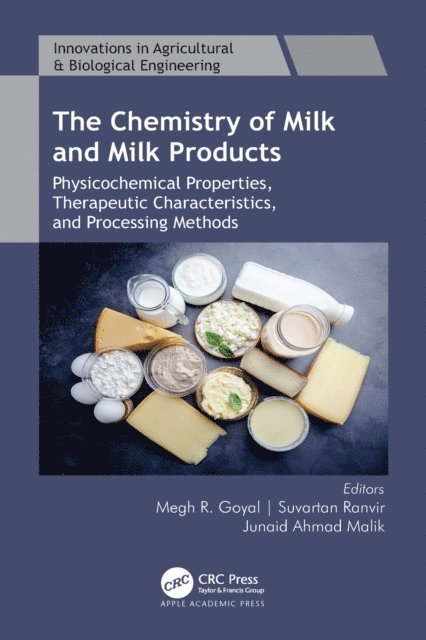
Milk and milk products are highly nutritious, yet their low acidity provides a favorable environment for growth of pathogenic and spoilage-causing organisms. To avoid this, milk requires specialized processes to be converted into various milk products to ensure safety and quality.
This new volume provides an understanding of the manufacturing processes of milk products and the structural, physicochemical, and compositional changes that occur during manufacturing and storage of milk products and the impact on quality. It covers methods of conversion of milk into high-value, concentrated, extended shelf-life and easily transportable dairy products. It delves into the constituents and chemistry, physicochemical properties, and therapeutic characteristics of milk and milk products, and then goes on to present specialized processing methods. Specialized methods such as proteolysis in ultra-high temperature (UHT), heat and acid coagulation of milk products, processing and characteristics of dry dairy milk powders, and methods to monitor pesticide residues in milk and milk products are presented and evaluated.
2 255 kr
Läs direkt efter köp
Milk and milk products are highly nutritious, yet their low acidity provides a favorable environment for growth of pathogenic and spoilage-causing organisms. To avoid this, milk requires specialized processes to be converted into various milk products to ensure safety and quality.
This new volume provides an understanding of the manufacturing processes of milk products and the structural, physicochemical, and compositional changes that occur during manufacturing and storage of milk products and the impact on quality. It covers methods of conversion of milk into high-value, concentrated, extended shelf-life and easily transportable dairy products. It delves into the constituents and chemistry, physicochemical properties, and therapeutic characteristics of milk and milk products, and then goes on to present specialized processing methods. Specialized methods such as proteolysis in ultra-high temperature (UHT), heat and acid coagulation of milk products, processing and characteristics of dry dairy milk powders, and methods to monitor pesticide residues in milk and milk products are presented and evaluated.
2 385 kr
Läs direkt efter köp
This new volume presents new studies and research cases on advanced technologies for food processing and preservation to maintain and improve food quality, extend shelf-life, and provide new solutions to food processing challenges.
The volume discusses cold plasma and ultrasound processing of foods, introducing new food processing technologies and applications. It also elaborates on microwave processing of foods, describing applications, potential and intermittent microwave drying of fruits. Other new research focusses on high-pressure processing, electrospinning technology in foods, encapsulation techniques, impact of freezing and thawing processes on textural properties of food products, 3D printing of foods, enzyme-linked immunosorbent assay (ELISA) in food authentication, and state-of-the-art applications of nanotechnology in food processing.
2 385 kr
Läs direkt efter köp
This new volume presents new studies and research cases on advanced technologies for food processing and preservation to maintain and improve food quality, extend shelf-life, and provide new solutions to food processing challenges.
The volume discusses cold plasma and ultrasound processing of foods, introducing new food processing technologies and applications. It also elaborates on microwave processing of foods, describing applications, potential and intermittent microwave drying of fruits. Other new research focusses on high-pressure processing, electrospinning technology in foods, encapsulation techniques, impact of freezing and thawing processes on textural properties of food products, 3D printing of foods, enzyme-linked immunosorbent assay (ELISA) in food authentication, and state-of-the-art applications of nanotechnology in food processing.
2 385 kr
Läs direkt efter köp
This new book discusses plant-derived bioactive compounds, covering their sources, biological effects, health benefits, and potential prevention and treatment properties for multifactorial diseases. It first describes in detail how encapsulation methods and plant-based materials may be used in a variety of ways, covering the concepts, advantages, and techniques for encapsulating bioactives based on cereals, spices, and coffee. The volume also looks at the functional aspects of plant-based foods and nutraceutical-based functional food design. The role of functional foods in food safety and industrial food safety issues and techniques for monitoring food quality and safety are also addressed.
2 385 kr
Läs direkt efter köp
This new book discusses plant-derived bioactive compounds, covering their sources, biological effects, health benefits, and potential prevention and treatment properties for multifactorial diseases. It first describes in detail how encapsulation methods and plant-based materials may be used in a variety of ways, covering the concepts, advantages, and techniques for encapsulating bioactives based on cereals, spices, and coffee. The volume also looks at the functional aspects of plant-based foods and nutraceutical-based functional food design. The role of functional foods in food safety and industrial food safety issues and techniques for monitoring food quality and safety are also addressed.
2 352 kr
Läs direkt efter köp
The consumption of functional foods is growing in the health and wellness communities because of their range of potent nutrients and health advantages, such as the ability to shield against illnesses, stop vitamin deficiencies, and encourage healthy growth and development.
This new volume discusses the nutritional and health benefits of functional foods. The volume first looks at the functional activities of plants and their derivatives, discussing microgreens as functional foods as well as functional foods for certain populations, including those involved in sports and the elderly. The volume includes chapters on antiviral activities of functional foods for first helping to reduce the risk of contracting COVID-19 as well as combating the disease once contracted. Several chapters detail the beneficial antidiabetic activities of plants, looking particularly at mushrooms and guava. Probiotics as functional foods for human health is investigated as well, discussing the role of probiotics in gut microflora, probiotics as dietary supplements, various extraction methods, and more. Finally, the volume addresses the quality aspects of functional foods, providing an overview of foodborne pathogens and food-related microorganisms.
This volume will aid experts working in food science and technology, agricultural science, food safety, and Ayurveda around the world. It will be of interest and use to professional food scientists, nutritionists and dieticians, academicians researching food engineering problems, and graduate-level students in related fields.
2 373 kr
Läs direkt efter köp
The consumption of functional foods is growing in the health and wellness communities because of their range of potent nutrients and health advantages, such as the ability to shield against illnesses, stop vitamin deficiencies, and encourage healthy growth and development.
This new volume discusses the nutritional and health benefits of functional foods. The volume first looks at the functional activities of plants and their derivatives, discussing microgreens as functional foods as well as functional foods for certain populations, including those involved in sports and the elderly. The volume includes chapters on antiviral activities of functional foods for first helping to reduce the risk of contracting COVID-19 as well as combating the disease once contracted. Several chapters detail the beneficial antidiabetic activities of plants, looking particularly at mushrooms and guava. Probiotics as functional foods for human health is investigated as well, discussing the role of probiotics in gut microflora, probiotics as dietary supplements, various extraction methods, and more. Finally, the volume addresses the quality aspects of functional foods, providing an overview of foodborne pathogens and food-related microorganisms.
This volume will aid experts working in food science and technology, agricultural science, food safety, and Ayurveda around the world. It will be of interest and use to professional food scientists, nutritionists and dieticians, academicians researching food engineering problems, and graduate-level students in related fields.
1 825 kr
Skickas inom 10-15 vardagar
1 825 kr
Skickas inom 10-15 vardagar