Nurdan Demirci Sankir – författare
2 625 kr
Skickas inom 11-20 vardagar
3 144 kr
Läs direkt efter köp
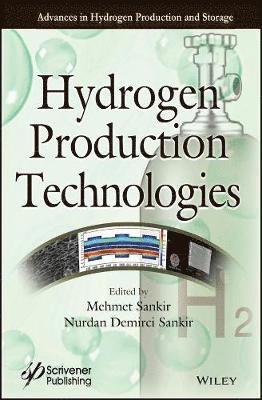
Provides a comprehensive practical review of the new technologies used to obtain hydrogen more efficiently via catalytic, electrochemical, bio- and photohydrogen production.
Hydrogen has been gaining more attention in both transportation and stationary power applications. Fuel cell-powered cars are on the roads and the automotive industry is demanding feasible and efficient technologies to produce hydrogen.
The principles and methods described herein lead to reasonable mitigation of the great majority of problems associated with hydrogen production technologies. The chapters in this book are written by distinguished authors who have extensive experience in their fields, and readers will have a chance to compare the fundamental production techniques and learn about the pros and cons of these technologies.
The book is organized into three parts. Part I shows the catalytic and electrochemical principles involved in hydrogen production technologies. Part II addresses hydrogen production from electrochemically active bacteria (EAB) by decomposing organic compound into hydrogen in microbial electrolysis cells (MECs). The final part of the book is concerned with photohydrogen generation. Recent developments in the area of semiconductor-based nanomaterials, specifically semiconductor oxides, nitrides and metal free semiconductor-based nanomaterials for photocatalytic hydrogen production are extensively discussed.
3 144 kr
Läs direkt efter köp
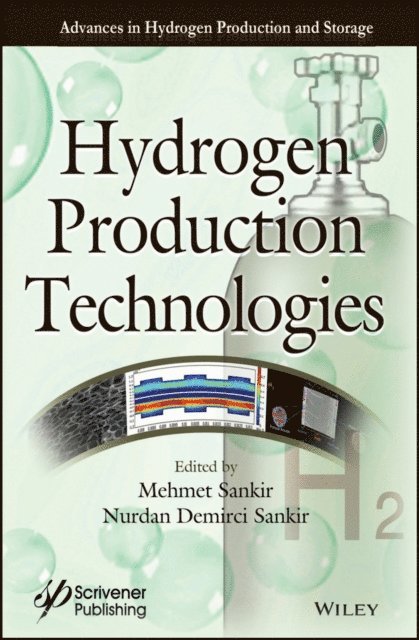
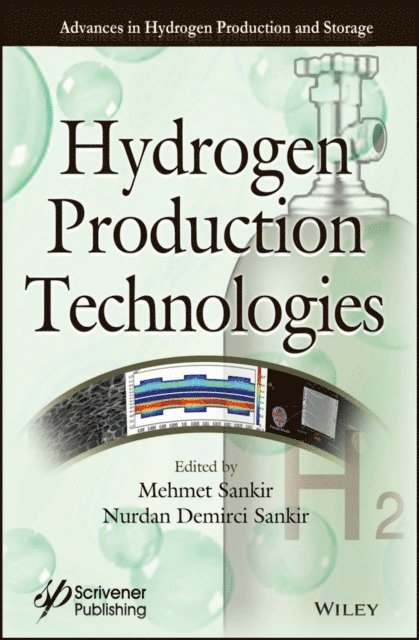
Provides a comprehensive practical review of the new technologies used to obtain hydrogen more efficiently via catalytic, electrochemical, bio- and photohydrogen production.
Hydrogen has been gaining more attention in both transportation and stationary power applications. Fuel cell-powered cars are on the roads and the automotive industry is demanding feasible and efficient technologies to produce hydrogen.
The principles and methods described herein lead to reasonable mitigation of the great majority of problems associated with hydrogen production technologies. The chapters in this book are written by distinguished authors who have extensive experience in their fields, and readers will have a chance to compare the fundamental production techniques and learn about the pros and cons of these technologies.
The book is organized into three parts. Part I shows the catalytic and electrochemical principles involved in hydrogen production technologies. Part II addresses hydrogen production from electrochemically active bacteria (EAB) by decomposing organic compound into hydrogen in microbial electrolysis cells (MECs). The final part of the book is concerned with photohydrogen generation. Recent developments in the area of semiconductor-based nanomaterials, specifically semiconductor oxides, nitrides and metal free semiconductor-based nanomaterials for photocatalytic hydrogen production are extensively discussed.
2 846 kr
Skickas inom 5-8 vardagar
3 404 kr
Läs direkt efter köp
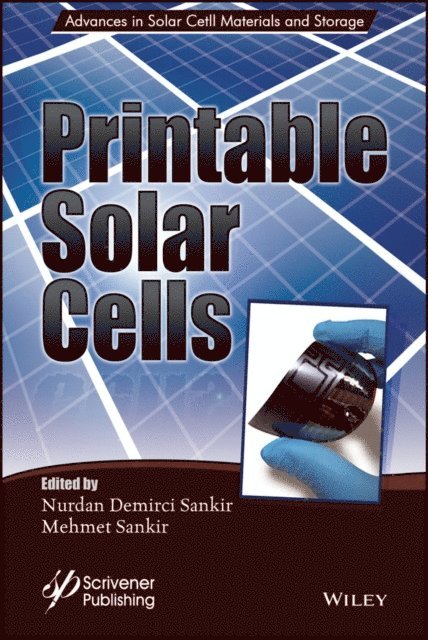
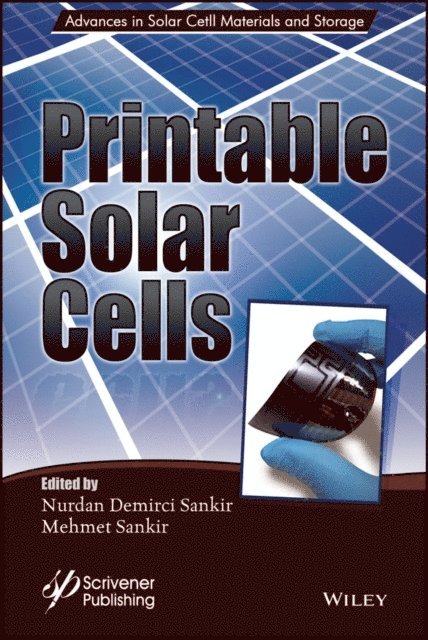
The book brings together the recent advances, new and cutting edge materials from solution process and manufacturing techniques that are the key to making photovoltaic devices more efficient and inexpensive.
Printable Solar Cells provides an overall view of the new and highly promising materials and thin film deposition techniques for printable solar cell applications. The book is organized in four parts. Organic and inorganic hybrid materials and solar cell manufacturing techniques are covered in Part I. Part II is devoted to organic materials and processing technologies like spray coating. This part also demonstrates the key features of the interface engineering for the printable organic solar cells. The main focus of Part III is the perovskite solar cells, which is a new and promising family of the photovoltaic applications. Finally, inorganic materials and solution based thin film formation methods using these materials for printable solar cell application is discussed in Part IV.
Audience
The book will be of interest to a multidisciplinary group of fields, in industry and academia, including physics, chemistry, materials science, biochemical engineering, optoelectronic information, photovoltaic and renewable energy engineering, electrical engineering, mechanical and manufacturing engineering.
3 434 kr
Läs direkt efter köp
The book brings together the recent advances, new and cutting edge materials from solution process and manufacturing techniques that are the key to making photovoltaic devices more efficient and inexpensive.
Printable Solar Cells provides an overall view of the new and highly promising materials and thin film deposition techniques for printable solar cell applications. The book is organized in four parts. Organic and inorganic hybrid materials and solar cell manufacturing techniques are covered in Part I. Part II is devoted to organic materials and processing technologies like spray coating. This part also demonstrates the key features of the interface engineering for the printable organic solar cells. The main focus of Part III is the perovskite solar cells, which is a new and promising family of the photovoltaic applications. Finally, inorganic materials and solution based thin film formation methods using these materials for printable solar cell application is discussed in Part IV.
Audience
The book will be of interest to a multidisciplinary group of fields, in industry and academia, including physics, chemistry, materials science, biochemical engineering, optoelectronic information, photovoltaic and renewable energy engineering, electrical engineering, mechanical and manufacturing engineering.
2 540 kr
Skickas inom 5-8 vardagar
2 540 kr
Skickas inom 5-8 vardagar
2 793 kr
Läs direkt efter köp
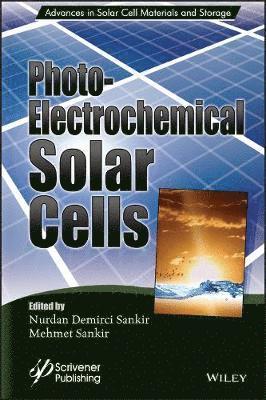
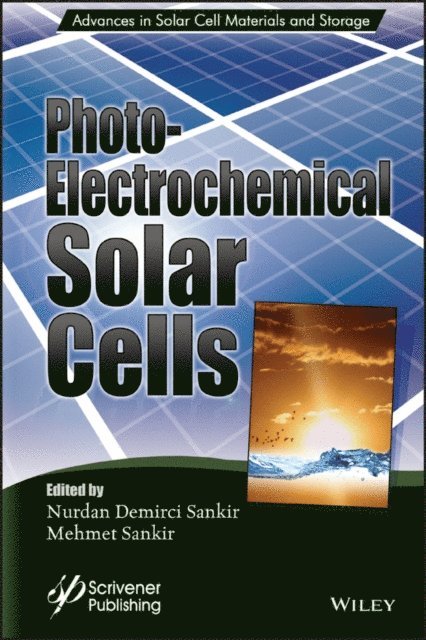
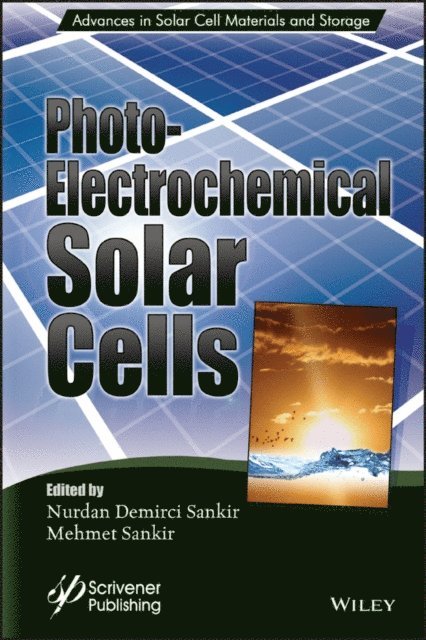
This book provides a broad overall view of the photoelectrochemical systems for solar hydrogen generation, and new and novel materials for photoelectrochemical solar cell applications.
Hydrogen has a huge potential as a safe and efficient energy carrier, which can be used directly in fuel cells to obtain electricity, or it can be used in the chemical industry, fossil fuel processing or ammonia production. However, hydrogen is not freely available in nature and it needs to be produced. Photoelectrochemical solar cells produce hydrogen from water using sunlight and specialized semiconductors, which use solar energy to directly dissociate water molecules into hydrogen and oxygen. Hence, these systems reduce fossil fuels dependency and curb carbon dioxide emissions.
Photoelectrochemical Solar Cells compiles the objectives related to the new semiconductor materials and manufacturing techniques for solar hydrogen generation. The chapters are written by distinguished authors who have extensive experience in their fields. Multidisciplinary contributors from physics, chemical engineering, materials science, and electrical and electronic information engineering, provide an in-depth coverage of the topic. Readers and users have the opportunity to learn not only about the fundamentals but also the various aspects of the materials science and manufacturing technologies for photoelectrochemical solar cells and the hydrogen generation systems via photoelectrochemical conversion.
This groundbreaking book features:
Description of solar hydrogen generation via photoelectrochemical process Designs of photoelectrochemical systems Measurements and efficiency definition protocols for photoelectrochemical solar cells Metal oxides for solar water splitting Semiconductor photocatalysts Bismuth vanadate-based materials for solar water splitting Copper-based chalcopyrite and kesterite materials for solar water splitting Eutectic composites for solar water splitting Photocatalytic formation of composite electrodes2 793 kr
Läs direkt efter köp
This book provides a broad overall view of the photoelectrochemical systems for solar hydrogen generation, and new and novel materials for photoelectrochemical solar cell applications.
Hydrogen has a huge potential as a safe and efficient energy carrier, which can be used directly in fuel cells to obtain electricity, or it can be used in the chemical industry, fossil fuel processing or ammonia production. However, hydrogen is not freely available in nature and it needs to be produced. Photoelectrochemical solar cells produce hydrogen from water using sunlight and specialized semiconductors, which use solar energy to directly dissociate water molecules into hydrogen and oxygen. Hence, these systems reduce fossil fuels dependency and curb carbon dioxide emissions.
Photoelectrochemical Solar Cells compiles the objectives related to the new semiconductor materials and manufacturing techniques for solar hydrogen generation. The chapters are written by distinguished authors who have extensive experience in their fields. Multidisciplinary contributors from physics, chemical engineering, materials science, and electrical and electronic information engineering, provide an in-depth coverage of the topic. Readers and users have the opportunity to learn not only about the fundamentals but also the various aspects of the materials science and manufacturing technologies for photoelectrochemical solar cells and the hydrogen generation systems via photoelectrochemical conversion.
This groundbreaking book features:
Description of solar hydrogen generation via photoelectrochemical process Designs of photoelectrochemical systems Measurements and efficiency definition protocols for photoelectrochemical solar cells Metal oxides for solar water splitting Semiconductor photocatalysts Bismuth vanadate-based materials for solar water splitting Copper-based chalcopyrite and kesterite materials for solar water splitting Eutectic composites for solar water splitting Photocatalytic formation of composite electrodes2 931 kr
Läs direkt efter köp
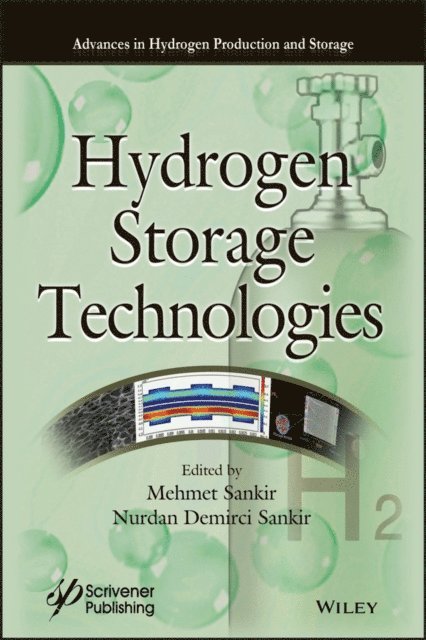
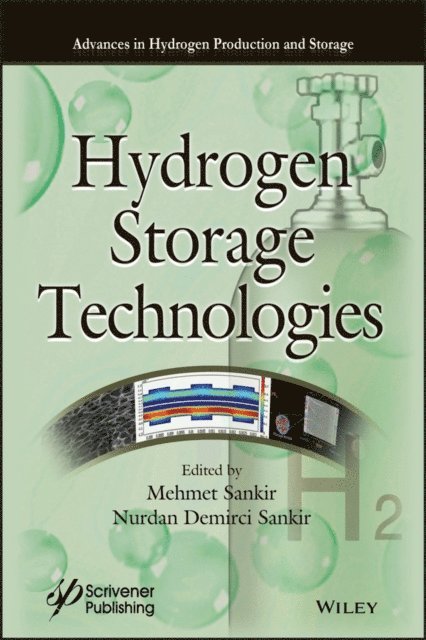
Hydrogen storage is considered a key technology for stationary and portable power generation especially for transportation. This volume covers the novel technologies to efficiently store and distribute hydrogen and discusses the underlying basics as well as the advanced details in hydrogen storage technologies.
The book has two major parts: Chemical and electrochemical hydrogen storage and Carbon-based materials for hydrogen storage. The following subjects are detailed in Part I:
Multi stage compression system based on metal hydrides Metal-N-H systems and their physico-chemical properties Mg-based nano materials with enhanced sorption kinetics Gaseous and electrochemical hydrogen storage in the Ti-Z-Ni Electrochemical methods for hydrogenation/dehydrogenation of metal hydridesIn Part II the following subjects are addressed:
Activated carbon for hydrogen storage obtained from agro-industrial waste Hydrogen storage using carbonaceous materials Hydrogen storage performance of composite material consisting of single walled carbon nanotubes and metal oxide nanoparticles Hydrogen storage characteristics of graphene addition of hydrogen storage materials Discussion of the crucial features of hydrogen adsorption of nanotextured carbon-based materials2 931 kr
Läs direkt efter köp
Hydrogen storage is considered a key technology for stationary and portable power generation especially for transportation. This volume covers the novel technologies to efficiently store and distribute hydrogen and discusses the underlying basics as well as the advanced details in hydrogen storage technologies.
The book has two major parts: Chemical and electrochemical hydrogen storage and Carbon-based materials for hydrogen storage. The following subjects are detailed in Part I:
Multi stage compression system based on metal hydrides Metal-N-H systems and their physico-chemical properties Mg-based nano materials with enhanced sorption kinetics Gaseous and electrochemical hydrogen storage in the Ti-Z-Ni Electrochemical methods for hydrogenation/dehydrogenation of metal hydridesIn Part II the following subjects are addressed:
Activated carbon for hydrogen storage obtained from agro-industrial waste Hydrogen storage using carbonaceous materials Hydrogen storage performance of composite material consisting of single walled carbon nanotubes and metal oxide nanoparticles Hydrogen storage characteristics of graphene addition of hydrogen storage materials Discussion of the crucial features of hydrogen adsorption of nanotextured carbon-based materials2 601 kr
Skickas inom 5-8 vardagar
3 007 kr
Läs direkt efter köp
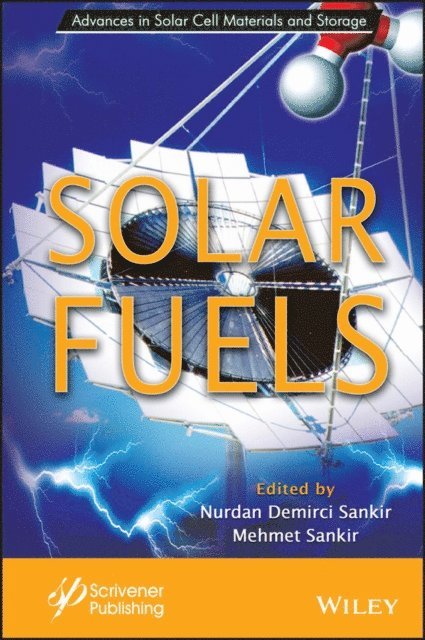
In this book, you will have the opportunity to have comprehensive knowledge about the use of energy from the sun, which is our source of life, by converting it into different chemical fuels as well as catching up with the latest technology.
The most important obstacle to solar meeting all our energy needs is that solar energy is not always accessible and, therefore, cannot be used when needed. Consequently, the conversion of solar energy into chemical energy, which has become increasingly important in recent years, is a groundbreaking topic in the field of renewable energy. This type of chemical energy is called solar fuel. Hydrogen, methanol, methane, and carbon monoxide are among the solar fuels, which can be produced via solar-thermal, artificial photosynthesis, photocatalytic or photoelectrochemical routes. Solar Fuels compiles the objectives related to the new semiconductor materials and manufacturing techniques for solar fuel generation. Chapters are written by distinguished authors who have extensive experience in their fields. A multidisciplinary contributor profile, including chemical engineering, materials science, environmental engineering, and mechanical and aerospace engineering provides a broader point of view and coverage of the topic. Therefore, readers absolutely will have a chance to learn about not only the fundamentals, but also the various aspects of materials science and manufacturing technologies for solar fuel production. Moreover, readers from diverse fields should take advantage of this book to comprehend the impacts of solar energy conversion in chemical form.
Audience
The book will be of interest to a multidisciplinary group of fields in industry and academia, including physics, chemistry, materials science, biochemical engineering, optoelectronic information, photovoltaic and renewable energy engineering, electrochemistry, electrical engineering, and mechanical and manufacturing engineering.
3 007 kr
Läs direkt efter köp
In this book, you will have the opportunity to have comprehensive knowledge about the use of energy from the sun, which is our source of life, by converting it into different chemical fuels as well as catching up with the latest technology.
The most important obstacle to solar meeting all our energy needs is that solar energy is not always accessible and, therefore, cannot be used when needed. Consequently, the conversion of solar energy into chemical energy, which has become increasingly important in recent years, is a groundbreaking topic in the field of renewable energy. This type of chemical energy is called solar fuel. Hydrogen, methanol, methane, and carbon monoxide are among the solar fuels, which can be produced via solar-thermal, artificial photosynthesis, photocatalytic or photoelectrochemical routes. Solar Fuels compiles the objectives related to the new semiconductor materials and manufacturing techniques for solar fuel generation. Chapters are written by distinguished authors who have extensive experience in their fields. A multidisciplinary contributor profile, including chemical engineering, materials science, environmental engineering, and mechanical and aerospace engineering provides a broader point of view and coverage of the topic. Therefore, readers absolutely will have a chance to learn about not only the fundamentals, but also the various aspects of materials science and manufacturing technologies for solar fuel production. Moreover, readers from diverse fields should take advantage of this book to comprehend the impacts of solar energy conversion in chemical form.
Audience
The book will be of interest to a multidisciplinary group of fields in industry and academia, including physics, chemistry, materials science, biochemical engineering, optoelectronic information, photovoltaic and renewable energy engineering, electrochemistry, electrical engineering, and mechanical and manufacturing engineering.
2 086 kr
Skickas inom 5-8 vardagar
2 366 kr
Läs direkt efter köp
Hydrogen electrical vehicles are an essential component of the “Green New Deal” and this book covers cutting-edge technologies designed for fuel-cell-powered cars.
The realization of the decision of 28 countries to keep global warming at 2 degrees and below, which is stated in the Paris Agreement, and the achievement of minimizing CO2 emissions, can only be accomplished by establishing a hydrogen ecosystem. A new geopolitical order is envisaged, in which sectors dealing with energy production, distribution, and storage, thus decreasing the carbon footprint, are reconstructed. In short, an economic order with new tax regulations is being created in which the carbon footprint will be followed. This global effort called the “Green Deal” is defined as a new growth strategy aiming at net-zero CO2 emissions. We know that the total share of transportation in CO2 emissions is about 24%. Therefore, efforts for reducing emissions must include utilizing hydrogen in transport.
The subjects covered in the book include:
An introduction to hydrogen and electrical vehicles; Hydrogen storage and compression systems; Hydrogen propulsion systems for UAVs; Test and evaluation of hydrogen fuel cell vehicles; Hydrogen production and PEM fuel cells for electrical vehicles; The power and durability issues of fuel cell vehicles.Audience
The book will attract readers from diverse fields such as chemistry, physics, materials science, engineering, mechanical and chemical engineering, as well as energy-focused engineering and hydrogen generation industry programs that will take advantage of using this comprehensive review of the hydrogen electrical vehicles.
2 366 kr
Läs direkt efter köp
Hydrogen electrical vehicles are an essential component of the “Green New Deal” and this book covers cutting-edge technologies designed for fuel-cell-powered cars.
The realization of the decision of 28 countries to keep global warming at 2 degrees and below, which is stated in the Paris Agreement, and the achievement of minimizing CO2 emissions, can only be accomplished by establishing a hydrogen ecosystem. A new geopolitical order is envisaged, in which sectors dealing with energy production, distribution, and storage, thus decreasing the carbon footprint, are reconstructed. In short, an economic order with new tax regulations is being created in which the carbon footprint will be followed. This global effort called the “Green Deal” is defined as a new growth strategy aiming at net-zero CO2 emissions. We know that the total share of transportation in CO2 emissions is about 24%. Therefore, efforts for reducing emissions must include utilizing hydrogen in transport.
The subjects covered in the book include:
An introduction to hydrogen and electrical vehicles; Hydrogen storage and compression systems; Hydrogen propulsion systems for UAVs; Test and evaluation of hydrogen fuel cell vehicles; Hydrogen production and PEM fuel cells for electrical vehicles; The power and durability issues of fuel cell vehicles.Audience
The book will attract readers from diverse fields such as chemistry, physics, materials science, engineering, mechanical and chemical engineering, as well as energy-focused engineering and hydrogen generation industry programs that will take advantage of using this comprehensive review of the hydrogen electrical vehicles.
2 408 kr
Skickas inom 5-8 vardagar
2 885 kr
Läs direkt efter köp
2 885 kr
Läs direkt efter köp
2 480 kr
Skickas inom 5-8 vardagar
2 885 kr
Läs direkt efter köp
Readers will find a multidisciplinary approach elucidating all the important features of green hydrogen so that science researchers and energy engineers as well as those in economics, political science and international relations, will also find value.
Energy sources and generation is the foremost concern of all governments, NGOs, and activist groups. With Green New Deals and reduced or net zero emission goals being implemented on a global scale, the quest for economic, scalable, efficient, and sustainable energy systems has reached a fever pitch. No one energy source ticks all the boxes and new energy technologies are being developed all the time as potential disruptors. Enter green hydrogen with zero emissions. Hydrogen is a rare gas in nature and is often found together with natural gas. While hydrogen is the most abundant element in the known universe, molecular hydrogen is very rare in nature and needs to be produced—and produced in large quantities, if we are serious about the Green Deal.
This book has been organized into three parts to introduce and discuss these crucial topics. Part I discusses the Green Deal and the current state and challenges encountered in the industrialization of green hydrogen production, as well as related politics. Chapters in this section include how to decarbonize the energy industry with green hydrogen, and one that describes a gradual shift in the approach of hydrogen production technologies from non-renewable to renewable. Part II is devoted to carbon capturing and hydrogen. Chapters on biomass mass waste-to-hydrogen conversion and related efficient and sustainable hydrogen storage pathways, life cycle assessment for eco-design of biohydrogen factory by microalgae, and metal oxide-based carbon capture technologies are all addressed in this section. The third and final part of the book was designed to present all features of green hydrogen generation. Chapters include PEM water electrolysis and other electrolyzers, wind-driven hydrogen production, and bifunctional electrocatalysts-driven hybrid water splitting, are introduced and thoroughly discussed.
Audience
This book is directed to researchers and industry professionals in energy engineering, chemistry, physics, materials science, and chemical engineering, as well as energy policymakers, energy economists, and others in the social sciences.
2 885 kr
Läs direkt efter köp
Readers will find a multidisciplinary approach elucidating all the important features of green hydrogen so that science researchers and energy engineers as well as those in economics, political science and international relations, will also find value.
Energy sources and generation is the foremost concern of all governments, NGOs, and activist groups. With Green New Deals and reduced or net zero emission goals being implemented on a global scale, the quest for economic, scalable, efficient, and sustainable energy systems has reached a fever pitch. No one energy source ticks all the boxes and new energy technologies are being developed all the time as potential disruptors. Enter green hydrogen with zero emissions. Hydrogen is a rare gas in nature and is often found together with natural gas. While hydrogen is the most abundant element in the known universe, molecular hydrogen is very rare in nature and needs to be produced—and produced in large quantities, if we are serious about the Green Deal.
This book has been organized into three parts to introduce and discuss these crucial topics. Part I discusses the Green Deal and the current state and challenges encountered in the industrialization of green hydrogen production, as well as related politics. Chapters in this section include how to decarbonize the energy industry with green hydrogen, and one that describes a gradual shift in the approach of hydrogen production technologies from non-renewable to renewable. Part II is devoted to carbon capturing and hydrogen. Chapters on biomass mass waste-to-hydrogen conversion and related efficient and sustainable hydrogen storage pathways, life cycle assessment for eco-design of biohydrogen factory by microalgae, and metal oxide-based carbon capture technologies are all addressed in this section. The third and final part of the book was designed to present all features of green hydrogen generation. Chapters include PEM water electrolysis and other electrolyzers, wind-driven hydrogen production, and bifunctional electrocatalysts-driven hybrid water splitting, are introduced and thoroughly discussed.
Audience
This book is directed to researchers and industry professionals in energy engineering, chemistry, physics, materials science, and chemical engineering, as well as energy policymakers, energy economists, and others in the social sciences.