Otto Latva – författare
Visar alla böcker från författaren Otto Latva. Handla med fri frakt och snabb leverans.
12 produkter
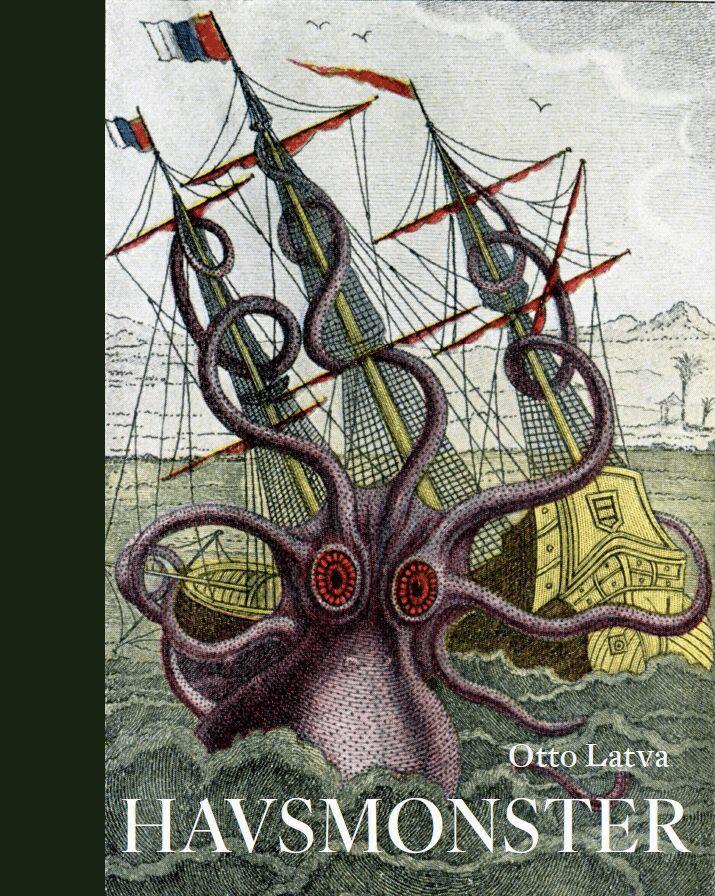
Havsmonster
Av Otto Latva
Inbunden, 2025
331 kr
Lägg i varukorg
Detta praktverk skildrar allt det som är skrämmande med havet. Oceanerna har i alla tider fascinerat människan och ofta uppfattats som hotfullt. Oändliga djup och okända varelser gav upphov till berättelser om vidunder och fasansfulla monster. Under ytan fanns gigantiska bläckfiskar som kunde sänka …
Havet och Tove : livet i skärgården
Av Otto Latva, Maarit Leskelä-Kärki
Inbunden, 2026
5,0 utav 5 stjärnor. Totalt antal röster: (2)
269 kr
Lägg i varukorg
På det yttersta skäret i Borgå skärgård fann hon en egen plats. Havet var ständigt närvarande hos Tove Jansson. Skärgårdskulturen, djuren, vädret, hennes gömställen och byggprojekt, allt lever i hennes texter och bilder. Ges ut i samarbete med Svenska litteratursällskapet i Finland.
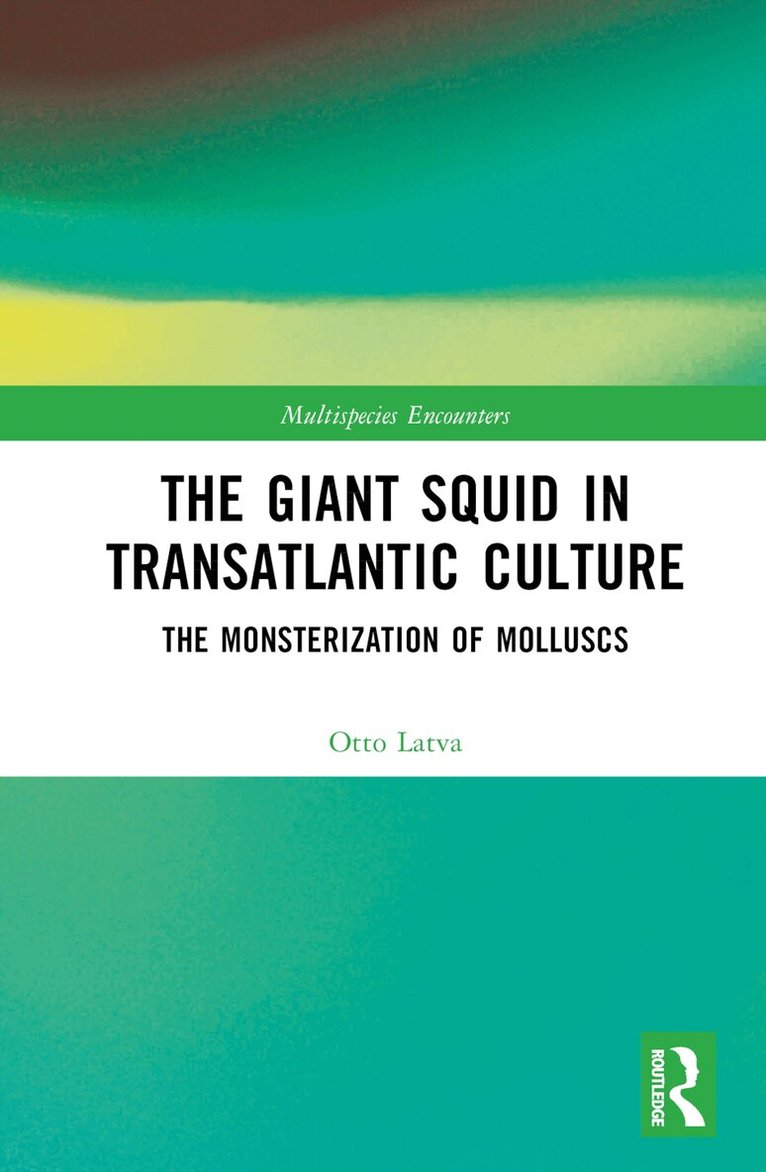
Giant Squid in Transatlantic Culture
The Monsterization of Molluscs
Av Otto Latva
Häftad, 2024
745 kr
Lägg i varukorg
This book builds upon the extensive study of the historical relationship between sea animals and humans in transatlantic culture during the eighteenth and nineteenth centuries. It exposes the present understanding of the human relationship with the giant squid not only as too simplistic but also as …
Giant Squid in Transatlantic Culture
The Monsterization of Molluscs
Av Otto Latva
E-bok, 2023
785 kr
Lägg i varukorg
This book builds upon the extensive study of the historical relationship between sea animals and humans in transatlantic culture during the eighteenth and nineteenth centuries. It exposes the present understanding of the human relationship with the giant squid not only as too simplistic but also as …
Giant Squid in Transatlantic Culture
The Monsterization of Molluscs
Av Otto Latva
E-bok, 2023
785 kr
Lägg i varukorg
This book builds upon the extensive study of the historical relationship between sea animals and humans in transatlantic culture during the eighteenth and nineteenth centuries. It exposes the present understanding of the human relationship with the giant squid not only as too simplistic but also as …
Giant Squid in Transatlantic Culture
The Monsterization of Molluscs
Av Otto Latva
Inbunden, 2023
2888 kr
Lägg i varukorg
This book builds upon the extensive study of the historical relationship between sea animals and humans in transatlantic culture during the eighteenth and nineteenth centuries. It exposes the present understanding of the human relationship with the giant squid not only as too simplistic but also as …
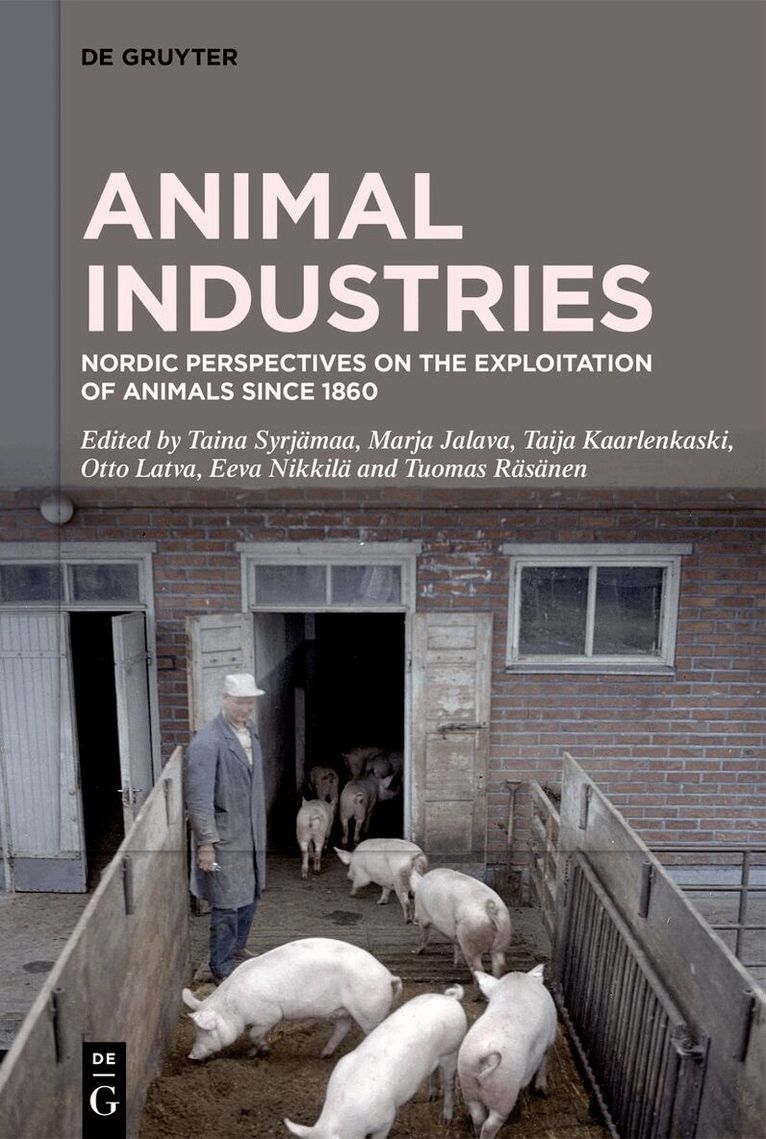
Animal Industries
Nordic Perspectives on the Exploitation of Animals since 1860
Av Taina Syrjämaa, Marja Jalava m. fl.
Inbunden, 2024
1316 kr
Lägg i varukorg
This book examines an extremely topical phenomenon, the massive industrial exploitation of animals, from a previously neglected perspective. It explores the history and development of animal industries in Nordic countries from their establishment in the late nineteenth century to the present day. …
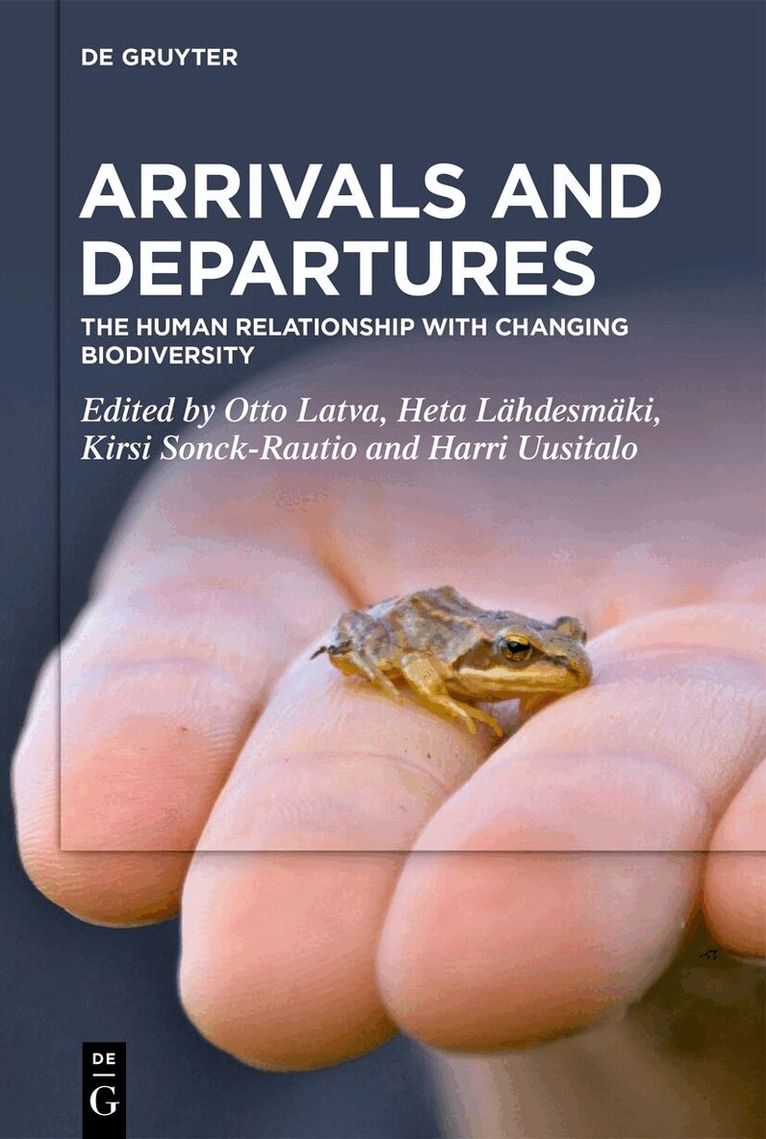
Arrivals and Departures
The Human Relationship with Changing Biodiversity
Av Otto Latva, Heta Lähdesmäki m. fl.
Inbunden, 2024
1898 kr
Lägg i varukorg
This book explores the human relationship to changing biodiversity by bringing together multidisciplinary insights into human-nature relations from the humanities. New animal and plant species arrive and previously existing ones may disappear. However, the historical and social perspectives of the …
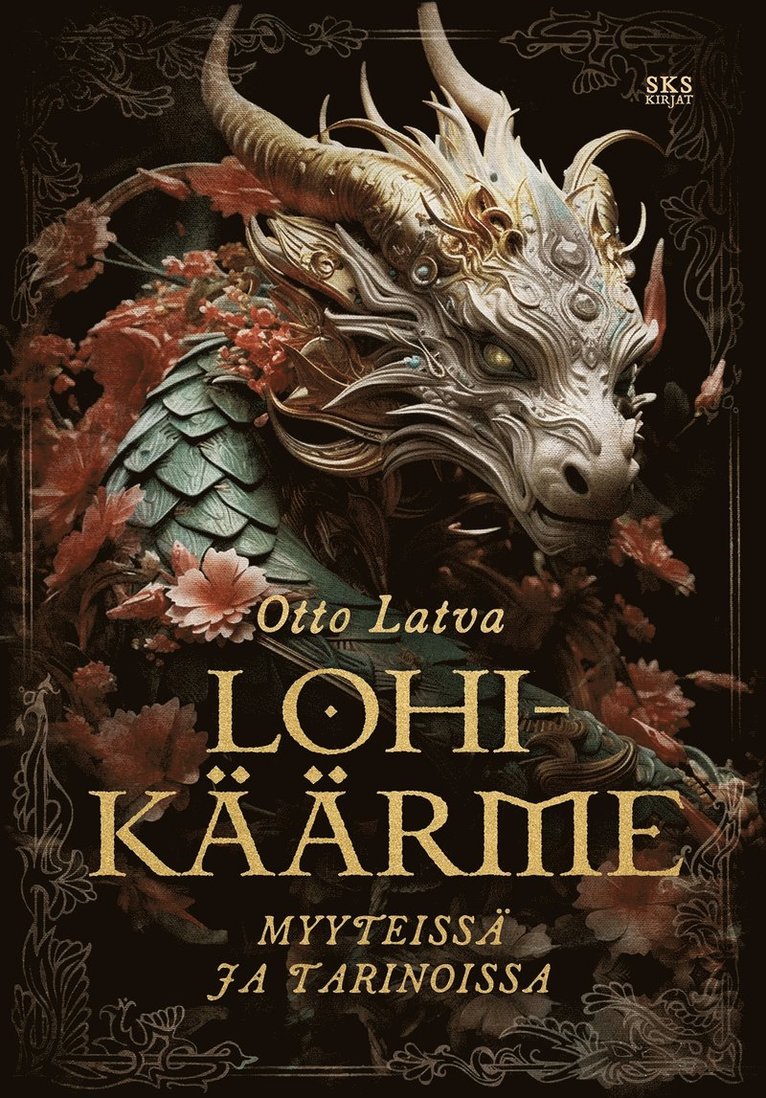
Lohikäärme
Av Otto Latva
E-bok, 2024
164 kr
Lägg i varukorg
Miten lohikäärmeet kuolivat sukupuuttoon? Mistä Tolkien sai inspiraationsa Smaug-lohikäärmeeseen? Miksi lapsien toivotaan syntyvän lohikäärmeen vuonna? Lohikäärmeet tunnetaan länsimaissa hurjina tulta syöksevinä petoina, jotka tähdittävät lukuisia elokuvia, pelejä, kirjoja ja lauluja. Tänä päivänä …
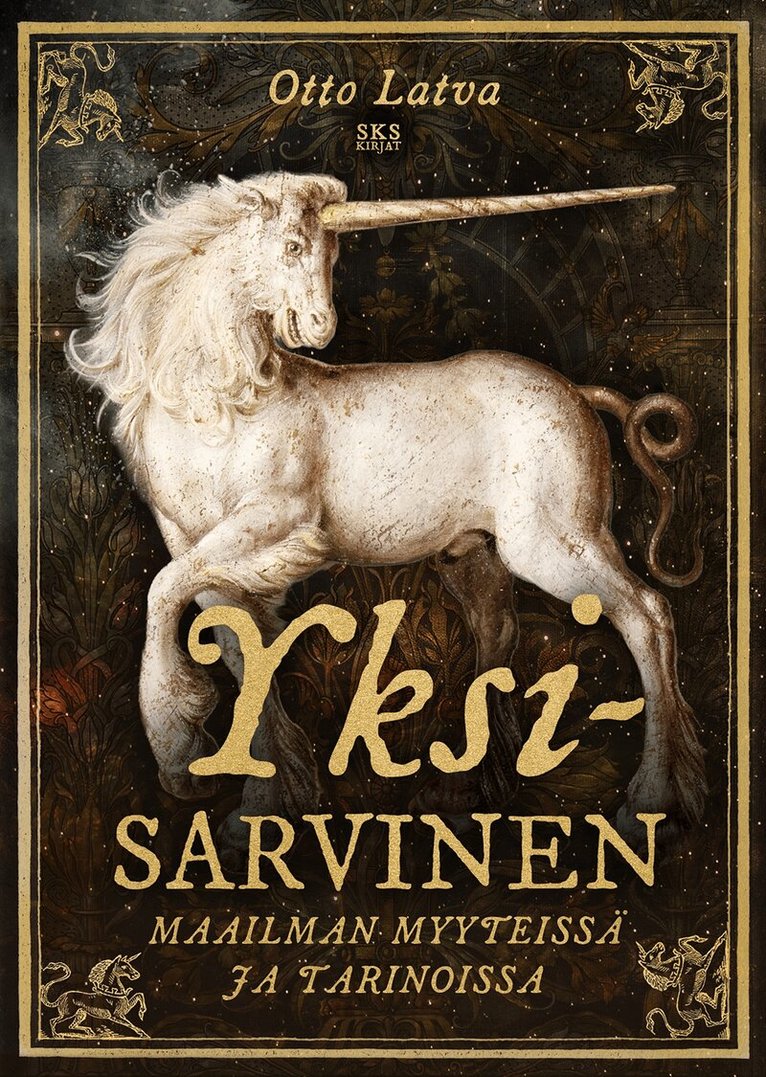
Yksisarvinen
Av Otto Latva
E-bok, 2026
182 kr
Lägg i varukorg
Miten antiikin tarujen yksisarvisesta tuli rakkauden ja kristinuskon symboli, miljardin dollarin arvoista yritystä kuvaava käsite ja sateenkaaren väreissä kimmeltävä satuolento? Yksisarvinen maailman myyteissä ja tarinoissa kuljettaa lukijan halki vuosisatojen antiikin maailmasta keskiaikaan ja …
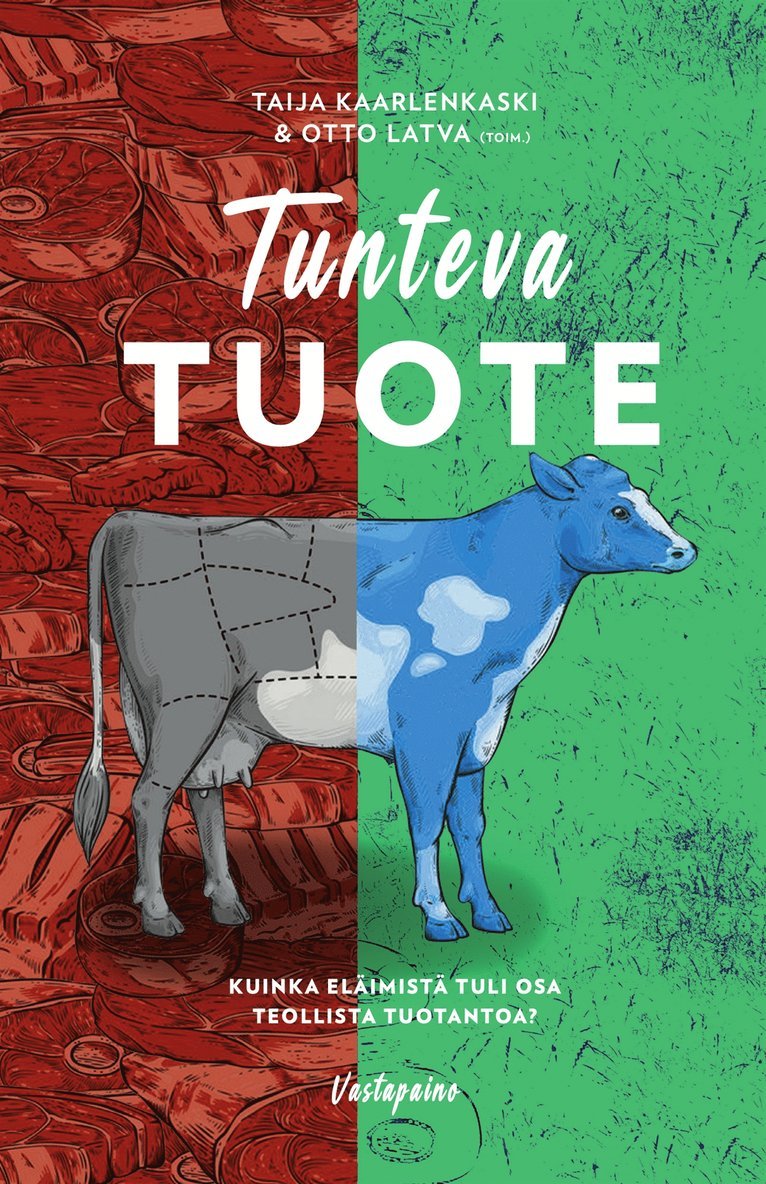
Tunteva tuote
Av Taija Kaarlenkaski, Otto Latva
E-bok, 2022
699 kr
Lägg i varukorg
Tuotantoeläinten olosuhteet ja teollisen eläintuotannon oikeutus ovat nousseet merkittäviksi yhteiskunnallisiksi kysymyksiksi 2020-luvulla. Tunteva tuote paljastaa, mitä eläintuotannon kulissien takana piilee. Tämänhetkiseen laajamittaiseen ja teollistuneeseen eläintuotantoon ovat vaikuttaneet …
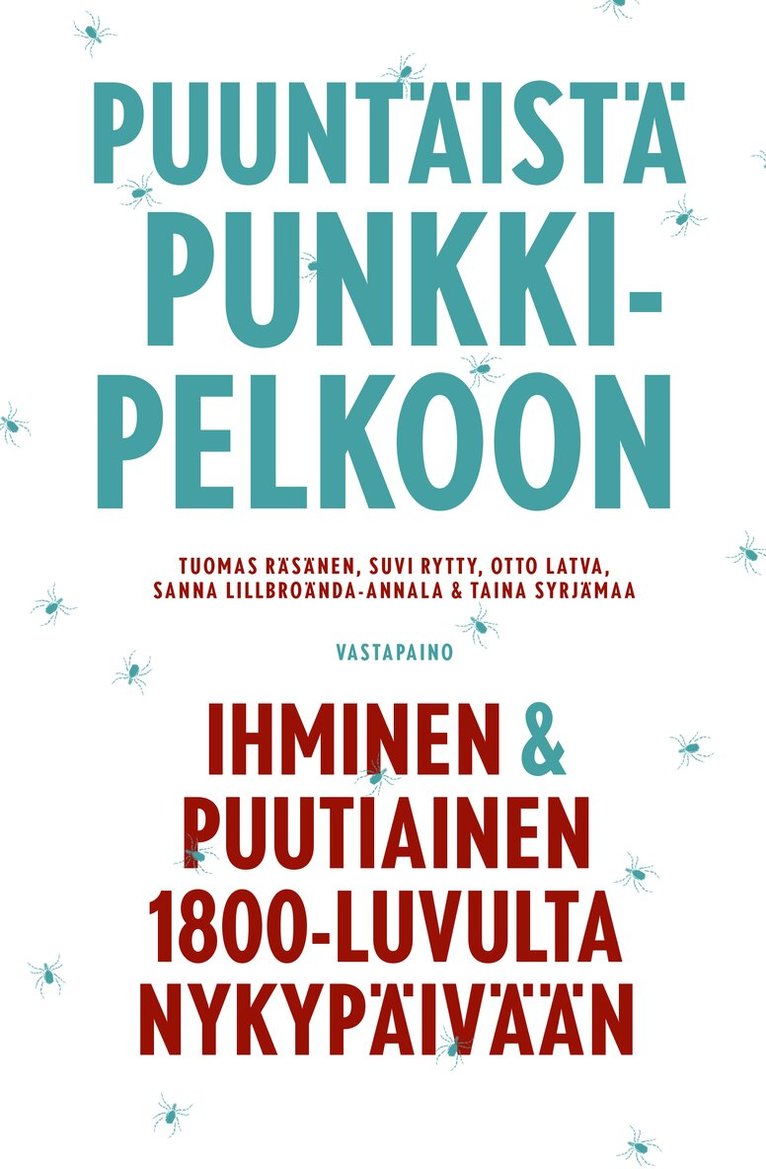
Puuntäistä punkkipelkoon
Av Tuomas Räsänen, Otto Latva m. fl.
E-bok, 2026
381 kr
Lägg i varukorg
Suomen vaarallisin eläin! Tämän väitteen kuulee puutiaisista usein esitettävän. Ottamatta kantaa väitteen todenperäisyyteen, tosiasia on, että puutiaiset aiheuttavat vuosittain tuhansia diagnosoituja borrelioosi- sekä satoja TBE- eli puutiaisaivotulehdustapauksia. Suhteemme puutiaisiin uhkana ja …