Sarvajeet Singh Gill – författare
2 047 kr
Läs direkt efter köp
1 440 kr
Skickas inom 10-15 vardagar
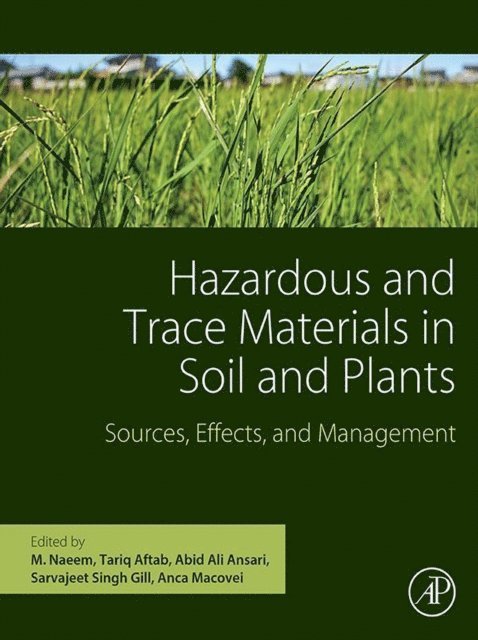
Hazardous and Trace Materials in Soil and Plants: Sources, Effects and Management explores the latest advancements in reducing, avoiding and eliminating soil contaminants that challenge the health and safety of agricultural plants. With a focus on minimizing the production of those hazardous substances, controlling their distribution and ensuring safe utilization, the book explores each contributing area and provides insights toward improved, sustainable and secure production. This is an excellent reference resource on both current research and future directions from laboratory research to field applications.
The combined impacts of climate change and industrialization have led to increased and diversified threats to the health of the soil in which our food crops are grown, as well as in the plants themselves. This dual-hazard scenario is increasingly recognized as a threat to not just the environment, but to global food security as agricultural soils contaminated with pollutants alter plant metabolism, thus resulting in reduced crop quality and production quantity.
Addresses the challenges of mitigating toxic substances in plants, including agricultural crops Presents current status and future prospects for managing biotic and abiotic environmental stress factors through plant stress tolerance mechanisms Includes chapters that address both biotic and abiotic stresses, agricultural and environmental science, toxicology, biotechnology, nanotechnology, and molecular studies Integrates insights and developments between environmental and plant science1 938 kr
Skickas inom 10-15 vardagar
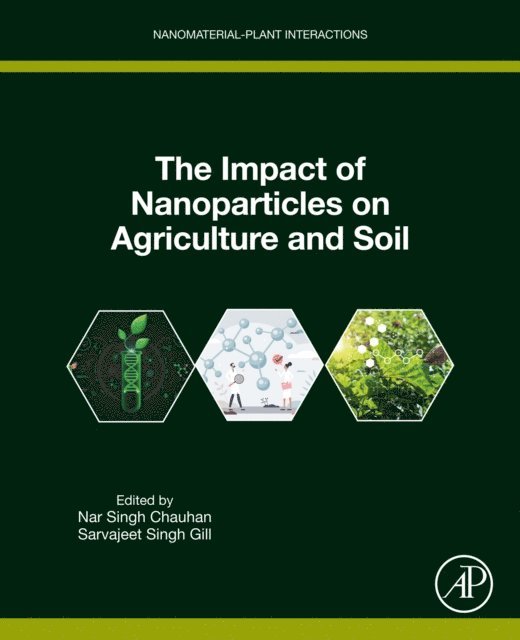
The Impact of Nanoparticles on Agriculture and Soil, part of the Nanomaterials-Plant Interaction series, contributes the most recent insights into understanding the cellular interactions of nanoparticles in an agricultural setting, focusing on current applications and means of evaluating future prospects. In order to ensure and improve the biosafety of nanoparticles, it is a primary concern to understand cellular bioprocess like nanomaterial's cellular uptake and their influence on cellular structural, functional and genetic components. This book addresses these and other important aspects in detail along with showcasing their applications in the area of agriculture.
With an international team of authors, and experienced editors, this book will be valuable to those working to understand and advance nanoscience to benefit agricultural production and human and environmental welfare. In-depth knowledge of these bioprocess will enable researchers to engineer nanomaterials for enhanced biosafety.
Guides the assessment of nanomaterials' impact on agricultural and soil cellular metabolism and physiological characteristics Provides in-depth insights into potential risks and hazards of nanoparticles Builds a foundation for further research and development2 759 kr
Läs direkt efter köp
2 063 kr
Skickas inom 10-15 vardagar
Biostimulants in Alleviation of Metal Toxicity in Plants: Emerging Trends and Opportunities focuses on the role of substances or micro-organisms whose presence can address issues of metal contamination in soils, seeds and plants. Including a range of biostimulant tools, the book highlights both endogenous and exogenous application. Written and edited by a global team of experts, this book presents an overview on biostimulants in determining metal toxicity. As plants encounter a wide range of environmental challenges during their lifecycle, among which metal toxicity is a common form of abiotic stress, this book thoroughly covers important topics on the subject matter.
Once inside a plant system, toxic metals may initiate a variety of physiological alterations in plants, including adversely impacted seed germination, root and shoot growth, chloroplasts ultrastructure and photosynthesis, nutrients assimilation, carbohydrates metabolism, and plant hormonal status which, collectively, results in reduced plants yields. In addition to several naturally occurring physiological and metabolic re-programing responses, plants may also modify their root and shoot systems in order to dilute entered amount of toxic metals. As an additional tool biostimulants have emerged as one of the important plant protectors under adverse conditions.
Includes endogenous and exogenous application of biostimulants Focuses on use based on specific metal contamination< Presents forward-looking prospects for the use of biostimulants in plant health protection2 937 kr
Läs direkt efter köp
1 938 kr
Skickas inom 10-15 vardagar
Nanotechnology for Abiotic Stress Tolerance and Management in Crop Plants reviews the most recent literature on the role of nanomaterials in achieving sustainability in crop production in stressful environments. The book explores the adverse conditions caused by abiotic stress to crop plants and the methods by which these conditions can be potentially overcome through developments in nanoscience and nanotechnology. Abiotic stresses such as drought, salinity, temperature stress, excessive water, heavy metal stress, and UV stress are major factors which may adversely affect the growth, development, and yield of crops.While recent research for ways of overcoming the physiological and biochemical changes brought on by these stresses has focused on genetic engineering of plants, additional research continues into alternative strategies to develop stress tolerant crops, including the use of nanoscience and nanotechnology.
Presents advancements in our understanding of molecular and physiological interactions between nanoparticles and crop plantsIncludes figures and illustrations to help readers visualize and easily understand the role of nanomaterialsServes as an ideal reference for those studying smart nanomaterials, biosensors, and nanodevices for real-time plant stress measurement2 759 kr
Läs direkt efter köp
2 038 kr
Skickas inom 10-15 vardagar
2 489 kr
Läs direkt efter köp
2 250 kr
Skickas inom 10-15 vardagar
Crop Improvement through Microbial Biotechnology explains how certain techniques can be used to manipulate plant growth and development, focusing on the cross-kingdom transfer of genes to incorporate novel phenotypes in plants, including the utilization of microbes at every step, from cloning and characterization, to the production of a genetically engineered plant. This book covers microbial biotechnology in sustainable agriculture, aiming to improve crop productivity under stress conditions. It includes sections on genes encoding avirulence factors of bacteria and fungi, viral coat proteins of plant viruses, chitinase from fungi, virulence factors from nematodes and mycoplasma, insecticidal toxins from Bacillus thuringiensis, and herbicide tolerance enzymes from bacteria.
Introduces the principles of microbial biotechnology and its application in crop improvement Lists various new developments in enhancing plant productivity and efficiency Explains the mechanisms of plant/microbial interactions and the beneficial use of these interactions in crop improvement Explores various bacteria classes and their beneficial effects in plant growth and efficiency3 204 kr
Läs direkt efter köp
728 kr
Skickas inom 10-15 vardagar
2 834 kr
Skickas inom 10-15 vardagar
858 kr
Läs direkt efter köp
Key features:
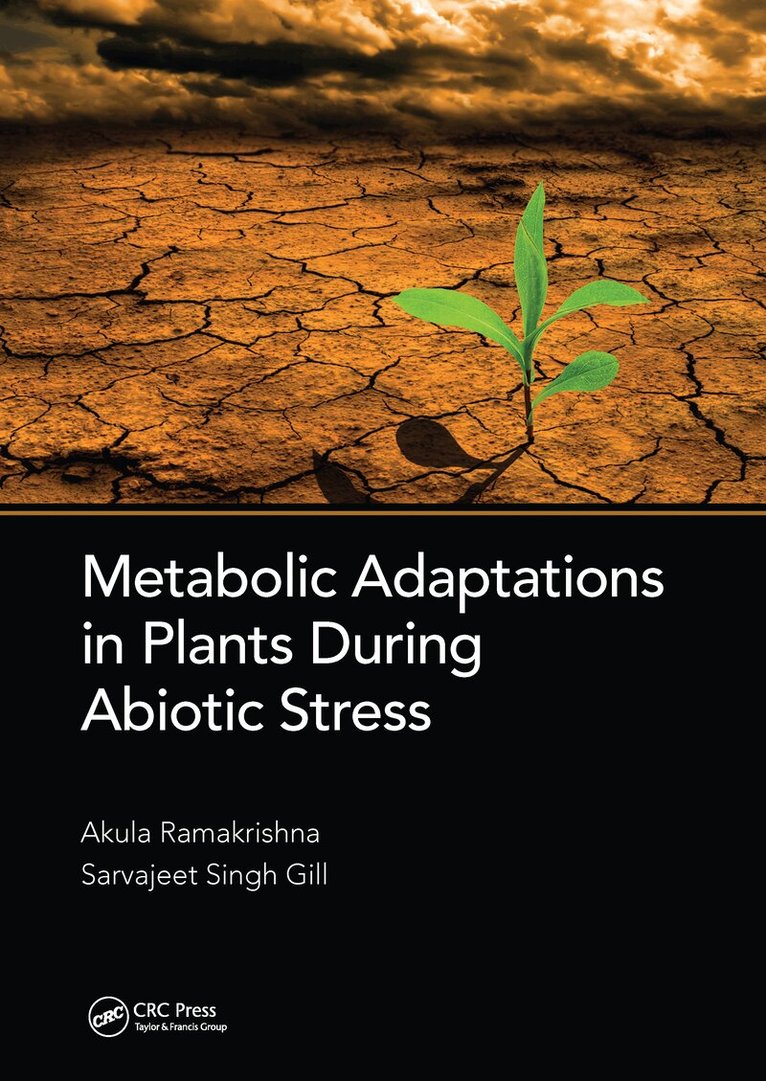
Serves as a cutting-edge resource for researchers and students who are studying plant abiotic stress tolerance and crop improvement through metabolic adaptationsPresents the latest trends and developments in the field of metabolic engineering and abiotic stress toleranceAddresses the adaptation of plants to climatic changesGives special attention to emerging topics such as the role of secondary metabolites, small RNA mediated regulation and signaling molecule responses to stressesProvides extensive references that serve as entry points for further researchMetabolic Adaptations in Plants during Abiotic Stress covers a topic of past, present and future interest for both scientists and policy makers as the global challenge of climate change is addressed. Understanding the mechanisms of plant adaptation to environmental stresses can provide the necessary tools needed to take action to protect them, and hence ourselves. This book brings together recent findings about metabolic adaptations during abiotic stress and in diverse areas of plant adaptation. It covers not only the published results, but also introduces new concepts and findings to offer original views on the perspectives and challenges in this field.
858 kr
Läs direkt efter köp
Key features:
Serves as a cutting-edge resource for researchers and students who are studying plant abiotic stress tolerance and crop improvement through metabolic adaptationsPresents the latest trends and developments in the field of metabolic engineering and abiotic stress toleranceAddresses the adaptation of plants to climatic changesGives special attention to emerging topics such as the role of secondary metabolites, small RNA mediated regulation and signaling molecule responses to stressesProvides extensive references that serve as entry points for further researchMetabolic Adaptations in Plants during Abiotic Stress covers a topic of past, present and future interest for both scientists and policy makers as the global challenge of climate change is addressed. Understanding the mechanisms of plant adaptation to environmental stresses can provide the necessary tools needed to take action to protect them, and hence ourselves. This book brings together recent findings about metabolic adaptations during abiotic stress and in diverse areas of plant adaptation. It covers not only the published results, but also introduces new concepts and findings to offer original views on the perspectives and challenges in this field.
2 161 kr
Skickas inom 10-15 vardagar
2 207 kr
Läs direkt efter köp
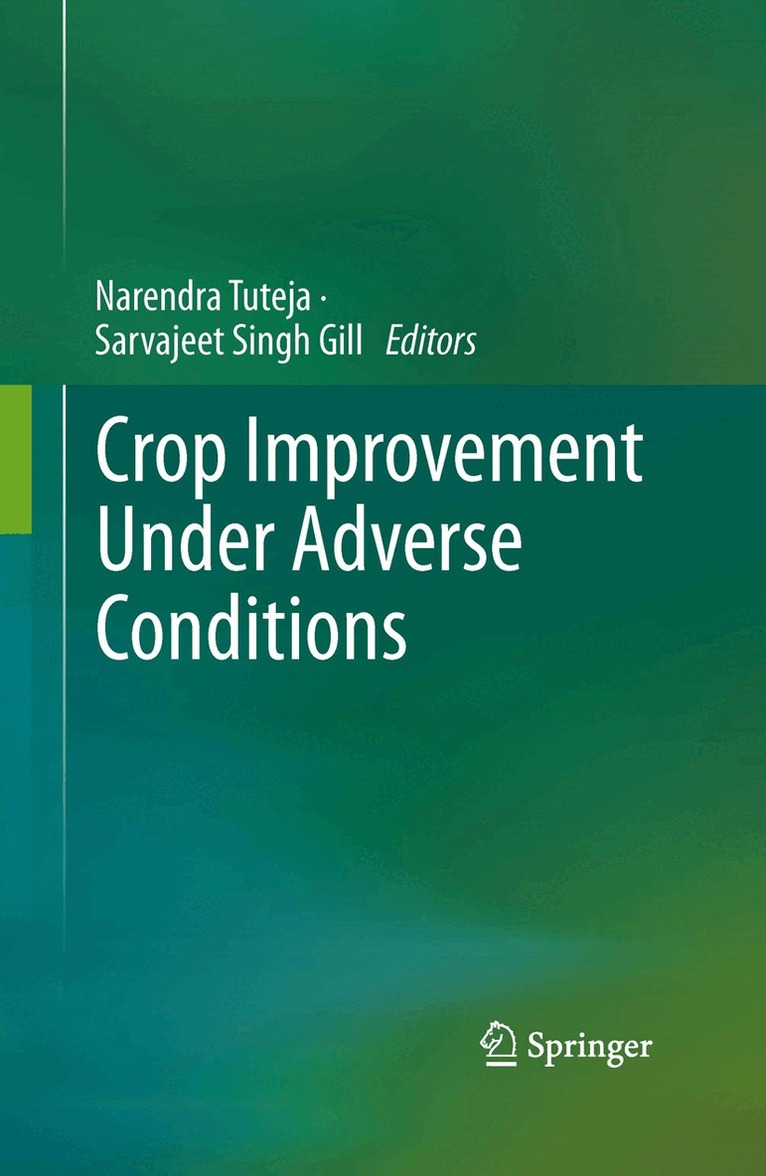
Plant development and productivity are negatively regulated by various environmental stresses. Abiotic stress factors such as heat, cold, drought, and salinity represent key elements limiting agricultural productivity worldwide. Thus, developing crop plants with the ability to tolerate abiotic stresses is a critical need which demands modern novel strategies for the thorough understanding of plant response to abiotic stresses.
Crop Improvement under Adverse Conditions will serve as a cutting-edge resource for researchers and students alike who are studying plant abiotic stress tolerance and crop improvement. The book presents the latest trends and developments in the field, including the impact of extreme events on salt tolerant forest species of Andaman & Nicobar Islands, the overlapping horizons of salicylic acid in different stresses, and fast and reliable approaches to crop improvement through In Vitro haploid production.
Writtenby renowned experts and featuring useful illustrations and photographs, Crop Improvement under Adverse Conditions is a concise and practical update on plant abiotic stress tolerance and crop improvement.
1 676 kr
Skickas inom 10-15 vardagar
1 415 kr
Skickas inom 3-6 vardagar
2 057 kr
Skickas inom 5-8 vardagar
1 027 kr
Läs direkt efter köp
2 649 kr
Skickas inom 5-8 vardagar
1 003 kr
Skickas inom 5-8 vardagar
1 027 kr
Läs direkt efter köp
1 623 kr
Skickas inom 10-15 vardagar
2 049 kr
Läs direkt efter köp
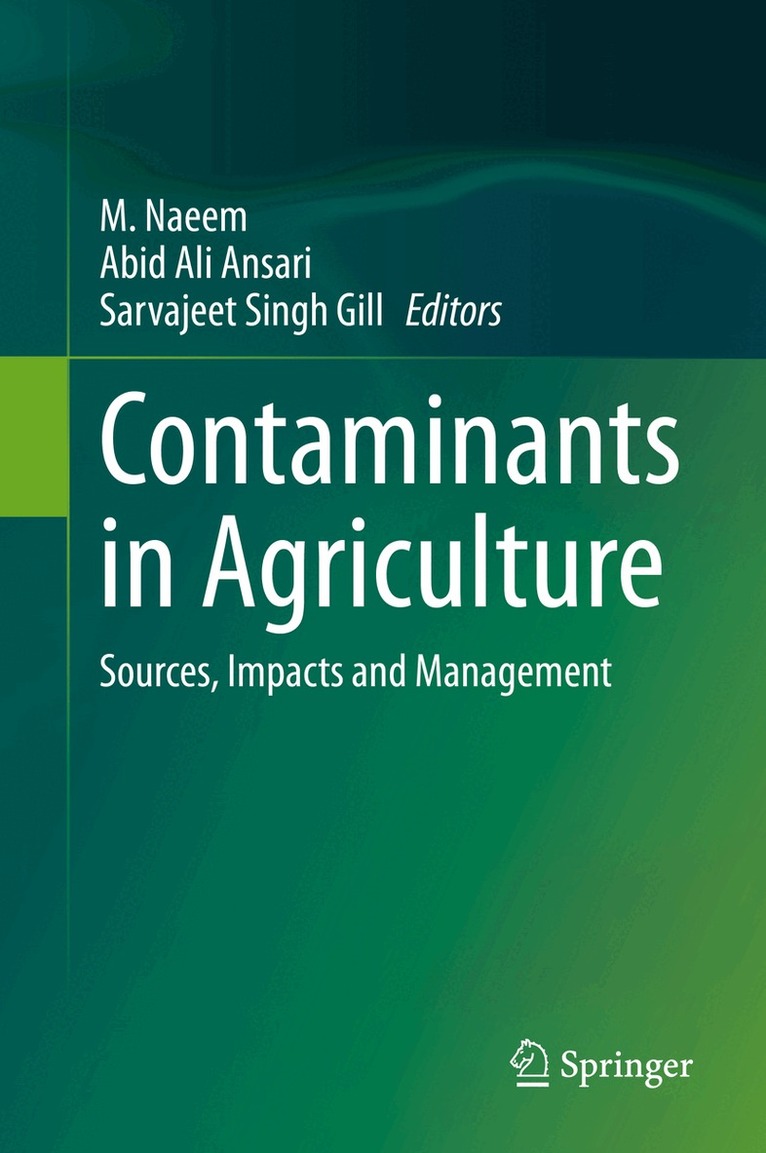
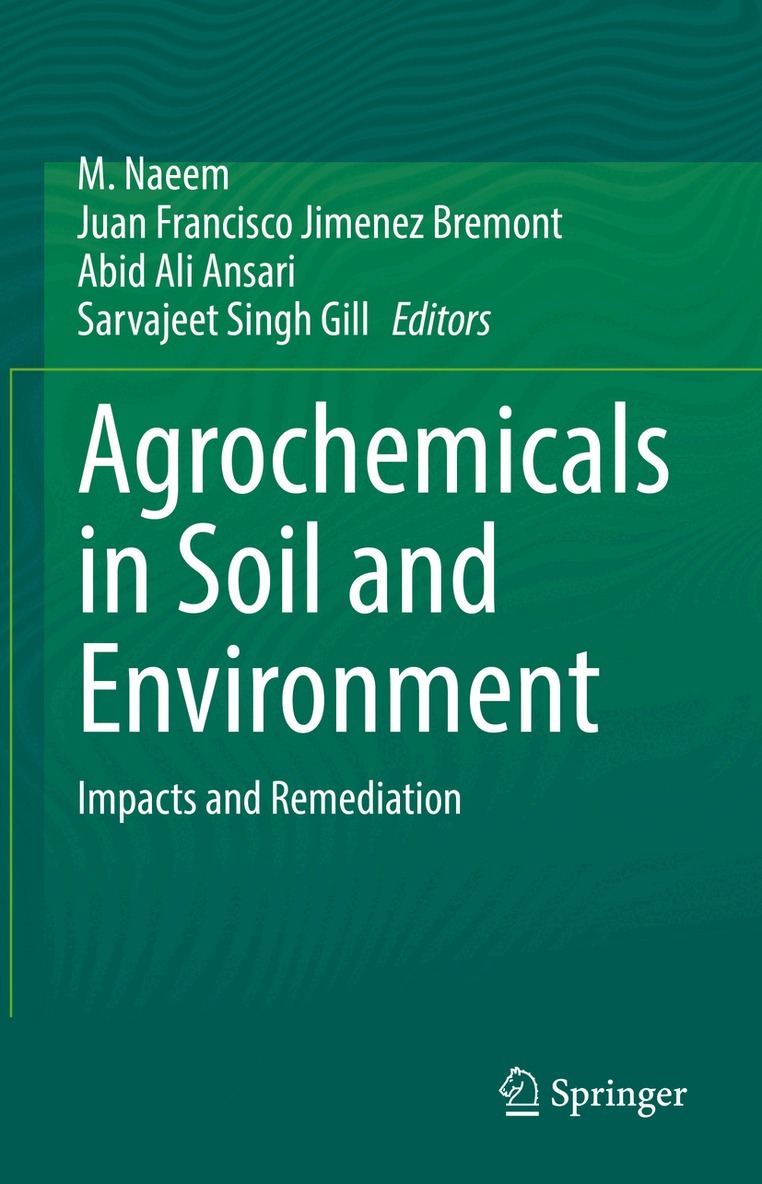
This comprehensive volume covers recent studies into agricultural problems caused by soil and water contamination. Considering the importance of agricultural crops to human health, the editors have focused on chapters detailing the negative impact of heavy metals, excessive chemical fertilizer use, nutrients, pesticides, herbicides, insecticides, agricultural wastes and toxic pollutants, among others, on agricultural soil and crops. In addition, the chapters offer solutions to these negative impacts through various scientific approaches, including using biotechnology, nanotechnology, nutrient management strategies, biofertilizers, as well as potent PGRs and elicitors. This book serves as a key source of information on scientific and engineered approaches and challenges for the bioremediation of agricultural contamination worldwide.
This book should be helpful for research students, teachers, agriculturalists, agronomists, botanists, and plant growers, as well asin the fields of agriculture, agronomy, plant science, plant biology, and biotechnology, among others. It serves as an excellent reference on the current research and future directions of contaminants in agriculture from laboratory research to field application.
1 623 kr
Skickas inom 10-15 vardagar
1 946 kr
Skickas inom 10-15 vardagar
2 524 kr
Läs direkt efter köp