Sven Meeder – författare
Visar alla böcker från författaren Sven Meeder. Handla med fri frakt och snabb leverans.
10 produkter
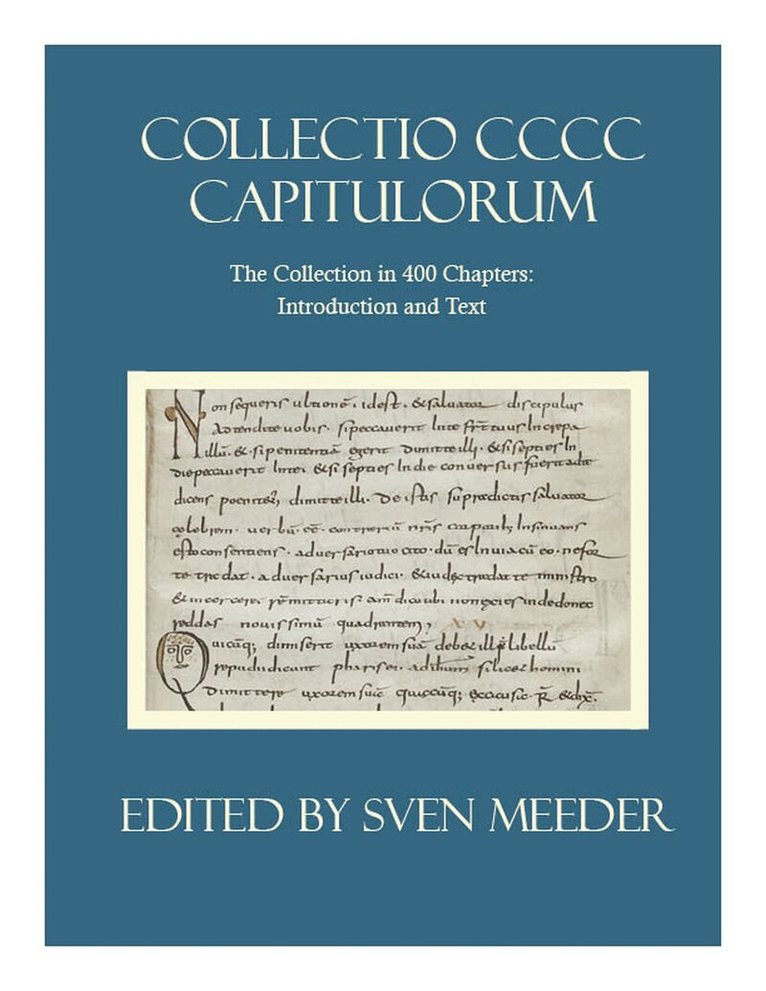
Collectio CCC Capitulorum, the Collection in 400 Chapters
Introduction and Text
Inbunden, 2025
967 kr
Lägg i varukorg
Surviving in three ninth-century manuscripts, the collection of canon law known as the Collectio 400 capitulorum is a remarkable and understudied witness to the scholarly vitality of the Carolingian period. Its 404 chapters offer ecclesiastical rules and moral guidelines taken from an unusually …
The Resources of the Past in Early Medieval Europe
Av Clemens Gantner, Rosamond McKitterick m. fl.
Inbunden, 2015
1928 kr
Lägg i varukorg
This volume analyses the importance of history, the textual resources of the past and the integration of Christian and imperial Rome into the cultural memory of early medieval Europe within the wider question of identity formation. The case studies in this book shed new light on the process of …
The Resources of the Past in Early Medieval Europe
Av Clemens Gantner, Rosamond McKitterick m. fl.
Häftad, 2019
687 kr
Lägg i varukorg
This volume analyses the importance of history, the textual resources of the past and the integration of Christian and imperial Rome into the cultural memory of early medieval Europe within the wider question of identity formation. The case studies in this book shed new light on the process of …
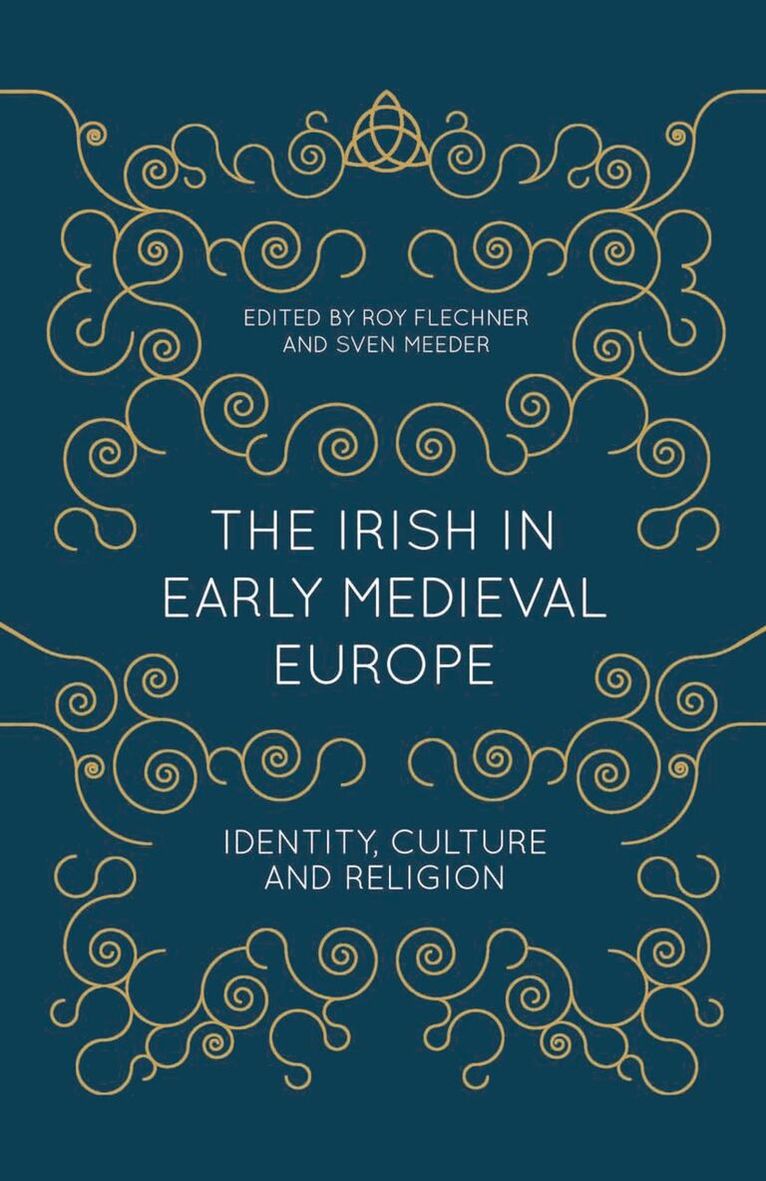
Irish in Early Medieval Europe
Identity, Culture and Religion
Häftad, 2016
487 kr
Lägg i varukorg
Irish scholars who arrived in Continental Europe in the early Middle Ages are often credited with making some of the most important contributions to European culture and learning of the time, from the introduction of a new calendar to monastic reform. Among them were celebrated personalities such …
Irish in Early Medieval Europe
Identity, Culture and Religion
Av Roy Flechner, Sven Meeder m. fl.
Inbunden, 2016
1560 kr
Lägg i varukorg
Irish scholars who arrived in Continental Europe in the early Middle Ages are often credited with making some of the most important contributions to European culture and learning of the time, from the introduction of a new calendar to monastic reform. Among them were celebrated personalities such …
Irish in Early Medieval Europe
Identity, Culture and Religion
E-bok, 2017
546 kr
Lägg i varukorg
Irish scholars who arrived in Continental Europe in the early Middle Ages are often credited with making some of the most important contributions to European culture and learning of the time, from the introduction of a new calendar to monastic reform. Among them were celebrated personalities such …
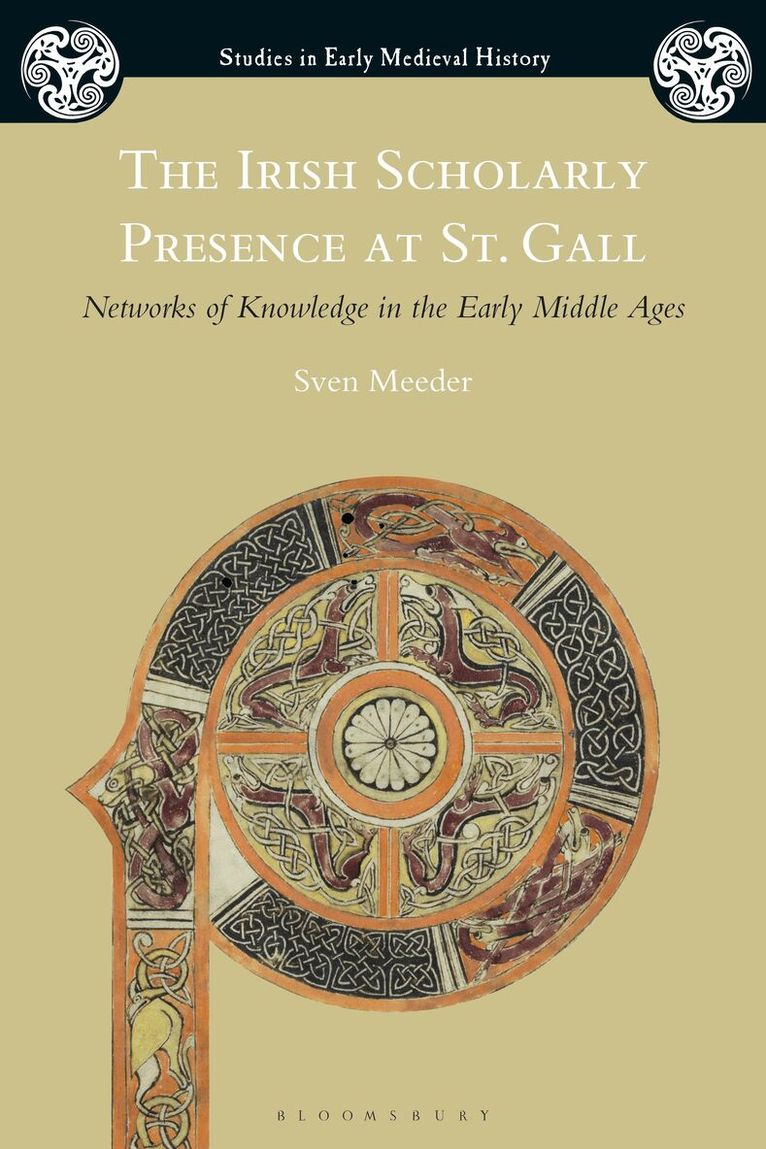
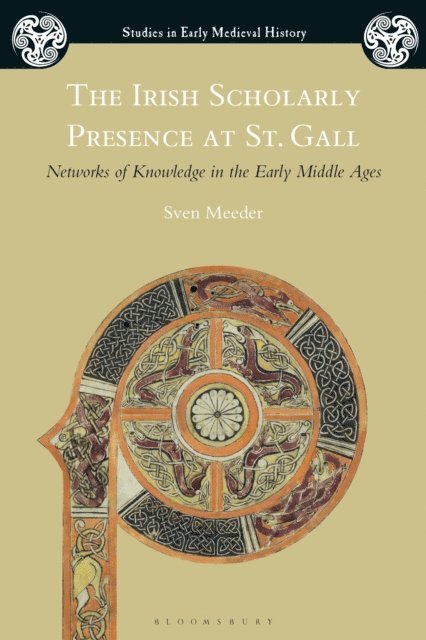
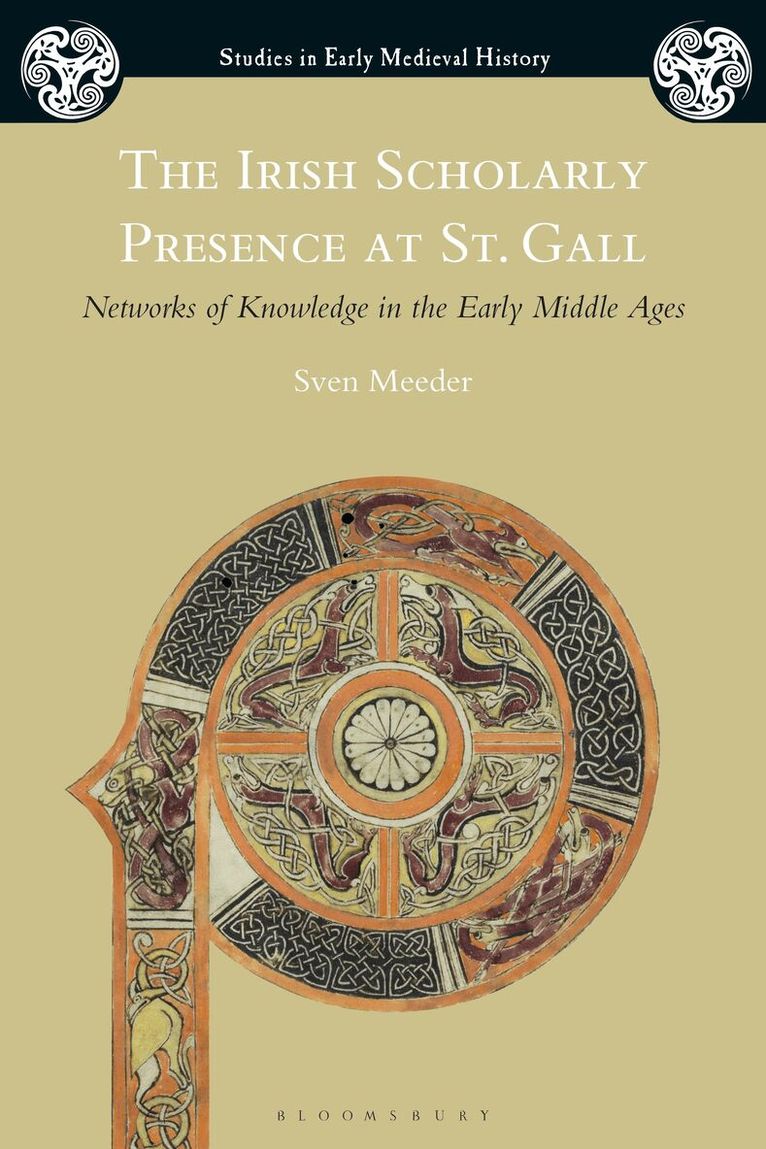
Irish Scholarly Presence at St. Gall
Networks of Knowledge in the Early Middle Ages
Av Sven Meeder, Ian Wood
Inbunden, 2018
1843 kr
Lägg i varukorg
The Carolingian period represented a Golden Age for the abbey of St Gall, an Alpine monastery in modern-day Switzerland. Its bloom of intellectual activity resulted in an impressive number of scholarly texts being copied into often beautifully written manuscripts, many of which survive in the …
Irish Scholarly Presence at St. Gall
Networks of Knowledge in the Early Middle Ages
Av Sven Meeder
E-bok, 2018
546 kr
Lägg i varukorg
The Carolingian period represented a Golden Age for the abbey of St Gall, an Alpine monastery in modern-day Switzerland. Its bloom of intellectual activity resulted in an impressive number of scholarly texts being copied into often beautifully written manuscripts, many of which survive in the …
Irish Scholarly Presence at St. Gall
Networks of Knowledge in the Early Middle Ages
Av Sven Meeder
E-bok, 2018
546 kr
Lägg i varukorg
The Carolingian period represented a Golden Age for the abbey of St Gall, an Alpine monastery in modern-day Switzerland. Its bloom of intellectual activity resulted in an impressive number of scholarly texts being copied into often beautifully written manuscripts, many of which survive in the …
Irish Scholarly Presence at St. Gall
Networks of Knowledge in the Early Middle Ages
Av Sven Meeder, Ian Wood
Häftad, 2019
501 kr
Lägg i varukorg
The Carolingian period represented a Golden Age for the abbey of St Gall, an Alpine monastery in modern-day Switzerland. Its bloom of intellectual activity resulted in an impressive number of scholarly texts being copied into often beautifully written manuscripts, many of which survive in the …