Wade Davies – författare
Visar alla böcker från författaren Wade Davies. Handla med fri frakt och snabb leverans.
12 produkter
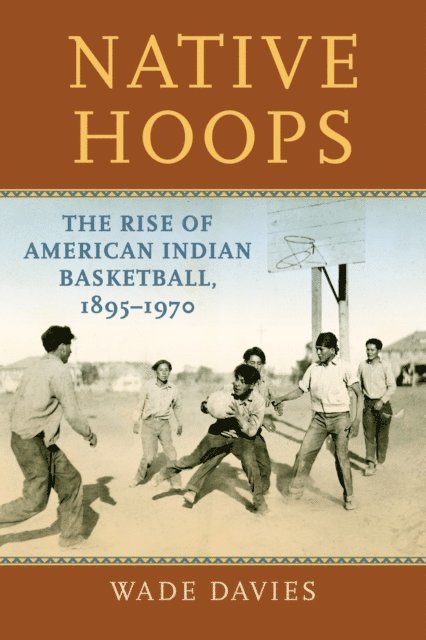
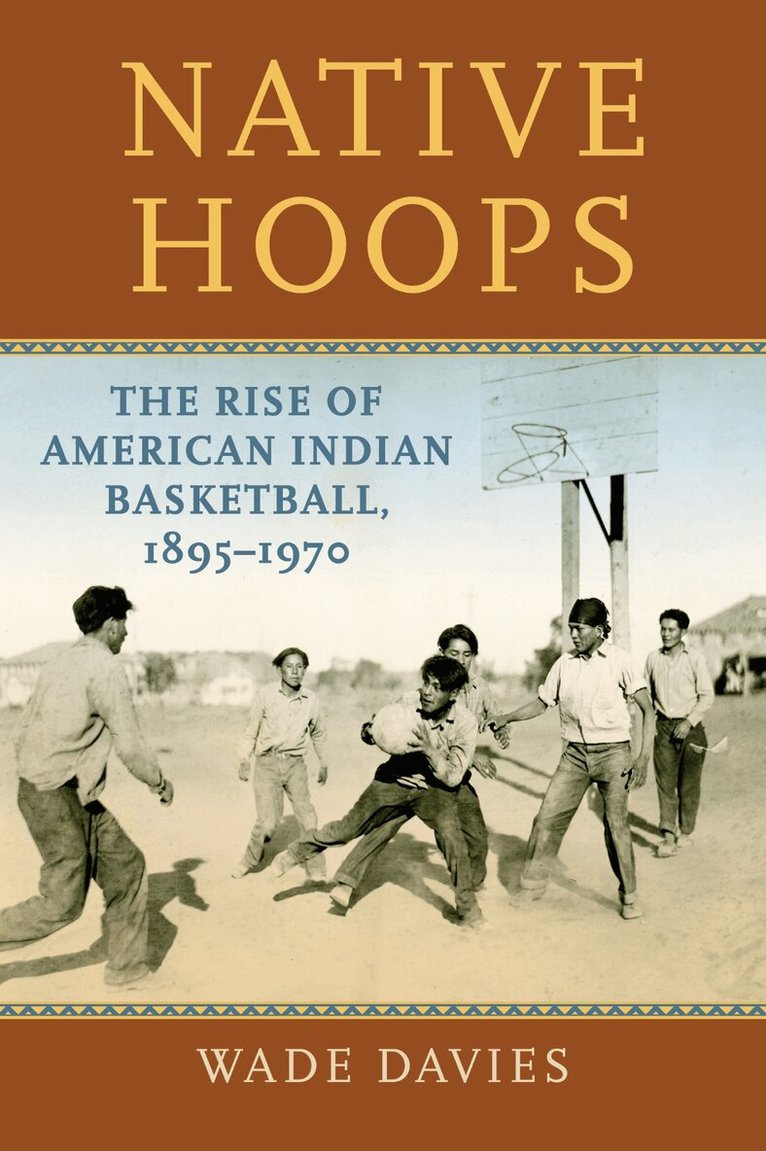
Native Hoops
The Rise of American Indian Basketball, 1895-1970
Av Wade Davies
E-bok, 2020
214 kr
Lägg i varukorg
Winner: John C. Ewers Book Award A prominent Navajo educator once told historian Peter Iverson that “the five major sports on the Navajo Nation are basketball, basketball, basketball, basketball, and rodeo.” The Native American passion for basketball extends far beyond the Navajo, whether on …
American Indian Sovereignty and Law
An Annotated Bibliography
Av Wade Davies, Richmond L. Clow
Inbunden, 2009
2835 kr
Lägg i varukorg
American Indian Sovereignty and Law: An Annotated Bibliography covers a wide variety of topics and includes sources dealing with federal Indian policy, federal and tribal courts, criminal justice, tribal governance, religious freedoms, economic development, and numerous sub-topics related to tribal …
American Indian Sovereignty and Law
An Annotated Bibliography
Av Wade Davies, Richmond L. Clow
E-bok, 2009
2995 kr
Lägg i varukorg
American Indian Sovereignty and Law: An Annotated Bibliography covers a wide variety of topics and includes sources dealing with federal Indian policy, federal and tribal courts, criminal justice, tribal governance, religious freedoms, economic development, and numerous sub-topics related to tribal …
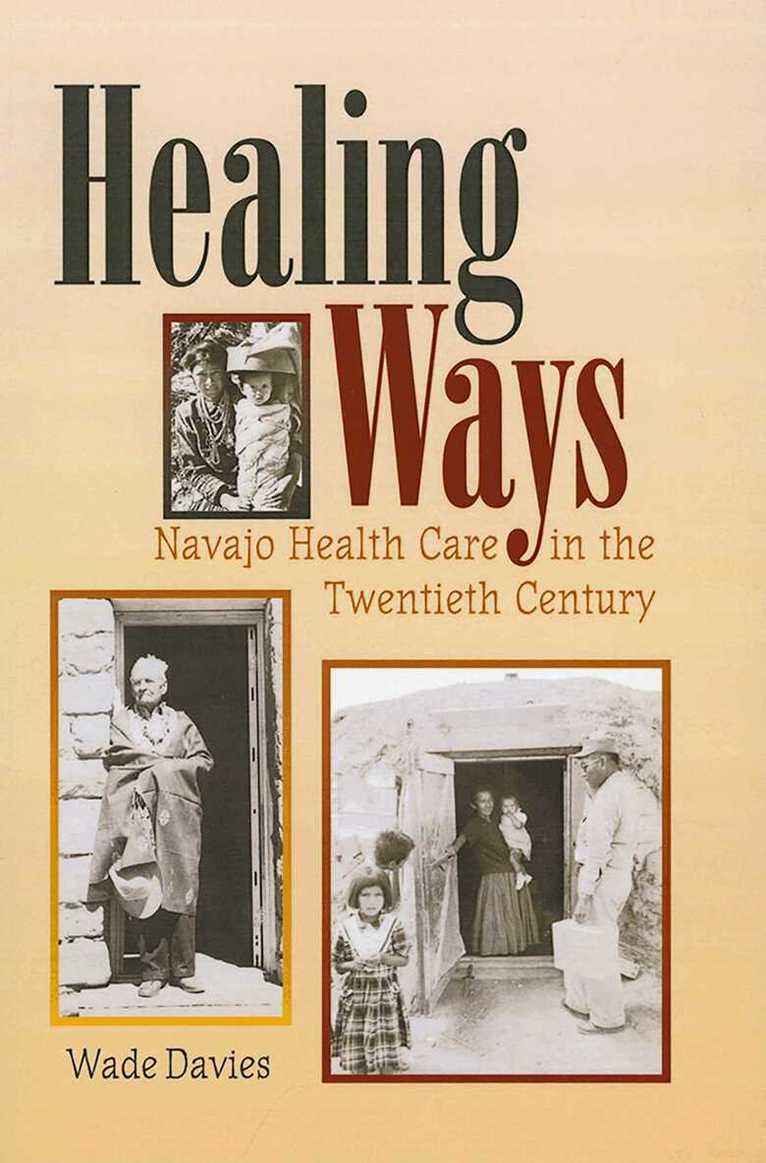
Healing Ways
Navajo Health Care in the Twentieth Century
Av Wade Davies
Häftad, 2009
540 kr
Lägg i varukorg
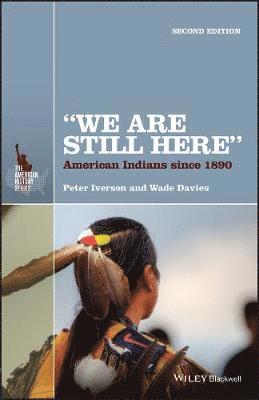
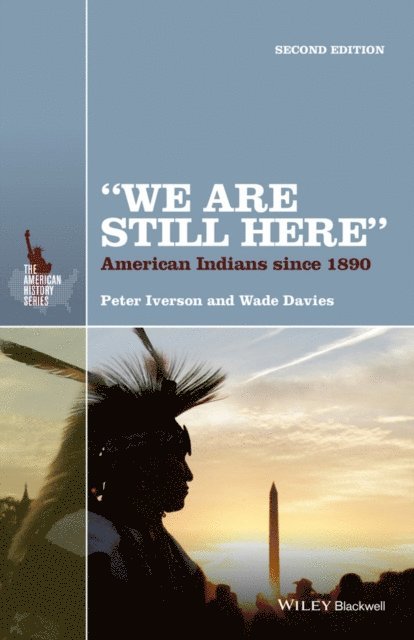
"We Are Still Here"
American Indians Since 1890
Häftad, 2014
366 kr
Lägg i varukorg
In addition to revisions and updates, the second edition of “We Are Still Here” features new material, seeing this well-loved American History Series volume maintain its treatment of American Indians in the 20th century while extending its coverage into the opening decades of the 21st century. …
"e;We Are Still Here"e;
American Indians Since 1890
E-bok, 2014
419 kr
Lägg i varukorg
In addition to revisions and updates, the second edition of “ We Are Still Here” features new material, seeing this well-loved American History Series volume maintain its treatment of American Indians in the 20 th century while extending its coverage into the opening decades of the 21 st century. …
"e;We Are Still Here"e;
American Indians Since 1890
E-bok, 2014
419 kr
Lägg i varukorg
In addition to revisions and updates, the second edition of “ We Are Still Here” features new material, seeing this well-loved American History Series volume maintain its treatment of American Indians in the 20 th century while extending its coverage into the opening decades of the 21 st century. …
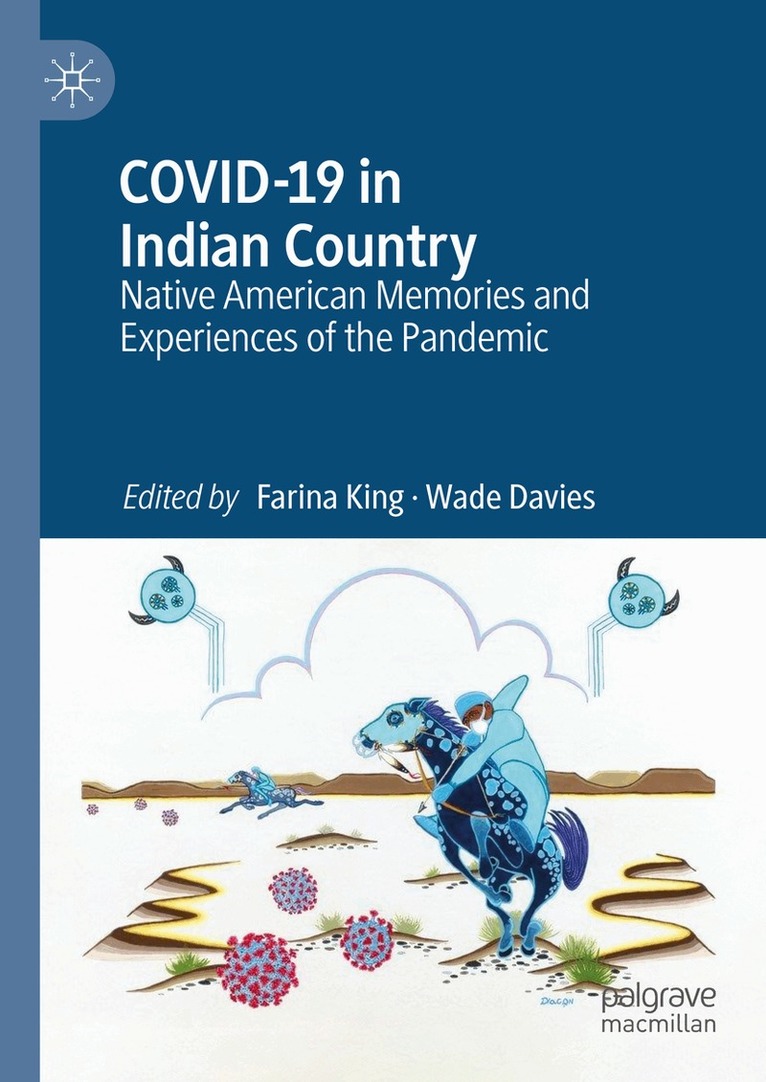
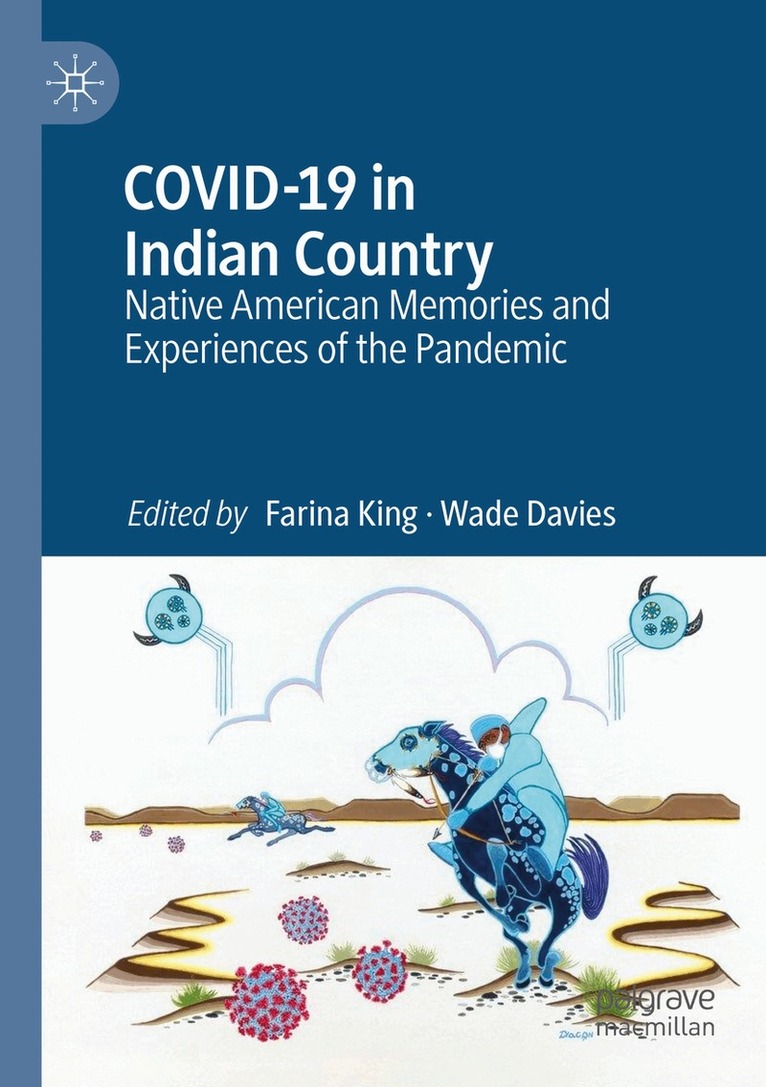
COVID-19 in Indian Country
Native American Memories and Experiences of the Pandemic
Inbunden, 2024
522 kr
Lägg i varukorg
As the COVID-19 pandemic struck peoples throughout the world, it disproportionately devastated Native American communities. The inequalities, disparities, and injustices they had long experienced as historically marginalized peoples magnified the effects of this crisis throughout Indian Country, …
COVID-19 in Indian Country
Native American Memories and Experiences of the Pandemic
E-bok, 2024
755 kr
Lägg i varukorg
As the COVID-19 pandemic struck peoples throughout the world, it disproportionately devastated Native American communities. The inequalities, disparities, and injustices they had long experienced as historically marginalized peoples magnified the effects of this crisis throughout Indian Country, …
COVID-19 in Indian Country
Native American Memories and Experiences of the Pandemic
Häftad, 2025
522 kr
Lägg i varukorg
As the COVID-19 pandemic struck peoples throughout the world, it disproportionately devastated Native American communities. The inequalities, disparities, and injustices they had long experienced as historically marginalized peoples magnified the effects of this crisis throughout Indian Country, …
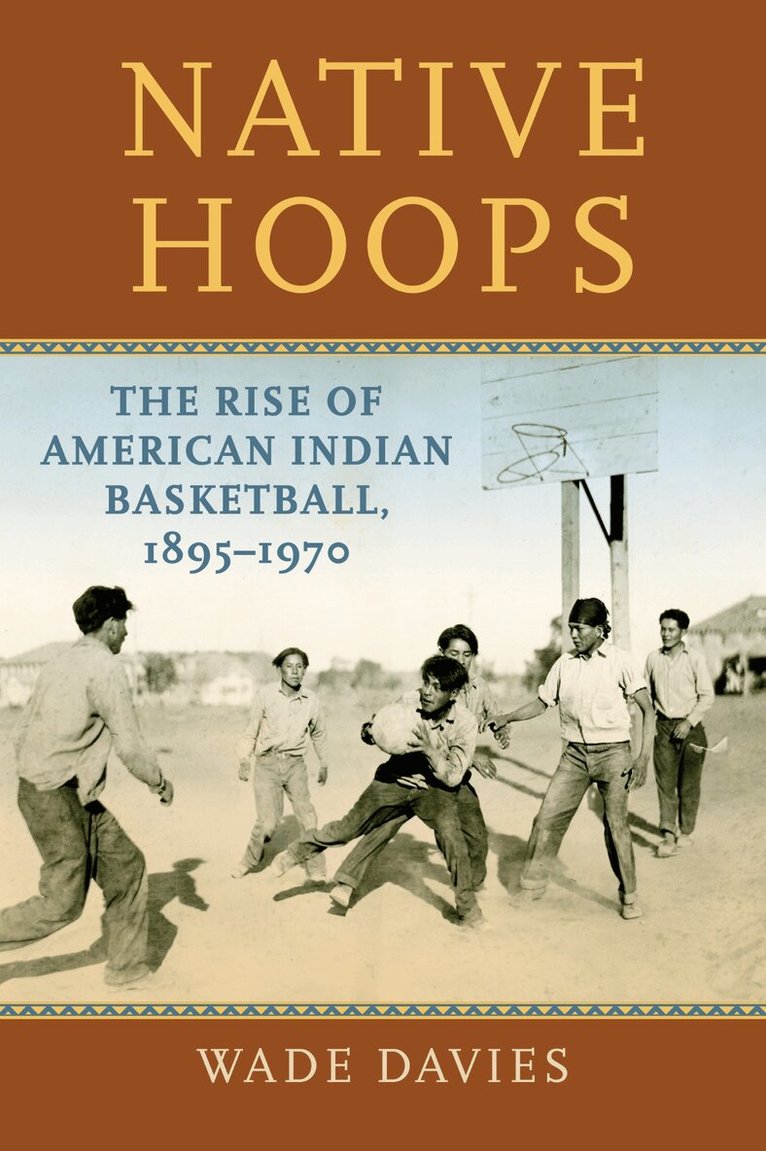
Native Hoops
The Rise of American Indian Basketball, 1895-1970
Av Wade Davies
Inbunden, 2020
1160 kr
Tillfälligt slut
A prominent Navajo educator once told historian Peter Iverson that 'the five major sports on the Navajo Nation are basketball, basketball, basketball, basketball, and rodeo.' The Native American passion for basketball extends far beyond the Navajo, whether on reservations or in cities, among the …
Native Hoops
The Rise of American Indian Basketball, 1895-1970
Av Wade Davies
Häftad, 2020
310 kr
Tillfälligt slut
A prominent Navajo educator once told historian Peter Iverson that 'the five major sports on the Navajo Nation are basketball, basketball, basketball, basketball, and rodeo.' The Native American passion for basketball extends far beyond the Navajo, whether on reservations or in cities, among the …