Walter C. Parker - Böcker
Visar alla böcker från författaren Walter C. Parker. Handla med fri frakt och snabb leverans.
8 produkter
8 produkter
591 kr
Skickas inom 3-6 vardagar
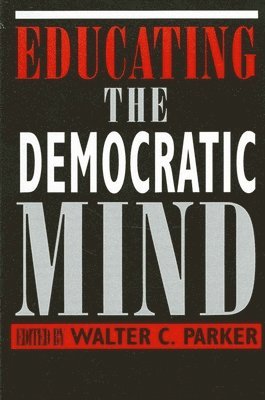
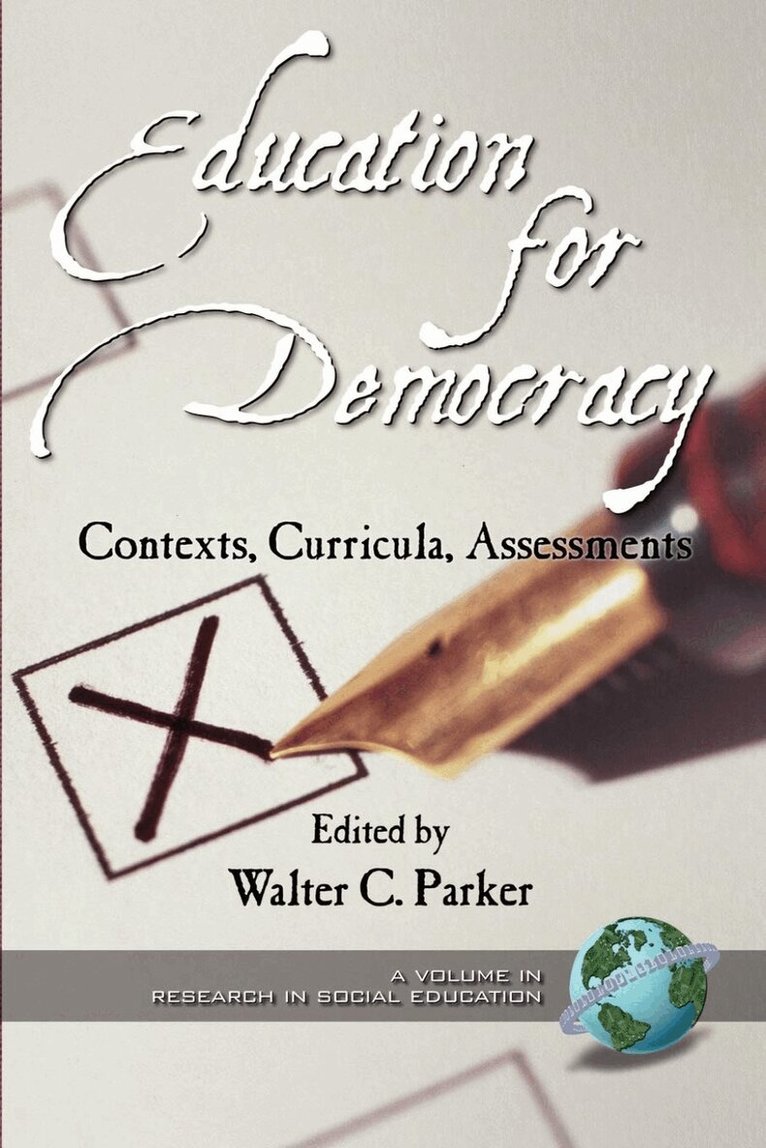
Addresses the question: How can schools help shape young minds to address the challenges of a democratic society?There can be no democracy without democrats, and democrats are made, not born. This volume features sixteen provocative essays, old and new, on the concern to educate young people for that loosely-defined genre of political and social life called democracy. It is an historical collection on the central question of our era: How and what might children be taught so that they respond well and creatively to the demands of an increasingly diverse society that is organized under and struggling, on and off, to realize the democratic ideal? How are we to educate children to embrace difference and maintain a common life? Contributors include Walter C. Parker, Ann V. Angell, James A. Banks, Jane Bernard-Powers, Carole L. Hahn, David Mathews, William B. Stanley, and James Anthony Whitson.
341 kr
Skickas inom 7-10 vardagar
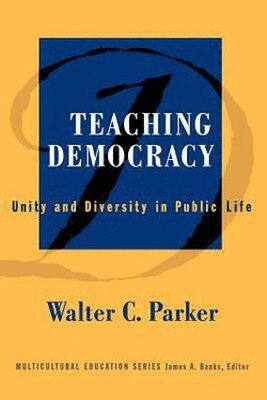
In Teaching Democracy, Walter Parker makes a unique and thoughtful contribution to the hot debate between proponents of multicultural education and those who favor a cultural literacy approach. Parker conclusively demonstrates that educating for democratic citizenship in a multicultural society includes a fundamental respect for diversity.This scholarly yet accessible work:Bridges the widening gap between multicultural education and civic education.Provides powerful teaching strategies that educators can use to draw children creatively and productively into a way of life that protects and nurtures cultural pluralism and racial equity.Explains the unity–diversity confusion that is found in popular media as well as in multicultural- and citizenship-education initiatives.Defines deliberative discussion and explores its promise as the centerpiece of democratic education in schools, both elementary and secondary.
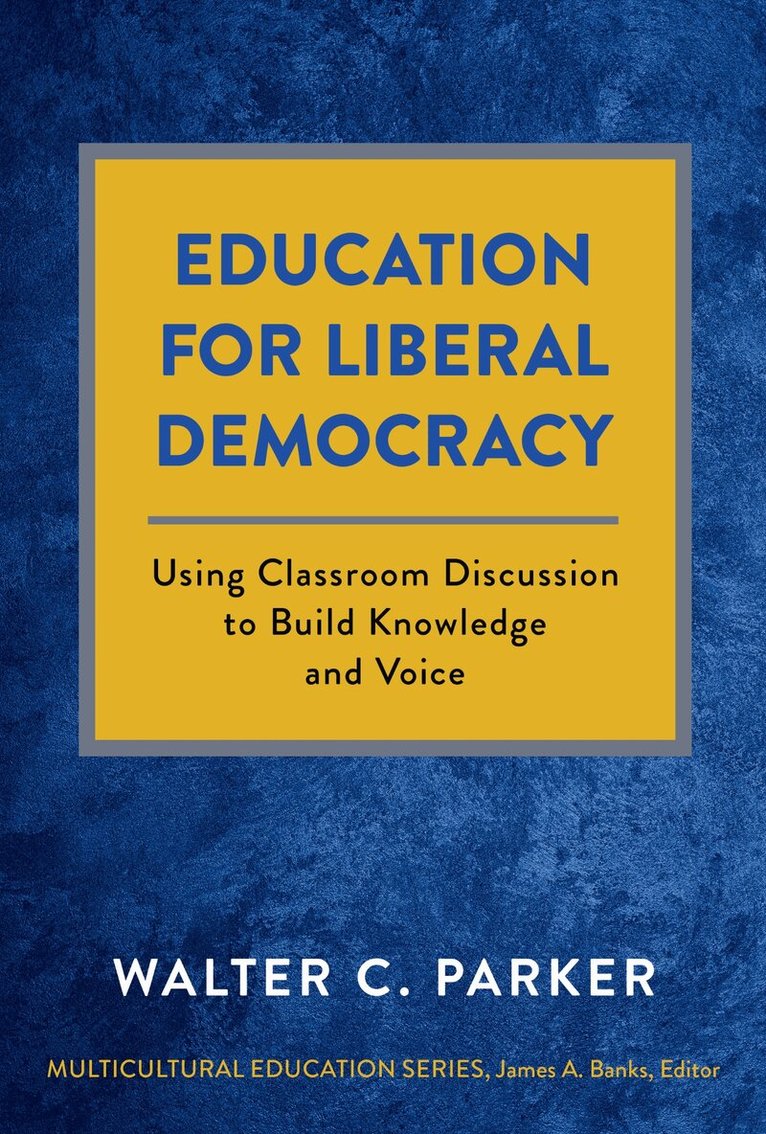
Education for Liberal Democracy
Using Classroom Discussion to Build Knowledge and Voice
Häftad, Engelska, 2023
419 kr
Skickas inom 7-10 vardagar
Our democracy is in crisis. Both political trust and a shared standard of truth are broken. In this book, Walter Parker shows why and how a civic education can help. Offering a centrist approach suitable for a polarized society, Parker focuses on two linked curriculum objectives: disciplinary knowledge and voice. He illustrates how classroom discussion, alongside concept formation and deep reading, expand students' minds while developing their ability to speak with others and form opinions. When children come to school, they emerge from the private chrysalis of babyhood and kin to interact with a diverse student body along with teachers, curriculum, instruction, and the school's unique mission: education. Parker argues that these assets make school the ideal place to teach young people the liberal arts of studying and discussing public issues and academic controversies, both in and beyond school. The chapters in this collection, spanning 20 years and coming from one of civic education's most influential scholars, show that voice can be taught right alongside disciplinary knowledge. Drawing students into dialogue with one another on the curriculum's central questions is a teacher's most ambitious goal and, when it happens, teaching's greatest accomplishment.Book Features:Argues that the proper aim of civic education in schools is to shore up liberal democracy.Shows how discussion can be a main course, and not a side dish, of classroom instruction. Demonstrates how to use discussion to develop voice, defined as the freedom to make and express uncoerced decisions, and disciplinary knowledge, defined as the knowledge that results from a public process of error-seeking, contestation, and validation.Explains why students need to learn both disciplinary knowledge and voice if they are to take their place on the public stage and hold the "office of citizen" in a democracy.Treats subject-centered and student-centered instruction as partners, not opponents.
Education for Liberal Democracy
Using Classroom Discussion to Build Knowledge and Voice
Inbunden, Engelska, 2023
1 333 kr
Skickas inom 11-20 vardagar
Our democracy is in crisis. Both political trust and a shared standard of truth are broken. In this book, Walter Parker shows why and how a civic education can help. Offering a centrist approach suitable for a polarized society, Parker focuses on two linked curriculum objectives: disciplinary knowledge and voice. He illustrates how classroom discussion, alongside concept formation and deep reading, expand students' minds while developing their ability to speak with others and form opinions. When children come to school, they emerge from the private chrysalis of babyhood and kin to interact with a diverse student body along with teachers, curriculum, instruction, and the school's unique mission: education. Parker argues that these assets make school the ideal place to teach young people the liberal arts of studying and discussing public issues and academic controversies, both in and beyond school. The chapters in this collection, spanning 20 years and coming from one of civic education's most influential scholars, show that voice can be taught right alongside disciplinary knowledge. Drawing students into dialogue with one another on the curriculum's central questions is a teacher's most ambitious goal and, when it happens, teaching's greatest accomplishment.Book Features:Argues that the proper aim of civic education in schools is to shore up liberal democracy.Shows how discussion can be a main course, and not a side dish, of classroom instruction. Demonstrates how to use discussion to develop voice, defined as the freedom to make and express uncoerced decisions, and disciplinary knowledge, defined as the knowledge that results from a public process of error-seeking, contestation, and validation.Explains why students need to learn both disciplinary knowledge and voice if they are to take their place on the public stage and hold the "office of citizen" in a democracy.Treats subject-centered and student-centered instruction as partners, not opponents.
670 kr
Skickas inom 10-15 vardagar
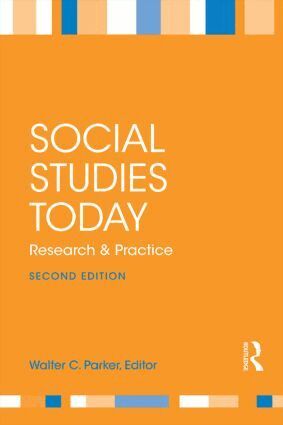
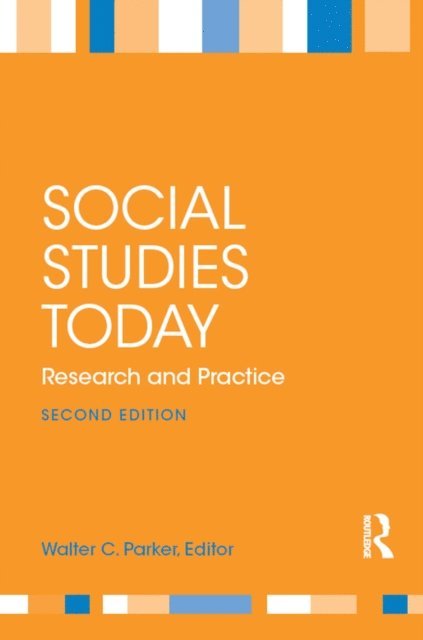
Social Studies Today will help educators—teachers, curriculum specialists, and researchers—think deeply about contemporary social studies education. More than simply learning about key topics, this collection invites readers to think through some of the most relevant, dynamic, and challenging questions animating social studies education today. With 12 new chapters highlighting recent developments in the field, the second edition features the work of major scholars such as James Banks, Diana Hess, Joel Westheimer, Meira Levinson, Sam Wineburg, Beth Rubin, Keith Barton, Margaret Crocco, and more. Each chapter tackles a specific question on issues such as the difficulties of teaching historical thinking in the classroom, responding to high-stakes testing, teaching patriotism, judging the credibility of Internet sources, and teaching with film and geospatial technologies.Accessible, compelling, and practical, these chapters—full of rich examples and illustrations—showcase some of the most original thinking in the field, and offer pre- and in-service teachers alike a panoramic window on social studies curricula and instruction and new ways to improve them.Walter C. Parker is Professor and Chair of Social Studies Education and (by courtesy) Professor of Political Science at the University of Washington, Seattle.
2 109 kr
Skickas inom 10-15 vardagar
Social Studies Today will help educators—teachers, curriculum specialists, and researchers—think deeply about contemporary social studies education. More than simply learning about key topics, this collection invites readers to think through some of the most relevant, dynamic, and challenging questions animating social studies education today. With 12 new chapters highlighting recent developments in the field, the second edition features the work of major scholars such as James Banks, Diana Hess, Joel Westheimer, Meira Levinson, Sam Wineburg, Beth Rubin, Keith Barton, Margaret Crocco, and more. Each chapter tackles a specific question on issues such as the difficulties of teaching historical thinking in the classroom, responding to high-stakes testing, teaching patriotism, judging the credibility of Internet sources, and teaching with film and geospatial technologies.Accessible, compelling, and practical, these chapters—full of rich examples and illustrations—showcase some of the most original thinking in the field, and offer pre- and in-service teachers alike a panoramic window on social studies curricula and instruction and new ways to improve them.Walter C. Parker is Professor and Chair of Social Studies Education and (by courtesy) Professor of Political Science at the University of Washington, Seattle.
776 kr
Skickas inom 5-8 vardagar
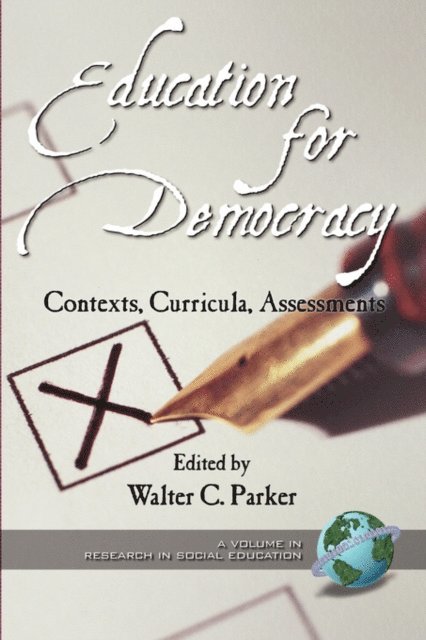
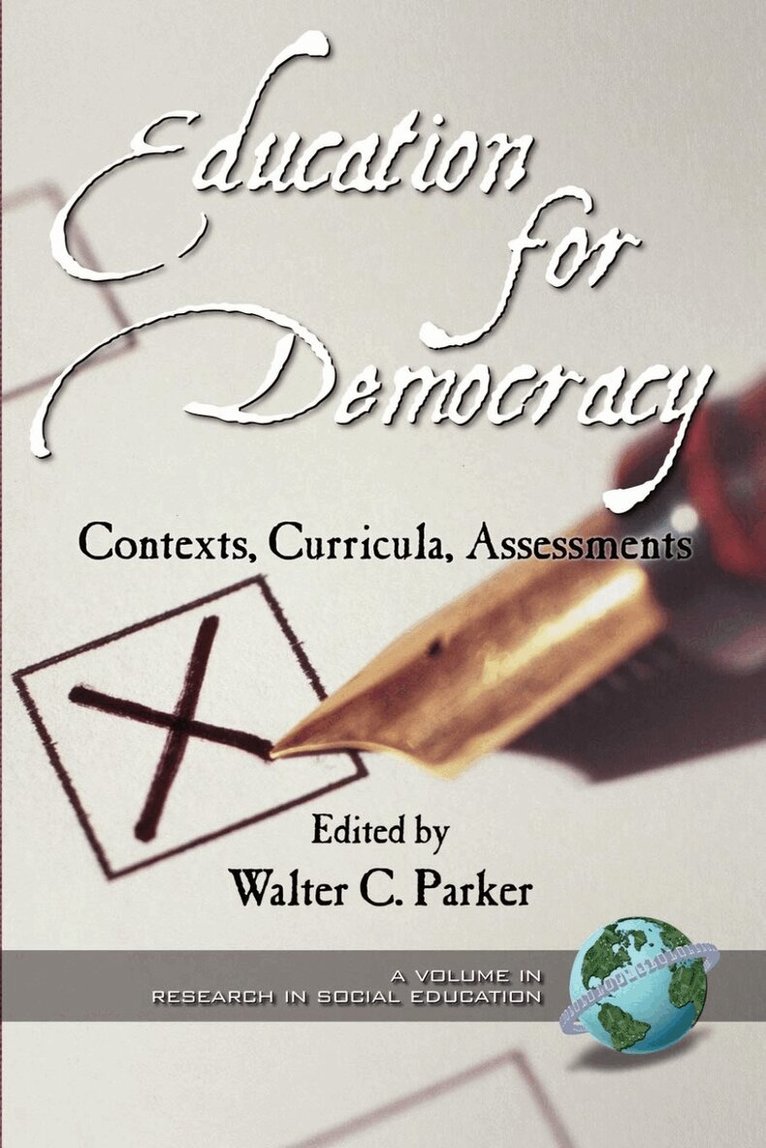
Part of the "Research in Social Education" series, this text is divided into three parts: contexts; curricula; and assessments. It covers such topics as the irony of exclusion; teaching tolerance; and multicultural citizenship education.
1 037 kr
Skickas inom 7-10 vardagar
Part of the "Research in Social Education" series, this text is divided into three parts: contexts; curricula; and assessments. It covers such topics as the irony of exclusion; teaching tolerance; and multicultural citizenship education.