William Perez – författare
392 kr
Skickas inom 5-8 vardagar
571 kr
Läs direkt efter köp
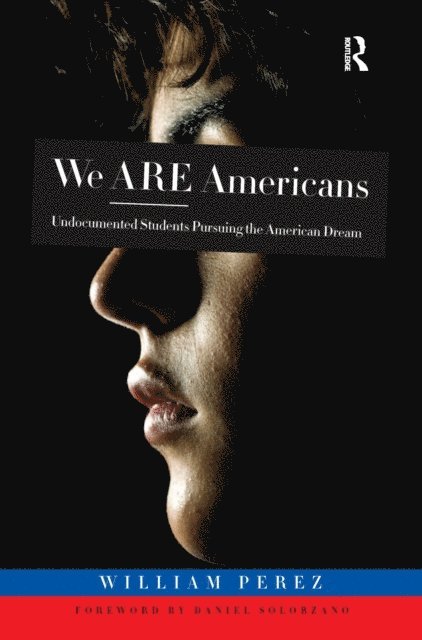
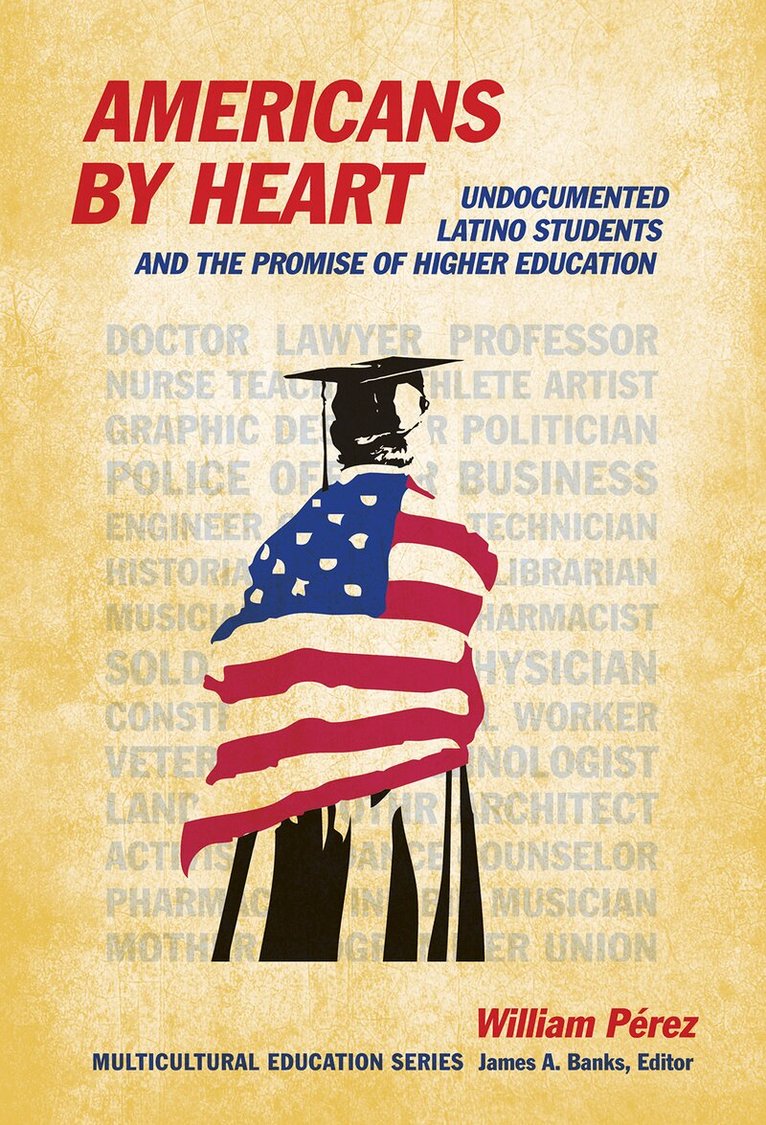
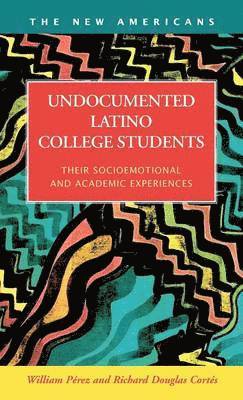
Winner of the CEP Mildred Garcia Award for Exemplary ScholarshipAbout 2.4 million children and young adults under 24 years of age are undocumented. Brought by their parents to the US as minors—many before they had reached their teens—they account for about one-sixth of the total undocumented population. Illegal through no fault of their own, some 65,000 undocumented students graduate from the nation''s high schools each year. They cannot get a legal job, and face enormous barriers trying to enter college to better themselves—and yet America is the only country they know and, for many, English is the only language they speak. What future do they have? Why are we not capitalizing, as a nation, on this pool of talent that has so much to contribute? What should we be doing?Through the inspiring stories of 16 students—from seniors in high school to graduate students—William Perez gives voice to the estimated 2.4 million undocumented students in the United States, and draws attention to their plight. These stories reveal how—despite financial hardship, the unpredictability of living with the daily threat of deportation, restrictions of all sorts, and often in the face of discrimination by their teachers—so many are not just persisting in the American educational system, but achieving academically, and moreover often participating in service to their local communities. Perez reveals what drives these young people, and the visions they have for contributing to the country they call home.Through these stories, this book draws attention to these students’ predicament, to stimulate the debate about putting right a wrong not of their making, and to motivate more people to call for legislation, like the stalled Dream Act, that would offer undocumented students who participate in the economy and civil life a path to citizenship. Perez goes beyond this to discuss the social and policy issues of immigration reform. He dispels myths about illegal immigrants’ supposed drain on state and federal resources, providing authoritative evidence to the contrary. He cogently makes the case—on economic, social, and constitutional and moral grounds—for more flexible policies towards undocumented immigrants. If today’s immigrants, like those of past generations, are a positive force for our society, how much truer is that where undocumented students are concerned?
571 kr
Läs direkt efter köp
Winner of the CEP Mildred Garcia Award for Exemplary ScholarshipAbout 2.4 million children and young adults under 24 years of age are undocumented. Brought by their parents to the US as minors—many before they had reached their teens—they account for about one-sixth of the total undocumented population. Illegal through no fault of their own, some 65,000 undocumented students graduate from the nation''s high schools each year. They cannot get a legal job, and face enormous barriers trying to enter college to better themselves—and yet America is the only country they know and, for many, English is the only language they speak. What future do they have? Why are we not capitalizing, as a nation, on this pool of talent that has so much to contribute? What should we be doing?Through the inspiring stories of 16 students—from seniors in high school to graduate students—William Perez gives voice to the estimated 2.4 million undocumented students in the United States, and draws attention to their plight. These stories reveal how—despite financial hardship, the unpredictability of living with the daily threat of deportation, restrictions of all sorts, and often in the face of discrimination by their teachers—so many are not just persisting in the American educational system, but achieving academically, and moreover often participating in service to their local communities. Perez reveals what drives these young people, and the visions they have for contributing to the country they call home.Through these stories, this book draws attention to these students’ predicament, to stimulate the debate about putting right a wrong not of their making, and to motivate more people to call for legislation, like the stalled Dream Act, that would offer undocumented students who participate in the economy and civil life a path to citizenship. Perez goes beyond this to discuss the social and policy issues of immigration reform. He dispels myths about illegal immigrants’ supposed drain on state and federal resources, providing authoritative evidence to the contrary. He cogently makes the case—on economic, social, and constitutional and moral grounds—for more flexible policies towards undocumented immigrants. If today’s immigrants, like those of past generations, are a positive force for our society, how much truer is that where undocumented students are concerned?
2 348 kr
Skickas inom 10-15 vardagar
442 kr
Skickas inom 10-15 vardagar
658 kr
Skickas inom 5-8 vardagar
Culturally Responsive Schooling for Indigenous Mexican Students
403 kr
Skickas inom 5-8 vardagar
Culturally Responsive Schooling for Indigenous Mexican Students
1 624 kr
Skickas inom 5-8 vardagar
Escolaridad culturalmente sensible para estudiantes indígenas mexicanos
377 kr
Skickas inom 5-8 vardagar
Escolaridad culturalmente sensible para estudiantes indígenas mexicanos
1 355 kr
Skickas inom 5-8 vardagar
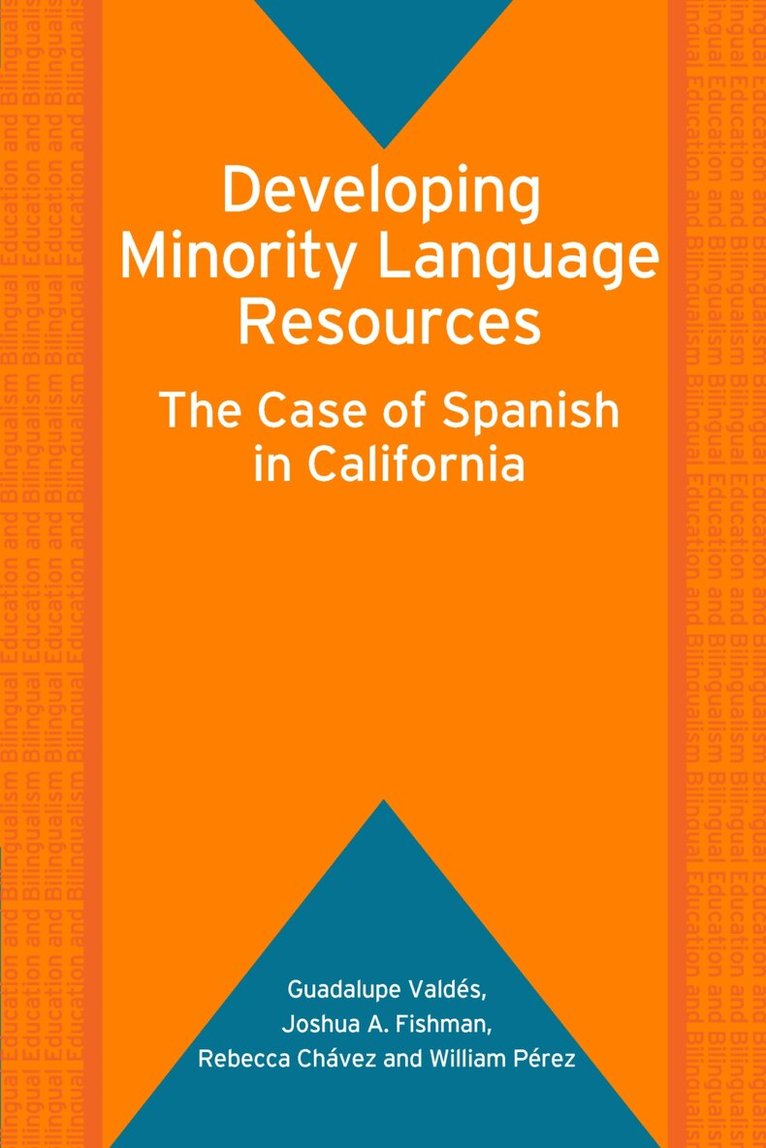
Developing Minority Language Resources
The Case of Spanish in California
403 kr
Skickas inom 5-8 vardagar
Developing Minority Language Resources
The Case of Spanish in California
1 396 kr
Skickas inom 5-8 vardagar
1 981 kr
Tillfälligt slut
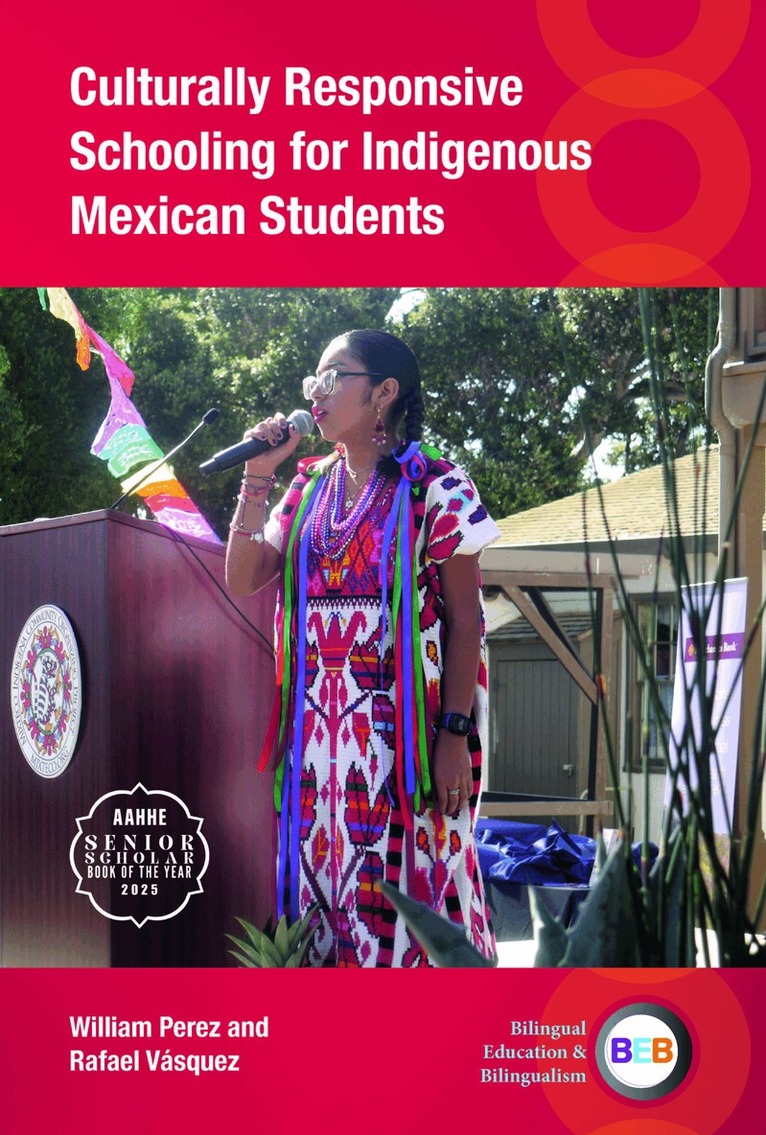
The first examination of the sociolinguistic, identity, and educational experiences of Indigenous Mexican youths.This book uncovers the social and educational experiences of an increasing yet understudied population of young immigrants in the US, focusing on multilingual students who speak one of three Indigenous languages: Zapotec, Mixtec and P’urhépecha. It explores students’ ethnoracial identities, Indigenous language use and transnational practices and the influence of these factors on school adjustment, academic achievement and educational pathways. This three-year mixed-methods study in semi-urban, urban and rural contexts assesses student interviews, teacher interviews and survey data to provide an account of how Indigenous students develop their social identities and examines the influence of their non-Indigenous Mexican peers and teachers. It highlights new developments in Latinx cultural and linguistic heterogeneity and intragroup race/ethnic relations, informing policymakers and educators about Indigenous immigrant students and how to effectively support their multilingualism, ethnic identity development and educational success. It will be of interest to researchers working in related fields such as education, Latin American studies and immigration studies.
1 981 kr
Tillfälligt slut
The first examination of the sociolinguistic, identity, and educational experiences of Indigenous Mexican youths.This book uncovers the social and educational experiences of an increasing yet understudied population of young immigrants in the US, focusing on multilingual students who speak one of three Indigenous languages: Zapotec, Mixtec and P’urhépecha. It explores students’ ethnoracial identities, Indigenous language use and transnational practices and the influence of these factors on school adjustment, academic achievement and educational pathways. This three-year mixed-methods study in semi-urban, urban and rural contexts assesses student interviews, teacher interviews and survey data to provide an account of how Indigenous students develop their social identities and examines the influence of their non-Indigenous Mexican peers and teachers. It highlights new developments in Latinx cultural and linguistic heterogeneity and intragroup race/ethnic relations, informing policymakers and educators about Indigenous immigrant students and how to effectively support their multilingualism, ethnic identity development and educational success. It will be of interest to researchers working in related fields such as education, Latin American studies and immigration studies.
1 719 kr
Tillfälligt slut
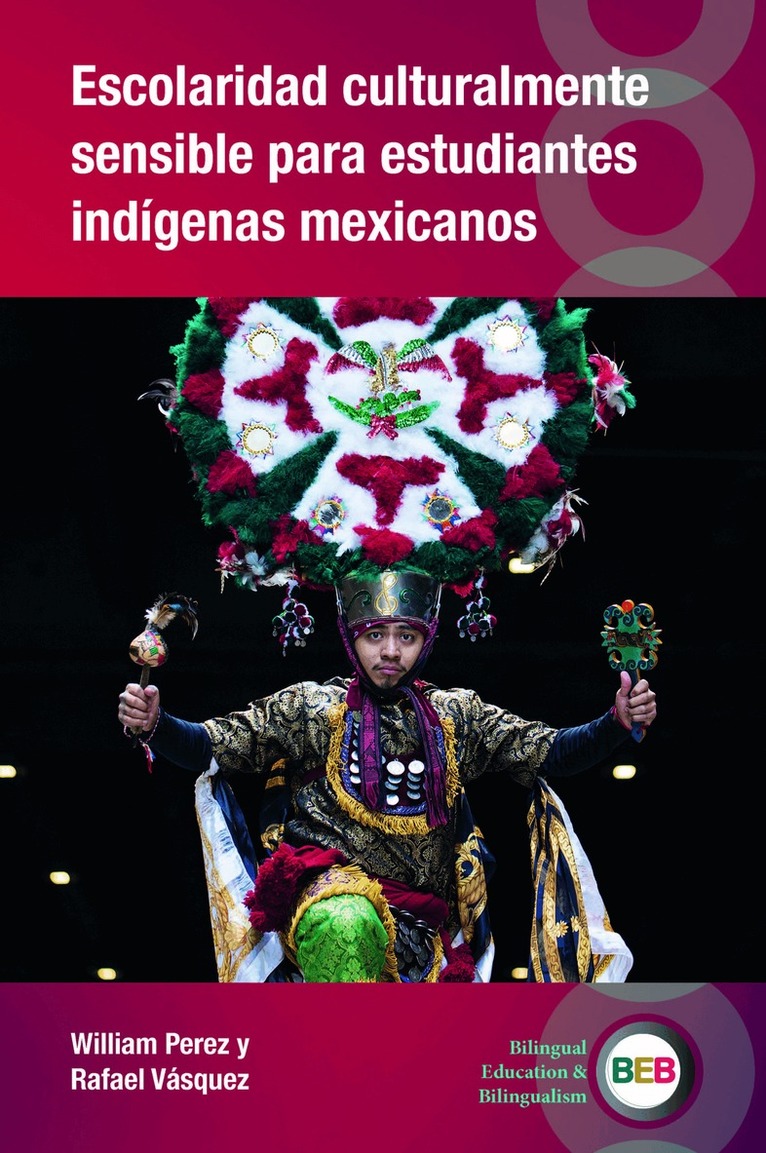
Este libro examina las experiencias sociales y educativas de una población creciente pero poco estudiada de jóvenes inmigrantes en EE.UU., centrándose en estudiantes multilingües que hablan una de tres lenguas indígenas: zapoteco, mixteco y p’urhépecha. Explora las identidades etnoraciales de los estudiantes, el uso de sus lenguas indígenas y sus prácticas transnacionales, así como la influencia de estos factores en su adaptación escolar, rendimiento académico y trayectorias educativas. Este estudio de métodos mixtos, realizado durante tres años en contextos semiurbanos, urbanos y rurales, analiza entrevistas con estudiantes y docentes, así como datos de encuestas, para ofrecer un panorama de cómo los estudiantes indígenas desarrollan sus identidades sociales. También examina la influencia de sus compañeros y docentes mexicanos no indígenas. El libro resalta nuevos desarrollos en la heterogeneidad cultural y lingüística de la comunidad latina y en las relaciones raciales/étnicas dentro del grupo, brindando información valiosa a legisladores y educadores sobre los estudiantes inmigrantes indígenas y cómo apoyar eficazmente su multilingüismo, el desarrollo de su identidad étnica y su éxito educativo. Esta traducción de Culturally Responsive Schooling for Mexican Indigenous Students proporciona un recurso en español para educadores, legisladores e investigadores en EE.UU. y América Latina.
An English-language edition of this book is also available at: https://multilingual-matters.com/page/detail/?K=9781800417526.
1 719 kr
Tillfälligt slut
Este libro examina las experiencias sociales y educativas de una población creciente pero poco estudiada de jóvenes inmigrantes en EE.UU., centrándose en estudiantes multilingües que hablan una de tres lenguas indígenas: zapoteco, mixteco y p’urhépecha. Explora las identidades etnoraciales de los estudiantes, el uso de sus lenguas indígenas y sus prácticas transnacionales, así como la influencia de estos factores en su adaptación escolar, rendimiento académico y trayectorias educativas. Este estudio de métodos mixtos, realizado durante tres años en contextos semiurbanos, urbanos y rurales, analiza entrevistas con estudiantes y docentes, así como datos de encuestas, para ofrecer un panorama de cómo los estudiantes indígenas desarrollan sus identidades sociales. También examina la influencia de sus compañeros y docentes mexicanos no indígenas. El libro resalta nuevos desarrollos en la heterogeneidad cultural y lingüística de la comunidad latina y en las relaciones raciales/étnicas dentro del grupo, brindando información valiosa a legisladores y educadores sobre los estudiantes inmigrantes indígenas y cómo apoyar eficazmente su multilingüismo, el desarrollo de su identidad étnica y su éxito educativo. Esta traducción de Culturally Responsive Schooling for Mexican Indigenous Students proporciona un recurso en español para educadores, legisladores e investigadores en EE.UU. y América Latina.
An English-language edition of this book is also available at: https://multilingual-matters.com/page/detail/?K=9781800417526.