Yue Lin – författare
Visar alla böcker från författaren Yue Lin. Handla med fri frakt och snabb leverans.
16 produkter
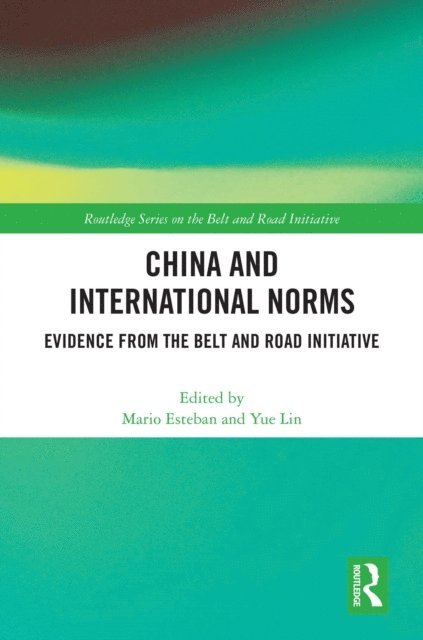
China and International Norms
Evidence from the Belt and Road Initiative
Av Yue Lin, Mario Esteban
E-bok, 2023
762 kr
Lägg i varukorg
This book explores the relationship between China and international norms through the lens of The Belt and Road Initiative (BRI). Presenting seven case studies, this book highlights China’s stances toward international norms that govern different international issues. The case studies reveal that …
China and International Norms
Evidence from the Belt and Road Initiative
Av Yue Lin, Mario Esteban
E-bok, 2023
686 kr
Lägg i varukorg
This book explores the relationship between China and international norms through the lens of The Belt and Road Initiative (BRI). Presenting seven case studies, this book highlights China’s stances toward international norms that govern different international issues. The case studies reveal that …
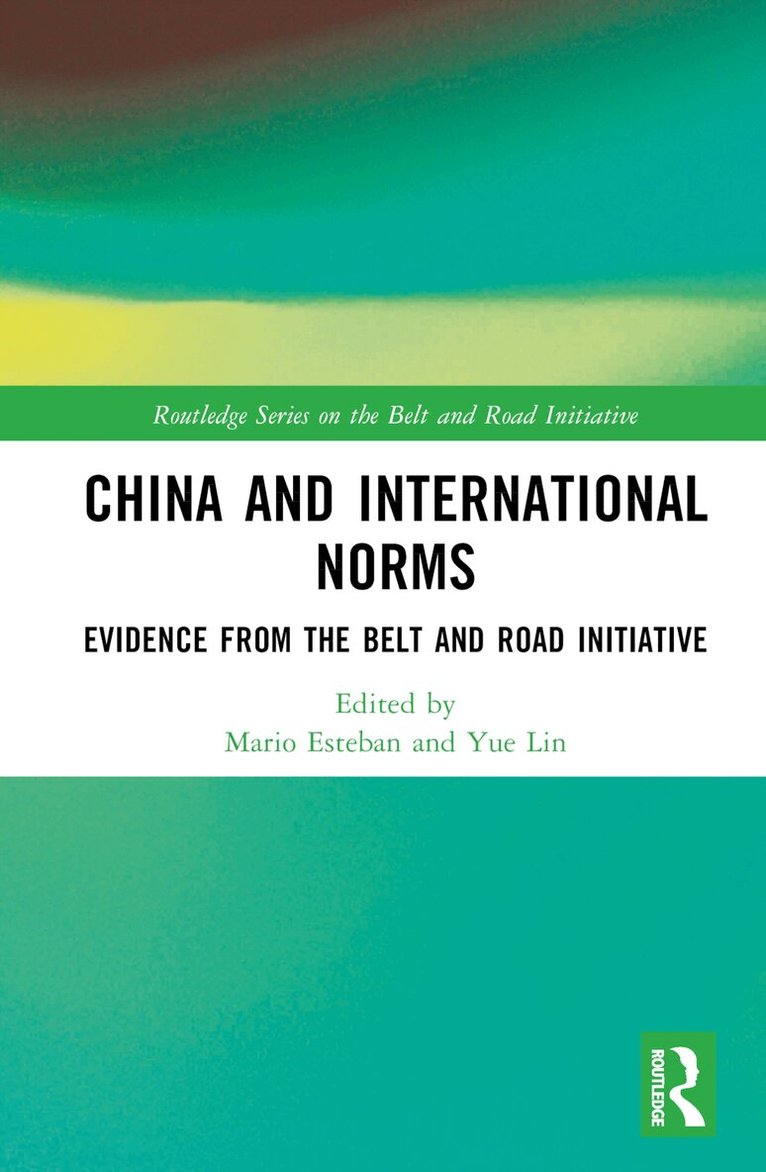
China and International Norms
Evidence from the Belt and Road Initiative
Av Mario Esteban, Yue Lin
Inbunden, 2023
2510 kr
Lägg i varukorg
This book explores the relationship between China and international norms through the lens of The Belt and Road Initiative (BRI).Presenting seven case studies, this book highlights China’s stances toward international norms that govern different international issues. The case studies reveal that …
China and International Norms
Evidence from the Belt and Road Initiative
Av Mario Esteban, Yue Lin
Häftad, 2024
596 kr
Lägg i varukorg
This book explores the relationship between China and international norms through the lens of The Belt and Road Initiative (BRI).Presenting seven case studies, this book highlights China’s stances toward international norms that govern different international issues. The case studies reveal that …
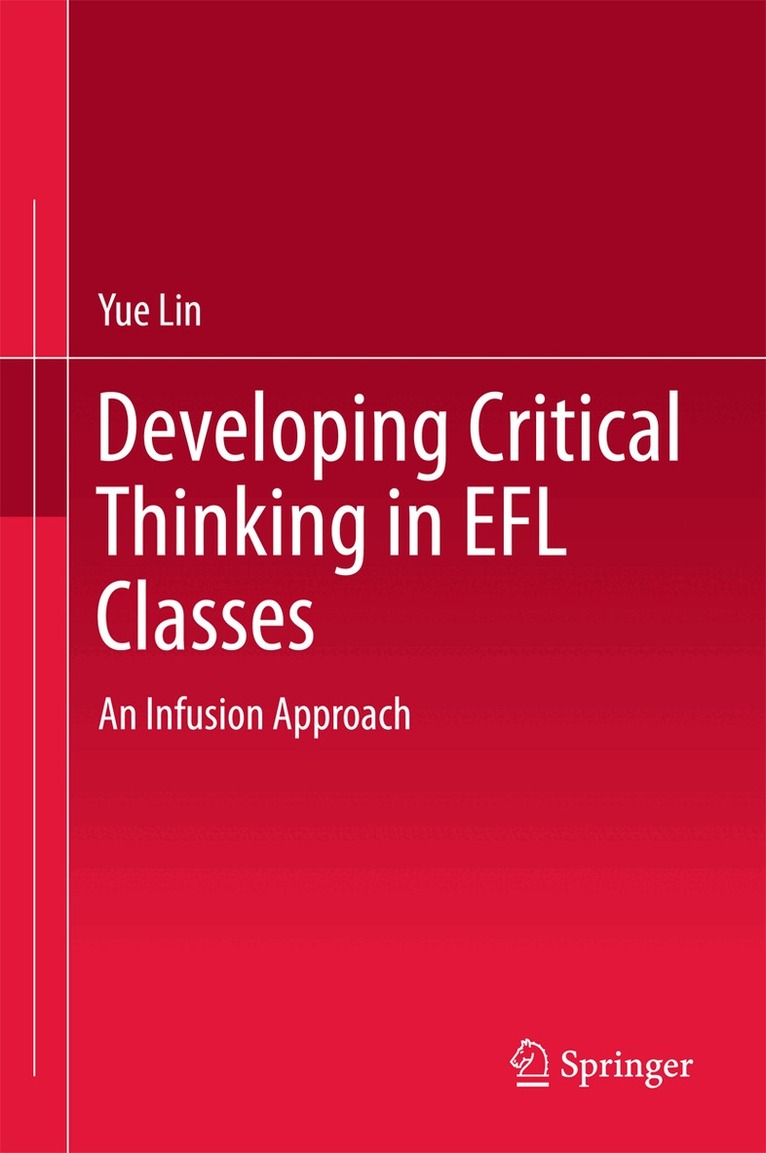
Developing Critical Thinking in EFL Classes
An Infusion Approach
Av Yue Lin
Inbunden, 2018
1129 kr
Lägg i varukorg
This book presents an innovative teaching experiment and an analytical study of critical thinking and the sociocultural theory of learning to illustrate the cognitive learning development mechanisms. It addresses the issues in developing critical thinking, including the controversy surrounding the …
Developing Critical Thinking in EFL Classes
An Infusion Approach
Av Yue Lin
E-bok, 2018
1335 kr
Lägg i varukorg
This book presents an innovative teaching experiment and an analytical study of critical thinking and the sociocultural theory of learning to illustrate the cognitive learning development mechanisms. It addresses the issues in developing critical thinking, including the controversy surrounding the …
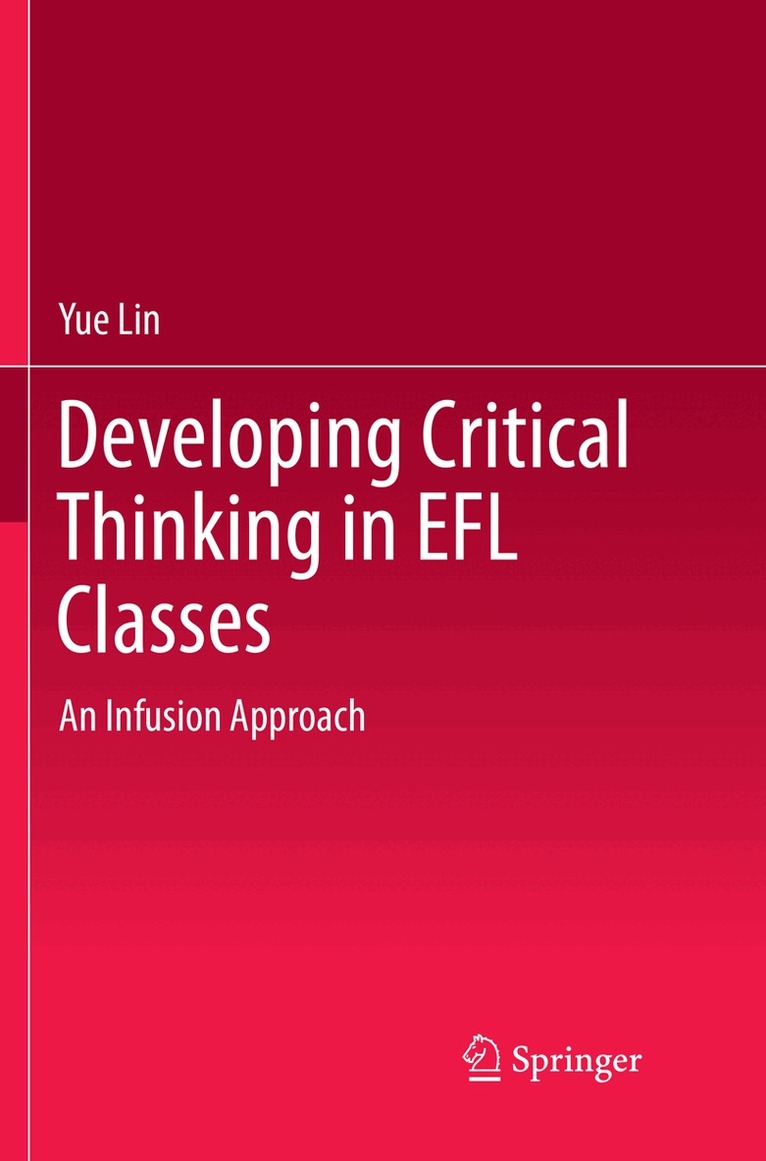
Developing Critical Thinking in EFL Classes
An Infusion Approach
Av Yue Lin
Häftad, 2019
1017 kr
Lägg i varukorg
This book presents an innovative teaching experiment and an analytical study of critical thinking and the sociocultural theory of learning to illustrate the cognitive learning development mechanisms. It addresses the issues in developing critical thinking, including the controversy surrounding the …
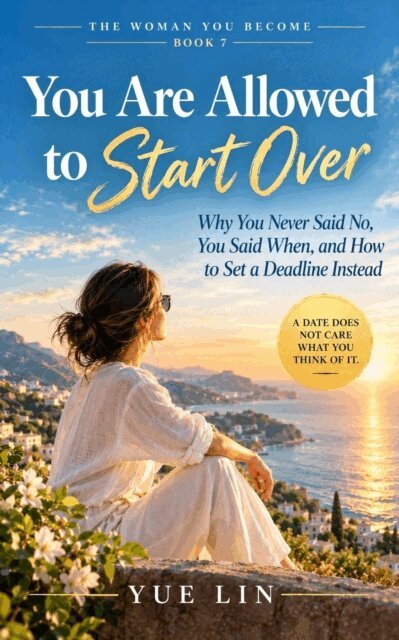
You Are Allowed to Start Over
THE WOMAN YOU BECOME, #7
Av YUE LIN
E-bok, 2026
53 kr
Lägg i varukorg
There is a sentence you say when the subject of your own life comes up, and you have said it so long that you no longer hear it as a sentence. It starts with when, or once, or after. When the children are older. Once the project is handed over. After the verdict. When my mother no longer needs me. …
Blueberry Muffin Nobody Made
Willow Hollow Bakery Mysteries, #1
Av YUE LIN
E-bok, 2026
18 kr
Lägg i varukorg
The mayor died with a blueberry muffin in his hand. Yue Lin came home to Willow Hollow to do one thing: reopen her mother's bakery, keep her head down, and leave again before anyone got attached. She has done this before. She is very good at it. Then Douglas Pemberton sat down on the bench outside …
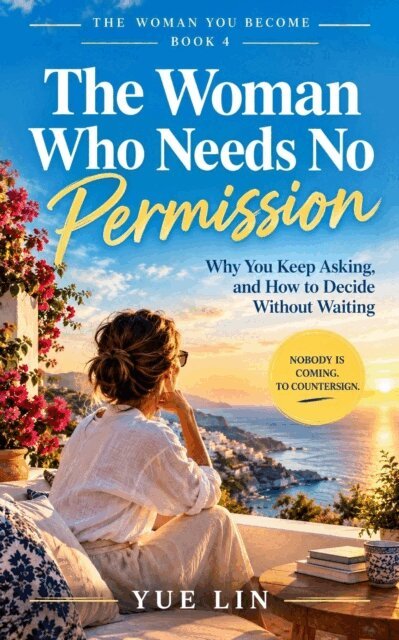
Woman Who Needs No Permission
THE WOMAN YOU BECOME, #4
Av YUE LIN
E-bok, 2026
66 kr
Lägg i varukorg
There is a decision you have already made. You have the plan, the numbers, the qualifications, the lease you have read twice. What you do not have is the sentence, said out loud, by somebody else, that would make it official. So you ask. You ask your father. You ask a friend who knows about these …
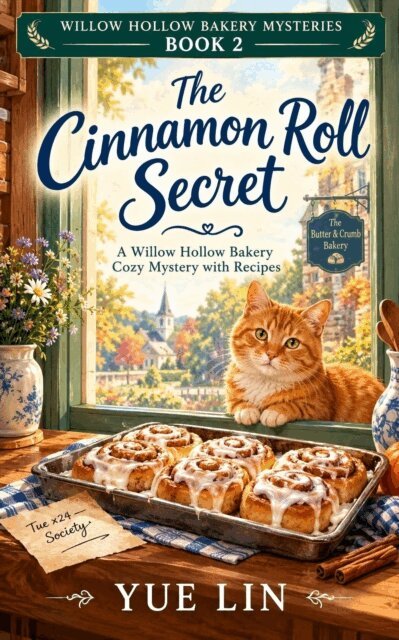
Cinnamon Roll Secret
Willow Hollow Bakery Mysteries, #2
Av YUE LIN
E-bok, 2026
111 kr
Lägg i varukorg
Two weeks after the mayor of Willow Hollow died on a bench outside her bakery, the Historical Society is still ordering two dozen cinnamon rolls every Tuesday. Nobody has cancelled it. That is the first thing that bothers Yue Lin. The second thing is the box from last week, sitting on the shelf …
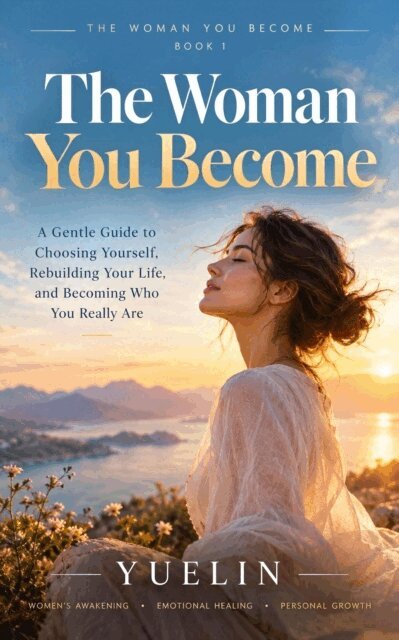
Woman You Become
THE WOMAN YOU BECOME, #1
Av YUE LIN
E-bok, 2026
18 kr
Lägg i varukorg
What happens when you have spent years being the woman everyone can count on—and quietly lost track of yourself? The Woman You Become is a gentle, practical guide for women who look capable on the outside but feel disconnected from their own wants, boundaries, and direction. It is for the woman who …
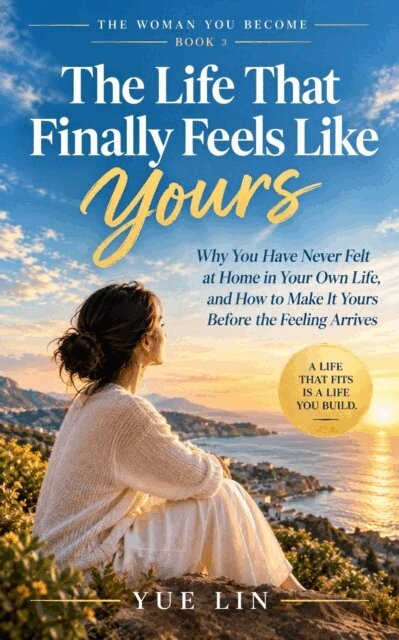
Life That Finally Feels Like Yours
THE WOMAN YOU BECOME, #3
Av YUE LIN
E-bok, 2026
53 kr
Lägg i varukorg
There is a version of your life that works, and it is not yours. You have a life that runs. People depend on it. You are good at it, and on paper there is nothing to fix. And in some unremarkable hour, driving home, or shopping in the boot of the car, or standing in a kitchen at ten past seven with …
Work Nobody Counts
THE WOMAN YOU BECOME, #5
Av YUE LIN
E-bok, 2026
68 kr
Lägg i varukorg
There is a version of your working life that has no number attached to it. The recall that was never issued. The client who did not leave. The audit that did not fail. The two weeks in 2020 when you made eleven decisions at night and nobody has ever asked what they were. You cannot put a non-event …
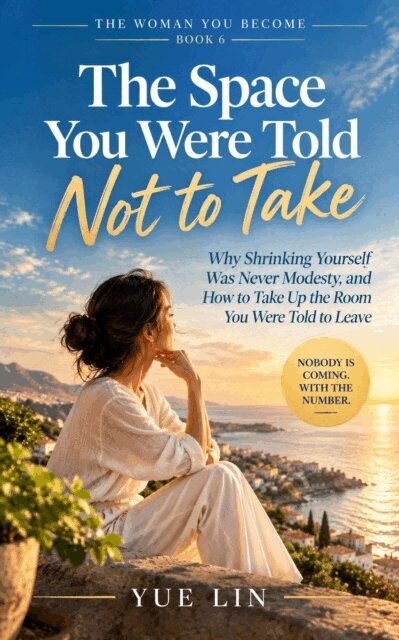
Space You Were Told Not to Take
THE WOMAN YOU BECOME, #6
Av YUE LIN
E-bok, 2026
68 kr
Lägg i varukorg
There is a sentence you did not say last week, and you can still remember where you were standing when you decided not to say it. That is not a failure of confidence. Confidence is a feeling, and a feeling cannot be consulted in the four seconds before you speak. Shrinking is a grammar. It has a …