

Häftad, Engelska, 2010
475 kr
Skickas inom 3-6 vardagar
475 kr
Skickas inom 3-6 vardagar
484 kr
Skickas inom 3-6 vardagar
463 kr
Läs direkt efter köp
501 kr
Skickas inom 3-6 vardagar
448 kr
Läs direkt efter köp
463 kr
Läs direkt efter köp
279 kr
Läs direkt efter köp

382 kr
Läs direkt efter köp
463 kr
Läs direkt efter köp
453 kr
Läs direkt efter köp

427 kr
Läs direkt efter köp
390 kr
Läs direkt efter köp
307 kr
Läs direkt efter köp

417 kr
Läs direkt efter köp
463 kr
Läs direkt efter köp
341 kr
Läs direkt efter köp

378 kr
Läs direkt efter köp
459 kr
Skickas inom 3-6 vardagar
427 kr
Läs direkt efter köp
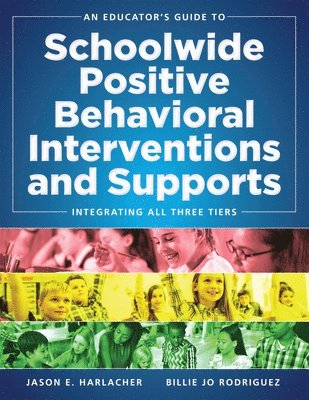
By implementing schoolwide positive behavioral interventions and supports (SWPBIS), K-12 educators can create an encouraging, productive school culture. This title introduces readers to the comprehensive SWPBIS framework and explores the key elements of its three tiers of support. Learn about the authors'' personal experiences in applying positive behavior support strategies and explore practical examples of what the elements and tiers of this model look like in practice.
Learn how to implement PBIS strategies in schools:
Understand the structure of the SWPBIS framework and its four key elements.Read testimonials from principals and teachers whose schools have created positive school climates using a positive behavior support plan.Learn why decision making in an SWPBIS framework relies on data and how school teams can ensure they use their data accurately to target suitable solutions.Gain specific steps and a general timeline you can use to start implementing SWPBIS.Examine example scenarios and two thorough case examples of how elementary and secondary schools have adopted and maintained SWPBIS structures.Contents:Chapter 1: An Introduction to Schoolwide Positive Behavioral Interventions and SupportsChapter 2: Tier OneChapter 3: Tier TwoChapter 4: Tier ThreeChapter 5: SWPBIS Into ActionChapter 6: Case Examples of Schools Using SWPBISEpilogueAppendix AAppendix BReferences and Resources
453 kr
Läs direkt efter köp
390 kr
Läs direkt efter köp

390 kr
Läs direkt efter köp
427 kr
Läs direkt efter köp
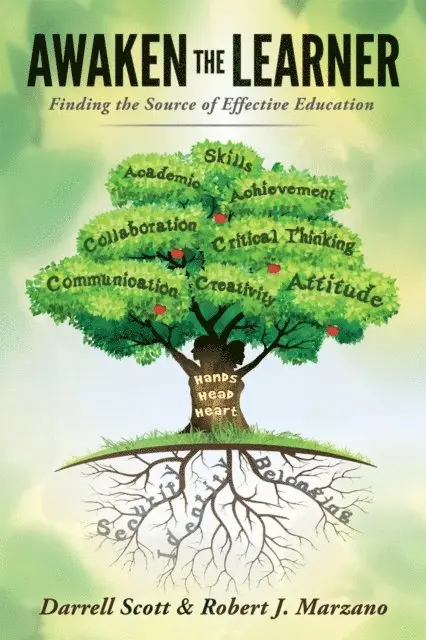
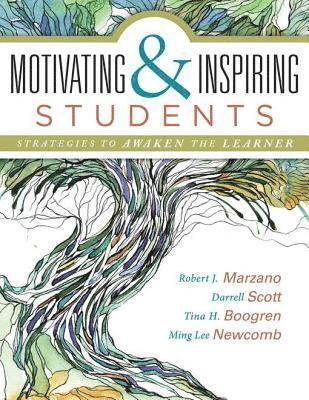
Bringing motivation and inspiration to the classroom is not easy. With this practical resource, you’ll discover a results-driven framework—based on a six-level hierarchy of student needs and goals—that you can use to provide engaging instruction to students. Consider why students’ esteem needs must be met for them to stay effectively engaged in school. Understand the drastic negative effects on students’ mental and physical health when the need to belong is unfulfilled. The authors share comprehensive understandings of the nature of motivation and inspiration and detail specific strategies to connect with your students. Learn what teachers should do so students experience self-actualization in class.
Benefits
Learn how creating a positive classroom community will support students’ sense of belonging.Consider scenarios that portray how the book’s suggestions might play out in the classroom.Review mindsets, dispositions, and behaviors that result in negative, unhelpful thinking and in positive, productive thinking.Study step-by-step processes that ensure students’ needs get met in individual classrooms.Use the Awaken the Learner Snapshot Student Survey to assess students’ levels of engagement, attention, motivation, and inspiration in school.Contents
1 Research and Theory
2 Connection to Something Greater Than Self
3 Self-Actualization
4 Esteem Within a Community
5 Belonging
6 Safety
7 Physiology
427 kr
Läs direkt efter köp

390 kr
Läs direkt efter köp
463 kr
Läs direkt efter köp

427 kr
Läs direkt efter köp
390 kr
Läs direkt efter köp
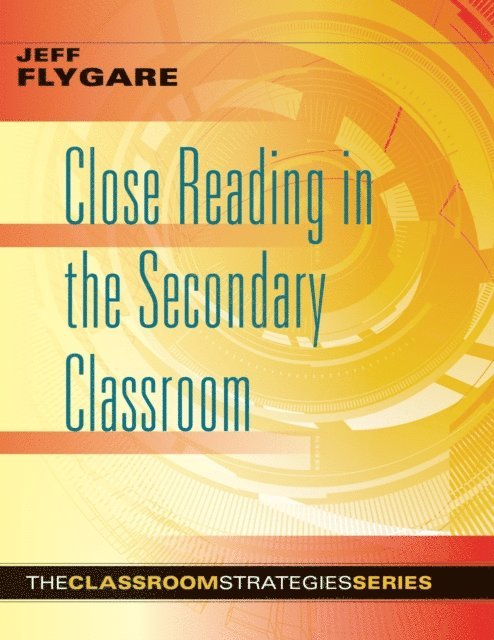
Close-reading strategies help students develop the literacy and critical-thinking skills essential for the rest of their lives. Close Reading in the Secondary Classroom offers high school and middle school educators extensive guidance on how to introduce close-reading strategies to students and help them improve their reading comprehension skills and critical thinking. Learn how to select close-reading examples and passages, elicit deeper question formation, facilitate positive classroom discussion, and assess your students'' reading comprehension skills and literacy progress.
Use research-based close-reading instruction strategies to increase student literacy and critical-thinking skills:
Understand the importance of close reading, prereading, and post-reading activities.Learn how to choose appropriate literary or informational texts for close reading.Pass on tools necessary for literary analysis and annotating text.Develop thought-provoking questions and discussion that deepen text analysis and reading comprehension skills.Assess students'' creative- and critical-thinking skills.Contents:IntroductionChapter 1: Research and TheoryChapter 2: PrereadingChapter 3: Reading Twice and AnnotatingChapter 4: Generating Questions and Reading AnalyticallyChapter 5: Discussing as a Class or Analyzing Individually, and Using Processing ActivitiesChapter 6: Planning and Assessing Close ReadingEpilogueAppendix A: Answers to Comprehension QuestionsAppendix B: Extended Examples of Close Reading

413 kr
Läs direkt efter köp
390 kr
Läs direkt efter köp
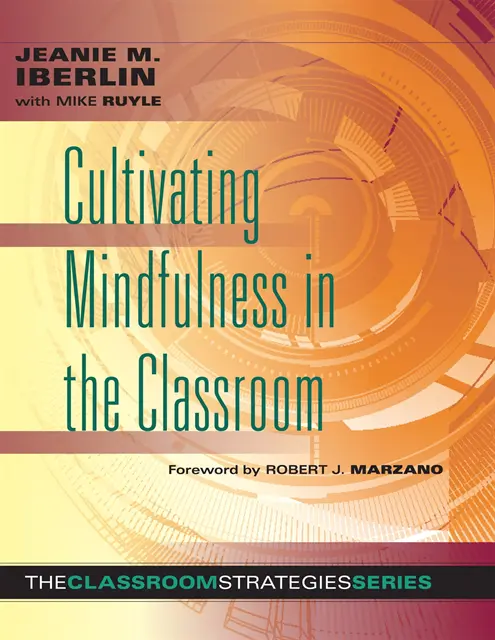
Mindfulness is an effective, low-cost way for educators to help students improve their social and emotional wellness as they learn and grow. The authors share practical tools that align to the five key categories of mindfulness benefits—stress reduction, attention, emotional control, positive self-concept, and positive interactions—and offer a step-by-step process for establishing a formal school or classroom mindfulness program.
Benefits:
Recognize what mindfulness is and is not, in order to use mindfulness practices in the classroom, so that students know how to cope with their emotions.Consider research that presents the benefits of mindfulness practices, to help students focus their brains for extended periods of time and increase their emotional intelligence.Get student-friendly definitions of mindfulness terms, to make students more mindful of their emotions and ultimately foster better classroom cultures and higher student achievement.Answer chapter-ending comprehension questions and compare your answers to those provided in an appendix, to examine your understanding of mindfulness.Contents
Chapter 1: Research and Theory
Chapter 2: Stress Reduction
Chapter 3: Attention
Chapter 4: Emotional Control
Chapter 5: Positive Self-Concept
Chapter 6: Positive Interactions
Chapter 7: Steps for Implementing Mindfulness in Your Classroom or School
Epilogue
Appendix A: Answers to Comprehension Questions
Appendix B: Noteworthy Books, Programs, and Resources
References and Resources