447 kr
Skickas
447 kr
Skickas
109 kr
Läs direkt efter köp
390 kr
Skickas
443 kr
Kommande
360 kr
Läs direkt efter köp
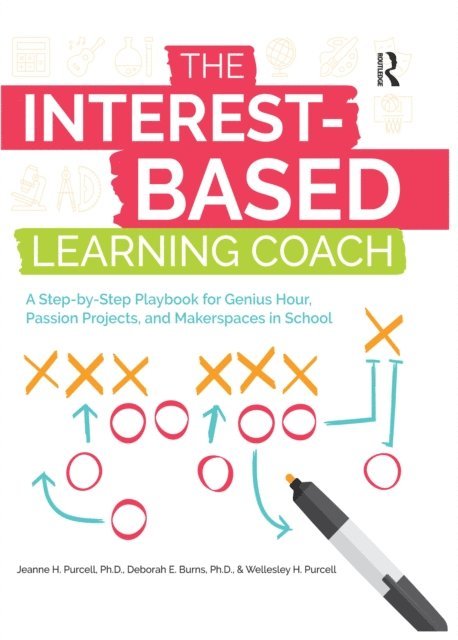
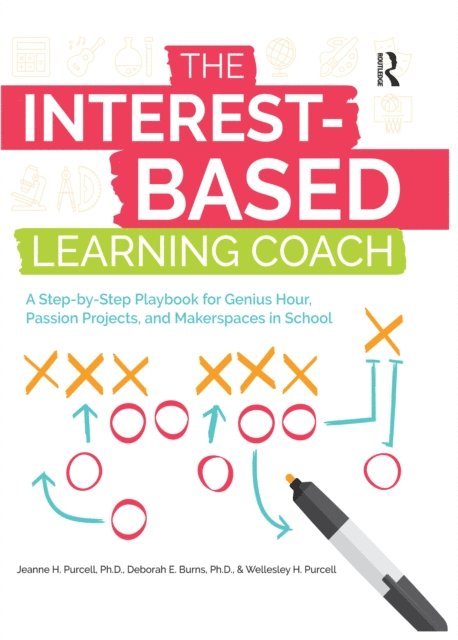
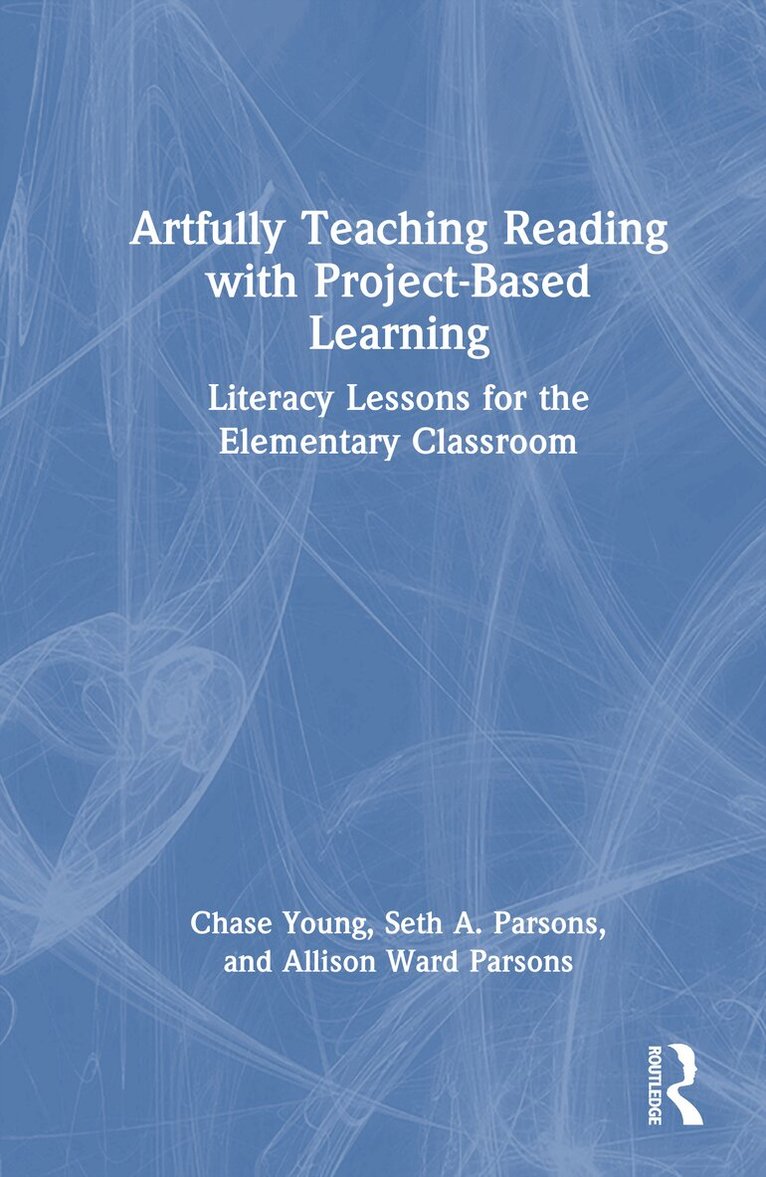
Many educators appreciate the value of interest-based learning, but struggle with the management and facilitation of individual and small-group projects in a limited space and time allocation. This easy-to-read guide:
Features a step-by-step plan for managing Genius Hour, passion projects, Makerspaces, and more. Includes time-saving planning templates, checklists, and charts. Supports students'' intrinsic motivation for learning, agency, voice, and problem-solving and critical thinking skills. Provides a systematic and practical approach to interest-based learning. Can be implemented and adapted by an individual teacher, department, or team.Chapters also include techniques for helping students identify their interests, frame their goals and questions, create project plans and timelines, self-assess their progress, and share their work with real-world audiences.
360 kr
Läs direkt efter köp
Many educators appreciate the value of interest-based learning, but struggle with the management and facilitation of individual and small-group projects in a limited space and time allocation. This easy-to-read guide:
Features a step-by-step plan for managing Genius Hour, passion projects, Makerspaces, and more. Includes time-saving planning templates, checklists, and charts. Supports students'' intrinsic motivation for learning, agency, voice, and problem-solving and critical thinking skills. Provides a systematic and practical approach to interest-based learning. Can be implemented and adapted by an individual teacher, department, or team.Chapters also include techniques for helping students identify their interests, frame their goals and questions, create project plans and timelines, self-assess their progress, and share their work with real-world audiences.
587 kr
Läs direkt efter köp
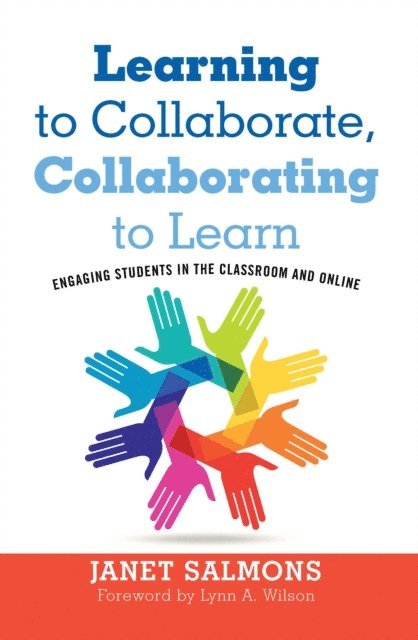
Students who know how to collaborate successfully in the classroom will be better prepared for professional success in a world where we are expected to work well with others. Students learn collaboratively, and acquire the skills needed to organize and complete collaborative work, when they participate in thoughtfully-designed learning activities.Learning to Collaborate, Collaborating to Learn uses the author’s Taxonomy of Online Collaboration to illustrate levels of progressively more complex and integrated collaborative activities.- Part I introduces the Taxonomy of Online Collaboration and offers theoretical and research foundations.- Part II focuses on ways to use Taxonomy of Online Collaboration, including, clarifying roles and developing trust, communicating effectively, organizing project tasks and systems.- Part III offers ways to design collaborative learning activities, assignments or projects, and ways to fairly assess participants’ performance.Learning to Collaborate, Collaborating to Learn is a professional guide intended for faculty, curriculum planners, or instructional designers who want to design, teach, facilitate, and assess collaborative learning. The book covers the use of information and communication technology tools by collaborative partners who may or may not be co-located. As such, the book will be appropriate for all-online, blended learning, or conventional classrooms that infuse technology with “flipped” instructional techniques.
505 kr
Läs direkt efter köp
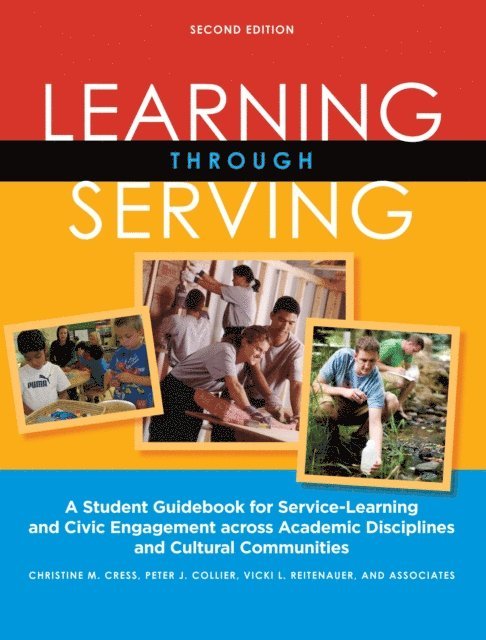
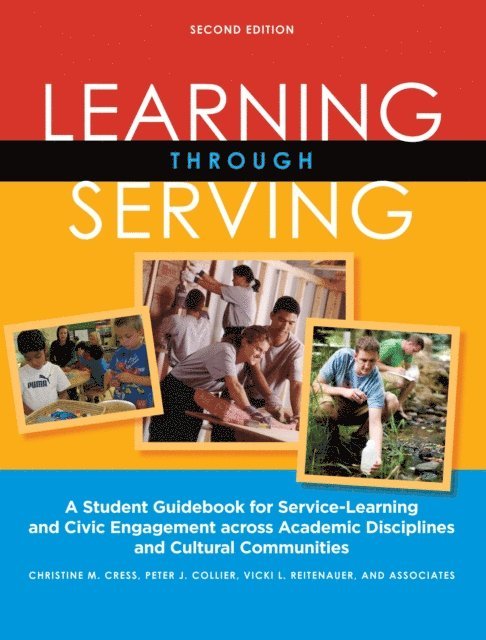
This substantially expanded new edition of this widely-used and acclaimed text maintains the objectives and tenets of the first. It is designed to help students understand and reflect on their community service experiences both as individuals and as citizens of communities in need of their compassionate expertise. It is designed to assist faculty in facilitating student development of compassionate expertise through the context of service in applying disciplinary knowledge to community issues and challenges. In sum, the book is about how to make academic sense of civic service in preparing for roles as future citizen leaders.
Each chapter has been developed to be read and reviewed, in sequence, over the term of a service-learning course. Students in a semester course might read just one chapter each week, while those in a quarter-term course might need to read one to two chapters per week. The chapters are intentionally short, averaging 8 to 14 pages, so they do not interfere with other course content reading.
This edition presents four new chapters on Mentoring, Leadership, Becoming a Change Agent, and Short-Term Immersive and Global Service-Learning experiences. The authors have also revised the original chapters to more fully address issues of social justice, privilege/power, diversity, intercultural communication, and technology; have added more disciplinary examples; incorporated additional academic content for understanding service-learning issues (e.g., attribution theory); and cover issues related to students with disabilities, and international students.
This text is a student-friendly, self-directed guide to service-learning that:
Develops the skills needed to succeed Clearly links service-learning to the learning goals of the course Combines self-study and peer-study workbook formats with activities that can be incorporated in class, to give teachers maximum flexibility in structuring their service-learning courses Promotes independent and collaborative learning Equally suitable for courses of a few weeks’ or a few months’ duration Shows students how to assess progress and communicate end-results Written for students participating in service learning as a class, but also suitable for students working individually on a project.Instructor''s Manual
This Instructor Manual discusses the following six key areas for aligning your course with use of Learning through Serving, whether you teach a senior-level high school class, freshman studies course, or a college capstone class:
1. Course and syllabus design
2. Community-partner collaboration
3. Creating class community
4. Strategic teaching techniques
5. Developing intercultural competence
6. Impact assessment

587 kr
Läs direkt efter köp
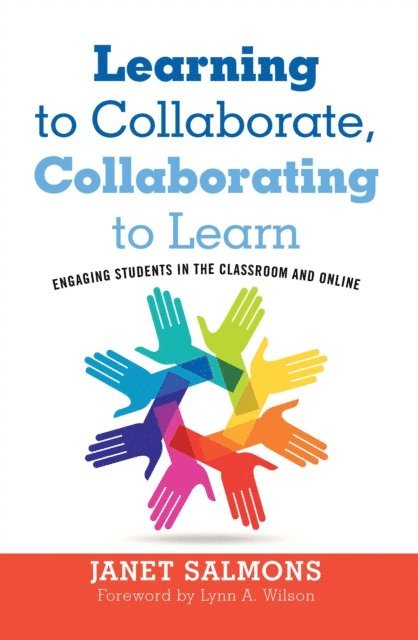
Students who know how to collaborate successfully in the classroom will be better prepared for professional success in a world where we are expected to work well with others. Students learn collaboratively, and acquire the skills needed to organize and complete collaborative work, when they participate in thoughtfully-designed learning activities.Learning to Collaborate, Collaborating to Learn uses the author’s Taxonomy of Online Collaboration to illustrate levels of progressively more complex and integrated collaborative activities.- Part I introduces the Taxonomy of Online Collaboration and offers theoretical and research foundations.- Part II focuses on ways to use Taxonomy of Online Collaboration, including, clarifying roles and developing trust, communicating effectively, organizing project tasks and systems.- Part III offers ways to design collaborative learning activities, assignments or projects, and ways to fairly assess participants’ performance.Learning to Collaborate, Collaborating to Learn is a professional guide intended for faculty, curriculum planners, or instructional designers who want to design, teach, facilitate, and assess collaborative learning. The book covers the use of information and communication technology tools by collaborative partners who may or may not be co-located. As such, the book will be appropriate for all-online, blended learning, or conventional classrooms that infuse technology with “flipped” instructional techniques.
505 kr
Läs direkt efter köp
This substantially expanded new edition of this widely-used and acclaimed text maintains the objectives and tenets of the first. It is designed to help students understand and reflect on their community service experiences both as individuals and as citizens of communities in need of their compassionate expertise. It is designed to assist faculty in facilitating student development of compassionate expertise through the context of service in applying disciplinary knowledge to community issues and challenges. In sum, the book is about how to make academic sense of civic service in preparing for roles as future citizen leaders.
Each chapter has been developed to be read and reviewed, in sequence, over the term of a service-learning course. Students in a semester course might read just one chapter each week, while those in a quarter-term course might need to read one to two chapters per week. The chapters are intentionally short, averaging 8 to 14 pages, so they do not interfere with other course content reading.
This edition presents four new chapters on Mentoring, Leadership, Becoming a Change Agent, and Short-Term Immersive and Global Service-Learning experiences. The authors have also revised the original chapters to more fully address issues of social justice, privilege/power, diversity, intercultural communication, and technology; have added more disciplinary examples; incorporated additional academic content for understanding service-learning issues (e.g., attribution theory); and cover issues related to students with disabilities, and international students.
This text is a student-friendly, self-directed guide to service-learning that:
Develops the skills needed to succeed Clearly links service-learning to the learning goals of the course Combines self-study and peer-study workbook formats with activities that can be incorporated in class, to give teachers maximum flexibility in structuring their service-learning courses Promotes independent and collaborative learning Equally suitable for courses of a few weeks’ or a few months’ duration Shows students how to assess progress and communicate end-results Written for students participating in service learning as a class, but also suitable for students working individually on a project.Instructor''s Manual
This Instructor Manual discusses the following six key areas for aligning your course with use of Learning through Serving, whether you teach a senior-level high school class, freshman studies course, or a college capstone class:
1. Course and syllabus design
2. Community-partner collaboration
3. Creating class community
4. Strategic teaching techniques
5. Developing intercultural competence
6. Impact assessment
766 kr
Läs direkt efter köp
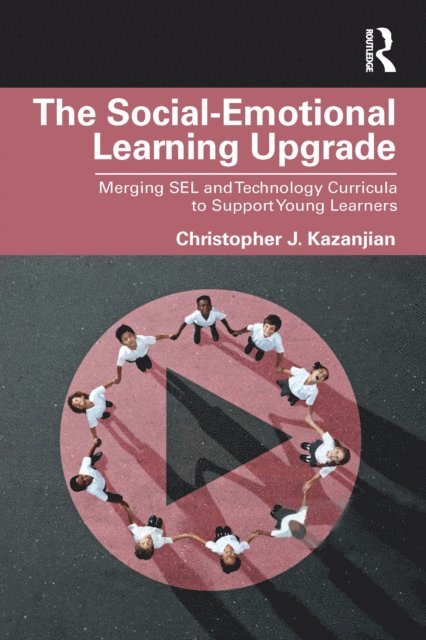
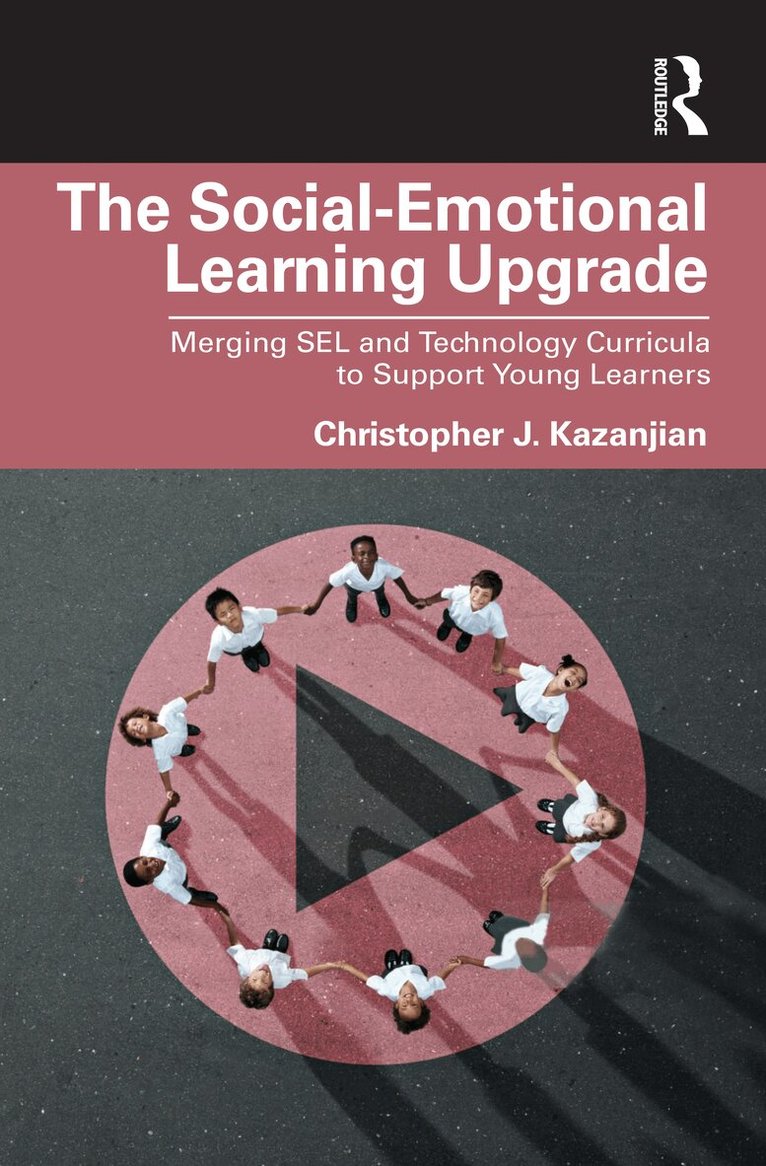
The Social-Emotional Learning Upgrade explores how today’s educators can connect two previously separated but important curricula in their schools: social-emotional learning (SEL) and educational technology. With schools’ SEL efforts pressed for time and resources and digital engagements often limited to skill development, K-12 students risk being unprepared to sustain their well-being and personal opportunities in a rapidly changing, technology-dependent world. Driven by a paradigm that synthesizes multicultural education and humanistic psychology, this book readies educators to implement SEL curricula that will support young learners as they navigate constant social and technological flux and that will nurture their unique perceptions of reality, their aspirations, and their mental and physical health. Each chapter’s novel insights will help to mitigate both student disengagement and teacher demoralization, enabling classroom pedagogies and the process of schooling to better align with the ways in which learners explore, express, and create meaning. Guiding pre-service teachers, leaders, and curriculum developers beyond common goals such as digital skills development, content mastery, or standardized testing, this volume focuses instead on complex digital literacies, collaborative experiences, problem- and project-based learning, culturally relevant pedagogies, and overall holistic growth.
766 kr
Läs direkt efter köp
The Social-Emotional Learning Upgrade explores how today’s educators can connect two previously separated but important curricula in their schools: social-emotional learning (SEL) and educational technology. With schools’ SEL efforts pressed for time and resources and digital engagements often limited to skill development, K-12 students risk being unprepared to sustain their well-being and personal opportunities in a rapidly changing, technology-dependent world. Driven by a paradigm that synthesizes multicultural education and humanistic psychology, this book readies educators to implement SEL curricula that will support young learners as they navigate constant social and technological flux and that will nurture their unique perceptions of reality, their aspirations, and their mental and physical health. Each chapter’s novel insights will help to mitigate both student disengagement and teacher demoralization, enabling classroom pedagogies and the process of schooling to better align with the ways in which learners explore, express, and create meaning. Guiding pre-service teachers, leaders, and curriculum developers beyond common goals such as digital skills development, content mastery, or standardized testing, this volume focuses instead on complex digital literacies, collaborative experiences, problem- and project-based learning, culturally relevant pedagogies, and overall holistic growth.
2 009 kr
Skickas inom 10-15 vardagar
610 kr
Skickas inom 10-15 vardagar
651 kr
Skickas inom 10-15 vardagar
2 365 kr
Skickas inom 10-15 vardagar
317 kr
Skickas inom 10-15 vardagar
466 kr
Läs direkt efter köp
735 kr
Läs direkt efter köp
733 kr
Läs direkt efter köp
522 kr
Läs direkt efter köp
522 kr
Läs direkt efter köp
408 kr
Läs direkt efter köp
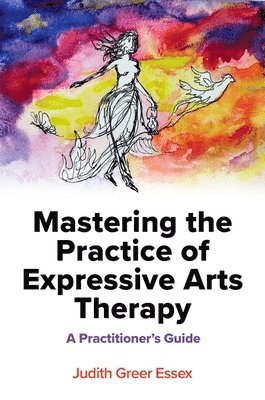
Recent trends in higher education, especially among the arts, have shifted focus from what faculty can provide as arbiters of wisdom and knowledge to what the students themselves bring to the classroom. This foregrounding of the individual and their personal relationship to course content creates stronger opportunities for deep learning and engagement through intrinsic motivation and the creation of a learner identity.
This book presents five distinct examples of pedagogy within or connected to creative fields, offering insights into various approaches to making education more personalized for students. Its aim is to provide creative arts educators with practical examples and contemporary philosophies on how to embrace and leverage students’ individuality as a teaching tool. By doing so, it seeks to enhance critical thinking, engagement, and active learning in the classroom.
Designed for arts educators seeking to empower their students and create meaningful connections to course material, this book is an essential resource for fostering motivation and transforming the classroom experience.
408 kr
Läs direkt efter köp
Recent trends in higher education, especially among the arts, have shifted focus from what faculty can provide as arbiters of wisdom and knowledge to what the students themselves bring to the classroom. This foregrounding of the individual and their personal relationship to course content creates stronger opportunities for deep learning and engagement through intrinsic motivation and the creation of a learner identity.
This book presents five distinct examples of pedagogy within or connected to creative fields, offering insights into various approaches to making education more personalized for students. Its aim is to provide creative arts educators with practical examples and contemporary philosophies on how to embrace and leverage students’ individuality as a teaching tool. By doing so, it seeks to enhance critical thinking, engagement, and active learning in the classroom.
Designed for arts educators seeking to empower their students and create meaningful connections to course material, this book is an essential resource for fostering motivation and transforming the classroom experience.
2 365 kr
Skickas inom 10-15 vardagar
446 kr
Skickas inom 10-15 vardagar
2 365 kr
Skickas inom 10-15 vardagar
356 kr
Skickas inom 5-8 vardagar
Project-based learning PLUS essential life skills equals student and educator success
Imagine not only helping kids reach their potential academically, but as citizens in society as well. In this updated edition of Jorge Valenzuela’s book, you will learn how!
Take project-based learning (PBL)—in which students develop educational skills like research, critical thinking, and teamwork—to the next level by enhancing it with personal competencies like self-management, social awareness, and responsible decision-making. Written by an expert in PBL, student well-being, and technology with different levels of educator PBL experience in mind, this guide to harnessing the power of these approaches provides:
The five elements of the PBL+ FrameworkTools and rubrics that help you engage all students and assess their projectsWays to align PBL with five critical emotional intelligence and career readiness competencies Tips for putting PBL+ into practice to facilitate your own teaching plansThe framework described in this book, grounded by research and supported by practical steps, is replicable in every classroom and provides educators guidance for strengthening their instructional practice to create an empowering student experience.
489 kr
Läs direkt efter köp
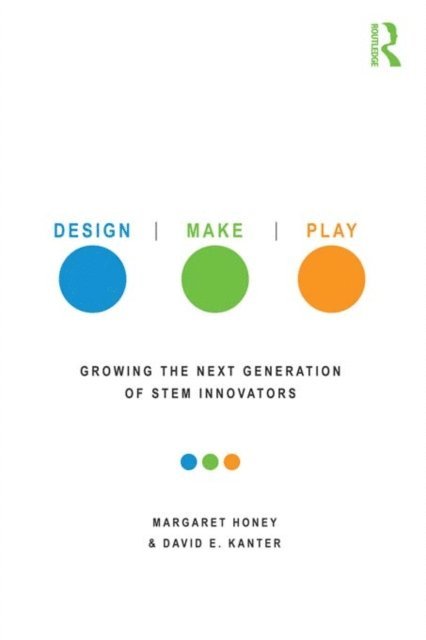
Design, Make, Play: Growing the Next Generation of STEM Innovators is a resource for practitioners, policymakers, researchers and program developers that illuminates creative, cutting edge ways to inspire and motivate young people about science and technology learning. The book is aligned with the National Research Council’s new Framework for Science Education, which includes an explicit focus on engineering and design content, as well as integration across disciplines. Extensive case studies explore real world examples of innovative programs that take place in a variety of settings, including schools, museums, community centers, and virtual spaces. Design, Make, and Play are presented as learning methodologies that have the power to rekindle children’s intrinsic motivation and innate curiosity about STEM (science, technology, engineering, and mathematics) fields. A digital companion app showcases rich multimedia that brings the stories and successes of each program—and the students who learn there—to life.
489 kr
Läs direkt efter köp
Design, Make, Play: Growing the Next Generation of STEM Innovators is a resource for practitioners, policymakers, researchers and program developers that illuminates creative, cutting edge ways to inspire and motivate young people about science and technology learning. The book is aligned with the National Research Council’s new Framework for Science Education, which includes an explicit focus on engineering and design content, as well as integration across disciplines. Extensive case studies explore real world examples of innovative programs that take place in a variety of settings, including schools, museums, community centers, and virtual spaces. Design, Make, and Play are presented as learning methodologies that have the power to rekindle children’s intrinsic motivation and innate curiosity about STEM (science, technology, engineering, and mathematics) fields. A digital companion app showcases rich multimedia that brings the stories and successes of each program—and the students who learn there—to life.