585 kr
585 kr
669 kr
Skickas
Det här läromedlet är i enlighet med Gy11.
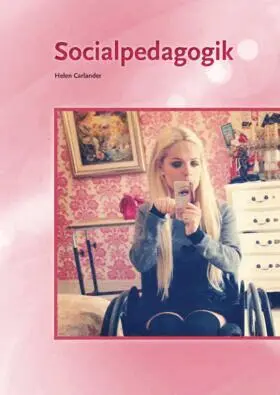
Socialpedagogik beskriver det mångfacetterade arbetet med personer i utanförskap eller de som riskerar att hamna i utanförskap. Fokus är lagt på lärande och den enskildes möjligheter till utveckling. Författaren tar upp olika förklaringsmodeller till utanförskap och problematiska livssituationer, samt beskriver olika arbetssätt och metoder. Det mellanmänskliga, professionella och dialogiska förhållningssättets betydelse går som en röd tråd genom boken. I kapitlet som behandlar APL ger författaren förslag på uppgifter som eleven kan göra under sin praktik inom vård och omsorg. Där finns också uppgifter för utvärdering och dokumentation. Ur innehållet: Centrala begrepp, Problemlösande samtal, Livsvillkor, Omsorgsarenor, Livsvärld - Systemvärld, Empowerment, Kommunikativa och strategiska handlingar, Socialpedagogik ur ett historiskt perspektiv.
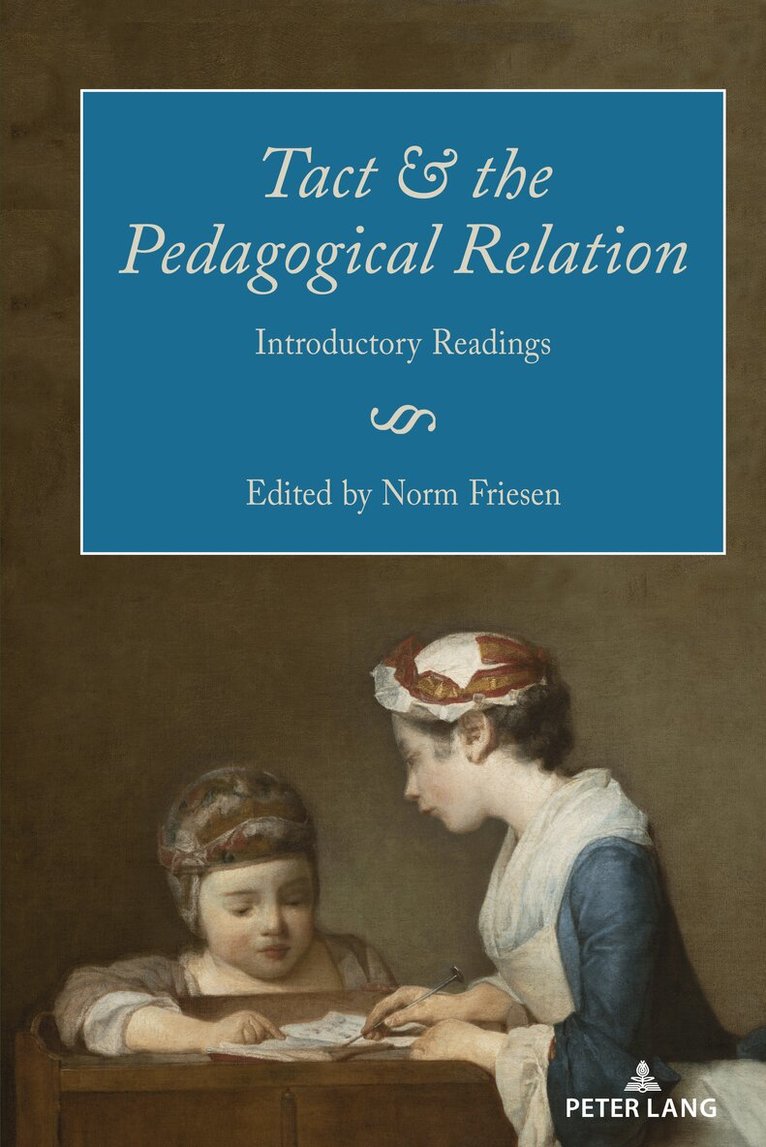
Introductory Readings
402 kr
Skickas inom 5-8 vardagar
250 kr
Skickas inom 3-6 vardagar
404 kr
Skickas inom 10-15 vardagar
79 kr
Läs direkt efter köp
129 kr
Skickas
2 433 kr
Skickas inom 10-15 vardagar
1 660 kr
Skickas inom 5-8 vardagar
215 kr
Lyssna direkt efter köp
129 kr
Skickas
79 kr
Läs direkt efter köp
227 kr
Lyssna direkt efter köp
202 kr
Lyssna direkt efter köp
627 kr
Skickas inom 10-15 vardagar
2 433 kr
Skickas inom 10-15 vardagar
430 kr
Skickas inom 10-15 vardagar
1 925 kr
Skickas inom 10-15 vardagar
2 433 kr
Skickas inom 10-15 vardagar
627 kr
Skickas inom 10-15 vardagar
2 433 kr
Skickas inom 10-15 vardagar
712 kr
Skickas inom 10-15 vardagar
757 kr
Läs direkt efter köp
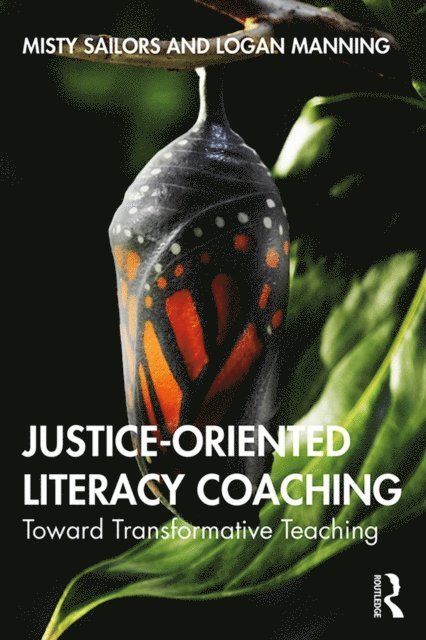
This book explores notions of justice-oriented literacy coaching and offers a way of being in the world with young people, teachers, and communities that centers transformative coaching, teaching, and learning. It is intended to disrupt the traditional and historical positioning of literacy coaches in schools today. Through the lens of social justice and liberatory education, Sailors and Manning begin a dialogue with literacy coaches to help them reconsider their own roles and positions as agents of change in schools.
Using vignettes and stories to illustrate potential paths into emancipatory literacy learning environments, the authors present literacy as a socially-situated act of meaning-making. Accessible and inviting, this book provides pragmatic tools for literacy leaders to embody social justice, to grapple with big social concepts, to imagine possibilities, and to stimulate creative thinking with the teachers at their schools and with the students in their classrooms.
Intended for literacy coaches in grades K-6 and graduate students in literacy education, this book includes a wealth of resources and examples from real-world contexts, as well as spaces for the reader to interact and engage with the text through journaling and self-reflection.
757 kr
Läs direkt efter köp
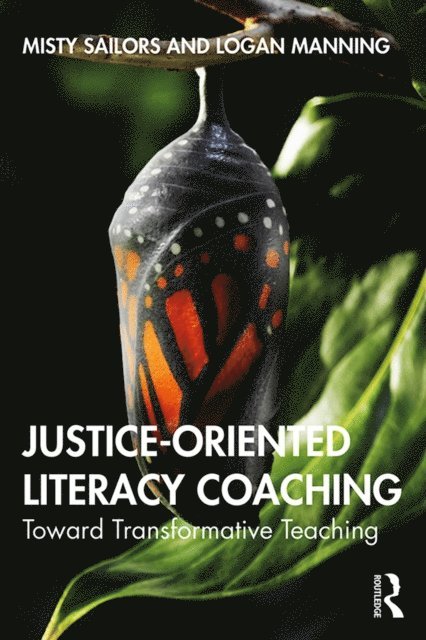
This book explores notions of justice-oriented literacy coaching and offers a way of being in the world with young people, teachers, and communities that centers transformative coaching, teaching, and learning. It is intended to disrupt the traditional and historical positioning of literacy coaches in schools today. Through the lens of social justice and liberatory education, Sailors and Manning begin a dialogue with literacy coaches to help them reconsider their own roles and positions as agents of change in schools.
Using vignettes and stories to illustrate potential paths into emancipatory literacy learning environments, the authors present literacy as a socially-situated act of meaning-making. Accessible and inviting, this book provides pragmatic tools for literacy leaders to embody social justice, to grapple with big social concepts, to imagine possibilities, and to stimulate creative thinking with the teachers at their schools and with the students in their classrooms.
Intended for literacy coaches in grades K-6 and graduate students in literacy education, this book includes a wealth of resources and examples from real-world contexts, as well as spaces for the reader to interact and engage with the text through journaling and self-reflection.
606 kr
Läs direkt efter köp
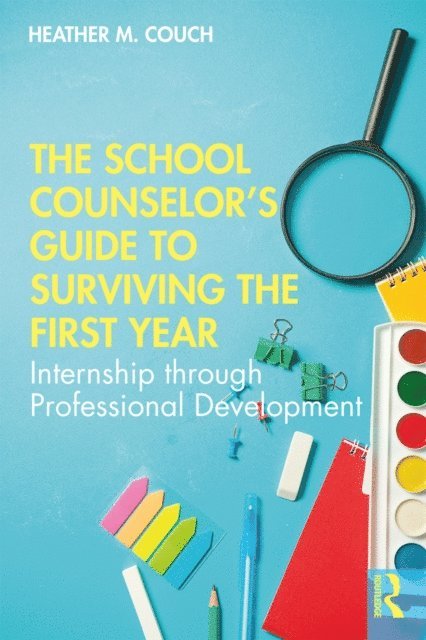
The School Counselor’s Guide to Surviving the First Year offers a comprehensive look into the first-year school counseling experience.
This practical guide includes topics from internship to professional development from an intimate perspective within the context of real-life scenarios. Drawing from personal experiences, journal articles, textbooks, and excerpts by numerous professional school counselors, it fuses what a school counseling trainee learns in their graduate program and the field experience they get into one unique guide. Emphasizing hands-on approaches, this volume offers personal as well as professional steps toward success in the ins and outs of counseling.
This book is a valuable toolkit for the developmental journey of school counselors in-training and beginning school counselors.
606 kr
Läs direkt efter köp
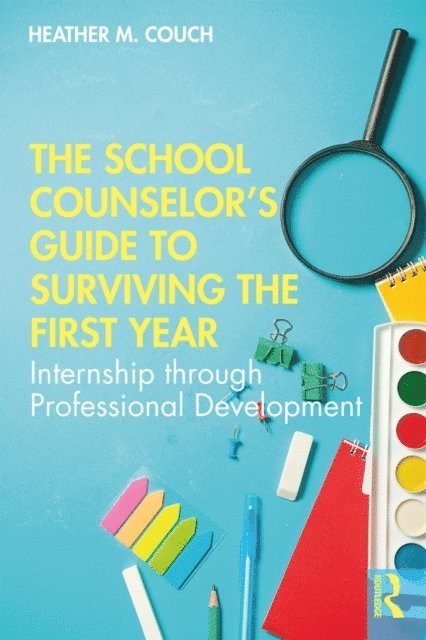
The School Counselor’s Guide to Surviving the First Year offers a comprehensive look into the first-year school counseling experience.
This practical guide includes topics from internship to professional development from an intimate perspective within the context of real-life scenarios. Drawing from personal experiences, journal articles, textbooks, and excerpts by numerous professional school counselors, it fuses what a school counseling trainee learns in their graduate program and the field experience they get into one unique guide. Emphasizing hands-on approaches, this volume offers personal as well as professional steps toward success in the ins and outs of counseling.
This book is a valuable toolkit for the developmental journey of school counselors in-training and beginning school counselors.
623 kr
Läs direkt efter köp
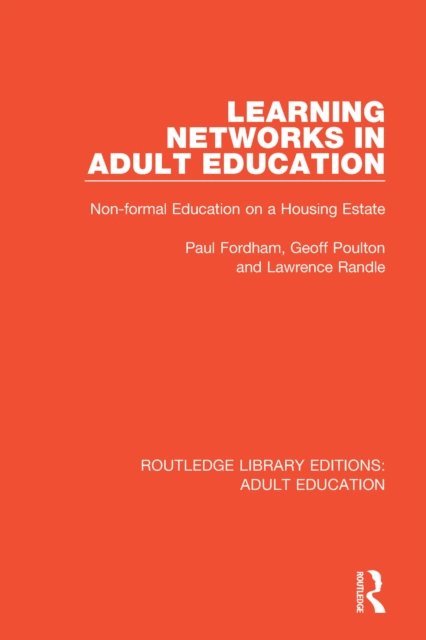
Originally published in 1979, this book reports on a 3 year action research programme (The New Communities Project) which aimed in increase working-class participation in adult education. Basing their argument on the work of the Project, the authors contend that adult education must begin with the people themselves, to go on and assist their intellectual, social, psychological, cultural and political growth. In their view, adult education needs to be identified as something more flexible than ''classes'', whilst also distinguishing between non-formal education and other kinds of community work or development. Providing different perspectives on the way in which a service relates to a particular area, the book''s conclusions have a bearing on both practice and training in a variety of areas concerned with social intervention.
623 kr
Läs direkt efter köp
Originally published in 1979, this book reports on a 3 year action research programme (The New Communities Project) which aimed in increase working-class participation in adult education. Basing their argument on the work of the Project, the authors contend that adult education must begin with the people themselves, to go on and assist their intellectual, social, psychological, cultural and political growth. In their view, adult education needs to be identified as something more flexible than ''classes'', whilst also distinguishing between non-formal education and other kinds of community work or development. Providing different perspectives on the way in which a service relates to a particular area, the book''s conclusions have a bearing on both practice and training in a variety of areas concerned with social intervention.
1 078 kr
Skickas inom 5-8 vardagar
346 kr
Skickas inom 5-8 vardagar
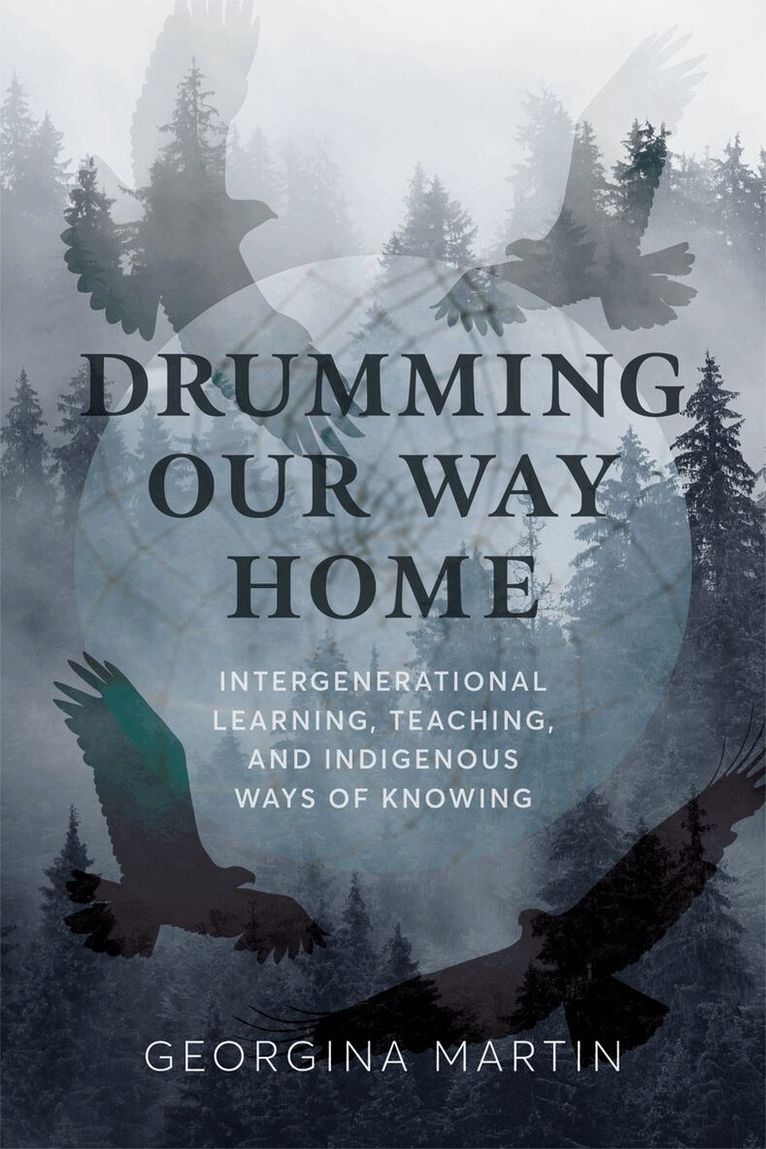
What does it mean to be Secwepemc? And how can an autobiographical journey to recover Secwepemc identity inform learning and teaching? Drumming Our Way Home demonstrates how telling, retelling, and re-storying lived experiences not only passes on traditional ways but also opens up a world of culture-based learning.
Georgina Martin was taken from her mother not long after birth in a tuberculosis hospital. Her experience is representative of the intergenerational trauma inflicted by the Canadian state on Indigenous Peoples. Here she tells her story and invites Elder Jean William and youth Colten Wycotte to reflect critically on their own family and community experiences. Throughout, she is guided by her hand drum, reflecting on its use as a way to uphold community protocols and honour teachings. Her journey provides a powerful example of reconnection to culture through healing, affirmation, and intergenerational learning.
Drumming Our Way Home is evidence of the value of storytelling as a tool for teaching, learning, and making meaning.