Visar resultat för..."zak ting"
Zak & Ting. Del 1, Jobbiga jävlar
99 kr
Skickas
Zak & Ting. Del 2, Jobbiga jävlar
86 kr
Skickas
Zak & Ting. Del 3, Jobbiga jävlar
86 kr
Skickas
Zak & Ting. Del 4, Jobbiga jävlar
86 kr
Skickas
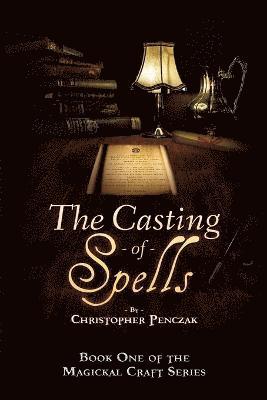
Casting of Spells
Creating a Magickal Life Through the Words of True Will
128 kr
Skickas inom 5-8 vardagar
250 kr
Skickas inom 5-8 vardagar
505 kr
Läs direkt efter köp
418 kr
Skickas inom 10-15 vardagar
1 548 kr
Skickas inom 5-8 vardagar
440 kr
Skickas inom 10-15 vardagar
333 kr
Läs direkt efter köp
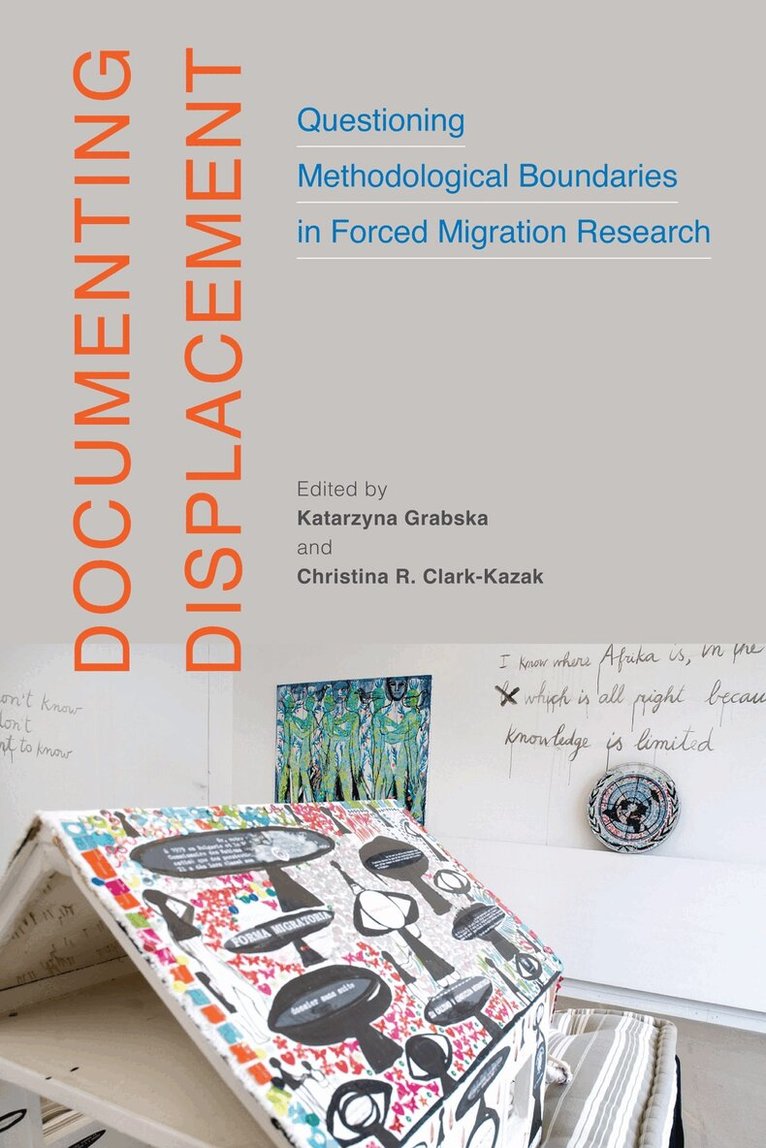
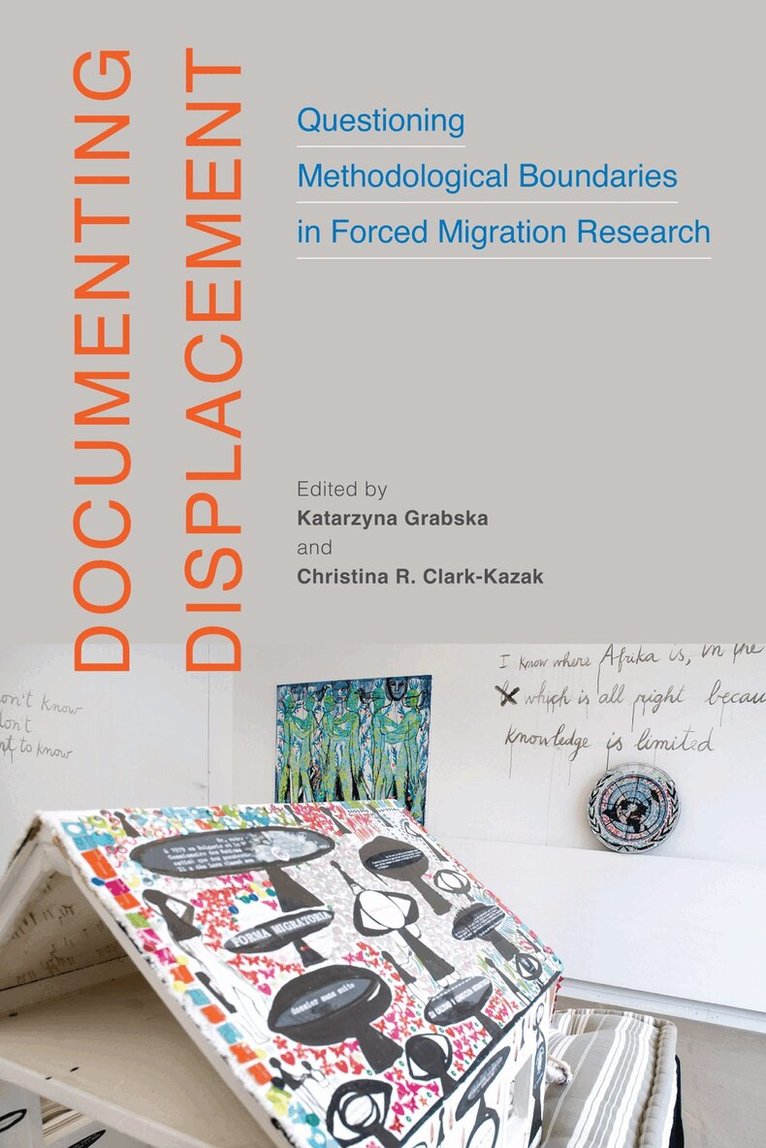
Legal precarity, mobility, and the criminalization of migrants complicate the study of forced migration and exile. Traditional methodologies can obscure both the agency of displaced people and hierarchies of power between researchers and research participants. This project critically assesses the ways in which knowledge is co-created and reproduced through narratives in spaces of displacement, advancing a creative, collective, and interdisciplinary approach.Documenting Displacement explores the ethics and methods of research in diverse forced migration contexts and proposes new ways of thinking about and documenting displacement. Each chapter delves into specific ethical and methodological challenges, with particular attention to unequal power relations in the co-creation of knowledge, questions about representation and ownership, and the adaptation of methodological approaches to contexts of mobility. Contributors reflect honestly on what has worked and what has not, providing useful points of discussion for future research by both established and emerging researchers.Innovative in its use of arts-based methods, Documenting Displacement invites researchers to explore new avenues guided not only by the procedural ethics imposed by academic institutions, but also by a relational ethics that more fully considers the position of the researcher and the interests of those who have been displaced.
333 kr
Läs direkt efter köp
Legal precarity, mobility, and the criminalization of migrants complicate the study of forced migration and exile. Traditional methodologies can obscure both the agency of displaced people and hierarchies of power between researchers and research participants. This project critically assesses the ways in which knowledge is co-created and reproduced through narratives in spaces of displacement, advancing a creative, collective, and interdisciplinary approach.Documenting Displacement explores the ethics and methods of research in diverse forced migration contexts and proposes new ways of thinking about and documenting displacement. Each chapter delves into specific ethical and methodological challenges, with particular attention to unequal power relations in the co-creation of knowledge, questions about representation and ownership, and the adaptation of methodological approaches to contexts of mobility. Contributors reflect honestly on what has worked and what has not, providing useful points of discussion for future research by both established and emerging researchers.Innovative in its use of arts-based methods, Documenting Displacement invites researchers to explore new avenues guided not only by the procedural ethics imposed by academic institutions, but also by a relational ethics that more fully considers the position of the researcher and the interests of those who have been displaced.
2 508 kr
Skickas inom 10-15 vardagar
379 kr
Skickas inom 5-8 vardagar
1 011 kr
Läs direkt efter köp
437 kr
Skickas inom 5-8 vardagar
337 kr
Läs direkt efter köp
372 kr
Skickas inom 5-8 vardagar
2 407 kr
Skickas inom 10-15 vardagar
244 kr
Skickas inom 5-8 vardagar
253 kr
Skickas inom 5-8 vardagar
730 kr
Läs direkt efter köp
757 kr
Läs direkt efter köp
994 kr
Läs direkt efter köp
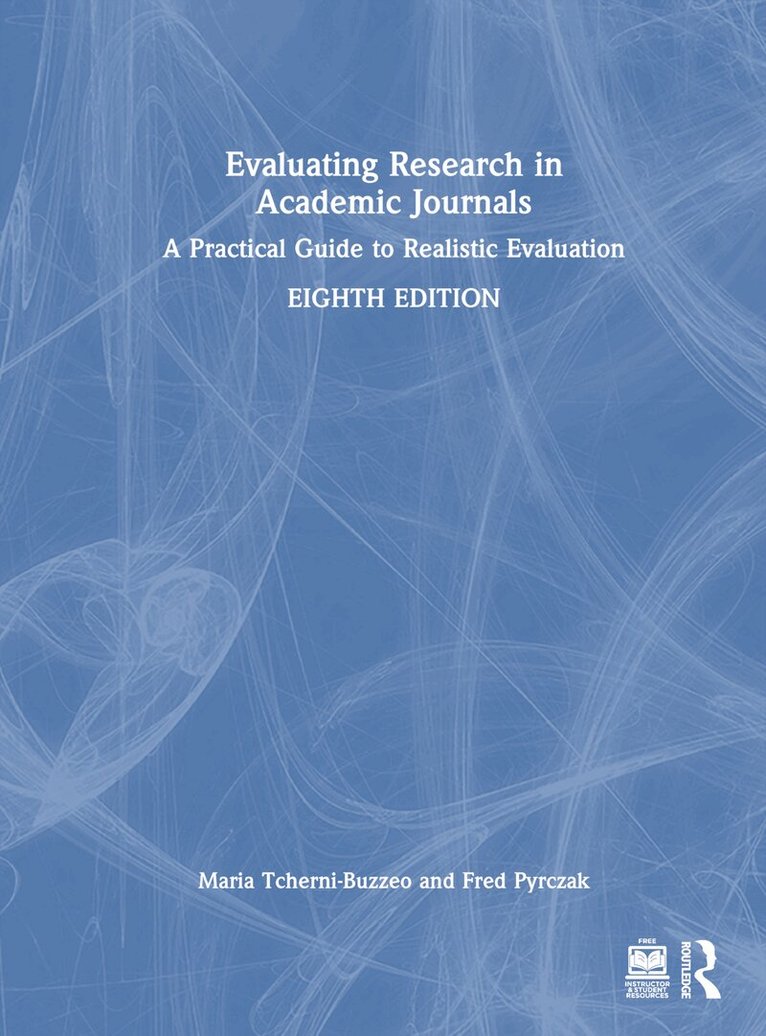
Evaluating Research in Academic Journals is a guide for students learning how to evaluate reports of empirical research published in academic journals. It breaks down the process of evaluating a journal article into easy-to-understand steps and emphasizes the practical aspects of evaluating research.
The book describes the nuances that may make an article publishable, even when it has serious methodological flaws. Students learn when and why certain types of flaws may be tolerated, and why evaluation should not be performed mechanically. Each chapter is organized around evaluation questions, and the book includes numerous examples from journals in the social and behavioral sciences to illustrate the application of evaluation questions and provide actual instances of strong and weak features of published reports.
Common-sense models for evaluation, combined with a lack of jargon make it possible for students to start evaluating research articles in the first week of class, making this the ideal textbook for instructors and students across a range of disciplines.
New to this edition:
A new chapter on Types of Research Coverage of the new realities of online survey methods and research using big data A new appendix on Emerging Issues in Survey Research More emphasis and information on qualitative, case studies, and action research Expanded discussion of research ethics, including additional research-ethics-oriented guidelines, and new appendices devoted to noteworthy cases of research ethics breaches.The accompanying Instructor and Student Resources provide free digital materials designed to test student knowledge and save time when preparing lessons, including over 150 multiple-choice questions, articles, videos, and weblinks for students to test their knowledge of the material and further their understanding of concepts; and downloadable lecture slides and test banks for instructors.
994 kr
Läs direkt efter köp
Evaluating Research in Academic Journals is a guide for students learning how to evaluate reports of empirical research published in academic journals. It breaks down the process of evaluating a journal article into easy-to-understand steps and emphasizes the practical aspects of evaluating research.
The book describes the nuances that may make an article publishable, even when it has serious methodological flaws. Students learn when and why certain types of flaws may be tolerated, and why evaluation should not be performed mechanically. Each chapter is organized around evaluation questions, and the book includes numerous examples from journals in the social and behavioral sciences to illustrate the application of evaluation questions and provide actual instances of strong and weak features of published reports.
Common-sense models for evaluation, combined with a lack of jargon make it possible for students to start evaluating research articles in the first week of class, making this the ideal textbook for instructors and students across a range of disciplines.
New to this edition:
A new chapter on Types of Research Coverage of the new realities of online survey methods and research using big data A new appendix on Emerging Issues in Survey Research More emphasis and information on qualitative, case studies, and action research Expanded discussion of research ethics, including additional research-ethics-oriented guidelines, and new appendices devoted to noteworthy cases of research ethics breaches.The accompanying Instructor and Student Resources provide free digital materials designed to test student knowledge and save time when preparing lessons, including over 150 multiple-choice questions, articles, videos, and weblinks for students to test their knowledge of the material and further their understanding of concepts; and downloadable lecture slides and test banks for instructors.
399 kr
Skickas inom 7-10 vardagar
1 314 kr
Skickas inom 7-10 vardagar
462 kr
Läs direkt efter köp
462 kr
Läs direkt efter köp
2 651 kr
Skickas inom 10-15 vardagar