McGill-Queen's Rural, Wildland, and Resource Studies – serie
Visar alla böcker i serien McGill-Queen's Rural, Wildland, and Resource Studies. Handla med fri frakt och snabb leverans.
16 produkter
16 produkter
Del 13 - McGill-Queen's Rural, Wildland, and Resource Studies
Miramichi Fire
A History
Häftad, Engelska, 2020
438 kr
Skickas inom 10-15 vardagar
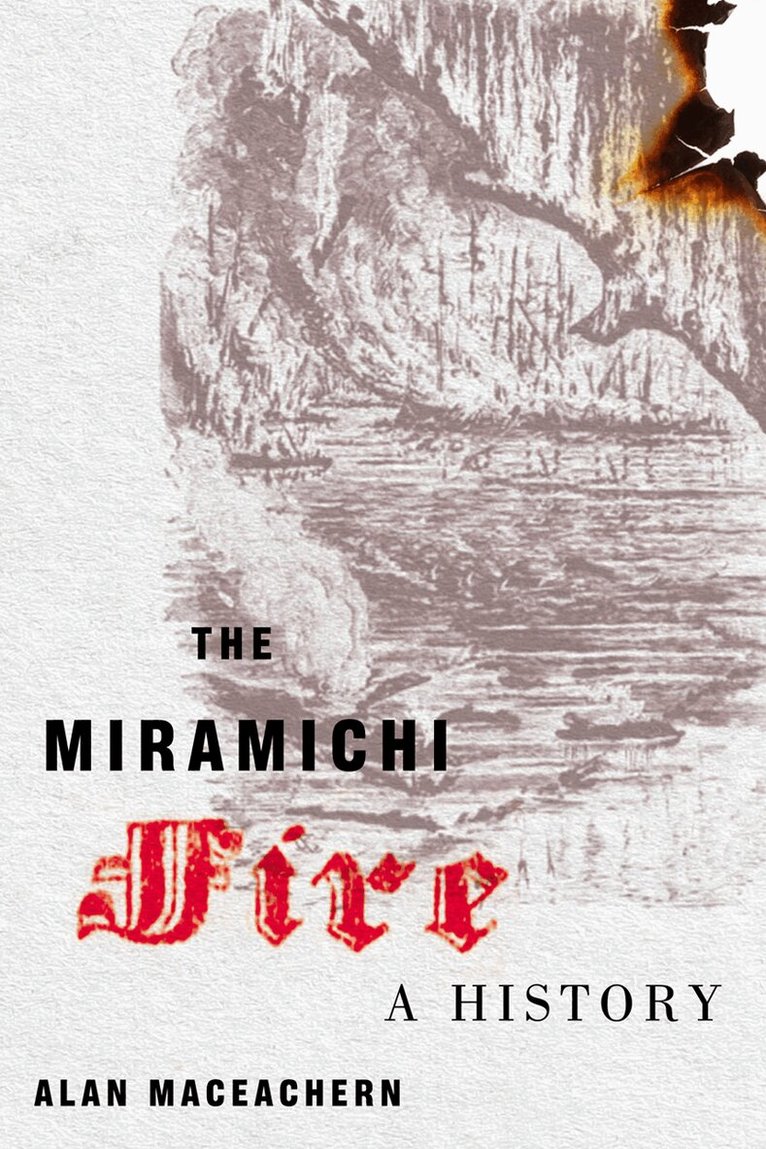
On 7 October 1825, a massive forest fire swept through northeastern New Brunswick, devastating entire communities. When the smoke cleared, it was estimated that the fire had burned across six thousand square miles, one-fifth of the colony. The Miramichi Fire was the largest wildfire ever to occur within the British Empire, one of the largest in North American history, and the largest along the eastern seaboard. Yet despite the international attention and relief efforts it generated, and the ruin it left behind, the fire all but disappeared from public memory by the twentieth century. A masterwork in historical imagination, The Miramichi Fire vividly reconstructs nineteenth-century Canada's greatest natural disaster, meditating on how it was lost to history. First and foremost an environmental history, the book examines the fire in the context of the changing relationships between humans and nature in colonial British North America and New England, while also exploring social memory and the question of how history becomes established, warped, and forgotten. Alan MacEachern explains how the imprecise and conflicting early reports of the fire's range, along with the quick rebound of the forests and economy of New Brunswick, led commentators to believe by the early 1900s that the fire's destruction had been greatly exaggerated. As an exercise in digital history, this book takes advantage of the proliferation of online tools and sources in the twenty-first century to posit an entirely new reading of the past. Resurrecting one of Canada's most famous and yet unexamined natural disasters, The Miramichi Fire traverses a wide range of historical and scientific literatures to bring a more complete story into the light.
Reading the Diaries of Henry Trent
The Everyday Life of a Canadian Englishman, 1842-1898
Häftad, Engelska, 2021
423 kr
Skickas inom 10-15 vardagar
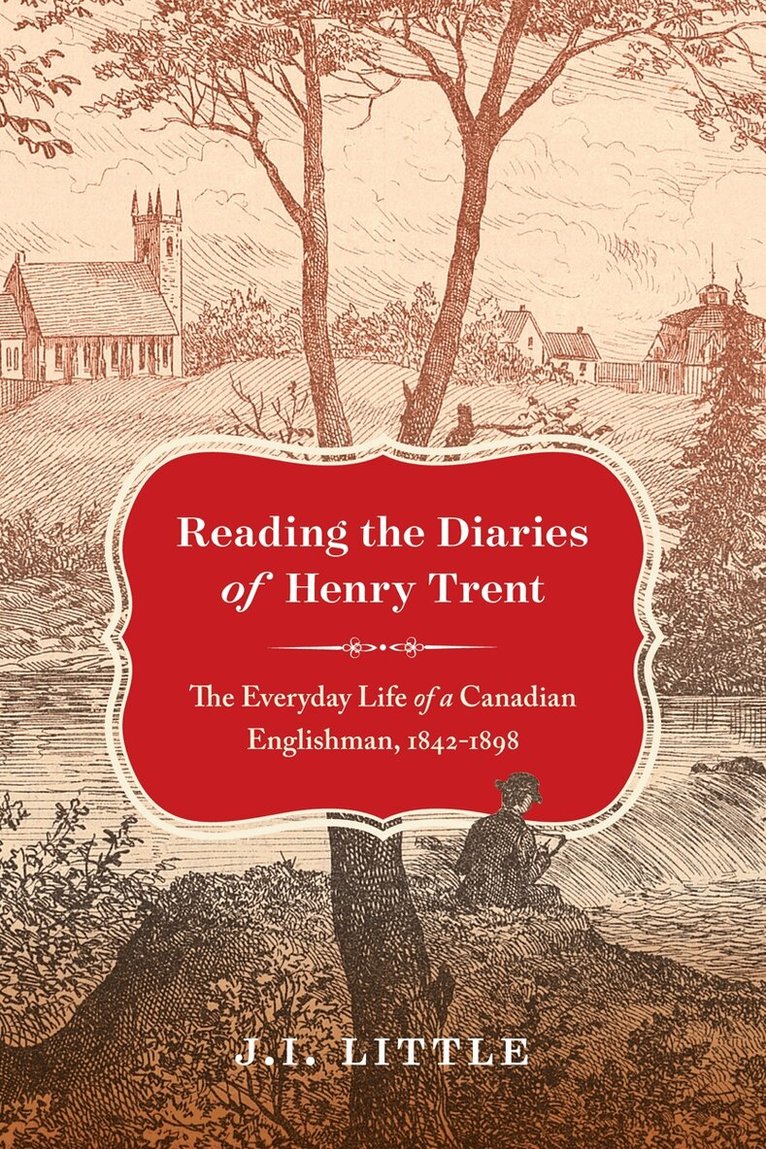
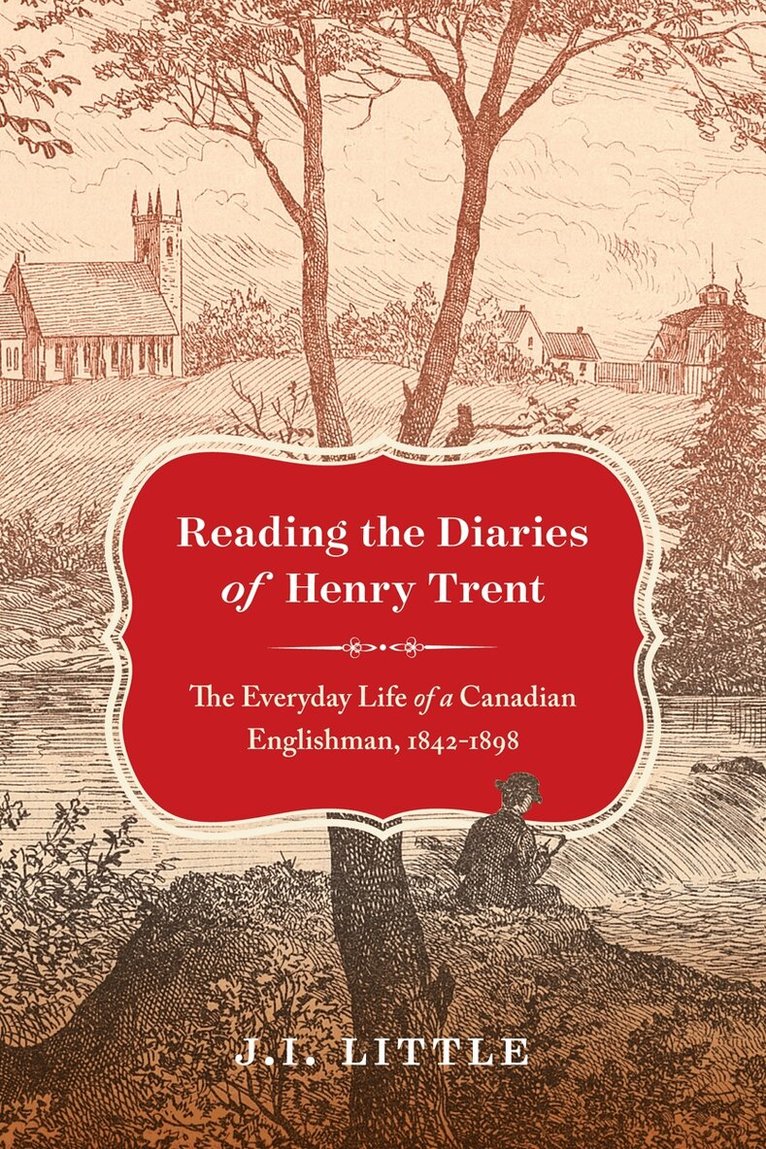
The personal journals examined in Reading the Diaries of Henry Trent are not the witty, erudite, and gracefully written exercises that have drawn the attention of most biographers and literary scholars. Prosaic, ungrammatical, and poorly spelled, the fifteen surviving volumes of Henry Trent's hitherto unexamined diaries are nevertheless a treasure for the social and cultural historian.Henry Trent was born in England in 1826, the son of a British naval officer. When he was still a boy, his father decided to begin a new life as a landed gentleman and moved the family to Lower Canada. At the age of sixteen Trent began writing in a diary, which he maintained, intermittently, for more than fifty years. As a lonely youth he narrates days spent hunting and trapping in the woods owned by his father. On the threshold of manhood and in search of a vocation, he writes about his experiences in London and then on Vancouver Island during the gold rush. And finally, as the father of a large family, he describes the daily struggle to make ends meet on the farm he inherited in Quebec's lower St Francis valley.As it follows Trent through the different stages of his long life, Reading the Diaries of Henry Trent explores the complexities of class and colonialism, gender roles within the rural family, and the transition from youth to manhood to old age. The diaries provide a rare opportunity to read the thoughts and follow the experiences of a man who, like many Victorian-era immigrants of the privileged class, struggled to adapt to the Canadian environment during the rise of the industrial age.
1 451 kr
Skickas inom 11-20 vardagar
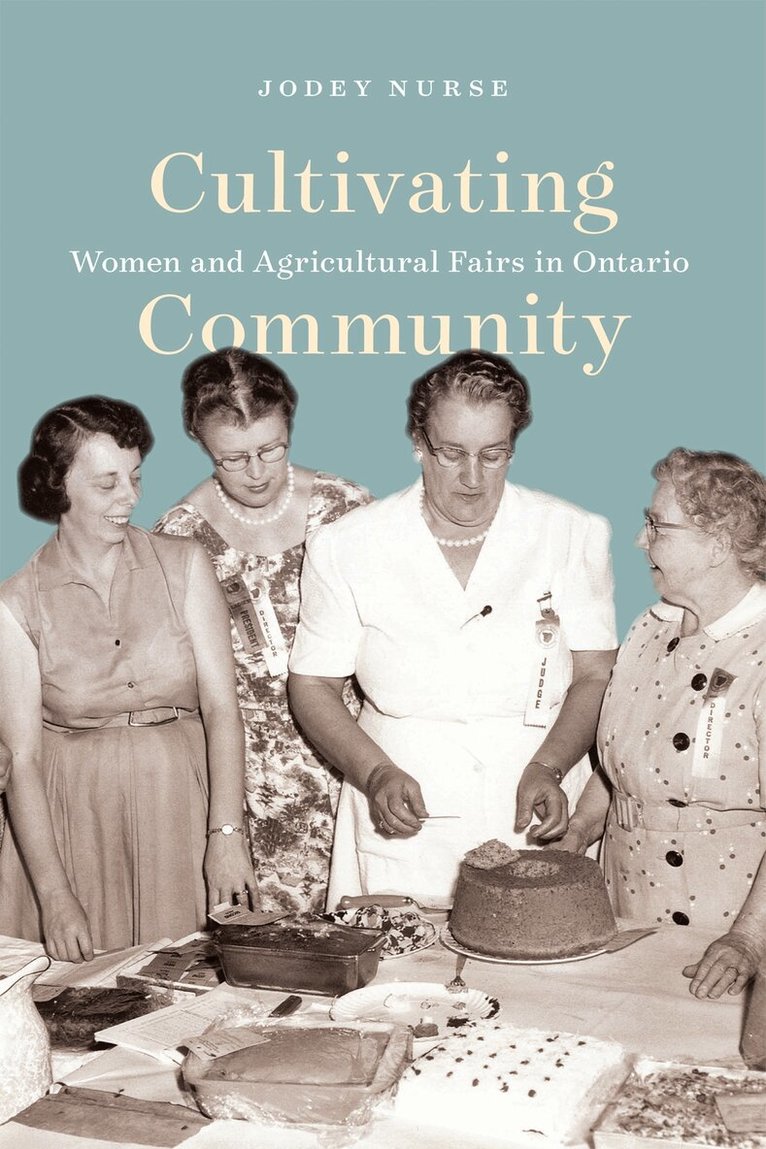
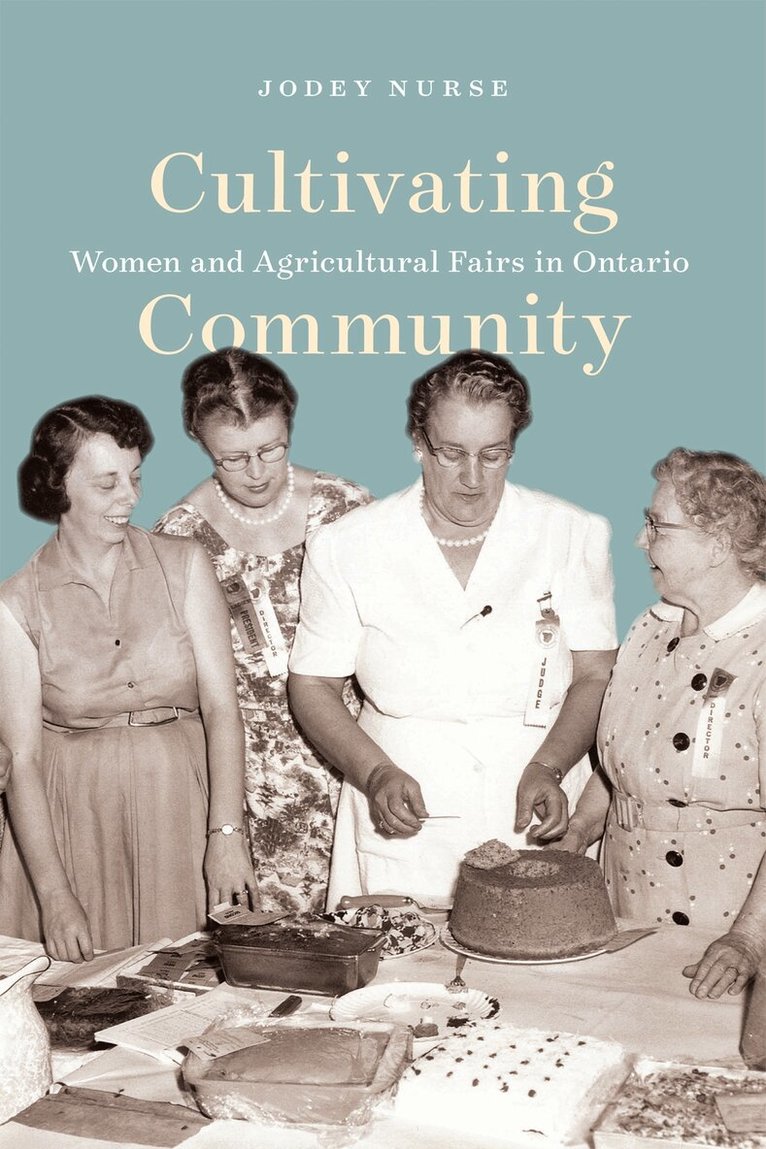
For close to two hundred years, families and individuals across Ontario have travelled down country roads and gathered to enjoy seasonal agricultural fairs. Though some features of township and county fairs have endured for generations, these community events have also undergone significant transformations since 1850, especially in terms of women's participation.Cultivating Community tells the story of how women's involvement became critical to agricultural fairs' growth and prosperity. By examining women's diverse roles as agricultural society members, fair exhibitors, performers, volunteers, and fairgoers, Jodey Nurse shows that women used fairs' manifold nature to present different versions of rural womanhood. Although traditional domestic skills and handicrafts, such as baking, needlework, and flower arrangement, remained the domain of women throughout this period, women steadily enlarged their sphere of influence on the fairgrounds. By the mid-twentieth century they had staked out a place in venues previously closed to them, including the livestock show ring, the athletic field, and the boardroom.Through a wealth of fascinating stories and colourful detail, Cultivating Communities adds a new dimension to the social and cultural history of rural women, placing their activities at the centre of the agricultural fair.
438 kr
Skickas inom 10-15 vardagar
For close to two hundred years, families and individuals across Ontario have travelled down country roads and gathered to enjoy seasonal agricultural fairs. Though some features of township and county fairs have endured for generations, these community events have also undergone significant transformations since 1850, especially in terms of women's participation.Cultivating Community tells the story of how women's involvement became critical to agricultural fairs' growth and prosperity. By examining women's diverse roles as agricultural society members, fair exhibitors, performers, volunteers, and fairgoers, Jodey Nurse shows that women used fairs' manifold nature to present different versions of rural womanhood. Although traditional domestic skills and handicrafts, such as baking, needlework, and flower arrangement, remained the domain of women throughout this period, women steadily enlarged their sphere of influence on the fairgrounds. By the mid-twentieth century they had staked out a place in venues previously closed to them, including the livestock show ring, the athletic field, and the boardroom.Through a wealth of fascinating stories and colourful detail, Cultivating Communities adds a new dimension to the social and cultural history of rural women, placing their activities at the centre of the agricultural fair.
1 542 kr
Skickas inom 5-8 vardagar
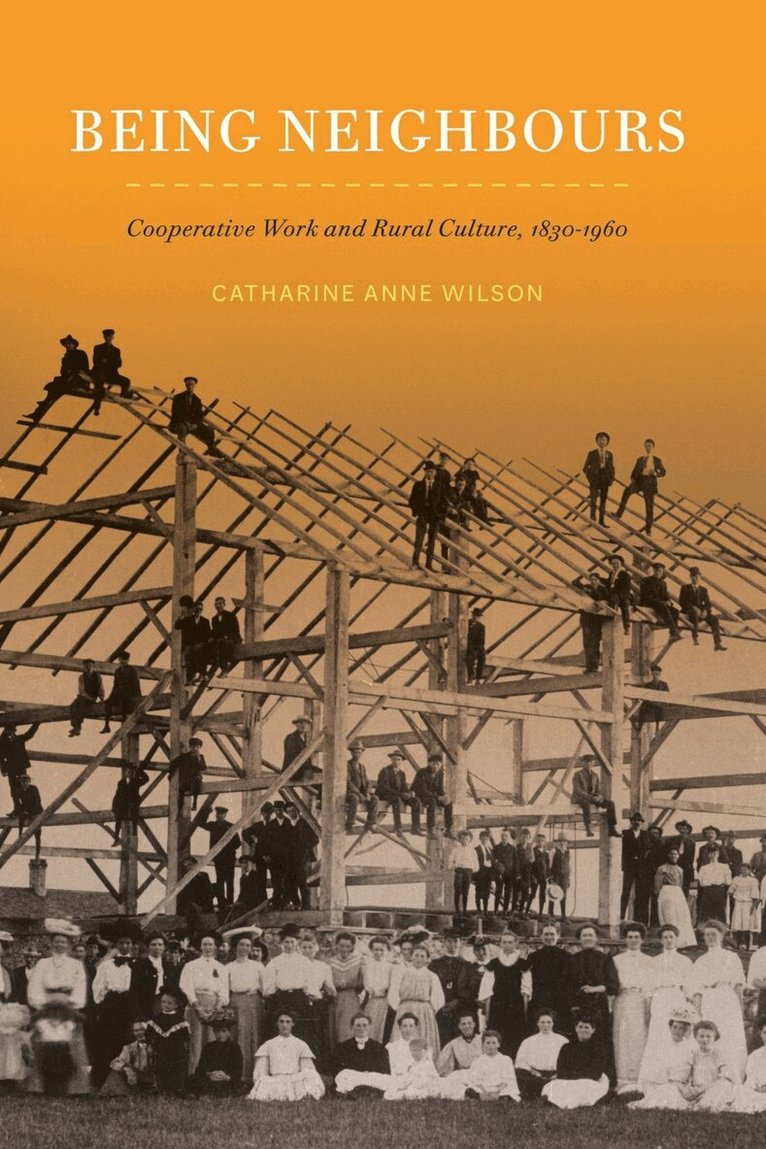
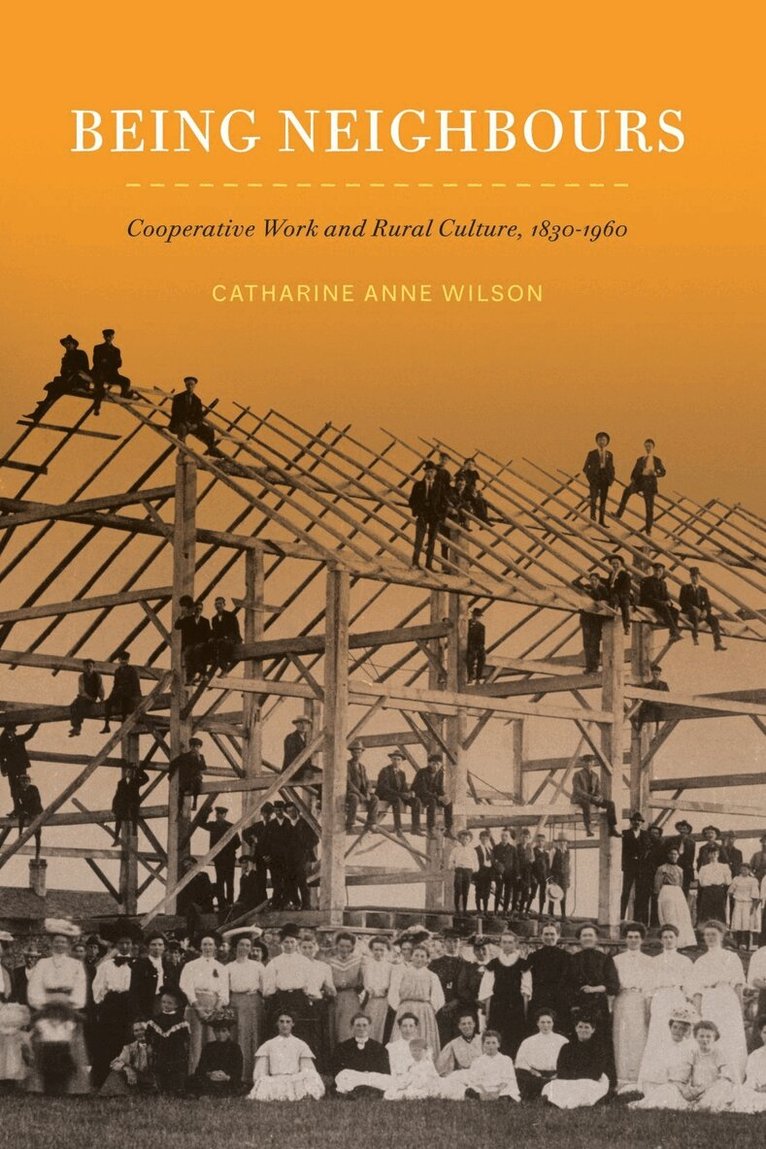
Throughout history, farm families have shared work and equipment with their neighbours to complete labour-intensive, time-sensitive, and time-consuming tasks. They benefitted materially and socially from these voluntary, flexible, loosely structured networks of reciprocal assistance, making neighbourliness a vital but overlooked aspect of agricultural change. Being Neighbours takes us into the heart of neighbourhood – the set of people near and surrounding the family – through an examination of work bees in southern Ontario from 1830 to 1960. The bee was a special event where people gathered to work on a neighbour's farm like bees in a hive for a wide variety of purposes, including barn raising, logging, threshing, quilting, turkey plucking, and apple paring. Drawing on the diaries of over one hundred men and women, Catharine Wilson takes readers into families' daily lives, the intricacies of their labour exchange, and their workways, feasts, and hospitality. Through the prism of the bee and a close reading of the diaries, she uncovers the subtle social politics of mutual dependency, the expectations neighbours had of each other, and their ways of managing conflict and crisis. This book adds to the literature on cooperative work that focuses on evaluating its economic efficiency and complicates histories of capitalism that place communal values at odds with market orientation. Beautifully written, engaging, and richly detailed and illustrated, Being Neighbours reveals the visceral textures of rural life.
494 kr
Skickas inom 10-15 vardagar
Throughout history, farm families have shared work and equipment with their neighbours to complete labour-intensive, time-sensitive, and time-consuming tasks. They benefitted materially and socially from these voluntary, flexible, loosely structured networks of reciprocal assistance, making neighbourliness a vital but overlooked aspect of agricultural change. Being Neighbours takes us into the heart of neighbourhood – the set of people near and surrounding the family – through an examination of work bees in southern Ontario from 1830 to 1960. The bee was a special event where people gathered to work on a neighbour's farm like bees in a hive for a wide variety of purposes, including barn raising, logging, threshing, quilting, turkey plucking, and apple paring. Drawing on the diaries of over one hundred men and women, Catharine Wilson takes readers into families' daily lives, the intricacies of their labour exchange, and their workways, feasts, and hospitality. Through the prism of the bee and a close reading of the diaries, she uncovers the subtle social politics of mutual dependency, the expectations neighbours had of each other, and their ways of managing conflict and crisis. This book adds to the literature on cooperative work that focuses on evaluating its economic efficiency and complicates histories of capitalism that place communal values at odds with market orientation. Beautifully written, engaging, and richly detailed and illustrated, Being Neighbours reveals the visceral textures of rural life.
Del 17 - McGill-Queen's Rural, Wildland, and Resource Studies
Lives of Lake Ontario
An Environmental History
Inbunden, Engelska, 2024
336 kr
Skickas inom 5-8 vardagar
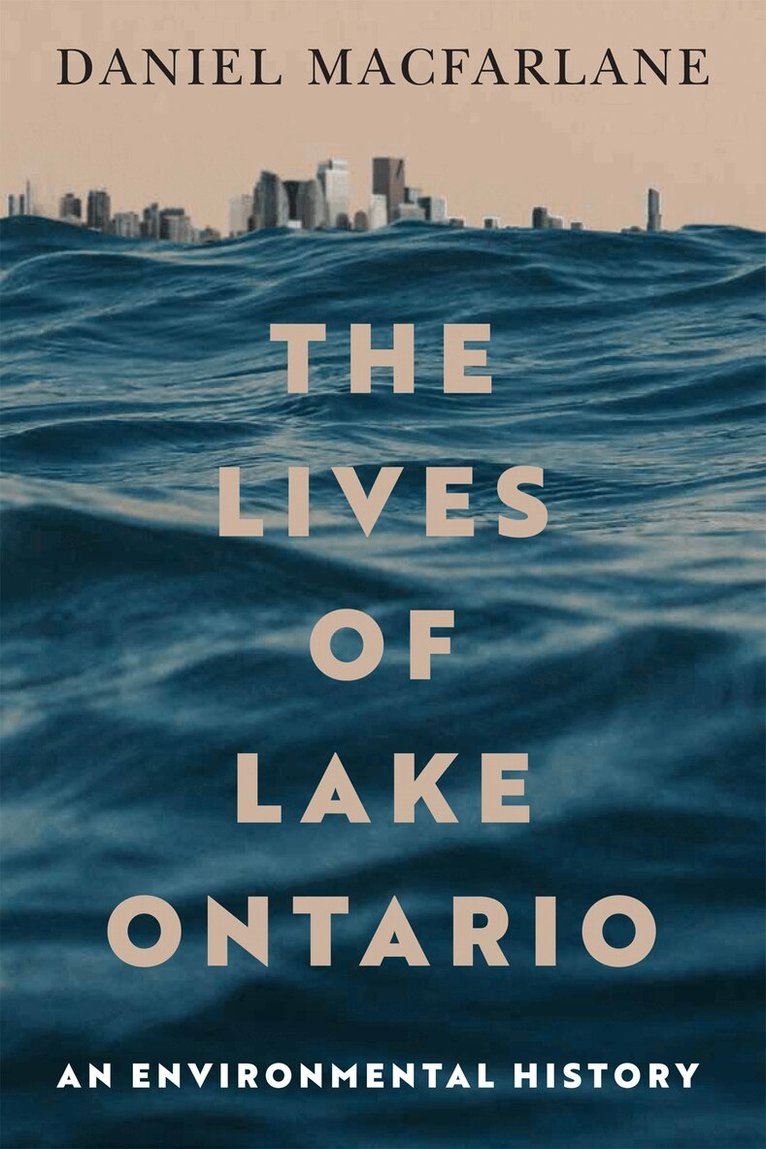
Lake Ontario has profoundly influenced the historical evolution of North America. For centuries it has enabled and enriched the societies that crowded its edges, from fertile agricultural landscapes to energy production systems to sprawling cities.In The Lives of Lake Ontario Daniel Macfarlane details the lake’s relationship with the Indigenous nations, settler cultures, and modern countries that have occupied its shores. He examines the myriad ways Canada and the United States have used and abused this resource: through dams and canals, drinking water and sewage, trash and pollution, fish and foreign species, industry and manufacturing, urbanization and infrastructure, population growth and biodiversity loss. Serving as both bridge and buffer between the two countries, Lake Ontario came to host Canada’s largest megalopolis. Yet its transborder exploitation exacted a tremendous ecological cost, leading people to abandon the lake. Innovative regulations in the later twentieth century, such as the Great Lakes Water Quality Agreements, have partially improved Lake Ontario’s health.Despite signs that communities are reengaging with Lake Ontario, it remains the most degraded of the Great Lakes, with new and old problems alike exacerbated by climate change. The Lives of Lake Ontario demonstrates that this lake is both remarkably resilient and uniquely vulnerable.
Del 18 - McGill-Queen's Rural, Wildland, and Resource Studies
Rough Poets
Reading Oil-Worker Poetry
Inbunden, Engelska, 2024
1 354 kr
Skickas inom 5-8 vardagar
Oil workers are often typecast as rough: embodying the toxic masculinity, racism, consumerist excess, and wilful ignorance of the extractive industries and petrostates they work for. But their poetry troubles these assumptions, revealing the fear, confusion, betrayal, and indignation hidden beneath tough personas.The Rough Poets presents poetry by workers in the Canadian oil and gas industry, collecting and closely reading texts published between 1938 and 2019: S.C. Ells’s Northland Trails, Peter Christensen’s Rig Talk, Dymphny Dronyk’s Contrary Infatuations, Mathew Henderson’s The Lease, Naden Parkin’s A Relationship with Truth, Lesley Battler’s Endangered Hydrocarbons, and Lindsay Bird’s Boom Time. These writers are uniquely positioned, Melanie Dennis Unrau argues, both as petropoets who write poetry about oil and as theorists of petropoetics with unique knowledge about how to make and unmake worlds that depend on fossil fuels. Their ambivalent, playful, crude, and honest petropoetry shows that oil workers grieve the environmental and social impacts of their work, worry about climate change and the futures of their communities, and desire jobs and ways of life that are good, safe, and just.How does it feel to be a worker in the oil and gas industry in a climate emergency, facing an energy transition that threatens your way of life? Unrau takes up this question with the respect, care, and imagination necessary to be an environmentalist reader in solidarity with oil workers.
Del 18 - McGill-Queen's Rural, Wildland, and Resource Studies
Rough Poets
Reading Oil-Worker Poetry
Häftad, Engelska, 2024
421 kr
Skickas inom 5-8 vardagar
Oil workers are often typecast as rough: embodying the toxic masculinity, racism, consumerist excess, and wilful ignorance of the extractive industries and petrostates they work for. But their poetry troubles these assumptions, revealing the fear, confusion, betrayal, and indignation hidden beneath tough personas.The Rough Poets presents poetry by workers in the Canadian oil and gas industry, collecting and closely reading texts published between 1938 and 2019: S.C. Ells’s Northland Trails, Peter Christensen’s Rig Talk, Dymphny Dronyk’s Contrary Infatuations, Mathew Henderson’s The Lease, Naden Parkin’s A Relationship with Truth, Lesley Battler’s Endangered Hydrocarbons, and Lindsay Bird’s Boom Time. These writers are uniquely positioned, Melanie Dennis Unrau argues, both as petropoets who write poetry about oil and as theorists of petropoetics with unique knowledge about how to make and unmake worlds that depend on fossil fuels. Their ambivalent, playful, crude, and honest petropoetry shows that oil workers grieve the environmental and social impacts of their work, worry about climate change and the futures of their communities, and desire jobs and ways of life that are good, safe, and just.How does it feel to be a worker in the oil and gas industry in a climate emergency, facing an energy transition that threatens your way of life? Unrau takes up this question with the respect, care, and imagination necessary to be an environmentalist reader in solidarity with oil workers.
1 270 kr
Skickas
After the American Revolution, many Loyalists moved north, where the British colonial government awarded them generous land grants on favourable terms. The intention behind these grants was to create a landed gentry in Upper Canada that would safeguard the colony's political security and build social cohesion among its leadership.Loyalist Land Ownership in Upper Canada's Norfolk County, 1792–1851 examines the long-term landholding of Loyalists and other settlers who arrived in the county before 1812 to judge whether this social experiment succeeded. Colin Read explores the various ways that settlers acquired and transmitted land, the nature of familial land sales, and the place of women in owning land. Consulting land records and genealogical research, he finds that no landed elite endured in Upper Canada: Loyalists owned only marginally more land than non-Loyalists by 1851, and it was commonplace for latecoming settlers to eventually own land. Yet early arrival was a significant determinant of later landholding and property size – it mattered who settled first.Land was the main source of wealth in early Canada. This fine-grained study sheds light on how it was acquired, disposed of, and passed down through generations in the nineteenth century. Although a landed aristocracy was never realized, the colonial state's allocation of land to settlers laid the foundation for their social standing.
377 kr
Skickas inom 5-8 vardagar
Fifty years of gold mining at Yellowknife in the Northwest Territories spurred northern settlement and produced millions of dollars in profits. But mineral processing also had catastrophic environmental effects and left a troubled legacy.When two mining companies in Yellowknife began processing gold ore in the 1940s, they did so with little or no pollution controls. Giant Mine spewed thousands of kilograms of arsenic trioxide from its roaster stack into the environment, causing illness and death among people and animals, especially in the adjacent Yellowknives Dene community. Even after the companies installed controls, arsenic trioxide continued to enter the atmosphere and waterways. Eventually Giant Mine, the biggest polluter, would deposit the arsenic dust beneath the mine, leaving 237,000 tonnes of highly toxic material buried underground. For decades, the mining companies and the federal government hid the worst effects of the pollution, doubted their own studies, and resisted calls for action. Yet the Yellowknives Dene fought back with the support of labour unions and environmental groups, questioning the safety of the air and water in their community and the massive toxic deposit underground.The Price of Gold traces the troubling history of one of Canada's most contaminated sites but also the inspiring story of Indigenous, labour, and environmental activists who resisted the ongoing poisoning of their communities.
252 kr
Skickas
Lake Ontario has profoundly influenced the historical evolution of North America. For centuries it has enabled and enriched the societies that crowded its edges, from fertile agricultural landscapes to energy production systems to sprawling cities.In The Lives of Lake Ontario Daniel Macfarlane details the lake’s relationship with the Indigenous nations, settler cultures, and modern countries that have occupied its shores. He examines the myriad ways Canada and the United States have used and abused this resource: through dams and canals, drinking water and sewage, trash and pollution, fish and foreign species, industry and manufacturing, urbanization and infrastructure, population growth and biodiversity loss. Serving as both bridge and buffer between the two countries, Lake Ontario came to host Canada’s largest megalopolis. Yet its transborder exploitation exacted a tremendous ecological cost, leading people to abandon the lake. Innovative regulations in the later twentieth century, such as the Great Lakes Water Quality Agreements, have partially improved Lake Ontario’s health.Despite signs that communities are re-engaging with Lake Ontario, it remains the most degraded of the Great Lakes, with new and old problems alike exacerbated by climate change. The Lives of Lake Ontario demonstrates that this lake is both remarkably resilient and uniquely vulnerable.
407 kr
Kommande
Although the great majority of Canadians lived in rural communities until the early 1900s, rural life has often been dismissed as marginal to the country’s economic development. Not a Simpler Time challenges this view, arguing that the strategies, skills, and work of rural families were the backbone of the economy. In making this case, Douglas McCalla illustrates how established narratives can constrain new approaches to the past.The book highlights the complexities of rural economies in early Canada, showing that the growth of the colonies that joined Confederation in 1867 relied far more on agriculture than on natural resources – a reality overlooked by proponents of the enduring staples thesis. Building on this argument, McCalla revises old stories: neither the timing nor the character of Ontario’s economic growth stemmed from natural resources; the emergence of a new economic core in the colonies contradicts the perception that they were essentially an imperial periphery; and the First World War did not, in fact, transform the economy as often imagined.That a focus on natural resources still dominates accounts of economic growth in Canada underscores the book’s broader theme: recognizing the limits of older evidence and embracing new approaches will deepen historical understanding. Bringing together two decades of McCalla’s scholarship, Not a Simpler Time will spark debate while offering an indispensable resource for Canadian historians.
515 kr
Skickas inom 5-8 vardagar
Hardly a day goes by without news of the extinction or endangerment of yet another animal species, followed by urgent but largely unheeded calls for action. An eloquent denunciation of the failures of Canada's government and society to protect wildlife from human exploitation, Max Foran's The Subjugation of Canadian Wildlife argues that a root cause of wildlife depletions and habitat loss is the culturally ingrained beliefs that underpin management practices and policies. Tracing the evolution of the highly contestable assumptions that define the human–wildlife relationship, Foran stresses the price wild animals pay for human self-interest. Using several examples of government oversight at the federal, provincial, and territorial levels, from the Species at Risk Act to the Biodiversity Strategy, Protected Areas Network, and provincial management plans, this volume shows that wildlife policies are as much – or more – about human needs, priorities, and profit as they are about preservation. Challenging established concepts including ecological integrity, adaptive management, sport hunting as conservation, and the flawed belief that wildlife is a renewable resource, the author compels us to recognize animals as sentient individuals and as integral components of complex ecological systems. A passionate critique of contemporary wildlife policy, The Subjugation of Canadian Wildlife calls for belief-change as the best hope for an ecologically healthy, wildlife-rich Canada.
439 kr
Skickas inom 10-15 vardagar
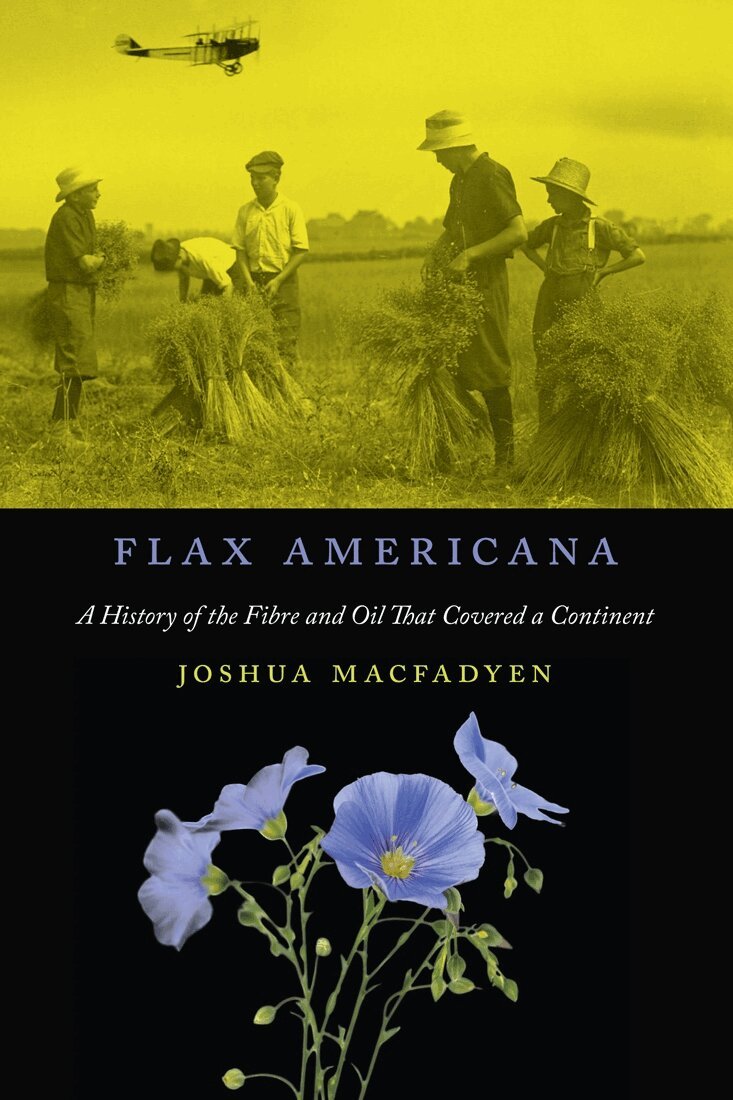
Farmers feed cities, but starting in the nineteenth century they painted them too. Flax from Canada and the northern United States produced fibre for textiles and linseed oil for paint – critical commodities in a century when wars were fought over fibre and when increased urbanization demanded expanded paint markets. Flax Americana re-examines the changing relationships between farmers, urban consumers, and the land through a narrative of Canada's first and most important industrial crop. Initially a specialty crop grown by Mennonites and other communities on contracts for small-town mill complexes, flax became big business in the late nineteenth century as multinational linseed oil companies quickly displaced rural mills. Flax cultivation spread across the northern plains and prairies, particularly along the edges of dryland settlement, and then into similar ecosystems in South America's Pampas. Joshua MacFadyen's detailed examination of archival records reveals the complexity of a global commodity and its impact on the eastern Great Lakes and northern Great Plains. He demonstrates how international networks of scientists, businesses, and regulators attempted to predict and control the crop's frontier geography, how evolving consumer concerns about product quality and safety shaped the market and its regulations, and how the nature of each region encouraged some forms of business and limited others. The northern flax industry emerged because of border-crossing communities. By following the plant across countries and over time Flax Americana sheds new light on the ways that commodities, frontiers, and industrial capitalism shaped the modern world.
At the Wilderness Edge
The Rise of the Antidevelopment Movement on Canada's West Coast
Häftad, Engelska, 2019
383 kr
Skickas inom 10-15 vardagar
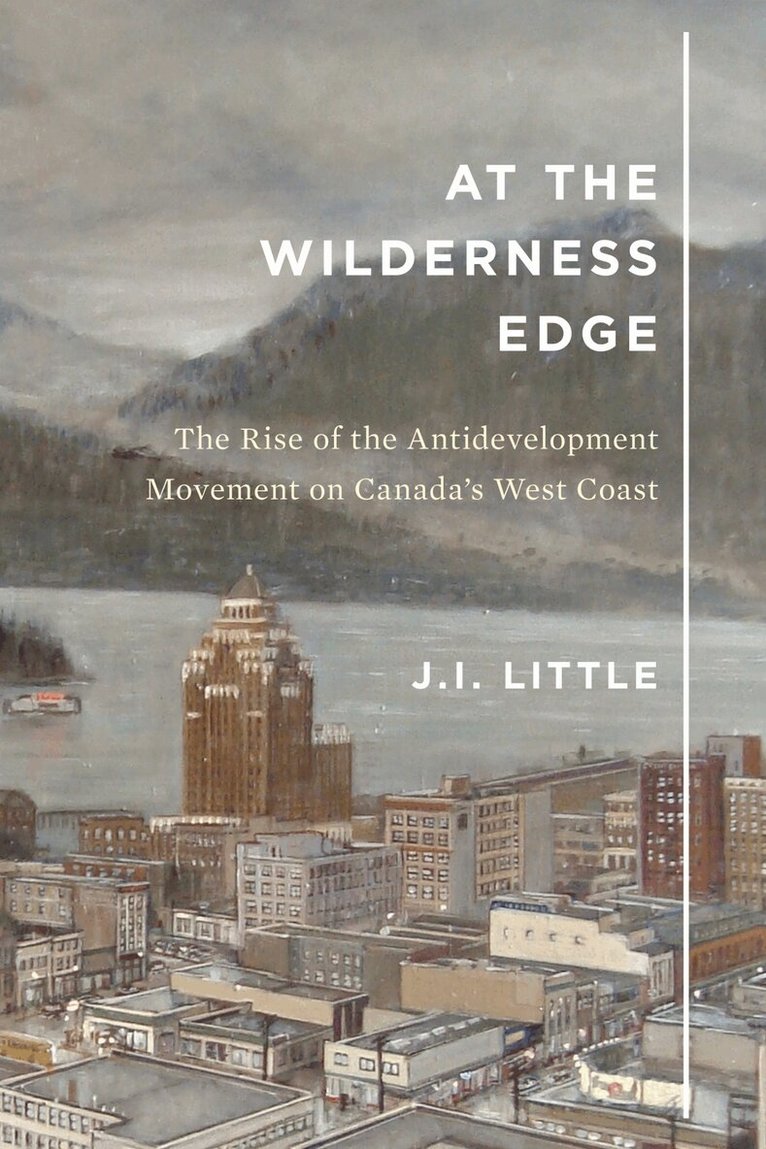
Vancouver prides itself on being a green city, and the west coast is known for its active environmental protest culture. But the roots of this mentality reach far beyond the founding of organizations such as Greenpeace. Small campaigns led by local community groups from the 1960s onward left a lasting impact on the region. At the Wilderness Edge examines five antidevelopment campaigns in and around Vancouver that reflected a dramatic decline in public support for large-scale commercial and industrial projects. J.I. Little describes the highly effective protests that were instrumental in preserving threatened green spaces on Coal Harbour, Hollyburn Ridge, Bowen Island, Gambier Island, and the Squamish estuary, keeping these important British Columbia landmarks from becoming a high-rise development project, a downhill ski resort, a suburban housing tract, an open-pit copper mine, and a major coal port, respectively. Through detailed analysis of development proposals and protests, government studies, and community responses, Little argues that it was not the usual suspects – 1960s radicalism and anti-establishment youth culture – that initiated and carried out these protests, but rather middle-aged, middle-class, politically engaged citizens, many of whom were women. An engaging study of grassroots politics in action, At the Wilderness Edge sheds new light on the rise of environmental consciousness, a pivotal era in the history of British Columbia, the Pacific Northwest, and Canada.