522 kr
Columbia Studies in Terrorism and Irregular Warfare – serie
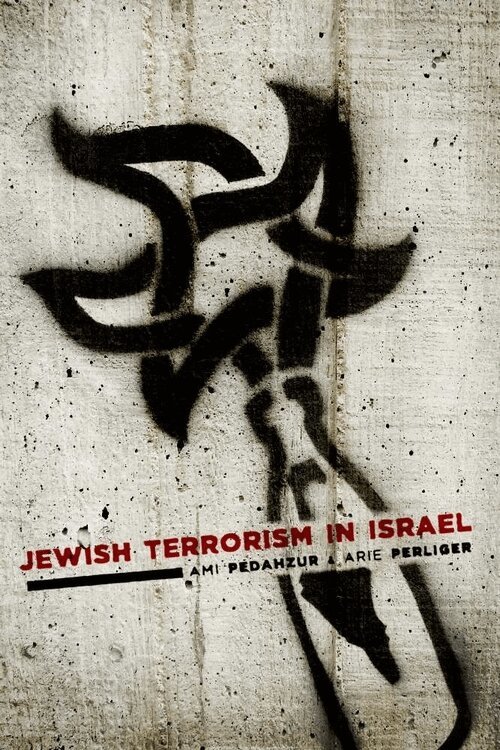
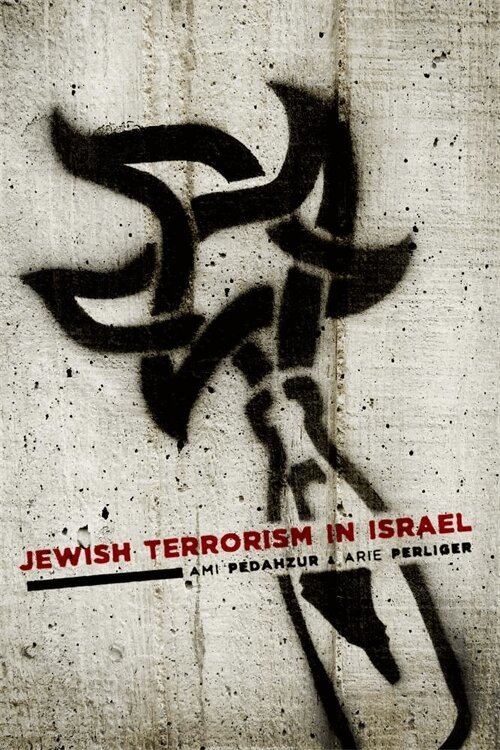
- Häftad, Engelska, 2011Ami Pedahzur and Arie Perliger, world experts on the study of terror and security, propose a theory of violence that contextualizes not only recent acts of terror but also instances of terrorism that stretch back centuries. Beginning with ancient Palestine and its encounters with Jewish terrorism, the authors analyze the social, political, and cultural factors that sponsor extreme violence, proving religious terrorism is not the fault of one faith, but flourishes within any counterculture that adheres to a totalistic ideology. When a totalistic community perceives an external threat, the connectivity of the group and the rhetoric of its leaders bolster the collective mindset of members, who respond with violence. In ancient times, the Jewish sicarii of Judea carried out stealth assassinations against their Roman occupiers. In the mid-twentieth century, to facilitate their independence, Jewish groups committed acts of terror against British soldiers and the Arab population in Palestine. More recently, Yigal Amir, a member of a Jewish terrorist cell, assassinated Yitzhak Rabin to express his opposition to the Oslo Peace Accords.Conducting interviews with former Jewish terrorists, political and spiritual leaders, and law-enforcement officials, and culling information from rare documents and surveys of terrorist networks, Pedahzur and Perliger construct an extensive portrait of terrorist aggression, while also describing the conditions behind the modern rise of zealotry.
- Häftad, Engelska, 2017
252 kr
Skickas inom 5-8 vardagar
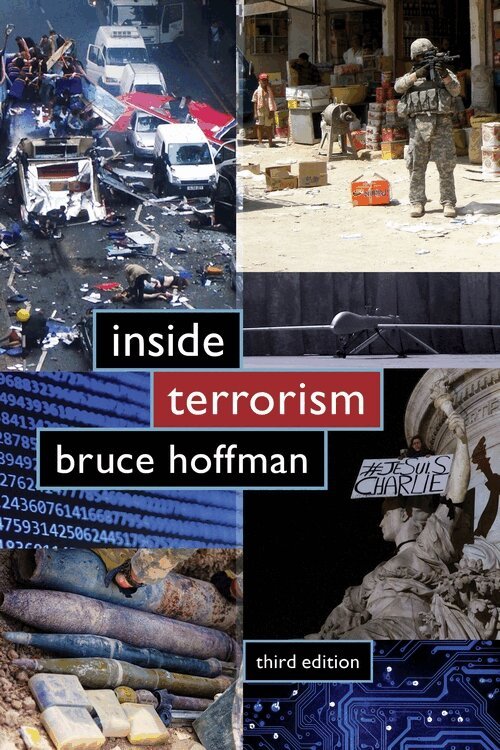
Bruce Hoffman's Inside Terrorism has remained the seminal work for understanding the historical evolution of terrorism and the terrorist mind-set. In this revised third edition of his classic text, Hoffman analyzes the latest developments in global terrorism, offering insight into new adversaries, motivations, strategies, and tactics. He focuses on the rise of ISIS and the resilience of al-Qaeda; terrorist exploitation of the Internet and embrace of social media; radicalization of foreign fighters; and potential future trends, including the repercussions of a post-caliphate ISIS. Hoffman examines the demographics of contemporary terrorist leaders and recruits; the continued use of suicide bombers; and the likelihood of a chemical, biological, radiological, or nuclear terrorist strike. He also considers the resurgence of violent antigovernment militants, including white supremacists and opponents of abortion.He argues that the war on terrorism did not end with Osama bin Laden's death and that ongoing instability and strife in Syria, Iraq, Afghanistan, Libya, and Yemen, among other places, will both sustain terrorist movements and have broad implications for domestic and international security around the globe. - Inbunden, Engelska, 2009
1 847 kr
Skickas inom 3-6 vardagar
While Mossad is known as one of the world's most successful terrorist-fighting organizations, the state of Israel has, more than once and on many levels, risked the lives of its agents and soldiers through unwise intelligence-based intervention. The elimination of Palestinian leaders and militants has not decreased the incidence of Palestinian terrorism, for example. In fact, these incidents have become more lethal than ever, and ample evidence suggests that the actions of Israeli intelligence have fueled terrorist activities across the globe. An expert on terror and political extremism, Ami Pedahzur argues that Israel's strict reliance on the elite units of the intelligence community is fundamentally flawed. A unique synthesis of memoir, academic research, and information gathered from print and online sources, Pedahzur's complex study explores this issue through Israel's past encounters with terrorists, specifically hostage rescue missions, the first and second wars in Lebanon, the challenges of the West Bank and Gaza, Palestinian terrorist groups, and Hezbollah.He brings a rare transparency to Israel's counterterrorist activities, highlighting their successes and failures and the factors that have contributed to these results. From the foundations of this analysis, Pedahzur ultimately builds a strategy for future confrontation that will be relevant not only to Israel but also to other countries that have adopted Israel's intelligence-based model. - Häftad, Engelska, 2010
252 kr
Skickas inom 5-8 vardagar
While Mossad is known as one of the world's most successful terrorist-fighting organizations, the state of Israel has, more than once and on many levels, risked the lives of its agents and soldiers through unwise intelligence-based intervention. The elimination of Palestinian leaders and militants has not decreased the incidence of Palestinian terrorism, for example. In fact, these incidents have become more lethal than ever, and ample evidence suggests that the actions of Israeli intelligence have fueled terrorist activities across the globe. An expert on terror and political extremism, Ami Pedahzur argues that Israel's strict reliance on the elite units of the intelligence community is fundamentally flawed. A unique synthesis of memoir, academic research, and information gathered from print and online sources, Pedahzur's complex study explores this issue through Israel's past encounters with terrorists, specifically hostage rescue missions, the first and second wars in Lebanon, the challenges of the West Bank and Gaza, Palestinian terrorist groups, and Hezbollah.He brings a rare transparency to Israel's counterterrorist activities, highlighting their successes and failures and the factors that have contributed to these results. From the foundations of this analysis, Pedahzur ultimately builds a strategy for future confrontation that will be relevant not only to Israel but also to other countries that have adopted Israel's intelligence-based model. - Inbunden, Engelska, 2010
514 kr
Skickas inom 5-8 vardagar
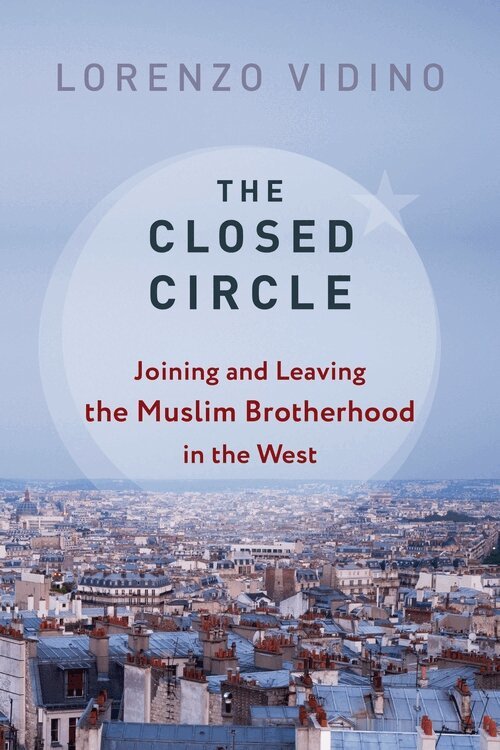
In Europe and North America, networks tracing their origins back to the Muslim Brotherhood and other Islamist movements have rapidly evolved into multifunctional and richly funded organizations competing to become the major representatives of Western Muslim communities and government interlocutors. Some analysts and policy makers see these organizations as positive forces encouraging integration. Others cast them as modern-day Trojan horses, feigning moderation while radicalizing Western Muslims. Lorenzo Vidino brokers a third, more informed view. Drawing on more than a decade of research on political Islam in the West, he keenly analyzes a controversial movement that still remains relatively unknown. Conducting in-depth interviews on four continents and sourcing documents in ten languages, Vidino shares the history, methods, attitudes, and goals of the Western Brothers, as well as their phenomenal growth. He then flips the perspective, examining the response to these groups by Western governments, specifically those of Great Britain, Germany, and the United States.Highly informed and thoughtfully presented, Vidino's research sheds light on a critical juncture in Muslim-Western relations. - Inbunden, Engelska, 2011
1 172 kr
Skickas inom 5-8 vardagar
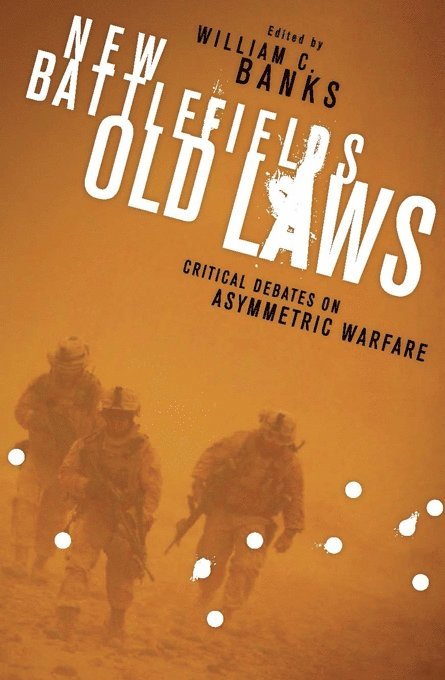
An internationally-recognized authority on constitutional law, national security law, and counterterrorism, William C. Banks believes changing patterns of global conflict are forcing a reexamination of the traditional laws of war. The Hague Rules, the customary laws of war, and the post-1949 law of armed conflict no longer account for nonstate groups waging prolonged campaigns of terrorism-or even more conventional insurgent attacks. Recognizing that many of today's conflicts are low-intensity, asymmetrical wars fought between disparate military forces, Banks's collection analyzes nonstate armed groups and irregular forces (such as terrorist and insurgent groups, paramilitaries, child soldiers, civilians participating in hostilities, and private military firms) and their challenge to international humanitarian law. Both he and his contributors believe gaps in the laws of war leave modern battlefields largely unregulated, and they fear state parties suffer without guidelines for responding to terrorists and their asymmetrical tactics, such as the targeting of civilians. These gaps also embolden weaker, nonstate combatants to exploit forbidden strategies and violate the laws of war.Attuned to the contested nature of post-9/11 security and policy, this collection juxtaposes diverse perspectives on existing laws and their application in contemporary conflict. It sets forth a legal definition of new wars, describes the status of new actors, charts the evolution of the twenty-first-century battlefield, and balances humanitarian priorities with military necessity. While the contributors contest each other, they ultimately reestablish the legitimacy of a long-standing legal corpus, and they rehumanize an environment in which the most vulnerable targets, civilian populations, are themselves becoming weapons against conventional power. - Häftad, Engelska, 2011
302 kr
Skickas inom 5-8 vardagar
An internationally-recognized authority on constitutional law, national security law, and counterterrorism, William C. Banks believes changing patterns of global conflict are forcing a reexamination of the traditional laws of war. The Hague Rules, the customary laws of war, and the post-1949 law of armed conflict no longer account for nonstate groups waging prolonged campaigns of terrorism-or even more conventional insurgent attacks. Recognizing that many of today's conflicts are low-intensity, asymmetrical wars fought between disparate military forces, Banks's collection analyzes nonstate armed groups and irregular forces (such as terrorist and insurgent groups, paramilitaries, child soldiers, civilians participating in hostilities, and private military firms) and their challenge to international humanitarian law. Both he and his contributors believe gaps in the laws of war leave modern battlefields largely unregulated, and they fear state parties suffer without guidelines for responding to terrorists and their asymmetrical tactics, such as the targeting of civilians. These gaps also embolden weaker, nonstate combatants to exploit forbidden strategies and violate the laws of war.Attuned to the contested nature of post-9/11 security and policy, this collection juxtaposes diverse perspectives on existing laws and their application in contemporary conflict. It sets forth a legal definition of new wars, describes the status of new actors, charts the evolution of the twenty-first-century battlefield, and balances humanitarian priorities with military necessity. While the contributors contest each other, they ultimately reestablish the legitimacy of a long-standing legal corpus, and they rehumanize an environment in which the most vulnerable targets, civilian populations, are themselves becoming weapons against conventional power. - Inbunden, Engelska, 2012
1 021 kr
Skickas inom 5-8 vardagar
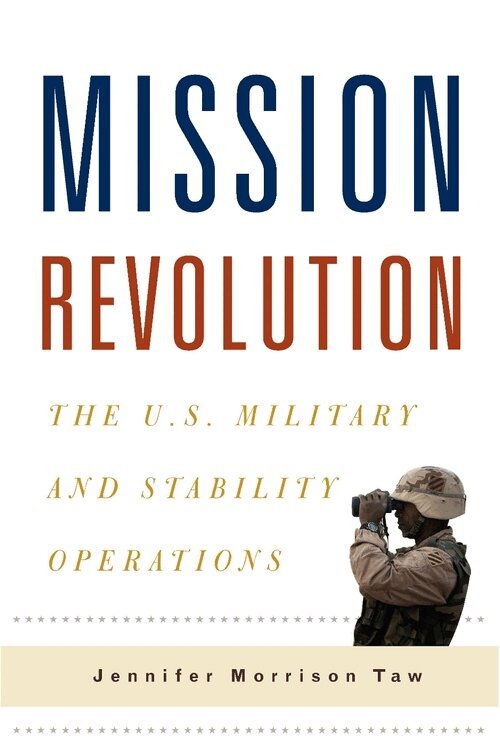
Defined as operations other than war, stability operations can include peacekeeping activities, population control, and counternarcotics efforts, and for the entire history of the United States military, they have been considered a dangerous distraction if not an outright drain on combat resources. Yet in 2005, the U.S. Department of Defense reversed its stance on these practices, a dramatic shift in the mission of the armed forces and their role in foreign and domestic affairs. With the elevation of stability operations, the job of the American armed forces is no longer just to win battles but to create a controlled, nonviolent space for political negotiations and accord. Yet rather than produce revolutionary outcomes, stability operations have resulted in a large-scale mission creep with harmful practical and strategic consequences. Jennifer Morrison Taw examines the military's sudden embrace of stability operations and its implications for American foreign policy and war. Through a detailed examination of deployments in Iraq and Afghanistan, changes in U.S. military doctrine, adaptations in force preparation, and the political dynamics behind this new stance, Taw connects the preference for stability operations to the far-reaching, overly ambitious American preoccupation with managing international stability.She also shows how domestic politics have reduced civilian agencies' capabilities while fostering an unhealthy overreliance on the military. Introducing new concepts such as securitized instability and institutional privileging, Taw builds a framework for understanding and analyzing the expansion of the American armed forces' responsibilities in an ever-changing security landscape. - Inbunden, Engelska, 2009
1 021 kr
Skickas inom 5-8 vardagar
Ami Pedahzur and Arie Perliger, world experts on the study of terror and security, propose a theory of violence that contextualizes not only recent acts of terror but also instances of terrorism that stretch back centuries. Beginning with ancient Palestine and its encounters with Jewish terrorism, the authors analyze the social, political, and cultural factors that sponsor extreme violence, proving religious terrorism is not the fault of one faith, but flourishes within any counterculture that adheres to a totalistic ideology. When a totalistic community perceives an external threat, the connectivity of the group and the rhetoric of its leaders bolster the collective mindset of members, who respond with violence. In ancient times, the Jewish sicarii of Judea carried out stealth assassinations against their Roman occupiers. In the mid-twentieth century, to facilitate their independence, Jewish groups committed acts of terror against British soldiers and the Arab population in Palestine. More recently, Yigal Amir, a member of a Jewish terrorist cell, assassinated Yitzhak Rabin to express his opposition to the Oslo Peace Accords.Conducting interviews with former Jewish terrorists, political and spiritual leaders, and law-enforcement officials, and culling information from rare documents and surveys of terrorist networks, Pedahzur and Perliger construct an extensive portrait of terrorist aggression, while also describing the conditions behind the modern rise of zealotry. - Inbunden, Engelska, 2011
852 kr
Skickas inom 5-8 vardagar
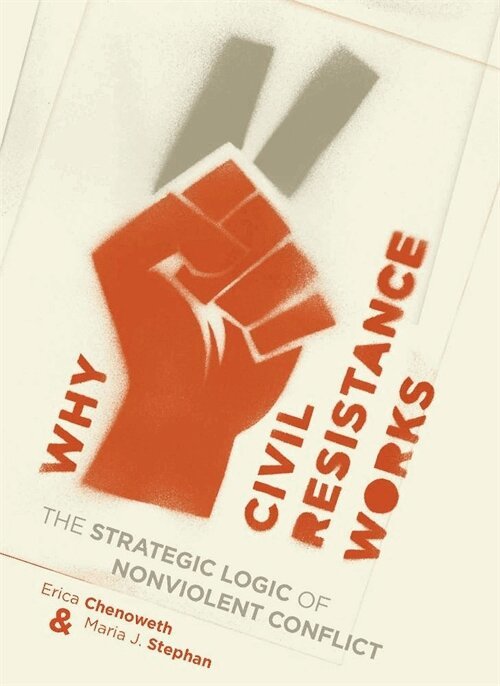
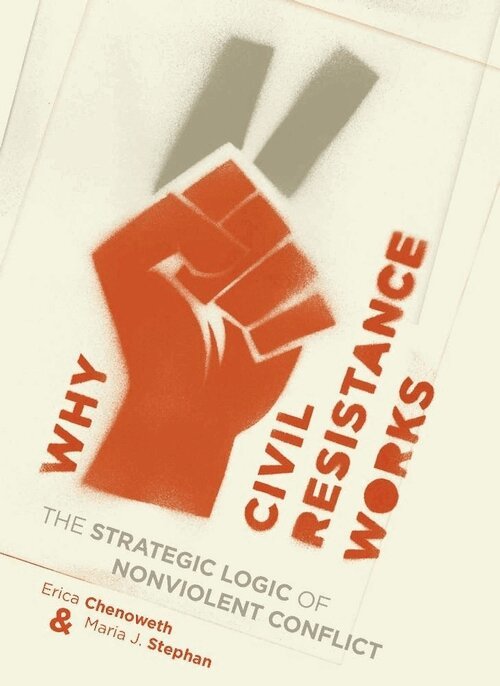
For more than a century, from 1900 to 2006, campaigns of nonviolent resistance were more than twice as effective as their violent counterparts in achieving their stated goals. By attracting impressive support from citizens, whose activism takes the form of protests, boycotts, civil disobedience, and other forms of nonviolent noncooperation, these efforts help separate regimes from their main sources of power and produce remarkable results, even in Iran, Burma, the Philippines, and the Palestinian Territories. Combining statistical analysis with case studies of specific countries and territories, Erica Chenoweth and Maria J. Stephan detail the factors enabling such campaigns to succeed and, sometimes, causing them to fail. They find that nonviolent resistance presents fewer obstacles to moral and physical involvement and commitment, and that higher levels of participation contribute to enhanced resilience, greater opportunities for tactical innovation and civic disruption (and therefore less incentive for a regime to maintain its status quo), and shifts in loyalty among opponents' erstwhile supporters, including members of the military establishment.Chenoweth and Stephan conclude that successful nonviolent resistance ushers in more durable and internally peaceful democracies, which are less likely to regress into civil war. Presenting a rich, evidentiary argument, they originally and systematically compare violent and nonviolent outcomes in different historical periods and geographical contexts, debunking the myth that violence occurs because of structural and environmental factors and that it is necessary to achieve certain political goals. Instead, the authors discover, violent insurgency is rarely justifiable on strategic grounds. - Häftad, Engelska, 2012
244 kr
Skickas inom 5-8 vardagar
For more than a century, from 1900 to 2006, campaigns of nonviolent resistance were more than twice as effective as their violent counterparts in achieving their stated goals. By attracting impressive support from citizens, whose activism takes the form of protests, boycotts, civil disobedience, and other forms of nonviolent noncooperation, these efforts help separate regimes from their main sources of power and produce remarkable results, even in Iran, Burma, the Philippines, and the Palestinian Territories. Combining statistical analysis with case studies of specific countries and territories, Erica Chenoweth and Maria J. Stephan detail the factors enabling such campaigns to succeed and, sometimes, causing them to fail. They find that nonviolent resistance presents fewer obstacles to moral and physical involvement and commitment, and that higher levels of participation contribute to enhanced resilience, greater opportunities for tactical innovation and civic disruption (and therefore less incentive for a regime to maintain its status quo), and shifts in loyalty among opponents' erstwhile supporters, including members of the military establishment.Chenoweth and Stephan conclude that successful nonviolent resistance ushers in more durable and internally peaceful democracies, which are less likely to regress into civil war. Presenting a rich, evidentiary argument, they originally and systematically compare violent and nonviolent outcomes in different historical periods and geographical contexts, debunking the myth that violence occurs because of structural and environmental factors and that it is necessary to achieve certain political goals. Instead, the authors discover, violent insurgency is rarely justifiable on strategic grounds. - Inbunden, Engelska, 2012
648 kr
Skickas inom 5-8 vardagar
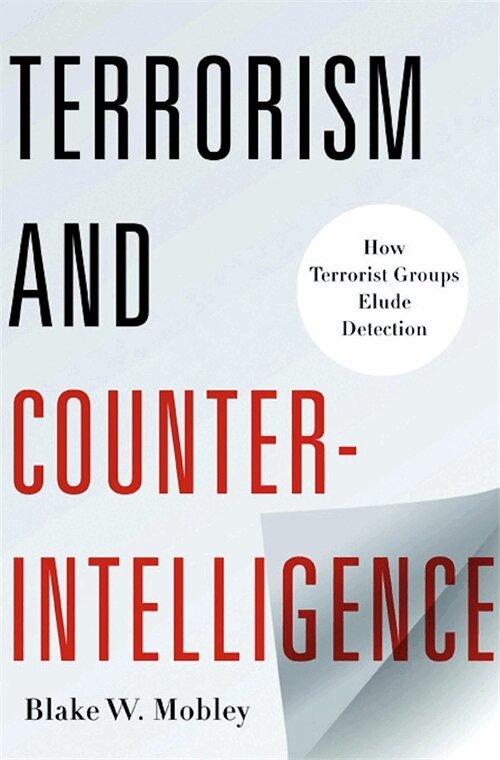
Protecting information, identifying undercover agents, and operating clandestinely-efforts known as counterintelligence-are the primary objectives of terrorist groups evading detection by intelligence and law enforcement officials. Some strategies work well, some fail, and those tasked with tracking these groups are deeply invested in the difference. Discussing the challenges terrorist groups face as they multiply and plot international attacks, while at the same time providing a framework for decoding the strengths and weaknesses of their counterintelligence, Blake W. Mobley provides an indispensable text for the intelligence, military, homeland security, and law enforcement fields. He outlines concrete steps for improving the monitoring, disruption, and elimination of terrorist cells, primarily by exploiting their mistakes in counterintelligence. A key component of Mobley's approach is to identify and keep close watch on areas that often exhibit weakness. While some counterintelligence pathologies occur more frequently among certain terrorist groups, destructive bureaucratic tendencies, such as mistrust and paranoia, pervade all organizations.Through detailed case studies, Mobley shows how to recognize and capitalize on these shortcomings within a group's organizational structure, popular support, and controlled territory, and he describes the tradeoffs terrorist leaders make to maintain cohesion and power. He ultimately shows that no group can achieve perfect secrecy while functioning effectively and that every adaptation or new advantage supposedly attained by these groups also produces new vulnerabilities. - Inbunden, Engelska, 2013
472 kr
Skickas inom 5-8 vardagar
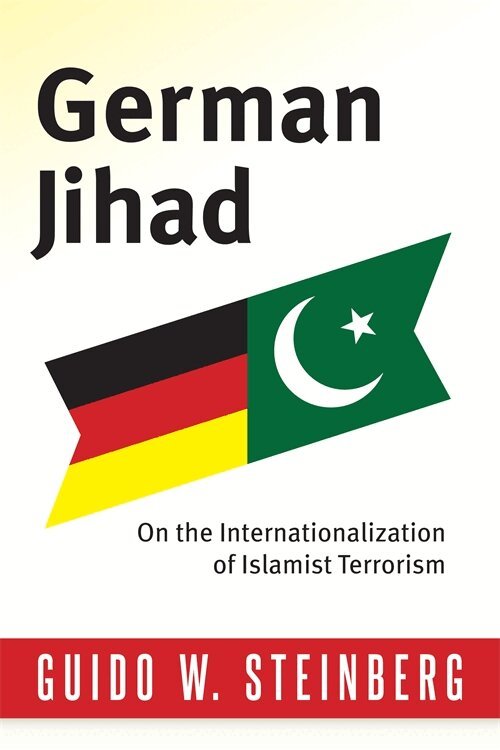
Since 2007, the German jihadist scene has become Europe's most dynamic, characterized by an extreme anti-Americanism, impressive international networks, and spectacularly effective propaganda. German jihadists travel to Turkey, Chechnya, Pakistan, and Afghanistan, trading jihadist ideologies and allying themselves with virulent organizations. Mapping the complicated interplay between jihadists' personal motivations and the goals and strategies of the world's major terrorist groups, Guido W. Steinberg provides the first analysis of German jihadism, its links to Turkey, and its growing, global operational importance. Steinberg follows the formation of German-born militant networks in German cities and their radicalization and recruitment. He describes how these groups join al-Qaeda-affiliated organizations in Afghanistan and Pakistan, such as the Islamic Jihad Union, the Islamic Movement of Uzbekistan, and the Taliban, and he plots the path that directly involves them in terrorist activities.Situating these developments within a wider global context, Steinberg interprets the expanding German scene as part of a greater internationalization of jihadist ideology and strategy, swelling the movement's membership since 9/11. Increasing numbers of Pakistanis, Afghans, Turks, Kurds, and European converts are coming to the aid of Arab al-Qaeda, an incremental integration that has worrisome implications for the national security of Germany, the United States, and their allies. - Inbunden, Engelska, 2013
2 141 kr
Skickas inom 3-6 vardagar
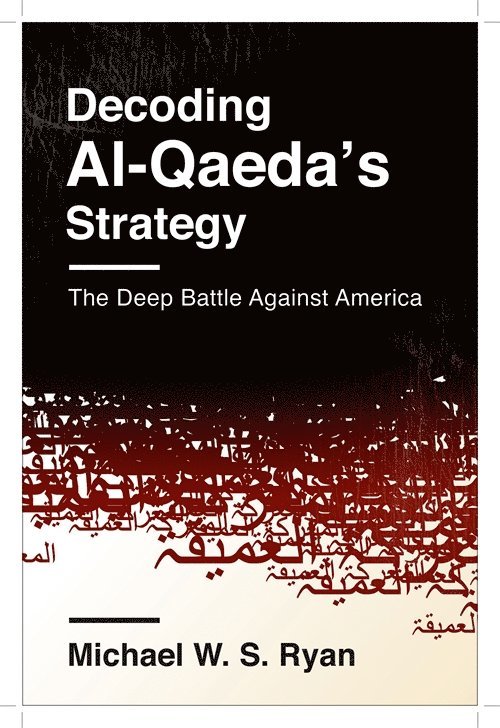
By consulting the work of well-known and obscure al-Qaeda theoreticians, Michael W. S. Ryan finds jihadist terrorism strategy has more in common with the principles of Maoist guerrilla warfare than mainstream Islam. Encouraging strategists and researchers to devote greater attention to jihadi ideas rather than jihadist military operations, Ryan builds an effective framework for analyzing al-Qaeda's plans against America and constructs a compelling counternarrative to the West's supposed "war on Islam." Ryan examines the Salafist roots of al-Qaeda ideology and the contributions of its most famous founders, Osama Bin Laden and Ayman al-Zawahiri, in a political-military context. He also reads the Arabic-language works of lesser known theoreticians who have played an instrumental role in framing al-Qaeda's so-called war of the oppressed. These authors readily cite the guerrilla strategies of Mao, Che Guevara, and the mastermind of the Vietnam War, General Giap. They also incorporate the arguments of American theorists writing on "fourth-generation warfare."Through these texts, readers experience events as insiders see them, and by concentrating on the activities and pronouncements of al-Qaeda's thought leaders, especially in Yemen, they discern the direct link between al-Qaeda's tactics and trends in anti-U.S. terrorism. Ryan shows al-Qaeda's political-military strategy to be a revolutionary and largely secular departure from the classic Muslim conception of jihad, adding invaluable dimensions to the operational, psychological, and informational strategies already deployed by America's military in the region. - Häftad, Engelska, 2016
303 kr
Skickas inom 5-8 vardagar
By consulting the work of well-known and obscure al-Qaeda theoreticians, Michael W. S. Ryan finds jihadist terrorism strategy has more in common with the principles of Maoist guerrilla warfare than mainstream Islam. Encouraging strategists and researchers to devote greater attention to jihadi ideas rather than jihadist military operations, Ryan builds an effective framework for analyzing al-Qaeda's plans against America and constructs a compelling counternarrative to the West's supposed "war on Islam." Ryan examines the Salafist roots of al-Qaeda ideology and the contributions of its most famous founders, Osama Bin Laden and Ayman al-Zawahiri, in a political-military context. He also reads the Arabic-language works of lesser known theoreticians who have played an instrumental role in framing al-Qaeda's so-called war of the oppressed. These authors readily cite the guerrilla strategies of Mao, Che Guevara, and the mastermind of the Vietnam War, General Giap. They also incorporate the arguments of American theorists writing on "fourth-generation warfare."Through these texts, readers experience events as insiders see them, and by concentrating on the activities and pronouncements of al-Qaeda's thought leaders, especially in Yemen, they discern the direct link between al-Qaeda's tactics and trends in anti-U.S. terrorism. Ryan shows al-Qaeda's political-military strategy to be a revolutionary and largely secular departure from the classic Muslim conception of jihad, adding invaluable dimensions to the operational, psychological, and informational strategies already deployed by America's military in the region. - Inbunden, Engelska, 2013
1 051 kr
Skickas inom 5-8 vardagar
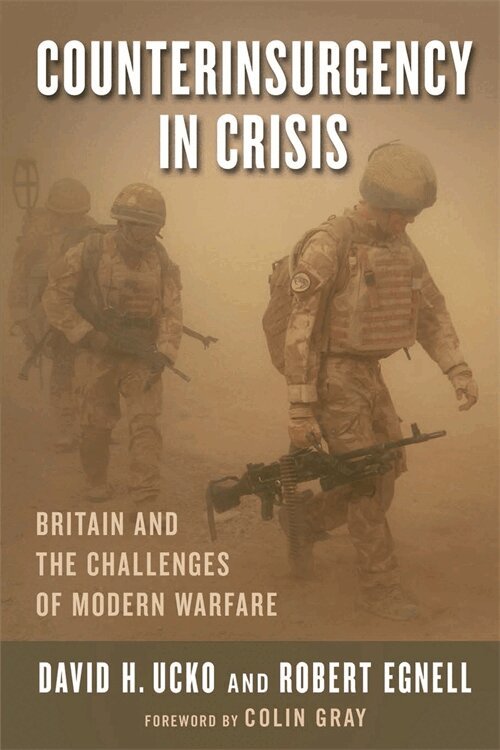
Long considered the masters of counterinsurgency, the British military encountered significant problems in Iraq and Afghanistan when confronted with insurgent violence. In their effort to apply the principles and doctrines of past campaigns, they failed to prevent Basra and Helmand from descending into lawlessness, criminality, and violence. By juxtaposing the deterioration of these situations against Britain's celebrated legacy of counterinsurgency, this investigation identifies both the contributions and limitations of traditional tactics in such settings, exposing a disconcerting gap between ambitions and resources, intent and commitment. Building upon this detailed account of the Basra and Helmand campaigns, this volume conducts an unprecedented assessment of British military institutional adaptation in response to operations gone awry. In calling attention to the enduring effectiveness of insurgent methods and the threat posed by undergoverned spaces, David H. Ucko and Robert Egnell underscore the need for military organizations to meet the irregular challenges of future wars in new ways. - Häftad, Engelska, 2015
260 kr
Skickas inom 5-8 vardagar
Long considered the masters of counterinsurgency, the British military encountered significant problems in Iraq and Afghanistan when confronted with insurgent violence. In their effort to apply the principles and doctrines of past campaigns, they failed to prevent Basra and Helmand from descending into lawlessness, criminality, and violence. By juxtaposing the deterioration of these situations against Britain's celebrated legacy of counterinsurgency, this investigation identifies both the contributions and limitations of traditional tactics in such settings, exposing a disconcerting gap between ambitions and resources, intent and commitment. Building upon this detailed account of the Basra and Helmand campaigns, this volume conducts an unprecedented assessment of British military institutional adaptation in response to operations gone awry. In calling attention to the enduring effectiveness of insurgent methods and the threat posed by undergoverned spaces, David H. Ucko and Robert Egnell underscore the need for military organizations to meet the irregular challenges of future wars in new ways. - Häftad, Engelska, 2019
303 kr
Skickas inom 5-8 vardagar
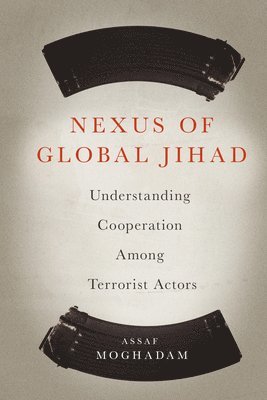
Leading jihadist groups such as al-Qaeda and the Islamic State dominate through cooperation in the form of knowledge sharing, resource sharing, joint training exercises, and operational collaboration. They build alliances and lesser partnerships with other formal and informal terrorist actors to recruit foreign fighters and spread their message worldwide, raising the aggregate threat level for their declared enemies. Whether they consist of friends or foes, whether they are connected locally or online, these networks create a wellspring of support for jihadist organizations that may fluctuate in strength or change in character but never runs dry. Nexus of Global Jihad identifies types of terrorist actors, the nature of their partnerships, and the environments in which they prosper to explain global jihadist terrorism's ongoing success and resilience.Nexus of Global Jihad brings to light an emerging style of "networked cooperation" that works alongside interorganizational terrorist cooperation to establish bonds of varying depth and endurance. Case studies use recently declassified materials to illuminate al-Qaeda's dealings from Iran to the Arabian Peninsula and the informal actors that power the Sharia4 movement. The book proposes policies that increase intelligence gathering on informal terrorist actors, constrain enabling environments, and disrupt terrorist networks according to different types of cooperation. It is a vital text for strategists and scholars struggling to understand a growing spectrum of terrorist groups working together more effectively than ever before. - Inbunden, Engelska, 2017
1 189 kr
Skickas inom 5-8 vardagar
Leading jihadist groups such as al-Qaeda and the Islamic State dominate through cooperation in the form of knowledge sharing, resource sharing, joint training exercises, and operational collaboration. They build alliances and lesser partnerships with other formal and informal terrorist actors to recruit foreign fighters and spread their message worldwide, raising the aggregate threat level for their declared enemies. Whether they consist of friends or foes, whether they are connected locally or online, these networks create a wellspring of support for jihadist organizations that may fluctuate in strength or change in character but never runs dry. Nexus of Global Jihad identifies types of terrorist actors, the nature of their partnerships, and the environments in which they prosper to explain global jihadist terrorism's ongoing success and resilience. Nexus of Global Jihad brings to light an emerging style of "networked cooperation" that works alongside interorganizational terrorist cooperation to establish bonds of varying depth and endurance.Case studies use recently declassified materials to illuminate al-Qaeda's dealings from Iran to the Arabian Peninsula and the informal actors that power the Sharia4 movement. The book proposes policies that increase intelligence gathering on informal terrorist actors, constrain enabling environments, and disrupt terrorist networks according to different types of cooperation. It is a vital text for strategists and scholars struggling to understand a growing spectrum of terrorist groups working together more effectively than ever before. - Inbunden, Engelska, 2020
1 700 kr
Skickas inom 3-6 vardagar
In an unsettling time in American history, the outbreak of right-wing violence is among the most disturbing developments. In recent years, attacks originating from the far right of American politics have targeted religious and ethnic minorities, with a series of antigovernment militants, religious extremists, and lone-wolf mass shooters inspired by right-wing ideologies. The need to understand the nature and danger of far-right violence is greater than ever.In American Zealots, Arie Perliger provides a wide-ranging and rigorously researched overview of right-wing domestic terrorism. He analyzes its historical roots, characteristics, tactics, rhetoric, and organization, assessing the current and future trajectory of the use of violence by the far right. Perliger draws on a comprehensive dataset of more than 5,000 attacks and their perpetrators from 1990 through 2017 in order to explore key trends in American right-wing terrorism. He describes the entire ideological spectrum of the American far right, including today’s white supremacists, antigovernment groups, and antiabortion fundamentalists, as well as the histories of the KKK, skinheads, and neo-Nazis. Based on these findings, Perliger suggests counterterrorism policies that can respond effectively to the far-right threat. A groundbreaking examination of violence spawned from right-wing ideologies, American Zealots is essential reading for everyone seeking to understand the transformation of domestic terrorism. - Häftad, Engelska, 2020
244 kr
Skickas inom 5-8 vardagar
In an unsettling time in American history, the outbreak of right-wing violence is among the most disturbing developments. In recent years, attacks originating from the far right of American politics have targeted religious and ethnic minorities, with a series of antigovernment militants, religious extremists, and lone-wolf mass shooters inspired by right-wing ideologies. The need to understand the nature and danger of far-right violence is greater than ever.In American Zealots, Arie Perliger provides a wide-ranging and rigorously researched overview of right-wing domestic terrorism. He analyzes its historical roots, characteristics, tactics, rhetoric, and organization, assessing the current and future trajectory of the use of violence by the far right. Perliger draws on a comprehensive dataset of more than 5,000 attacks and their perpetrators from 1990 through 2017 in order to explore key trends in American right-wing terrorism. He describes the entire ideological spectrum of the American far right, including today’s white supremacists, antigovernment groups, and antiabortion fundamentalists, as well as the histories of the KKK, skinheads, and neo-Nazis. Based on these findings, Perliger suggests counterterrorism policies that can respond effectively to the far-right threat. A groundbreaking examination of violence spawned from right-wing ideologies, American Zealots is essential reading for everyone seeking to understand the transformation of domestic terrorism. - Inbunden, Engelska, 2018
796 kr
Skickas
In the wake of the September 11 attacks, President George W. Bush drew a line in the sand, saying, “Either you are with us or you are with the terrorists.” Since 9/11, many counterterrorism partners have been both “with” and “against” the United States, helping it in some areas and hindering it in others. This has been especially true in the Middle East, Africa, and South Asia, where the terrorist groups that threaten America are most concentrated. Because so many aspects of U.S. counterterrorism strategy are dependent on international cooperation, the United States has little choice but to work with other countries. Making the most of these partnerships is fundamental to the success of the War on Terror. Yet what the United States can reasonably expect from its counterterrorism partners—and how to get more out of them—remain too little understood.In With Us and Against Us, Stephen Tankel analyzes the factors that shape counterterrorism cooperation, examining the ways partner nations aid international efforts, as well as the ways they encumber and impede effective action. He considers the changing nature of counterterrorism, exploring how counterterrorism efforts after 9/11 critically differ both from those that existed beforehand and from traditional alliances. Focusing on U.S. partnerships with Algeria, Egypt, Mali, Pakistan, Saudi Arabia and Yemen against al-Qaeda, ISIS, and other terrorist organizations, Tankel offers nuanced propositions about what the U.S. can expect from its counterterrorism partners depending on their political and security interests, threat perceptions, and their relationships with the United States and with the terrorists in question. With Us and Against Us offers a theoretically rich and policy-relevant toolkit for assessing and improving counterterrorism cooperation, devising strategies for mitigating risks, and getting the most out of difficult partnerships. - Häftad, Engelska, 2018
303 kr
Skickas inom 5-8 vardagar
In the wake of the September 11 attacks, President George W. Bush drew a line in the sand, saying, “Either you are with us or you are with the terrorists.” Since 9/11, many counterterrorism partners have been both “with” and “against” the United States, helping it in some areas and hindering it in others. This has been especially true in the Middle East, Africa, and South Asia, where the terrorist groups that threaten America are most concentrated. Because so many aspects of U.S. counterterrorism strategy are dependent on international cooperation, the United States has little choice but to work with other countries. Making the most of these partnerships is fundamental to the success of the War on Terror. Yet what the United States can reasonably expect from its counterterrorism partners—and how to get more out of them—remain too little understood.In With Us and Against Us, Stephen Tankel analyzes the factors that shape counterterrorism cooperation, examining the ways partner nations aid international efforts, as well as the ways they encumber and impede effective action. He considers the changing nature of counterterrorism, exploring how counterterrorism efforts after 9/11 critically differ both from those that existed beforehand and from traditional alliances. Focusing on U.S. partnerships with Algeria, Egypt, Mali, Pakistan, Saudi Arabia and Yemen against al-Qaeda, ISIS, and other terrorist organizations, Tankel offers nuanced propositions about what the U.S. can expect from its counterterrorism partners depending on their political and security interests, threat perceptions, and their relationships with the United States and with the terrorists in question. With Us and Against Us offers a theoretically rich and policy-relevant toolkit for assessing and improving counterterrorism cooperation, devising strategies for mitigating risks, and getting the most out of difficult partnerships. - Inbunden, Engelska, 2014
2 194 kr
Skickas inom 3-6 vardagar
Examining major terrorist acts and campaigns undertaken in the decade following September 11, 2001, internationally recognized scholars study the involvement of global terrorist leaders and organizations in these incidents and the planning, organization, execution, recruitment, and training that went into them. Their work captures the changing character of al-Qaeda and its affiliates since the invasions of Afghanistan and Iraq and the sophisticated elements that, despite the West's best counterterrorism efforts, continue to exert substantial direction over jihadist terrorist operations. Through case studies of terrorist acts and offensives occurring both in and outside the West, the volume's contributors investigate al-Qaeda and other related entities as they adapted to the strategies of Operation Enduring Freedom and subsequent U.S.-led global counterterrorism programs. They explore whether Osama bin Laden was indeed reduced to a mere figurehead before his death or continued to influence al-Qaeda's global activities.Did al-Qaeda become a loose collection of individuals and ideas following its expulsion from Afghanistan, or was it reborn as a transnational terrorist structure powered by a well-articulated ideology? What is the preeminent terrorist threat we face today, and what will it look like in the future? This anthology pinpoints the critical patterns and strategies that will inform counterterrorism in the coming decades. - Häftad, Engelska, 2016
616 kr
Skickas inom 3-6 vardagar
Examining major terrorist acts and campaigns undertaken in the decade following September 11, 2001, internationally recognized scholars study the involvement of global terrorist leaders and organizations in these incidents and the planning, organization, execution, recruitment, and training that went into them. Their work captures the changing character of al-Qaeda and its affiliates since the invasions of Afghanistan and Iraq and the sophisticated elements that, despite the West's best counterterrorism efforts, continue to exert substantial direction over jihadist terrorist operations. Through case studies of terrorist acts and offensives occurring both in and outside the West, the volume's contributors investigate al-Qaeda and other related entities as they adapted to the strategies of Operation Enduring Freedom and subsequent U.S.-led global counterterrorism programs. They explore whether Osama bin Laden was indeed reduced to a mere figurehead before his death or continued to influence al-Qaeda's global activities.Did al-Qaeda become a loose collection of individuals and ideas following its expulsion from Afghanistan, or was it reborn as a transnational terrorist structure powered by a well-articulated ideology? What is the preeminent terrorist threat we face today, and what will it look like in the future? This anthology pinpoints the critical patterns and strategies that will inform counterterrorism in the coming decades. - Inbunden, Engelska, 2015
964 kr
Skickas inom 3-6 vardagar
The counterinsurgency (COIN) paradigm dominates military and political conduct in contemporary Western strategic thought. It assumes future wars will unfold as "low intensity" conflicts within rather than between states, requiring specialized military training and techniques. COIN is understood as a logical, effective, and democratically palatable method for confronting insurgency-a discrete set of practices that, through the actions of knowledgeable soldiers and under the guidance of an expert elite, creates lasting results. Through an extensive investigation into COIN's theories, methods, and outcomes, this book undermines enduring claims about COIN's success while revealing its hidden meanings and effects. Interrogating the relationship between counterinsurgency and war, the authors question the supposed uniqueness of COIN's attributes and try to resolve the puzzle of its intellectual identity. Is COIN a strategy, a doctrine, a theory, a military practice, or something else? Their analysis ultimately exposes a critical paradox within COIN: while it ignores the vital political dimensions of war, it is nevertheless the product of a misplaced ideological faith in modernization. - Inbunden, Engelska, 2018
1 189 kr
Skickas inom 5-8 vardagar
In the post–Cold War era, states increasingly find themselves in conflicts with nonstate actors. Finding it difficult to fight these opponents directly, many governments instead target states that harbor or aid nonstate actors, using threats and punishment to coerce host states into stopping those groups.Wendy Pearlman and Boaz Atzili investigate this strategy, which they term triadic coercion. They explain why states pursue triadic coercion, evaluate the conditions under which it succeeds, and demonstrate their arguments across seventy years of Israeli history. This rich analysis of the Arab-Israeli conflict, supplemented with insights from India and Turkey, yields surprising findings. Traditional discussions of interstate conflict assume that the greater a state’s power compared to its opponent, the more successful its coercion. Turning that logic on its head, Pearlman and Atzili show that this strategy can be more effective against a strong host state than a weak one because host regimes need internal cohesion and institutional capacity to move against nonstate actors. If triadic coercion is thus likely to fail against weak regimes, why do states nevertheless employ it against them? Pearlman and Atzili’s investigation of Israeli decision-making points to the role of strategic culture. A state’s system of beliefs, values, and institutionalized practices can encourage coercion as a necessary response, even when that policy is prone to backfire.A significant contribution to scholarship on deterrence, asymmetric conflict, and strategic culture, Triadic Coercion illuminates an evolving feature of the international security landscape and interrogates assumptions that distort strategic thinking. - Häftad, Engelska, 2019
303 kr
Skickas inom 5-8 vardagar
In the post–Cold War era, states increasingly find themselves in conflicts with nonstate actors. Finding it difficult to fight these opponents directly, many governments instead target states that harbor or aid nonstate actors, using threats and punishment to coerce host states into stopping those groups.Wendy Pearlman and Boaz Atzili investigate this strategy, which they term triadic coercion. They explain why states pursue triadic coercion, evaluate the conditions under which it succeeds, and demonstrate their arguments across seventy years of Israeli history. This rich analysis of the Arab-Israeli conflict, supplemented with insights from India and Turkey, yields surprising findings. Traditional discussions of interstate conflict assume that the greater a state’s power compared to its opponent, the more successful its coercion. Turning that logic on its head, Pearlman and Atzili show that this strategy can be more effective against a strong host state than a weak one because host regimes need internal cohesion and institutional capacity to move against nonstate actors. If triadic coercion is thus likely to fail against weak regimes, why do states nevertheless employ it against them? Pearlman and Atzili’s investigation of Israeli decision-making points to the role of strategic culture. A state’s system of beliefs, values, and institutionalized practices can encourage coercion as a necessary response, even when that policy is prone to backfire.A significant contribution to scholarship on deterrence, asymmetric conflict, and strategic culture, Triadic Coercion illuminates an evolving feature of the international security landscape and interrogates assumptions that distort strategic thinking. - Inbunden, Engelska, 2015
852 kr
Skickas inom 5-8 vardagar
Many associate terrorism with irrational behavior and believe only lunatics could perpetuate such horrific acts. Global Alert debunks this myth by anatomizing the rationale behind modern terrorism. It draws a distinct picture of its root and instrumental causes and plots the different stages of a terrorist attack, from indoctrination and recruitment to planning, preparation, and launch. Global Alert also exposes the measured exploitation of democratic institutions by terrorists to further their goals. Despite its strong capabilities and extensive resources, the modern liberal-democratic state is nevertheless subject to the rules of war, which partially restrict the state's ability to operate and maneuver. Boaz Ganor shows how terrorist organizations exploit these values to paralyze or neutralize the states they oppose. In outlining this new "hybrid" terrorist organization and its activity in both the military-terrorist arena and the political-welfare arena, Ganor advances an international doctrine for governing military operations between state and nonstate actors as part of a new type of armed conflict termed "multidimensional warfare." - Häftad, Engelska, 2019
227 kr
Skickas inom 5-8 vardagar
Many associate terrorism with irrational behavior and believe only lunatics could perpetuate such horrific acts. Global Alert debunks this myth by anatomizing the rationale behind modern terrorism. It draws a distinct picture of its root and instrumental causes and plots the different stages of a terrorist attack, from indoctrination and recruitment to planning, preparation, and launch.Global Alert also exposes the measured exploitation of democratic institutions by terrorists to further their goals. Despite its strong capabilities and extensive resources, the modern liberal-democratic state is nevertheless subject to the rules of war, which partially restrict the state's ability to operate and maneuver. Boaz Ganor shows how terrorist organizations exploit these values to paralyze or neutralize the states they oppose. In outlining this new "hybrid" terrorist organization and its activity in both the military–terrorist arena and the political–welfare arena, Ganor advances an international doctrine for governing military operations between state and nonstate actors as part of a new type of armed conflict termed "multidimensional warfare."