Columbia Themes in Philosophy – serie
Visar alla böcker i serien Columbia Themes in Philosophy. Handla med fri frakt och snabb leverans.
22 produkter
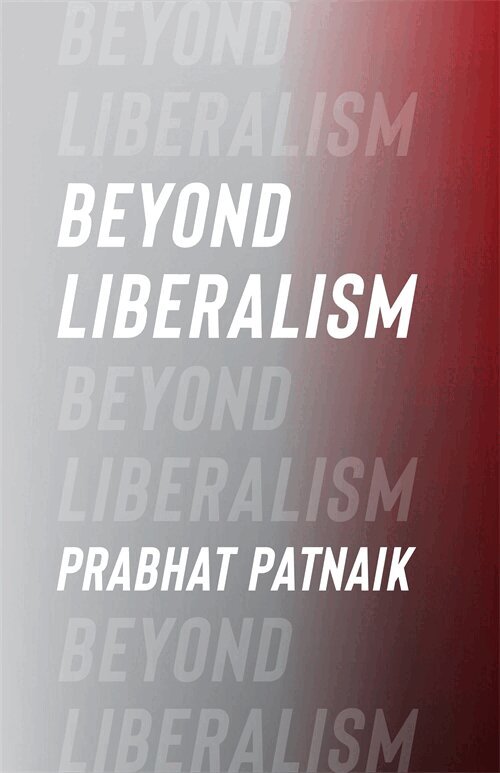
Beyond Liberalism
Häftad, 2024
404 kr
Lägg i varukorg
Liberalism holds that individual freedom can be realized under capitalism. “Classical liberalism” tends to focus on excessive state interference as the primary threat to freedom. More recent theorists, however, recognize that capitalism, left to itself, would be characterized by mass social ills …
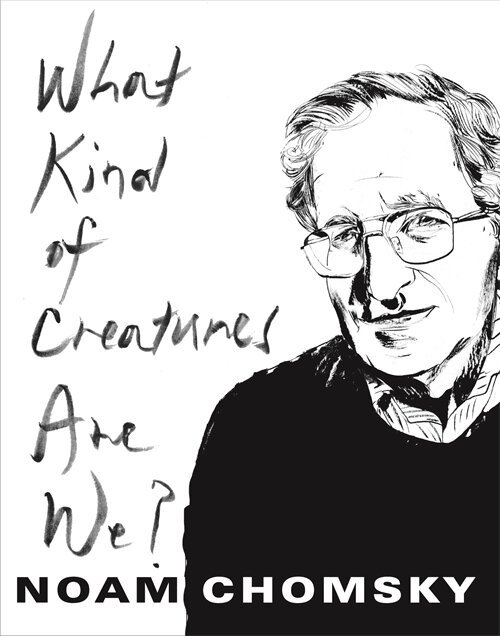
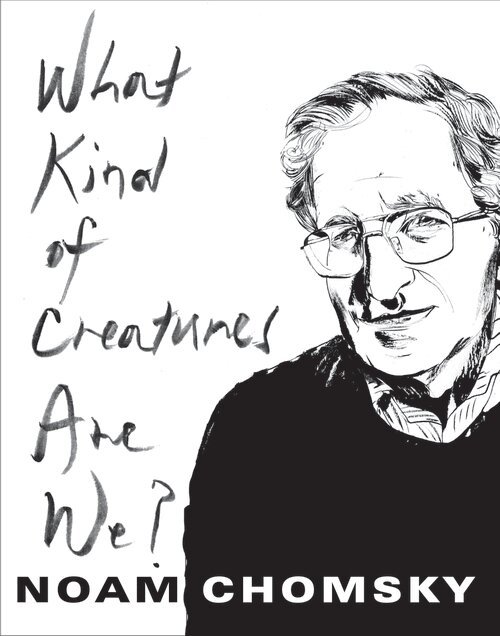
What Kind of Creatures Are We?
Av Noam Chomsky
Inbunden, 2015
5,0 utav 5 stjärnor. Totalt antal röster: (1)
302 kr
Lägg i varukorg
Noam Chomsky is widely known and deeply admired for being the founder of modern linguistics, one of the founders of the field of cognitive science, and perhaps the most avidly read political theorist and commentator of our time. In these lectures, he presents a lifetime of philosophical reflection …
Naturalism and Normativity
Av Mario De Caro, David Macarthur
Inbunden, 2010
1295 kr
Lägg i varukorg
Normativity concerns what we ought to think or do and the evaluations we make. For example, we say that we ought to think consistently, we ought to keep our promises, or that Mozart is a better composer than Salieri. Yet what philosophical moral can we draw from the apparent absence of normativity …
Naturalism and Normativity
Av Mario De Caro, David Macarthur
Häftad, 2010
333 kr
Lägg i varukorg
Normativity concerns what we ought to think or do and the evaluations we make. For example, we say that we ought to think consistently, we ought to keep our promises, or that Mozart is a better composer than Salieri. Yet what philosophical moral can we draw from the apparent absence of normativity …
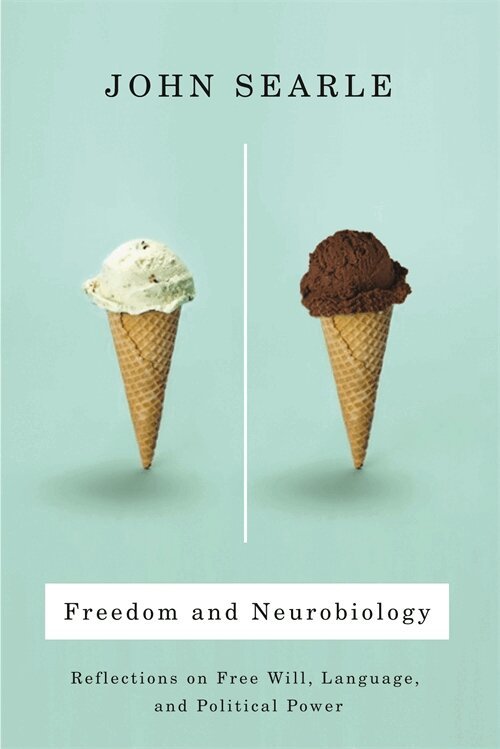
Freedom and Neurobiology
Reflections on Free Will, Language, and Political Power
Av John Searle
Häftad, 2008
178 kr
Lägg i varukorg
Our self-conception derives mostly from our own experience. We believe ourselves to be conscious, rational, social, ethical, language-using, political agents who possess free will. Yet we know we exist in a universe that consists of mindless, meaningless, unfree, nonrational, brute physical …
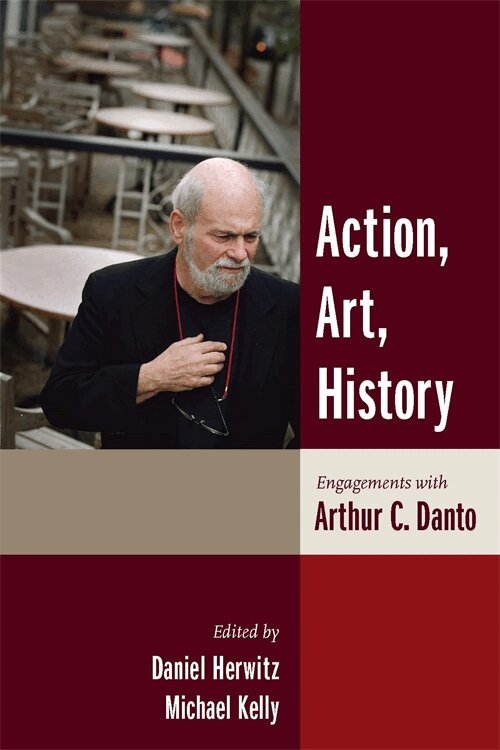
Action, Art, History
Engagements with Arthur C. Danto
Av Daniel Herwitz, Michael Kelly
Inbunden, 2007
1184 kr
Lägg i varukorg
Arthur C. Danto is unique among philosophers for the breadth of his philosophical mind, his eloquent writing style, and the generous spirit embodied in all his work. Any collection of essays on his philosophy has to engage him on all these levels, because this is how he has always engaged the …
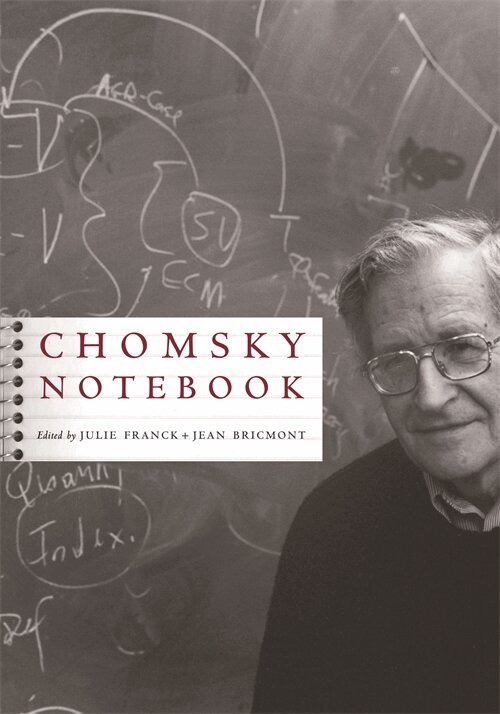
Chomsky Notebook
Av Julie Franck, Jean Bricmont
Inbunden, 2010
1037 kr
Lägg i varukorg
Noam Chomsky applies a rational, scientific approach to disciplines as diverse as linguistics, ethics, and politics. His best-known innovations involve a groundbreaking theory of generative grammar, the revolution it initiated in cognitive science, and a radical encounter with political theory and …
Chomsky Notebook
Av Julie Franck, Jean Bricmont
Häftad, 2010
265 kr
Lägg i varukorg
Noam Chomsky applies a rational, scientific approach to disciplines as diverse as linguistics, ethics, and politics. His best-known innovations involve a groundbreaking theory of generative grammar, the revolution it initiated in cognitive science, and a radical encounter with political theory and …
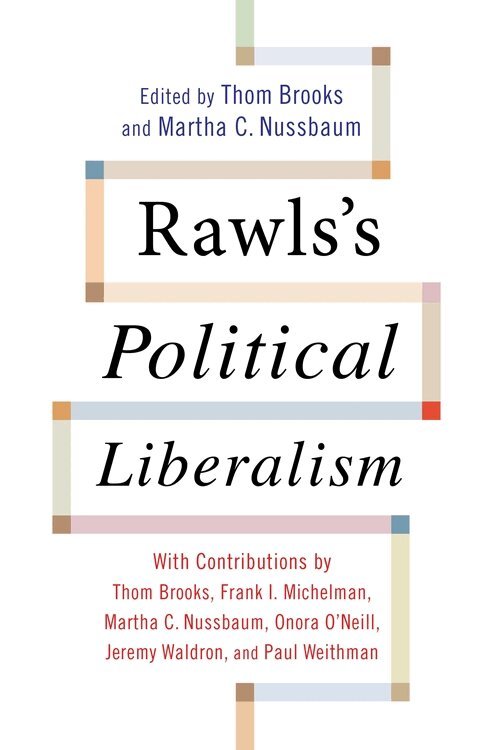
Rawls's Political Liberalism
Av Thom Brooks, Martha C. Nussbaum
Inbunden, 2015
1209 kr
Lägg i varukorg
Widely hailed as one of the most significant works in modern political philosophy, John Rawls's Political Liberalism (1993) defended a powerful vision of society that respects reasonable ways of life, both religious and secular. These core values have never been more critical as anxiety grows over …
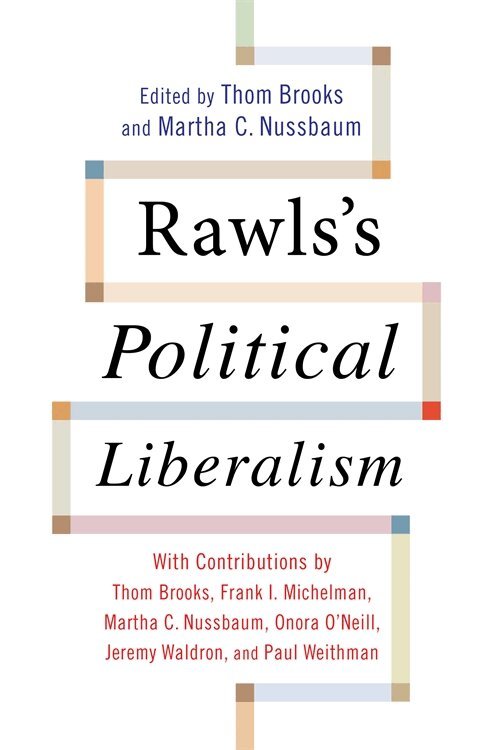
Rawls's Political Liberalism
Av Thom Brooks, Martha C. Nussbaum
Häftad, 2015
299 kr
Lägg i varukorg
Widely hailed as one of the most significant works in modern political philosophy, John Rawls's Political Liberalism (1993) defended a powerful vision of society that respects reasonable ways of life, both religious and secular. These core values have never been more critical as anxiety grows over …
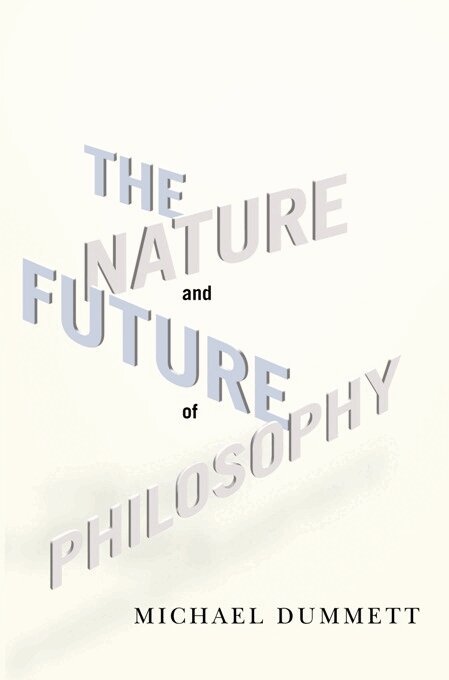
Nature and Future of Philosophy
Inbunden, 2010
1537 kr
Lägg i varukorg
Philosophy is a discipline that makes no observations, conducts no experiments, and needs no input from experience. It is an armchair subject, requiring only thought. Yet that thought can advance knowledge in unexpected directions, not only through the discovery of new facts but also through the …
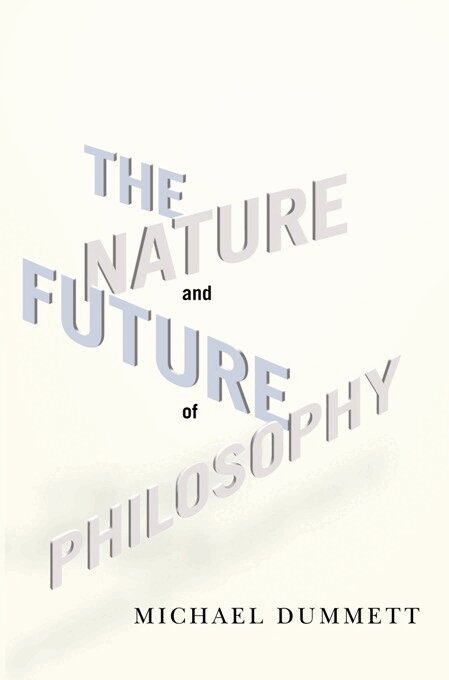
Nature and Future of Philosophy
Häftad, 2010
205 kr
Lägg i varukorg
Philosophy is a discipline that makes no observations, conducts no experiments, and needs no input from experience. It is an armchair subject, requiring only thought. Yet that thought can advance knowledge in unexpected directions, not only through the discovery of new facts but also through the …
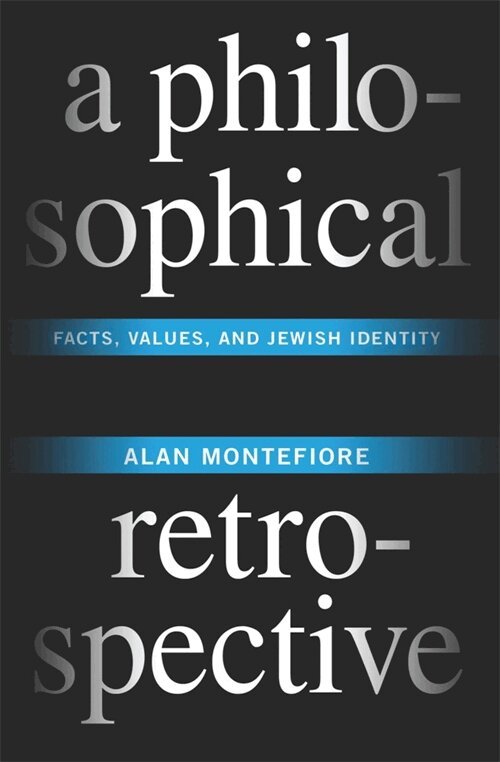
Philosophical Retrospective
Facts, Values, and Jewish Identity
Inbunden, 2011
479 kr
Lägg i varukorg
As a young lecturer in philosophy and the eldest son of a prominent Jewish family, Alan Montefiore faced two very different understandings of his identity: the more traditional view that an identity such as his carried with it, as a matter of given fact, certain duties and obligations, and an …
What Kind of Creatures Are We?
Av Noam Chomsky
Häftad, 2018
153 kr
Lägg i varukorg
Noam Chomsky is widely known and deeply admired for being the founder of modern linguistics, one of the founders of the field of cognitive science, and perhaps the most avidly read political theorist and commentator of our time. In these lectures, he presents a lifetime of philosophical reflection …
Word and Plan
Inbunden, 2026
1123 kr
Lägg i varukorg
We commonly believe that communication is successful when a hearer grasps what a speaker means. But Abe can assert “Sam is tall” without having any definite intention about how tall one must be to count as “tall,” and Bertha can understand his assertion without grasping such an intention. What …
Word and Plan
Häftad, 2026
282 kr
Lägg i varukorg
We commonly believe that communication is successful when a hearer grasps what a speaker means. But Abe can assert “Sam is tall” without having any definite intention about how tall one must be to count as “tall,” and Bertha can understand his assertion without grasping such an intention. What …
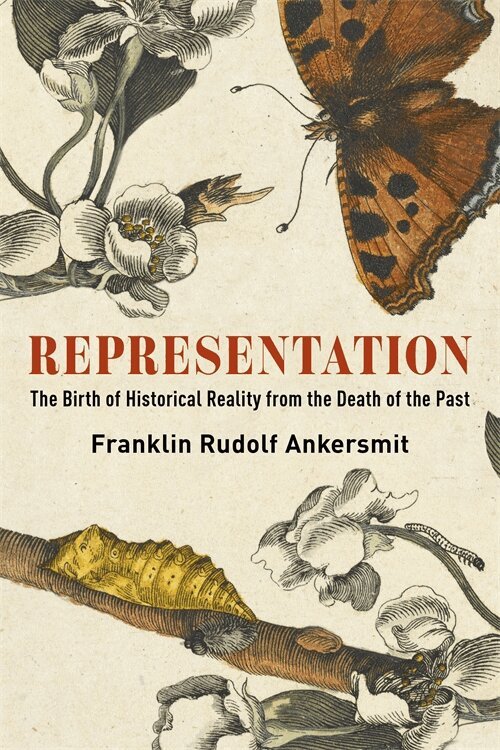
Representation
The Birth of Historical Reality from the Death of the Past
Inbunden, 2024
1245 kr
Lägg i varukorg
Shortlisted, 2026 ICHTH-INTH Book Prize for the History and Theory of Historiography, International Commission for the History and Theory of HistoriographyWhat makes historical writing distinctive? In Representation, Franklin Rudolf Ankersmit—the preeminent figure in the philosophy of history …
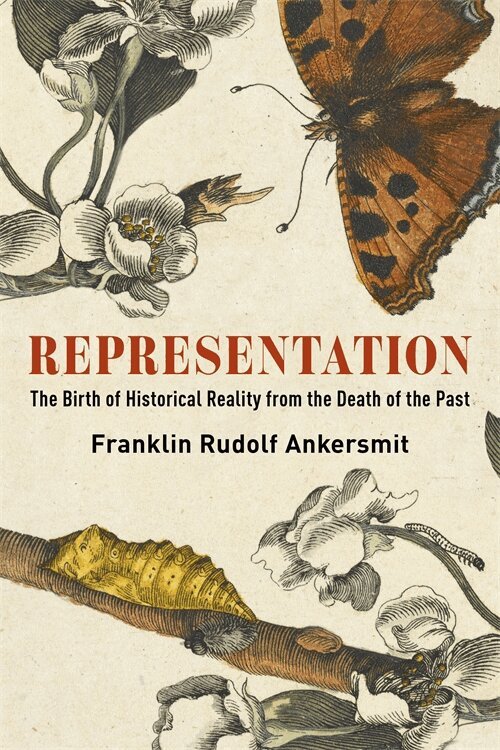
Representation
The Birth of Historical Reality from the Death of the Past
Häftad, 2024
317 kr
Lägg i varukorg
Shortlisted, 2026 ICHTH-INTH Book Prize for the History and Theory of Historiography, International Commission for the History and Theory of HistoriographyWhat makes historical writing distinctive? In Representation, Franklin Rudolf Ankersmit—the preeminent figure in the philosophy of history …
Beyond Liberalism
Inbunden, 2024
1209 kr
Lägg i varukorg
Liberalism holds that individual freedom can be realized under capitalism. “Classical liberalism” tends to focus on excessive state interference as the primary threat to freedom. More recent theorists, however, recognize that capitalism, left to itself, would be characterized by mass social ills …
Truth and the Past
E-bok, 2003
265 kr
Lägg i varukorg
Michael Dummett''s three John Dewey Lectures—"The Concept of Truth," "Statements About the Past," and "The Metaphysics of Time"—were delivered at Columbia University in the spring of 2002. Revised and expanded, the lectures are presented here along with two new essays by Dummett, "Truth: Deniers …
Freedom and Neurobiology
Reflections on Free Will, Language, and Political Power
Av John Searle
E-bok, 2006
252 kr
Lägg i varukorg
Our self-conception derives mostly from our own experience. We believe ourselves to be conscious, rational, social, ethical, language-using, political agents who possess free will. Yet we know we exist in a universe that consists of mindless, meaningless, unfree, nonrational, brute physical …
Freedom and Neurobiology
Reflections on Free Will, Language, and Political Power
Av John Searle
Inbunden, 2006
572 kr
Tillfälligt slut
Our self-conception derives mostly from our own experience. We believe ourselves to be conscious, rational, social, ethical, language-using, political agents who possess free will. Yet we know we exist in a universe that consists of mindless, meaningless, unfree, nonrational, brute physical …