Edinburgh Historical Studies of Iran and the Persian World – serie
Visar alla böcker i serien Edinburgh Historical Studies of Iran and the Persian World. Handla med fri frakt och snabb leverans.
25 produkter
25 produkter
Inbunden, Engelska, 2025
1 821 kr
Skickas inom 3-6 vardagar
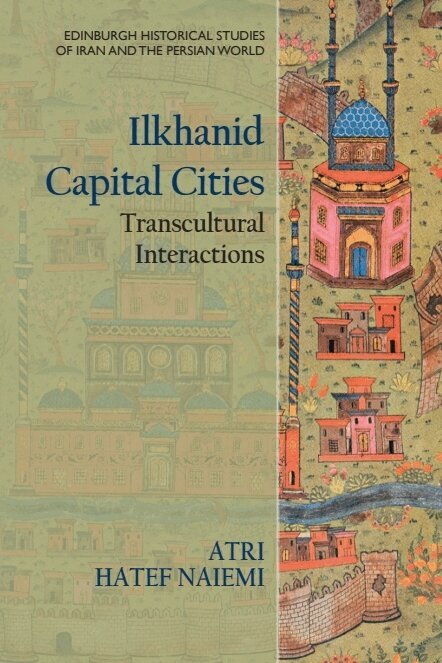
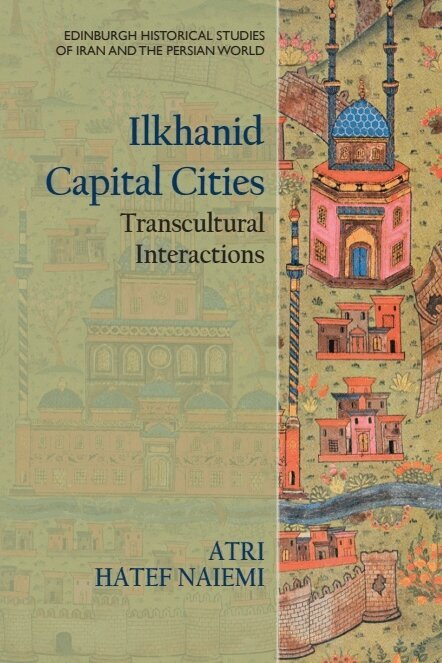
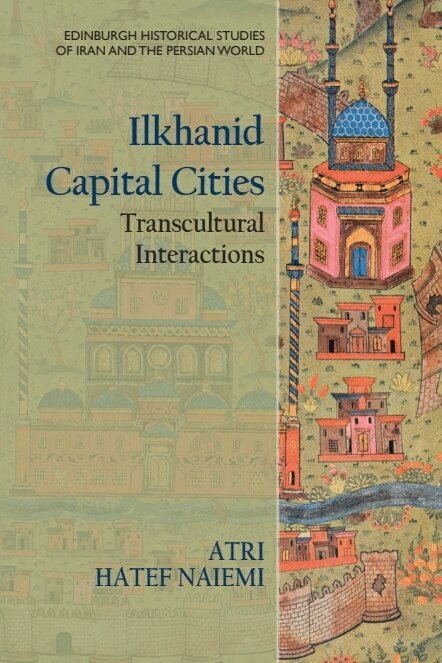
Ilkhanid Capital Cities studies the capital cities founded by the Mongol Ilkhans in Iran during the Ilkhanid period (1256 1335). It primarily focuses on two major cities in the northwest of Iran, Ghazaniyya and Sultaniyya, and examines how the court-sponsored urban projects in these two cities reflected the interactions between Perso-Islamic sedentary concepts and Mongolian nomadic traditions.Questioning the earlier reductive scholarly framework that positioned the Mongols as uncultured barbarians, this study stresses the active role of the Mongol elite not only as agents, but also cultural donors in the Perso-Mongol cultural zeitgeist of late thirteenth- and early fourteenth-century Iran. It provides a fuller and more convincing picture of the Ilkhanid city, which is characterized by a hybrid quality injected not only into the physical structure of the city, but also into the taste, motivations, and world views of its patrons.
Häftad, Engelska, 2026
302 kr
Kommande
Ilkhanid Capital Cities studies the capital cities founded by the Mongol Ilkhans in Iran during the Ilkhanid period (1256–1335). It primarily focuses on two major cities in the northwest of Iran, Ghazaniyya and Sultaniyya, and examines how the court-sponsored urban projects in these two cities reflected the interactions between Perso-Islamic sedentary concepts and Mongolian nomadic traditions.Questioning the earlier reductive scholarly framework that positioned the Mongols as uncultured barbarians, this study stresses the active role of the Mongol elite not only as agents, but also cultural donors in the Perso-Mongol cultural zeitgeist of late thirteenth- and early fourteenth-century Iran. It provides a fuller and more convincing picture of the Ilkhanid city, which is characterized by a hybrid quality injected not only into the physical structure of the city, but also into the taste, motivations and world views of its patrons.
Inbunden, Engelska, 2023
1 152 kr
Skickas
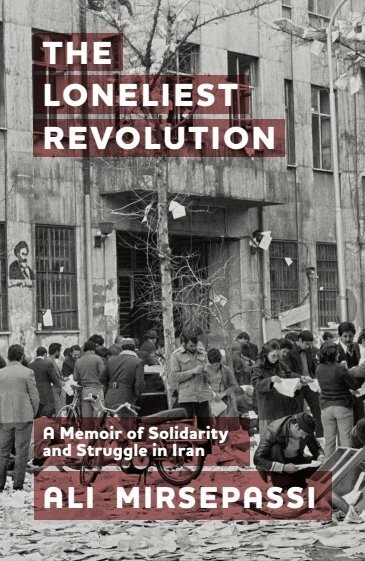
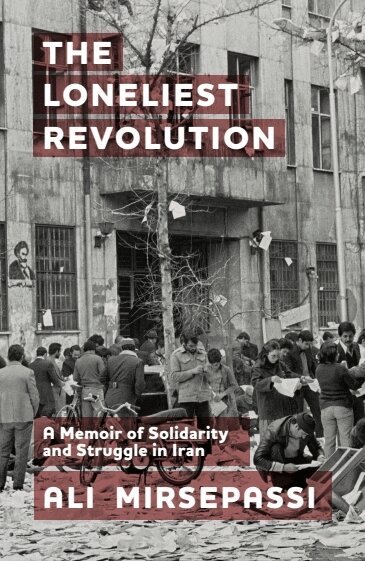
A memoir of life in Iran in the tumultuous years leading up to the 1979 revolution'Offers an intimate window onto the Iranian revolution just when we need to be thinking about it the most' - Marjane Satrapi, writer and film directorRecounts the political contests between Islamists, leftists, and others culminating in one of the twentieth century's most surprising revolutionsCombines the sensitivity of a memoir with the expertise of a scholarly study to explore lesser-known figures and events in the Iranian revolution's historyShifts the center of Iran's revolutionary history away from its capital to its provinces in an attempt to show how the global and local interacted at multiple levelsIn October 1978, a day that started like any other for Ali Mirsepassi full of anti-Shah protests ended in near death. He was stabbed and dumped in a ditch on the outskirts of Tehran for having spoken against Khomeini. In this book, Mirsepassi digs up this and other painful memories to ask: How did the Iranian revolutionary movement come to this? How did a people united in solidarity and struggle end up so divided?In this first-hand account, Mirsepassi deftly weaves together his insights as a sociologist of Iran with his memories of provincial life and radical activism in 1960s and 1970s Iran. Attentive to the everyday struggles Iranians faced as they searched for ways to learn about and make history despite state surveillance and censorship, The Loneliest Revolution revisits questions of leftist failure and Islamist victory and ultimately asks us all to probe the memories, personal and collective, that we leave unspoken.
Häftad, Engelska, 2023
248 kr
Skickas
A memoir of life in Iran in the tumultuous years leading up to the 1979 revolution'Offers an intimate window onto the Iranian revolution just when we need to be thinking about it the most' - Marjane Satrapi, writer and film directorRecounts the political contests between Islamists, leftists, and others culminating in one of the twentieth century's most surprising revolutionsCombines the sensitivity of a memoir with the expertise of a scholarly study to explore lesser-known figures and events in the Iranian revolution's historyShifts the center of Iran's revolutionary history away from its capital to its provinces in an attempt to show how the global and local interacted at multiple levelsIn October 1978, a day that started like any other for Ali Mirsepassi full of anti-Shah protests ended in near death. He was stabbed and dumped in a ditch on the outskirts of Tehran for having spoken against Khomeini. In this book, Mirsepassi digs up this and other painful memories to ask: How did the Iranian revolutionary movement come to this? How did a people united in solidarity and struggle end up so divided?In this first-hand account, Mirsepassi deftly weaves together his insights as a sociologist of Iran with his memories of provincial life and radical activism in 1960s and 1970s Iran. Attentive to the everyday struggles Iranians faced as they searched for ways to learn about and make history despite state surveillance and censorship, The Loneliest Revolution revisits questions of leftist failure and Islamist victory and ultimately asks us all to probe the memories, personal and collective, that we leave unspoken.
Inbunden, Engelska, 2025
1 221 kr
Skickas inom 7-10 vardagar
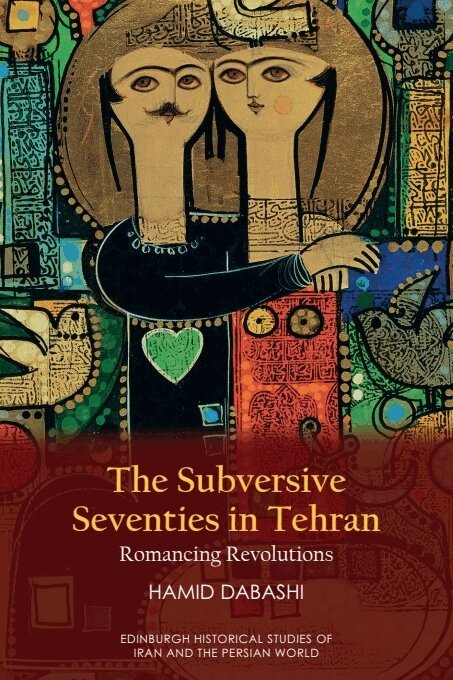
The 1970s are emerging as a pivotal decade in global history, in which enduring and unprecedented revolutionary changes radically altered our conception of society, polity and culture. In this book, Hamid Dabashi gives a potent account of the momentous changes in Iran during this time, mapping the social, political and cultural forces that shaped the decade and led to the downfall of the Pahlavi dynasty.Recollecting his years as a student in the Iranian capital, Dabashi explores the social and cultural scene of 1970s Tehran and offers a thorough account of the political disposition of the country in the years leading up to the 1977 9 revolution. He places this in the context of revolutionary aspirations around the world, putting Tehran on the map of the global 'subversive seventies'. The story is framed around an analysis of iconic novels and films that both reflected and shaped the time in which they were produced.
Inbunden, Engelska, 2025
2 029 kr
Skickas inom 3-6 vardagar
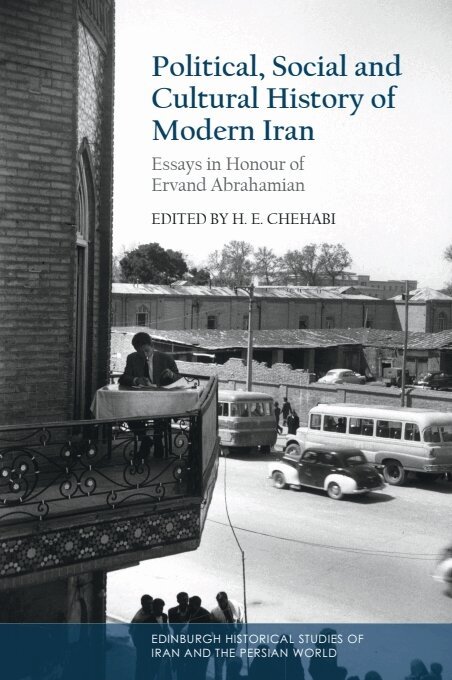
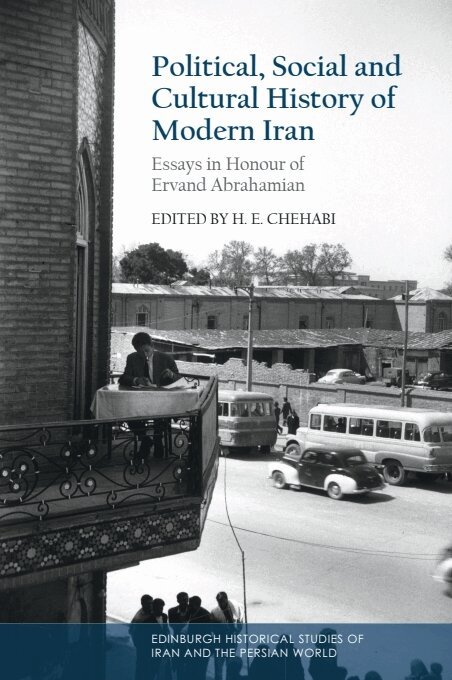
This collection of original chapters in honour of the distinguished historian Ervand Abrahamian addresses hitherto understudied topics in Iranian political, social, and cultural history from the early twentieth century to the present. The sixteen chapters fall into five categories all areas of study to which Ervand Abrahamian made a significant contribution which proceed from the global to the local: Part I looks at Iran's place in international politics in the early twentieth century; Part II considers key transitional periods in Iranian history; Part III focuses on national politics; Part IV examines intellectual history embedded in political change; and Part V explores social history, with an emphasis on cities. The book also includes an original interview with Ervand Abrahamian and a complete bibliography of Ervand Abrahamian's works.
Häftad, Engelska, 2026
361 kr
Kommande
This collection of original chapters in honour of the distinguished historian Ervand Abrahamian addresses hitherto understudied topics in Iranian political, social, and cultural history from the early twentieth century to the present. The sixteen chapters fall into five categories – all areas of study to which Ervand Abrahamian made a significant contribution – which proceed from the global to the local: Part I looks at Iran’s place in international politics in the early twentieth century; Part II considers key transitional periods in Iranian history; Part III focuses on national politics; Part IV examines intellectual history embedded in political change; and Part V explores social history, with an emphasis on cities. The book also includes an original interview with Ervand Abrahamian and a complete bibliography of Ervand Abrahamian’s works.
Inbunden, Engelska, 2025
1 363 kr
Skickas inom 7-10 vardagar
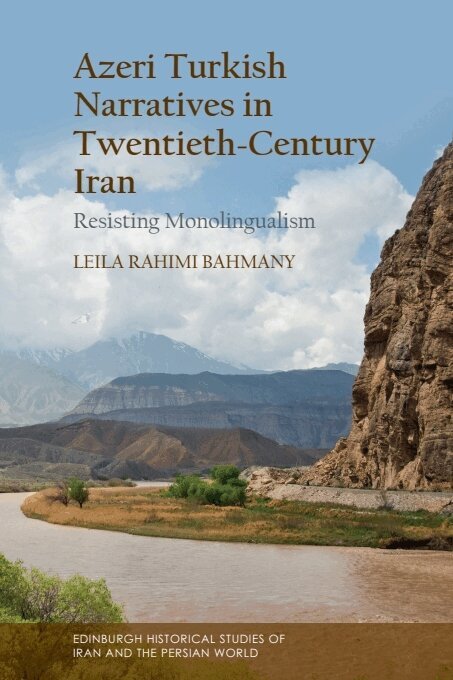
Modern Azeri Turkish prose narratives emerged towards the end of the Second World War, a period marked by the rise of multiple hostile ideological trends including Aryanism, centralism, nationalism and archaism all seeking to eradicate the Azeri Turkish language. Azeri Turkish was framed as a linguistic threat to be eliminated as monolingualism, seen as a prerequisite for a unified nation-state, became one of the main state projects of the Pahlavis in their attempt to create a homogenised, Persianised Aryan nation. Yet, despite a century of systematic Persianisation, literature in Azeri Turkish not only endured but continues to thrive in Iran to this day.This book introduces short stories, novels and memoirs in Azeri Turkish from the 1940s to the end of the twentieth century, situating them within the historical and political events of the time, from the rise of the Azerbaijan People's Government to the Iranian Revolution and beyond. It analyses the author's engagement with the questions of forced monolingualism, institutionalised assimilation policies and centre periphery relations, revealing the dissident nature of this minority literature. It shows how the persistent marginalisation of Azeri Turkish literature, along with the constant revisitation of the region's dark historical periods, has shaped much of this literature as trauma narratives. Finally, it advocates for vitalising Iranian literary studies by embracing linguistic and cultural diversity.
Inbunden, Engelska, 2026
1 245 kr
Kommande
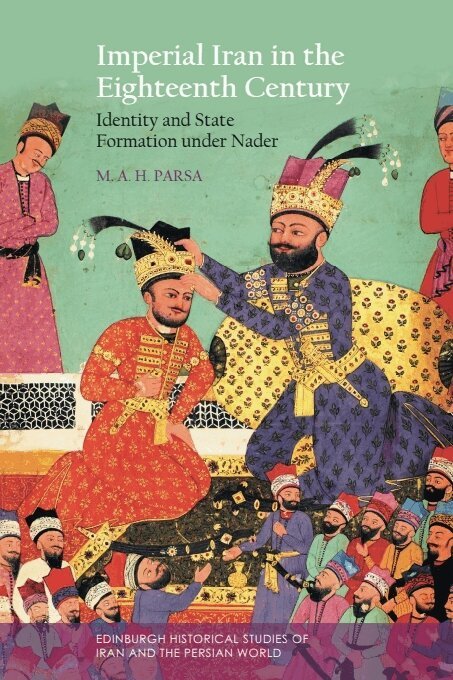
The 18th-century ‘interregnum’ between the Safavid and Qajar dynasties remains woefully understudied in Iranian history, regarded as a turbulent and inconsequential gap between two major dynastic periods. This book, however, argues that this period saw the emergence of the idea of Iran as the foundation for collective identity and state formation. It traces the development of a sacralised territorial identity that fused an irredentist notion of Iran-realm (Iranzamin) with Shiʿism, culminating in an unprecedented political idea: that of an ‘Iranian state’ (dowlat-e Irān), supposedly formed by the unanimous consensus of the ‘Iranian people’ (ahl-e Irān). The book then covers how this state, under Nader Shah (Nāder-e Irān), subjugated non-Iranian realms to form a new universal Islamic empire.This is the first monograph to offer an integrated understanding of state formation in post-Safavid Iran (c.1720 – 1750), demonstrating how politico-cultural, military, administrative and ecclesiastic developments related to one another. Drawing on a wide range of neglected primary sources in Arabic, Turkish (both Ajami and Ottoman) and Kurdish (Hawrami), as well as Persian and European sources, the book sheds light on Iran in its last iteration as a great power.
Inbunden, Engelska, 2026
1 285 kr
Skickas inom 7-10 vardagar
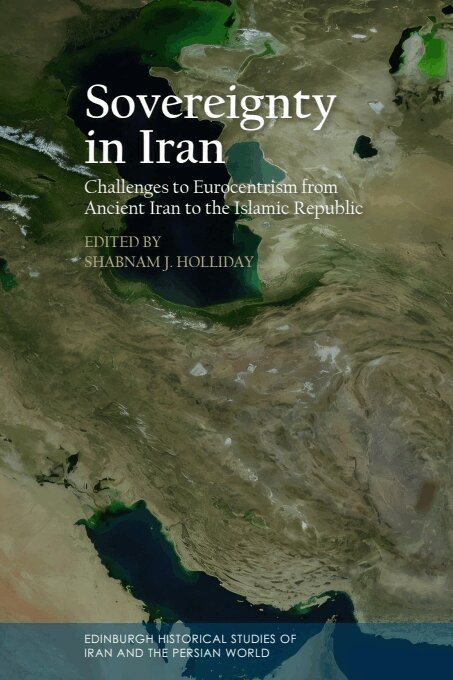
This book is a multi-disciplinary and inter-disciplinary collaborative project examining sovereignties as a plural concept through the case of Iran. In so doing it challenges Eurocentric assumptions in the Humanities and Social Sciences and covers sovereignty from ancient Iran to the Islamic Republic including the Woman, Life, Freedom protests.Part One explores sovereignty in ancient Iran by looking at the Elamites through a theoretical lens, the Achaemenids, and the Parthians and Sasanians. Part Two explores how territory relates to sovereignty alongside other dynamics in the Safavid, Second World War, Pahlavi and Islamic Republic periods. Part Three then focuses on competing and co-existing sovereignties in the southern Persian Gulf at the beginning of the twentieth century in Kurdistan and its relationships with Iranian governments during the twentieth and twenty-first centuries, as well as in the Woman, Life, Freedom protests. A non-Eurocentric framework requires the reader to think about co-existing and competing sovereignties with an ‘Area Studies’ lens. This approach moves beyond periodised understandings of history and not only contributes to better understanding Eurocentrism but also enables a greater appreciation of contexts, complexities and agencies.
Inbunden, Engelska, 2026
1 186 kr
Kommande
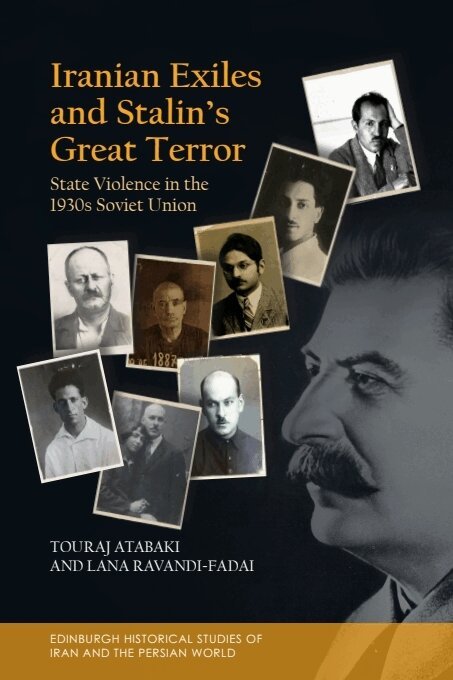
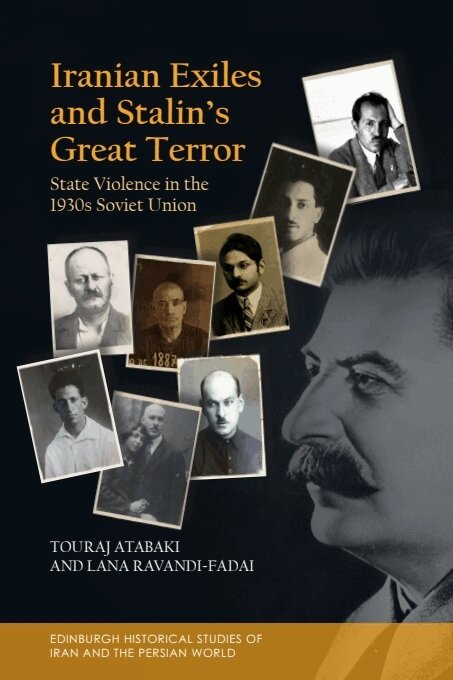
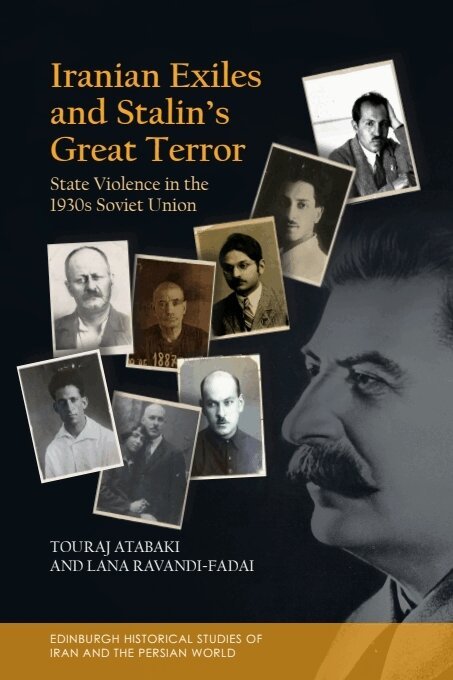
While Stalin’s Great Terror has been extensively studied, this is the first book to uncover the fate of Iranian communists and migrant workers in the Soviet Union during the 1930s purges. It reveals how foreign nationals, particularly Iranians, were caught in the machinery of repression during one of the darkest chapters of Soviet history. Using newly accessible Soviet archives, it tells the human stories behind political repressions – stories that were buried for decades and have been entirely absent from both Iranian and Soviet historiography.By reconstructing the lives and fates of those silenced, this book challenges established narratives and emphasises the human cost of political repression. The authors provide detailed individual case studies of Iranians who were arrested, deported or executed, most of whom have never appeared in the historical record before. Speaking to enduring themes of displacement, political persecution and the vulnerability of migrants under authoritarian regimes, it is a vital contribution to both historical scholarship and contemporary political reflection.
Inbunden, Engelska, 2020
1 152 kr
Skickas inom 11-20 vardagar
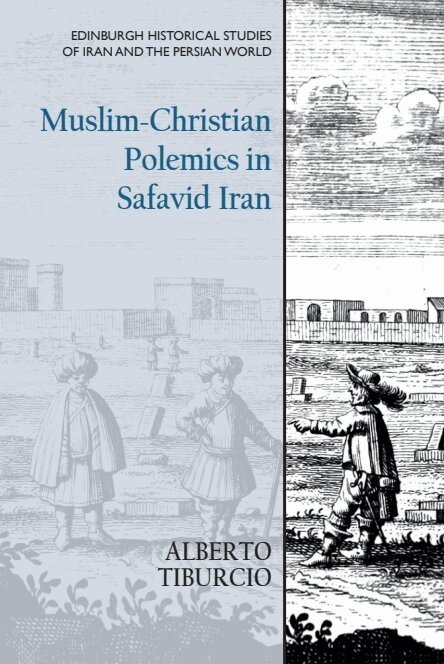
This book explores the history of Muslim-Christian theological exchanges in Iran during the 17th and early 18th centuries. Focused on the work of the renegade missionary ‘Ali Quli Jadid al-Islam (d. 1734), it contributes to ongoing debates on the nature of confessionalism, interreligious encounters, and cultural translation in early modern Muslim empires. By disentangling the connections between polemics and other forms of Islamic learning and by emphasizing the Shi‘i character of the case in question, this study accounts for the dynamism of polemics as an ever-evolving genre capable to adapt to different historical contexts.
Häftad, Engelska, 2022
485 kr
Skickas inom 3-6 vardagar
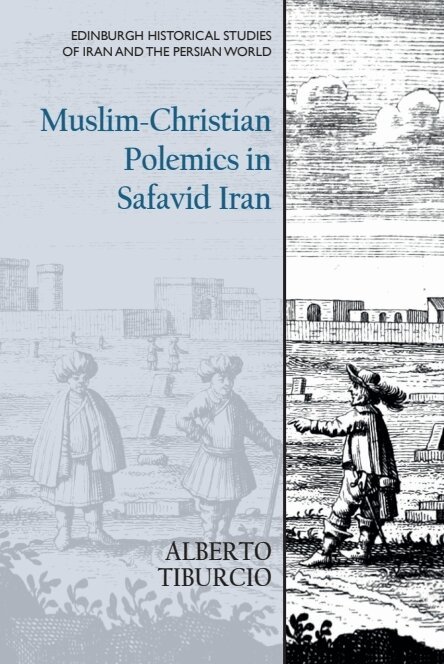
Focused on the work of the renegade missionary 'Ali Quli Jadid al-Islam (d. 1734), this book contributes to ongoing debates on the nature of confessionalism, interreligious encounters and cultural translation in early modern Muslim empires. By disentangling the connections between polemics and other forms of Islamic learning and by emphasising the Shi'i character of the case in question, Alberto Tiburcio accounts for the dynamism of polemics as an ever-evolving genre capable of adapting to different historical contexts.
Inbunden, Engelska, 2020
2 111 kr
Skickas inom 3-6 vardagar
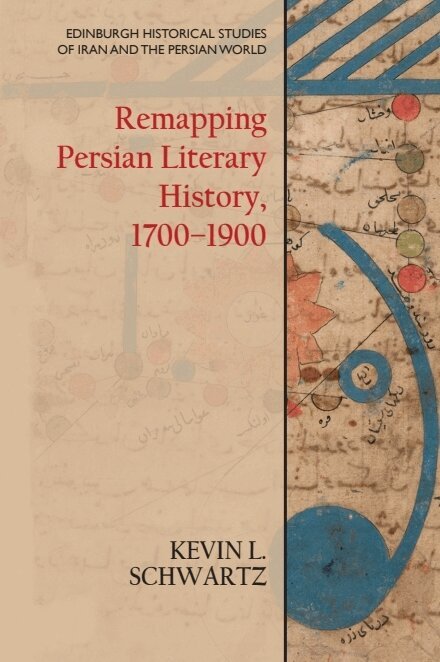
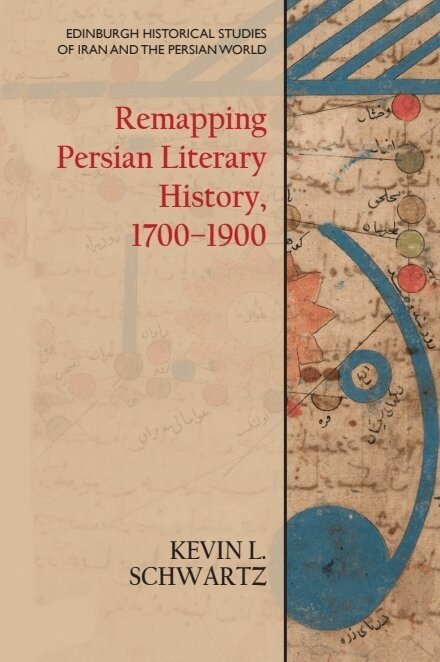
Integrating forgotten tales of literary communities across Iran, Afghanistan and South Asia – at a time when Islamic empires were fracturing and new state formations were emerging – this book offers a more global understanding of Persian literary culture in the 18th and 19th centuries. It challenges the manner in which Iranian nationalism has infilitrated Persian literary history writing and recovers the multi-regional breadth and vibrancy of a global lingua franca connecting peoples and places across Islamic Eurasia. Focusing on 3 case studies (18th-century Isfahan, a small court in South India and the literary climate of the Anglo-Afghan war), it reveals the literary and cultural ties that bound this world together as well as some of the trends that broke it apart.
Häftad, Engelska, 2022
311 kr
Skickas
Integrating forgotten tales of literary communities across Iran, Afghanistan and South Asia at a time when Islamic empires were fracturing and new state formations were emerging this book offers a more global understanding of Persian literary culture in the 18th and 19th centuries. It challenges the manner in which Iranian nationalism has infiltrated Persian literary history writing and recovers the multi-regional breadth and vibrancy of a global lingua franca connecting peoples and places across Islamic Eurasia. Focusing on 3 case studies (18th-century Isfahan, a small court in South India and the literary climate of the Anglo-Afghan war), it reveals the literary and cultural ties that bound this world together as well as some of the trends that broke it apart.
Inbunden, Engelska, 2022
1 840 kr
Skickas inom 3-6 vardagar
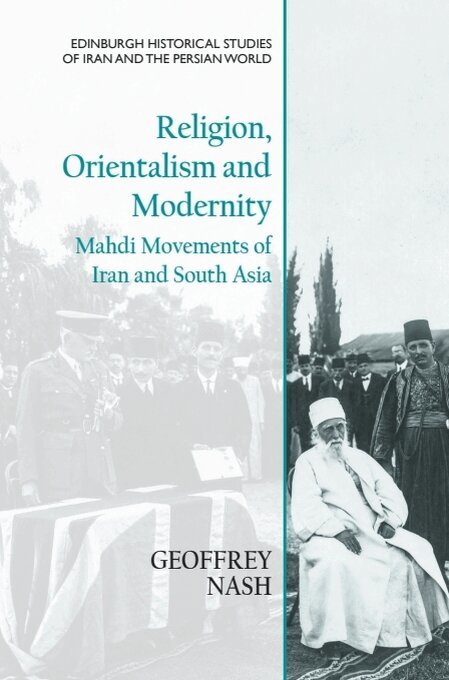
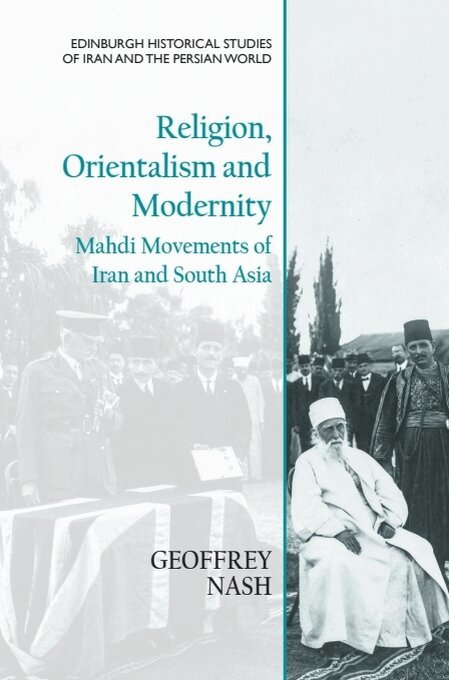
An innovative analysis of modernity and Orientalist discourses in Iranian millenarian movements Religion, Orientalism and Modernity explores the emergence in Iran of the revolutionary Babis and reformist Baha'is and their conflict with mainstream Shi'a Muslims, and of the parallel Ahmadi movement in North India. It gives fresh insights into the writings that defined these innovatory movements, penned on the one hand by their proponents, and on the other by western interpreters. Comparison of these movements shows that, together, they define important aspects of Islamic modernity. A focus on two case studies (Babis and Baha'is in Iran, and Ahmadis in India) reveals similarities and differences in their responses to a perceived need for change and renewal of religious authority.
Häftad, Engelska, 2023
458 kr
Skickas inom 3-6 vardagar
Analyses modernity and Orientalist discourses in Iranian millenarian movements Employs historical and discourse analysis to probe the conflict between orthodox and heterodox religious movements in 19th- and 20th-century IranLinks the conflict between orthodoxy and heterodoxy to the impact of modernity on Iran's society and religion and to colonisation on India's MuslimsBroadens the scope of this conflict to include Palestine, Central Asia and Turkey Presents a postcolonial analysis of the new movements and their broader relationship to the Islamic world during the age of imperialismReligion, Orientalism and Modernity explores the emergence of the revolutionary Babis and reformist Baha'is and their conflict with mainstream Shi'a Muslims in Iran, and of the parallel Ahmadi movement in North India. It gives fresh insights into the writings that defined these innovatory movements, penned on the one hand by their proponents, and on the other by western interpreters. Comparing these movements shows that, together, they define important aspects of Islamic modernity. A focus on two case studies (Babis and Baha'is in Iran, and Ahmadis in India) reveals similarities and differences in their responses to a perceived need for change and renewal of religious authority.
Inbunden, Engelska, 2021
1 324 kr
Skickas inom 7-10 vardagar
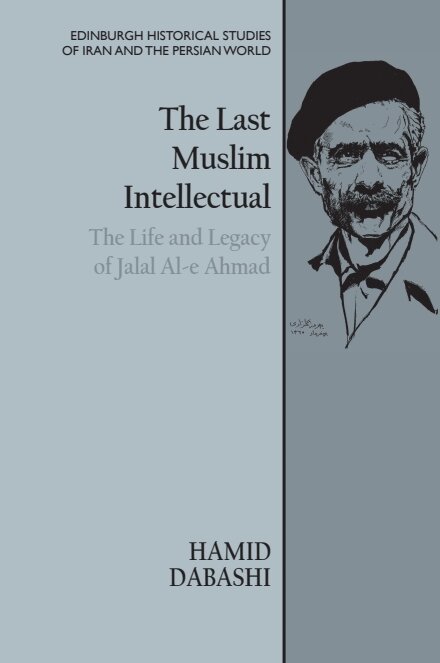
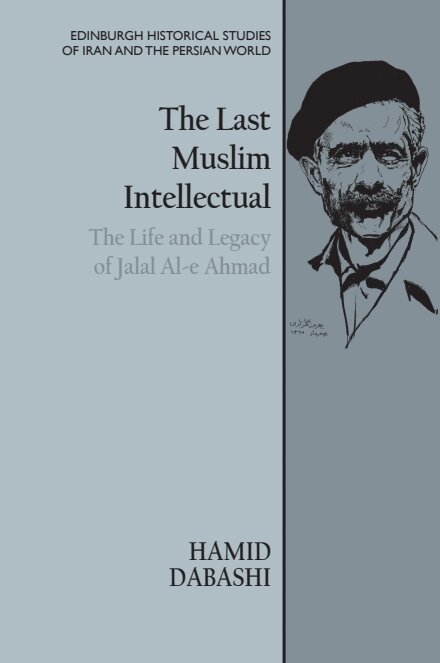
This book explores the life and legacy of Jalal Al-e Ahmad (1923–69) – arguably the most prominent Iranian public intellectual of his time – and contends that he was the last Muslim intellectual to have articulated a vision of Muslim worldly cosmopolitanism, before the militant Islamism of the last half a century degenerated into sectarian politics and intellectual alienation from the world at large. Hamid Dabashi places Al-e Ahmad beside other towering critical thinkers of his time, showing how he personified a state of Muslim anticolonial modernity that has now disappeared behind the smokescreen of sectarian politics. This unprecedented engagement with Al-e Ahmad’s life and legacy is a prelude to what Dabashi calls a ‘post-Islamist Liberation Theology’. The Last Muslim Intellectual is about expanding the wide spectrum of anticolonial thinking beyond its established canonicity and adding a critical Muslim thinker to it – an urgent task, if the future of Muslim critical thinking is to be considered in liberated terms beyond the dead-end of its current sectarian predicament.
Häftad, Engelska, 2022
615 kr
Skickas inom 3-6 vardagar
Explores the life and legacy of Jalal Al-e Ahmad (1923 69) arguably the most prominent Iranian public intellectual of his timeA social and intellectual biography of Jalal Al-e Ahmad, a seminal Muslim public intellectual of the mid-20th centuryPlaces Al-e Ahmad's writing and activities alongside other influential anticolonial thinkers of his time, including Frantz Fanon, Aim C saire and Edward SaidChapters cover Jalal Al-e Ahmad's intellectual and political life; his relationship with his wife, the novelist Simin Daneshvar; his essays; his fiction; his travel writing; his translations; and his legacyIn this social and intellectual biography, Hamid Dabashi contends that Jalal Al-e Ahmad was the last Muslim intellectual to have articulated a vision of Muslim worldly cosmopolitanism, before the militant Islamism of the last half a century degenerated into sectarian politics and intellectual alienation from the world at large.Dabashi places Al-e Ahmad beside other towering critical thinkers of his time, showing how he personified a state of Muslim anticolonial modernity that has now disappeared behind the smokescreen of sectarian politics. This unprecedented engagement with Al-e Ahmad's life and legacy is a prelude to what Dabashi calls a 'post-Islamist Liberation Theology'.The Last Muslim Intellectual expands the wide spectrum of anticolonial thinking beyond its established canonicity by adding a critical Muslim thinker to it an urgent task, if the future of Muslim critical thinking is to be considered in liberated terms beyond the dead-end of its current sectarian predicament.
Inbunden, Engelska, 2021
1 325 kr
Skickas
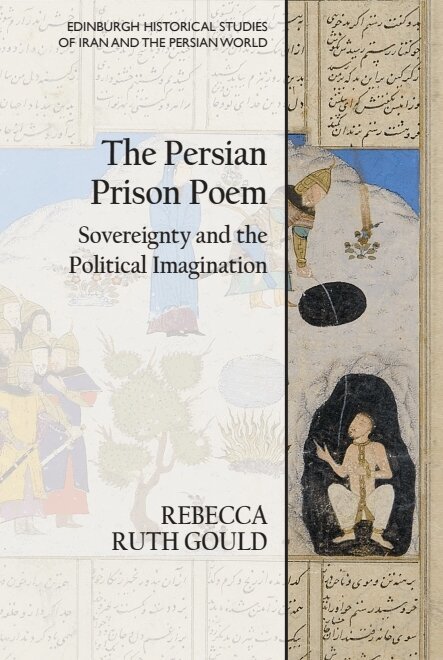
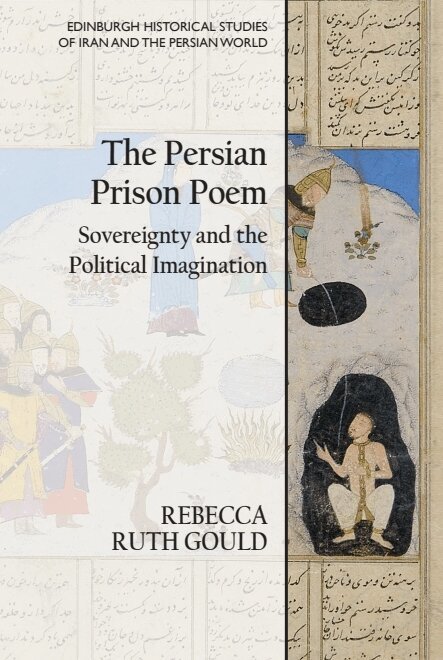
Through a series of insightful and sophisticated readings, this book reveals the worldliness of premodern Persian poetry. It traces the political role of poetry in shaping the prison poem genre (habsiyyat) across 12th-century Central, South and West Asia. Bringing theorists as wide ranging as Kantorowicz, Benjamin and Adorno into conversation with classical Persian poetics, this book offers an unprecedented account of prison poetry before modernity, and of premodern Persianate culture within the framework of world literature and global politics.
Häftad, Engelska, 2023
651 kr
Skickas inom 3-6 vardagar
The first English-language study of the Persian prison poemDevelops a new approach to genre, based on the political status of the prison poem Offers an unprecedented account of the interrelations of poetry and power in pre-modern literature Sheds new light on Muslim Christian relations by documenting the multi-confessional orientation of many prison poems Relates the trajectory of the prison poem genre in pre-modern poetics to Iranian literary modernism, including the prison poems of Muhammad Taqi BaharThrough a series of insightful and sophisticated readings, this book reveals the worldliness of premodern Persian poetry. It traces the political role of poetry in shaping the prison poem genre (habsiyyat) across 12th-century Central, South and West Asia. The emergence of the genre is indebted to the increasing importance of the poet, who came into increasing conflict with Ghaznavid and Saljuq sovereigns as the genre developed. Uniting the polarities of perpetuity and contingency, the poet's body became the medium for the prison poem's oppositional poetics.Bringing theorists as wide ranging as Kantorowicz, Benjamin and Adorno into conversation with classical Persian poetics, this book offers an unprecedented account of prison poetry before modernity, and of premodern Persianate culture within the framework of world literature and global politics.
Inbunden, Engelska, 2023
1 128 kr
Skickas
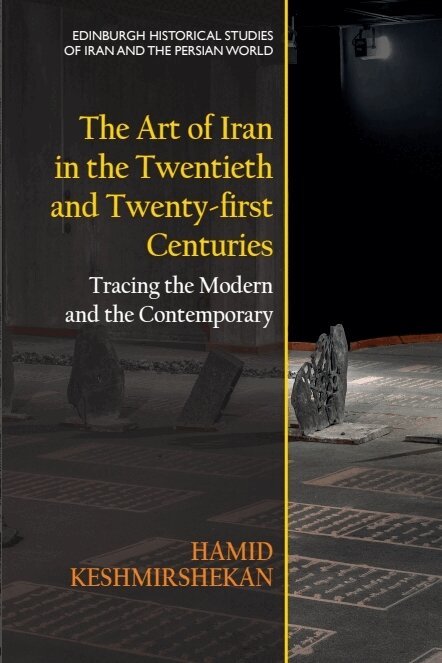
Explores and theorises the modern and contemporary art of Iran from the mid-twentieth century to the presentCritically rereads the concepts of modern and contemporary art in the context of IranDiscusses discourses such as nativism, nationalism, anti-westernism or Gharb-zadegi (Westoxification), modernism, secularism, Islamicism, identity versus cultural globalisation, cultural essentialism, global market demands and exoticismLooks at the representation of these discourses in art and artistic movements such as Saqq?-kh?neh, revolutionary art and diasporic art or artistic strategies such as humour, criticism of cultural past, deconstructive and subversive language, etc.Shows how globalisation and its attendant cultural transformations and alternative visions of cultural particularities have emerged as new themes for Iranian artistsBased on primary sources including interviews with artists, curators, art critics and cultural activists from a range of disciplinary media such as painting, sculpture, photography, video, performance, installation, and participatory projectsExamines how political events such as the 1979 Revolution, its aftermaths and the so-called Reform period (1997-2005) impacted cultural and artistic modes in Iran This book deals with the exploration and theorisation of Modern and Contemporary art of Iran through the examination of art movements and artistic practices in relation to other cultural, social and political discourses during the twentieth and twenty-first centuries. It focuses on discourses and their impact on art movements and practices and aims to selectively explore certain prevailing debates in action during this time. To come to grips with the way that artistic trends in Iran can be traced within the intellectual and political landscape of the country mainly from the 1940s to the present, Keshmirshekan articulates new ideas for relating art to its wider context whether social, cultural or political and to bring together critical and historical evidence in order to provide an insight into current artistic concerns. The book explores these underlying themes and discourses through a series of case studies, including through close scrutiny of works of artists.?
Häftad, Engelska, 2025
420 kr
Skickas
This book deals with the exploration and theorisation of Modern and Contemporary art of Iran through the examination of art movements and artistic practices in relation to other cultural, social and political discourses during the twentieth and twenty-first centuries. It focuses on discourses and their impact on art movements and practices and aims to selectively explore certain prevailing debates in action during this time. To come to grips with the way that artistic trends in Iran can be traced within the intellectual and political landscape of the country mainly from the 1940s to the present, the author has tried to articulate new ideas for relating art to its wider context whether social, cultural or political and to bring together critical and historical evidence in order to provide an insight into current artistic concerns. The book explores these underlying themes and discourses through a series of case studies, including through close scrutiny of works of artists.?
Inbunden, Engelska, 2025
1 686 kr
Skickas inom 3-6 vardagar
Iran's nationalisation of oil in 1951 was a key catalyst for the rise of resource nationalism as an animating force of global decolonisation, expelling the Anglo-Iranian Oil Company (AIOC, now known as BP) after nearly fifty years of domination in southwest Iran. Nationalising Oil & Knowledge in Iran turns attention to the origins of nationalisation in the everyday struggles between the oil company and subaltern actors in the city of Abadan, then home to the world's largest oil refinery and deeply imbricated in networks of colonialism and racial capitalism. Engaging with energy history, postcolonial/subaltern studies, and science & technology studies, the book focuses on the politics of expertise: how nationalisation reproduced the epistemic coloniality of the oil company, which rested on local dispossession, social engineering, as well as racial and gendered segregation. It argues that nationalisation diverged from subaltern contestations of oil expertise in Abadan, which presented a more fundamental challenge to colonial modernity.
Häftad, Engelska, 2026
302 kr
Kommande
Iran’s nationalisation of oil in 1951 was a key catalyst for the rise of resource nationalism as an animating force of global decolonisation, expelling the Anglo-Iranian Oil Company (AIOC, now known as BP) after nearly fifty years of domination in southwest Iran. Nationalising Oil & Knowledge in Iran turns attention to the origins of nationalisation in the everyday struggles between the oil company and subaltern actors in the city of Abadan, then home to the world’s largest oil refinery and deeply imbricated in networks of colonialism and racial capitalism. Engaging with energy history, postcolonial/subaltern studies, and science & technology studies, the book focuses on the politics of expertise: how nationalisation reproduced the epistemic coloniality of the oil company, which rested on local dispossession, social engineering, as well as racial and gendered segregation. It argues that nationalisation diverged from subaltern contestations of oil expertise in Abadan, which presented a more fundamental challenge to colonial modernity.