Mediterranea - Böcker
Visar alla böcker i serien Mediterranea. Handla med fri frakt och snabb leverans.
14 produkter
14 produkter
563 kr
Skickas inom 10-15 vardagar
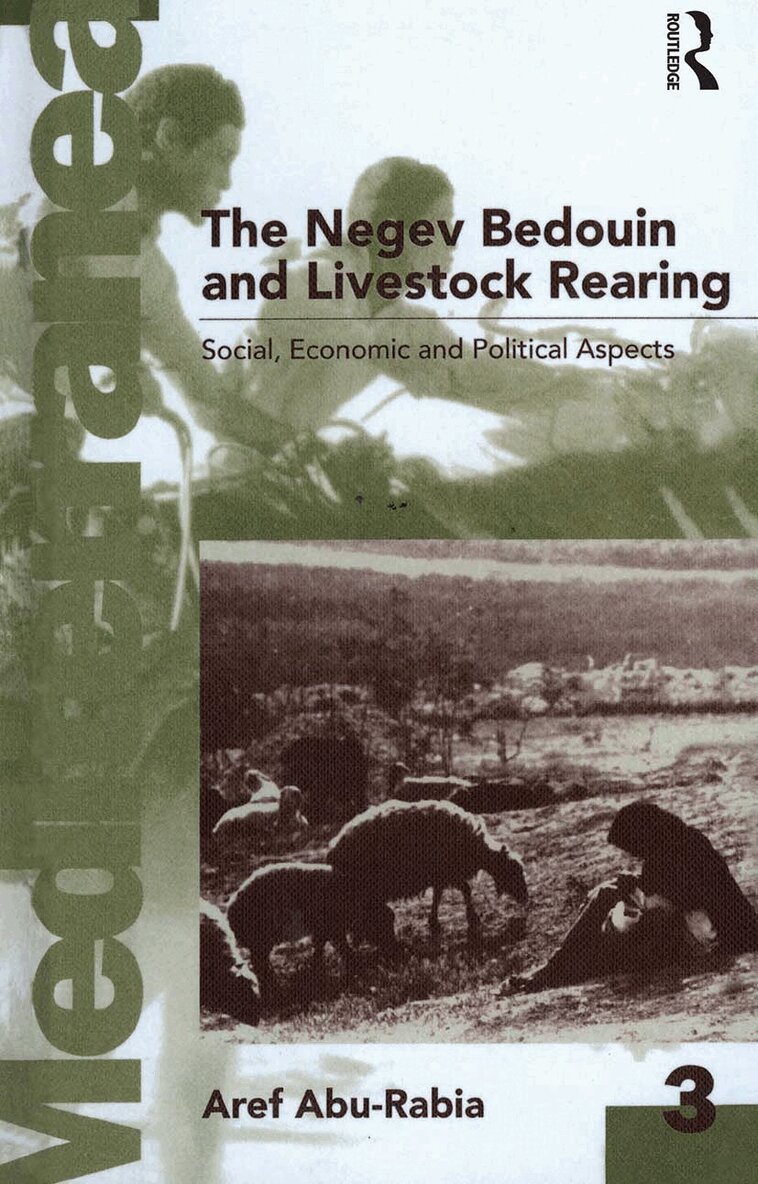
In the past sheep-rearing was the main means of existence for most Bedouin. Today it is developing in a new direction. For some it is as important as ever, for others it has become only a subsidiary source of income and a safeguard against economic instability. This volume looks at the effects social, political and economic change has had upon the traditional livelihood of the Negev Bedouin. The author considers how, despite all the problems encountered - such as the expropriation of land by the authorities and the demolition of authorized dwellings - sheep-rearing is still considered to be essential and worthwhile for almost all households. Co-operation between the owners of flocks, shepherds, food suppliers and government officials is essential in the determination of grazing areas and pastoral arrangements. These varied interest groups ensure that sheep-rearing continues to occupy an important place in the Bedouin's cultural identity and the flock remains a unifying factor for the Bedouin family and Israeli society.
567 kr
Skickas inom 10-15 vardagar
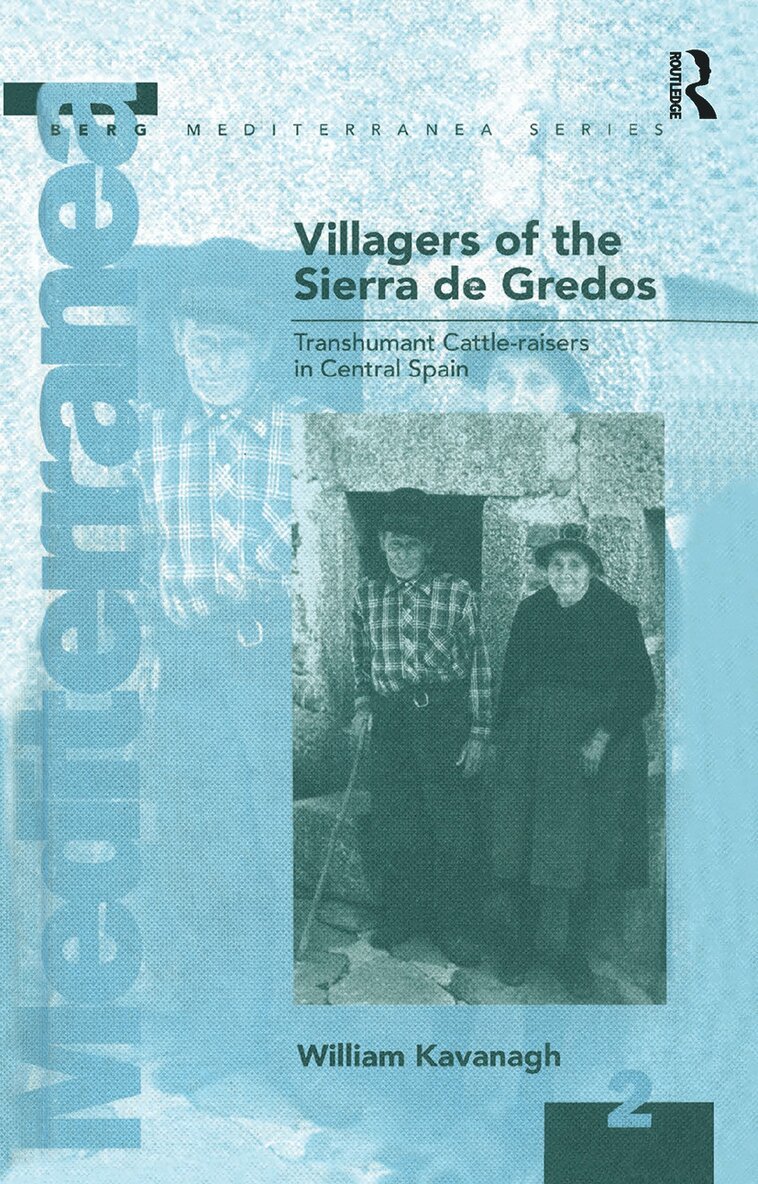
This is the first study of a transhumant cattle-raising community in Spain. Transhumance is the seasonal moving of livestock to another region. This book shows the social and economic factors upon which the continued vitality of this mountain village is based: the use of communal summer pastures; the transhumant groups which walk the cattle to the winter pastures over the mountains; and the system of taking turns for many tasks within the village. The book analyses the sharp divisions between the more rigid organization of life within the village, and the organization of life outside the village in the transhumant group which goes to the winter pastures in Extramadura.
1 688 kr
Skickas inom 10-15 vardagar
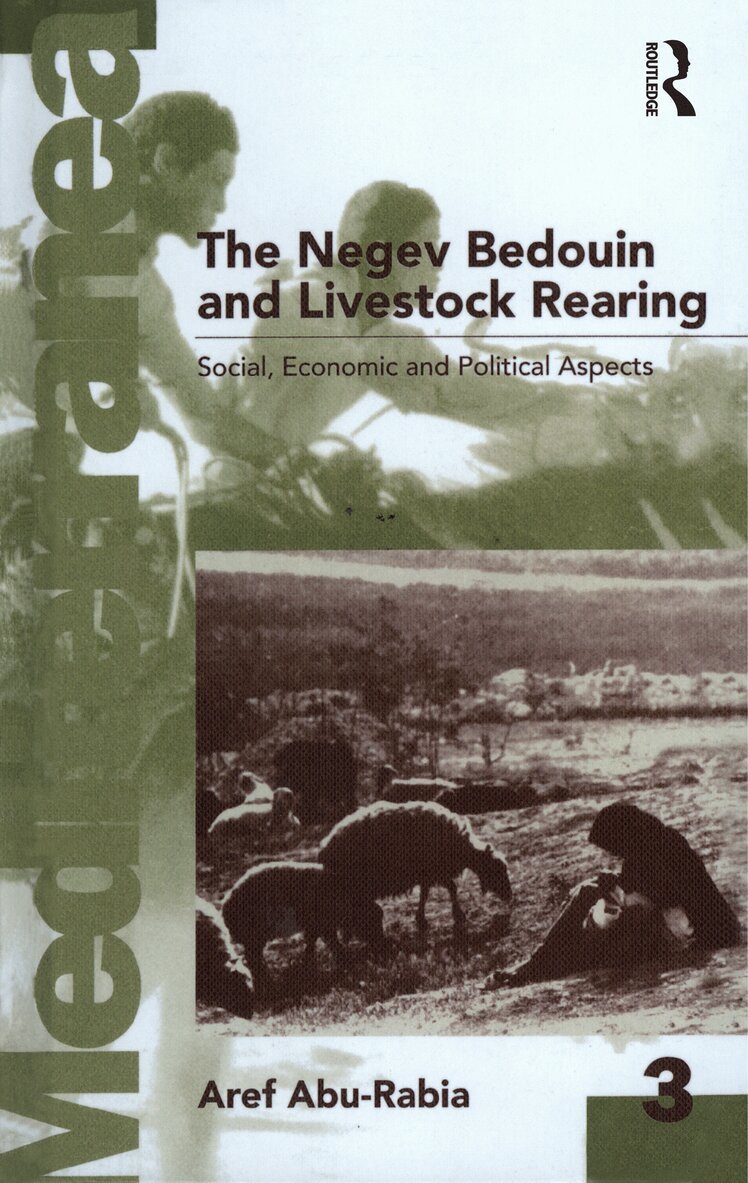
In the past sheep-rearing was the main means of existence for most Bedouin. Today it is developing in a new direction. For some it is as important as ever, for others it has become only a subsidiary source of income and a safeguard against economic instability. This volume looks at the effects social, political and economic change has had upon the traditional livelihood of the Negev Bedouin. The author considers how, despite all the problems encountered - such as the expropriation of land by the authorities and the demolition of authorized dwellings - sheep-rearing is still considered to be essential and worthwhile for almost all households. Co-operation between the owners of flocks, shepherds, food suppliers and government officials is essential in the determination of grazing areas and pastoral arrangements. These varied interest groups ensure that sheep-rearing continues to occupy an important place in the Bedouin's cultural identity and the flock remains a unifying factor for the Bedouin family and Israeli society.
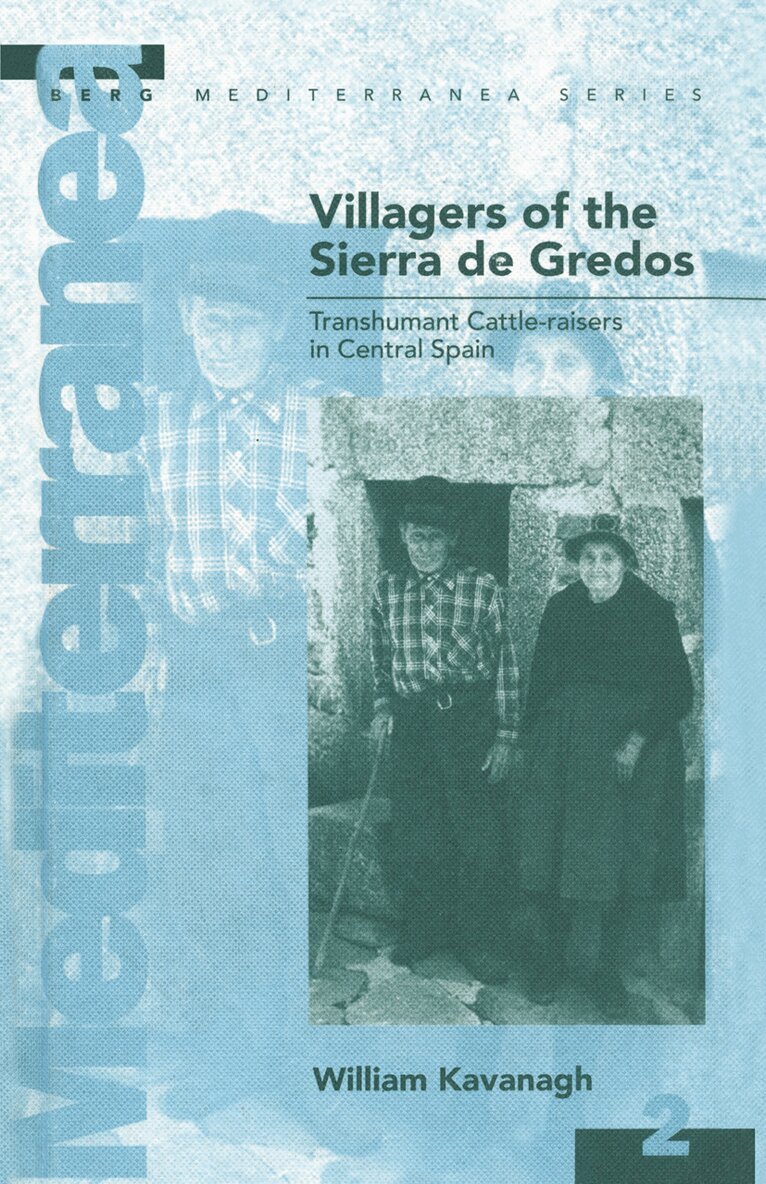
Villagers of the Sierra de Gredos
Transhumant Cattle-raisers in Central Spain
Inbunden, Engelska, 1994
1 688 kr
Skickas inom 10-15 vardagar
This is the first study of a transhumant cattle-raising community in Spain. Transhumance is the seasonal moving of livestock to another region. This book shows the social and economic factors upon which the continued vitality of this mountain village is based: the use of communal summer pastures; the transhumant groups which walk the cattle to the winter pastures over the mountains; and the system of taking turns for many tasks within the village. The book analyses the sharp divisions between the more rigid organization of life within the village, and the organization of life outside the village in the transhumant group which goes to the winter pastures in Extramadura.
2 091 kr
Skickas inom 10-15 vardagar
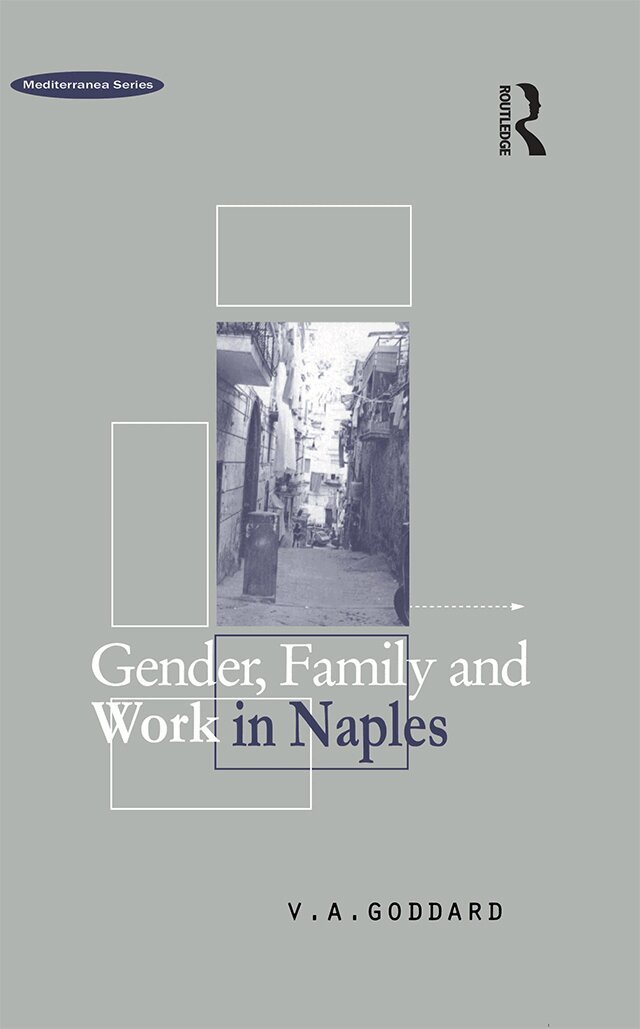
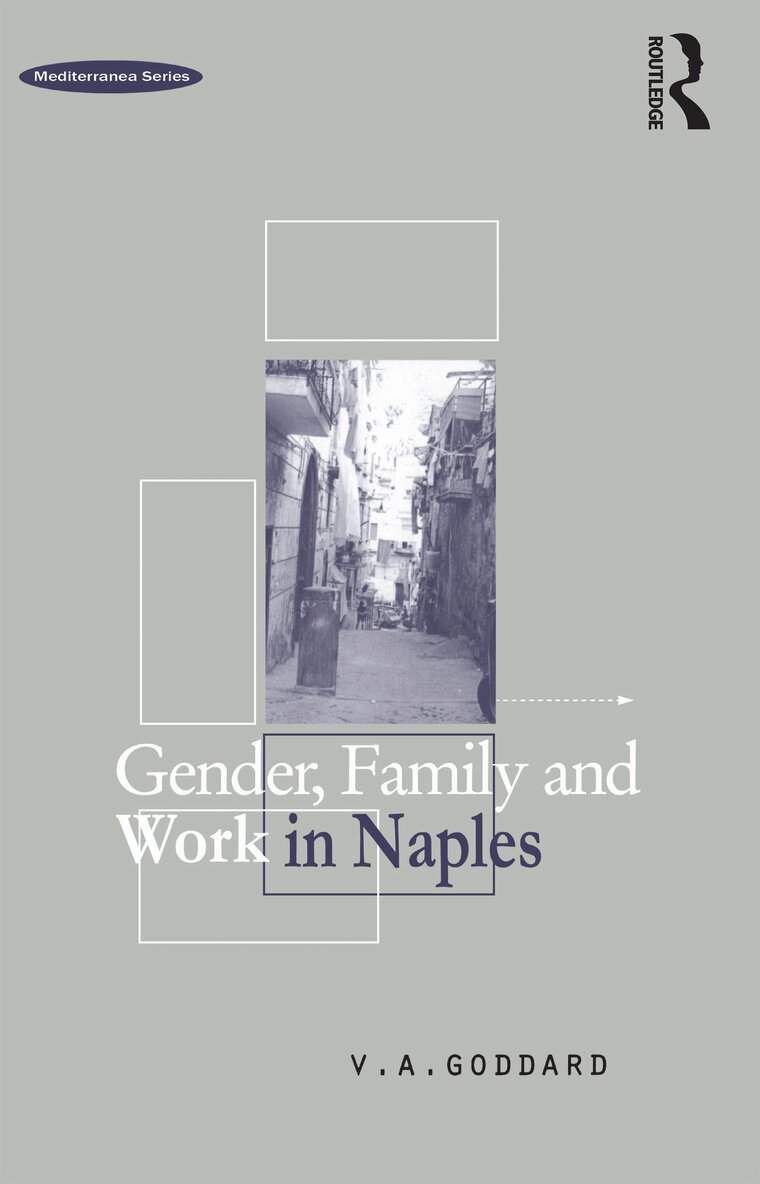
Breaking new ground in Mediterreanean anthropology, this book rejects the discipline's traditional focus on honour and shame in small face-to-face communities, and suggests instead that gender and sexuality interact with material processes in the constitution of personal and social identities. In this ethnographic account of the labour market in Naples, the author shows how cultural definitions of gender can be used to investigate broad social processes. Scarce stable employment in the area means that household members are forced to diversify their economic activities in order to survive. Petty entrepreneurship is an option which is almost exclusively available to men. Women, who are either unable or unwilling to obtain factory work, are generally confined to the status of outworkers. The author emphasises that individual choices cannot be attributed solely to economic opportunities but that concepts of selfhood, gender identity and the symbolic value of female sexuality are also important.
550 kr
Skickas inom 10-15 vardagar
Breaking new ground in Mediterreanean anthropology, this book rejects the discipline's traditional focus on honour and shame in small face-to-face communities, and suggests instead that gender and sexuality interact with material processes in the constitution of personal and social identities. In this ethnographic account of the labour market in Naples, the author shows how cultural definitions of gender can be used to investigate broad social processes. Scarce stable employment in the area means that household members are forced to diversify their economic activities in order to survive. Petty entrepreneurship is an option which is almost exclusively available to men. Women, who are either unable or unwilling to obtain factory work, are generally confined to the status of outworkers. The author emphasises that individual choices cannot be attributed solely to economic opportunities but that concepts of selfhood, gender identity and the symbolic value of female sexuality are also important.
2 091 kr
Skickas inom 10-15 vardagar
The important role women play in the process of migration to the Western bloc - and in particular to Southern Europe where they often find jobs in the domestic service, tourist or sex industries - has been increasingly recognized. This timely book provides essential new insights into the forms of migration and the impact of gender relations on the migration and accommodation process, and also raises general conceptual issues about ways of understanding migration in a global context. At a time when all the member states of the European Union have called for a reduction in immigration in response to its steady growth, the urgency of the topic is apparent. Contributors examine the possible legal, social and economic problems that increased immigration may produce, including: - female migration and its relation to changing gender relations in the country of migration; - different forms of exclusion faced by male and female migrants; working conditions and status; - migrant networks; - and women's role in reproducing and maintaining ethnic culture.This book will be essential reading for courses in migration, nationalism, Mediterranean and area studies, gender studies and a range of social science courses. It will also be of use to policy makers and those interested in European developments.
550 kr
Skickas inom 10-15 vardagar
The important role women play in the process of migration to the Western bloc - and in particular to Southern Europe where they often find jobs in the domestic service, tourist or sex industries - has been increasingly recognized. This timely book provides essential new insights into the forms of migration and the impact of gender relations on the migration and accommodation process, and also raises general conceptual issues about ways of understanding migration in a global context. At a time when all the member states of the European Union have called for a reduction in immigration in response to its steady growth, the urgency of the topic is apparent. Contributors examine the possible legal, social and economic problems that increased immigration may produce, including: - female migration and its relation to changing gender relations in the country of migration; - different forms of exclusion faced by male and female migrants; working conditions and status; - migrant networks; - and women's role in reproducing and maintaining ethnic culture.This book will be essential reading for courses in migration, nationalism, Mediterranean and area studies, gender studies and a range of social science courses. It will also be of use to policy makers and those interested in European developments.
2 091 kr
Skickas inom 10-15 vardagar
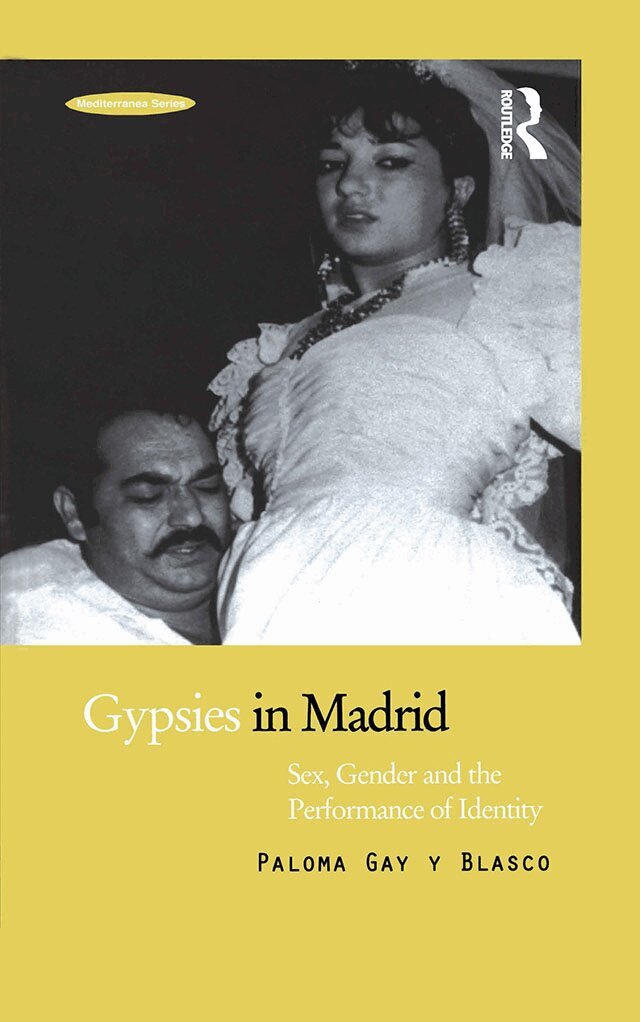
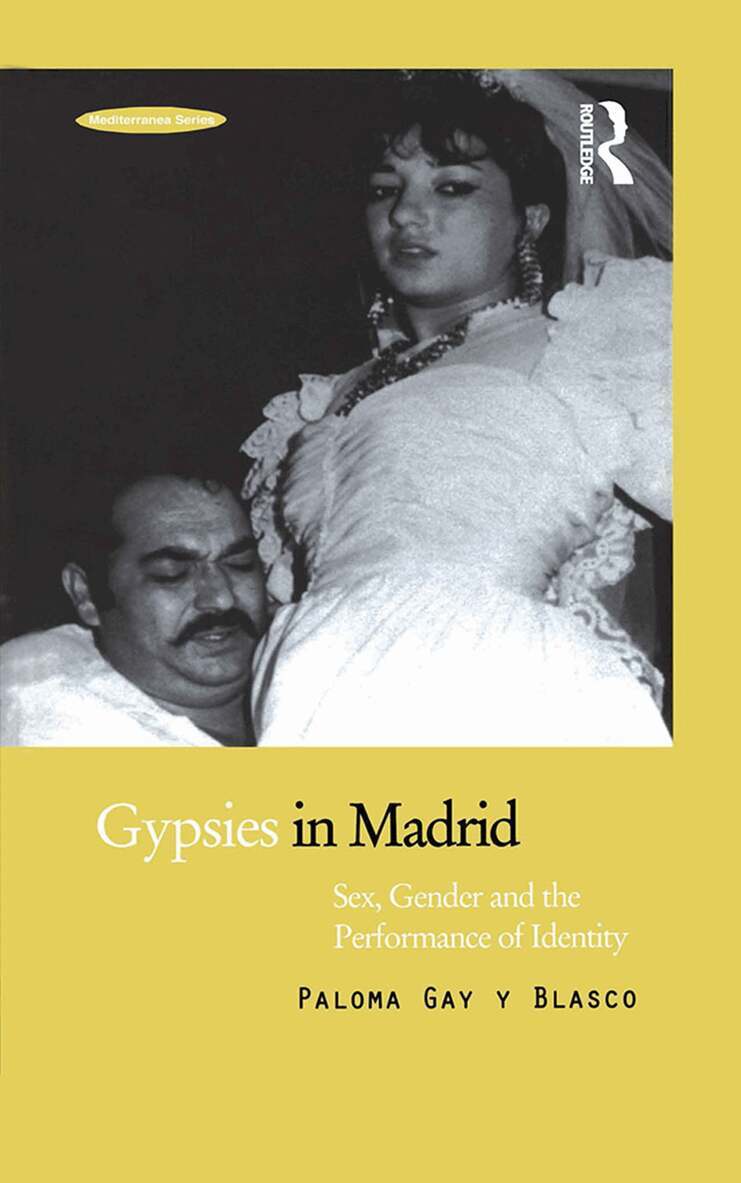
Throughout the twentieth century, Spanish people have deployed conflicting sexual moralities in their struggle for political supremacy within the state. The Spanish Gypsies or Gitanos, who live at the very bottom of the Spanish socio-economic scale, have appropriated this concern with gender morality and, in the process, have reinvented themselves as the only honourable Spaniards. Although the Gitano gender ideology has a distinctively Spanish flavour, it revolves around a conceptualization of the female body that is radically different from that of other Spaniards. The subtle exploration of these acts of cultural invention is one of the original features of this important new ethnography. Another even more striking aspect of the work is the author's vision of the 'impermanent' nature of the Gitano social order and the absence of any representation of 'community' or 'society'. Unlike their non-Gypsy neighbours, Gitanos do not use concepts of tradition, territory or social harmony as bases for their singularity. Instead, they focus on the evaluation of personal moral performances in the present. In a cultural universe where all activities are markers of shared identity, and where personhood is always sexed, men and women continually enact the superiority of Gypsies over non-Gypsies. Through dress, manner and the management of emations, or at wedding rituals where the virginity of young brides is put to the test, the body works as the site of these processes.
577 kr
Skickas inom 10-15 vardagar
Throughout the twentieth century, Spanish people have deployed conflicting sexual moralities in their struggle for political supremacy within the state. The Spanish Gypsies or Gitanos, who live at the very bottom of the Spanish socio-economic scale, have appropriated this concern with gender morality and, in the process, have reinvented themselves as the only honourable Spaniards. Although the Gitano gender ideology has a distinctively Spanish flavour, it revolves around a conceptualization of the female body that is radically different from that of other Spaniards. The subtle exploration of these acts of cultural invention is one of the original features of this important new ethnography. Another even more striking aspect of the work is the author's vision of the 'impermanent' nature of the Gitano social order and the absence of any representation of 'community' or 'society'. Unlike their non-Gypsy neighbours, Gitanos do not use concepts of tradition, territory or social harmony as bases for their singularity. Instead, they focus on the evaluation of personal moral performances in the present. In a cultural universe where all activities are markers of shared identity, and where personhood is always sexed, men and women continually enact the superiority of Gypsies over non-Gypsies. Through dress, manner and the management of emations, or at wedding rituals where the virginity of young brides is put to the test, the body works as the site of these processes.
2 153 kr
Skickas inom 10-15 vardagar
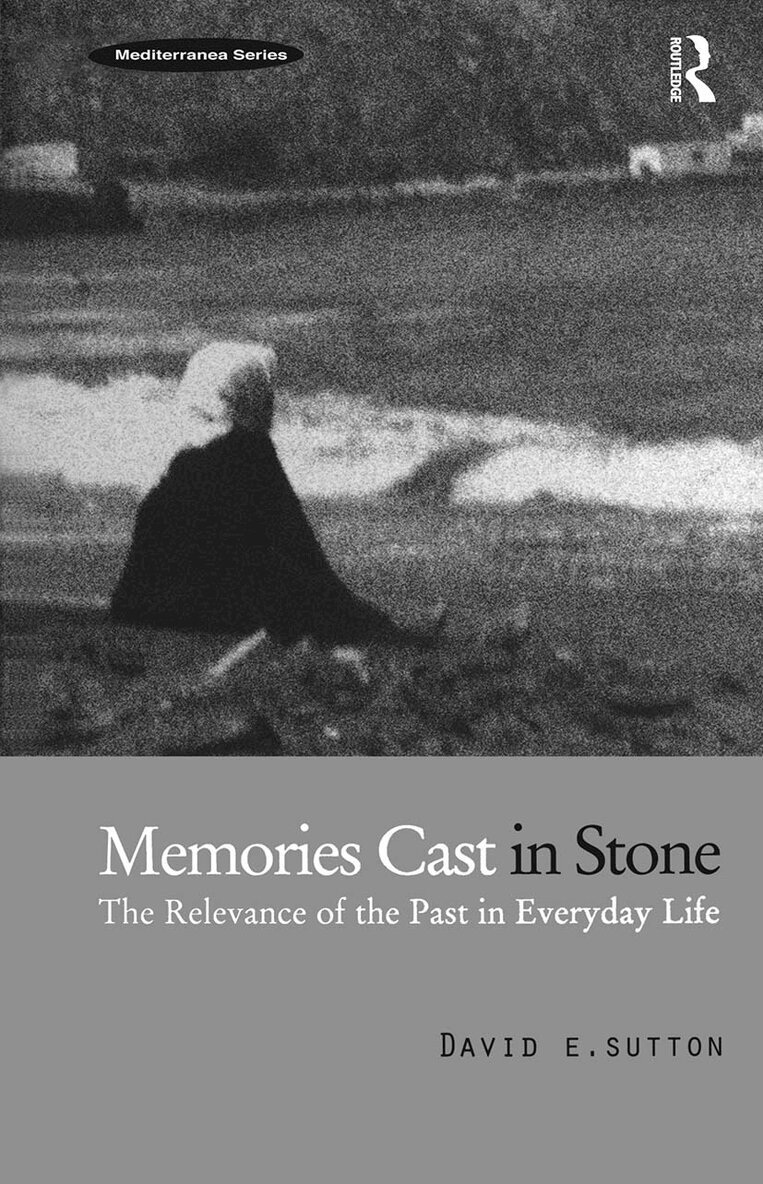
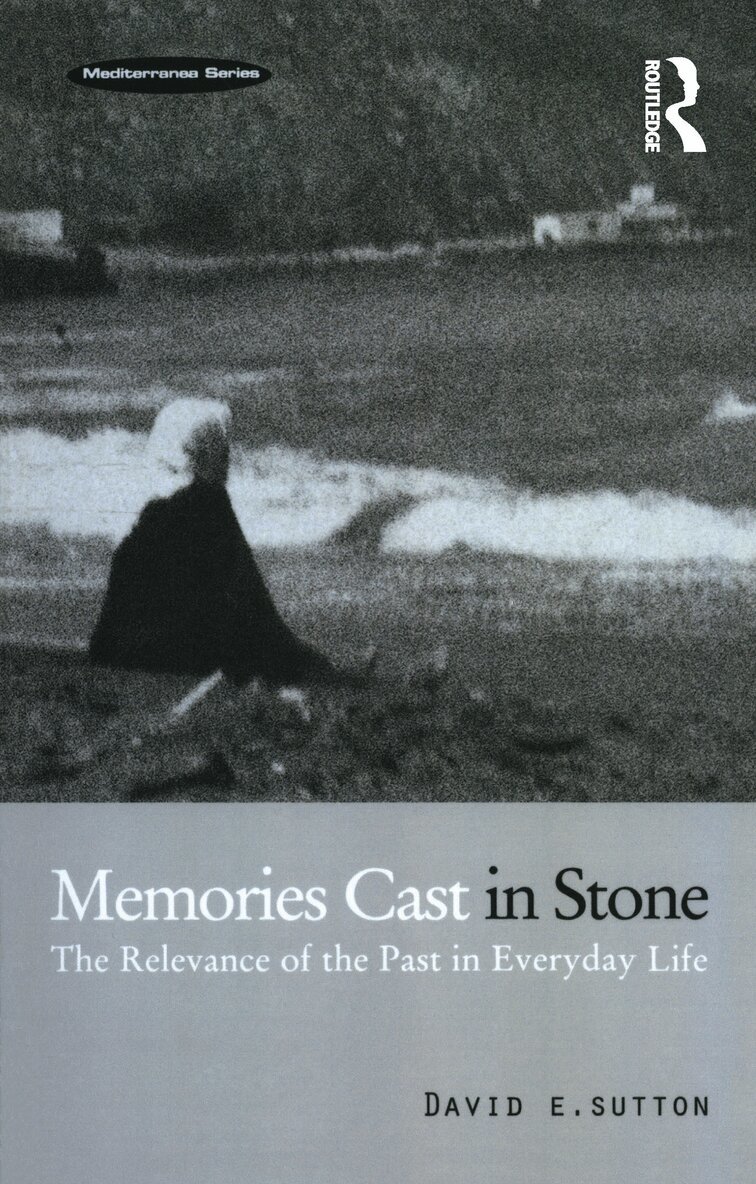
How does the past matter in the present? How is a feeling of ‘ownership' of the past expressed in people's everyday lives? Should continuity with the distant past be seen as simply a nationalist fiction or is it transformed by local historical imagination? While recent anthropological studies have focused on reconstructing disputed histories, this book examines the multiple ways in which the past is used by people as a critical resource for interpreting the meanings of a changing present. It poses the issue of the felt relevance of the past in constructing present day identities. The Greek island of Kalymnos is a barren and seemingly bucolic setting of tourist imagination. But its history has been one of almost continuous occupation by foreign powers and of often fierce resistance. This has made Kalymnians particularly sensitive to seeing their island in a much wider context and to understanding the ‘games played by the powerful'. In examining changing gender relations, European integration, and local perceptions of the war in the former Yugoslavia, this book brings together local, national and international perspectives in a unified field. Controversial contemporary practices of dynamite throwing and dowry giving serve as tropes through which Kalymnians explore alternative ways of living in a changing world. Further, the author argues persuasively for the crucial importance of situated fieldwork in ‘peripheral'places in understanding the issues and conflicts of a transnational world. This book serves as an highly readable case study of the complex connections between local and global discourses and practices, and how they are shaped by their relationship to the past.
566 kr
Skickas inom 10-15 vardagar
How does the past matter in the present? How is a feeling of ‘ownership' of the past expressed in people's everyday lives? Should continuity with the distant past be seen as simply a nationalist fiction or is it transformed by local historical imagination? While recent anthropological studies have focused on reconstructing disputed histories, this book examines the multiple ways in which the past is used by people as a critical resource for interpreting the meanings of a changing present. It poses the issue of the felt relevance of the past in constructing present day identities. The Greek island of Kalymnos is a barren and seemingly bucolic setting of tourist imagination. But its history has been one of almost continuous occupation by foreign powers and of often fierce resistance. This has made Kalymnians particularly sensitive to seeing their island in a much wider context and to understanding the ‘games played by the powerful'. In examining changing gender relations, European integration, and local perceptions of the war in the former Yugoslavia, this book brings together local, national and international perspectives in a unified field. Controversial contemporary practices of dynamite throwing and dowry giving serve as tropes through which Kalymnians explore alternative ways of living in a changing world. Further, the author argues persuasively for the crucial importance of situated fieldwork in ‘peripheral'places in understanding the issues and conflicts of a transnational world. This book serves as an highly readable case study of the complex connections between local and global discourses and practices, and how they are shaped by their relationship to the past.
2 153 kr
Skickas inom 10-15 vardagar
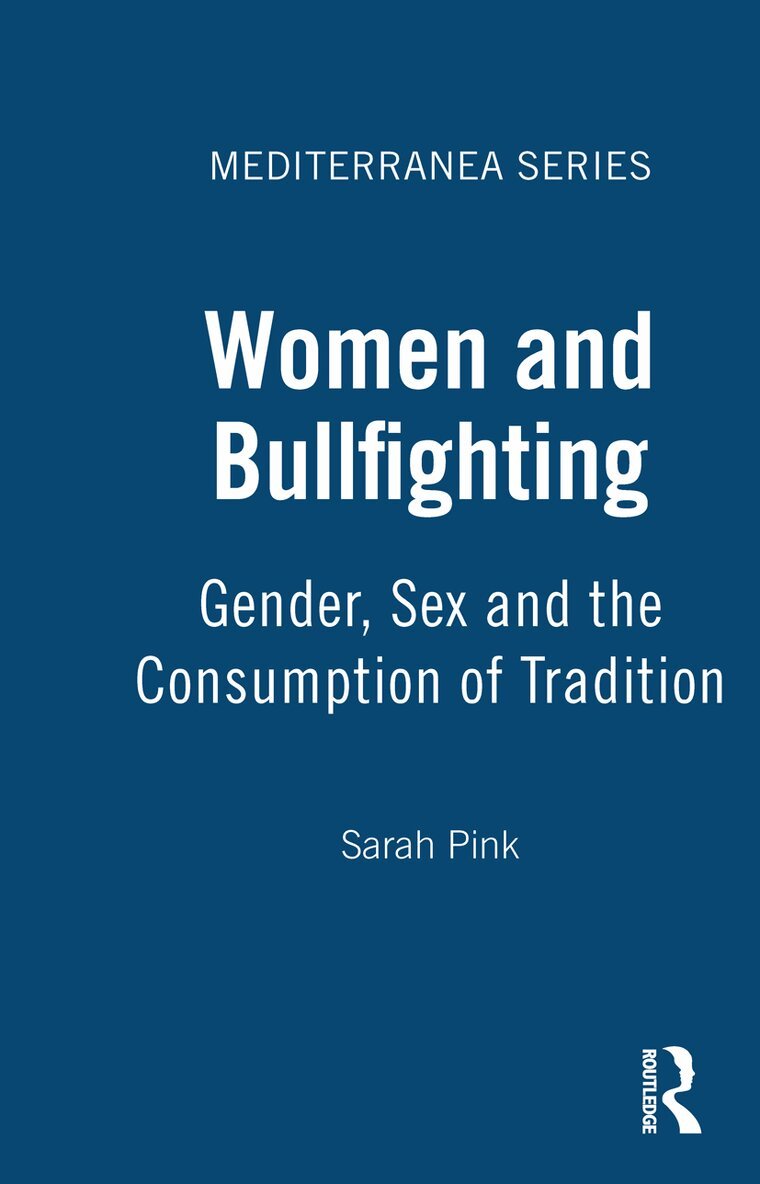
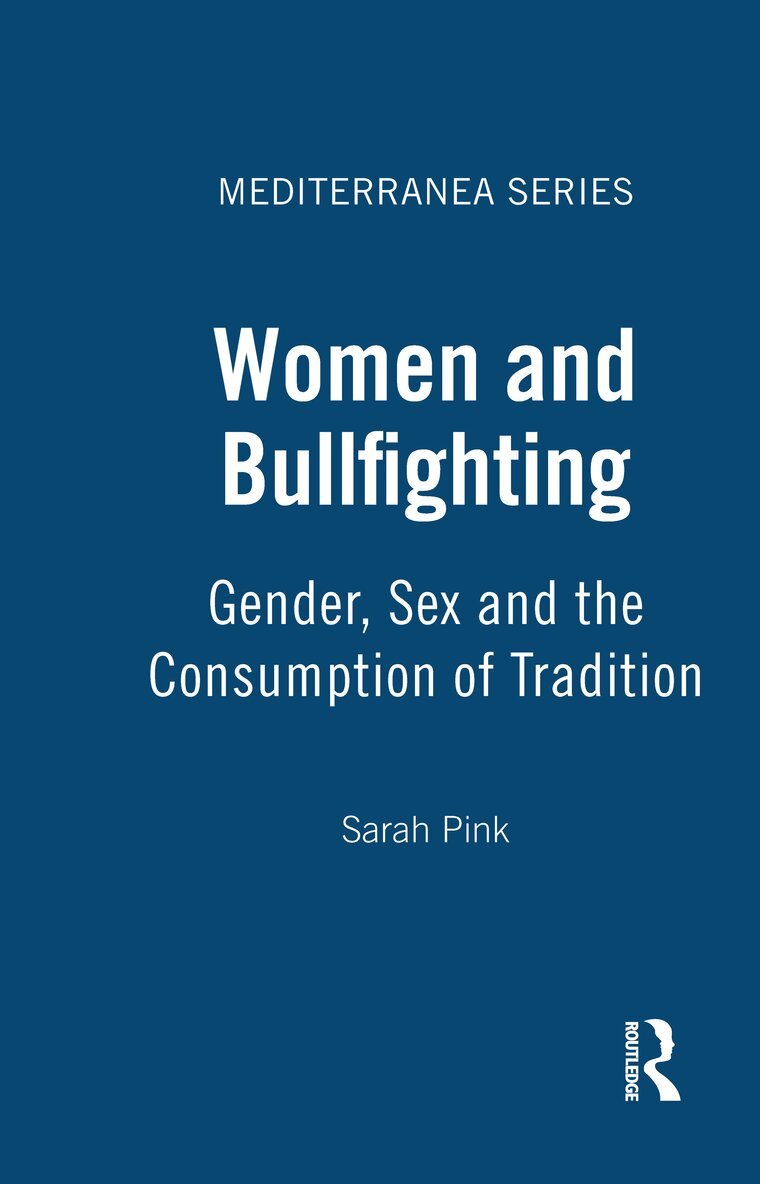
This book investigates the popularity and success of contemporary women performers in bullfighting culture, which has been framed by a discourse of 'traditionalist' masculinity. This examination of the changing situation of women in the bullfighting world is used to explore the ways in which gender is represented, enacted and negotiated in contemporary Spain. The bullfight in the 1990s is in an ambiguous position: it is a 'traditional' performance in a changing consumer society. In order to survive, it needs to adapt itself to a wider social context and, in particular, to international media coverage. It is in this context that the current success of women performers is located. However, women performers are a contested phenomenon in the bullfighting world: there is heated debate over their acceptability, much of which focuses on the body. Moreover, the entry of women into the bullfight questions existing definitions of the sport's ritual structure and of gender relations in Spain. Thoroughly researched and compelling to read, Women and Bullfighting addresses these issues and argues that existing traditionalist approaches to gender, bullfighting and ritual in Spain need to be revised in order to locate women bullfighters in the context of a richly varied culture which is increasingly affected by the media and contemporary patterns of consumption. This provocative book will be of interest to researchers and students of anthropology, gender studies, sociology, cultural studies, media studies and Spanish studies.
566 kr
Skickas inom 10-15 vardagar
This book investigates the popularity and success of contemporary women performers in bullfighting culture, which has been framed by a discourse of 'traditionalist' masculinity. This examination of the changing situation of women in the bullfighting world is used to explore the ways in which gender is represented, enacted and negotiated in contemporary Spain. The bullfight in the 1990s is in an ambiguous position: it is a 'traditional' performance in a changing consumer society. In order to survive, it needs to adapt itself to a wider social context and, in particular, to international media coverage. It is in this context that the current success of women performers is located. However, women performers are a contested phenomenon in the bullfighting world: there is heated debate over their acceptability, much of which focuses on the body. Moreover, the entry of women into the bullfight questions existing definitions of the sport's ritual structure and of gender relations in Spain. Thoroughly researched and compelling to read, Women and Bullfighting addresses these issues and argues that existing traditionalist approaches to gender, bullfighting and ritual in Spain need to be revised in order to locate women bullfighters in the context of a richly varied culture which is increasingly affected by the media and contemporary patterns of consumption. This provocative book will be of interest to researchers and students of anthropology, gender studies, sociology, cultural studies, media studies and Spanish studies.