Nanomaterial-Plant Interactions - Böcker
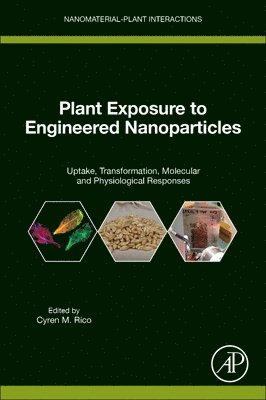
Plant Exposure to Engineered Nanoparticles
Uptake, Transformation, Molecular and Physiological Responses
1 898 kr
Skickas inom 7-10 vardagar
Plant Exposure to Engineered Nanoparticles: Uptake, Transformation, Molecular and Physiological Responses discusses the long-term exposure of plants, including agronomic crops, to nanomaterials in terrestrial environments. Chapters discuss changes in metabolite profiles in plants exposed to engineered nanomaterials, as well as modifications in elemental content of edible portions of plants. Biochemical pathways, root profiles, generational exposure, and biomass productivity are also analyzed in detail.
Subsequent chapters cover risks to trophic transfer, as well as human health and ecological functions, before concluding with future approaches to plant-nanomaterial research. The book covers important aspects of the interactions between plant and nanomaterials and will be a valuable resource to scientists and researchers in plant physiology, nanotechnology, agronomy and environmental science.
Analyzes research on environmental and ecological implications of nanomaterials in plants Includes the latest information on toxicity and human exposure Reviews modifications and alterations in plant expressions and biochemical pathways1 898 kr
Skickas inom 7-10 vardagar
Role of Chitosan and Chitosan-Based Nanomaterials in Plant Sciences explores the physiological, morphological, biochemical and molecular regulation of chitosan and chitosan-based nanoparticles in plants in normal conditions, as well as during different stresses, and their probable mechanism of operation in the tolerance mechanism. The book stimulates further research in the field of chitosan and will foster further interests for researchers, academicians and scientists worldwide. Nanotechnology is being used widely in all disciplines of science and technology, including plant sciences.
Chitosan has widely been reported as a beneficial organic compound for the growth and developments of plants and it plays a protective role for the plants against abiotic and biotic stresses. Yet there are very few books available that deal exclusively with Chitosan and Chitosan based nanoparticles impacts on plants respectively.
Analyzes the research on chitosan and chitosan-based nanomaterials in plant sciences Includes the latest information on toxicity and human exposure Reviews modifications and alterations in plant expressions and biochemical pathwaysPhysicochemical Interactions of Engineered Nanoparticles and Plants
A Systemic Approach
1 898 kr
Skickas inom 7-10 vardagar
Physicochemical Interactions of Engineered Nanoparticles and Plants: A Systemic Approach, Volume Four in the Nanomaterial-Plant Interactions series, presents foundational information on how ENMs interact with the surrounding environment. Key themes include source, fate and transport of ENMs in the environment, biophysicochemical transformations of ENMs, and chemical reactions and mechanisms of ENMs transport in plants. This book is an essential read for any scientist or researcher looking to understand the molecular interactions between ENMs and Plants.
Engineered nanomaterials (ENMs) reach plant ecosystems through intentional or unintentional pathways. In any case, after release, these materials may be transformed in the environment by physical, chemical and biochemical processes. Once in contact with plant systems, biotransformation may still occur, affecting or stimulating plant metabolism. Since plants are the producers to the food chain, it is of paramount importance to understand these mechanisms at the molecular level.
Presents data, predictions and modeling regarding the presence of ENMs in air, water and soil Explains, at the molecular level, the biogeochemical cycle of ENMs before plant exposure Focuses on the reactions and mechanisms of ENMs and plantsEngineered Nanomaterials for Agricultural Sustainability
Current Status, Methods, and Future Strategies
2 020 kr
Skickas inom 7-10 vardagar
Engineered Nanomaterials for Agricultural Sustainability: Current Status, Methods, and Future Strategies offers an in-depth exploration of how nanotechnology is transforming agriculture by enhancing crop productivity and environmental sustainability. The book addresses the bottleneck between the development and the implementation of nanotechnology in agriculture, focusing on the knowledge gaps related to environmental fate, standardization of characterization methods, mechanism of biological interaction, safety concerns, and the lack of consensus in regulatory guidelines.A volume in the Nanomaterial-Plant Interactions series, Engineered Nanomaterials for Agricultural Sustainability covers the design and application of nanomaterials for critical agricultural applications, such as nano-fertilizers, nano-pesticides, soil remediation, and nutrient management. It discusses key considerations regarding the fate and transport of the nano-enabled agrochemicals for their safe and effective commercialization. Subject matter experts provide comprehensive insights into the characterization techniques for studying nanomaterials in an agricultural context and advancements in understanding their mechanism of action and toxicity using multi-omics tools. The chapters present the latest research alongside regulatory challenges, offering a structured approach that enables readers to design nanomaterials for specific agricultural applications while avoiding undesirable impacts.With a strong focus on sustainability, this volume provides a roadmap for responsible and effective implementation of nanotechnology in agriculture. It will be a go-to reference for those looking to harness nanomaterials to enhance agricultural productivity and ensure food security.
Presents an overview of nanomaterials for enhancing agriculture, including fertilizers, pesticides, and soil managementIncludes methods for characterizing nanomaterials and assessing plant interactions and responsesAddresses key regulatory, environmental, and societal considerations for responsible use of agricultural nanotechnology2 386 kr
Skickas inom 7-10 vardagar
Nanoparticles and Plant-Microbe Interactions: An Environmental Perspective, Volume Seven in the Nanomaterial-Plant Interactions series, provides comprehensive coverage on how nanoparticles can impact plant-microbe interactions. Key themes include nanoparticle synthesis, nano-phytoremediation, nano-farming, the negative impacts of nanoparticles, and nanomaterials in mitigating stress. This will be an essential read for any scientist or researcher looking to assess and understand the potential toxicological risks associated with plant nanotechnology, with particular focus on plant-microbe interactions. Nanotechnology is an emerging field with a vast range of nano-based products for commercial exploitation. The interactions of nanoparticles, plants and microbes can be harnessed in several applications, including alleviating environmental pollution.
In addition to the aforementioned content, the book also explores concerns surrounding the toxicity of nanoparticles themselves, an important aspect to be aware, along with potential negative effects.
Discusses the latest advances in the use of nanotechnology in plants and plant-microbe interactions Considers the potential negative impacts of nanotechnology on the environment Presents the applications of nanomaterials, including their role in stress mitigationToxicity of Nanoparticles in Plants
An Evaluation of Cyto/Morpho-physiological, Biochemical and Molecular Responses
1 898 kr
Skickas inom 7-10 vardagar
Toxicity of Nanoparticles in Plants: An Evaluation of Cyto/Morpho-physiological, Biochemical and Molecular Responses, Volume Five in the Nanomaterial-Plant Interactions series, reviews the latest research on toxicological effects of using nanotechnology in plants. Key themes include analyzing plant exposure to nanomaterials, mechanisms of toxicity of nanoparticles to plants, and effects, uptake and translocation of various different nanoparticles. This will be an essential read for any scientist or researcher looking to assess and understand the potential toxicological risks associated with plant nanotechnology.
To date, nanotechnology is considered one of the most promising areas of research due to the widespread applications of nanomaterials in plant science and agriculture. However, extensive use of nano-based products raises concerns regarding their toxicity in crop plants, their environmental impact and potential consequences to humans via the food chain.
Discusses environmental concerns raised by the extensive use of nanotechnology Highlights the impact of plants treated with nanoparticles on nutritional status Reviews major challenges for assessing the toxicity of nanomaterials in plants1 898 kr
Skickas inom 7-10 vardagar
The Impact of Nanoparticles on Agriculture and Soil, part of the Nanomaterials-Plant Interaction series, contributes the most recent insights into understanding the cellular interactions of nanoparticles in an agricultural setting, focusing on current applications and means of evaluating future prospects. In order to ensure and improve the biosafety of nanoparticles, it is a primary concern to understand cellular bioprocess like nanomaterial's cellular uptake and their influence on cellular structural, functional and genetic components. This book addresses these and other important aspects in detail along with showcasing their applications in the area of agriculture.
With an international team of authors, and experienced editors, this book will be valuable to those working to understand and advance nanoscience to benefit agricultural production and human and environmental welfare. In-depth knowledge of these bioprocess will enable researchers to engineer nanomaterials for enhanced biosafety.
Guides the assessment of nanomaterials' impact on agricultural and soil cellular metabolism and physiological characteristics Provides in-depth insights into potential risks and hazards of nanoparticles Builds a foundation for further research and development1 898 kr
Skickas inom 7-10 vardagar
Nanometal Oxides in Horticulture and Agronomy, a volume in the Nanomaterial-Plant Interactions series, summarizes the physiological, morphological, biochemical, and molecular regulation of metal oxide nanoparticles in plants under normal conditions as well as during different stresses. With a focus on impact and applications, it presents the latest advances in the roles of metal oxide nanoparticles in both horticulture and agriculture.
Metal oxide nanoparticles have been reported as beneficial inorganic materials for the growth and development of plants, playing a protective role against the abiotic and biotic stresses. Researchers need to understand the different regulatory pathways of metal oxide nanoparticles, including their mechanisms of operation under different stressful conditions. This volume presents the physiological, morphological, biochemical, and molecular regulation of metal oxide nanoparticles in plants in normal conditions as well as during different stresses. It also discusses tolerance mechanisms and the variety of roles and applications that metal oxide nanoparticles have within plant biology.
Beginning with an introductory overview to metal oxide nanomaterials, chapters discuss the effect of metal oxide nanomaterials on biochemical pathways within the plant, highlighting key applications such as fertilizers, weed control systems and pest control systems. It describes the impact of metal oxide nanoparticles in different challenging environmental conditions. Concluding with a discussion of the strengths and weaknesses of metal oxide nanoparticles in agriculture, Nanometal Oxides in Horticulture and Agronomy provides inspiration for further research and advancement. This book is an essential read for researchers and students interested in horticulture, agronomy, and plant nanomaterials.
Bridges the interdisciplinary knowledge gap between metal oxide nanoparticle synthesis and biological relevance in agriculture and horticulture Evaluates why metal oxide nanoparticles are superior to other nanomaterials for horticultural and agricultural applications Interprets the impact of metal oxide nanoparticles against a variety of different stressors, including drought, salinity and heavy metal contamination1 898 kr
Skickas inom 7-10 vardagar
Molecular Impacts of Nanoparticles on Plants and Algae covers molecular mechanisms of plants/algae related to cellular uptake, translocation of nanoparticles, and genome, transcriptome, proteome, and metabolome responses against it. The book introduces readers to state-of-the-art developments and trends of nanoparticles and plants/algae including interactions of nanoparticles with biological compounds in vitro. Nanoscience and nanotechnology have rapidly been developed in the last few decades, and they have a wide range of applications in industry, medicine, food, and agriculture. In agriculture, nanoparticles (NPs) have successfully been used for growth regulation, crop protection and improvement. This book presents the most recent findings on nanoparticle and plant/algae interaction by focusing on molecular response mechanisms at genome, transcriptome, proteome and metabolome levels. In addition, uptake and translocation mechanism of nanoparticles are assessed both in plant and algae. Throughout this book, the latest developments and discoveries are highlighted, along with open problems and future challenges in molecular mechanisms of plants/algae as a response of nanoparticles.
Presents genome, transcriptome, proteome, and metabolome responses in plants/algae, along with cellular uptake and translocation mechanismsIllustrates nano-particle-plant/algae interactionsCovers both simple and higher organisms, addressing both algae and plant1 898 kr
Skickas inom 7-10 vardagar
Photosynthesis: From Plants to Nanomaterials in the Nanomaterial-Plant Interactions series, summarizes both the foundational mechanisms and latest advances in photosynthesis. With a strong emphasis on artificial photosynthesis, the book also analyzes the role of nanomaterials in energy production. Starting with an introduction to plant photosynthetic systems, chapters discuss the structure of light harvesting systems, energy transfer and membrane protein complexes. The book later describes the role of nanoparticles in photosynthesis, including agricultural applications, advances in nanobionics, and the impact of engineered nanomaterials.
This book is an essential read for researchers and students interested in photosynthesis, bionanotechnology and nanomaterials.
Presents the latest advances in plant photosynthesis Discusses the role of nanomaterials in energy production and other photosynthetic mechanisms Highlights nanotechnology and artificial photosynthesis1 898 kr
Skickas inom 7-10 vardagar
Carbon Nanotubes in Agriculture: Specifications and Applications presents overviews the beneficial roles of carbon nano-tubes (CNT) in regulation of seed germination, plant metabolism and their applications in plant stress management. In light of current climate change trends, CNT-assisted crop yield is likely to play a significant role in improving plant health, enhancing root growth, and improved tolerance in plants to a number of abiotic and biotic stresses. Primarily targeted towards scientists and researchers in nanotechnology, nano-agriculture, nanomaterial-assisted crop improvement, as well as plant stress tolerance, plant biotechnology and crop yield, this book is the first to focus on this important topic.
Presents a nanotechnology approach for the management of abiotic and biotic stresses in plantsExplores nanotechnology-assisted rhizosphere engineering and its role in fertilizer developmentIncludes expert insights from around the globe2 020 kr
Skickas inom 7-10 vardagar
Nano-bioinoculants: Smart Tools for Modern Agriculture discusses the interactions between nanoparticles and soil-plants-microbiome systems in a single-volume book designed to guide improvements in sustainable agriculture i.e. plant production and soil health. Past practices for the application of pesticides and chemical fertilizers have reduced the beneficial microbial diversity and soil fertility essential for optimal crop yield and overall plant health. As a result, developing innovative approaches to plant/soil health maintenance, bioremediation process, and stress management is advancing. Plant protection methods are increasingly being tailored to improve sustainable precision results, reduce environmental impact, and to target specific plant health challenges. Nano-bioinoculants: Smart Tools for Modern Agriculture explains nanoparticles and beneficial microbes and their impact on soil microbiomes, soil fertility restoration, remediation of contaminated soil, and plant health. It also highlights nanoparticles and bioinoculants in stress management, plant growth, and productivity, as well as covering the potentially toxic effect of nanoparticles on humans and the environment. This volume in the Nanomaterial-Plant Interactions series explores the potential of nano-biotechnology for better agronomic performance and sustainability.
Provides current perspectives on applying nanoparticles and nanotechnology in agriculture in the futureHighlights an integrated approach between microbiology and nanotechnology for sustainable agriculture systemAddresses the application of both bioinoculants and nanoparticles in a single volume1 995 kr
Skickas inom 7-10 vardagar
Nanomaterials for Enhanced Plant-Based Food Production a new release in the Nanomaterial-Plant Interactions series, presents up-to-date insights on the use of nano-enabled agricultural tools from nanofertilizers to nanosensors, including how to balance safety and environmental impact concerns to ensure optimal utilization. The book provides a range of solution options and guides the reader in identifying the most appropriate choice. With state-of-the-art, broad coverage of recent and potential applications, this book covers the most recent advances in the application of nanotechnology toward fulfilling the world's food demands for present and future generations.
Presents the advantages and challenges of utilizing nanomaterials for plant health improvementIncludes coverage of environmental impact concernsHighlights the latest advances and future prospects for improving crop yield for improved food security1 690 kr
Skickas inom 7-10 vardagar